
Lifestyle & Culture
Return of the Drivers Car.
There are cars you admire from a distance. Then there are cars that introduce themselves quietly, before the crowd, before the noise, and before the day has fully decided what it will become.
I first saw the Gordon Murray T.50 just after sunrise at this year’s Amelia Island Concours d'Elegance. The field was still waking up. The air carried that early coastal stillness and smell of salt, grass, and the faint echo of engines not yet started. Dew rested across the car like a veil, softening its edges, catching the first light in a way that no studio ever could.
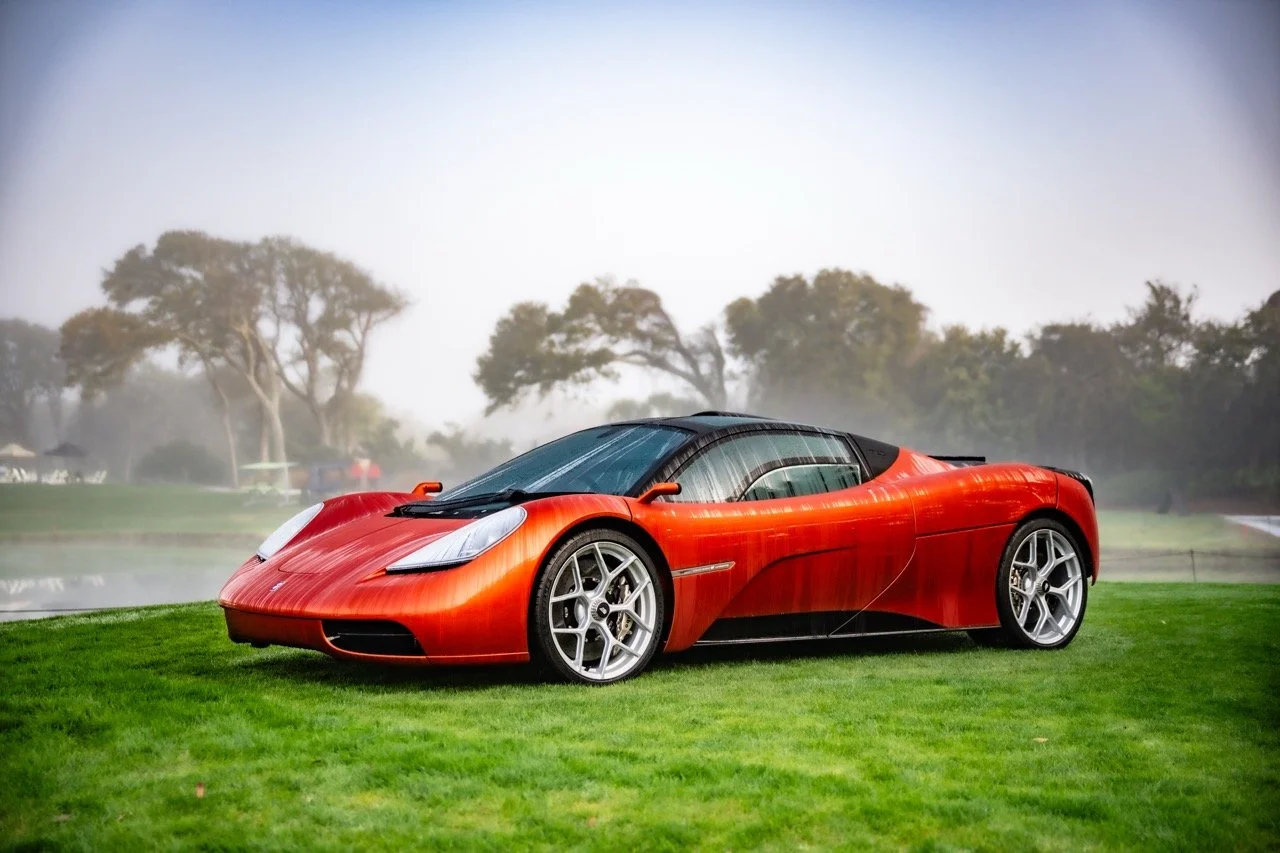
It wasn’t staged. It wasn’t trying. It simply was.
This particular T.50, positioned with many of Dario Franchitti race cars, sat with a quiet confidence. No exaggerated wings, no visual aggression. Just proportion, intention, and an almost unsettling sense of calm.
You notice different things in that kind of light. The way the surface tension of each dew drop traces the curvature of the bodywork. The way the central driving position becomes obvious before you ever open the door. The way restraint, when done properly, feels more radical than excess.
Standing there, alone for a moment, before raising my camera to my eye, it became clear. This wasn’t just another hypercar. It was a memory waiting to happen. There are moments in automotive history when progress accelerates so violently that it forgets to look in the rearview mirror. In the blur of today’s innovation, electrification, forced induction, and software-defined performance, something essential is often left behind.
The Gordon Murray T.50 is not a rejection of that future. It is something far more precise. It is a recalibration.
When Gordon Murray, the mind behind the McLaren F1, set out to build the T.50, he wasn’t interested in competing with modern hypercars on their terms. He wasn’t chasing Nürburgring times, hybrid horsepower wars, or algorithmic lap optimization. He was chasing something more elusive. Purity.
“The T.50 is the most driver-centric supercar ever built. Everything else is secondary.” ~ Gordon Murray
Modern performance cars often feel like they are designed to impress spreadsheets. The T.50 feels like it was designed to impress a human nervous system.
At its core is a question Murray has been refining for decades. What does a car feel like when nothing is compromised. Not weight, not response, not the driver’s role. The answer is not found in raw horsepower figures or 0–60 times. It is found in restraint.
The T.50 weighs just 2,173 lbs. That number is not an engineering achievement. It is a manifesto. Every gram removed is a statement against excess.
“Lightness gives you everything—performance, efficiency, feedback. It’s the single biggest contributor to driving pleasure.” ~ Gordon Murray
In an era defined by electrification and turbocharging, the T.50’s heart feels almost rebellious. A 3.9-liter naturally aspirated V12, developed by Cosworth, revving to an astonishing 12,100 rpm. No turbos. No hybrid assistance.
“This engine doesn’t just rev. It responds. It feels alive in a way modern powertrains just don’t.” ~ Dario Franchitti
If the engine is the heart of the T.50, the rear-mounted fan is its mind. Inspired by Murray’s Brabham BT46B Formula One car, the T.50 uses a 400mm fan to actively manage airflow beneath the car.
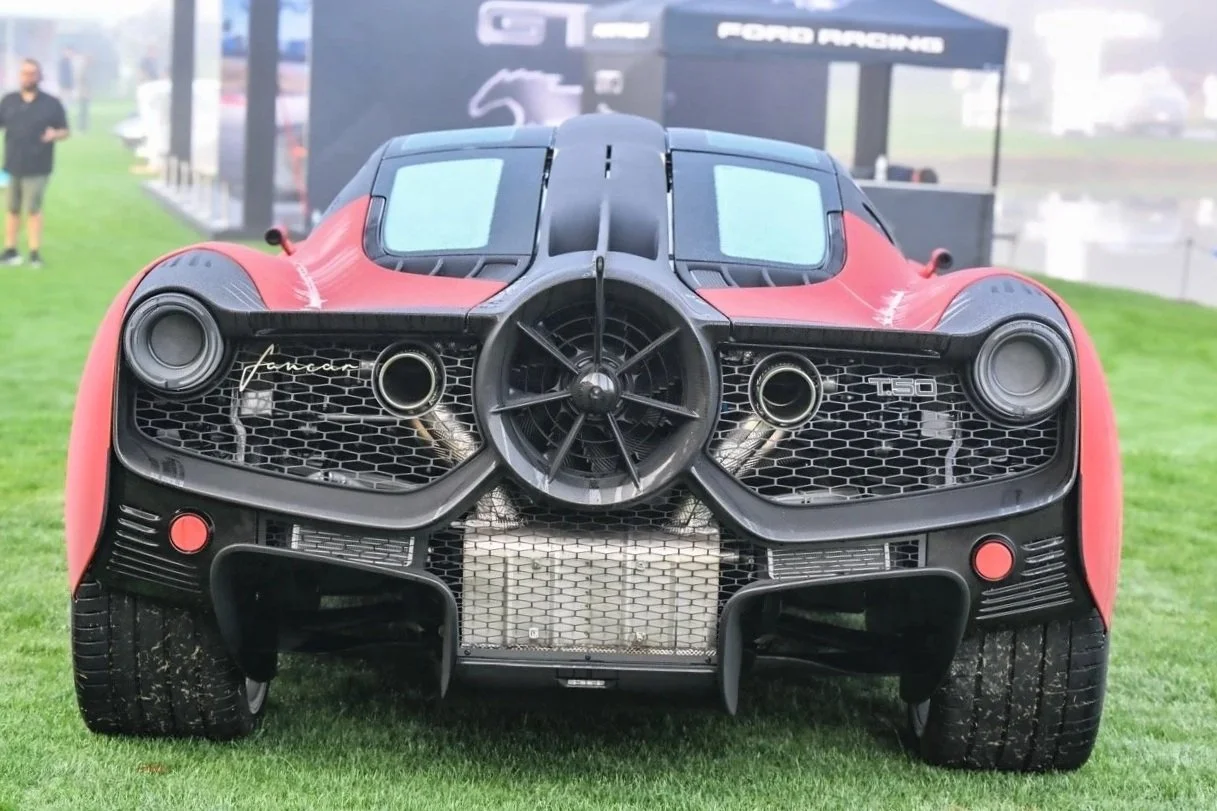
“We wanted aerodynamic performance without the penalties of drag, weight, and visual clutter.” ~ Gordon Murray
Step inside the T.50, and you immediately understand that this is not a car designed for passengers. It is designed for a driver. The central seating position ensures balance, clarity, and immersion. Physical controls, a manual gearbox, and minimal distraction define the experience.
“Technology should assist the driver, not replace the experience.” ~ Gordon Murray
There is a word that surfaces repeatedly when studying the T.50. Discipline. Every decision was filtered through a singular question. Does this improve the driving experience?
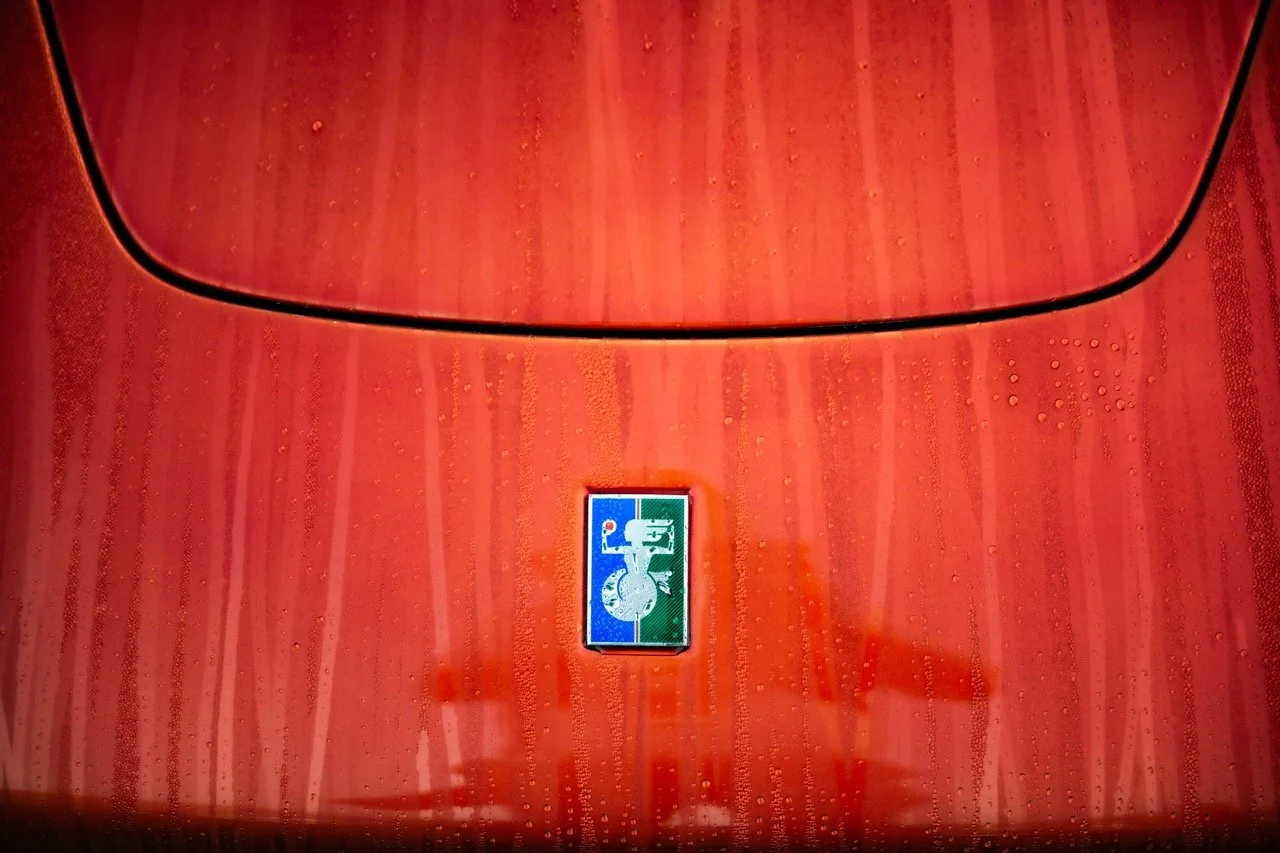
In April 2026, a 2025 T.50, Chassis 009, finished in Reef Red, sold for $8,035,000 at a Broad Arrow Auctions event during the California Mille. It marked the first time a T.50 was offered at a public auction in North America. The result established a world record for the model and represented a dramatic appreciation over its original list price of just over $3 million at launch.
What it reflects is something deeper. A market recognizing that philosophy matters.
“This isn’t about chasing numbers. It’s about chasing feeling, and that’s much harder to engineer.” ~ Dario Franchitti
The T.50 does not try to be the fastest car in the world. It tries to be the most felt, and now, the world is beginning to price that feeling accordingly.
OUR CARS. PERFECTLY REASONABLE OBSESSIONS.
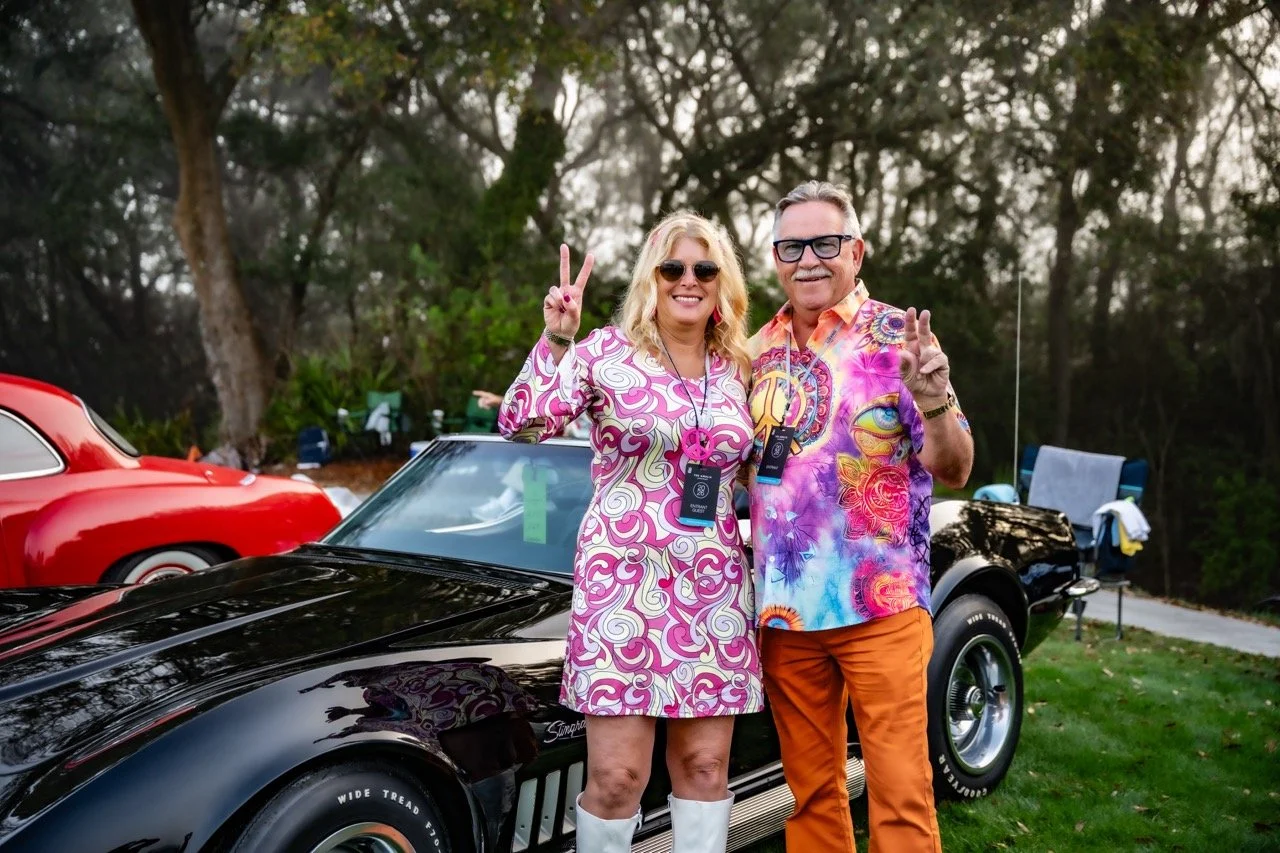
There are easier things to be obsessed and to care about than cars.
Cars are expensive. Occasionally unreliable. Often impractical. And, depending on your life choices, they can introduce you to both joy and a mechanic who answers the phone like he’s been expecting you.
And yet across generations, continents, and wildly different lives, people, car people keep coming back to them. Not because they must. But for reasons that don’t show up on a balance sheet, and they certainly don’t hold up in a calm, rational conversation. Simply because they mean something that touches our very core.
If you are going to be honest, cars don’t make sense. They make stories.
IT STARTS BEFORE THE ENGINE
You might find it on a stretch of backroad that bends just right. Or downshifting along the PCH, the azure blue of the Pacific Ocean doing its best to compete for your attention and almost succeeding.
It might be a Saturday morning in a parking lot pretending to be casual at a Cars & Coffee, or on a car club rally where “we’ll take it easy” lasts approximately two minutes after the starting point.
You might see it on the pristine show fields of Pebble or Amelia, or from the grandstands somewhere between a dusty dirt oval and a Formula 1 start line. Different settings. Same realization. Cars reveal themselves before anyone has the chance to perform for them.
If you follow that idea back far enough, you’ll find where it begins. A driveway.
Hose stretched just a bit too far. Bucket half full. Music drifting out from somewhere inside the house. You’re washing a car not because it needs it—but because something in you insists on it.
It’s not maintenance. It’s ritual. It becomes a quiet defense of your own decisions. You don’t wash a car to make it clean. You wash your car to confirm your judgment.
THE COMMUNITY IN MOTION (AND SOMETIMES NOT)

From there, it becomes social. Cars & Coffee. No entry fee. No judges. Coffee cools. Engines tick. Conversations begin with the car, drift into life, and then circle back as if that was the plan all along. “How long have you owned it?” Which, in this context, isn’t a question, it’s a standard. Cars & Coffee isn’t about cars. It’s about finding people who think this makes sense.
THE PURSUIT OF PERFECTION
Few cars arrives on the lawn at Pebble Beach. There, perfection isn’t optional, it’s expected. Everything is immaculate. Yet, the cars that hold your attention longest aren’t necessarily the most perfect. They’re the ones that have lived a little. Perfection wins trophies. Stories win people.
THE SPECTACLE OF SPEED
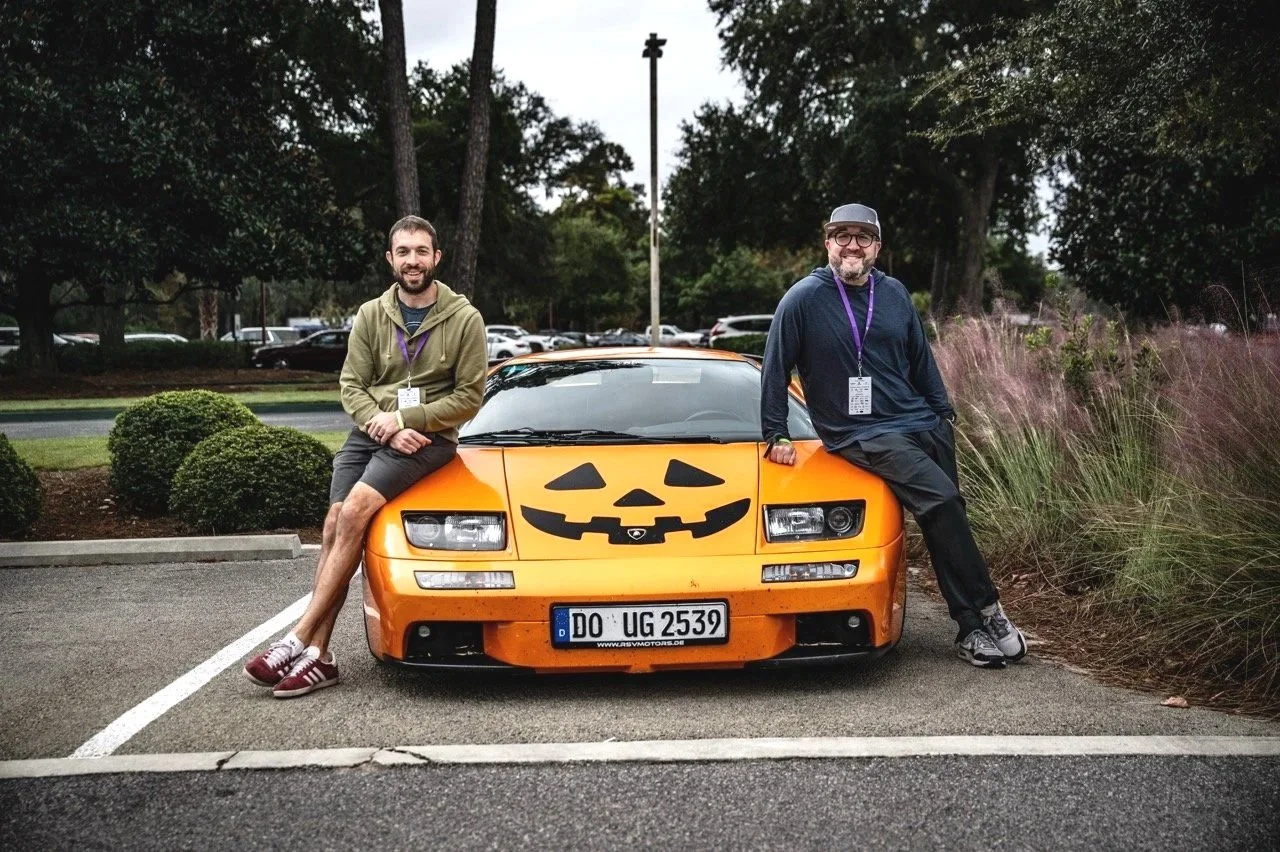
Running the Gumball and challenging rival cars across county. Red Georgia clay spraying spectators on the curve of a Southern dirt oval track. Smoke billowing from the tires of a modified streetcar in a drift circle. A pack of cars in NASCAR running inches apart at speed. A Formula 1 car threading a corner with precision.
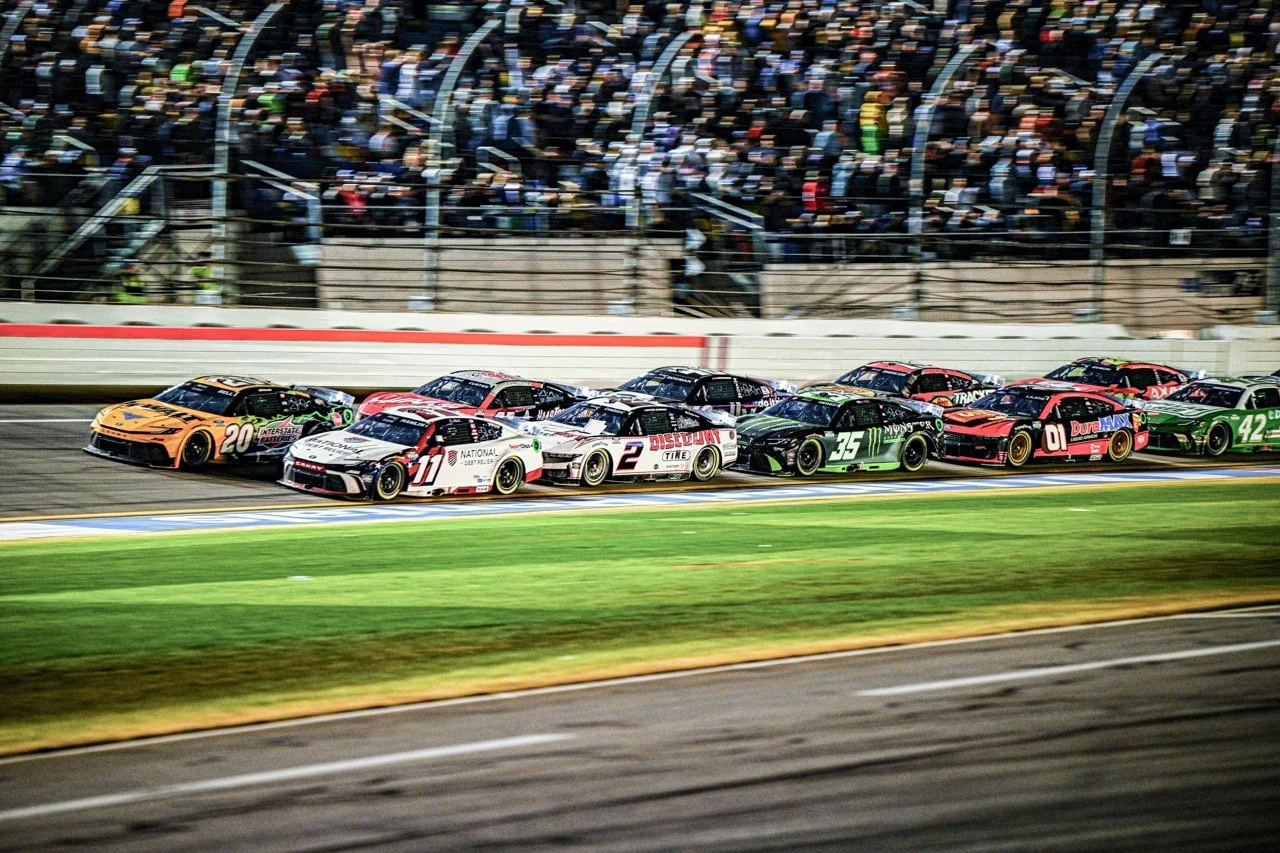
Different formats with the same truth. Someone built it. Someone trusts it. Someone chose to break a little later or refused to lift when most would.
Speed isn’t impressive because it’s fast. It’s impressive because someone chose not to question it and knew how to deal with it.
THE ROADS THAT DON’T NEED AN AUDIENCE
There are roads that don’t trend. A stretch of asphalt that flows just right. No audience. No validation. Just a quiet agreement with yourself. The best drives don’t need spectators. They need intent.
THEY ARE MEMORY, MADE PHYSICAL
Cars store moments the way photographs do. Only louder. You don’t remember the numbers. You remember the decision. They teach you something you can’t fake. Driving demands presence. A car doesn’t care who you are. Only how quickly you stop pretending.
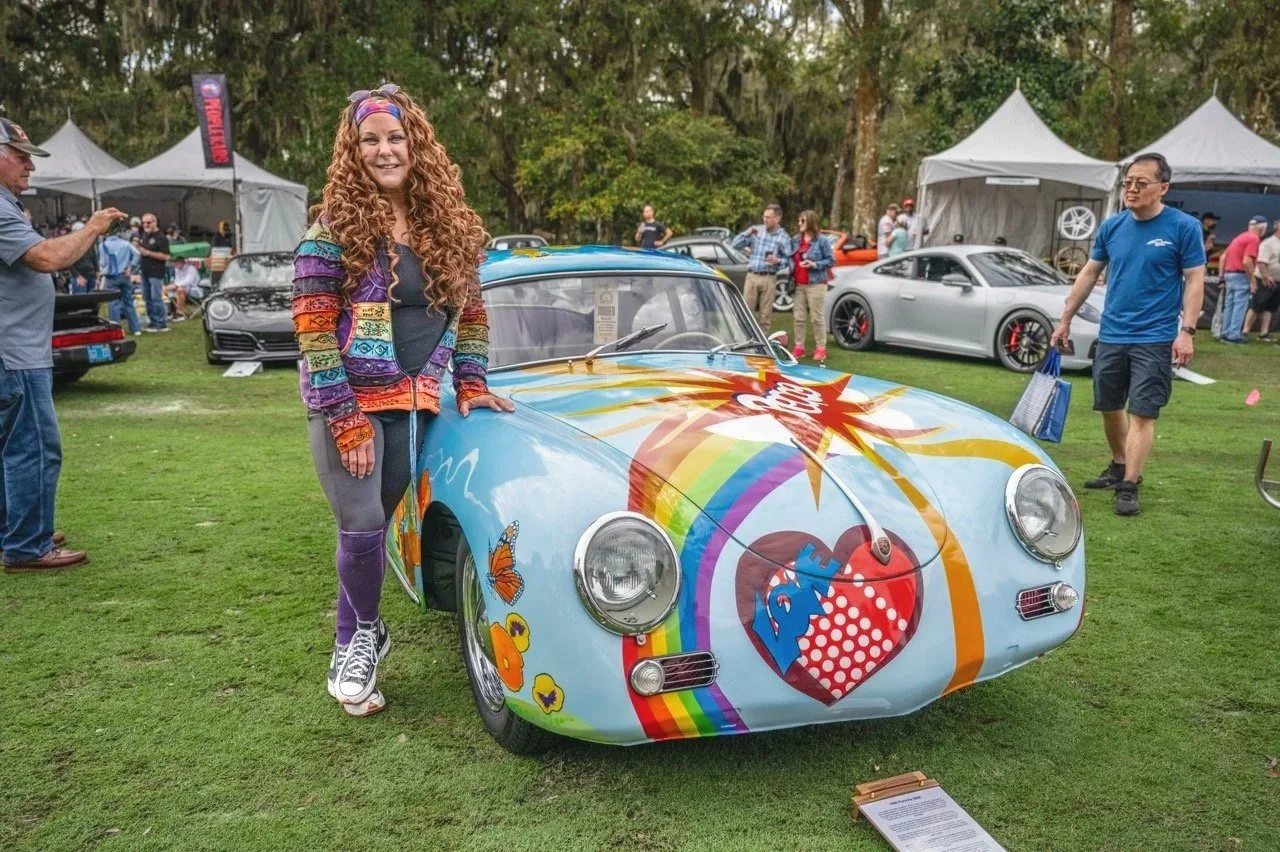
Cars don’t matter because they’re necessary. They matter because they ask something of you. Attention. Care. Judgment. Risk. Participation. Cars don’t just take you somewhere. They make sure you meant to go.