
Feature: Speed Curated
The Indianapolis Motor Speedway Museum Still Defines the Edge of Possibility.
You don’t simply arrive at Indianapolis. You emerge. Out of the Turn 2 tunnel, the sound of the street dissolves behind you, replaced by something deliberate and distilled. The building sits low, composed, and is almost indifferent to your arrival.
It doesn’t ask for attention. It assumes it. You step inside and immediately, something shifts. A year after its $60 million reinvention, the museum no longer presents history. It stages it. As you walk through the museum, you begin to realize that this isn’t merely a collection of cars. It is a sequence of forces.
THE ENTRANCE
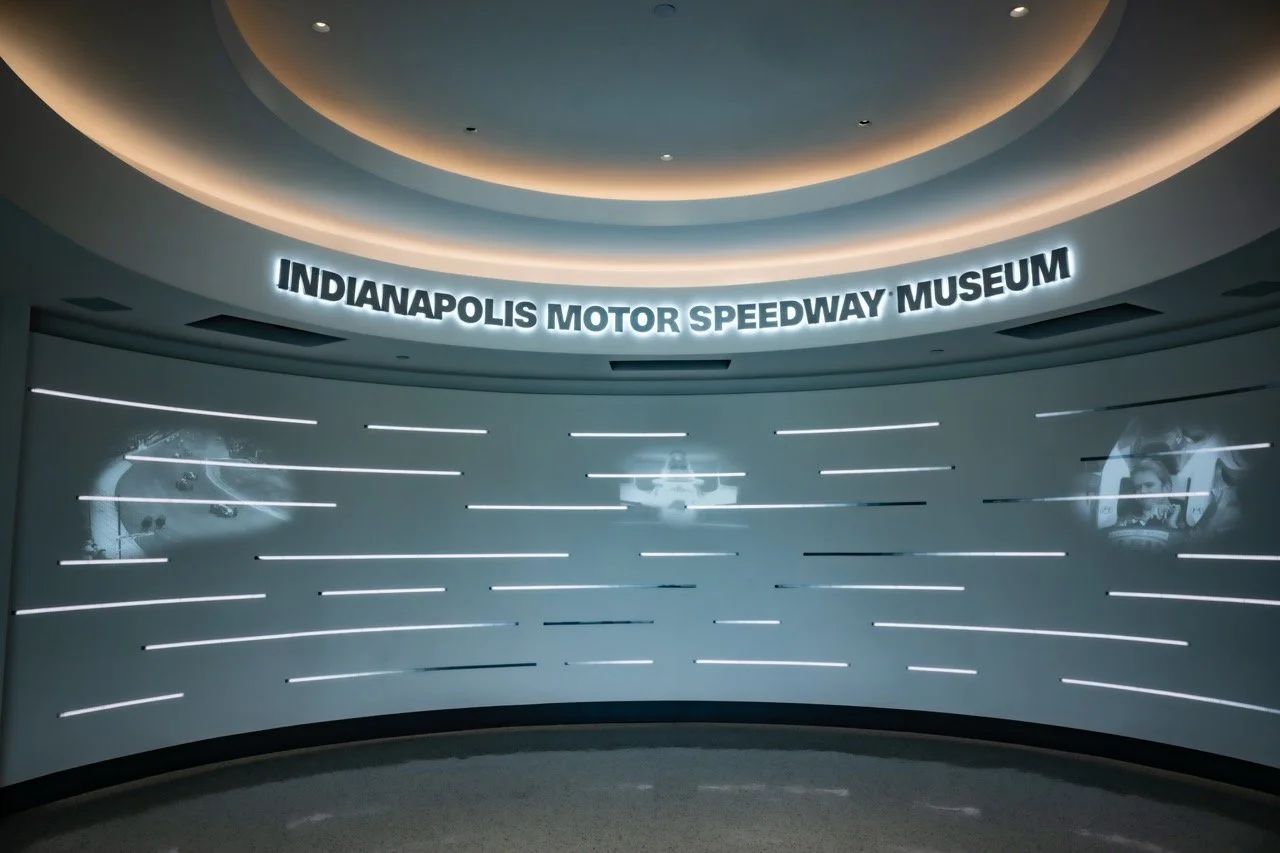
The first sensation is subtraction. Sound fades. Movement slows. Light sharpens.
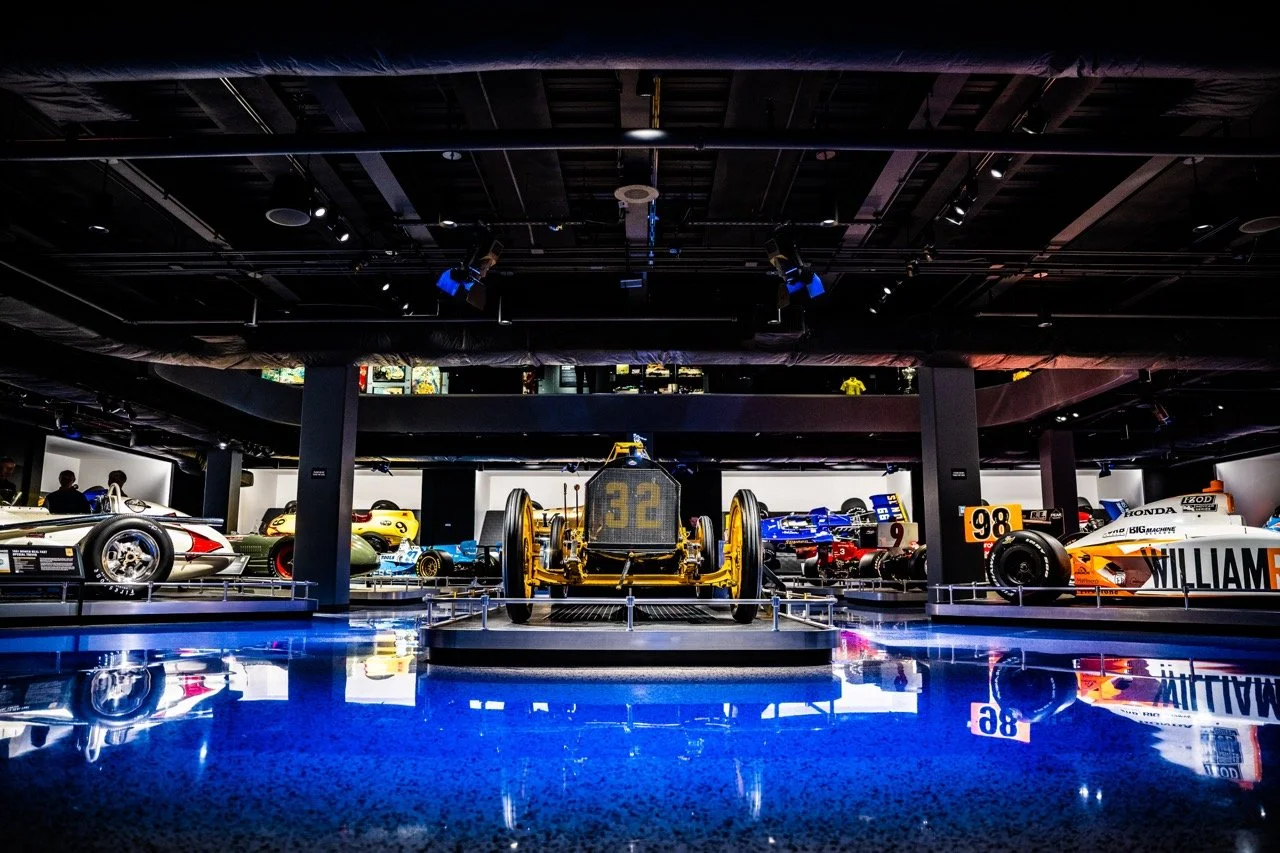
Cars sit under precise illumination, polished, still, almost confrontational. They are not displayed as artifacts. They are positioned as statements.
Just beyond them, without announcement, the story begins, not in the present, but at its most fragile origin.
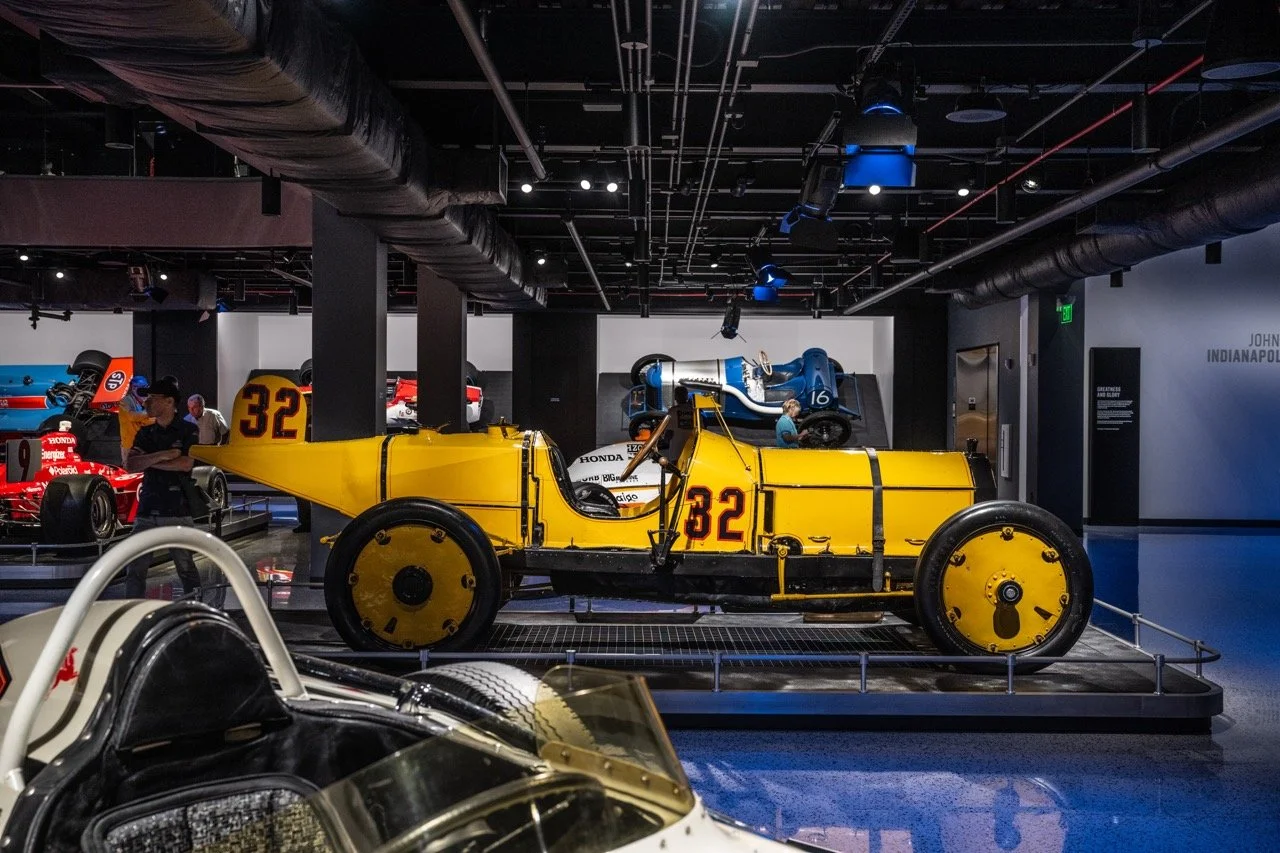
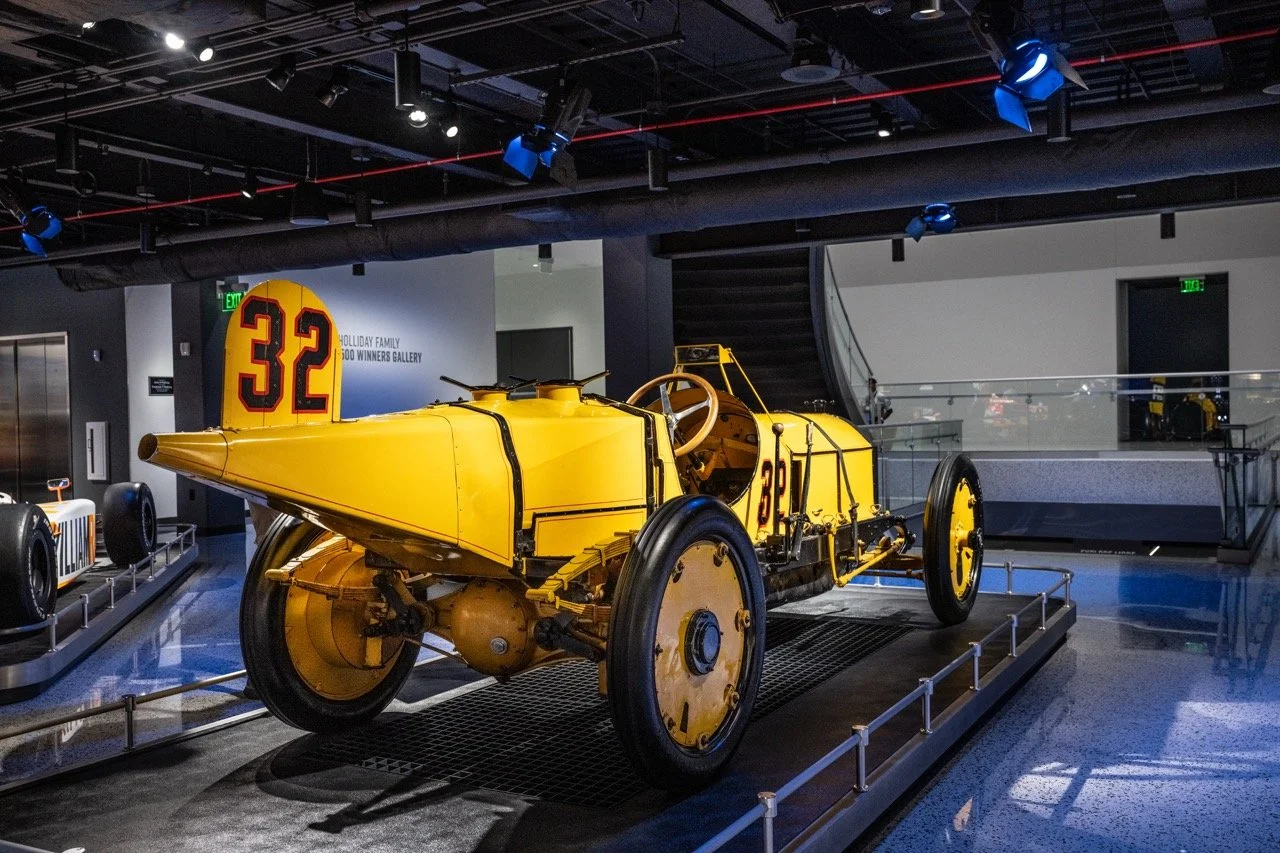
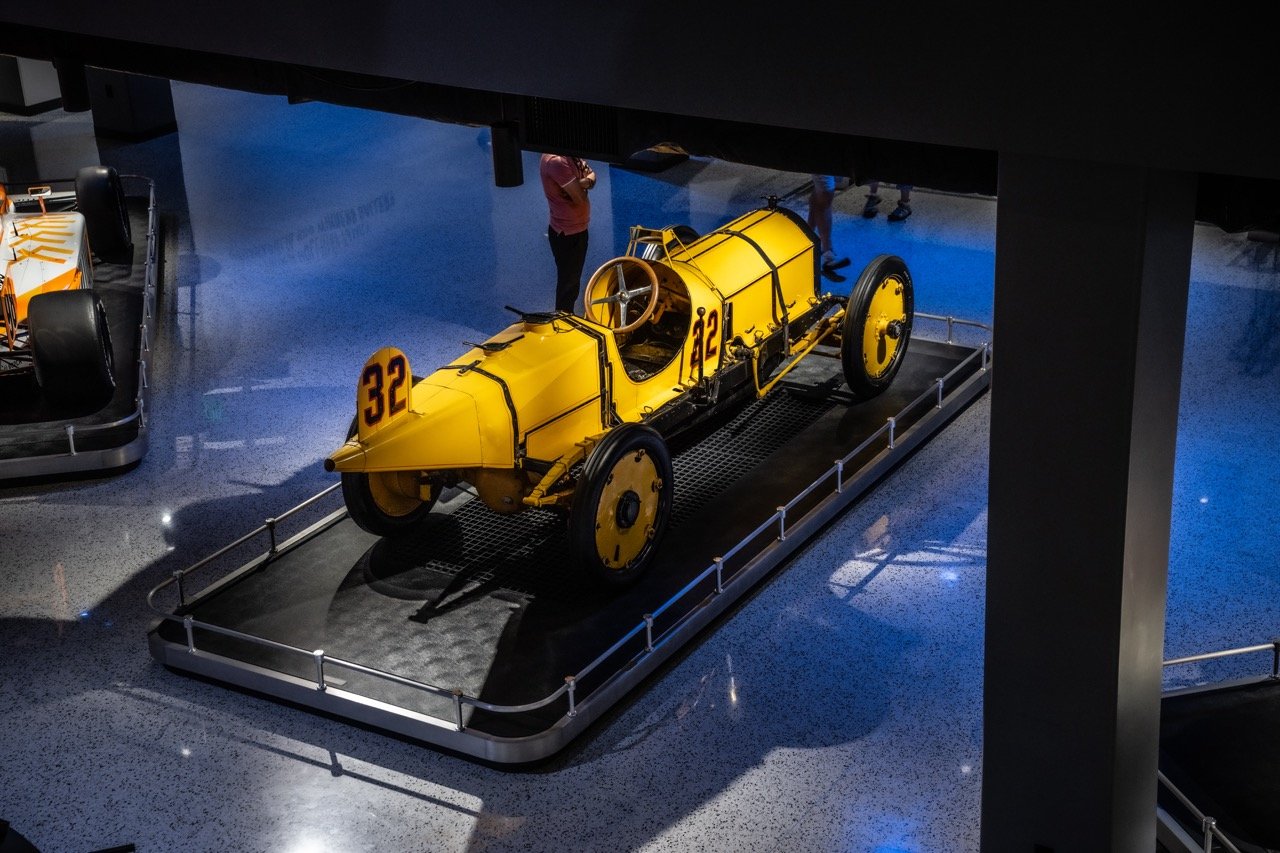
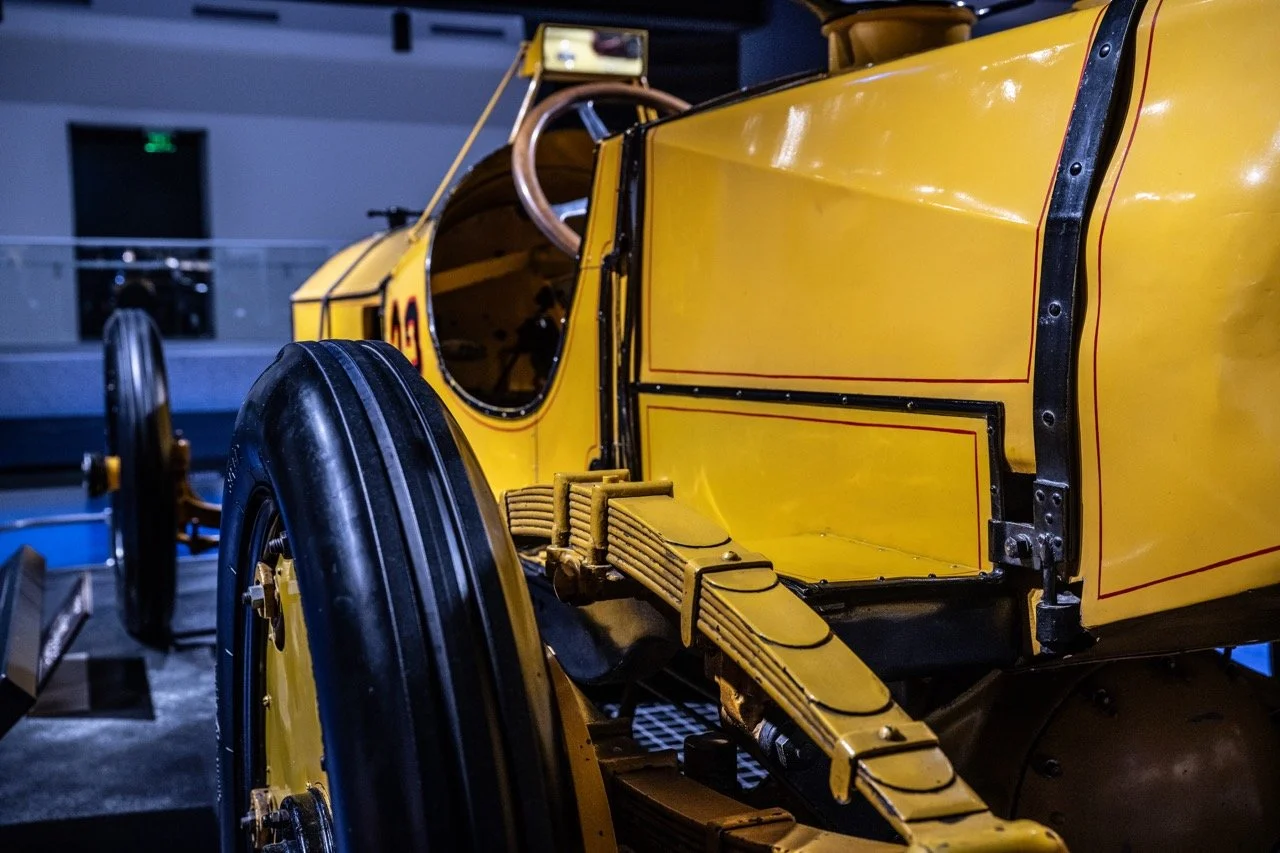
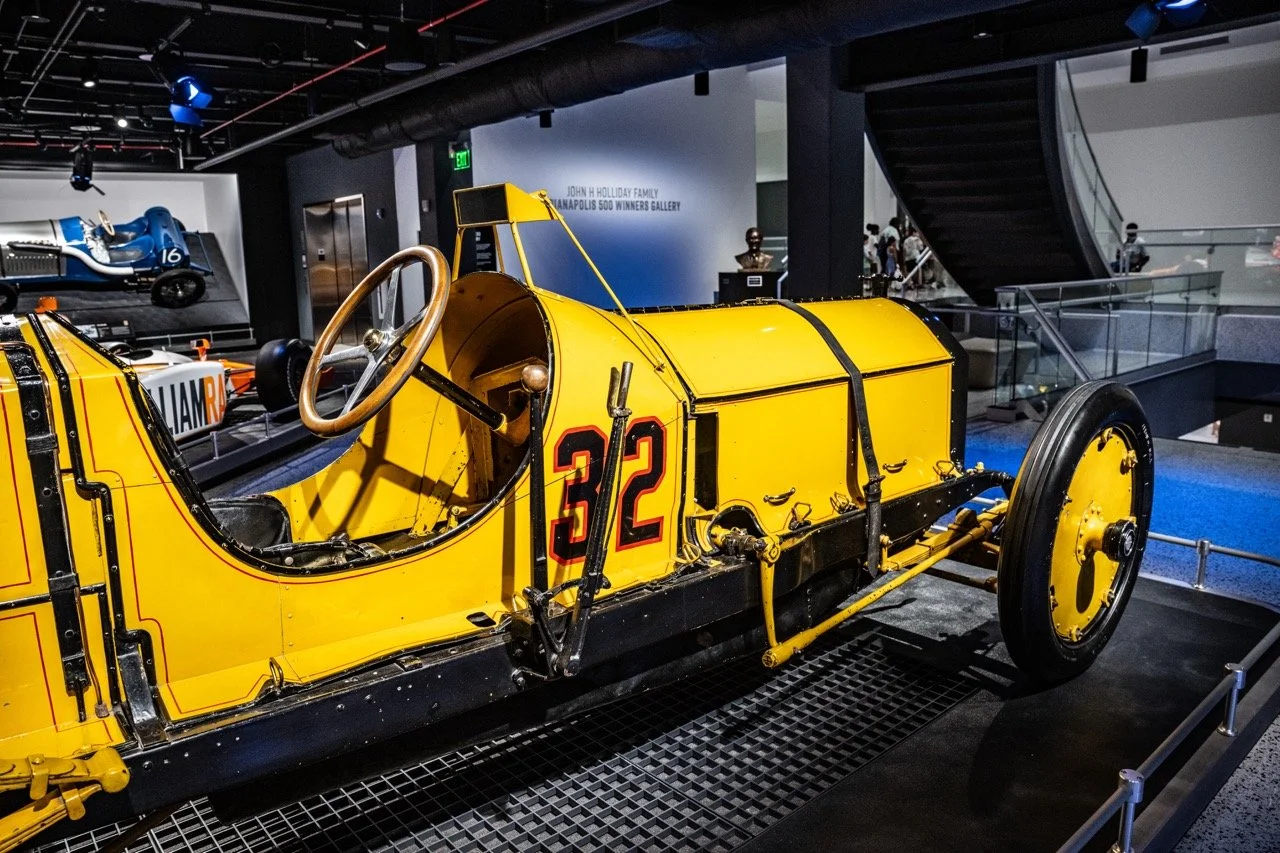
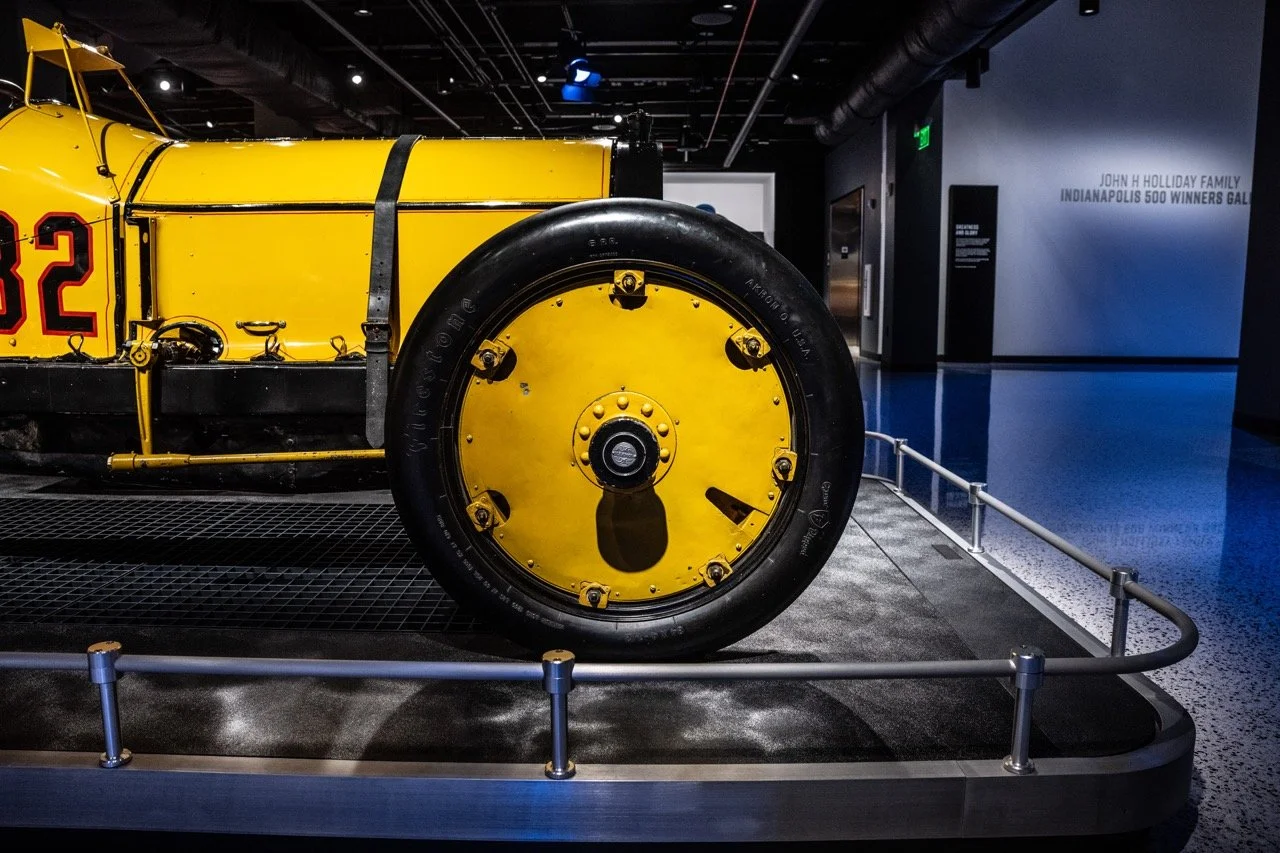
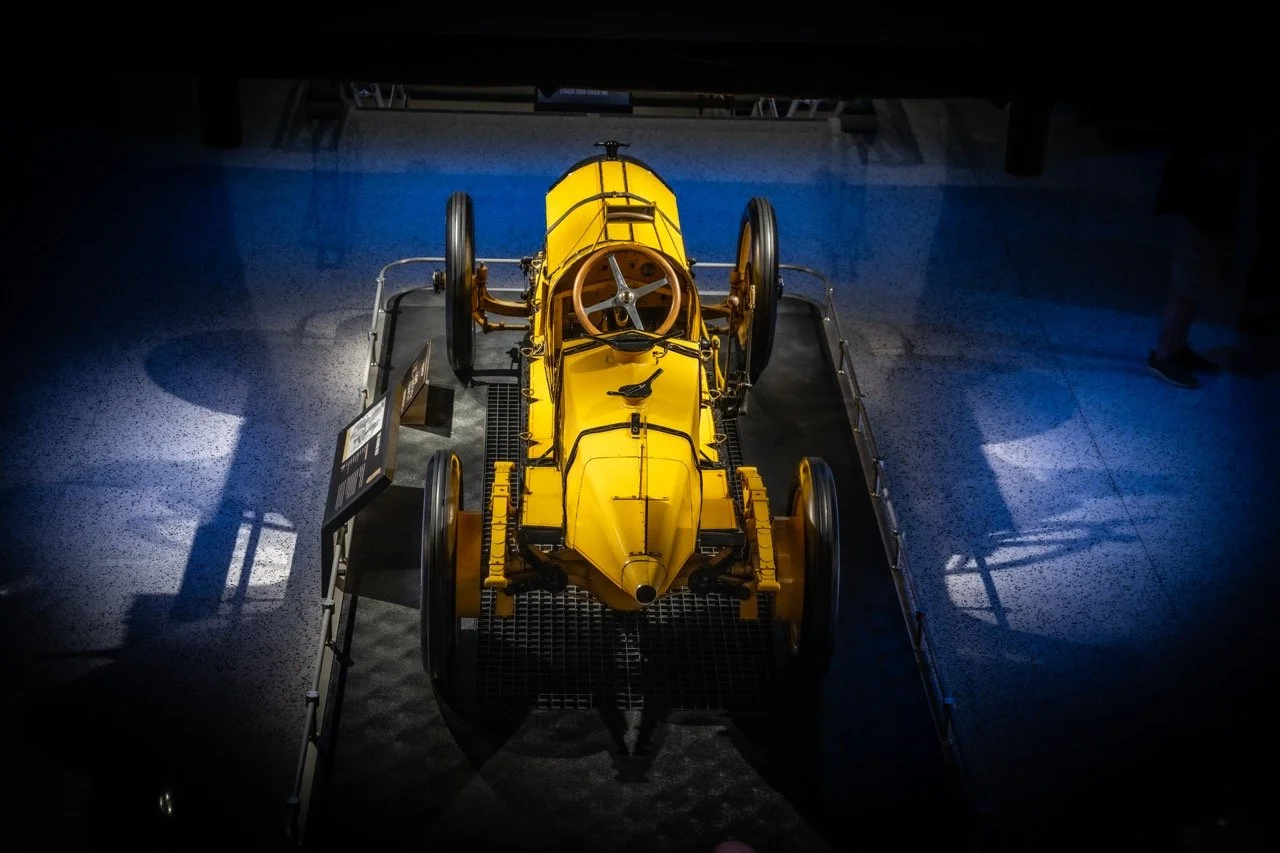
Where it all began. Ray Harroun won the inaugural Indy 500 on May 30th, 1911 driving the Marmon Wasp. His average speed was 74.602 mph. Harroun pioneered the rear-view mirror to race without a riding mechanic.
THE STARTING LINE EXPERIENCE
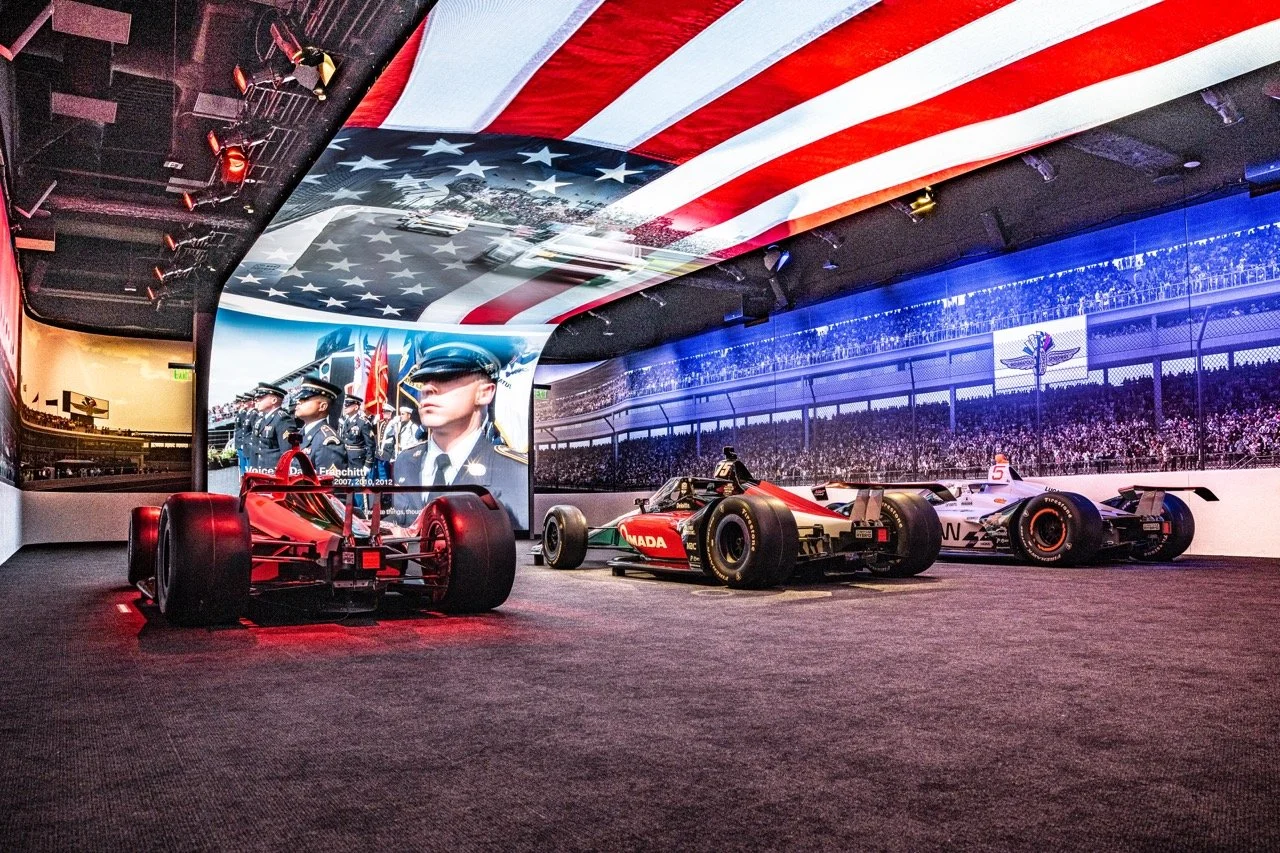
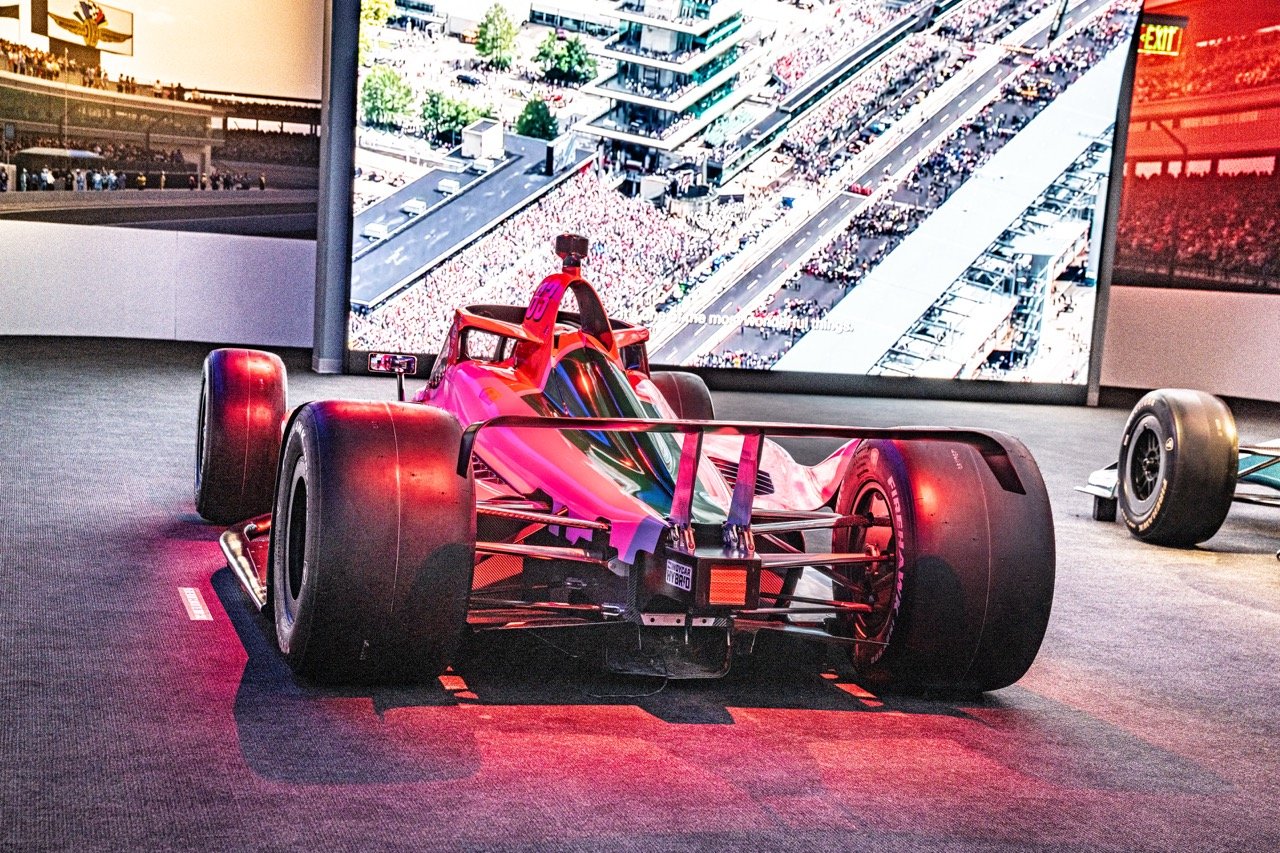
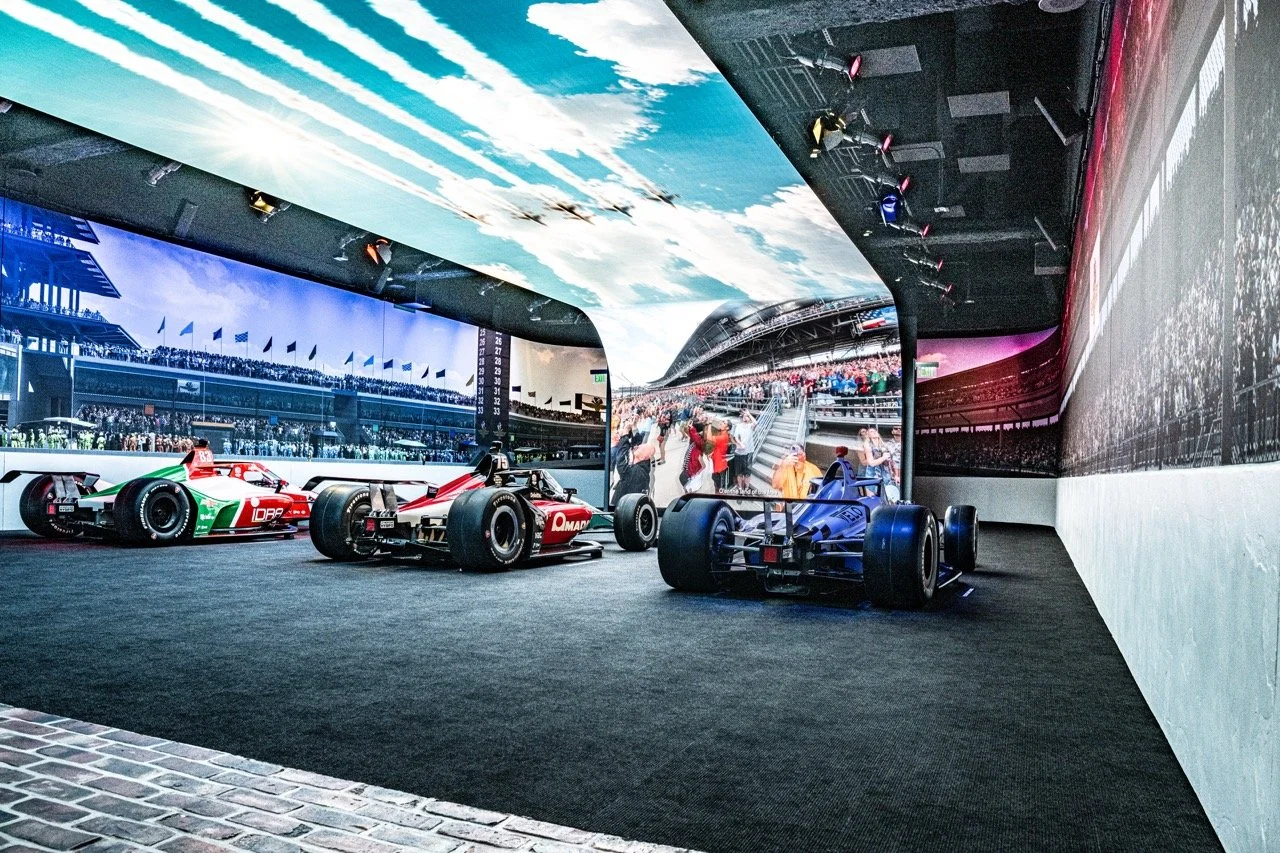
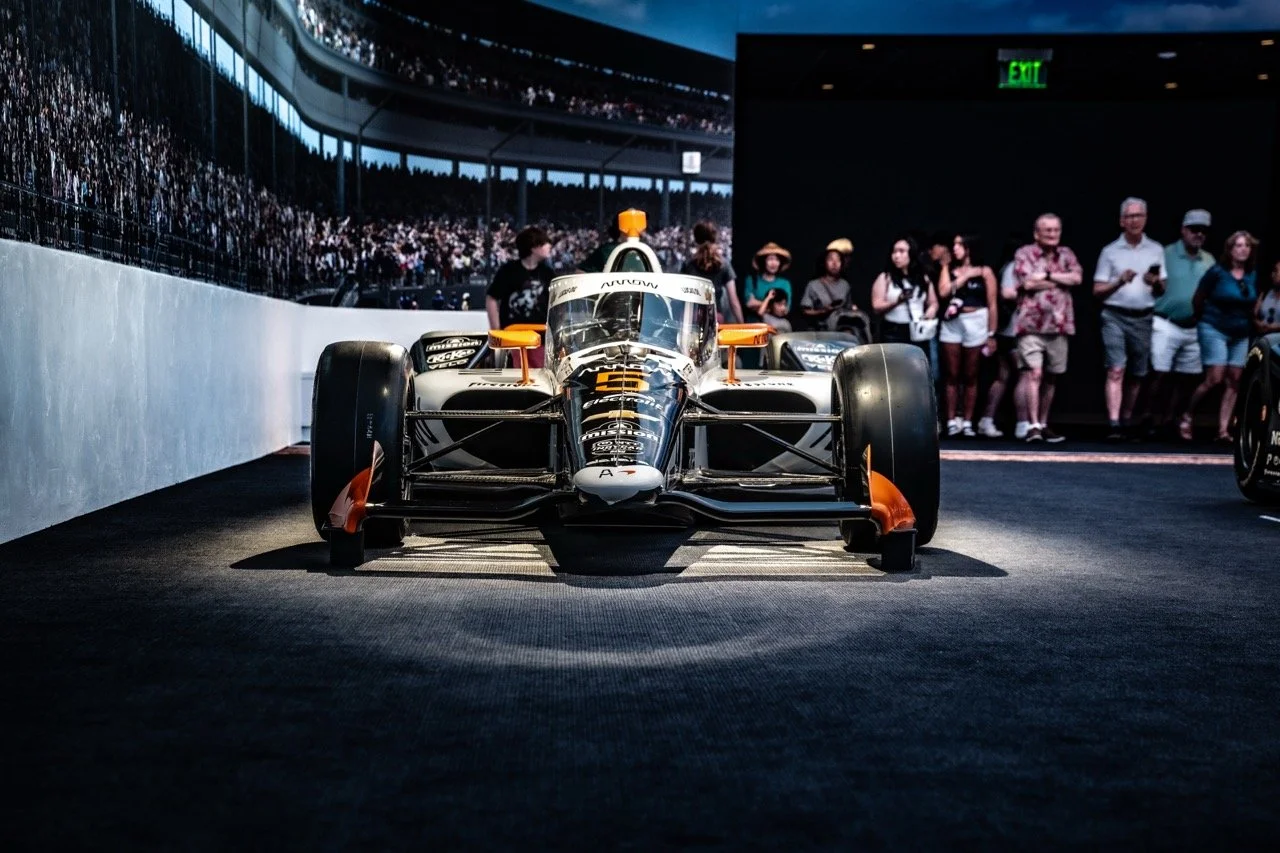
You are placed into tension immediately. You stand on the grid. You experience the stillness. The moment before everything moves. But as you stand there, something unexpected happens. The past begins to bleed into the present.
“You don’t drive Indy. You survive it.” ~ A.J. Foyt
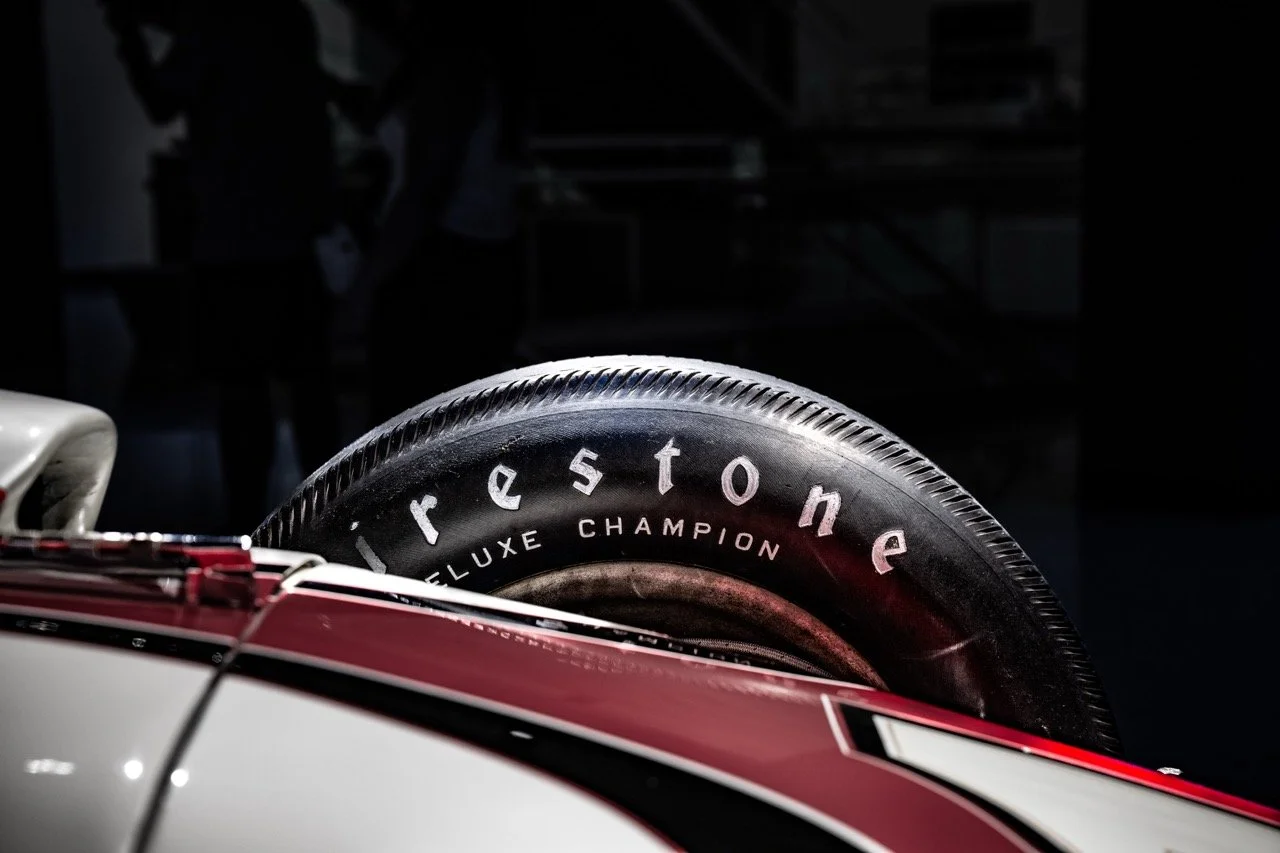
As you enter the museum, the earliest machines appear. Thin tires. Exposed mechanics. No safety. No forgiveness. What would later be called speed is still undefined here.
This is not yet a pursuit. It is a question. Suddenly the Starting Line becomes something more profound. It’s not just the beginning of a race, but the beginning of belief.
Speed doesn’t start when the green flag drops. It starts when someone first asks, “what if?”
THE WINNERS GALLERY
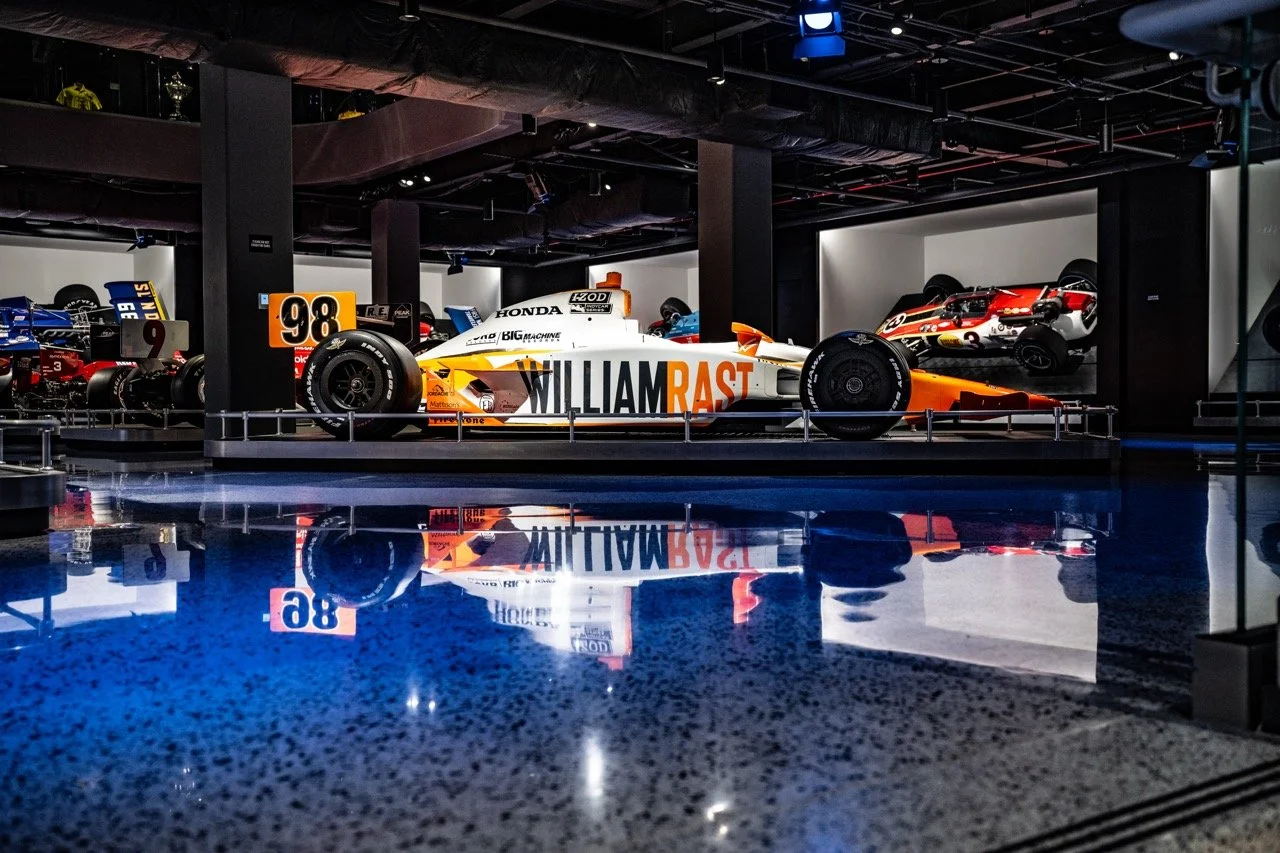
You move forward, and the tone shifts. You recognize that victory has weight. The cars become heavier, not physically, but emotionally. These are no longer attempts. They are outcomes. Machines that endured 500 miles and arrived at something final.
“At Indy, the winner is the one who makes the fewest mistakes.” ~ Rick Mears
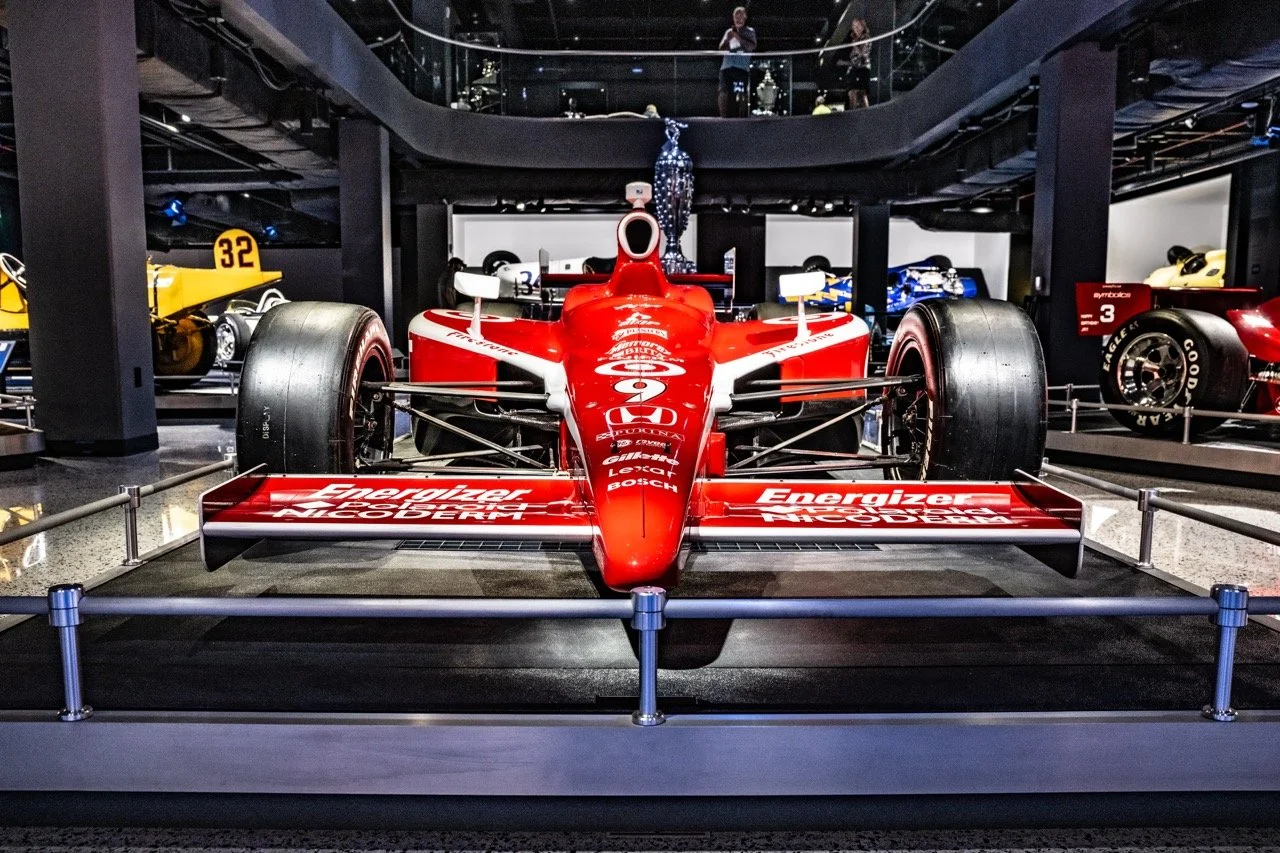
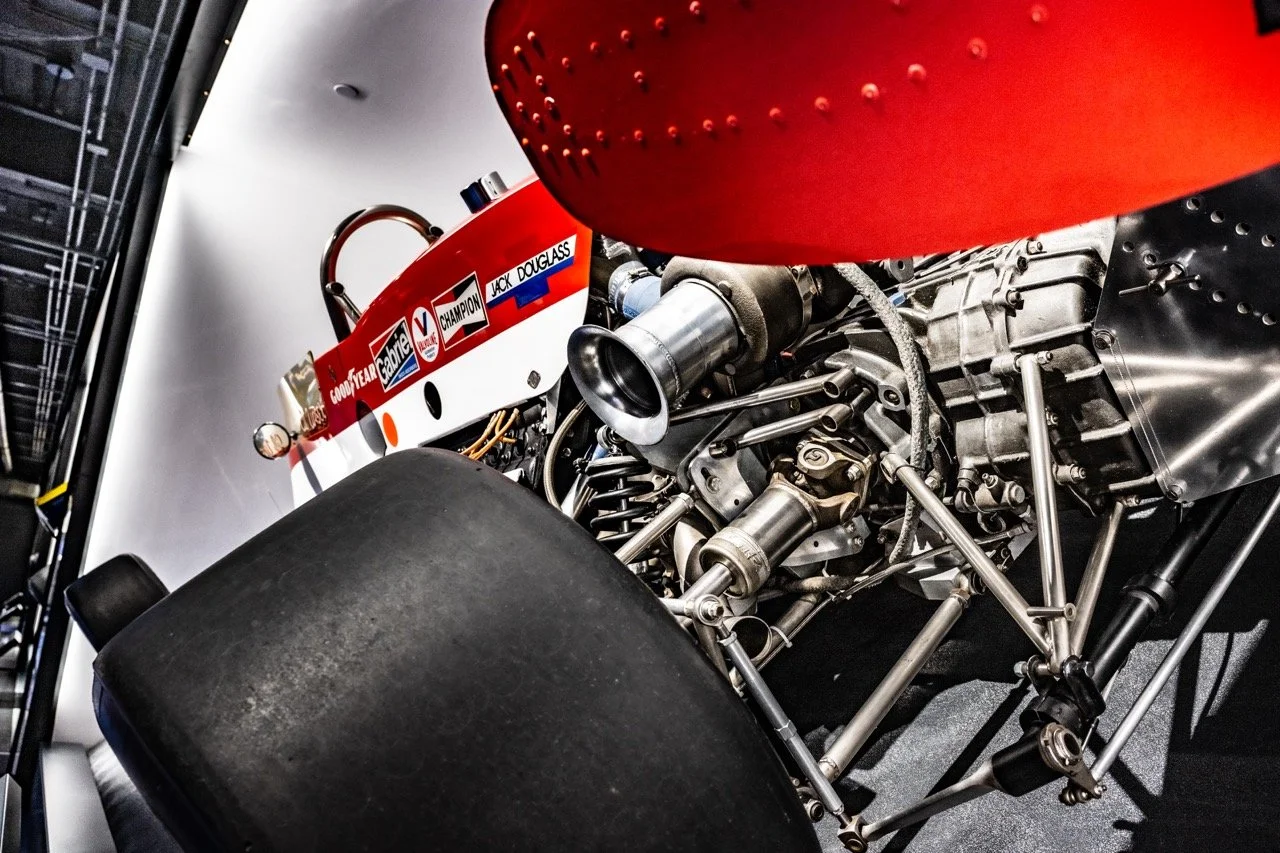
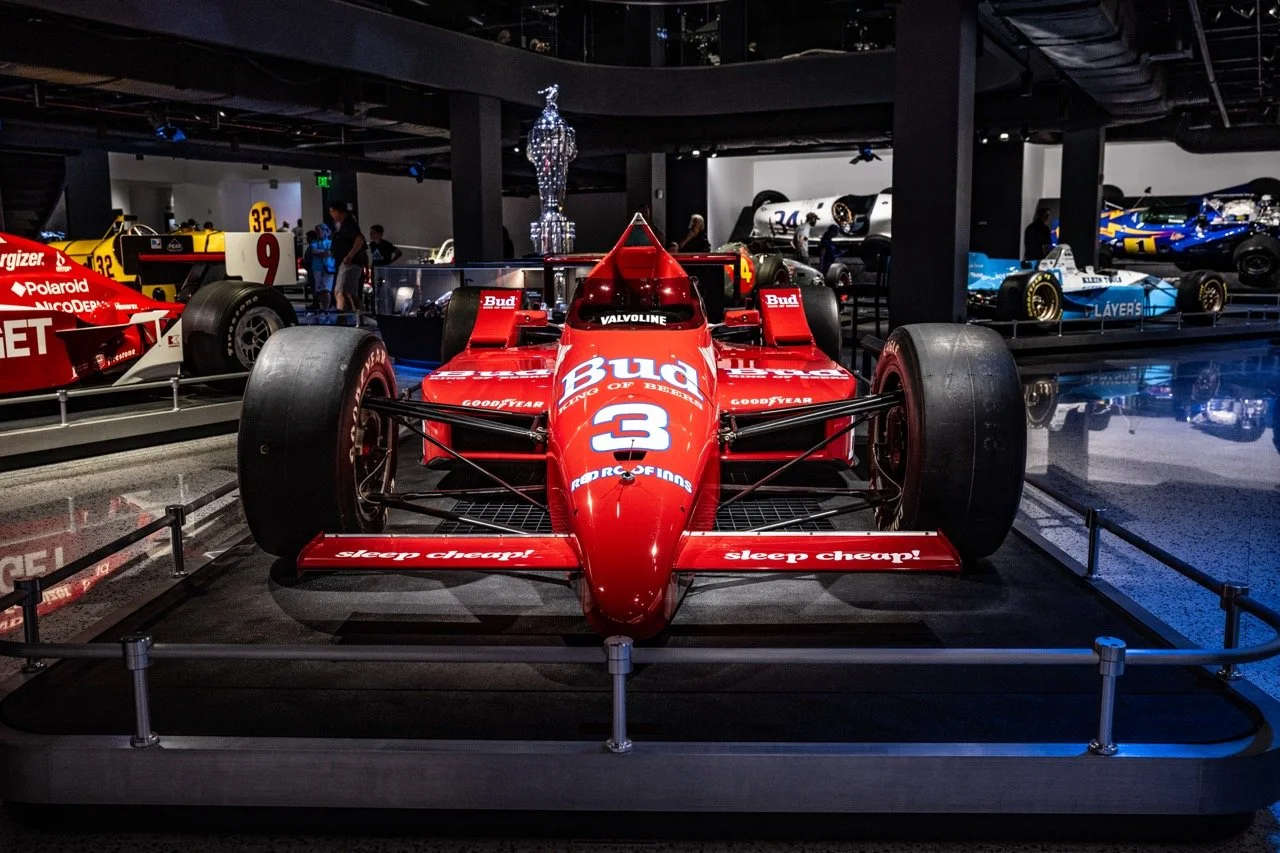
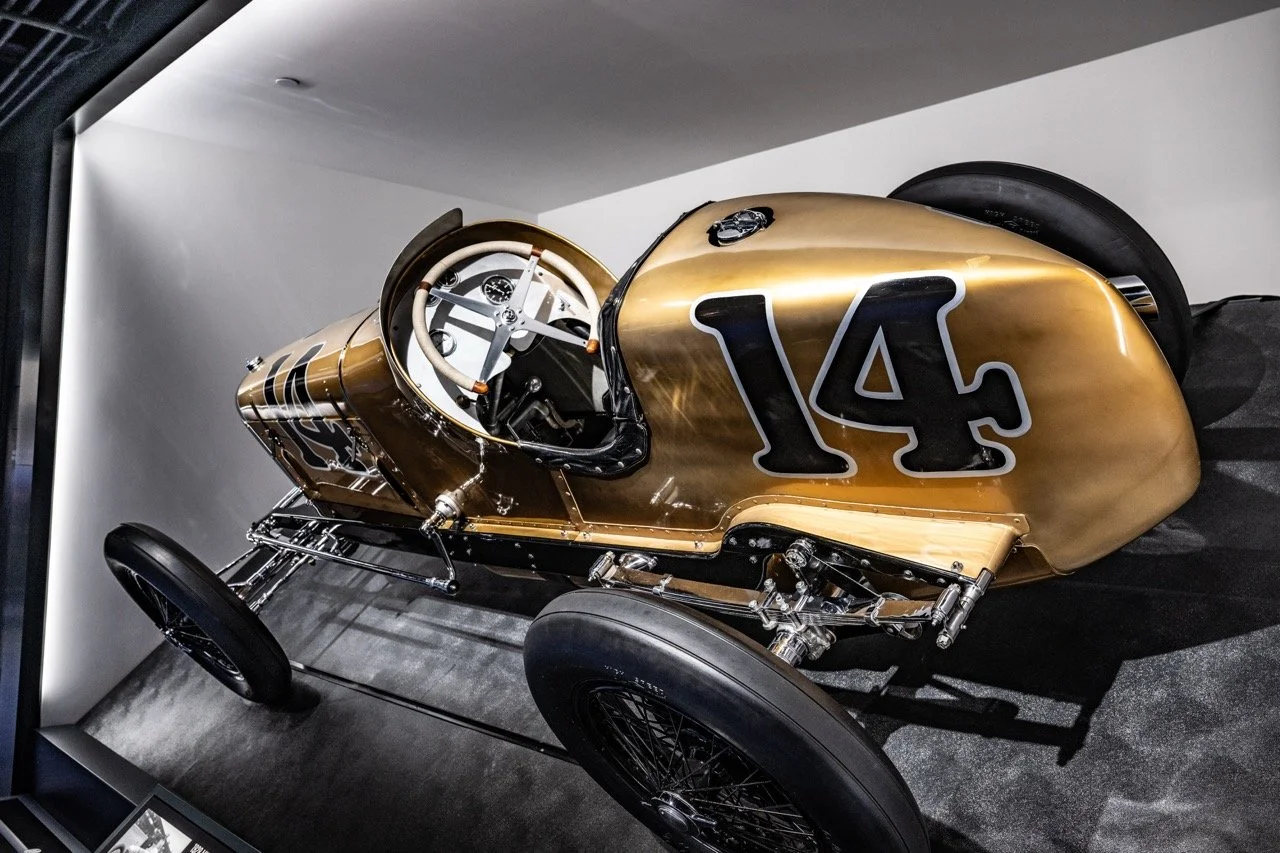
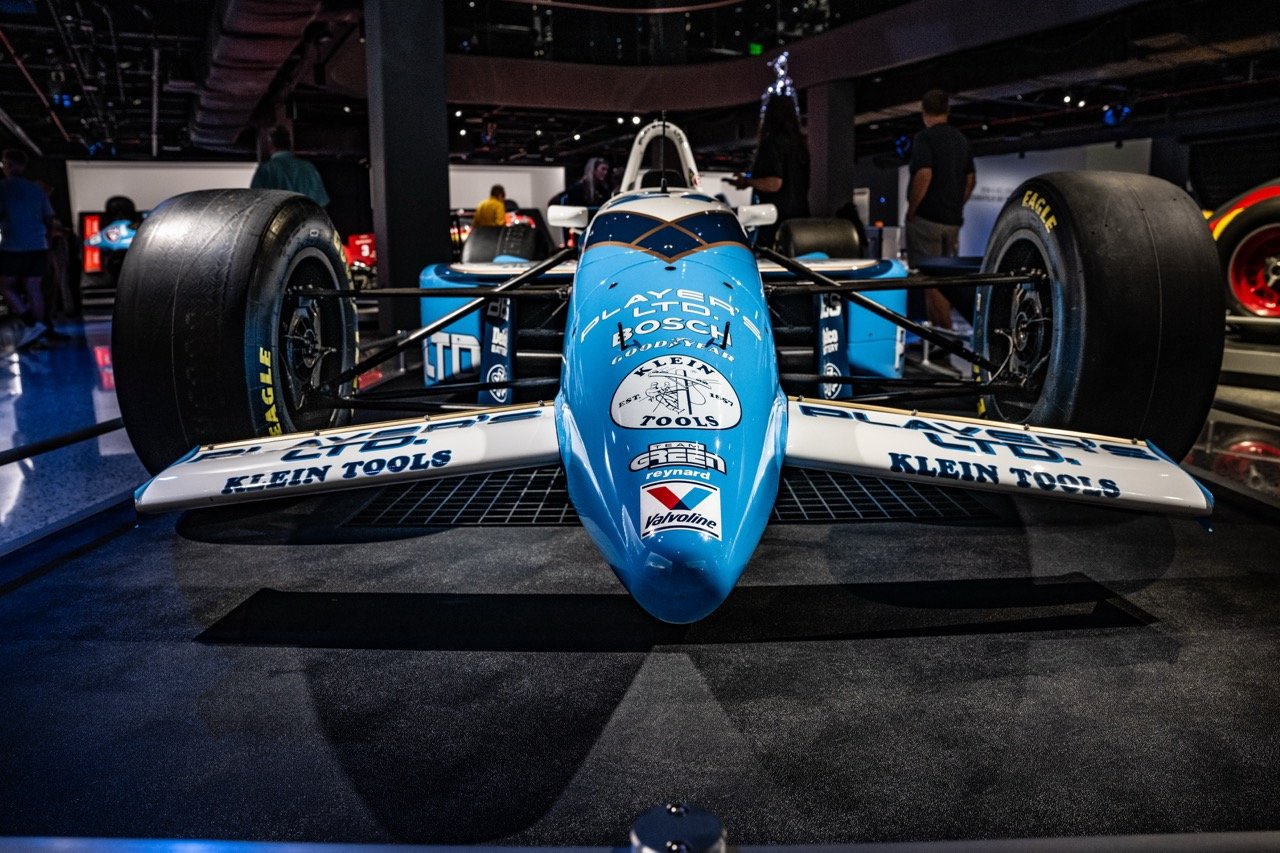
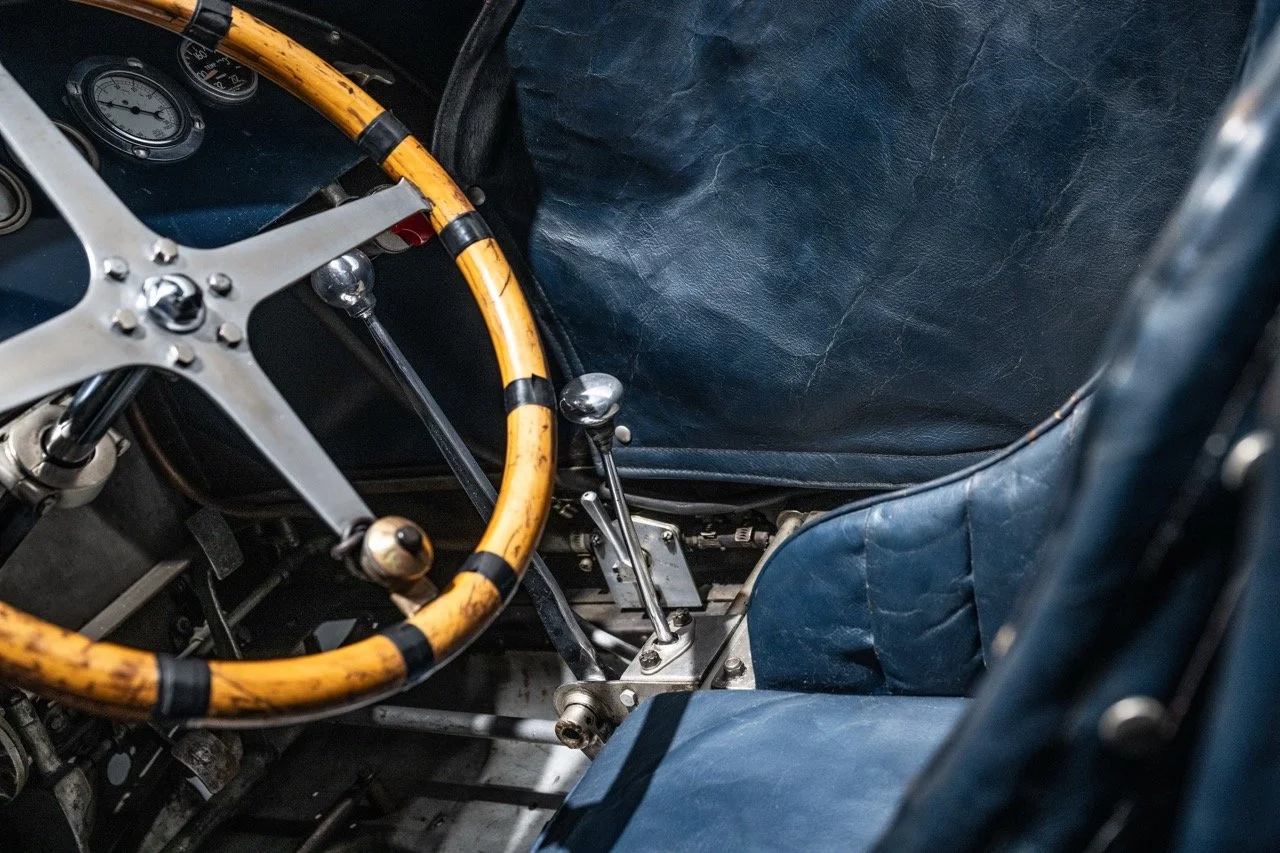
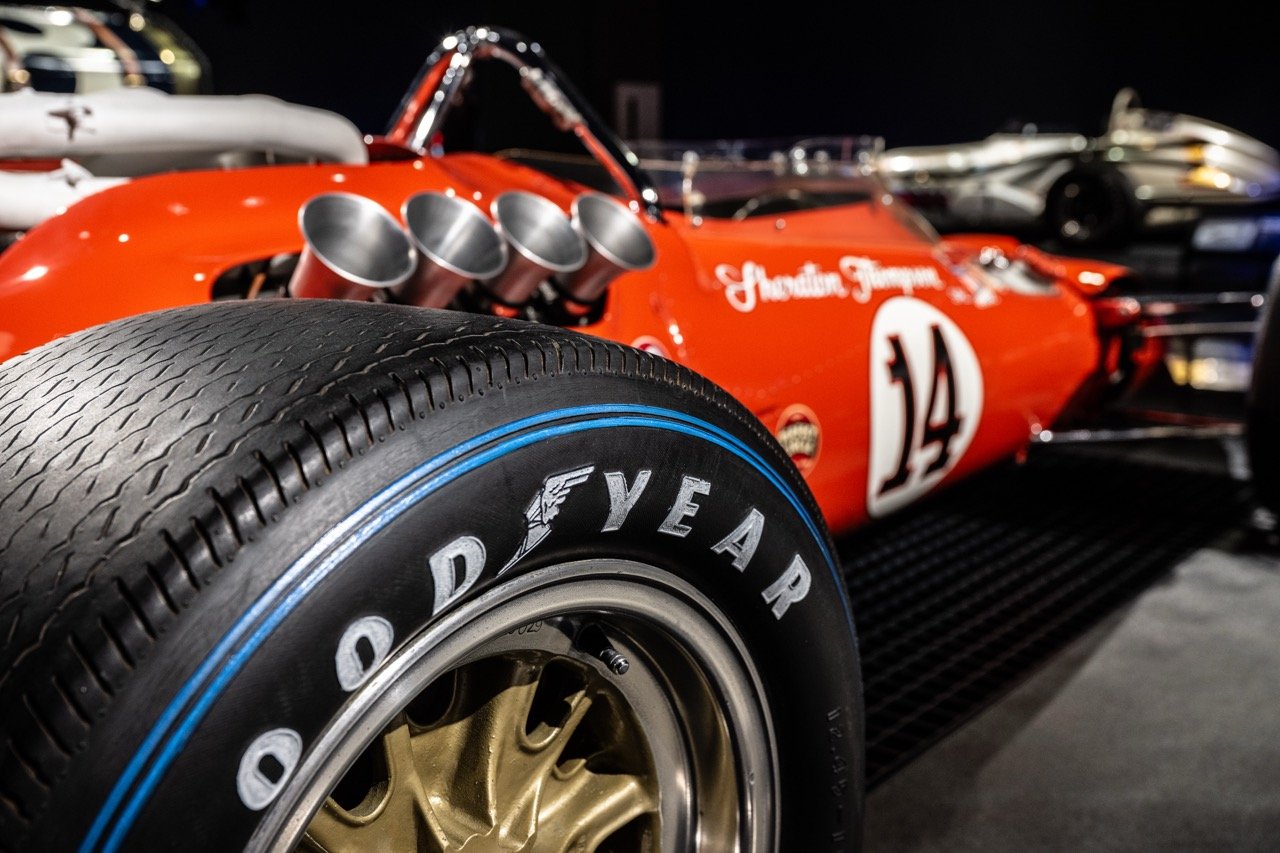
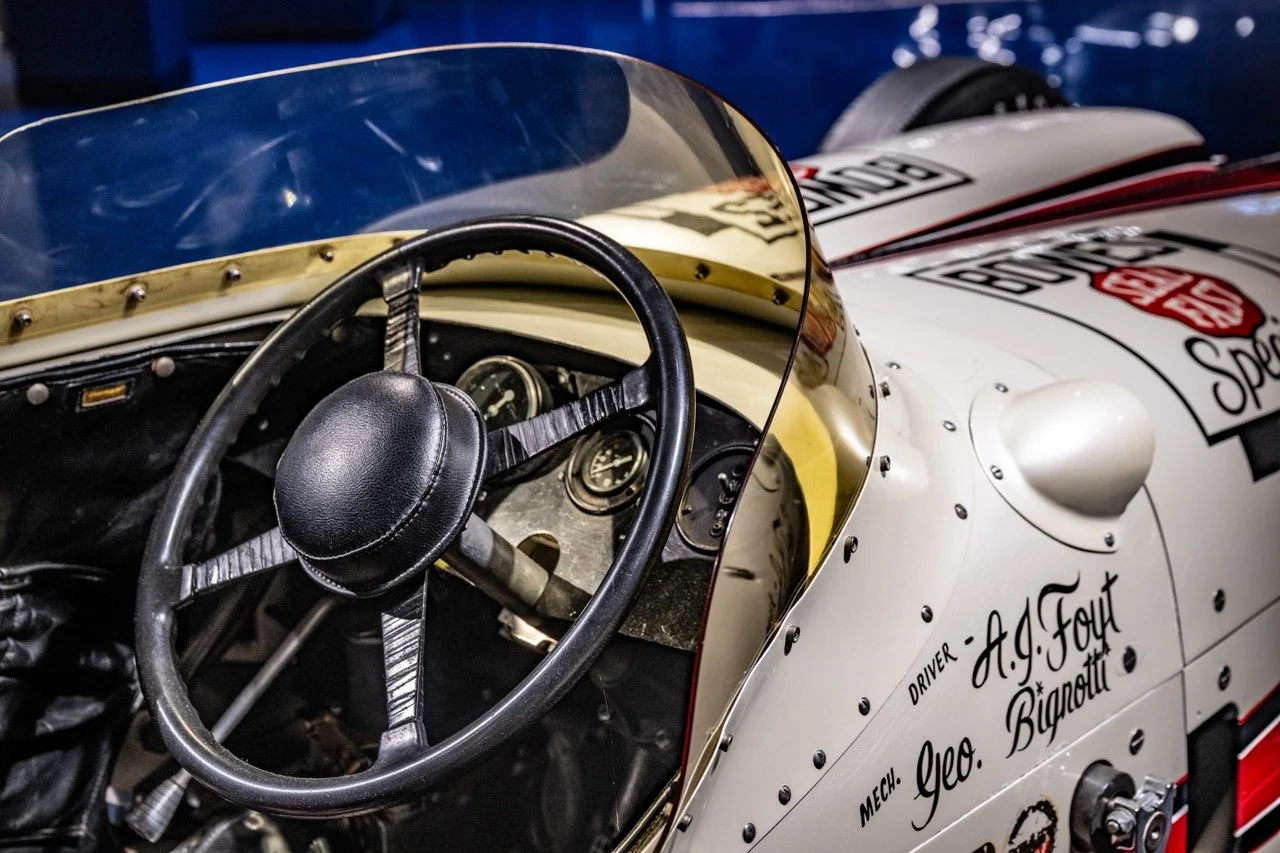
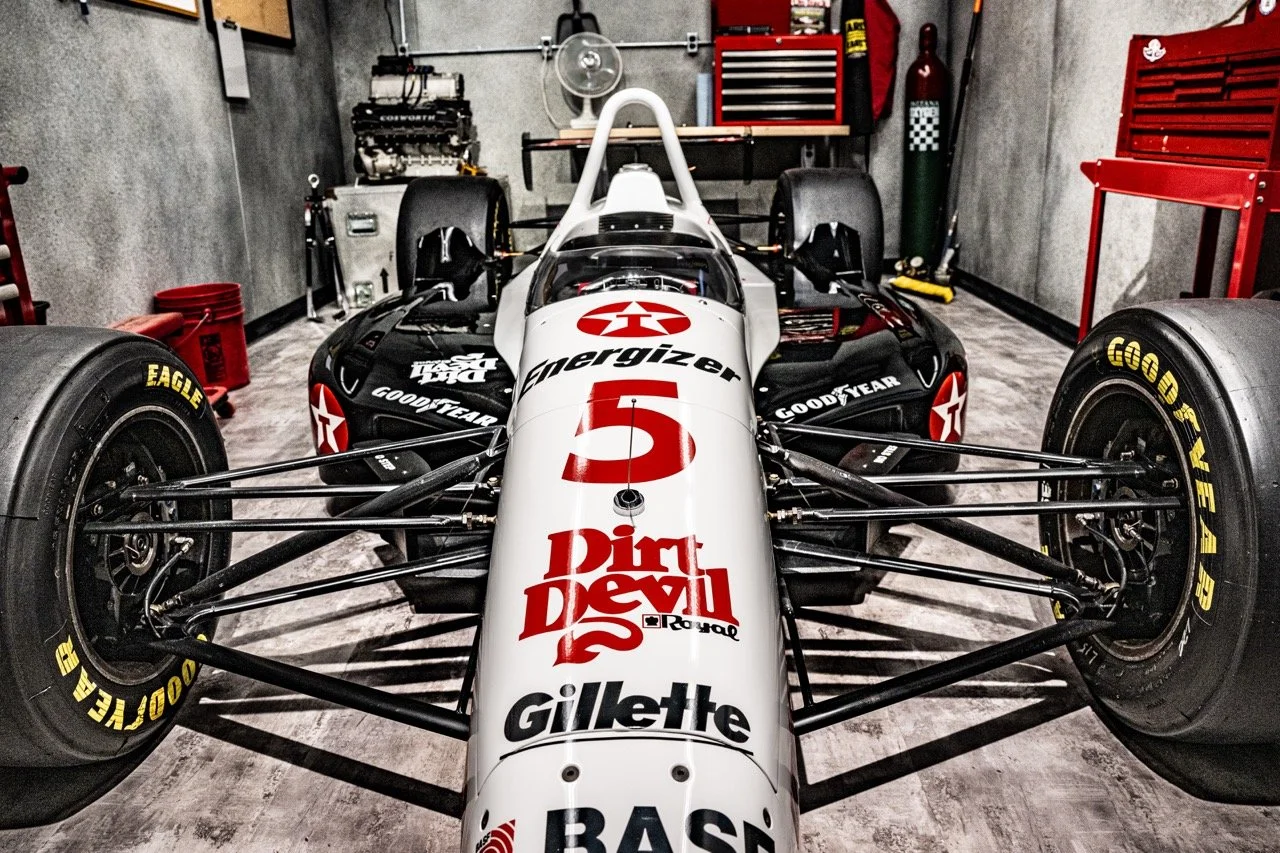
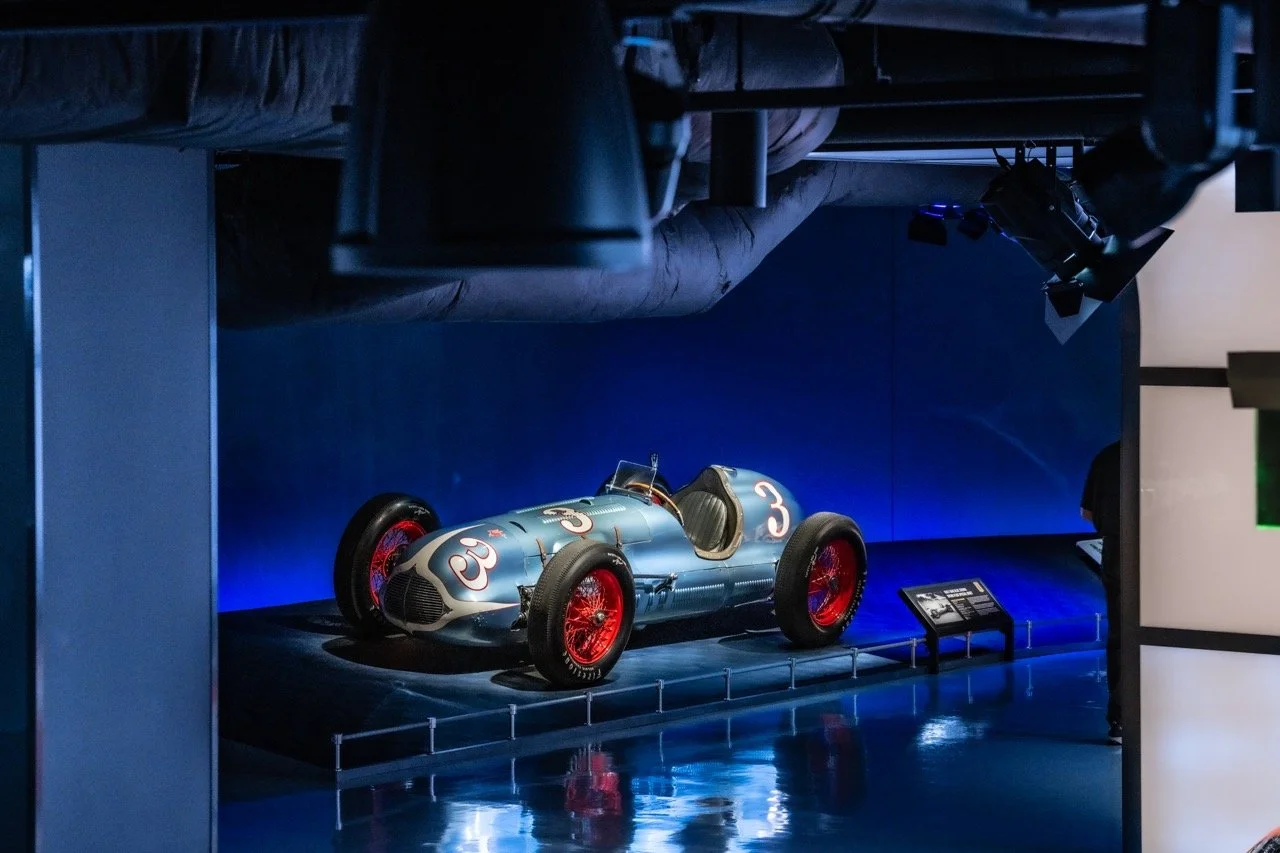
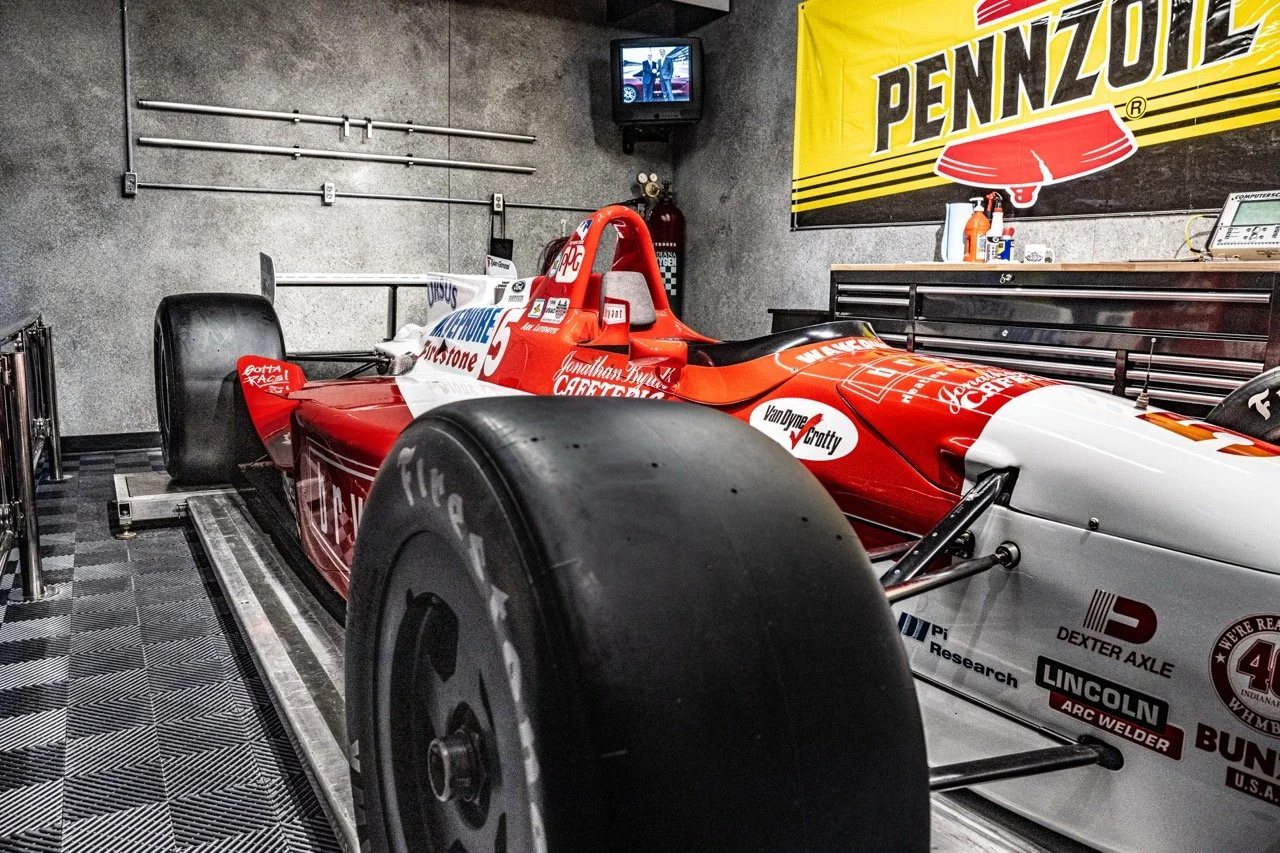
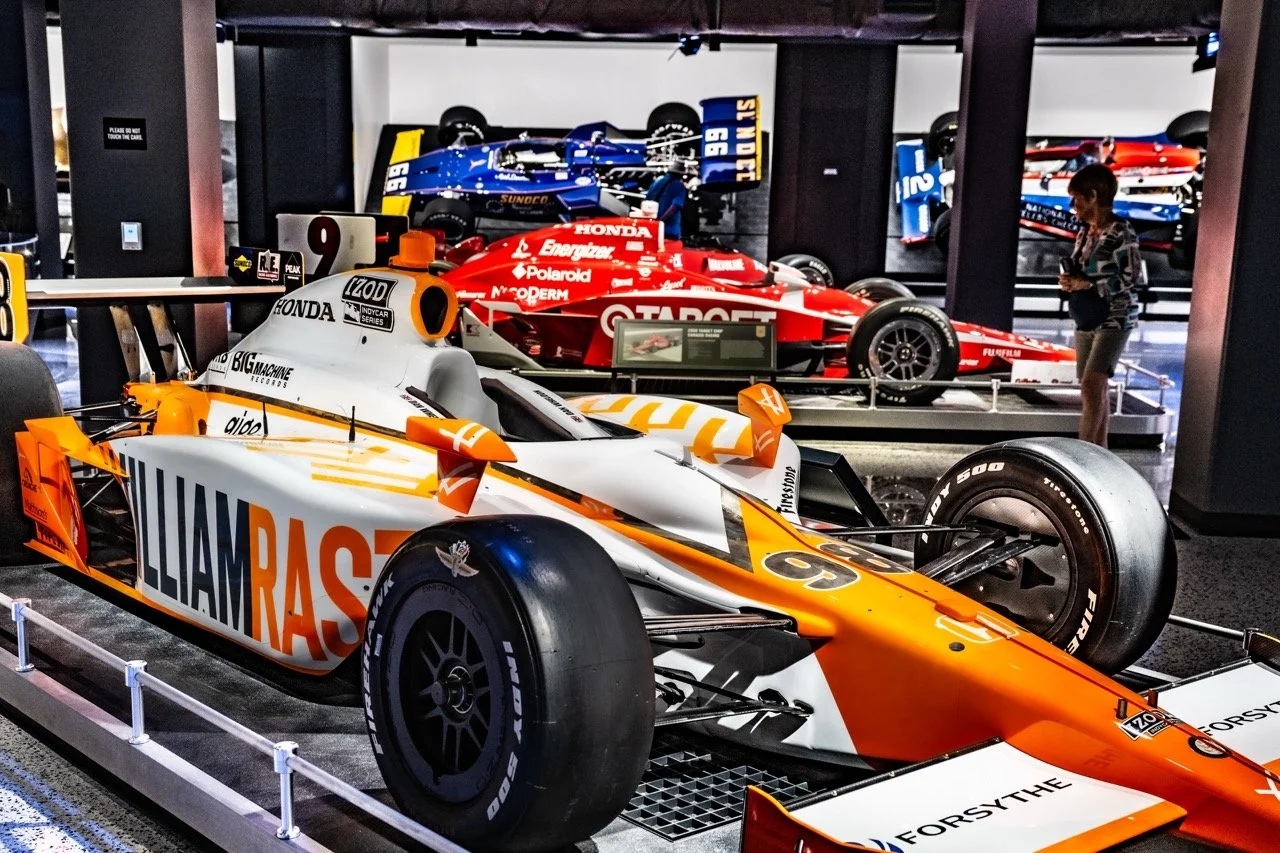
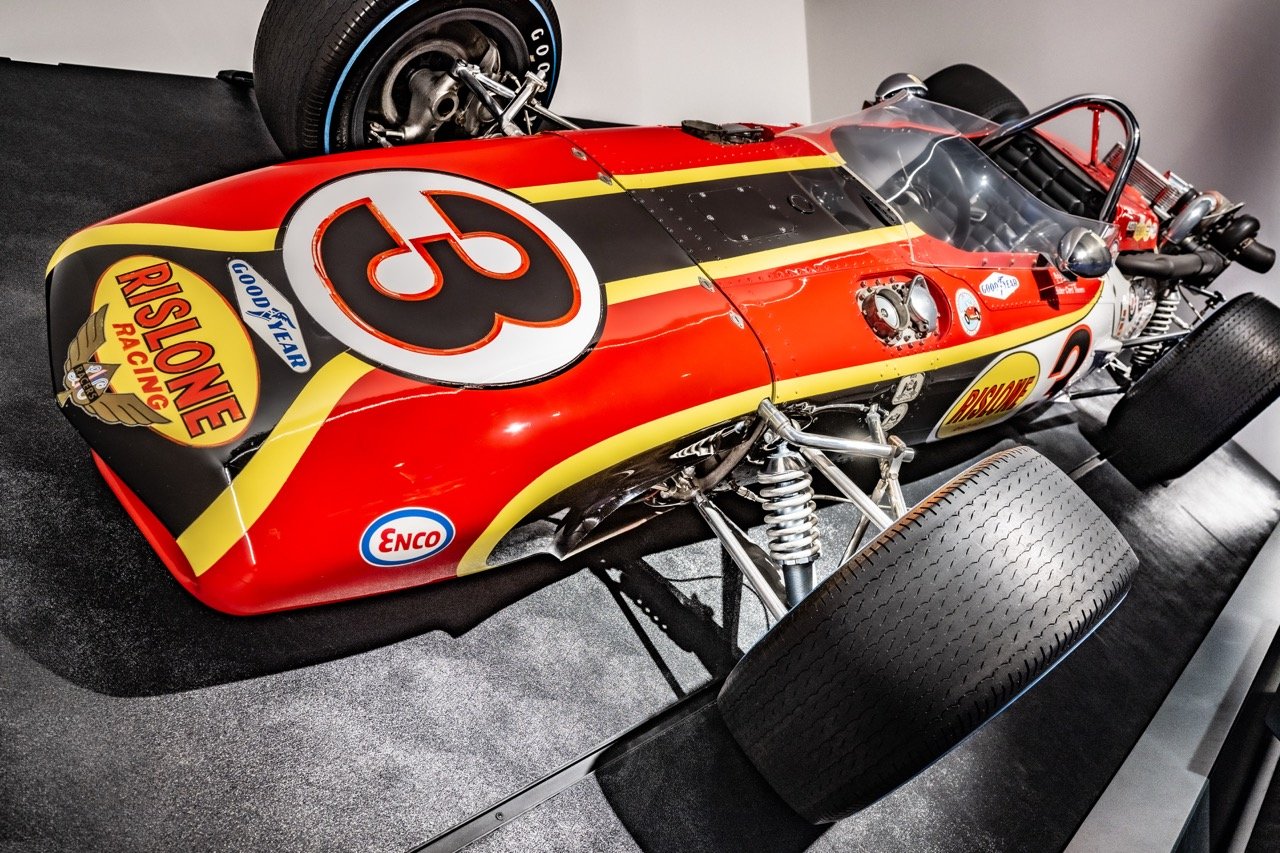
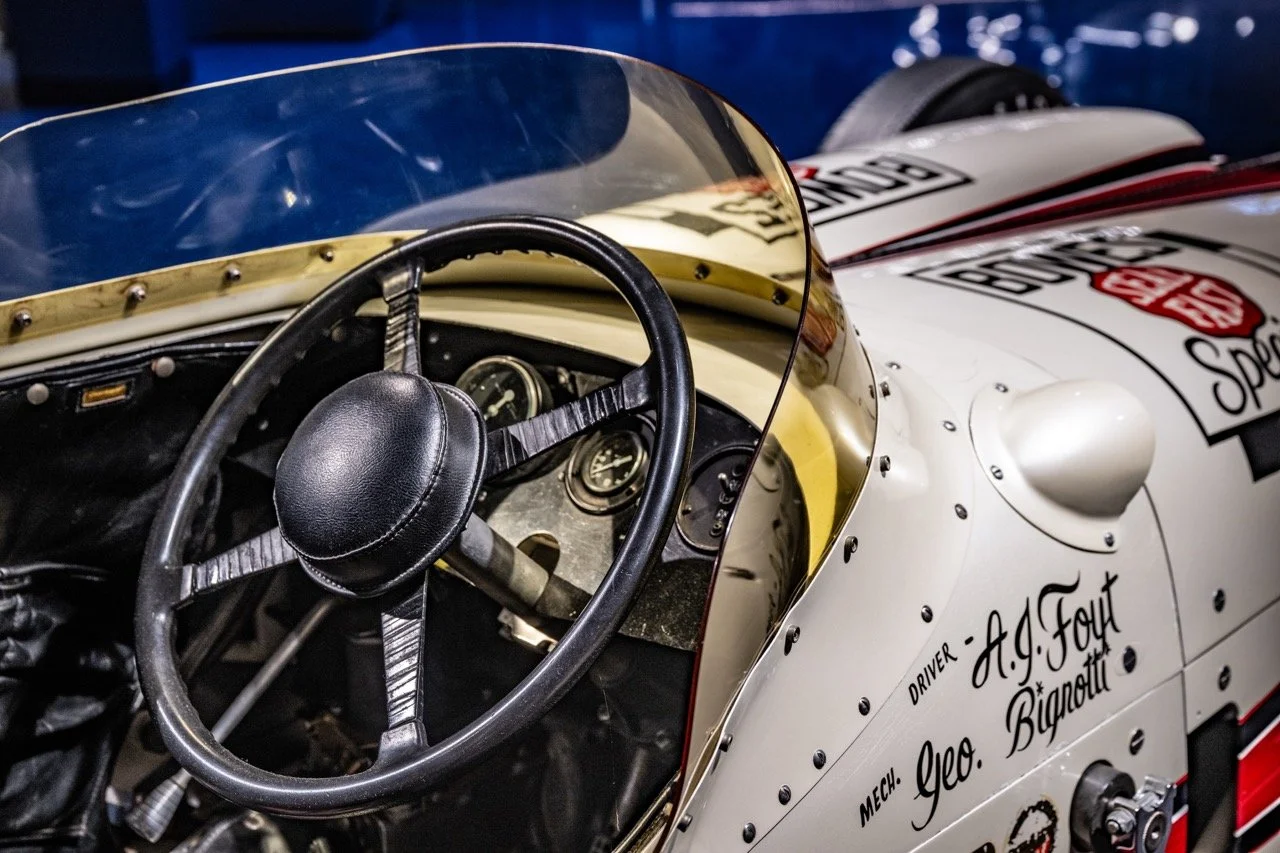
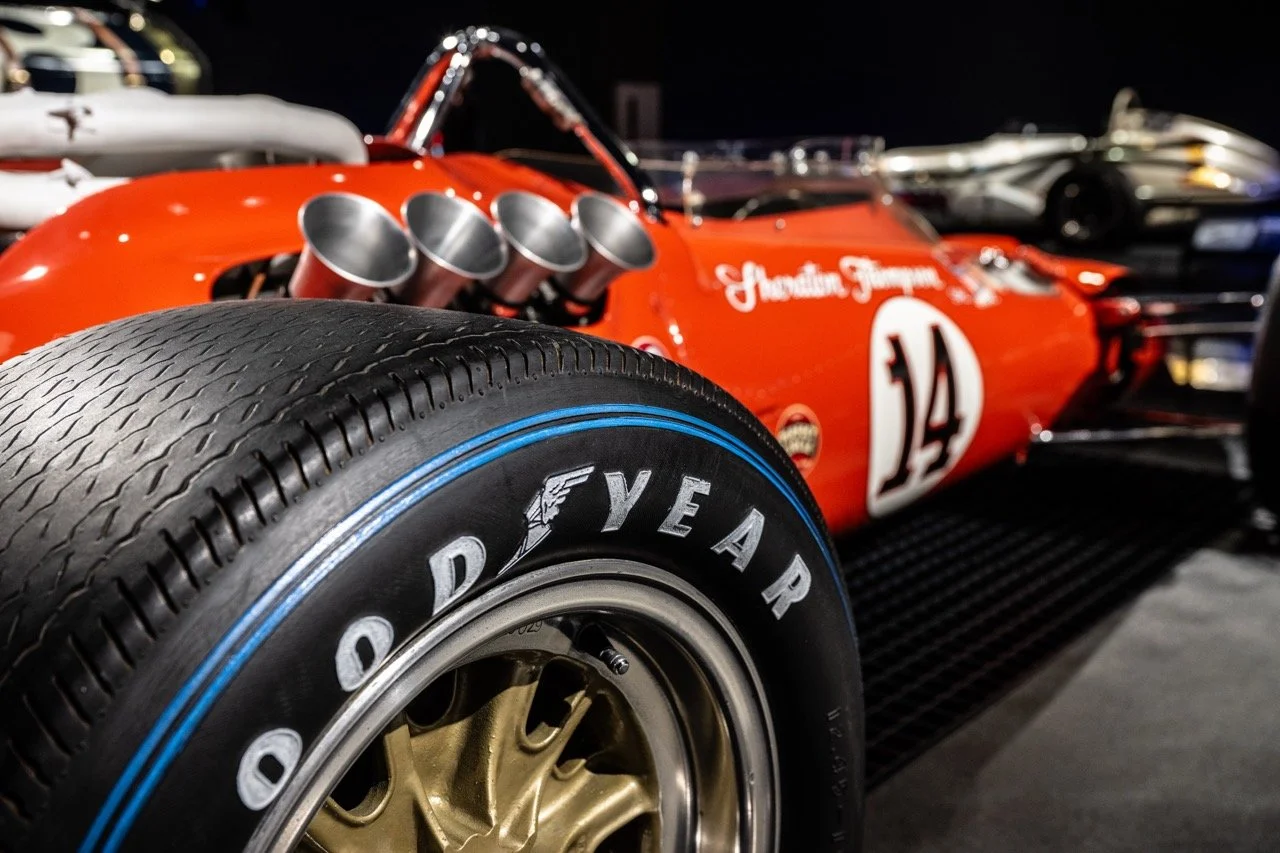
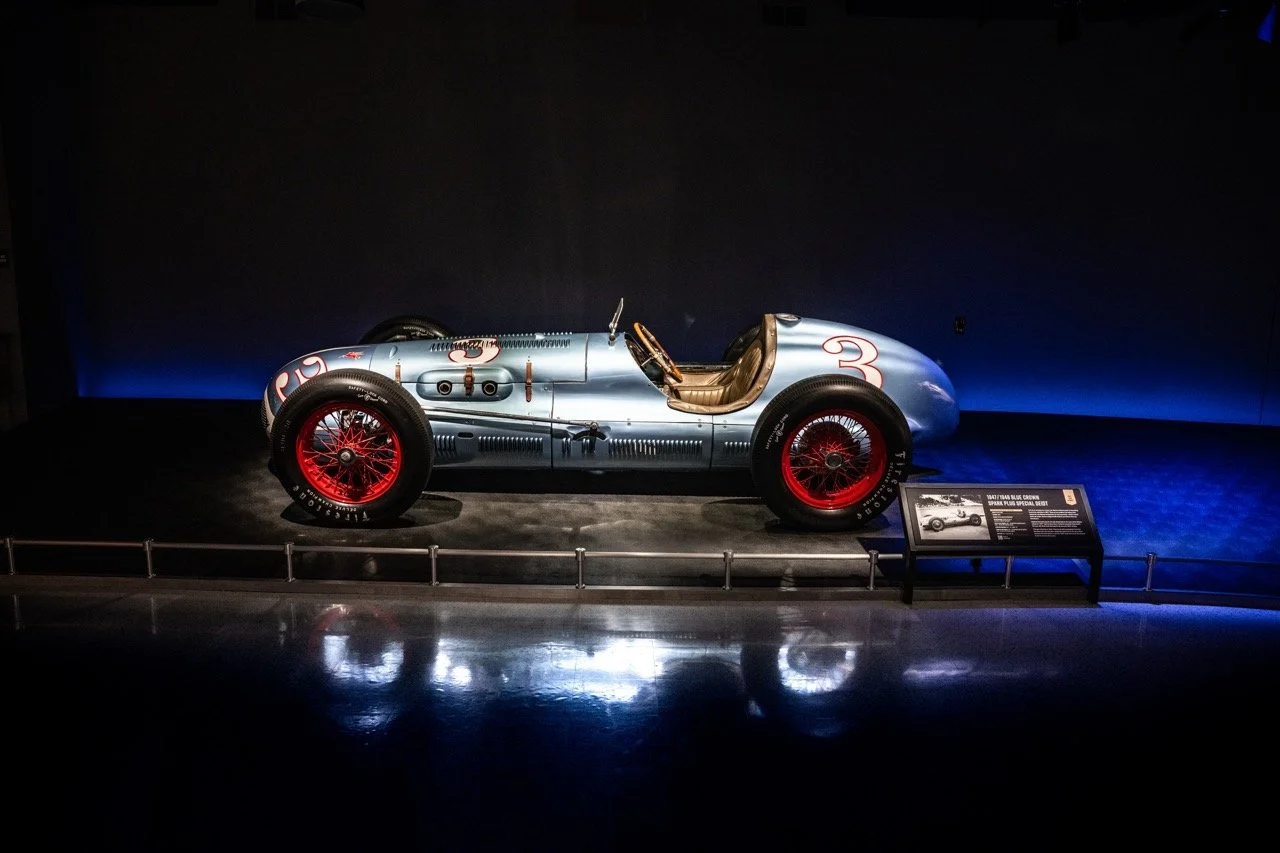
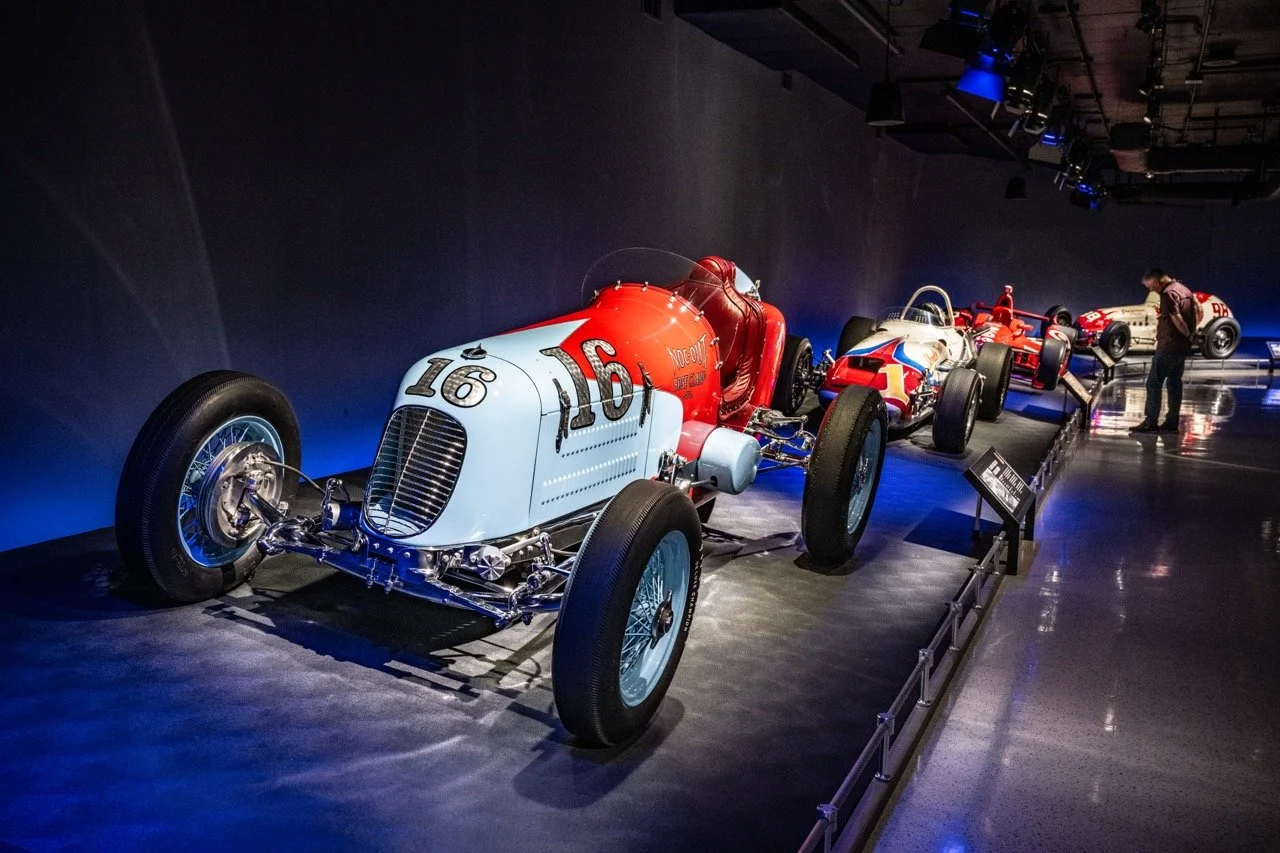
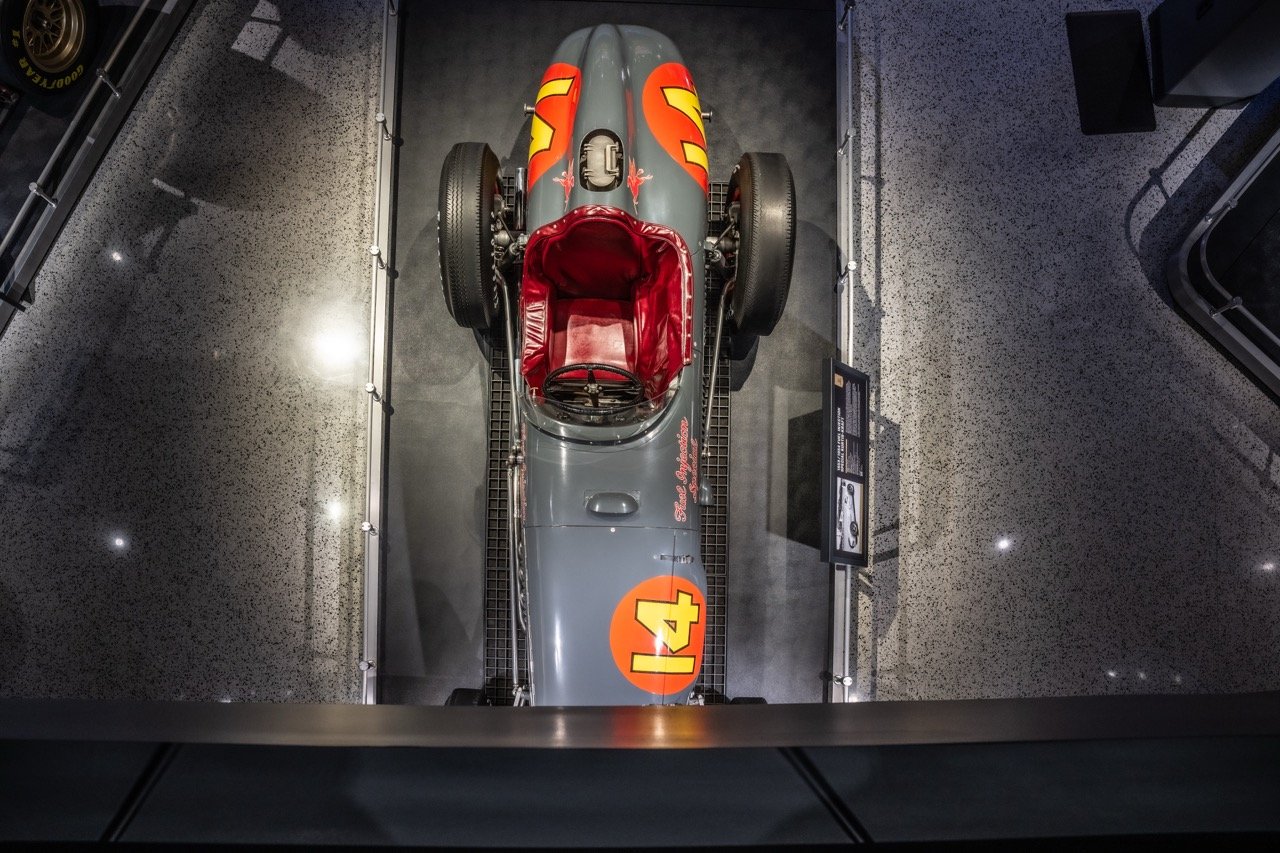
Interwoven among the cars is something distinctly American. Longer, louder, more assured. The roadster era emerges within the narrative, not as a detour, but as confidence made mechanical.
This is where racing stopped wondering and started declaring. You begin to understand that winning at Indianapolis isn’t about speed alone. It’s about surviving the question long enough to become the answer.
NASCAR AT THE SPEEDWAY
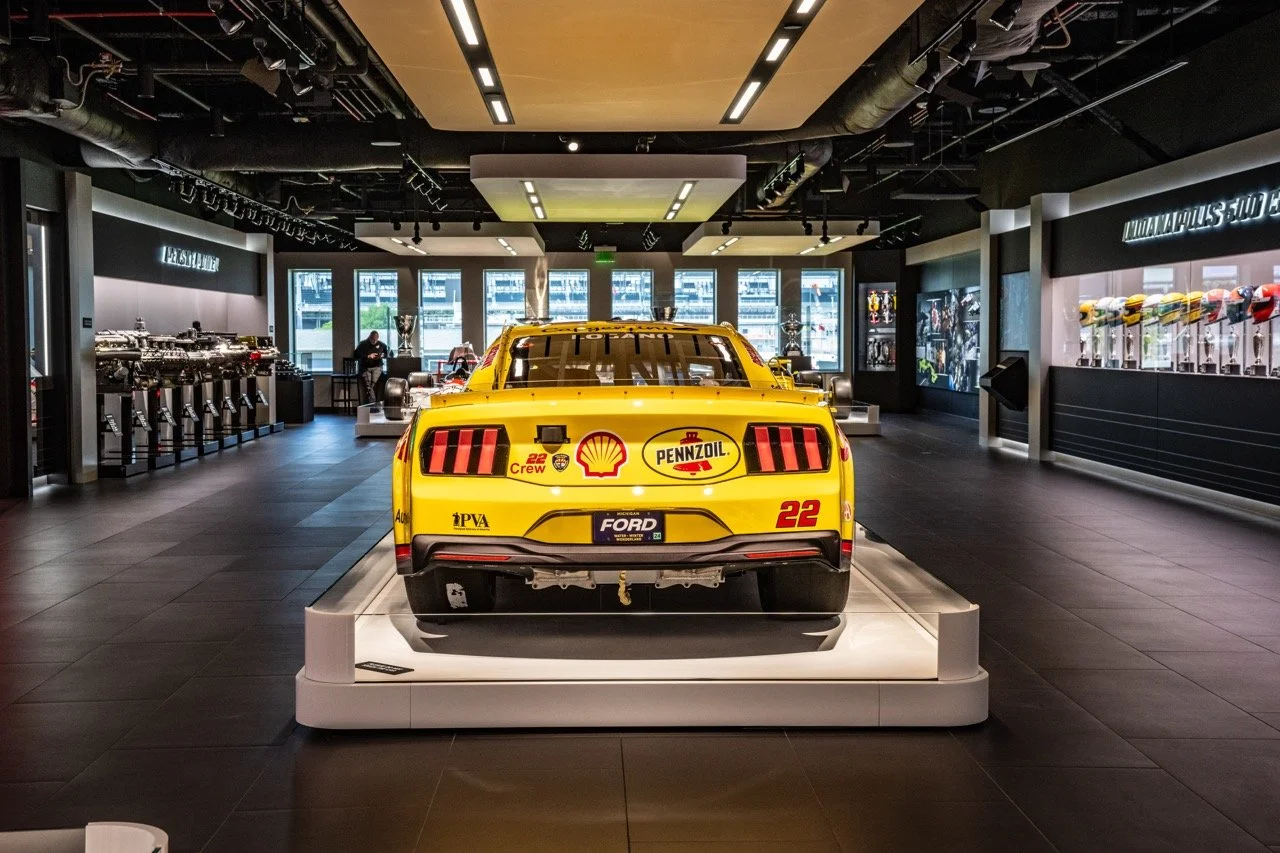
There’s an honesty to a stock car that can’t be polished away. The NASCAR gallery at the museum trades elegance for impact. These machines weren’t built to be admired. They were built to endure. The dents, the heat, the oversized numbers. They’re not design choices. They’re survival.
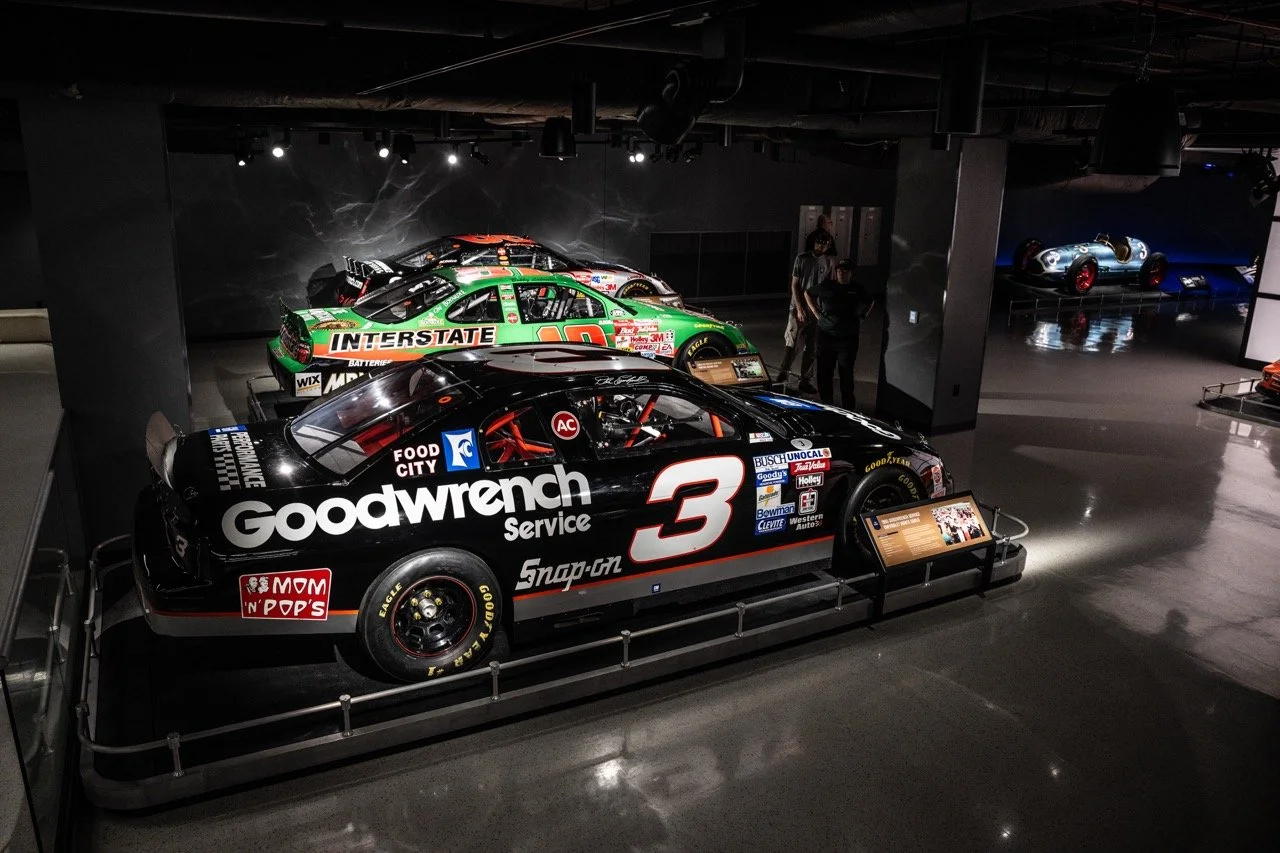
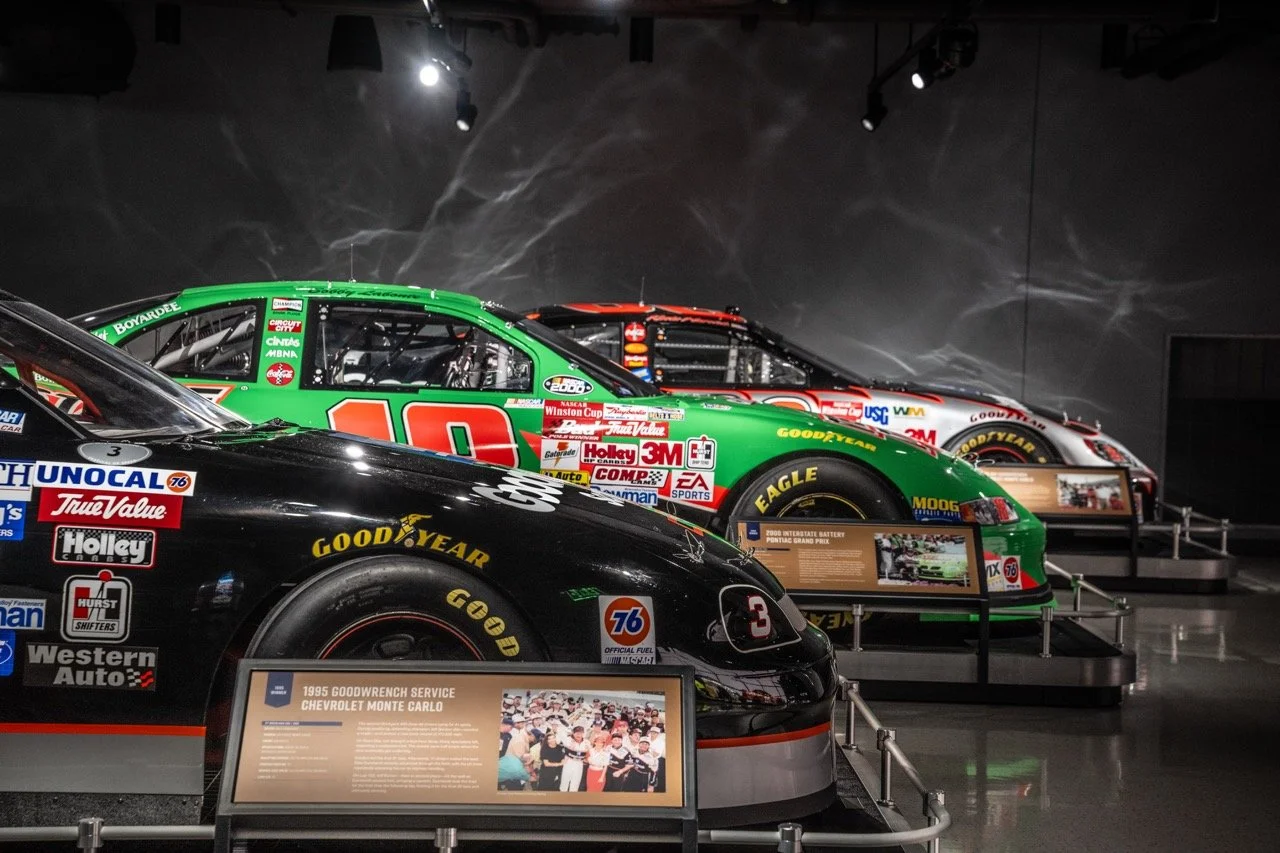
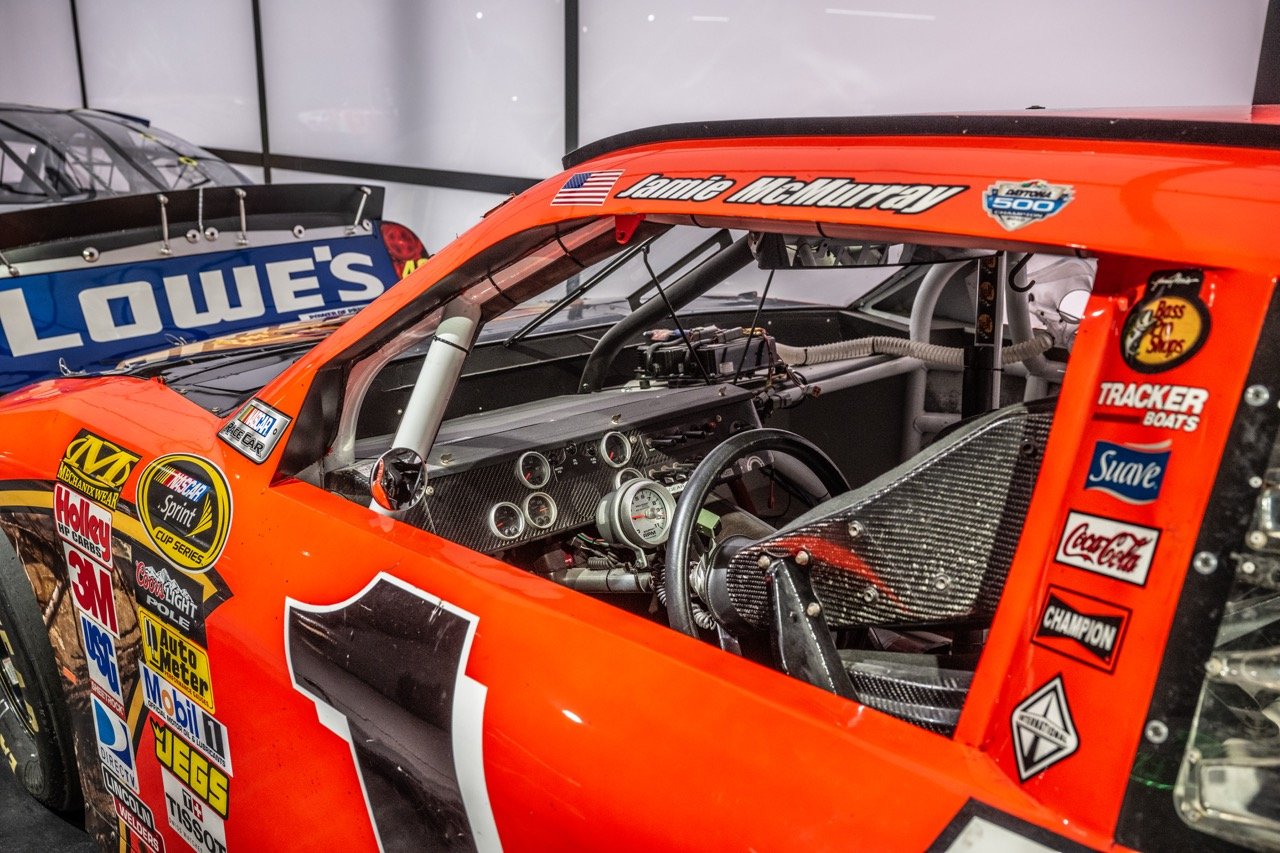
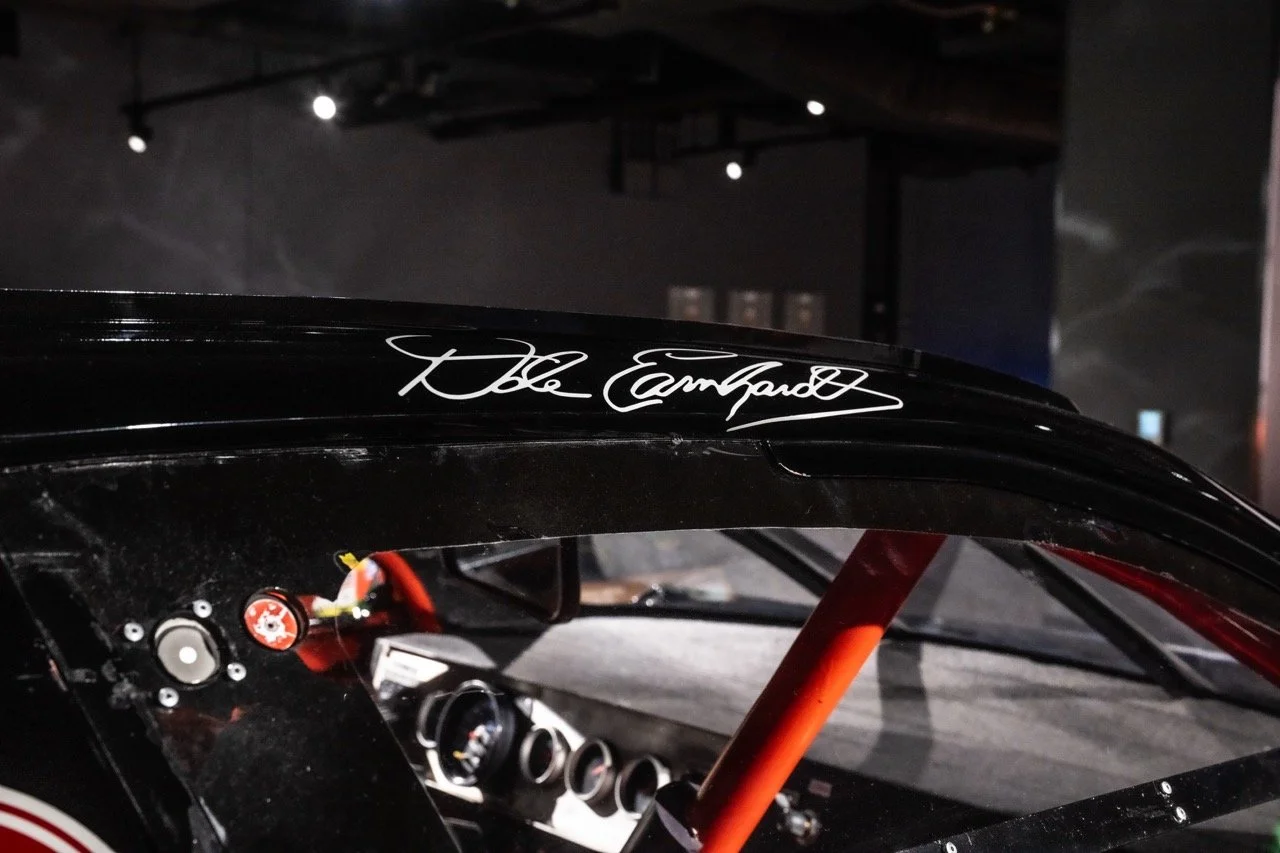
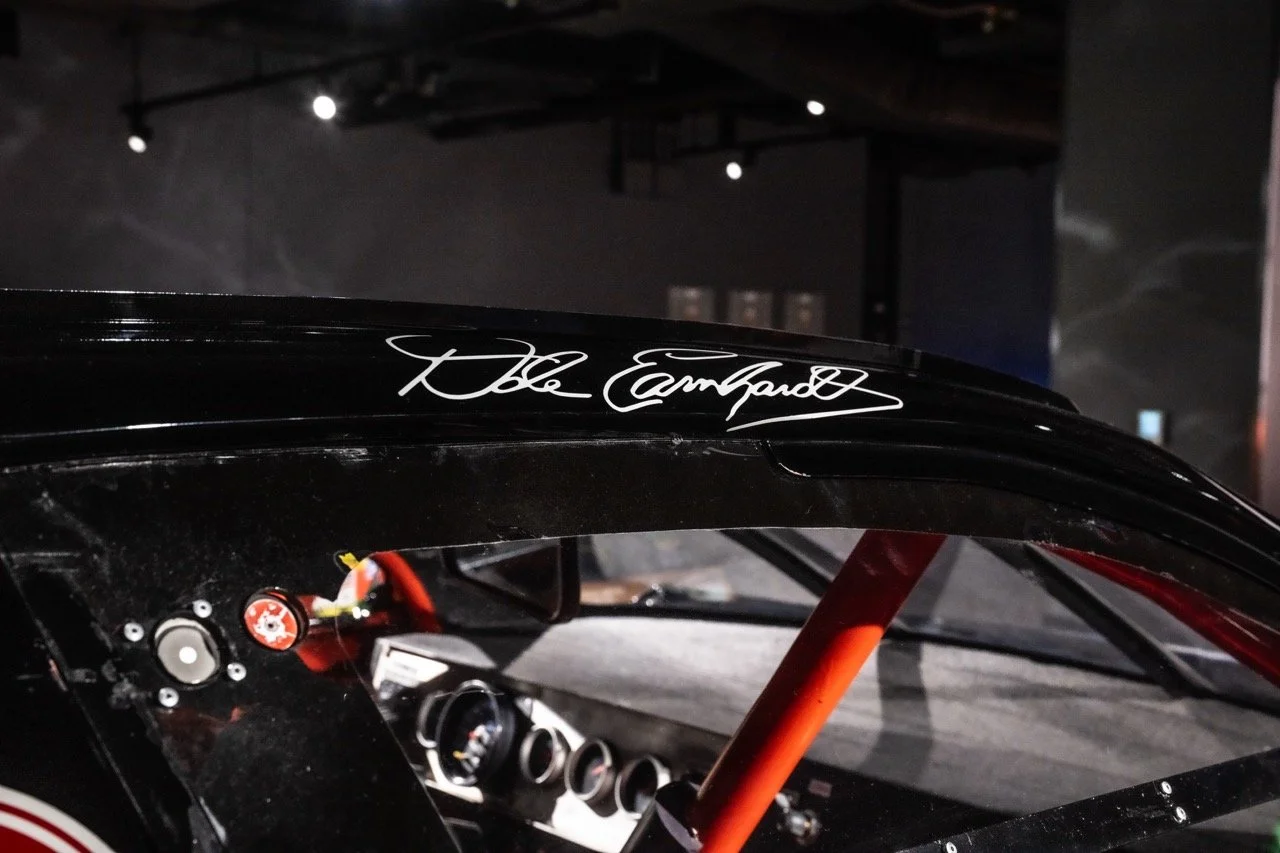
You’ll find cars that lived at the front of NASCAR fields, from the chaos of the Daytona 500 to the weight of the Brickyard 400. Stand next to one, and the details do the talking: tight roll cages, stripped interiors, sheet metal shaped as much by contact as by design.
Names like Petty, Earnhardt, Johnson, Busch, Gordon, and Rahal linger here. Not as nostalgia, but as proof of repetition, pressure, and control at the edge. This isn’t refined beauty. It’s function pushed until it becomes unforgettable.
THE QUALIFYING ZONE
The noise disappears again. This room is quieter than it should be. No spectacle. No chaos. Just time that is measured, isolated, unforgiving. It’s where fractions define legacy.
It’s here where the evolution continues. The cars change shape. Shrink. Engines reposition. The Revolution Corridor isn’t labeled as such. You just feel it. It’s a shift from brute force to precision. From aggression to intelligence.
Speed becomes less about power and more about thinking.
“It’s amazing how small the margins are, and how big the consequences.” ~ Scott Dixon
You stand there, watching numbers that once decided everything, and realize that an entire legacy can exist, or disappear, within something you cannot see. A fraction.
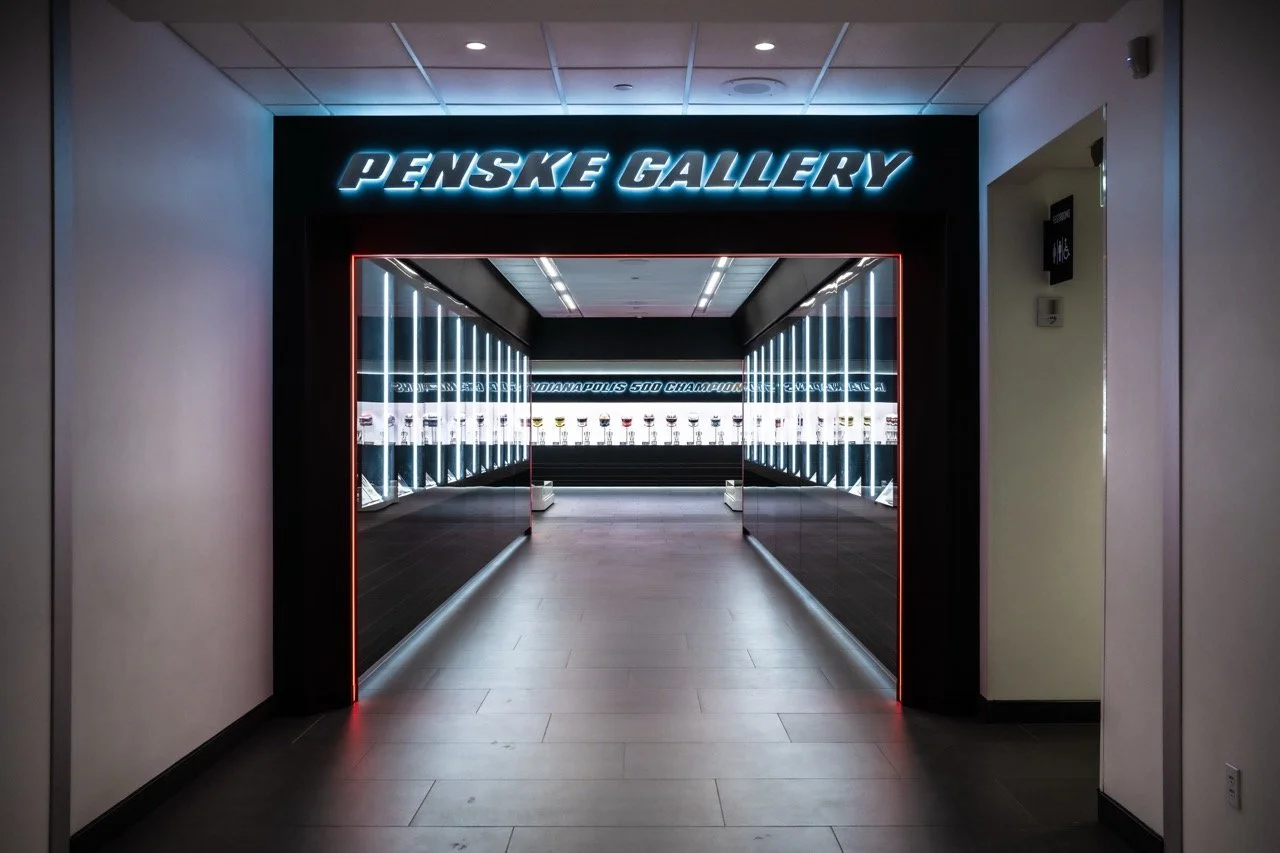
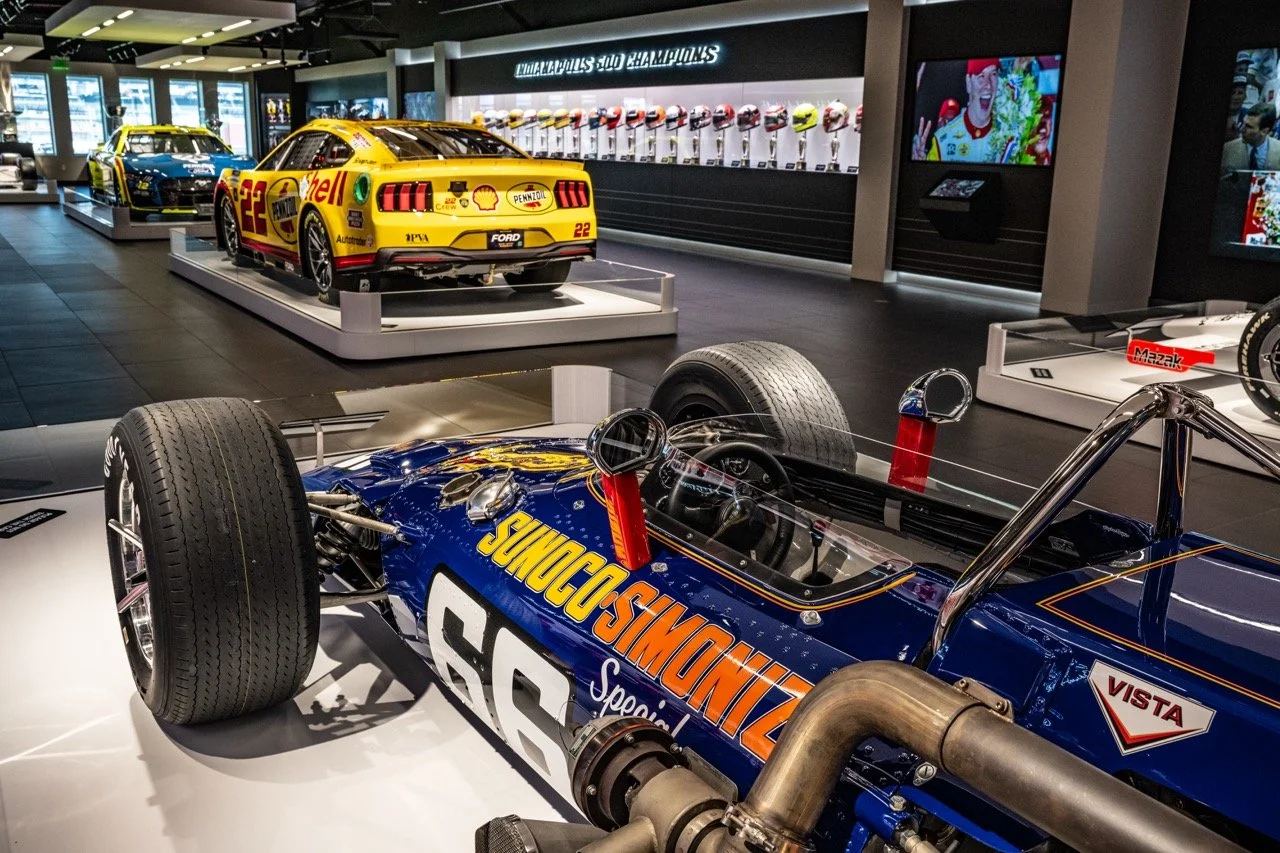
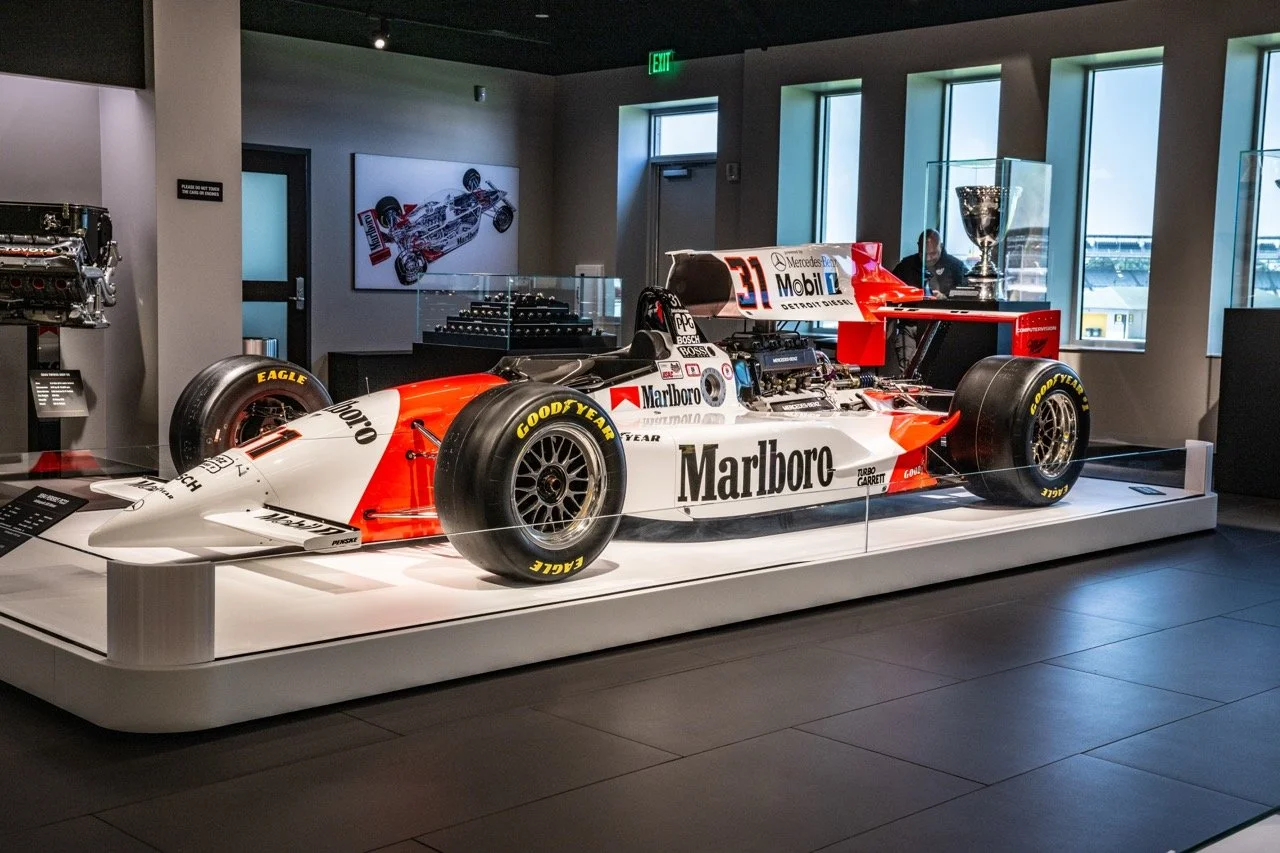
THE PENSKE GALLERY
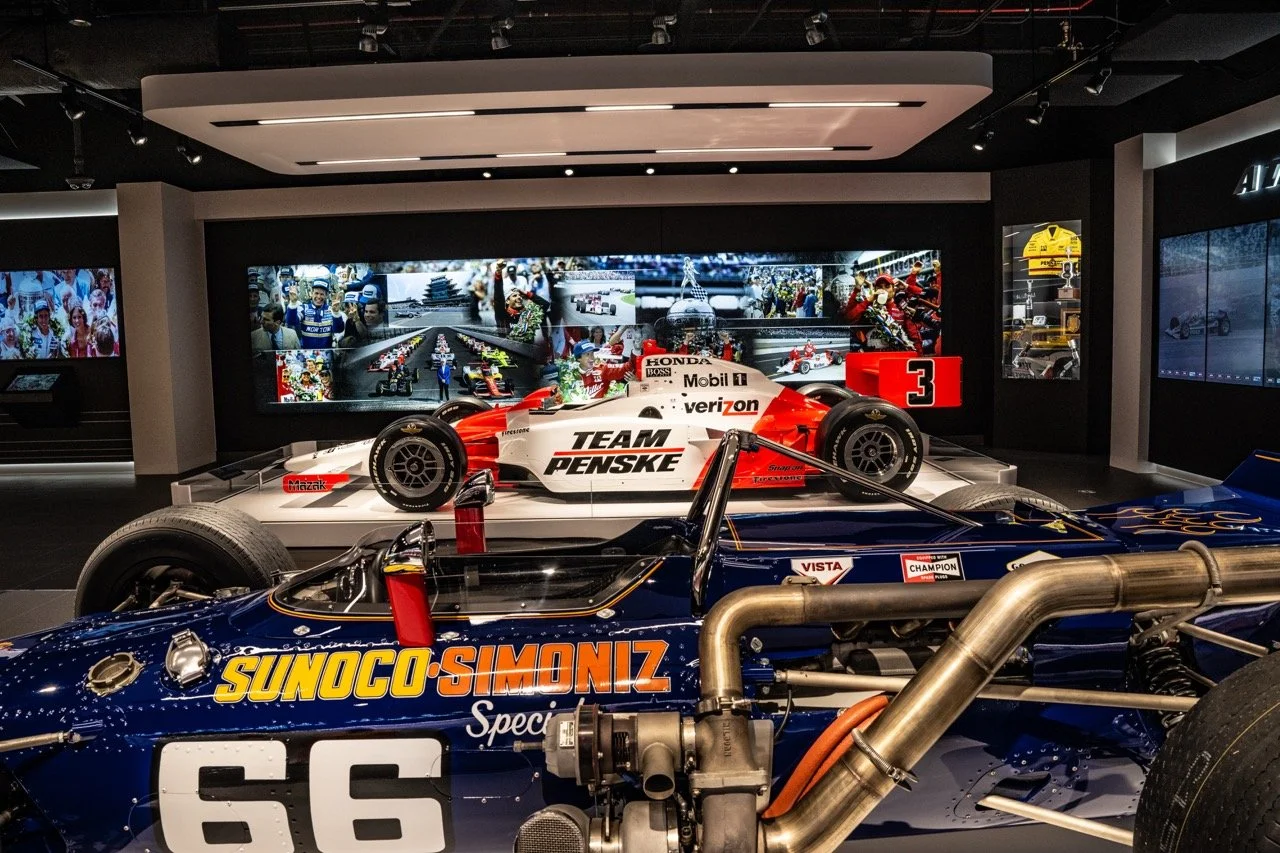
By the time you enter this space, you are no longer reacting emotionally. You are observing intentionally, intently. Precision, discipline, and dynasty is on display.
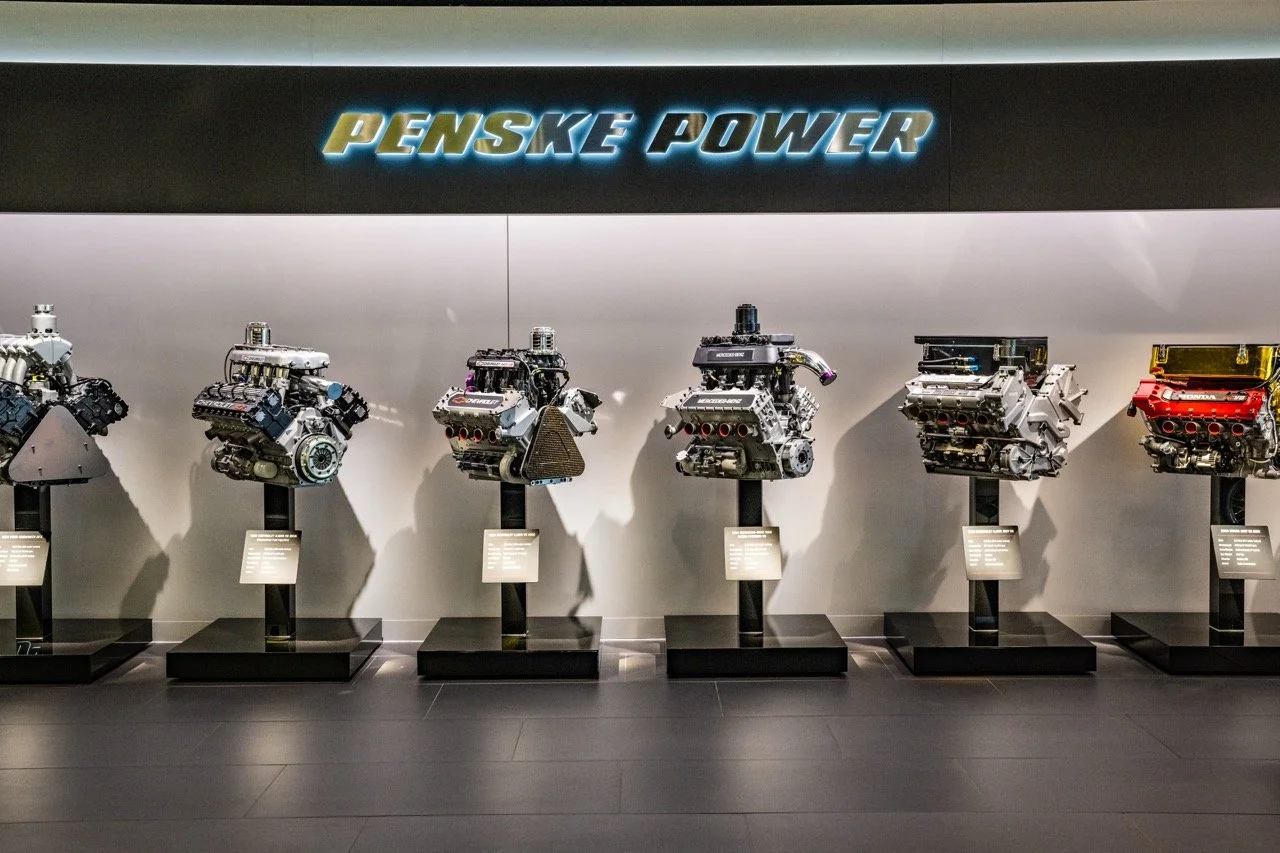
The cars here are not presented as singular victories. They are evidence of a system that has become repeatable, refined, and relentless. Above and around the cars, the language of engineering begins to dominate.
“Effort equals results.” ~ Roger Penske
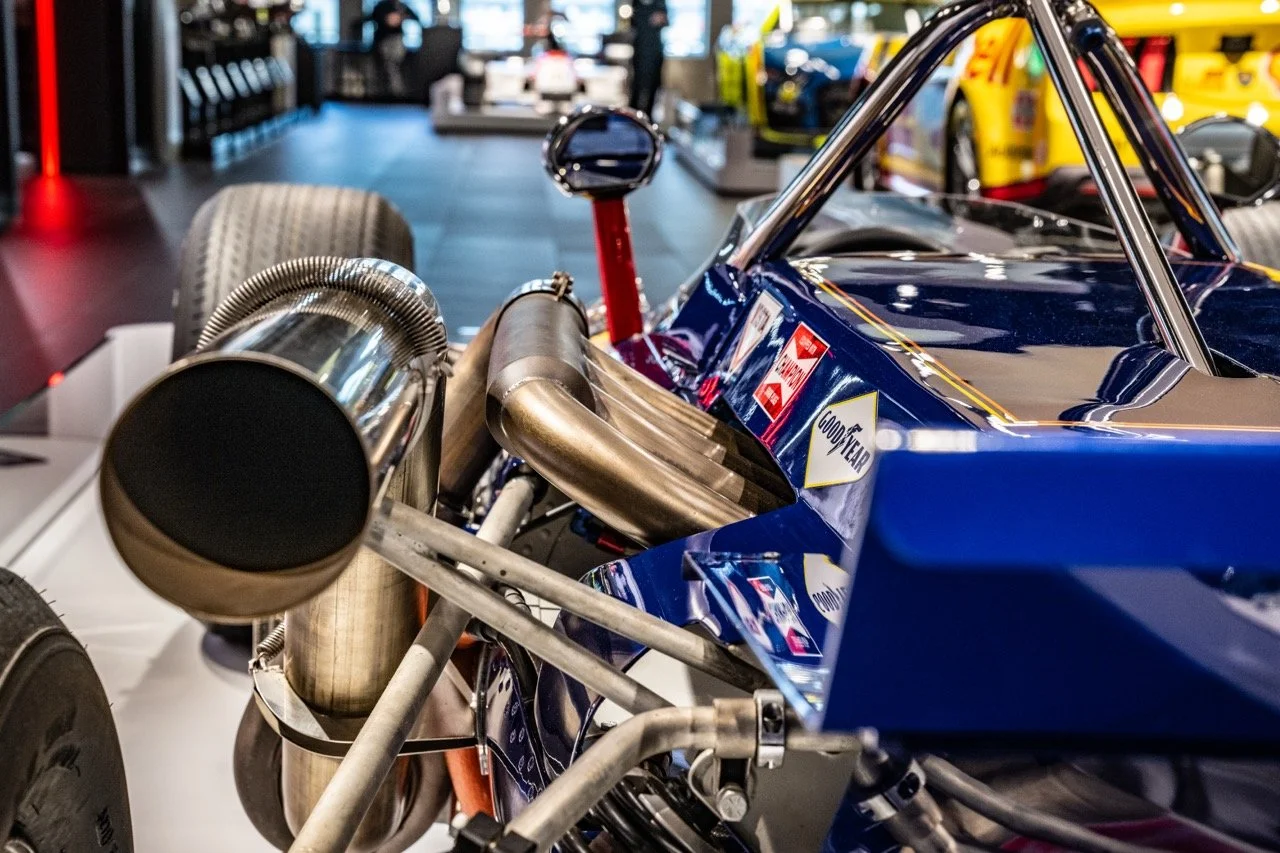
Aerodynamics, airflow, and surfaces are sculpted for control. It is at this moment that you stop looking at cars, and you start reading them. What was once invisible, air itself, becomes the defining force.
Winning, here, is not dramatic. It is inevitable.
BEST OF THE BEST
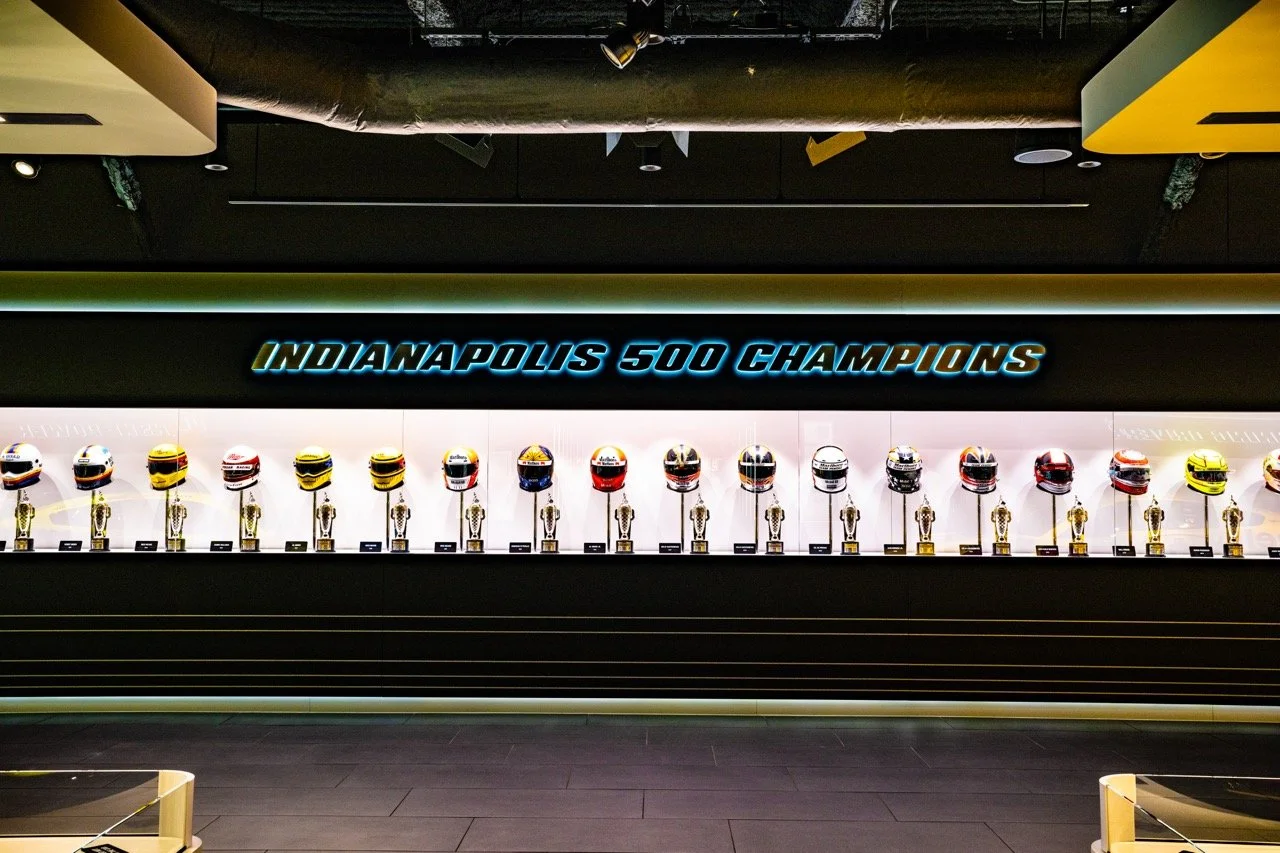
As you enter this room, you are confronted with permanence in a temporary sport. You slow down without meaning to, because what sits here should not exist. Four men. Four- time winners. A.J. Foyt, Al Unser, Rick Mears, and Hélio Castroneve.
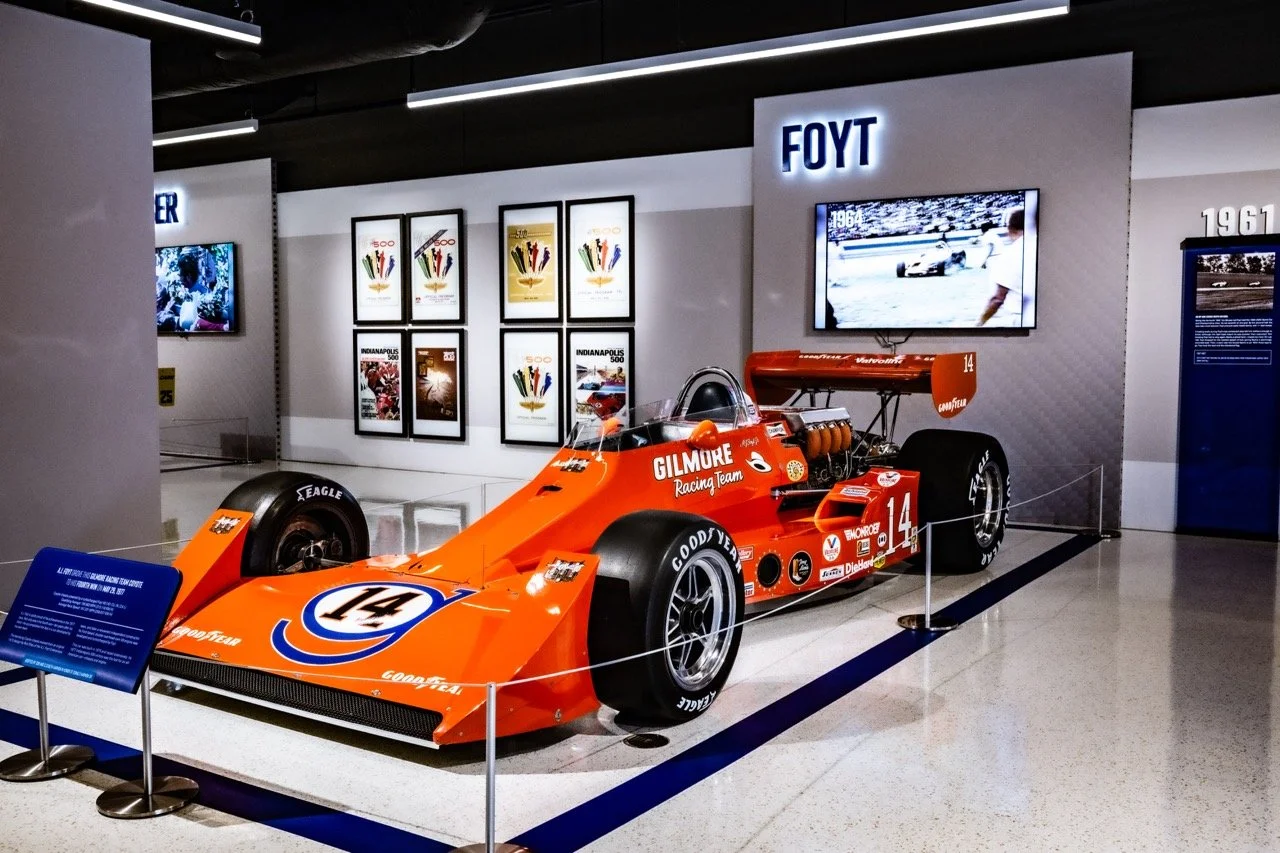
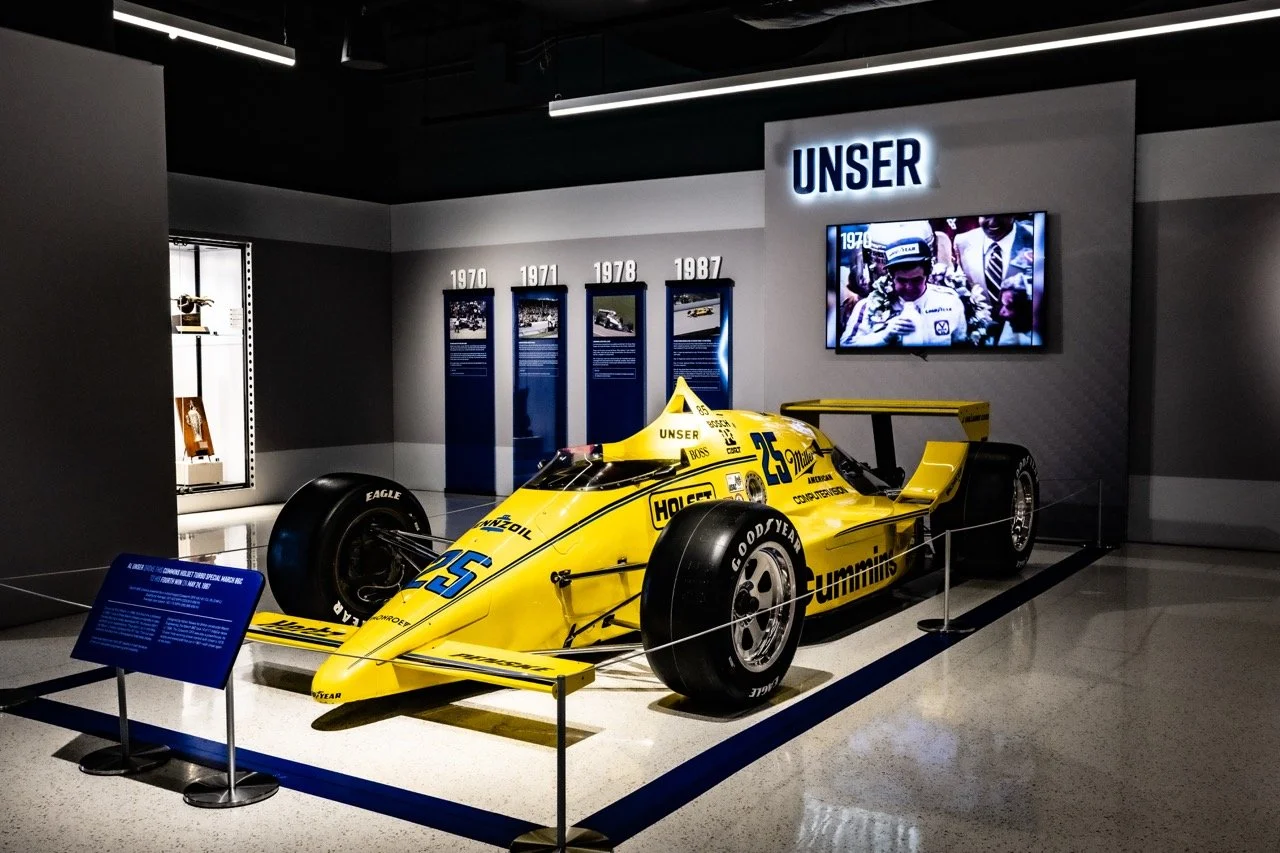
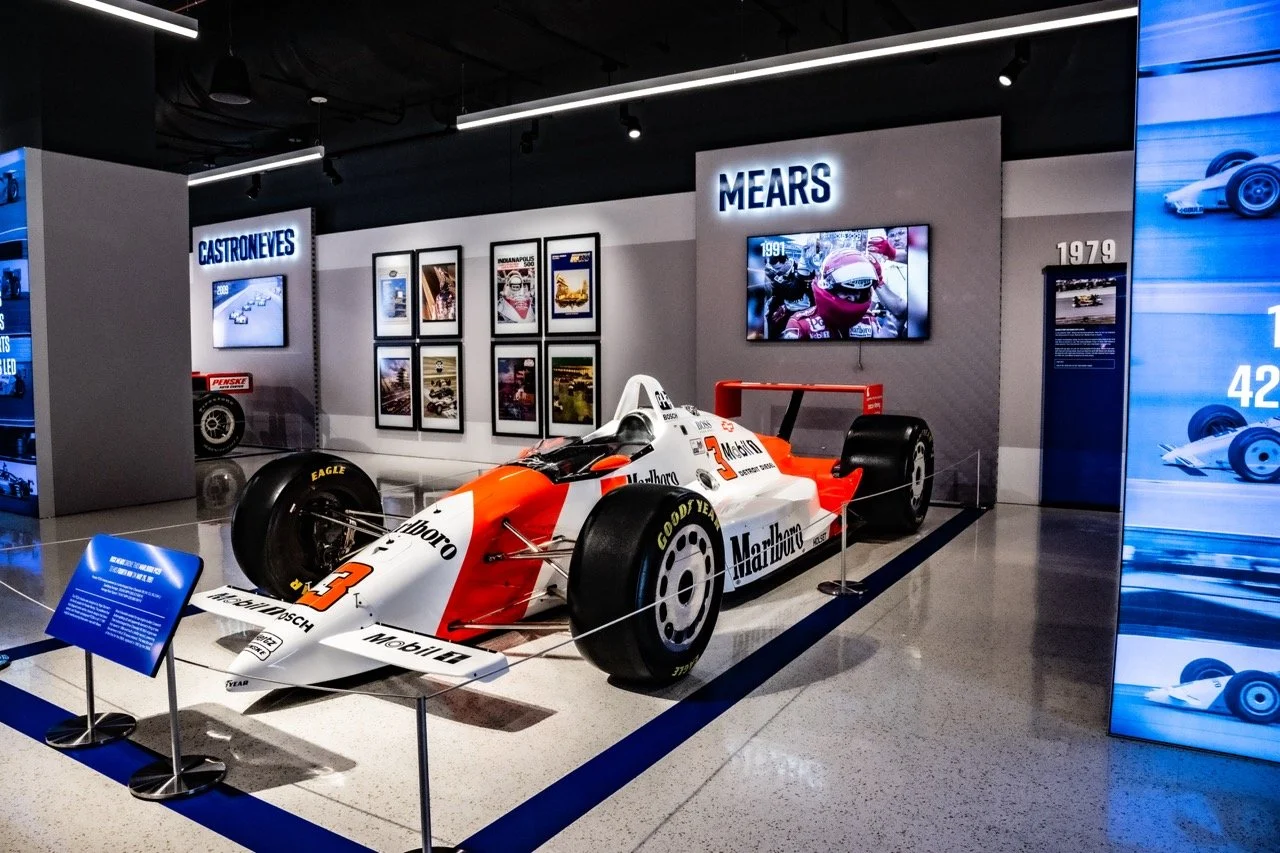
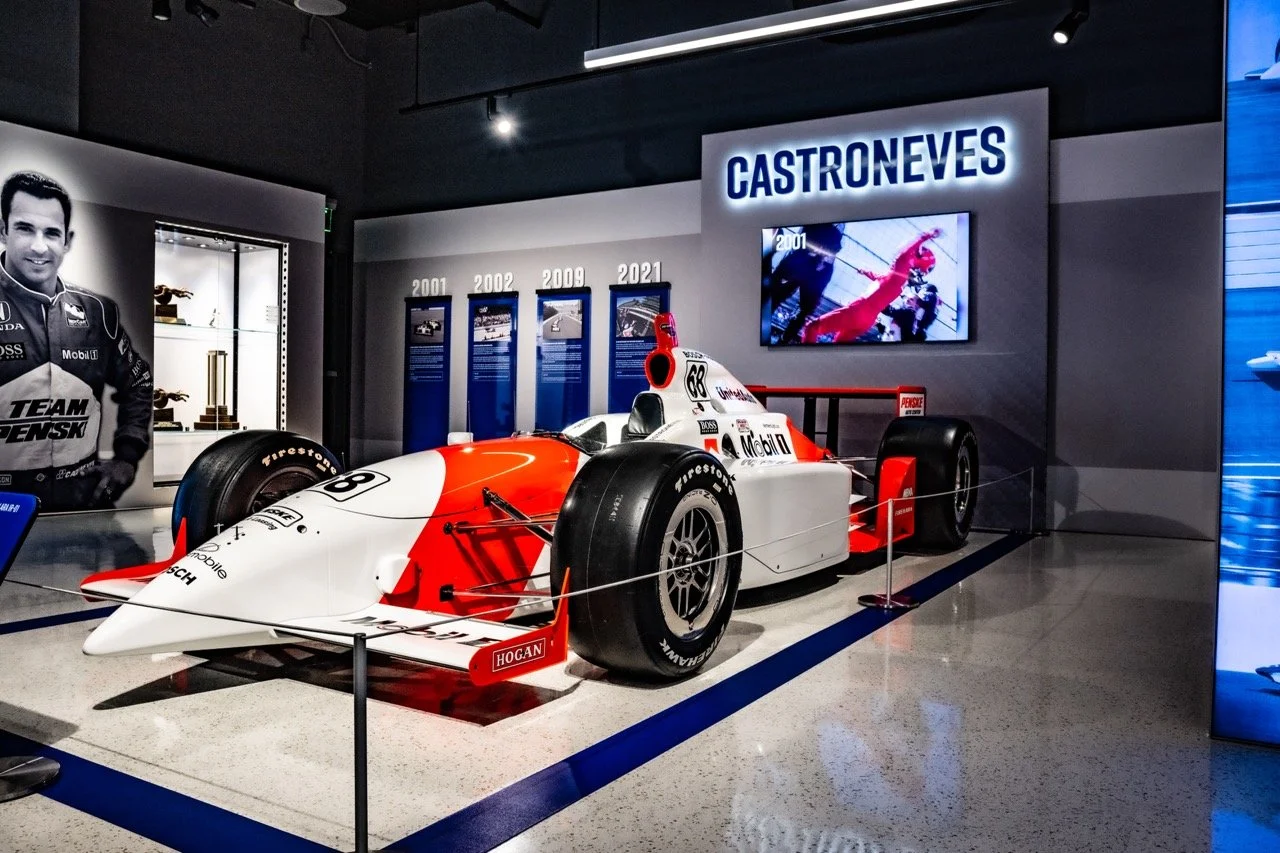
“Indy doesn’t give you anything. You have to take it.” ~ Al Unser Sr.
In a sport defined by variables of weather, machinery, and human error, four-time winners represent something unnatural. Not luck. Not momentum. But permanence.
And as you stand there, the realization settles that at Indianapolis, everything is temporary. Except this. These cars. These men.
THE BORG-WARNER MOMENT
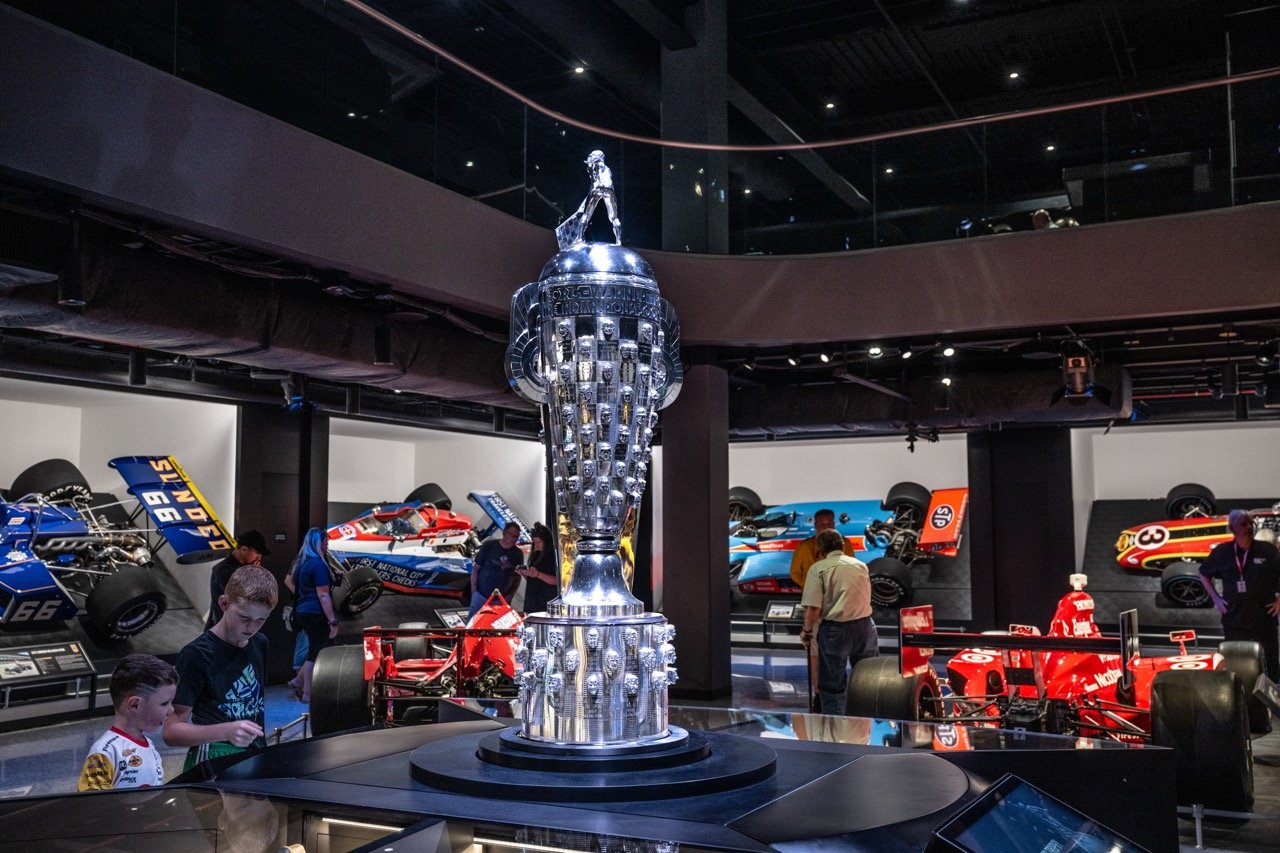
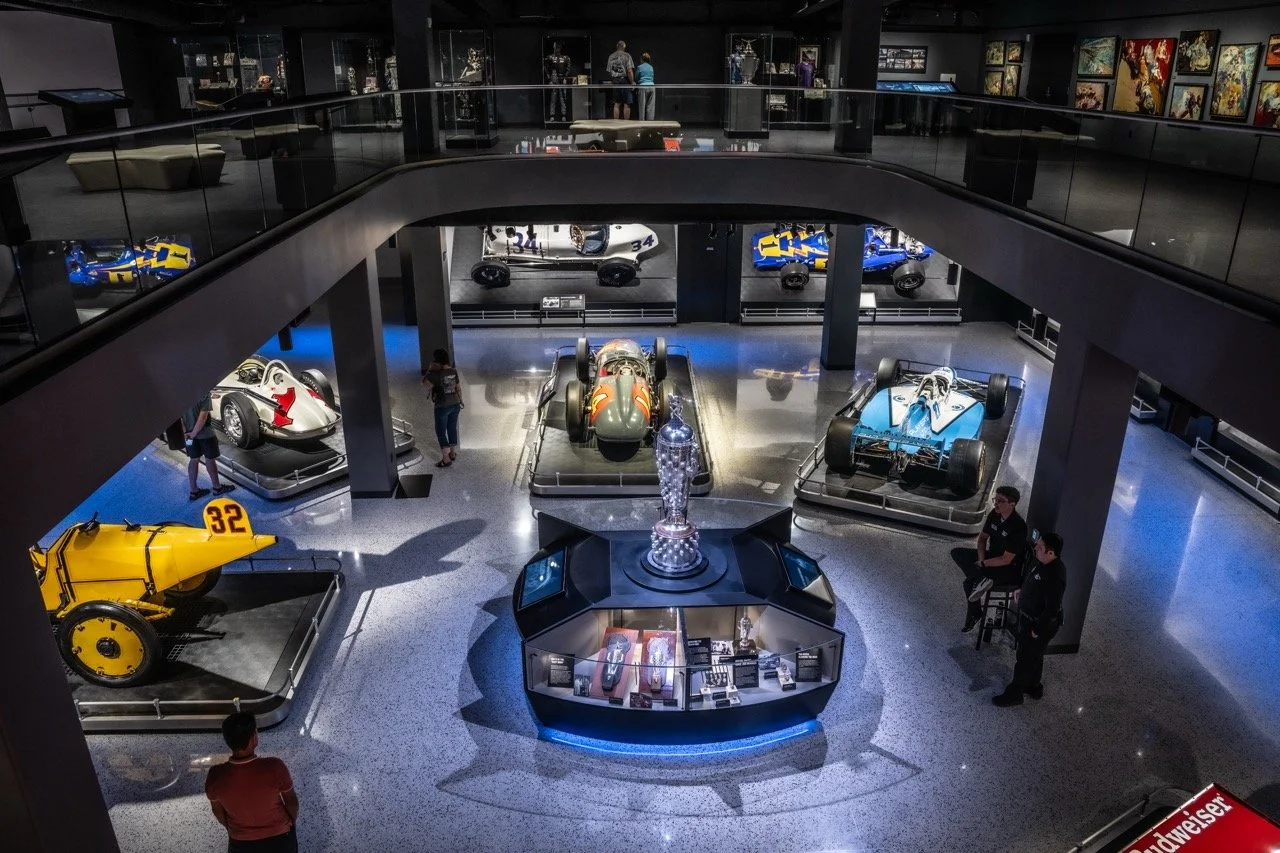
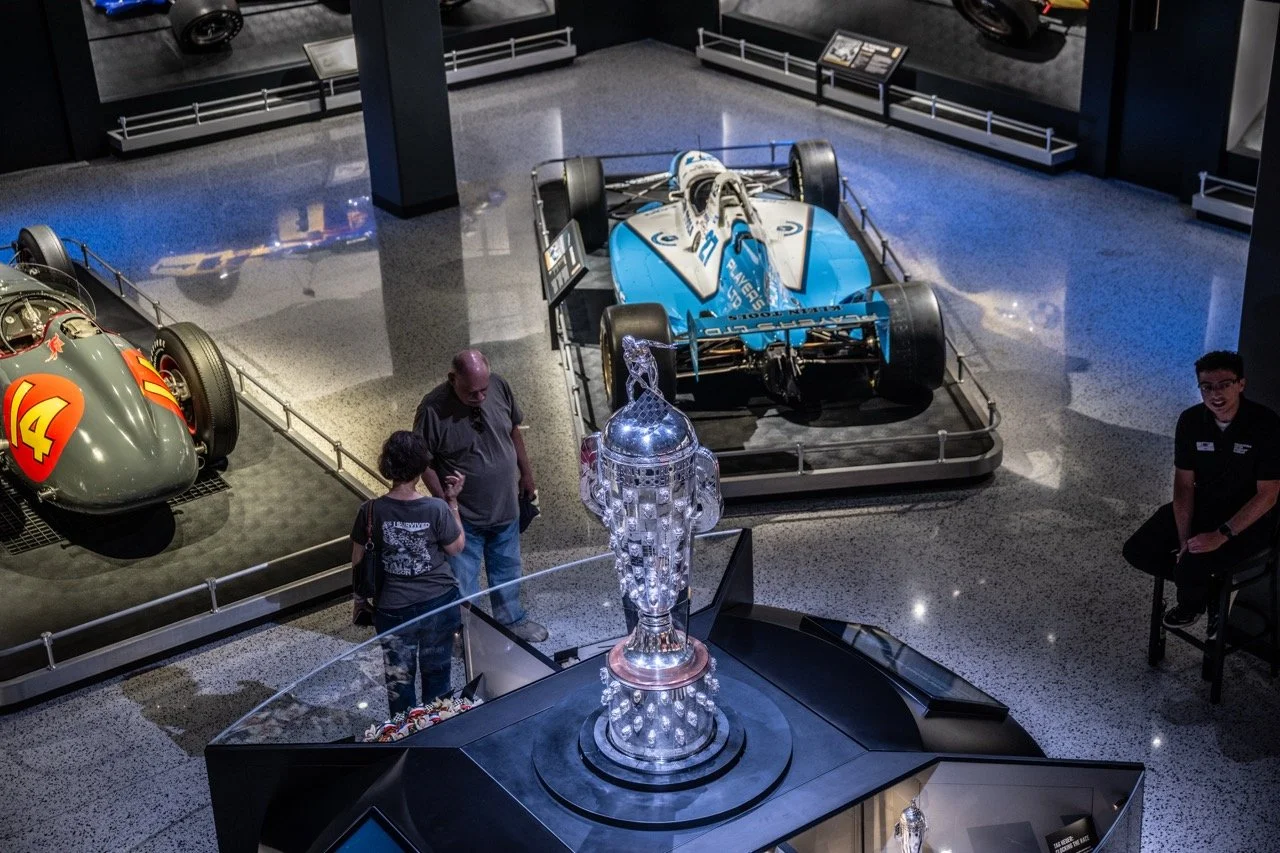
Coming back into the center of the museum, you see it. The Borg-Warner Trophy doesn’t sit quietly. It holds the room. Faces in silver. Each one a moment of decision. A point where hesitation ended and commitment took over.
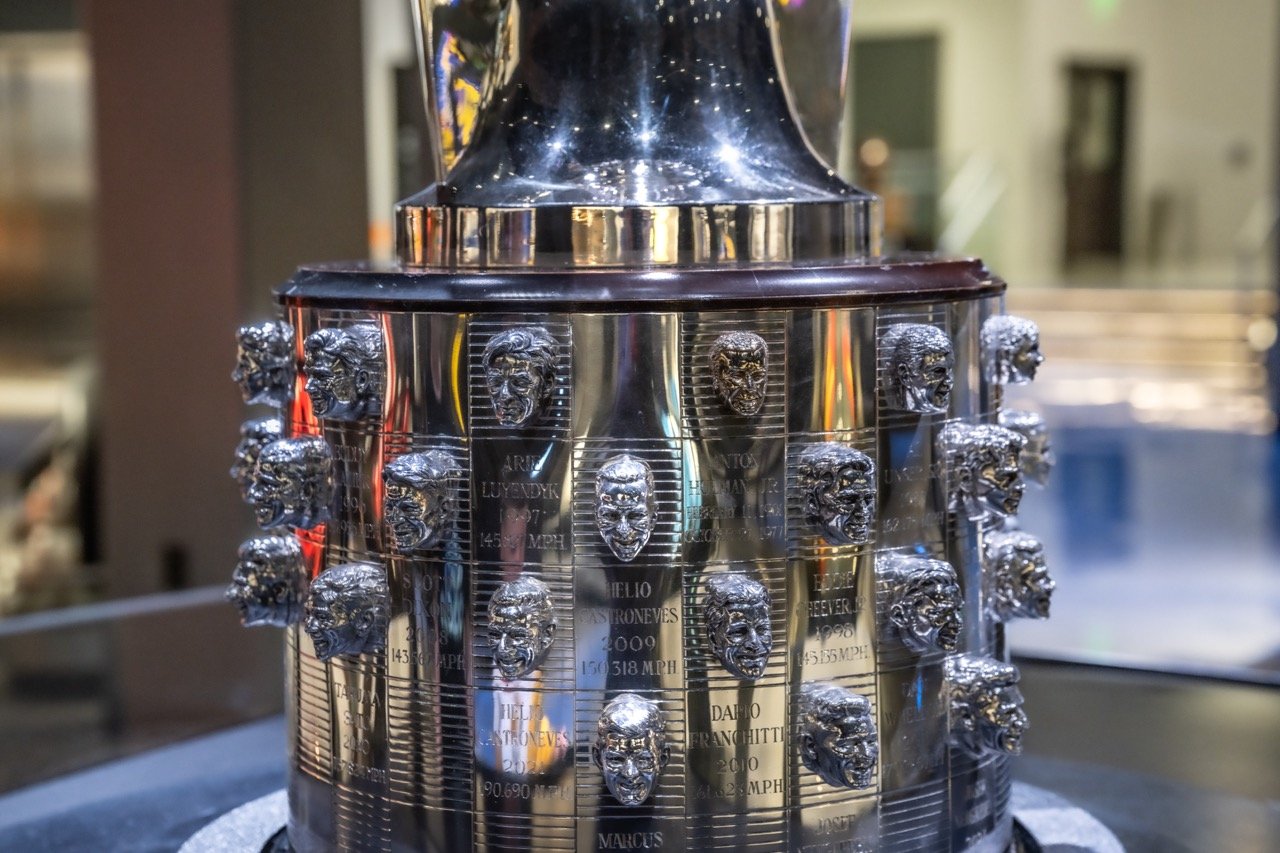
“Winning Indy changes everything. It stays with you forever.” ~ Dario Franchitti
This is where the narrative shifts completely. From machine to human. No one rushes here, because this is the only place in the museum where you understand that the car never wins. Decisions win.
Just as the experience risks becoming too precise, too engineered, it exhales. Helmets. Photographs. Personal artifacts. The abstraction dissolves into something intimate.
Racing is no longer about cars or even drivers. It is about continuity and legacy.
“Racing is about people. Always has been.” ~ Bobby Rahal
Racing has been carried forward through generations. Behind every machine is a life. Behind every victory is belief. The museum feels less like a monument and more like a memory.
THE EDGE OF NOW
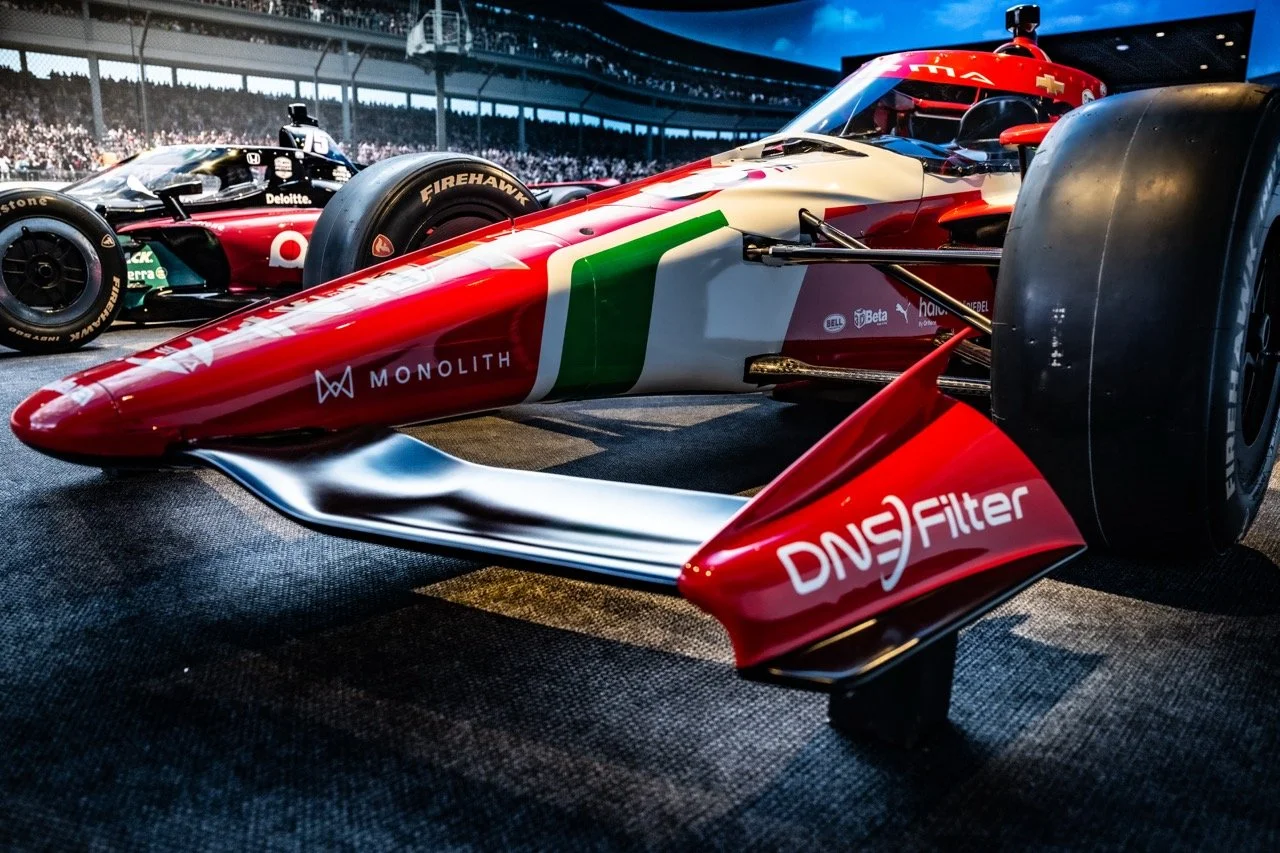
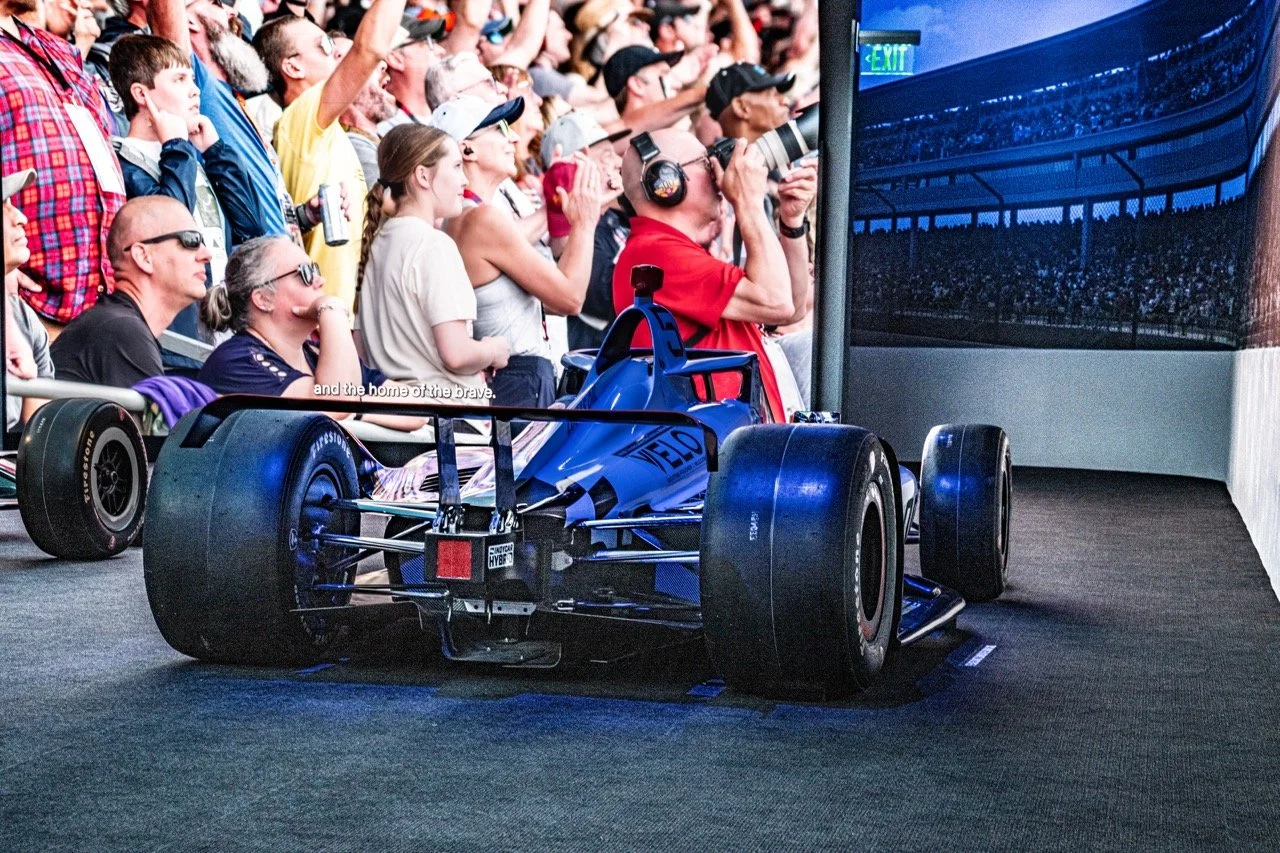
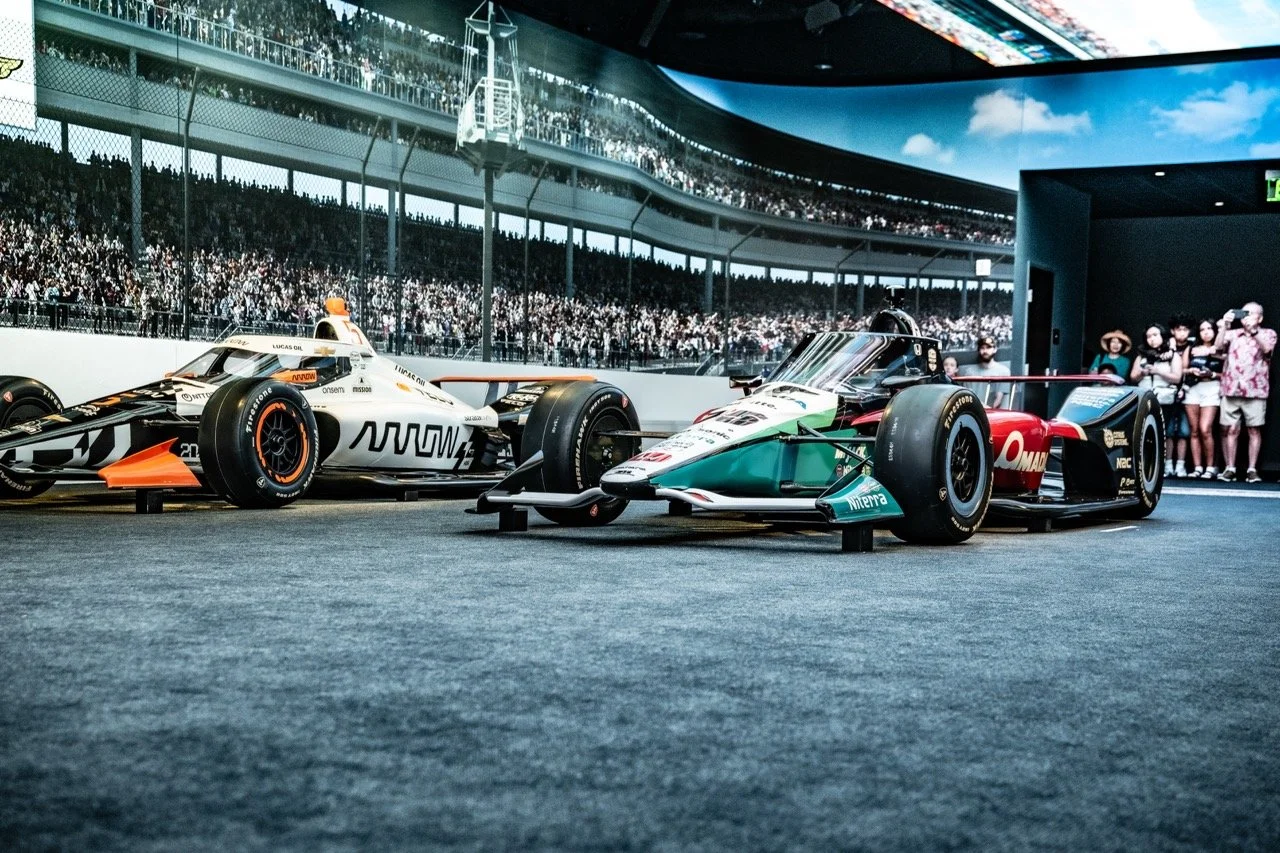
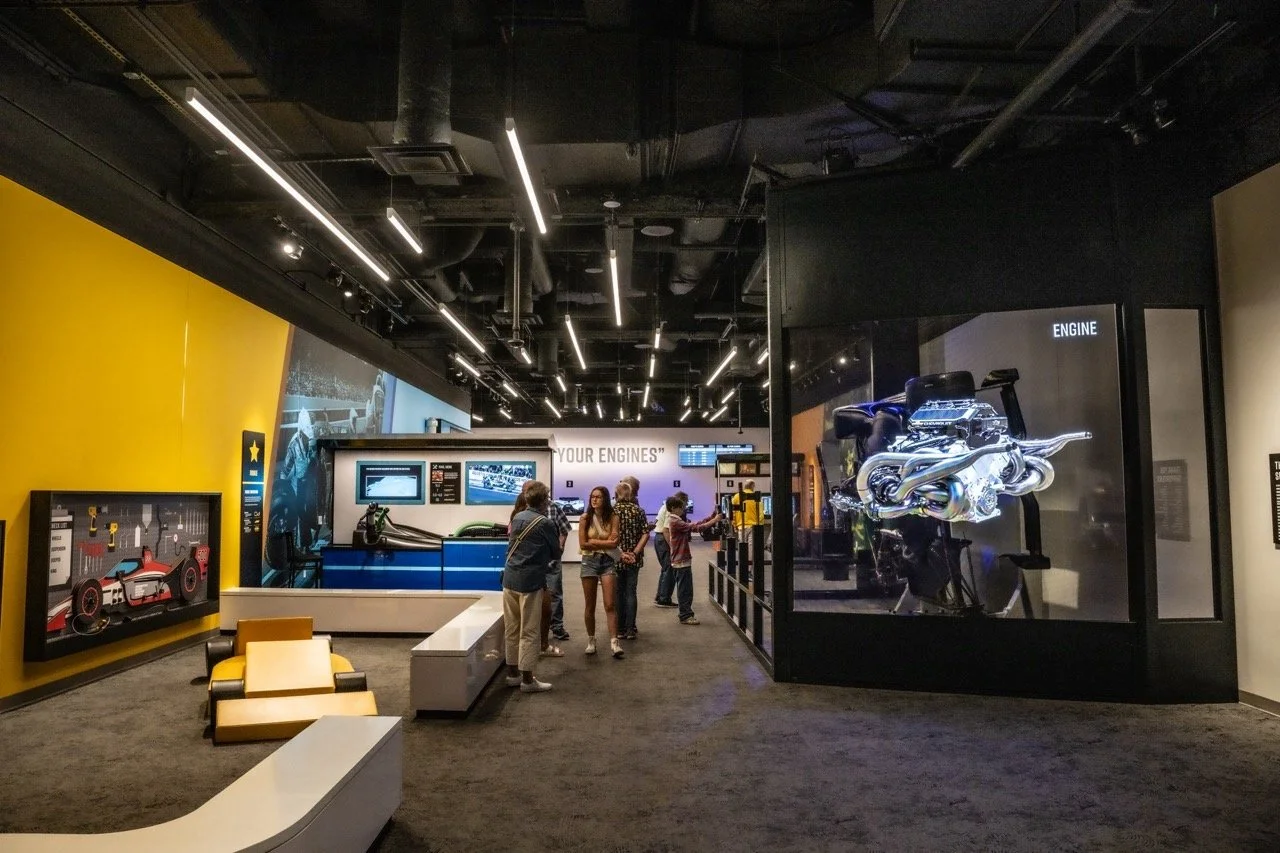
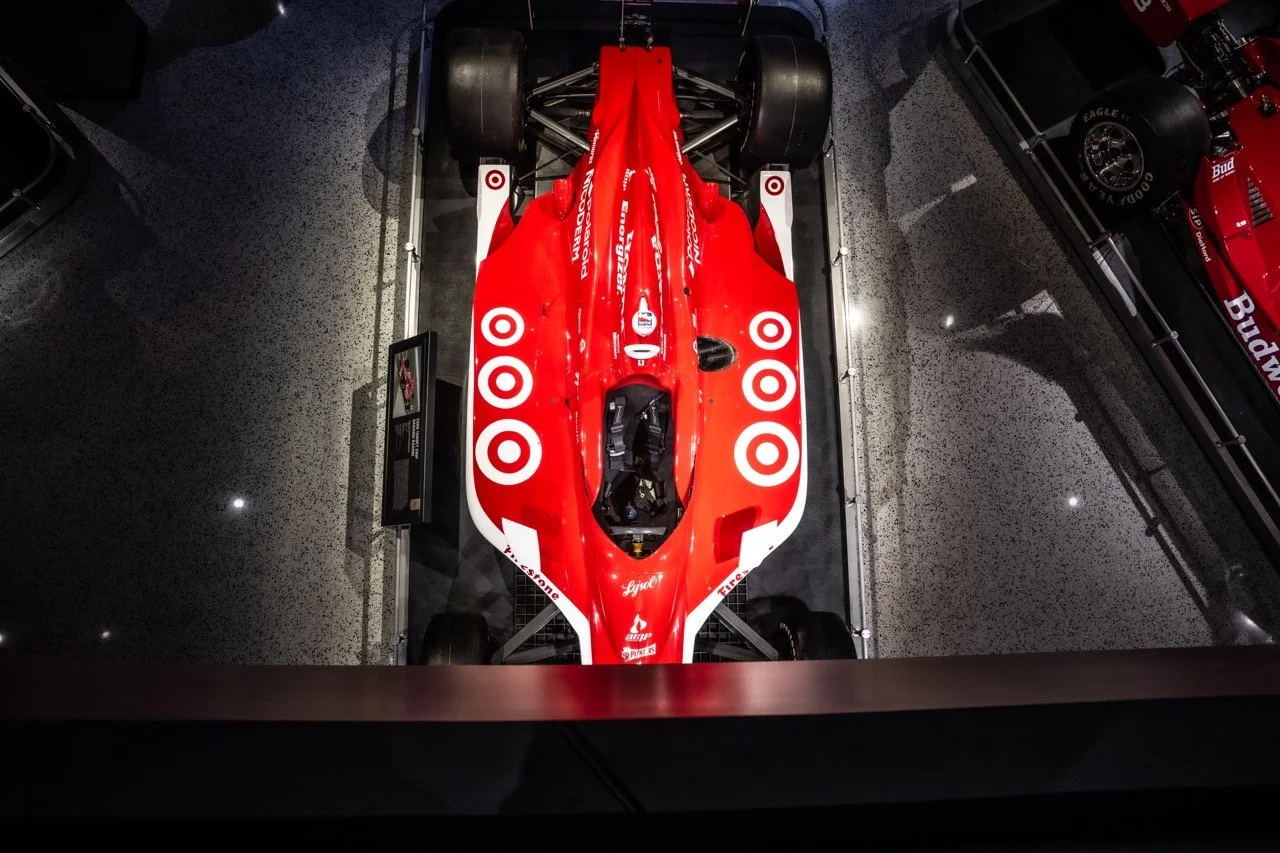
You move forward into the present. Carbon fiber. Aerodynamic perfection. Data-driven execution. Modern cars sit with quiet inevitability.
“Indy is the one race every driver dreams about.” ~ Helio Castroneves
They are faster. Smarter. More precise than anything before them and yet nothing essential has changed. Execution under pressure still decides everything. It always has.
“If everything seems under control, you’re just not going fast enough.” ~ Mario Andretti
THE KIDS’ CORNER
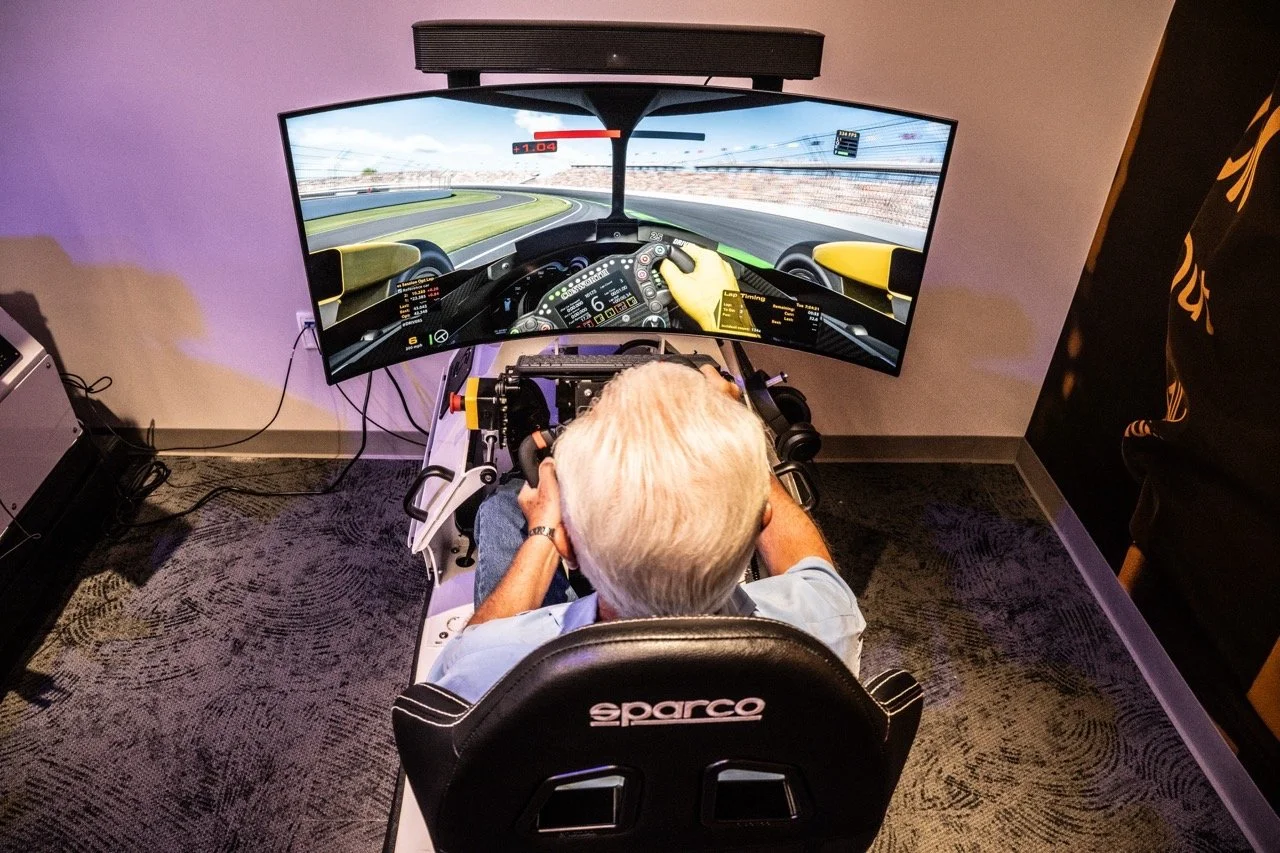
You hear it before you see it. Energy. Movement. Laughter. This is where legacy begins. Children climb into simulators. They grip steering wheels with urgency. They attempt pit stops with focus that feels instinctive.
“We were all kids dreaming about this once.” ~ Tony Kanaan
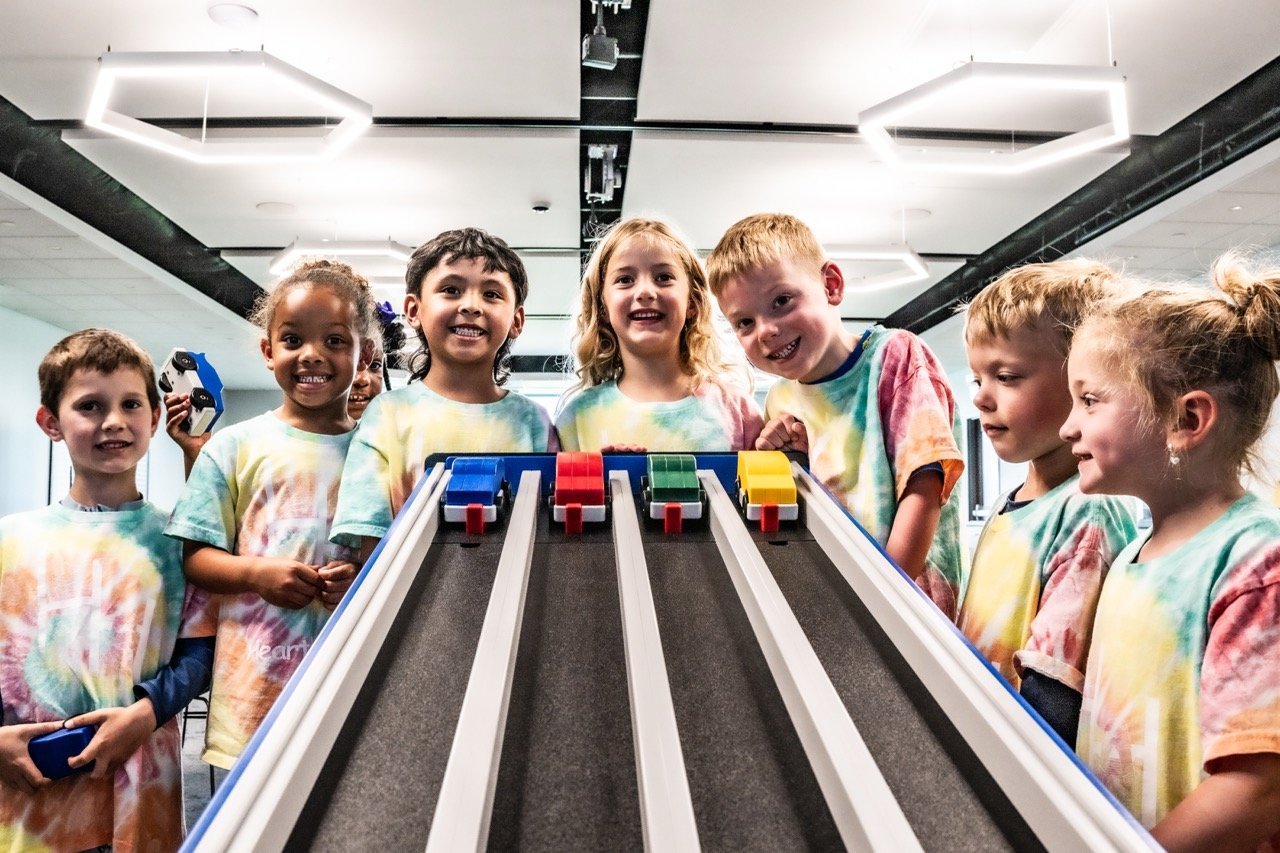
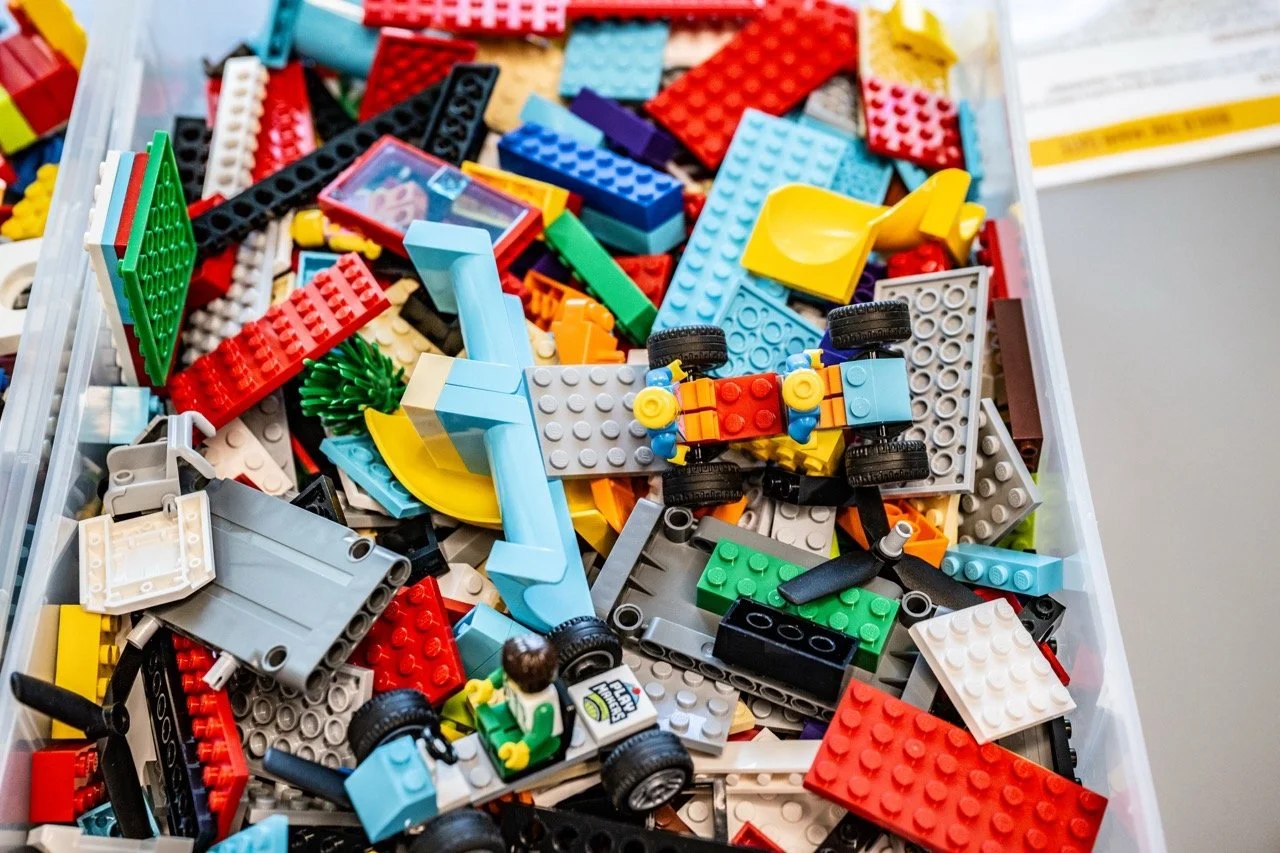
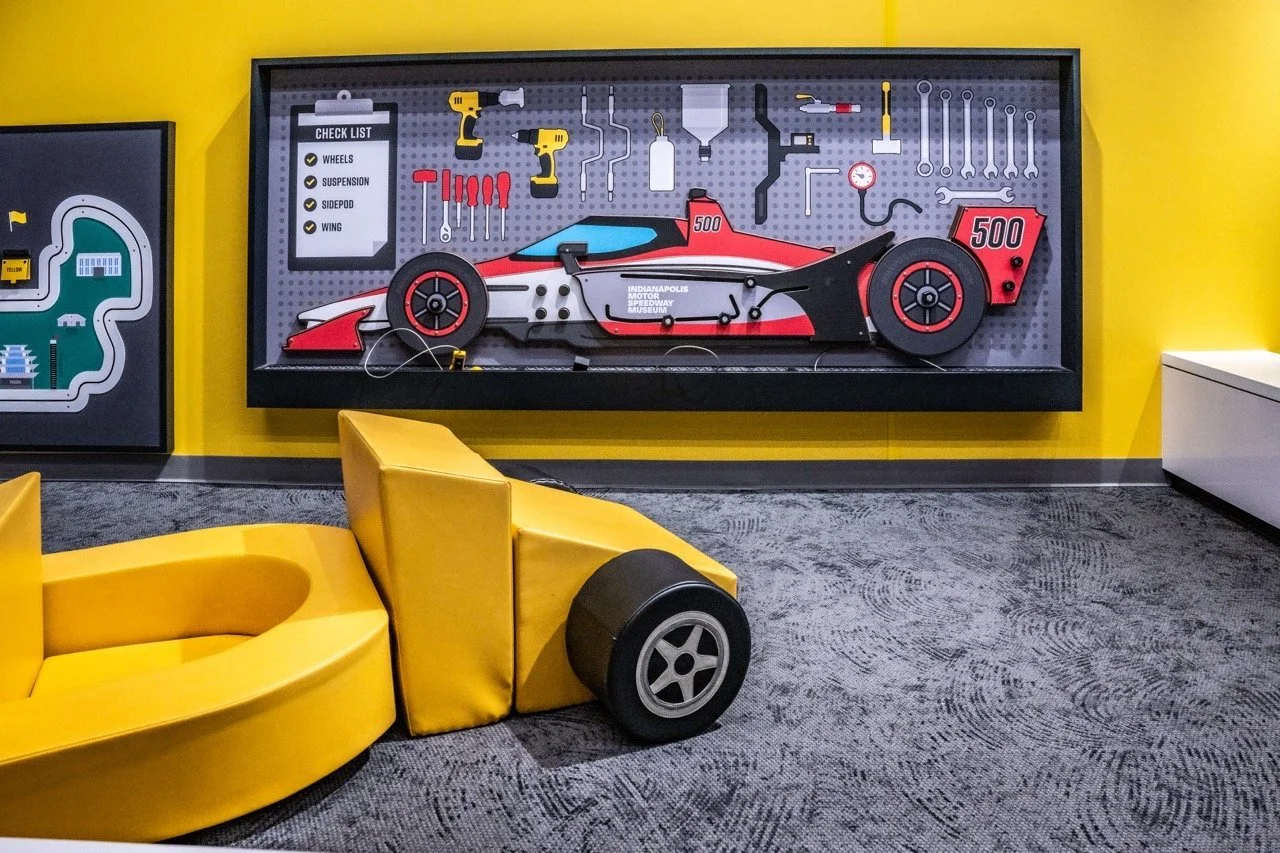
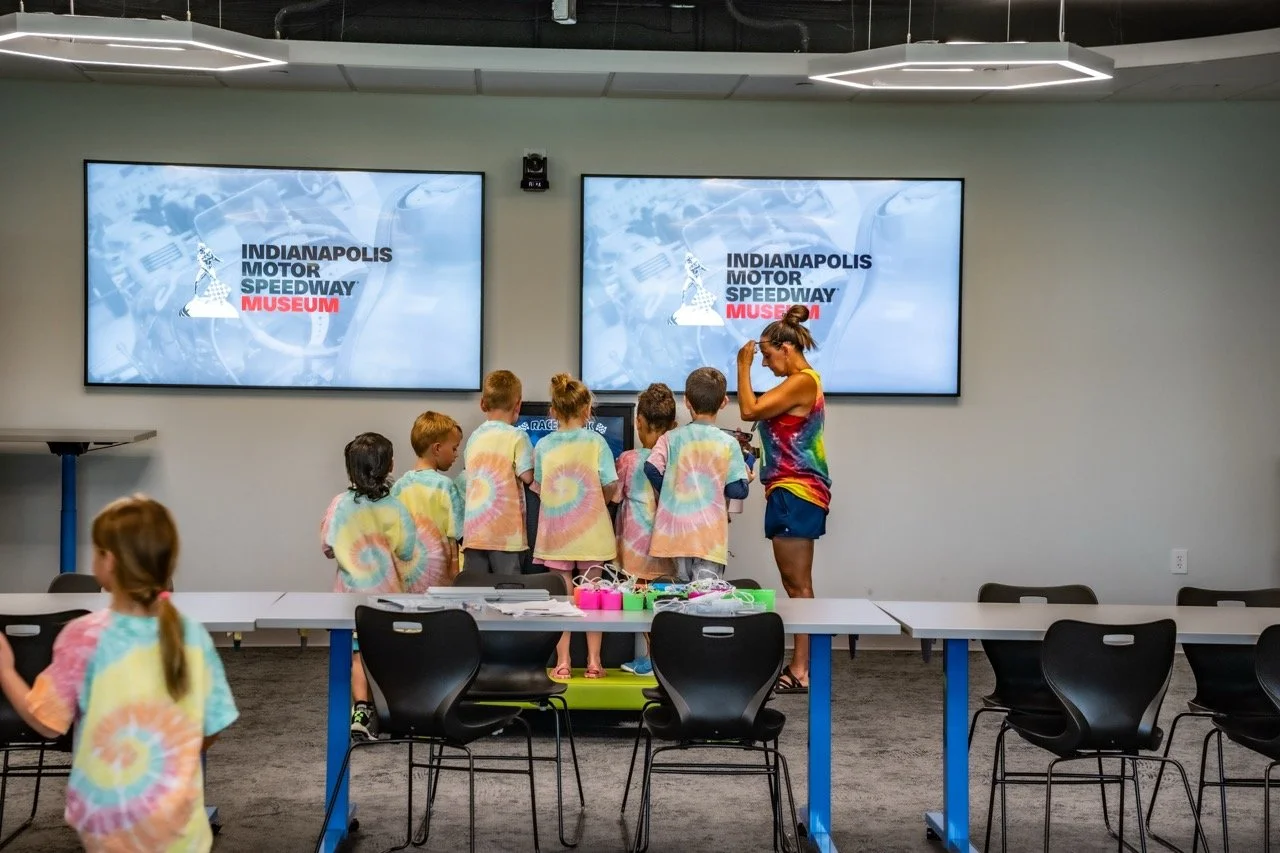
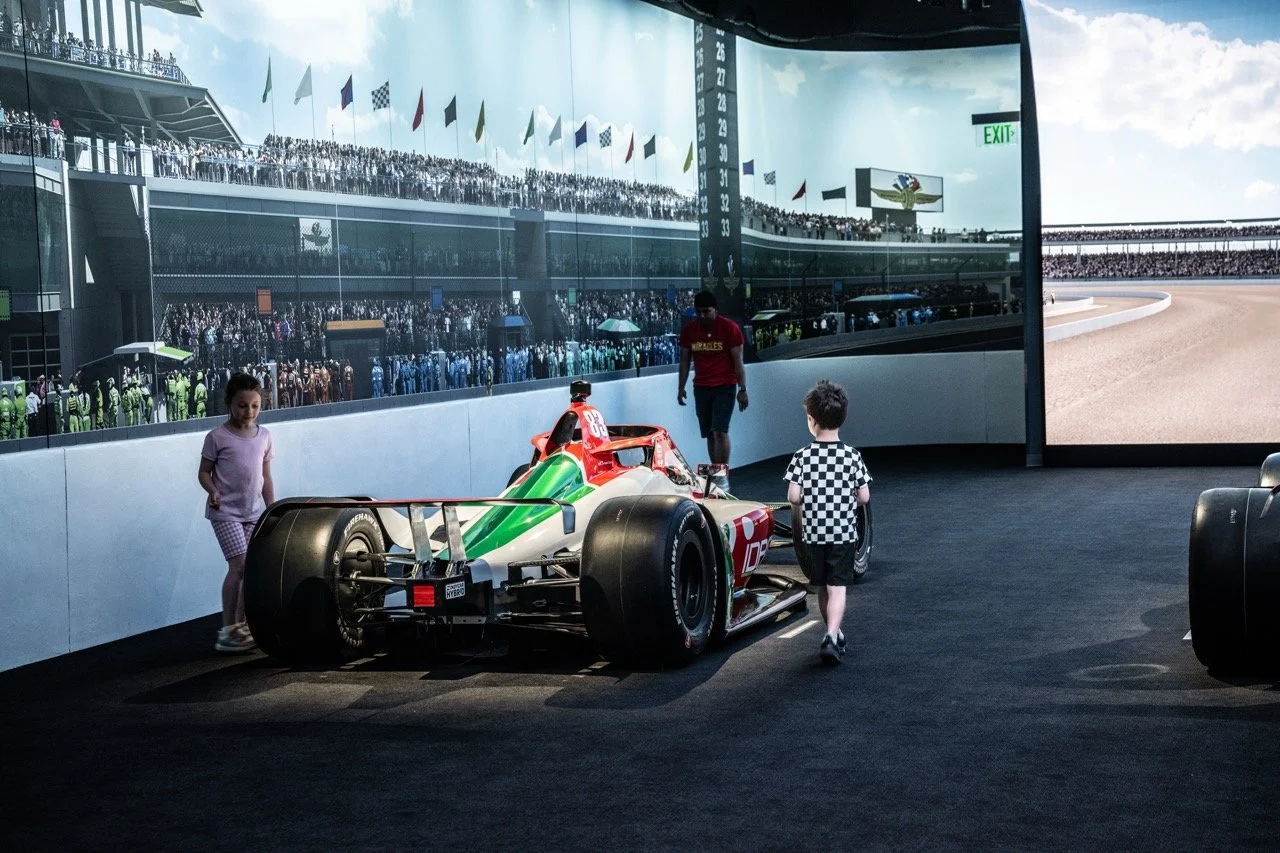
The kids don’t see history. They see possibility. In that moment, the entire museum reframes itself. Legacy isn’t something you protect. It’s something you pass forward.
THE MEZZANINE
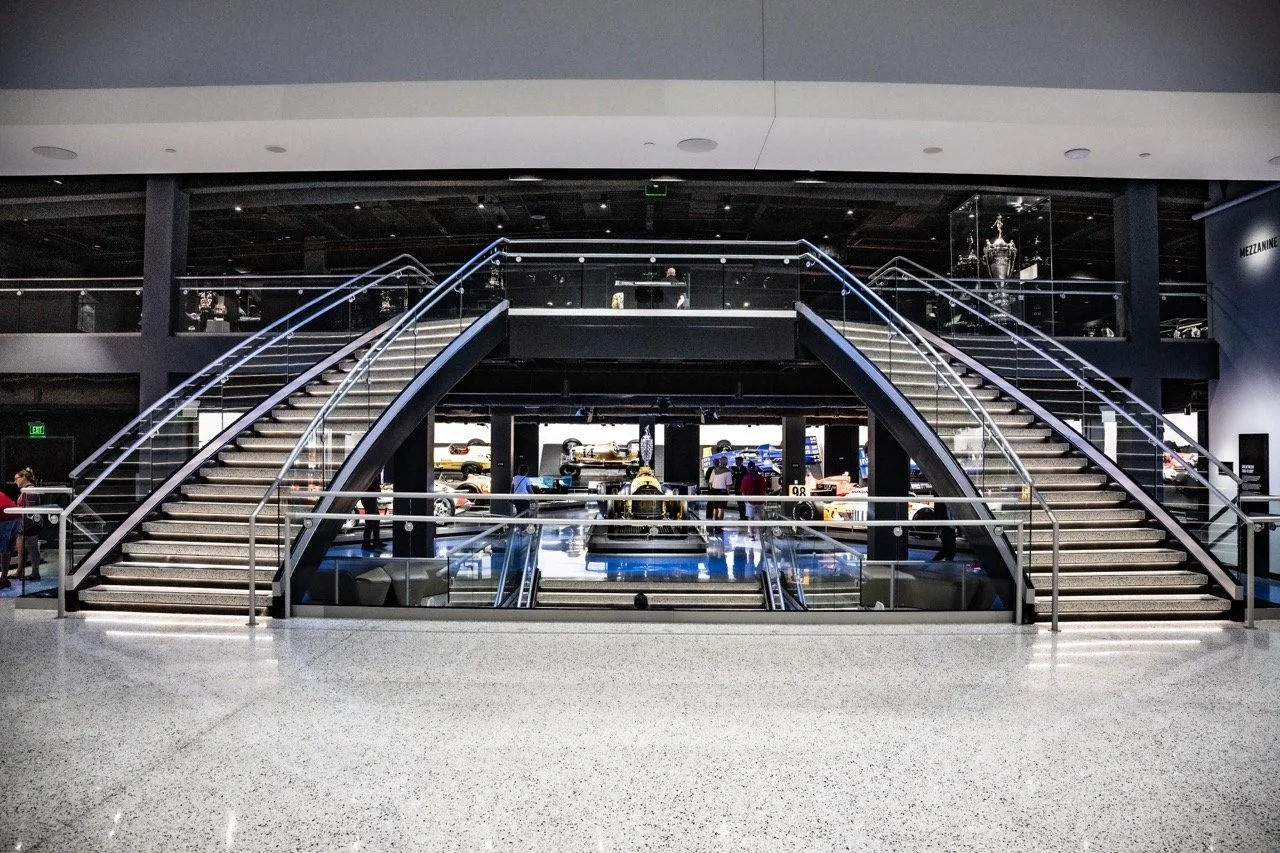
Walking up the grand staircase, you rise above it all. From here, the sequence becomes visible. The arc from curiosity to confidence, from question to mastery. From below, you felt it. From above, you understand it.
BACK TO THE BRICKS
As you leave the museum, there is no conclusion. No final statement. You simply step outside, and there it is. The track. The same surface. The same corners. The same place where everything you just experienced was either realized or lost.
You walk to the bricks. You touch them. You likely will kiss them. For a moment, the distance between past and present disappears.
The Indianapolis Motor Speedway Museum does not document racing. It distills it. Iteration. Failure. Adjustment. Return. Again. And again.
Speed is not the objective. It is the outcome of obsession. Of discipline. Of refusing to believe that the current limit is permanent. Long after you leave Indy, a single question remains quietly and persistently.
What happens if we go faster?