
Lifestyle & Culture: SRO - One Paddock, Every Dream
Inside SRO Motorsport and the GT World Challenge. The global ladder where club racers and factory heroes share the same asphalt
The pit lane smells of hot brakes and sunscreen, and somewhere down the row a V8 lights up and bounces off the timing tower hard enough to rattle a camera against your chest. Walk a few garages in either direction and the whole sweep of grand touring racing is laid bare in front of you. A carbon-bodied GT3 missile worth more than a house. A one-make Toyota built from a showroom coupe. A touring car sedan with its doors covered in stickers and ambition. They will all run this weekend. They will all share the same asphalt. And every driver, from the teenager chasing a first podium to the silver-haired gentleman living a lifelong dream, is reaching for the same thing. One clean lap, one perfect exit, one photograph worth framing.
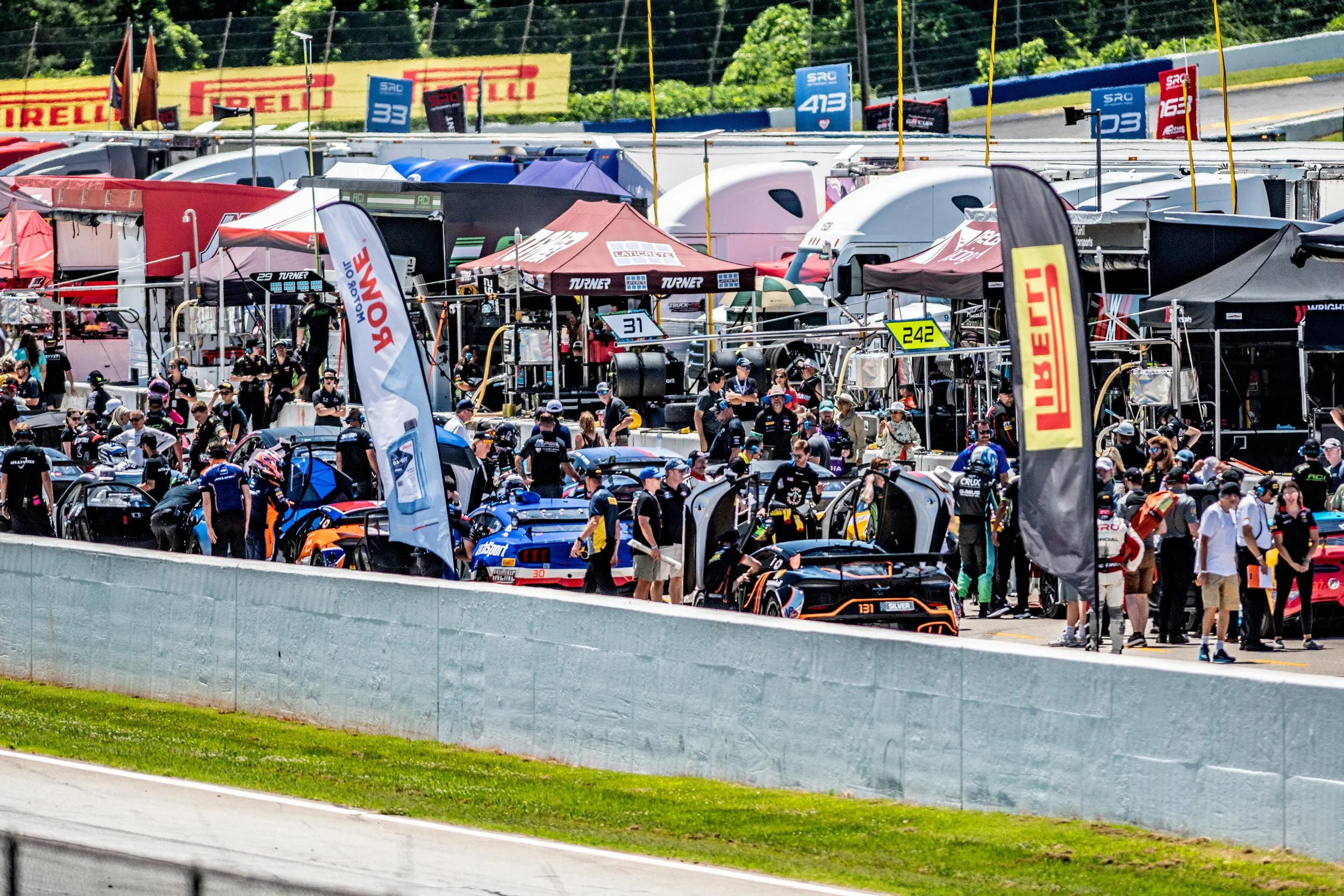
This is the world that SRO Motorsport built. Across four continents and more than a dozen championships, the company has turned grand touring racing from a niche pursuit into a global ladder anyone with the nerve and the means can climb. At the top of that ladder sits the GT World Challenge. At the bottom sit the dreamers. The genius is that they all belong to the same family.
• • •
The Architect and the Idea
The story begins, as so many great racing stories do, with one stubborn Frenchman. In 1992, Stéphane Ratel organized his very first event. A one-make Venturi series at the Le Mans Bugatti Circuit and discovered that wealthy enthusiasts would pay handsomely to race beautiful cars against one another. Three years later he founded his own company, the Stéphane Ratel Organisation, and set about reviving a category the world had nearly forgotten. The 1994 BPR Global Endurance Series, born from a duel between the McLaren F1 GTR and the Ferrari F40, started the engines. GT racing, declared dead, turned out to be the future.
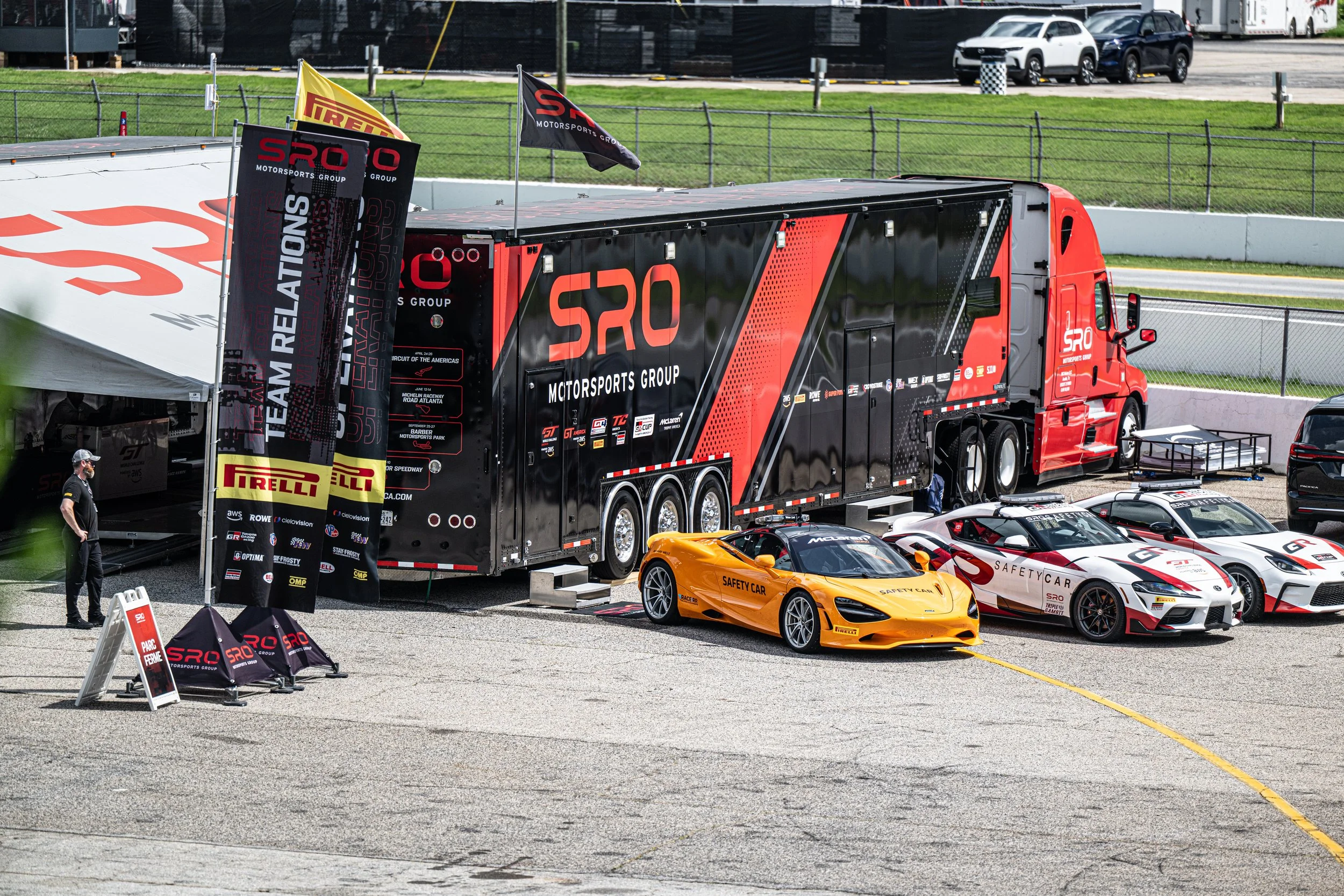
Ratel is often called the architect of modern GT racing, and for good reason. His organization authored the GT3 and GT4 rulebooks that today underpin championships on every continent. The brilliance of those categories is balance. By equalizing wildly different machinery and grading drivers by skill, SRO created racing where a Lamborghini and a Mercedes, a professional and an amateur, could line up together and actually race to win.
In 2019, with backing from Amazon Web Services, SRO drew its established regional series in Europe, Asia and America under a single banner, the GT World Challenge. Each region kept its own identity while feeding a global manufacturers’ championship scored across continents. Australia joined as the fourth pillar in 2021. Today SRO oversees roughly sixteen championships and some fifty events a year, anchored by legendary endurance classics, and it all traces back to that first grid of gentleman drivers.
• • •
SRO Motorsports America: One Weekend, Many Ladders
Nowhere is the SRO philosophy more vivid than in North America. SRO Motorsports America, SROMA to those in the know, took control of the former Pirelli World Challenge in 2018 and rebuilt it into a stacked, multi-series spectacle. A single SRO America weekend can feature five or six distinct championships sharing one paddock, one schedule, and one electrified atmosphere, from Friday practice through Sunday’s checkered flag.
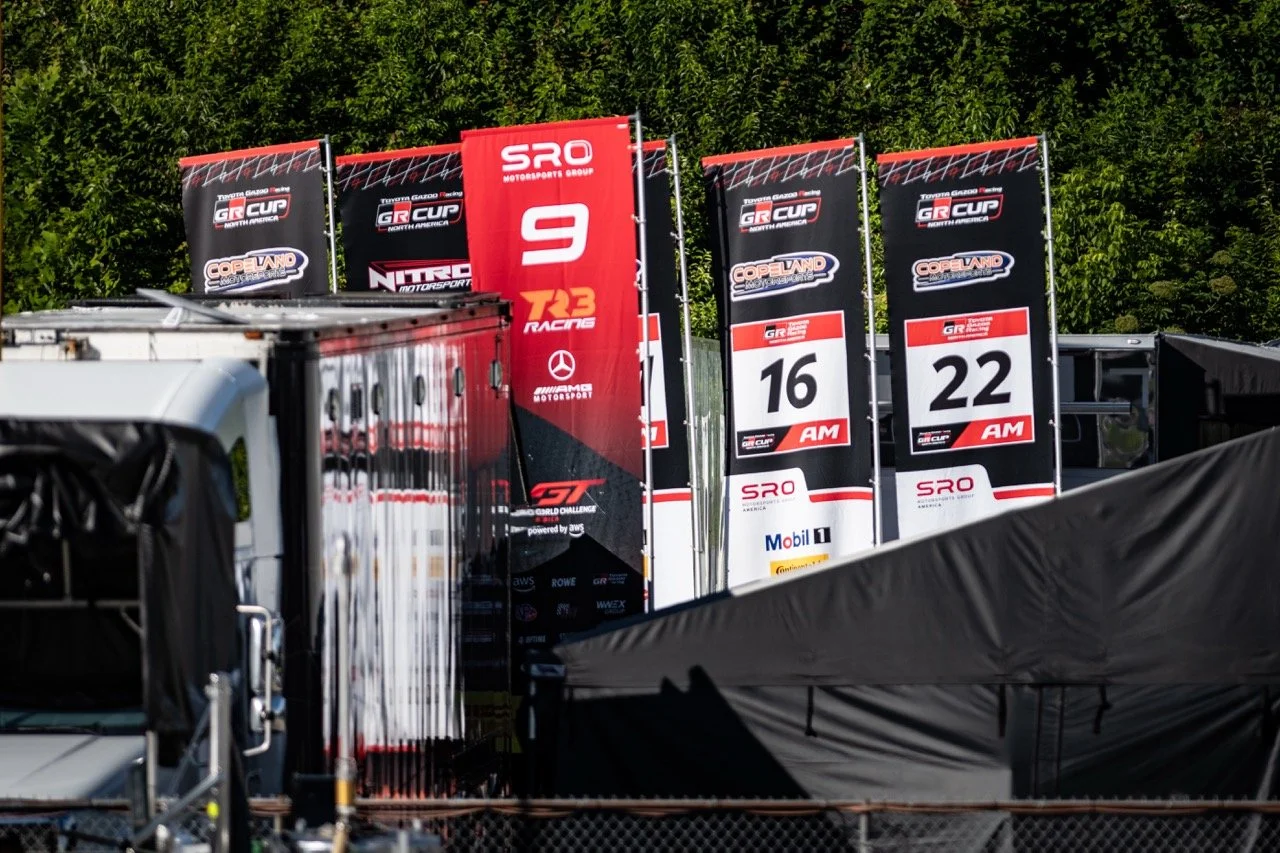
What makes it special for fans is the variety packed into a single ticket. Wander the grid and you’ll find full-house GT3 hardware, junior touring cars, exotic one-make machines and gentleman racers all within a few steps of one another. For drivers, the structure is a genuine career ladder. Prove yourself in a touring car or a spec coupe, graduate to GT4, and one day chase the overall in GT3. The 2026 calendar threads America’s best circuits of Sonoma, Circuit of The Americas, Sebring, Road Atlanta, Road America, Barber Motorsports Park and Indianapolis, into one season-long road trip.
• • •
GT World Challenge America Powered by AWS
This is the headliner, the big-budget main event, the series everything else supports. The GT World Challenge America Powered by AWS is contested exclusively by GT3 cars: the snarling, aero-laden, 500-plus-horsepower flagships from Ferrari, Lamborghini, Porsche, Mercedes-AMG, BMW, Audi, Aston Martin, McLaren and Ford. Pro, Pro-Am and Am crews share each car, blending hired-gun professionals with talented amateurs in a format built on strategy and teamwork.
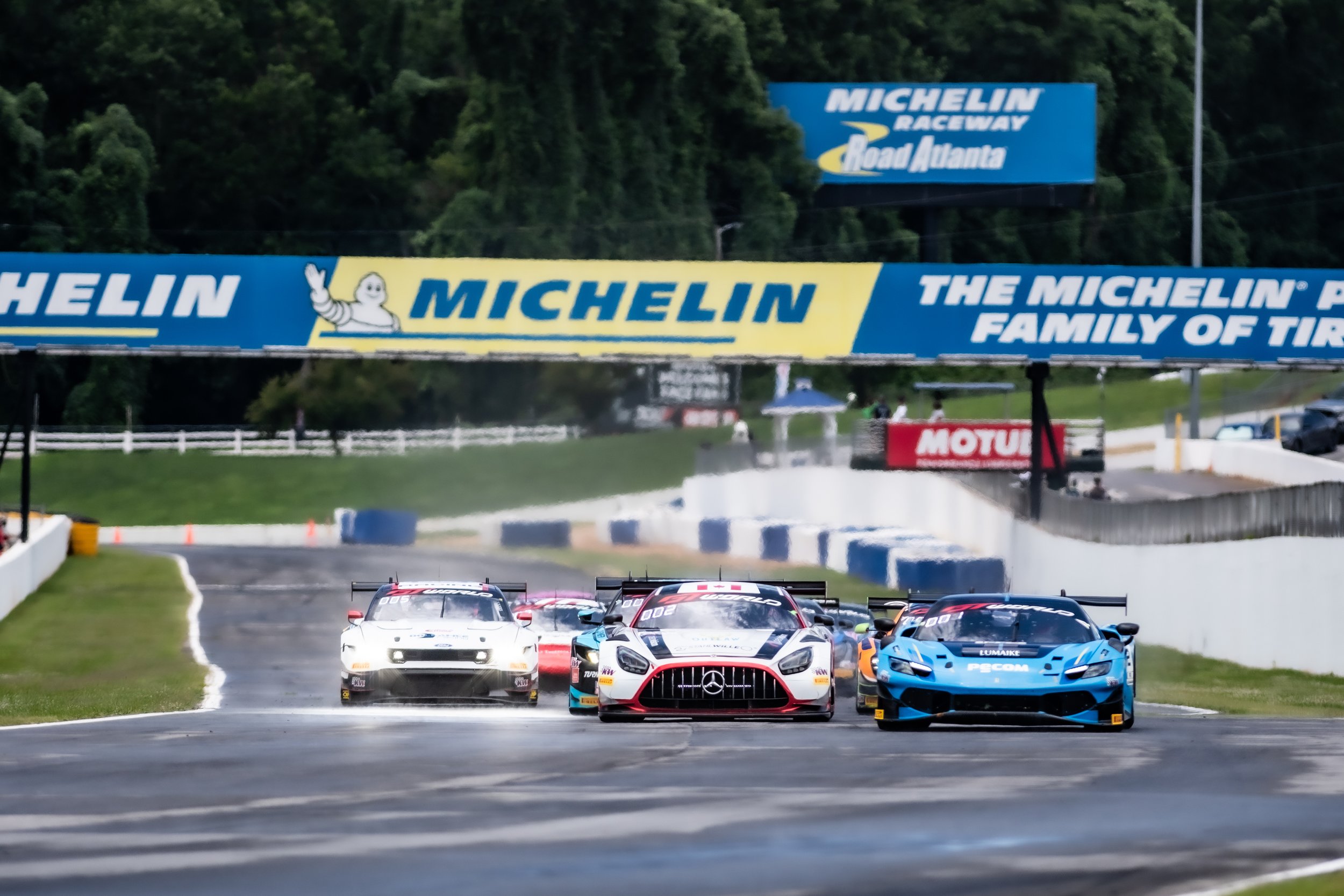
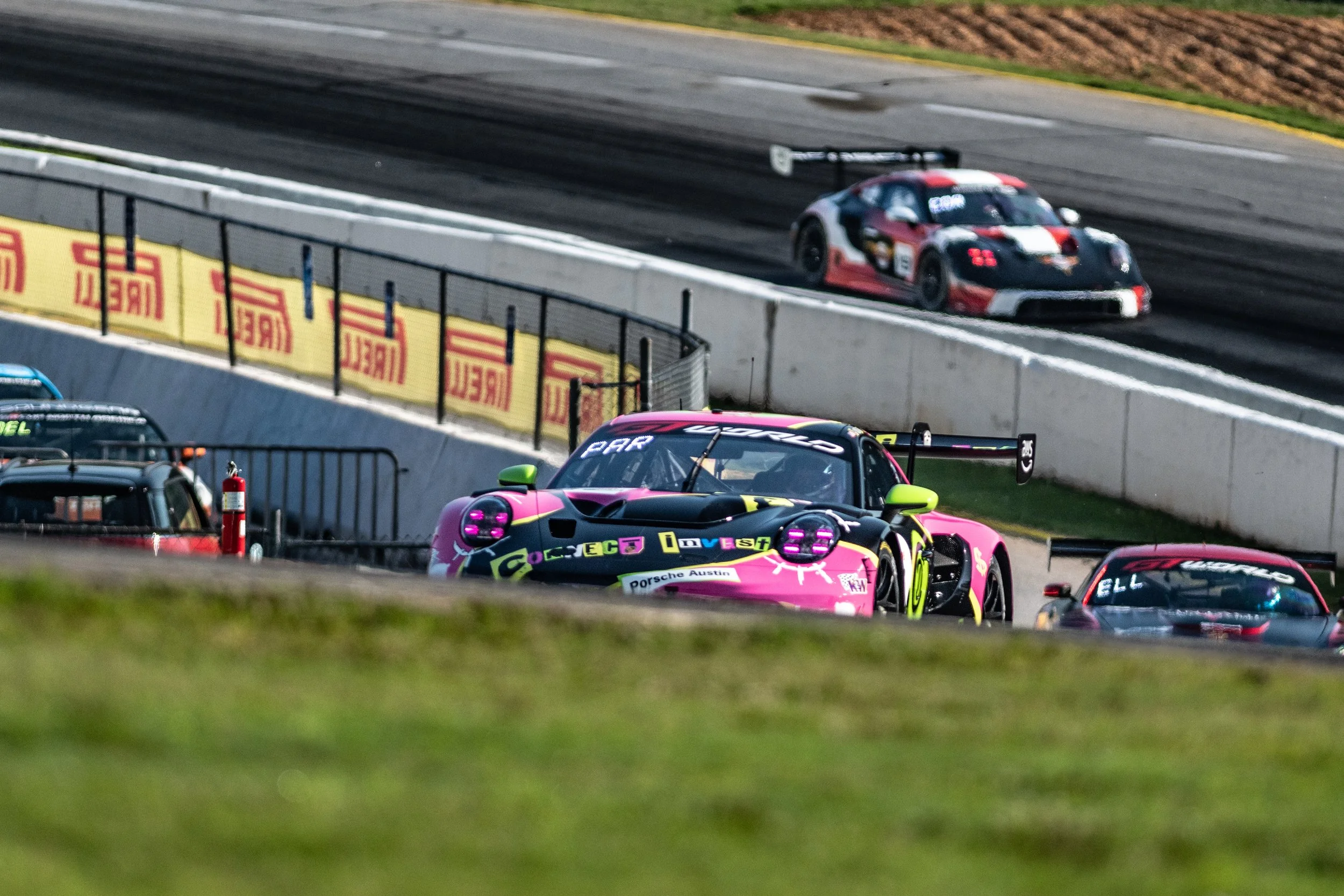
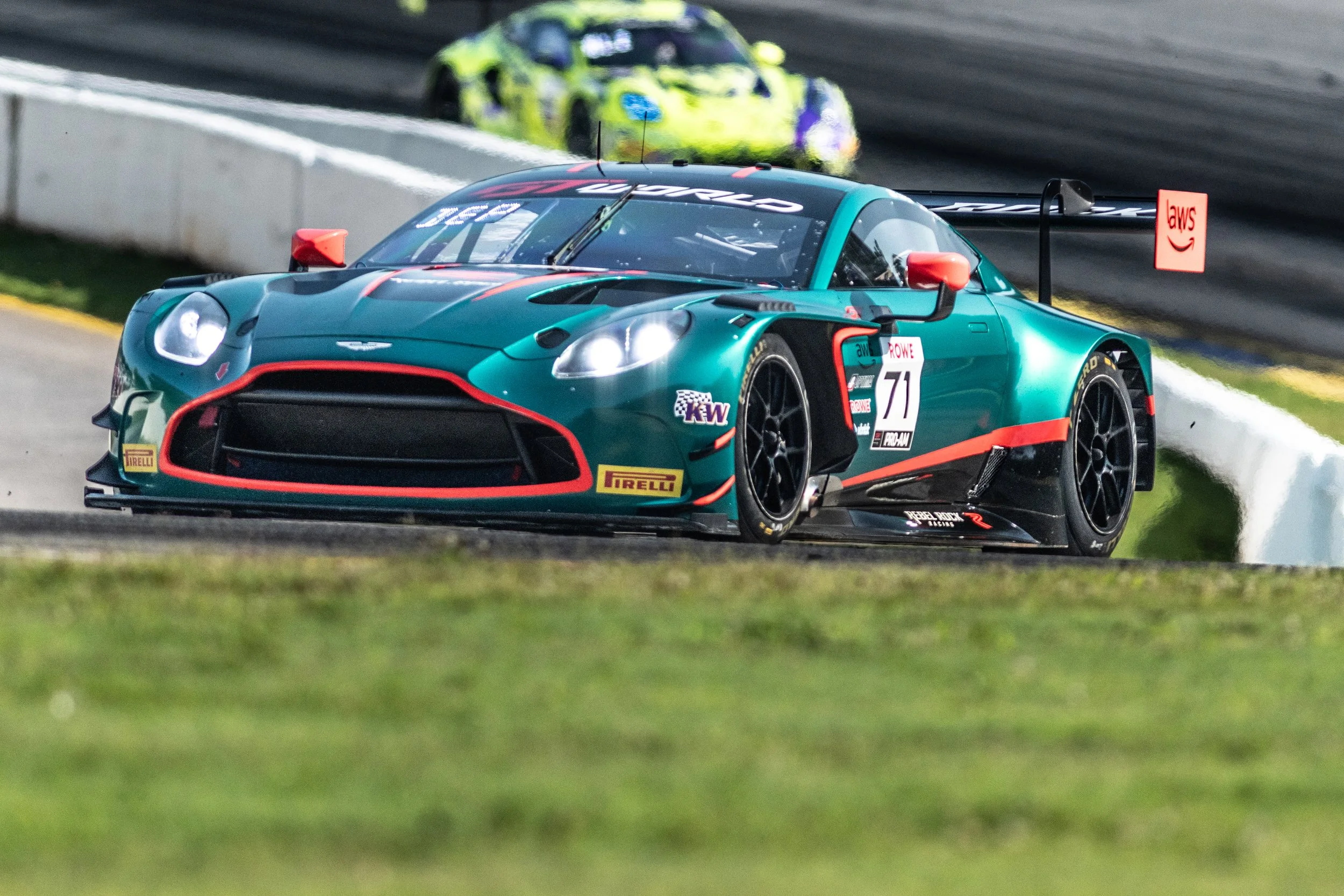
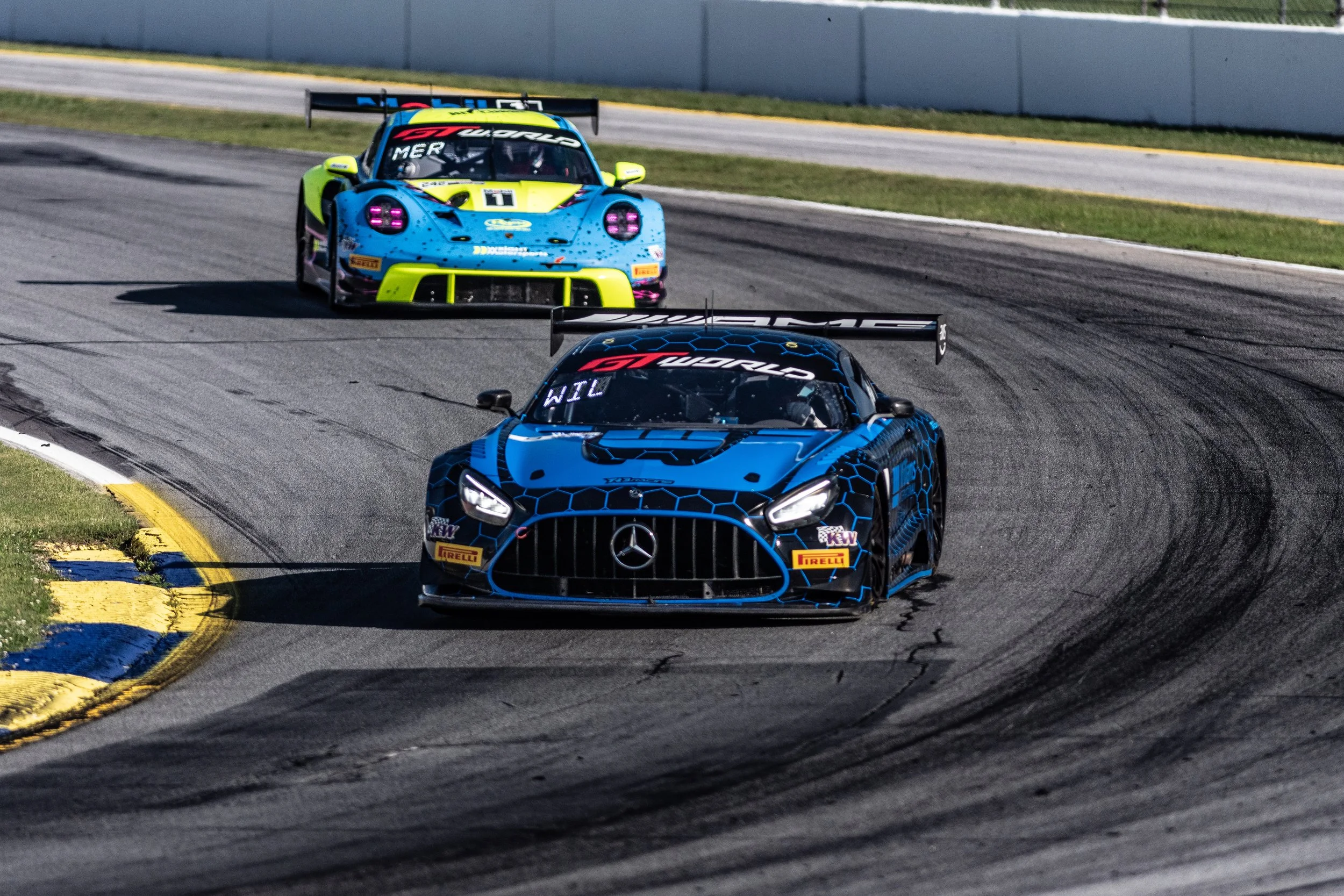
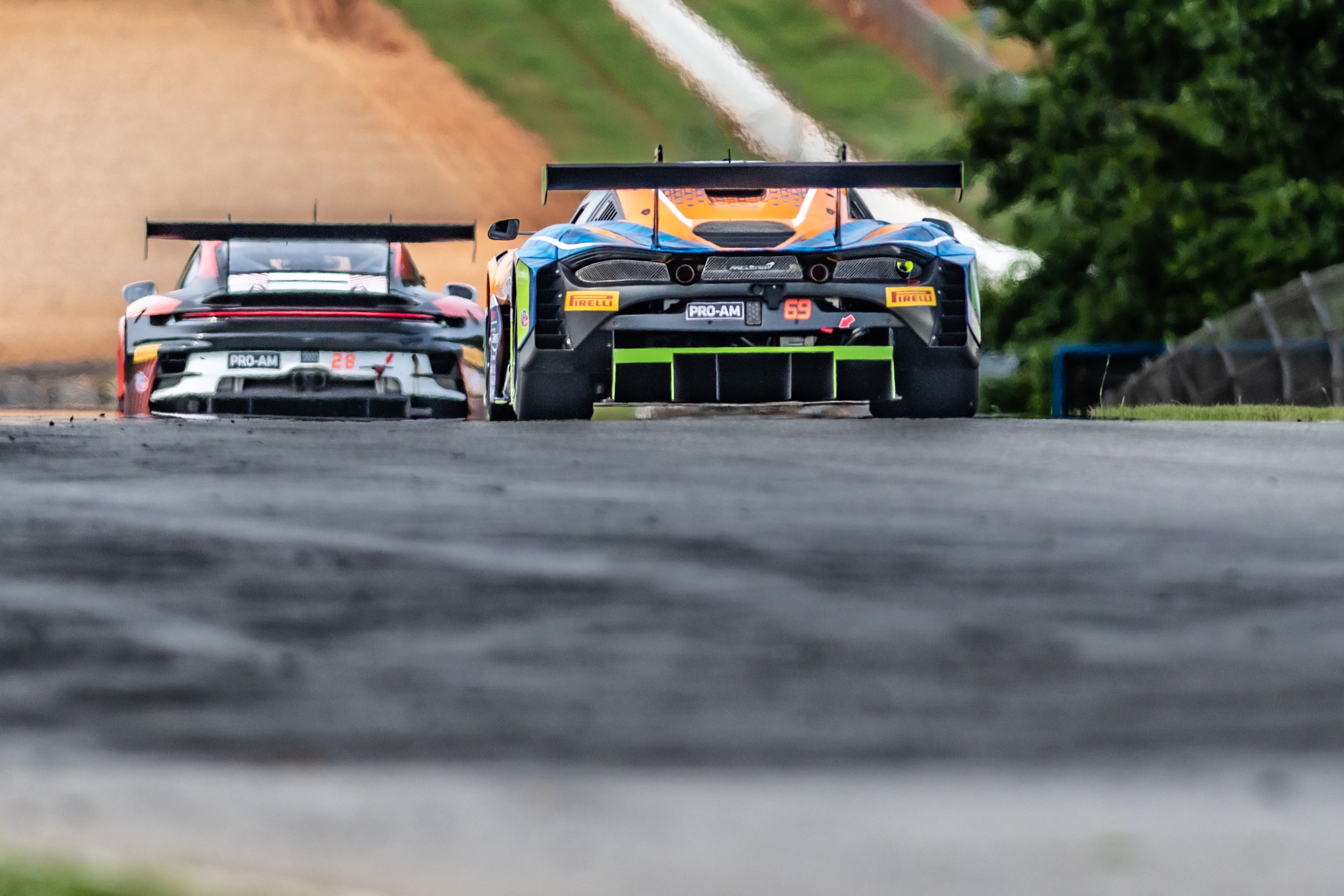
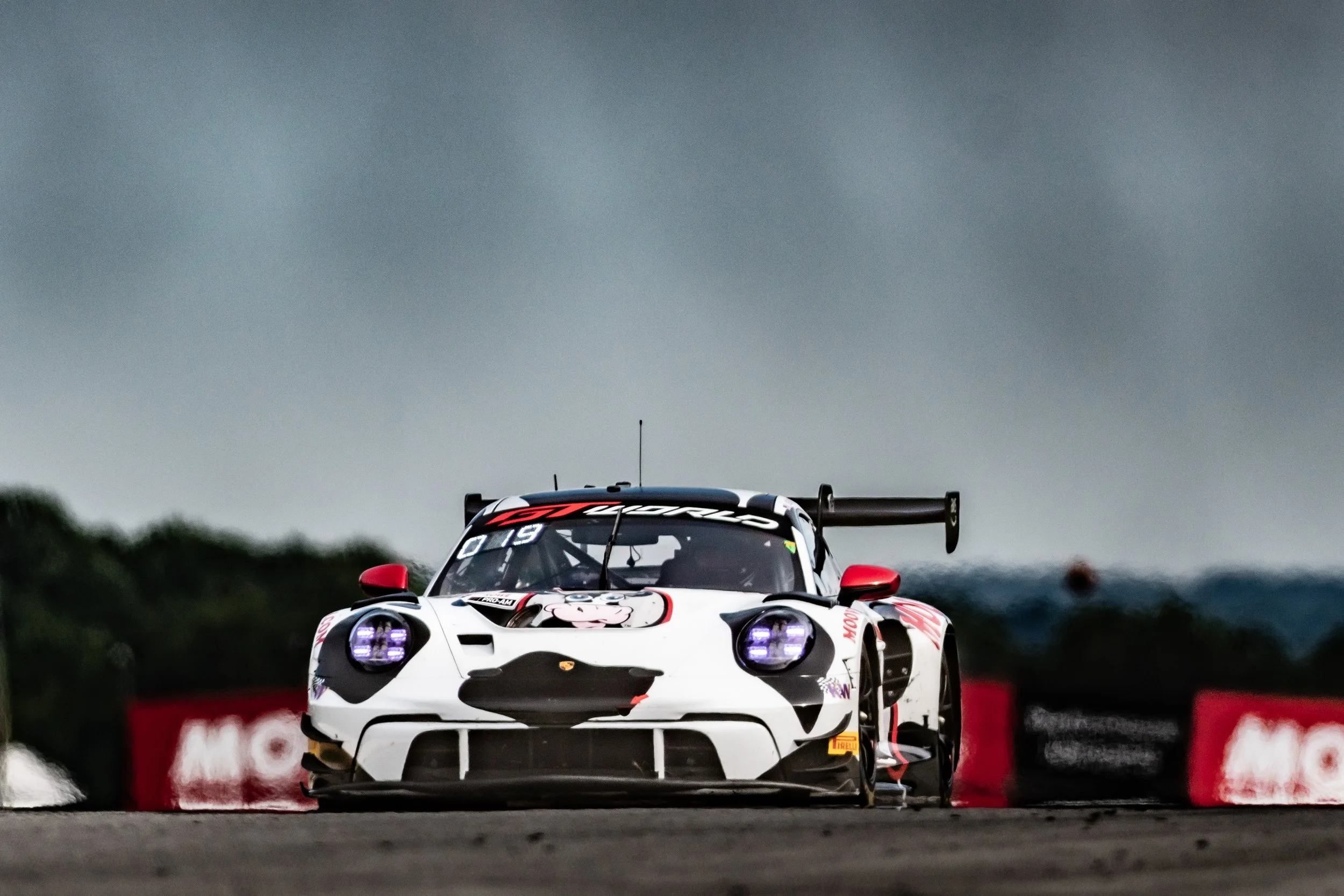
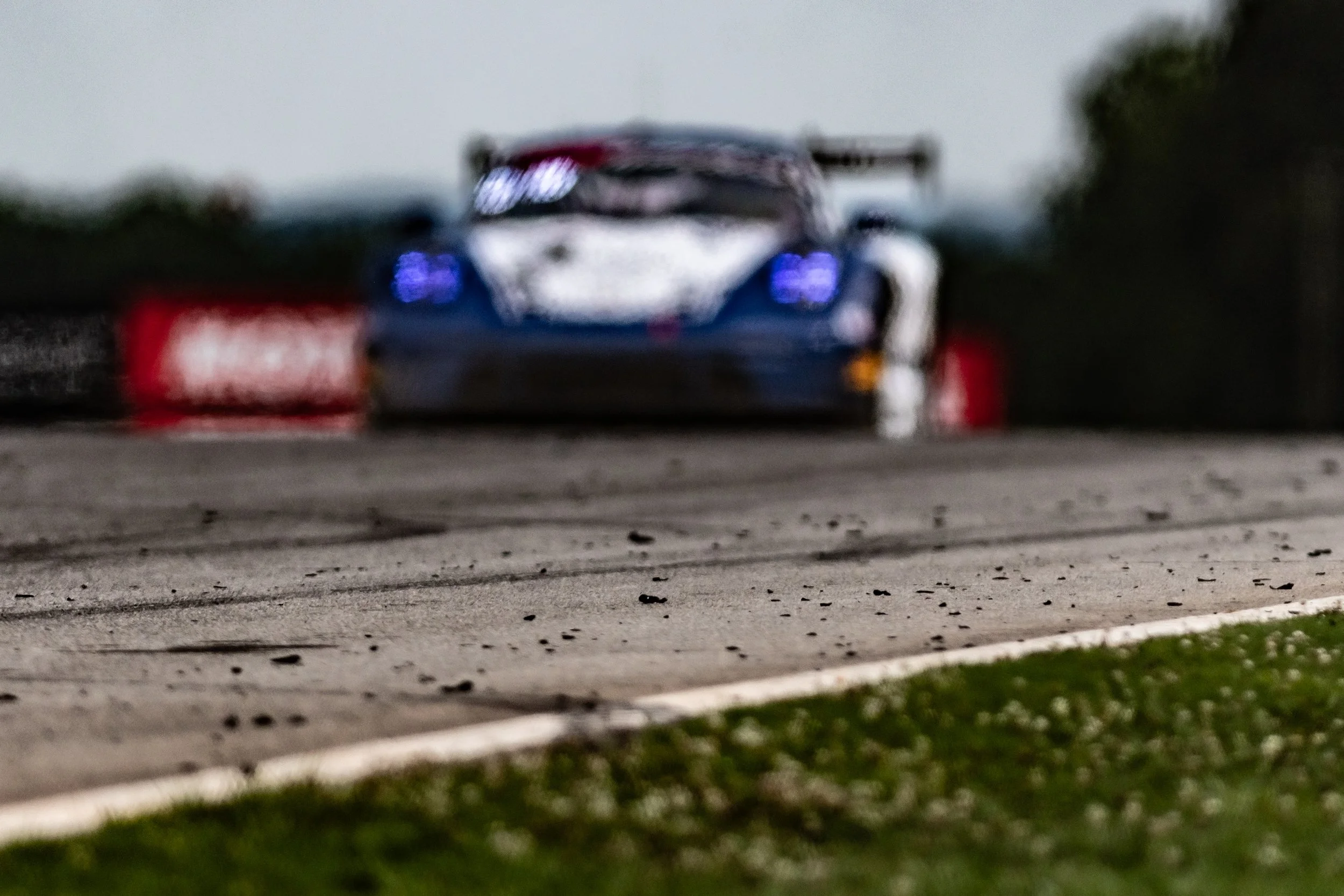
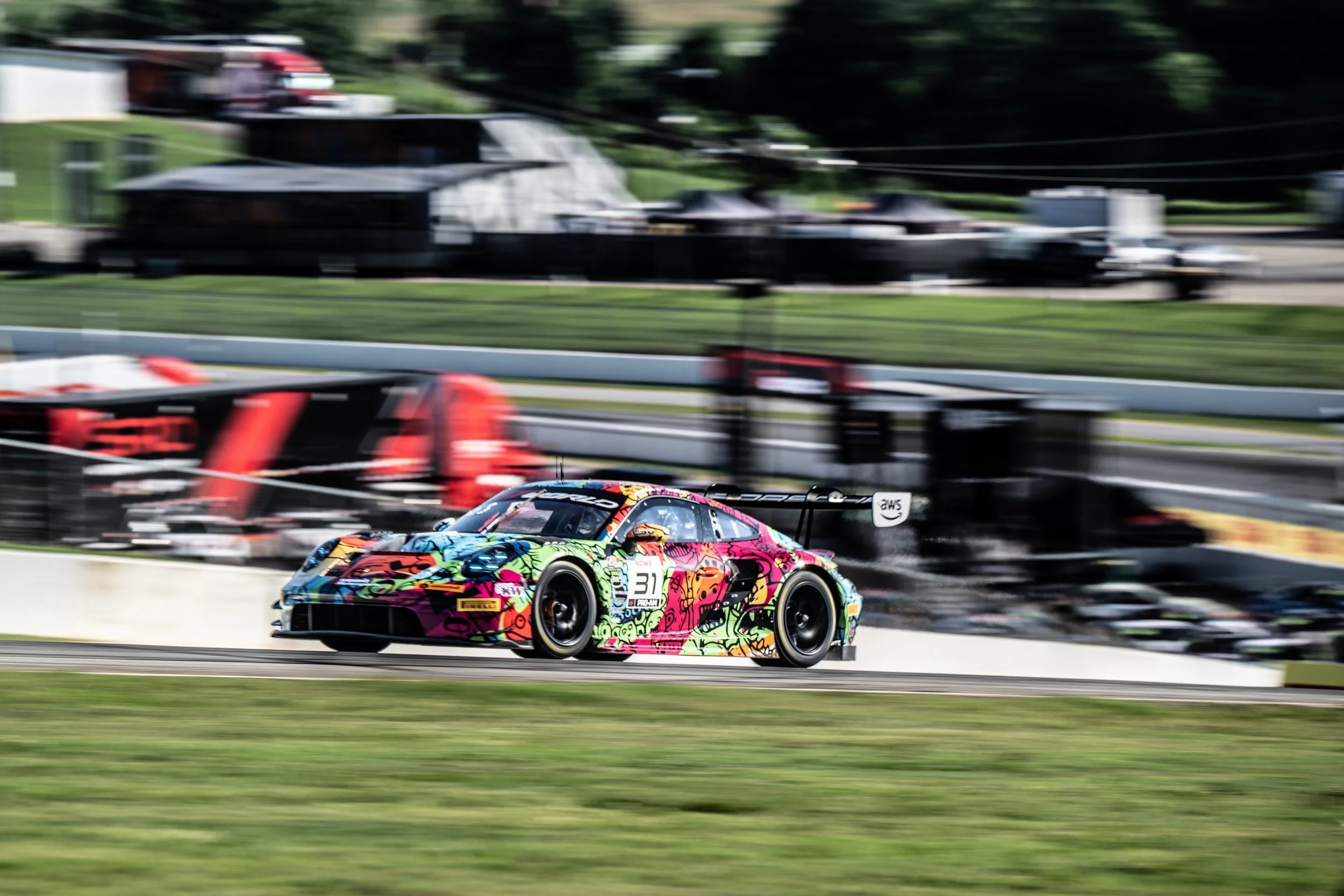
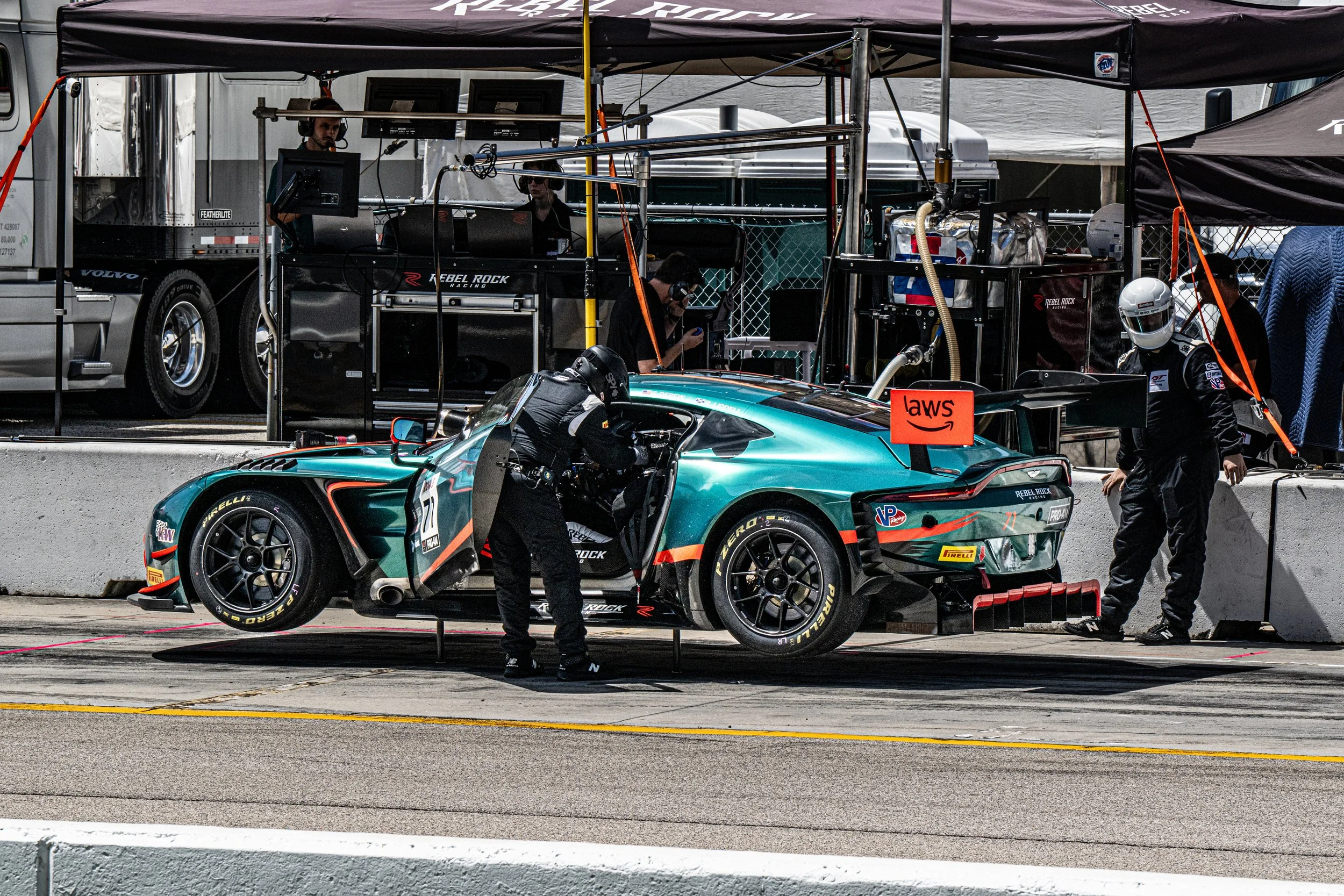
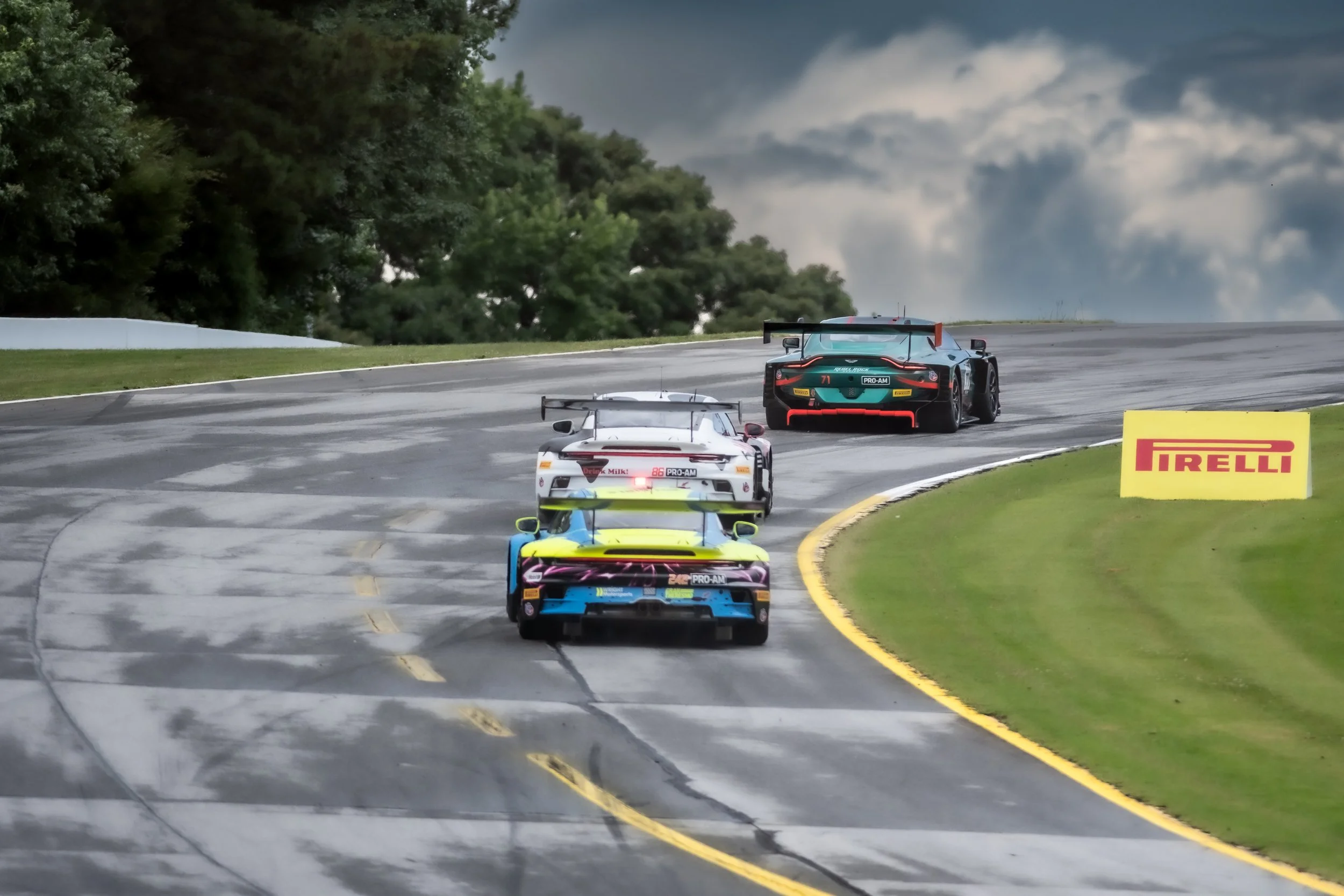
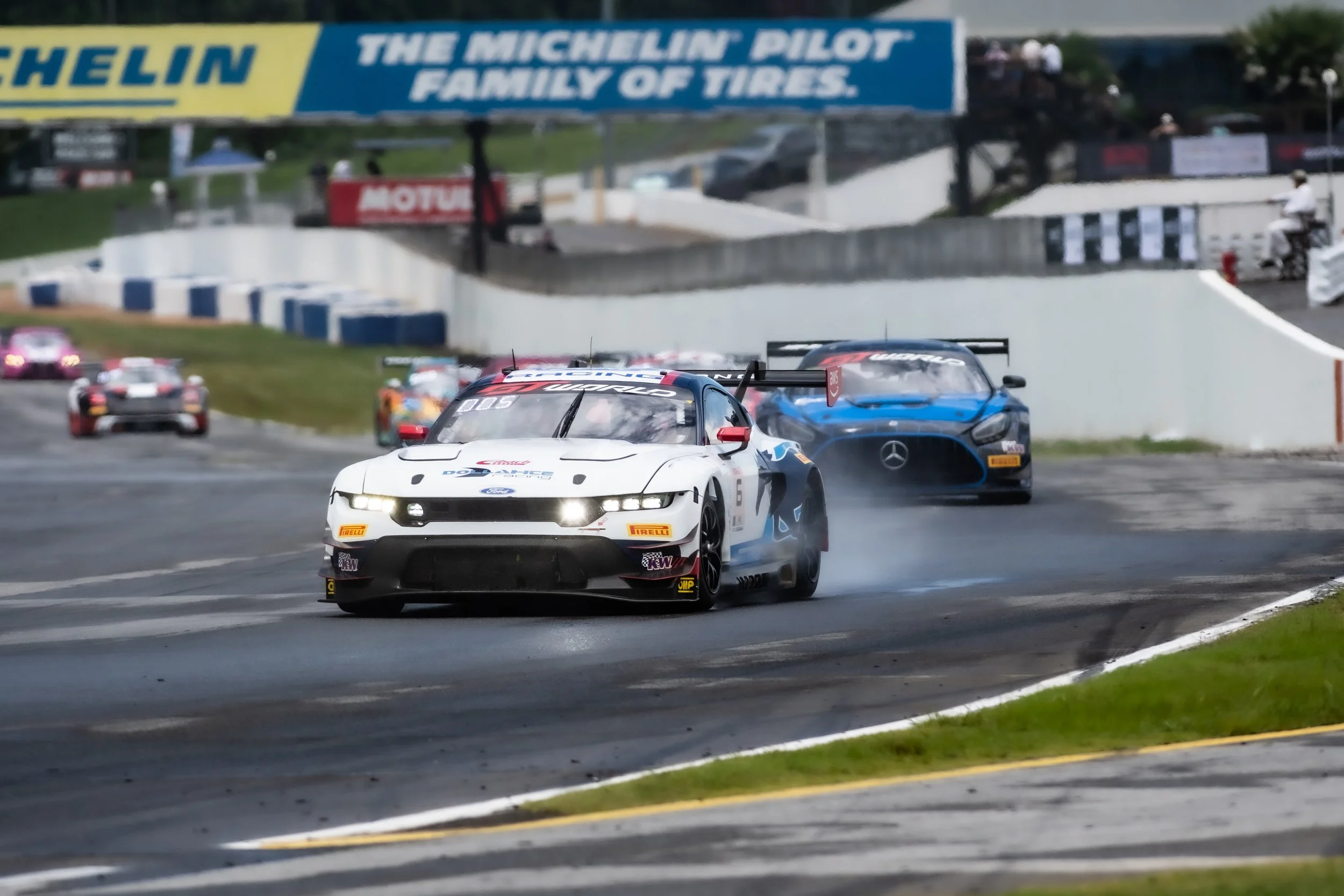
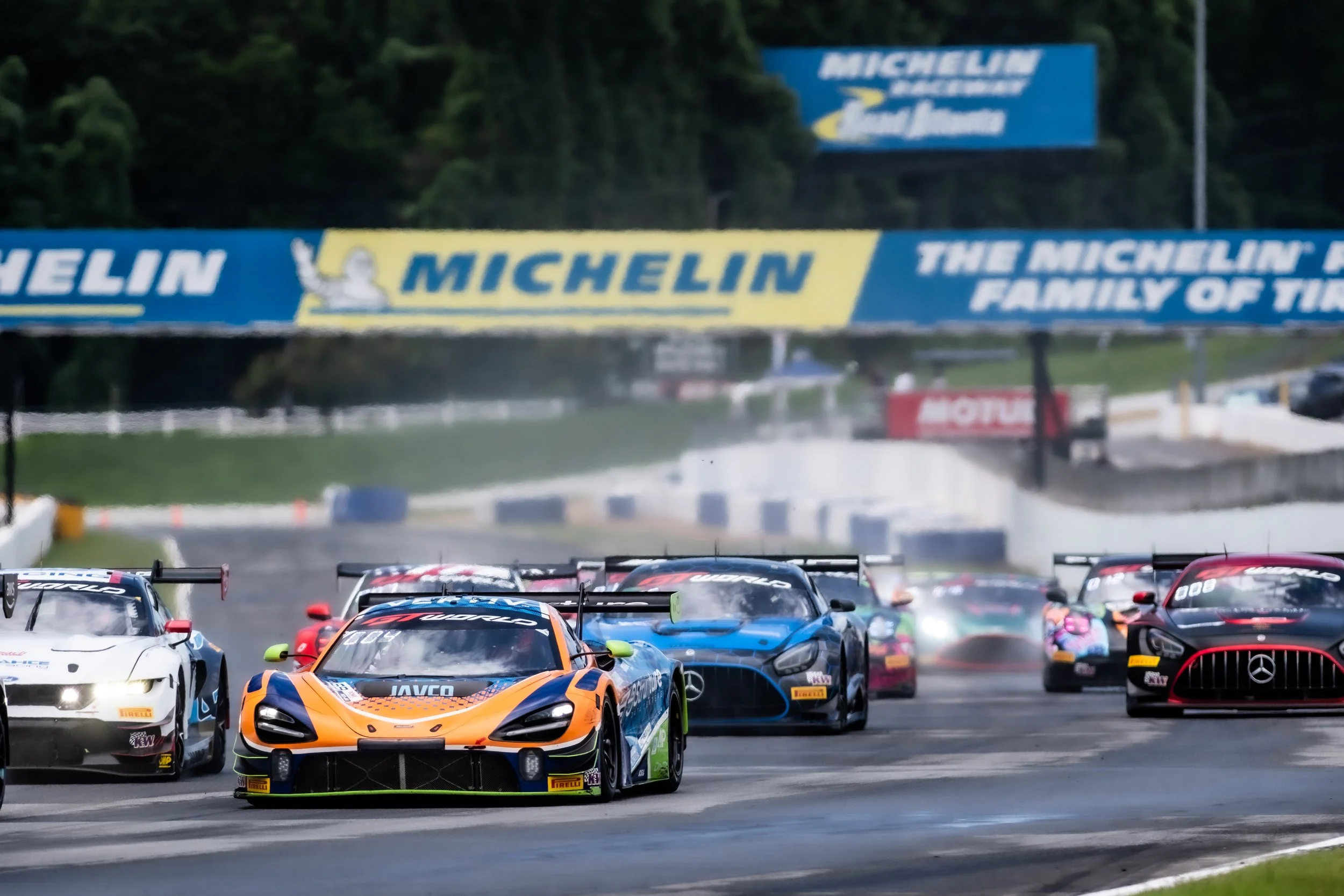
For 2026 the series made a dramatic move, replacing its familiar pair of 90-minute races with a single three-hour event at every round. A deliberate shift toward genuine endurance, where pit strategy, tire management and driver hand-offs decide the day. The season still climaxes with the Indianapolis 8 Hour, the American crown jewel, where the cars thunder through the night at the Brickyard. For the photographer, it is paradise. Heat haze off the asphalt, brake discs glowing orange, and bodywork that looks fast standing still.
• • •
GT America Powered by AWS
GT America Powered by AWS answers a simple question of what if you want all the drama of a GT3 car, but you want to drive it yourself, alone, flat out? Billed as North America’s premier sprint series for bronze-rated drivers, GT America strips away the co-driver and the long pit sequences in favor of short, sharp, single-driver races. There is nowhere to hide and no one to blame.
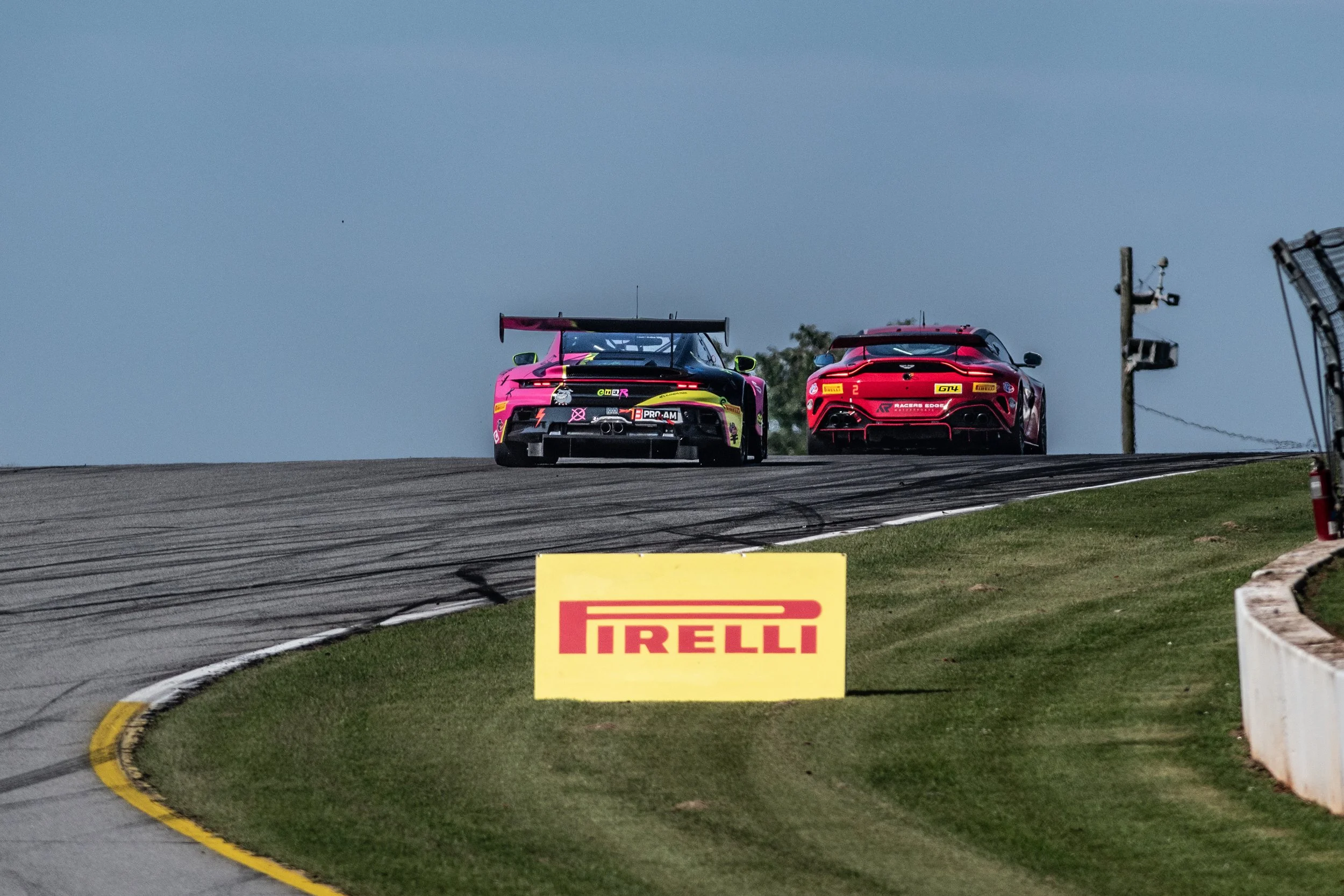
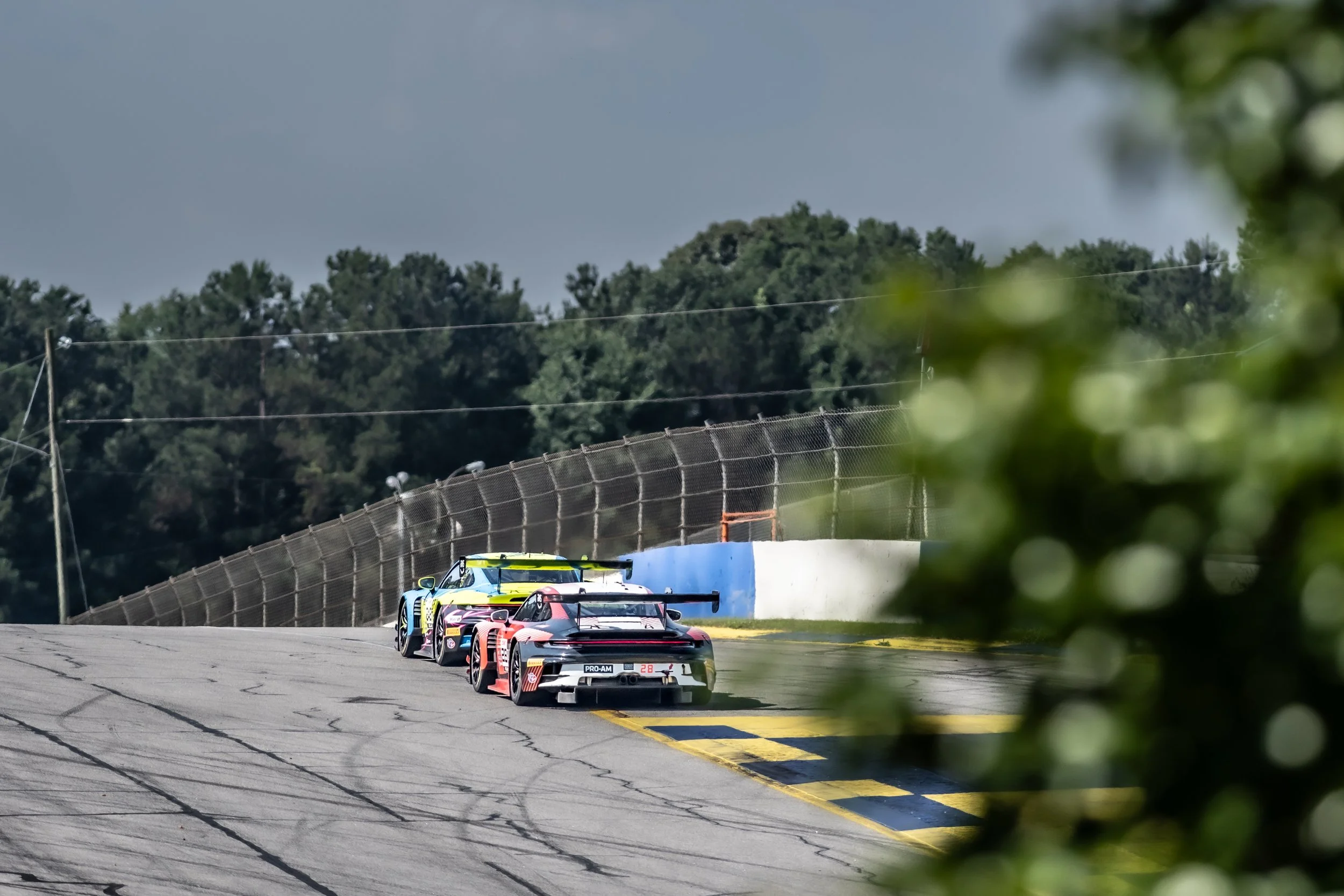
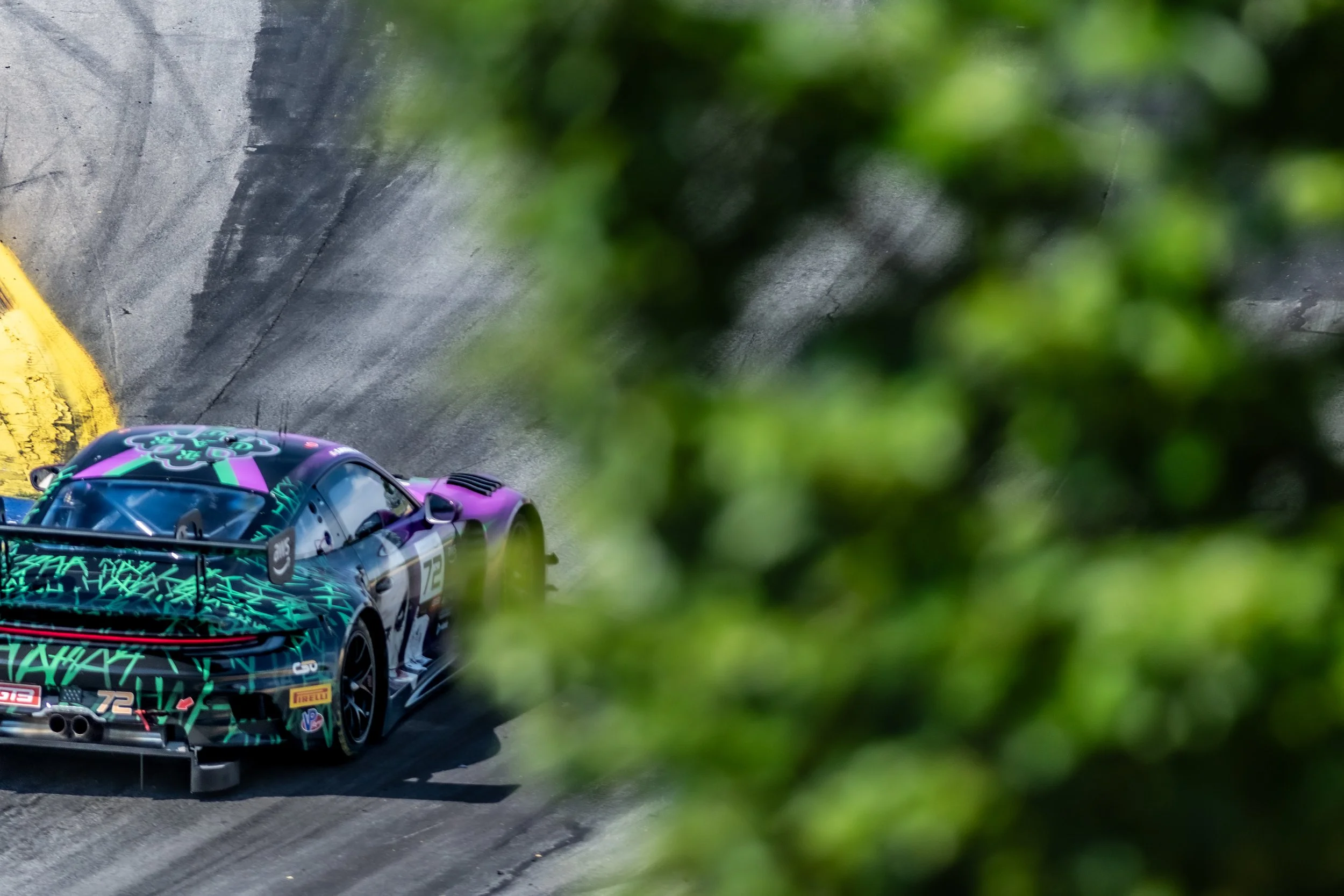
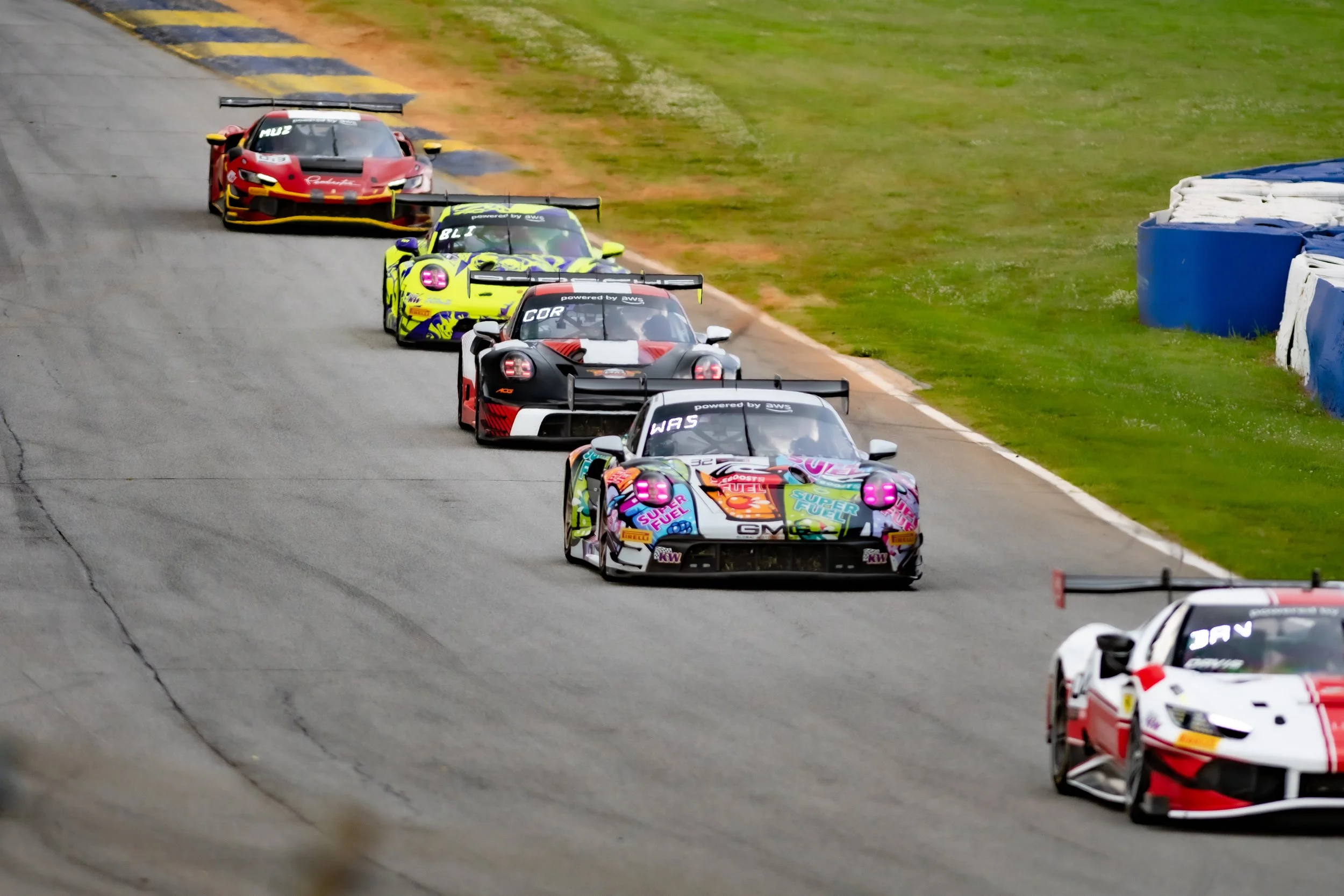
Its signature is the multi-class grid. GT3, GT2 and GT4 machinery share the track at once, creating a layered, fast-versus-furious chess match where closing speeds and clean overtakes define the show. For 2026 the series welcomed purpose-built GT Cup cars. These are race-prepped Porsche 911 Cup, Lamborghini Hurácan Super Trofeo and Ferrari Challenge machines, giving one-make graduates a new competitive home. A Masters Award honors the quickest driver aged 55 and over, a quiet reminder that you can chase a podium at any age.
• • •
Pirelli GT4 America
If GT3 is the supercar at full attack, GT4 is its more attainable, road-relevant sibling. Pirelli GT4 America is widely regarded as the gold standard of the global GT4 movement. The cars here are closer cousins to what you can buy in a showroom. Mustangs, Supras, Aston Martins, Porsche Caymans, McLarens, BMWs and Camaros, all tuned for the track but recognizably real. That accessibility is exactly the point.
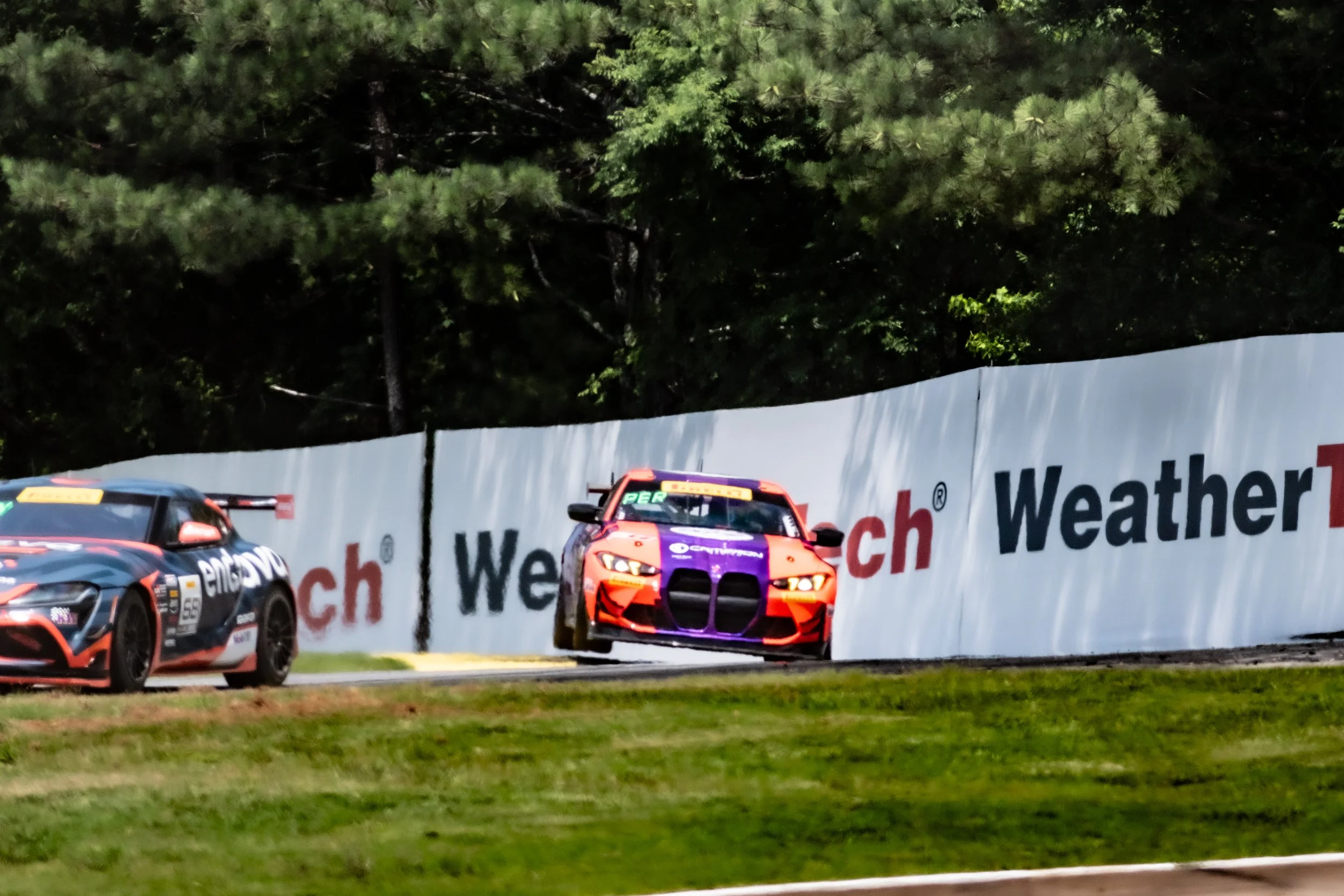
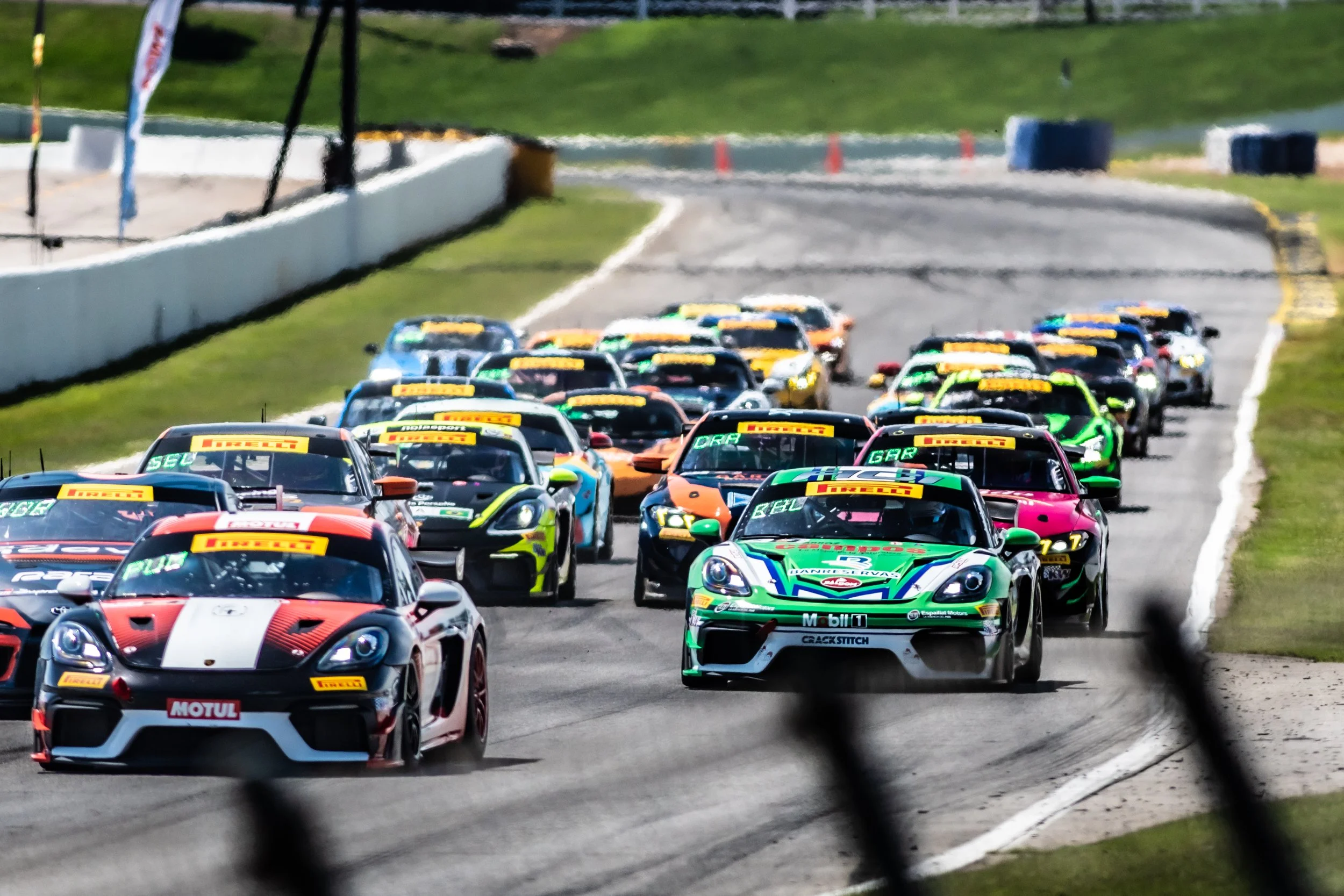
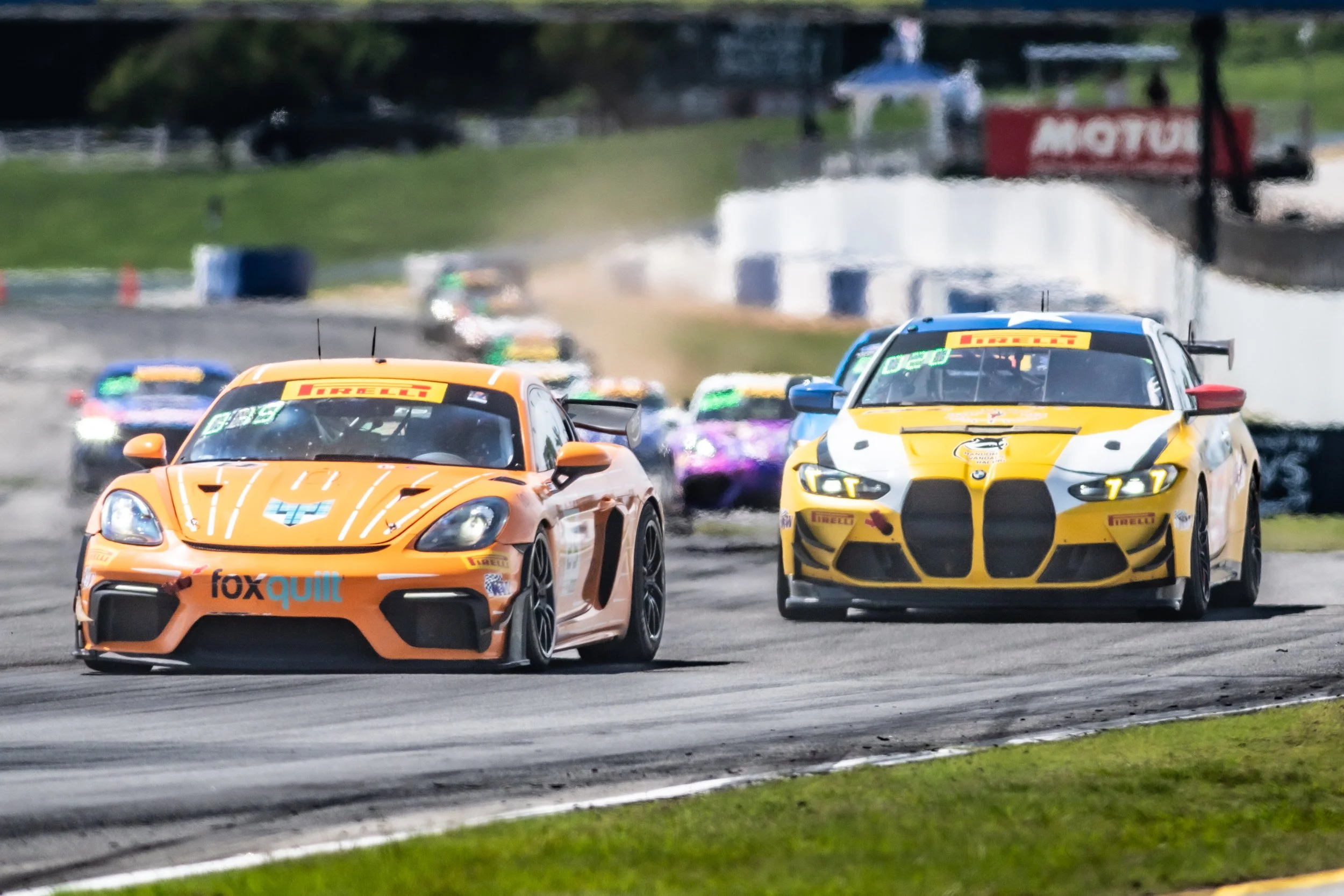
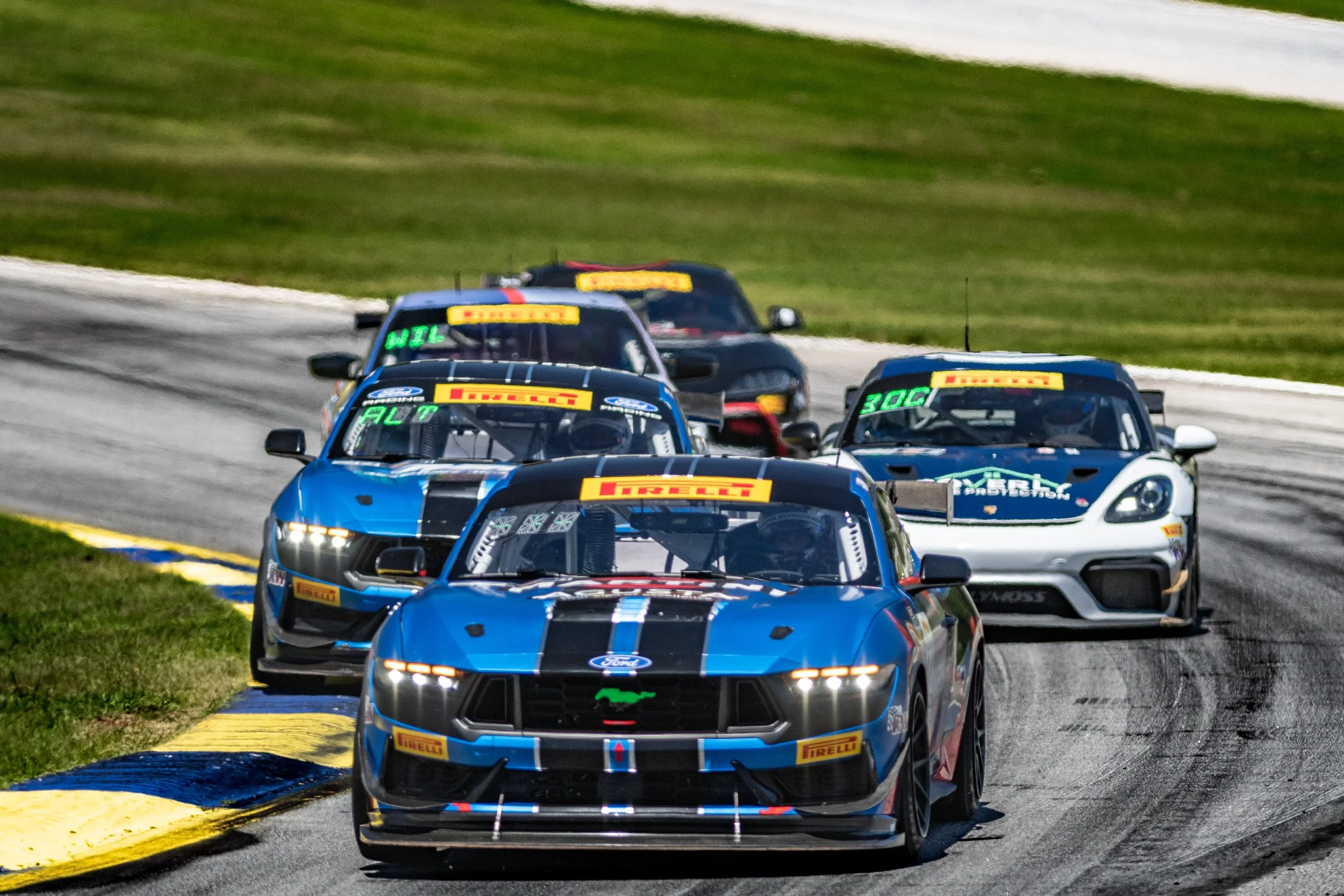
The racing is famous for its closeness. A consistent 60-minute doubleheader format at most rounds keeps the field tight and the battles ferocious, with two-driver crews trading the car mid-race. The exception is the standout Lone Star Enduro at Circuit of The Americas, a three-hour test that rewards stamina and strategy. With grids deep in manufacturers and Pro-Am pairings throughout, GT4 America is where rising talent and committed amateurs collide, often literally, for some of the best wheel-to-wheel racing on the continent.
• • •
The McLaren Trophy America
Some series mix the field; this one celebrates a single marque. Launched in 2025 as a sister to the European championship that began in 2023, McLaren Trophy America is a one-make spectacle built entirely around Woking’s finest. The grids are filled with the McLaren Artura Trophy EVO and the 570S Trophy. Track-only machines unshackled from regulation, with the Artura’s twin-turbo V6 producing well north of 570 horsepower and a push-to-pass button that briefly unleashes even more.
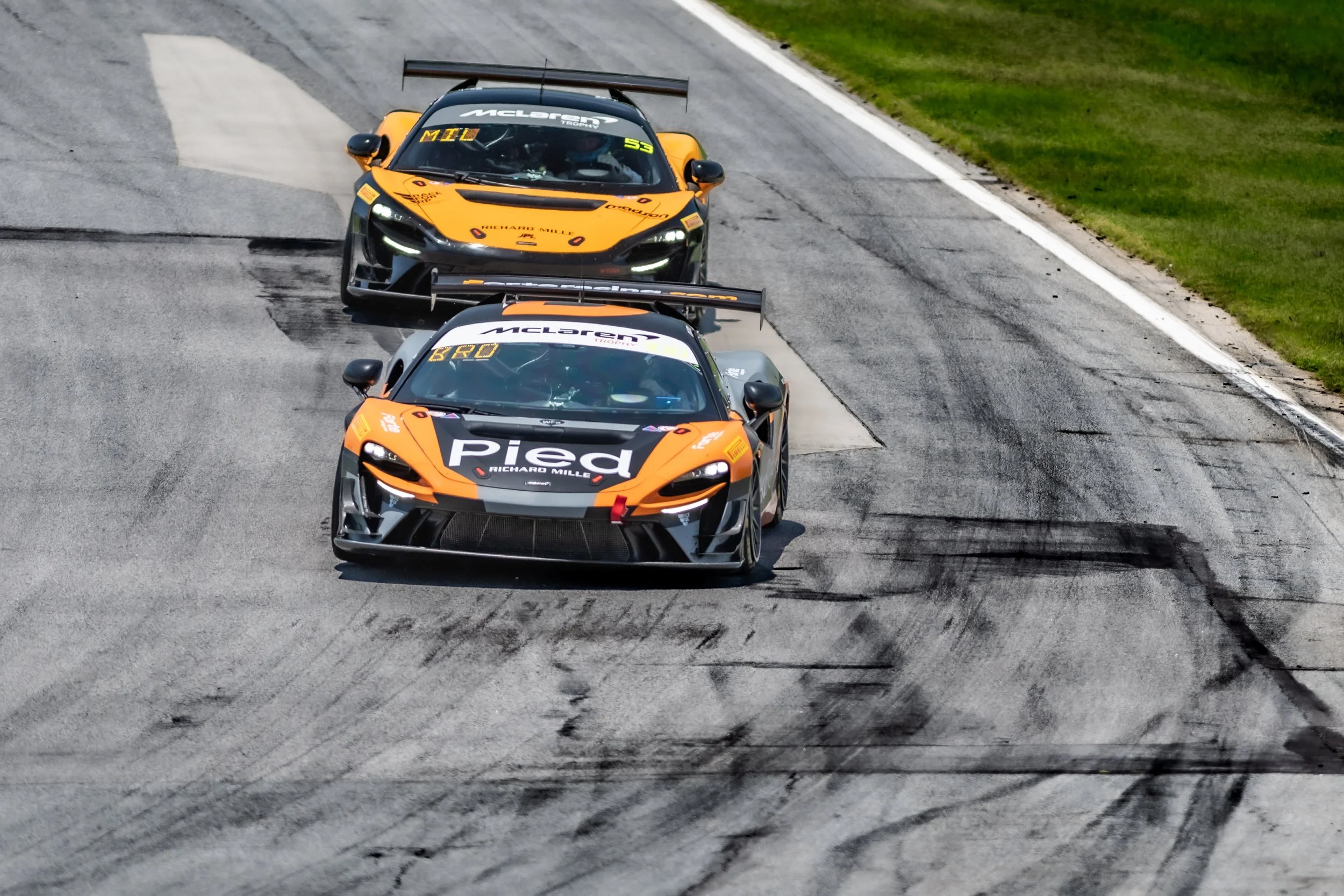
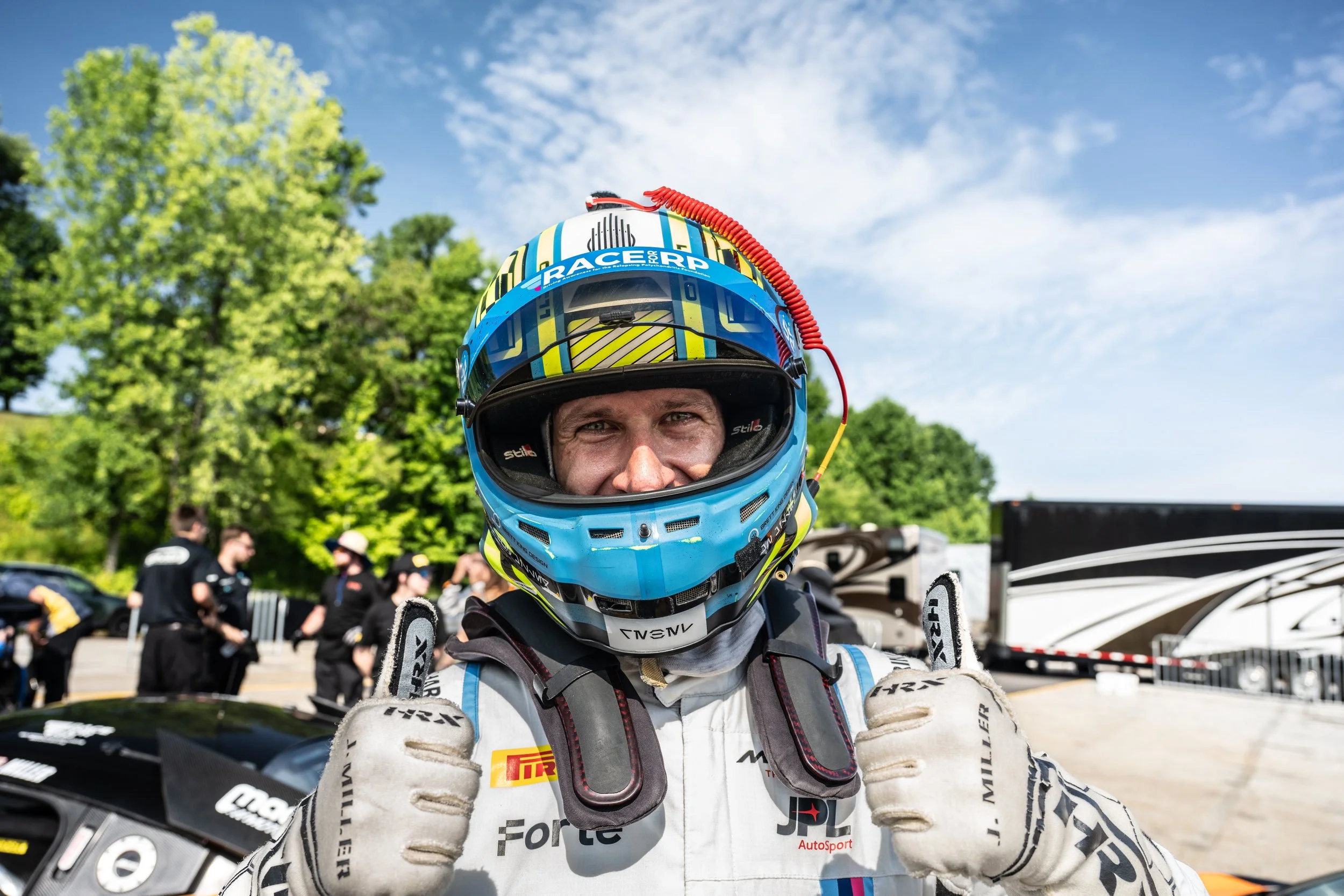
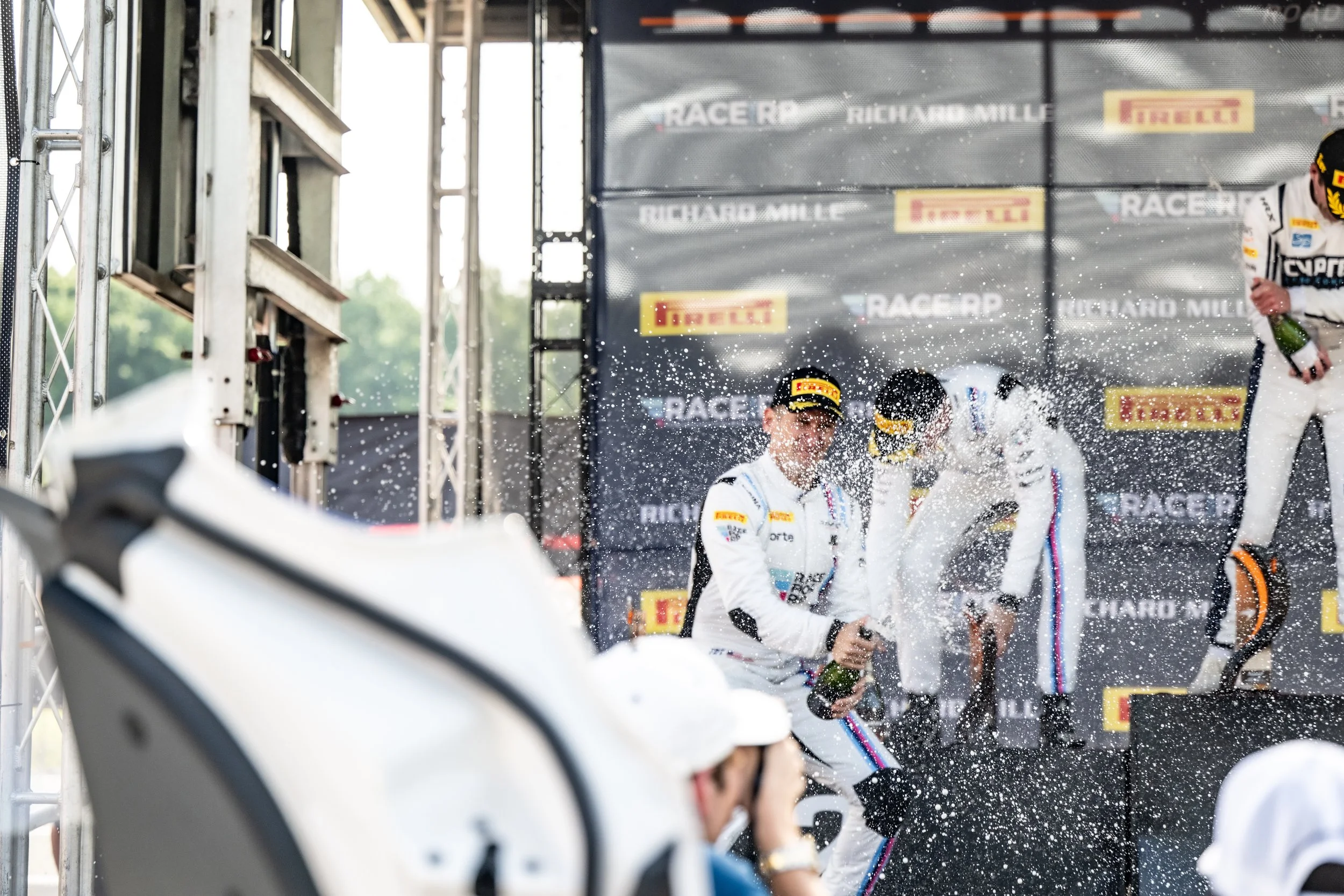
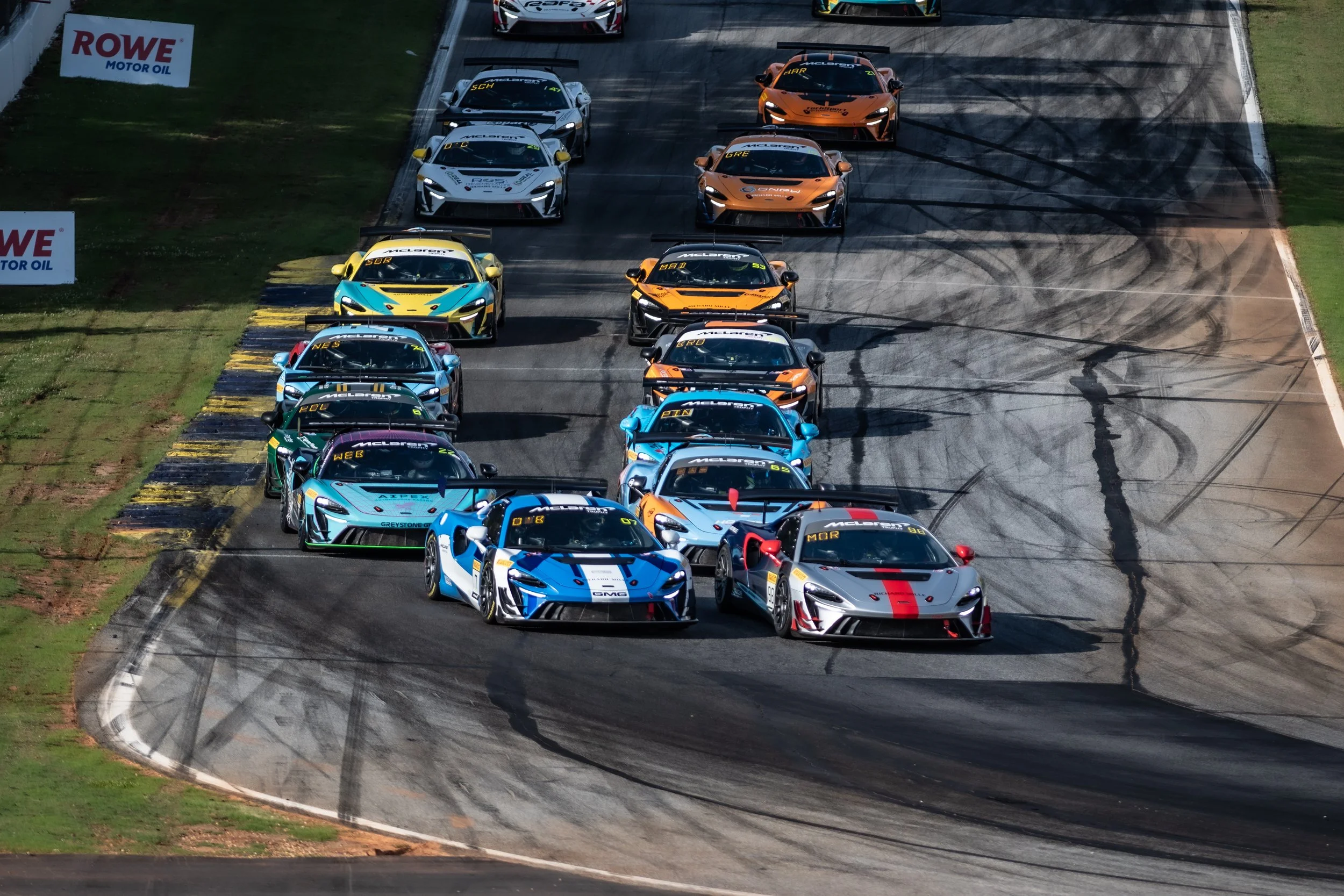
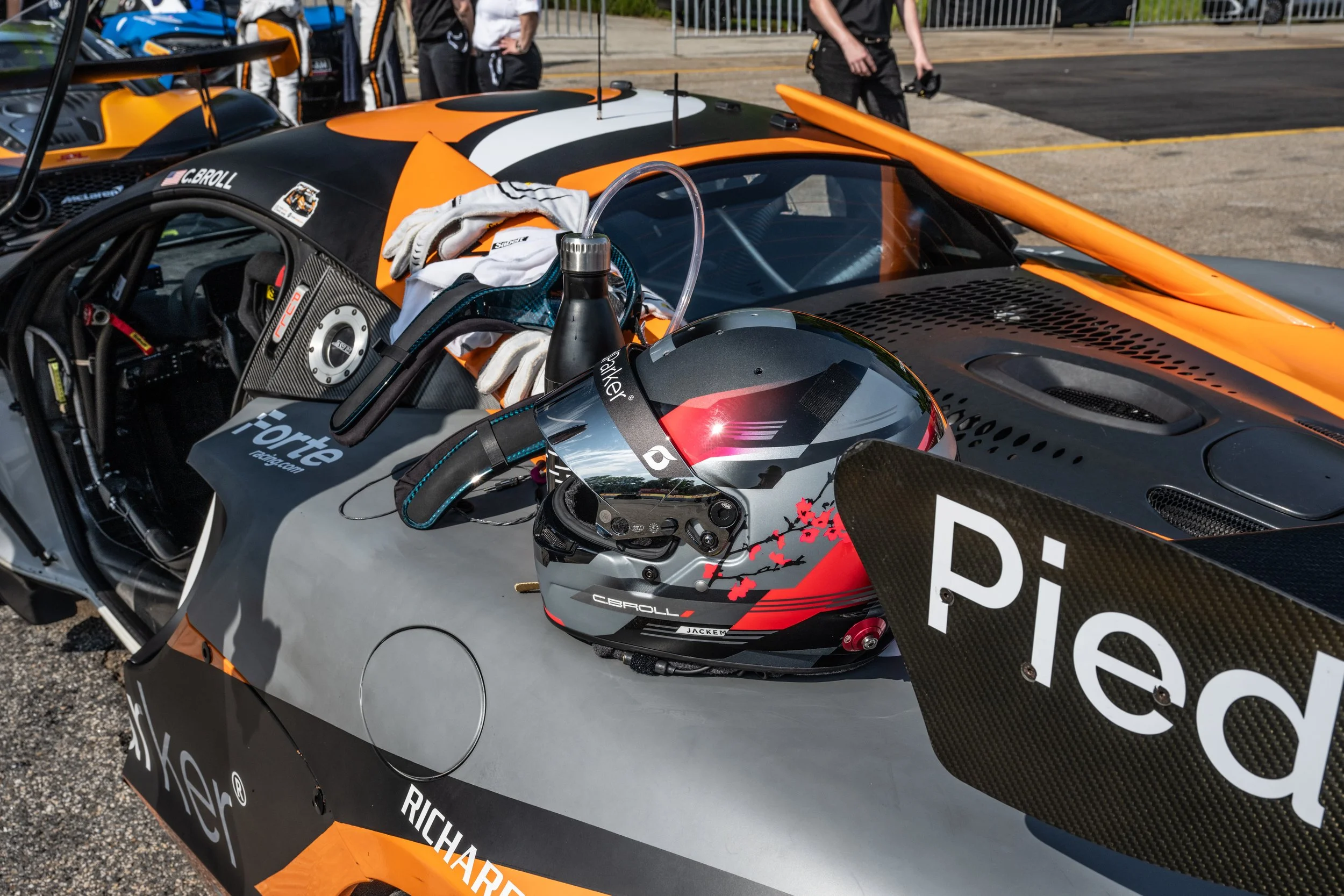
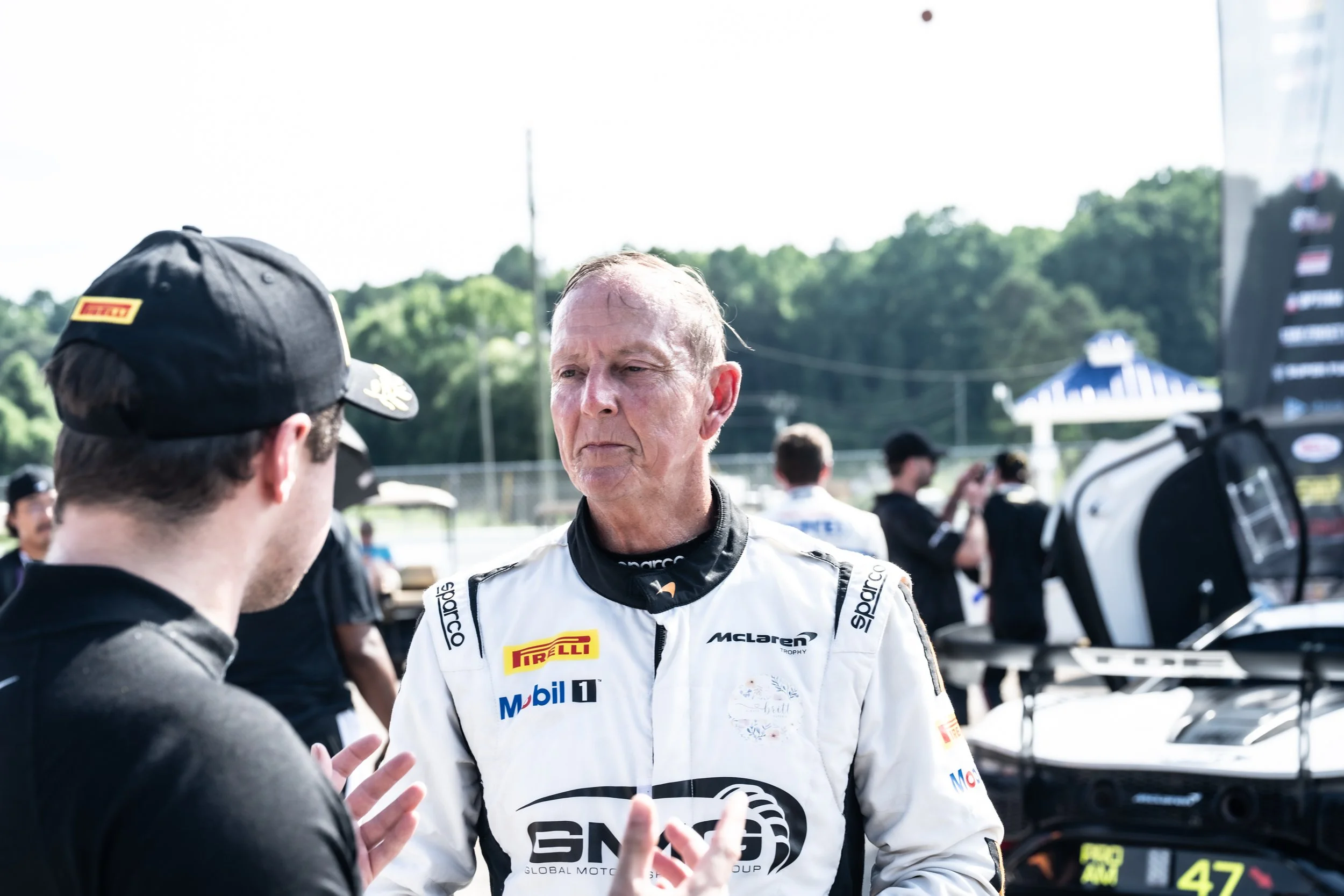
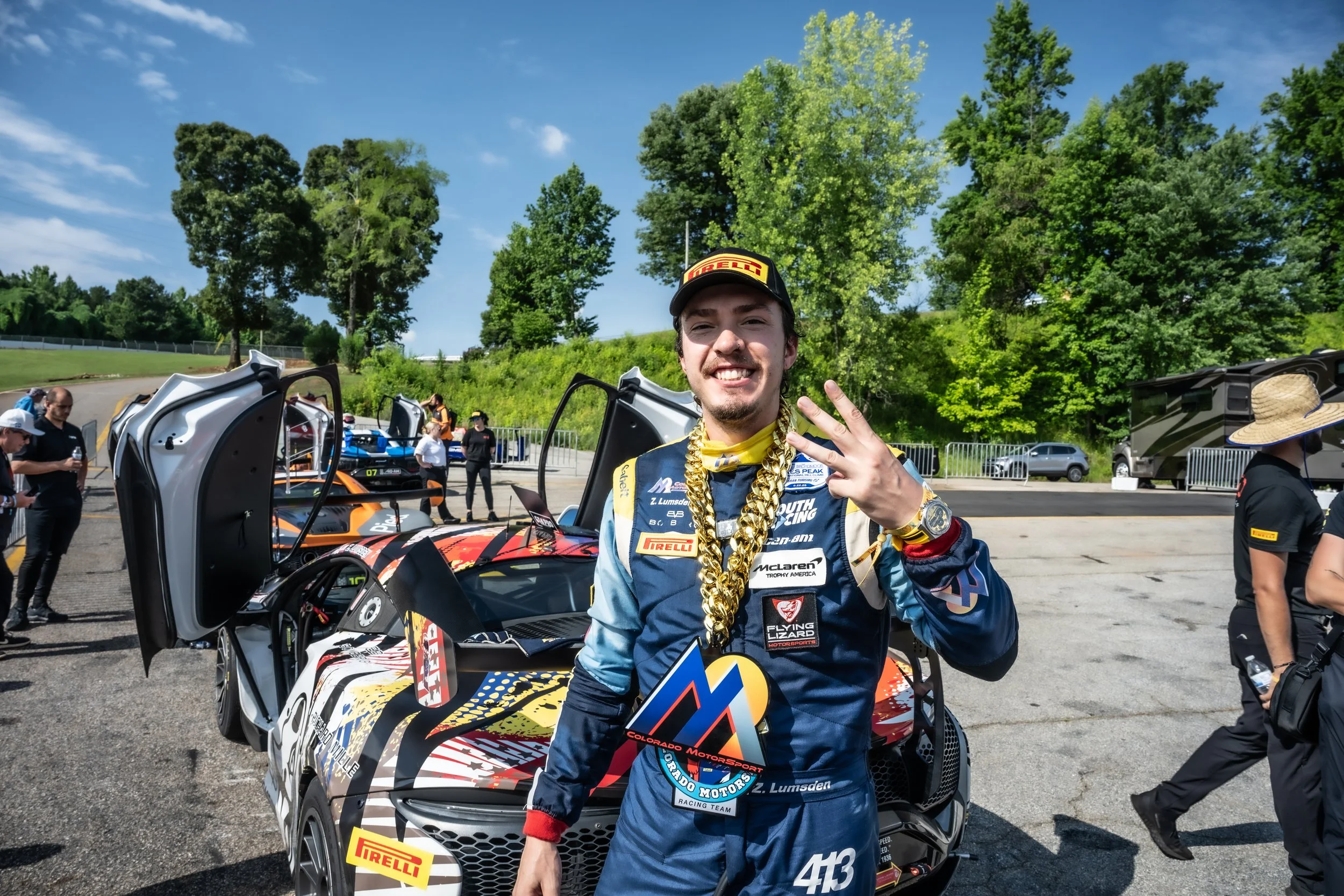
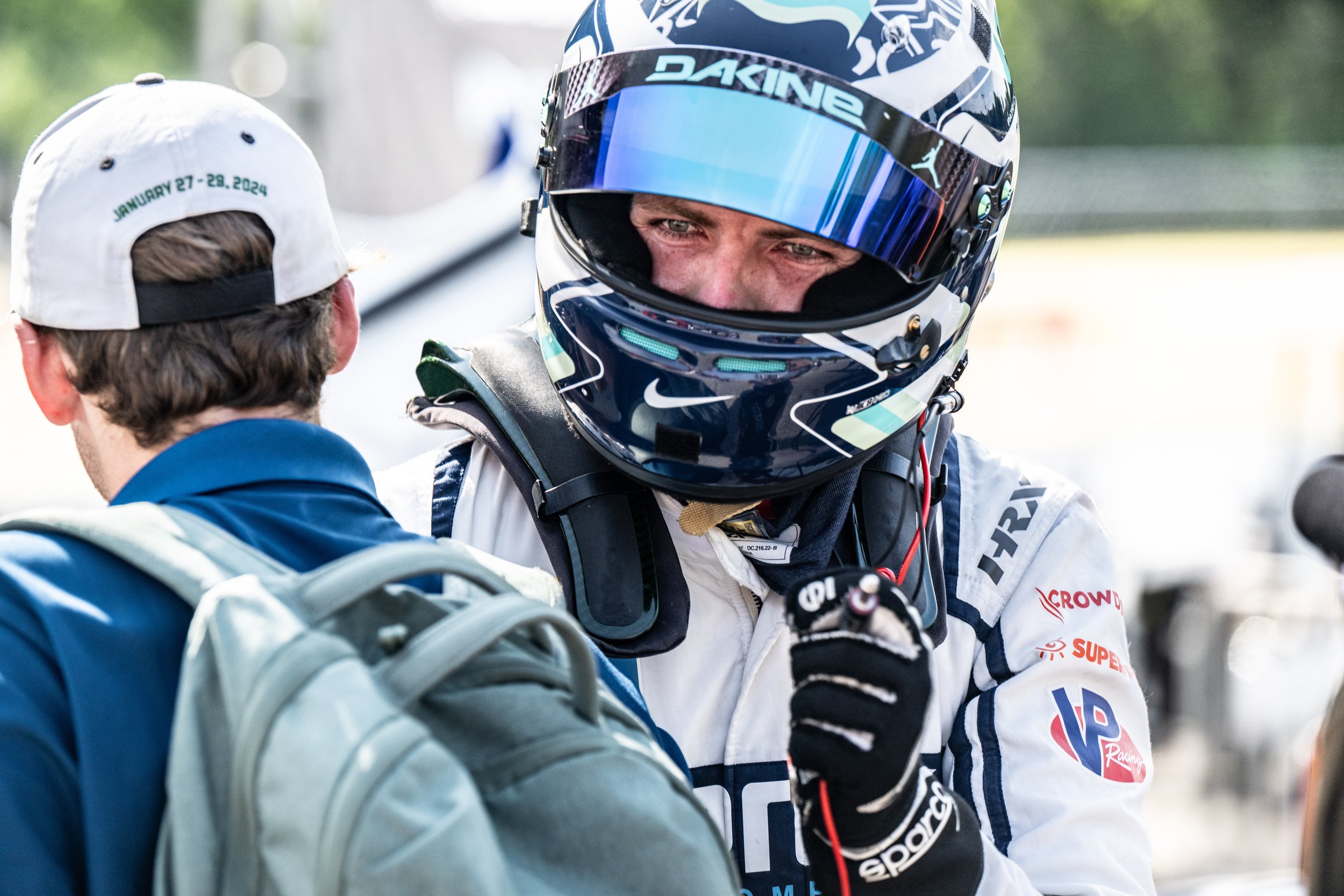
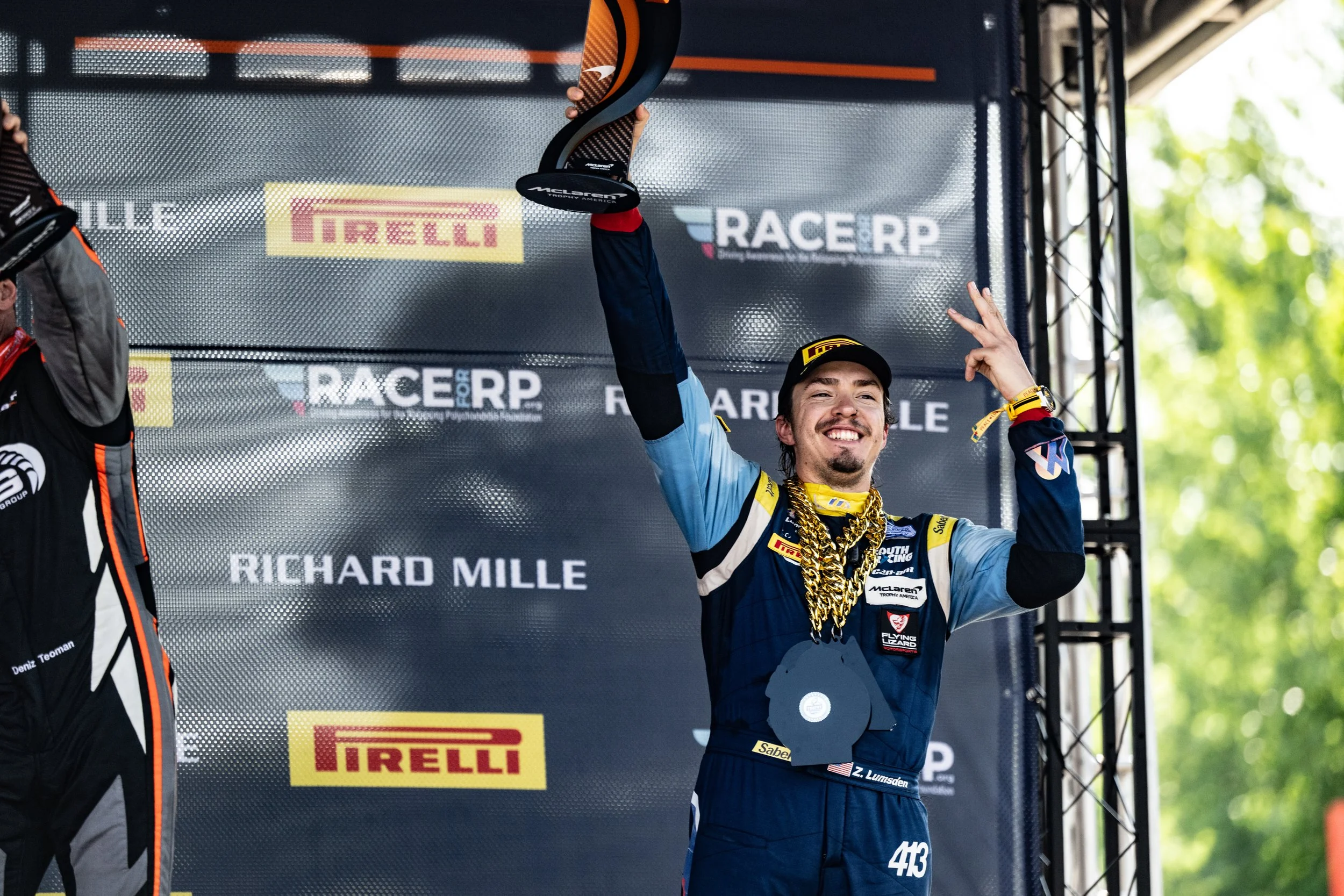
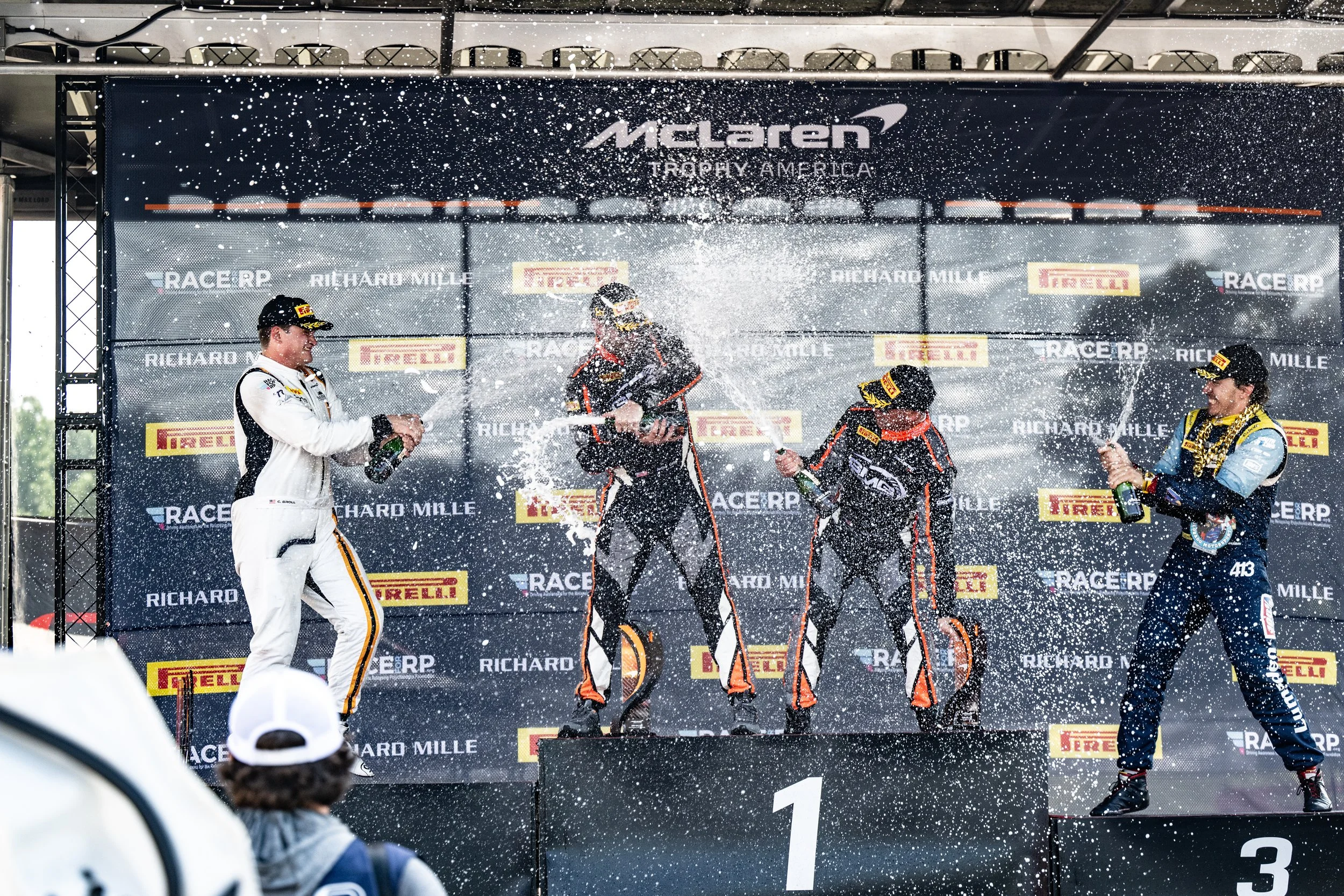
Run across ten 50-minute races at five weekends, with a mandatory pit stop and driver change, the championship is graded into Pro, Pro-Am and Am classes so genuine novices can share a grid with rising professionals. McLaren has wrapped it in a deliberately Formula 1-flavored experience. A dedicated race center, first-class hospitality and a relaxed, sociable paddock, and for 2026 added a true headline act of a round supporting the Miami Grand Prix. For a Bronze-rated dreamer, it is about as close to the F1 fantasy as customer racing gets.
• • •
TC America Powered by Skip Barber
Every great driver started somewhere, and in North America that somewhere is increasingly TC America Powered by Skip Barber Racing School. This is touring car racing. Sedans, hot hatches, and coupes from Audi, BMW, Honda, Hyundai, Mazda, Toyota. All running door-to-door with the paint-trading aggression the discipline is famous for. Its roots run straight back through the Pirelli, Speed and SpeedVision World Challenge eras, decades of close, affordable, character-rich racing.
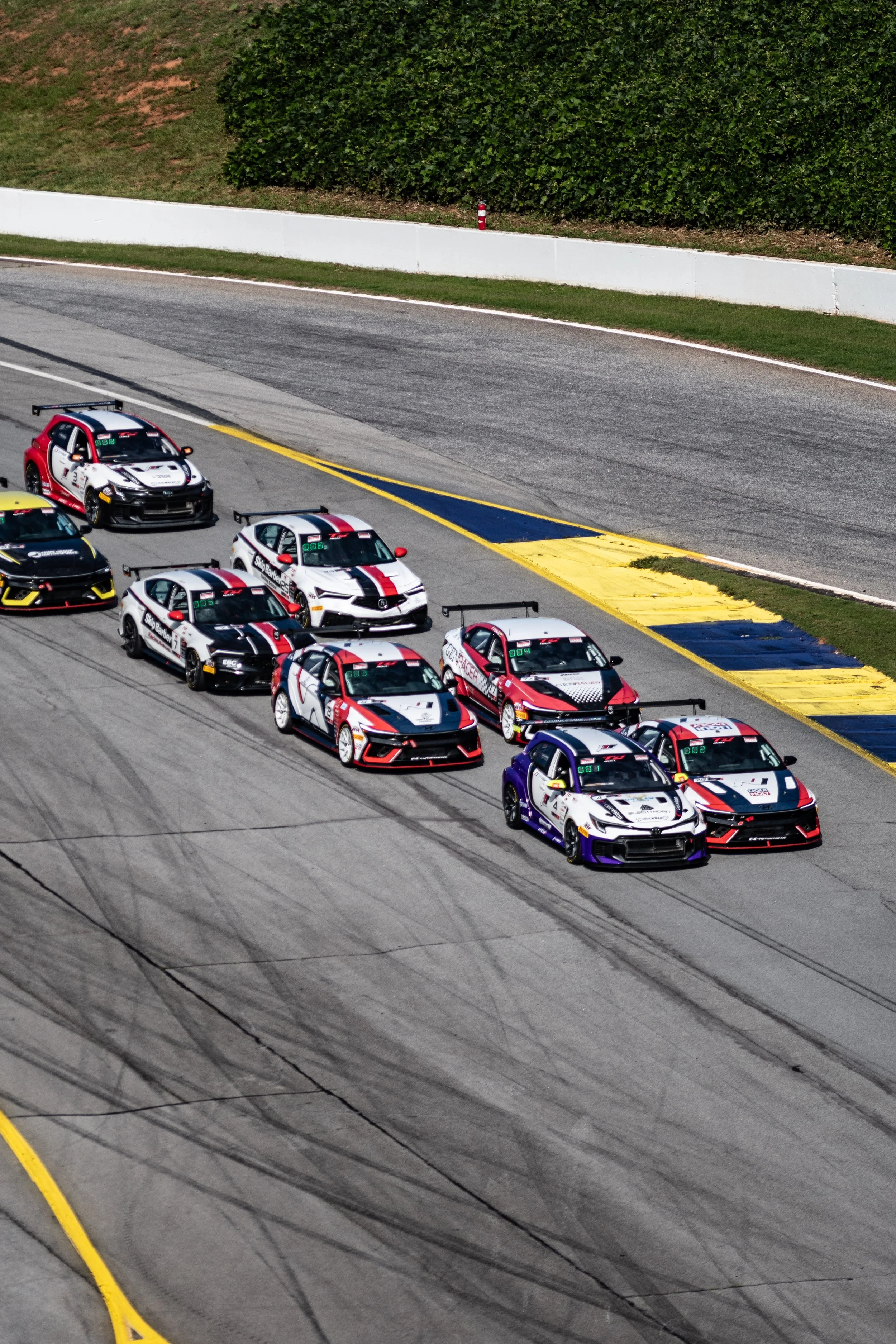
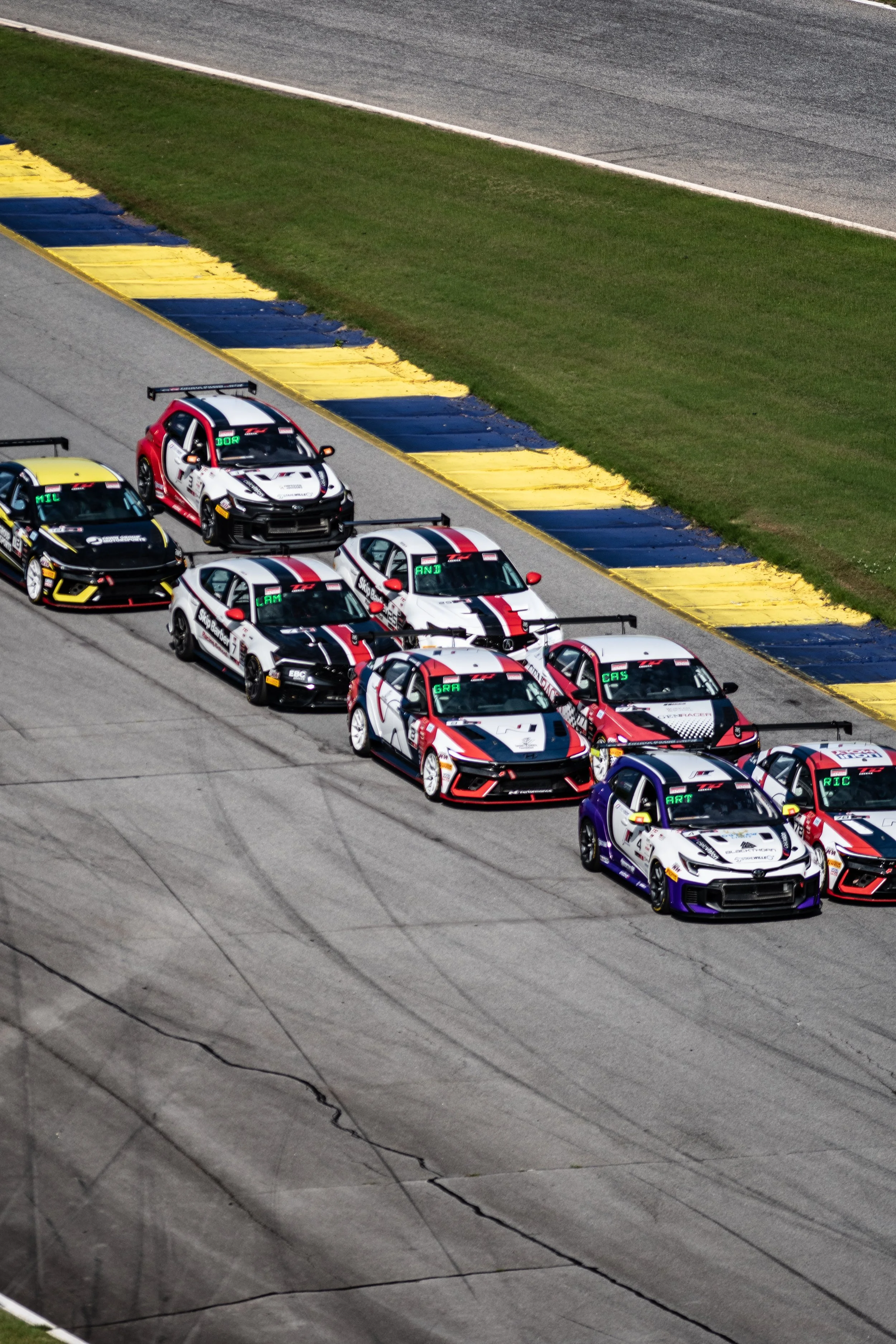
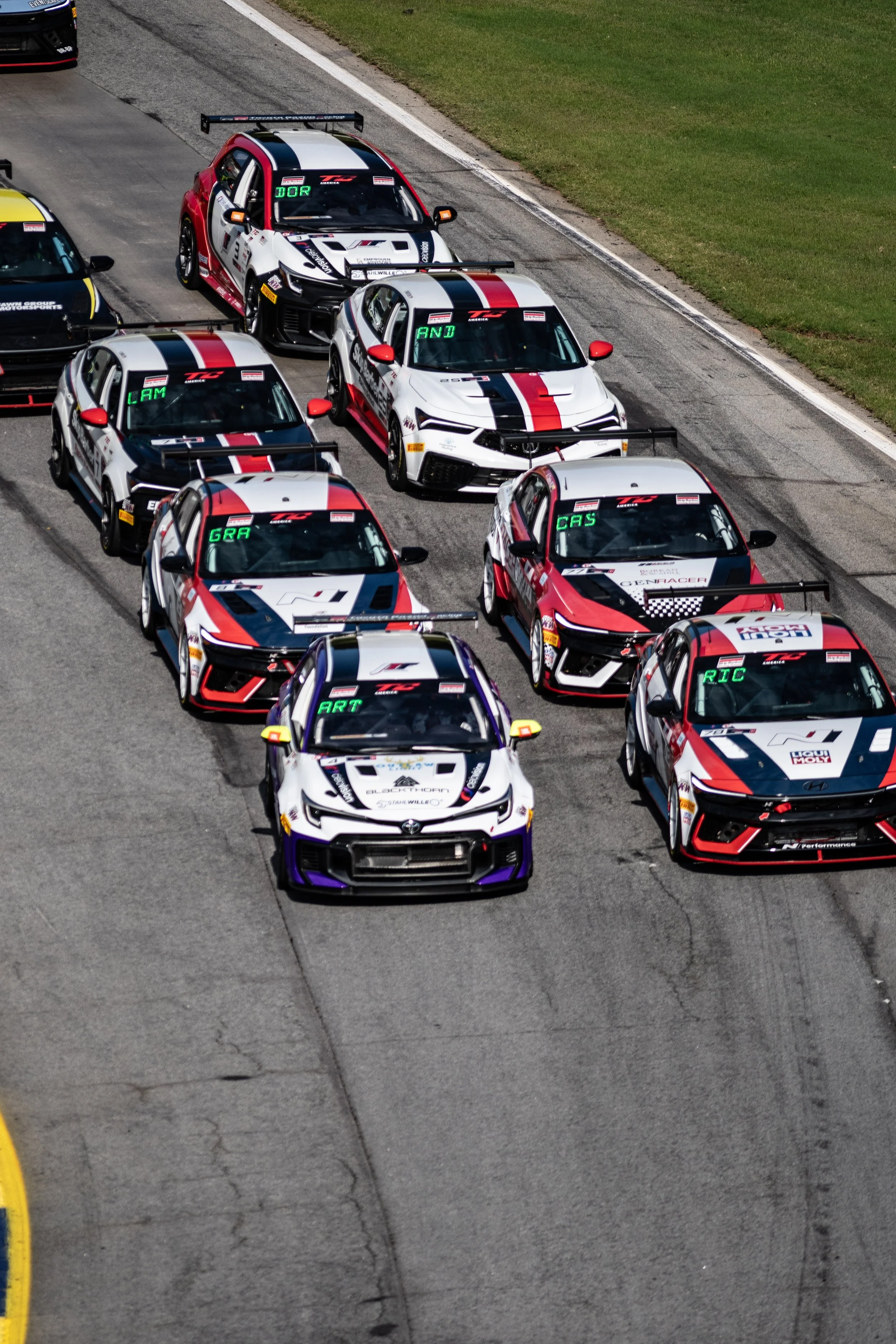
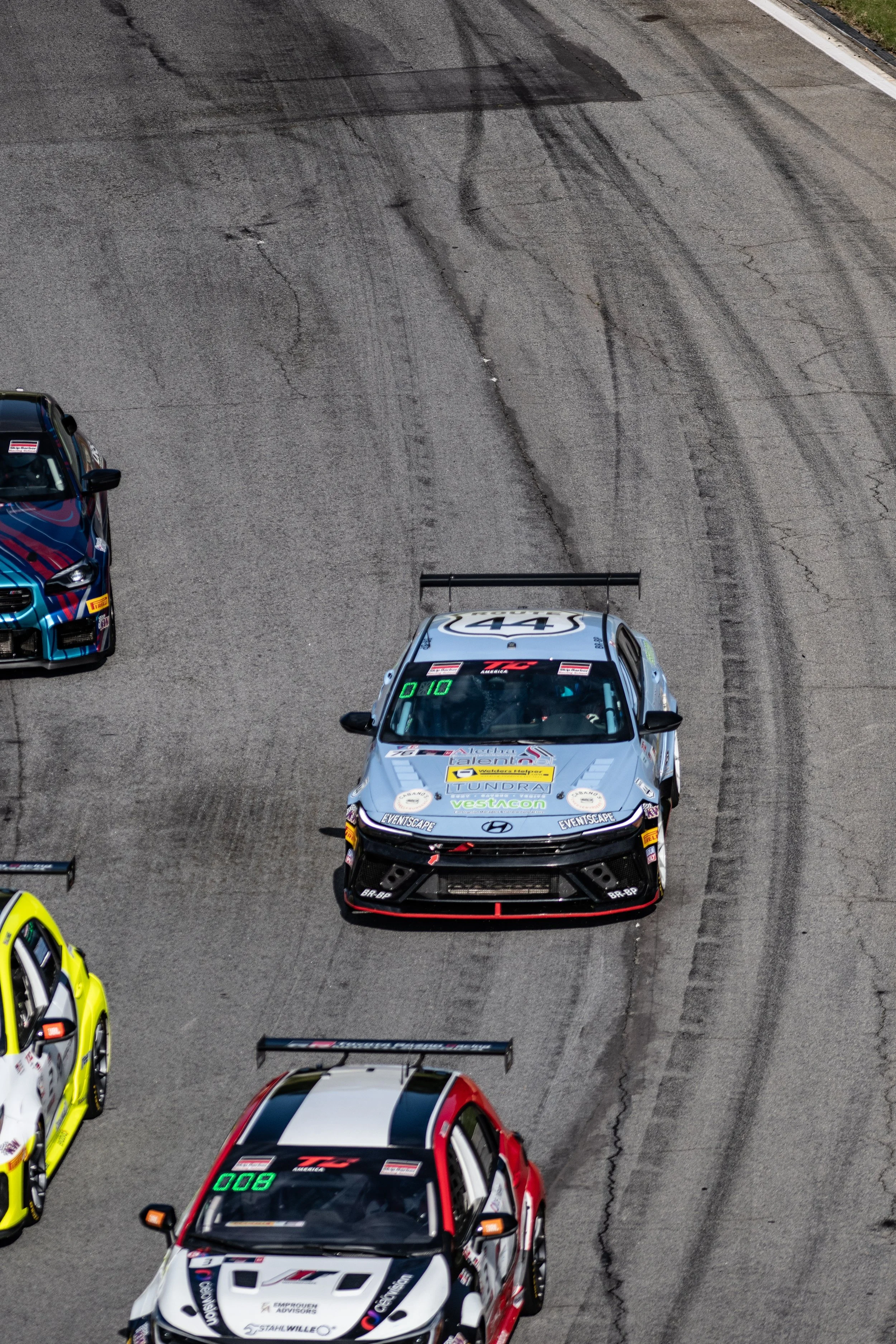
Affordability and accessibility are the mission. Streamlined for 2026 into a single unified class running two 35-minute sprint races per weekend, TC America deliberately keeps costs down and the competition tight, so that driver skill, not budget, decides the order. The Skip Barber partnership reinforces the point. This is a proving ground, the rung where tomorrow’s GT3 aces learn race-craft today. It may sit at the foot of the SRO ladder, but for sheer scrappy entertainment it’s hard to beat.
• • •
Toyota GR Cup North America
Pure, distilled, identical-car combat: Toyota GR Cup North America is grassroots racing with a surprisingly serious heart. Debuting under the SRO banner in 2023, the series fields a full grid of more than thirty identical Toyota GR86 Cup cars, built from near-stock production coupes at Toyota Racing Development’s facility in Mooresville, North Carolin. When the green flag drops, the only variable is the person behind the wheel.
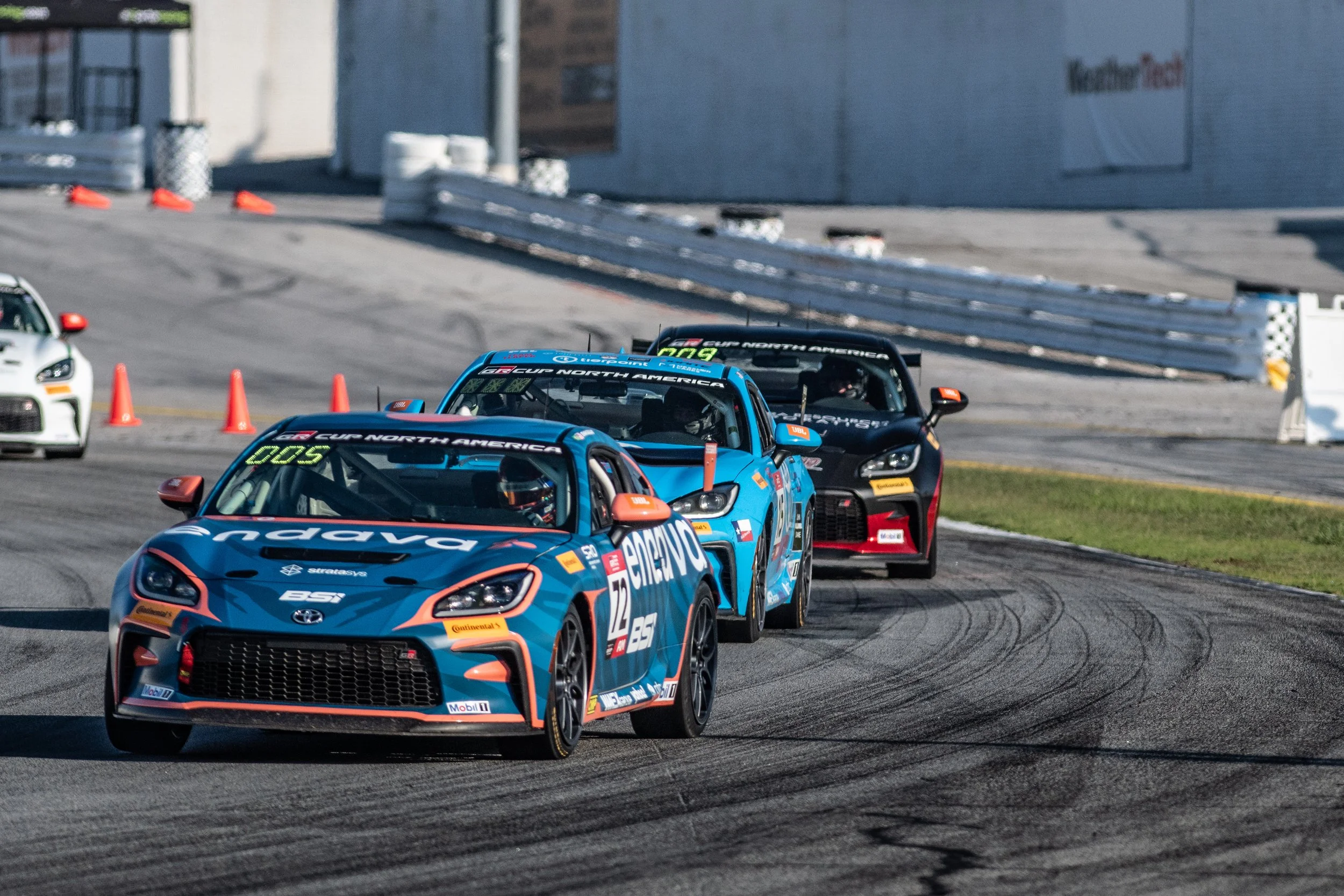
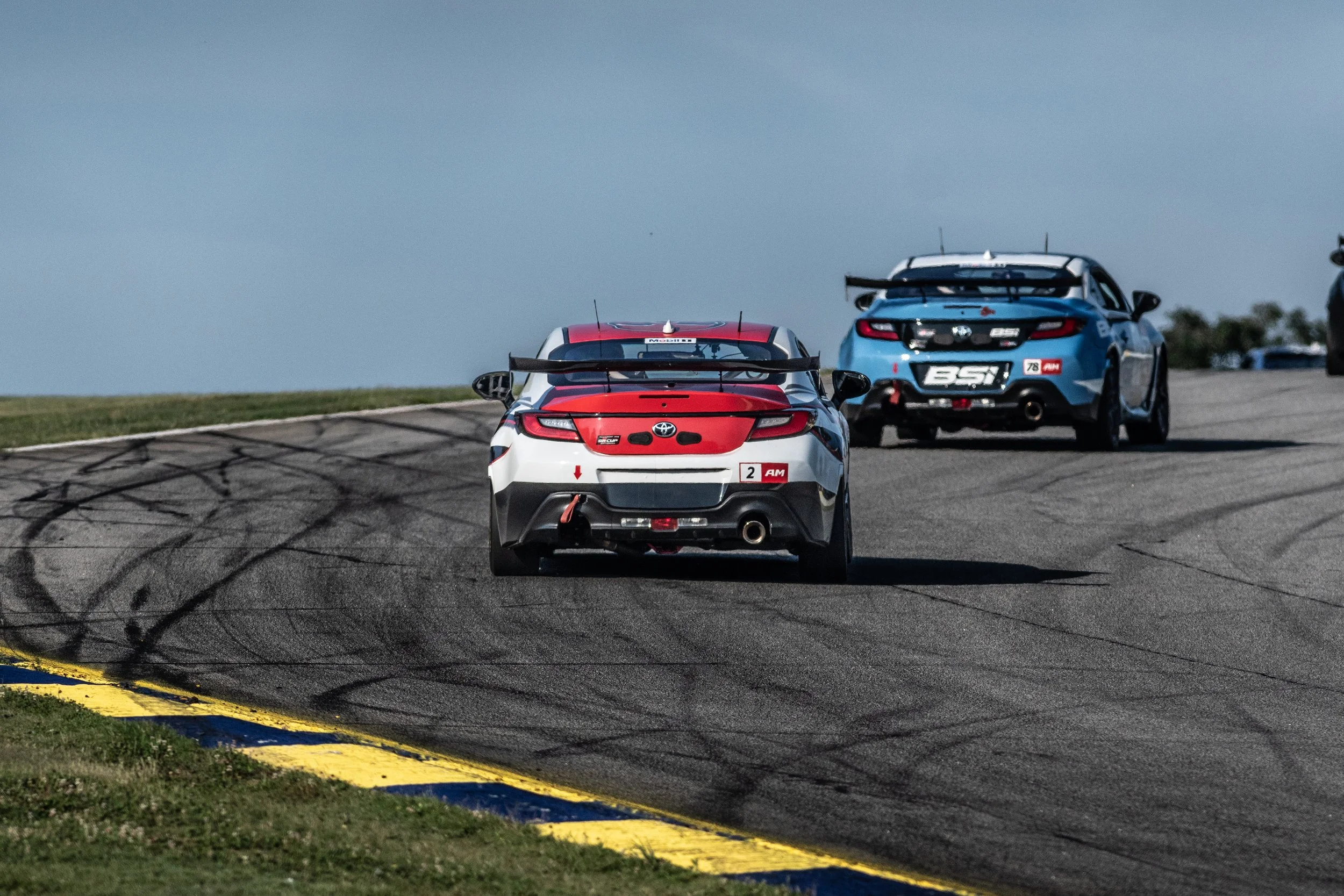
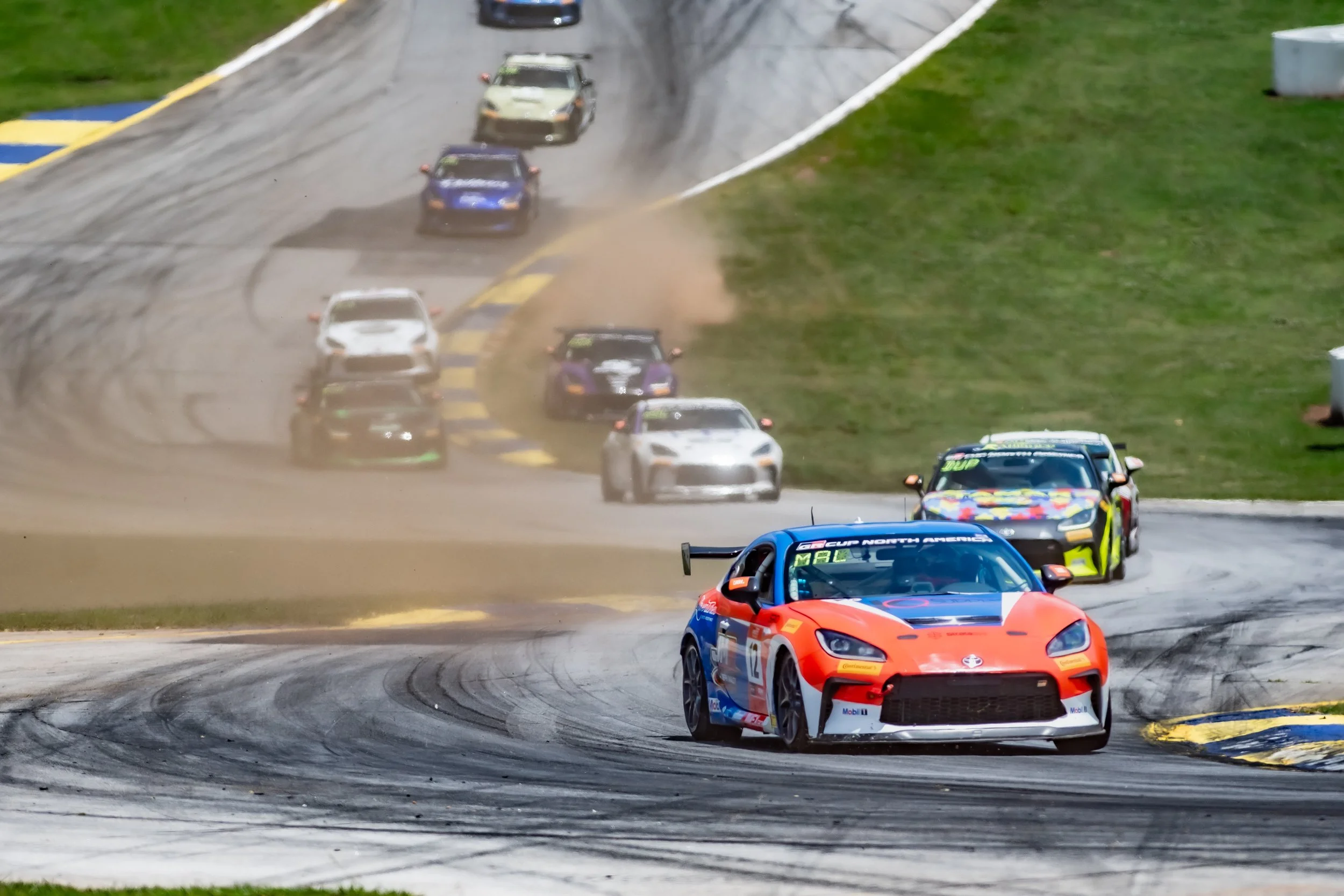
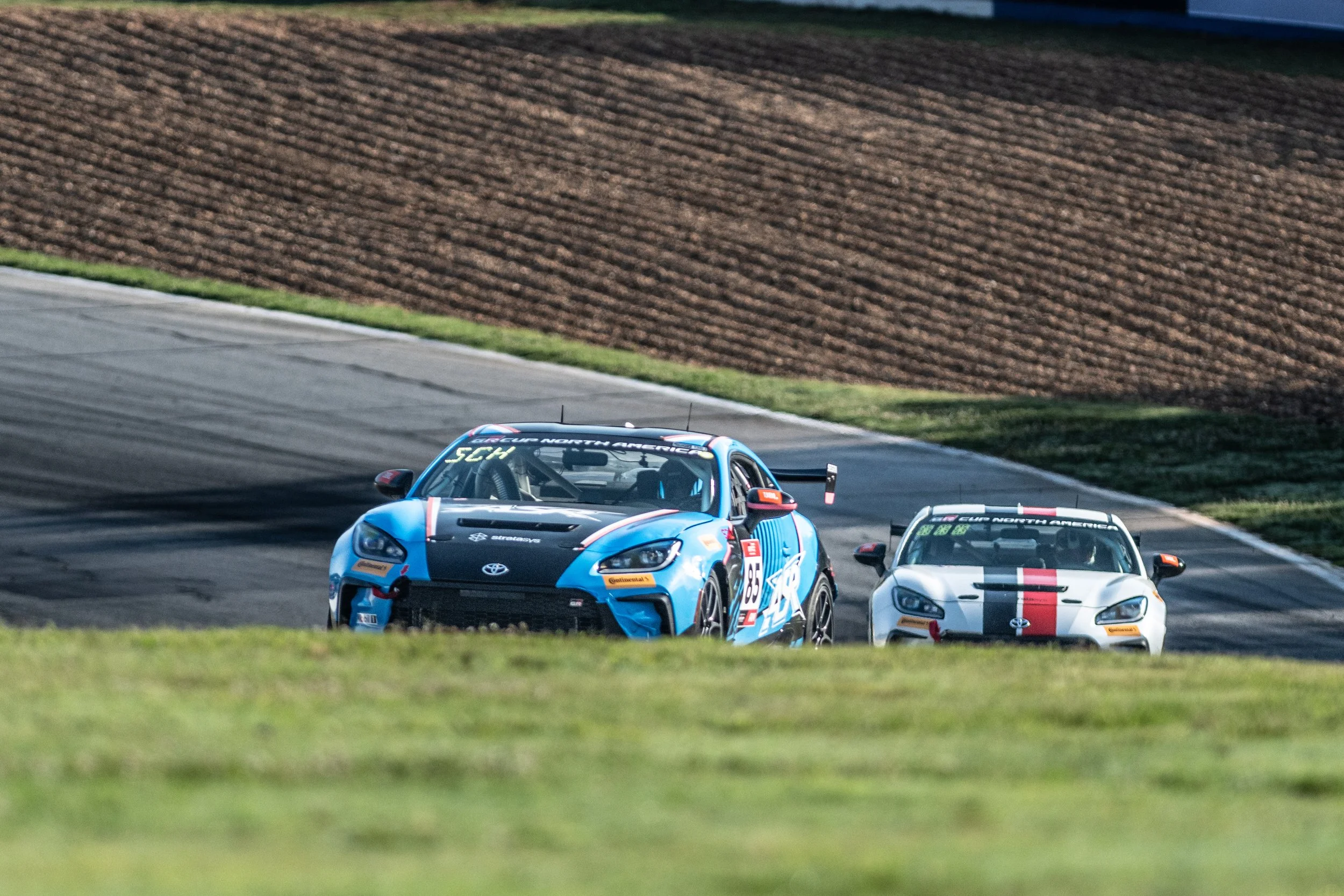
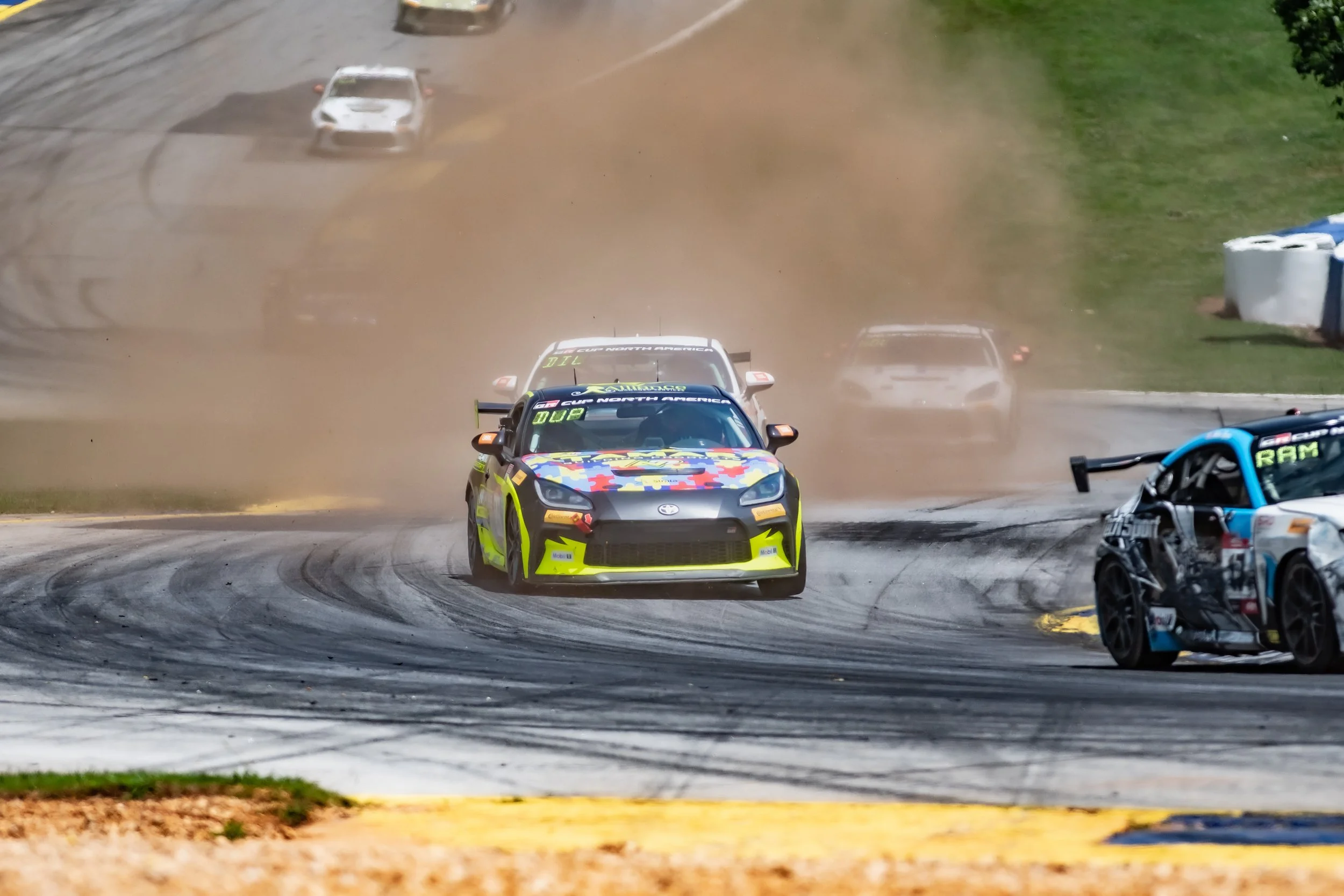
Across seven weekends and two races apiece, drivers chase a remarkable million-dollar purse and prize pool, with Toyota posting bonus money for the highest-finishing woman in every race. Part of a genuine push to widen the sport’s talent pool. The GR86s lap close to Mazda MX-5 Cup pace, the racing is bumper-to-bumper, and the paddock has the warm, family feel of true club racing scaled up to professional polish. It is the most direct, affordable on-ramp to the SRO world, and proof that you don’t need a million-dollar car to put on a million-dollar show.
• • •
A World on Four Continents
Step back from America and the true scale of the GT World Challenge comes into focus. The series spans four continents. America, Europe, Asia and Australia, each with its own regional championship feeding a single global manufacturers’ title. Europe remains the spiritual home, its calendar tracing storied tarmac at Monza, Barcelona, the Circuit Paul Ricard and, above all, the brutal Ardennes rollercoaster of Spa-Francorchamps.
Binding it together is a string of endurance classics, many gathered under SRO’s Intercontinental GT Challenge. The CrowdStrike 24 Hours of Spa, the marquee jewel where night falls over Eau Rouge and legends are made; the Bathurst 12 Hour, which starts before dawn on the terrifying ribbon over Australia’s Mount Panorama; the Nürburgring 24 Hours on Germany’s mighty Nordschleife; and Asia’s rounds at temples of speed like Suzuka.
From the deserts of the Middle East to the Pacific coast of California, an SRO car is turning a lap somewhere on the calendar most weekends of the year.
Binding it together is a string of endurance classics, many gathered under SRO’s Intercontinental GT Challenge. The CrowdStrike 24 Hours of Spa, the marquee jewel where night falls over Eau Rouge and legends are made; the Bathurst 12 Hour, which starts before dawn on the terrifying ribbon over Australia’s Mount Panorama; the Nürburgring 24 Hours on Germany’s mighty Nordschleife; and Asia’s rounds at temples of speed like Suzuka. From the deserts of the Middle East to the Pacific coast of California, an SRO car is turning a lap somewhere on the calendar most weekends of the year.
• • •
For the Fans
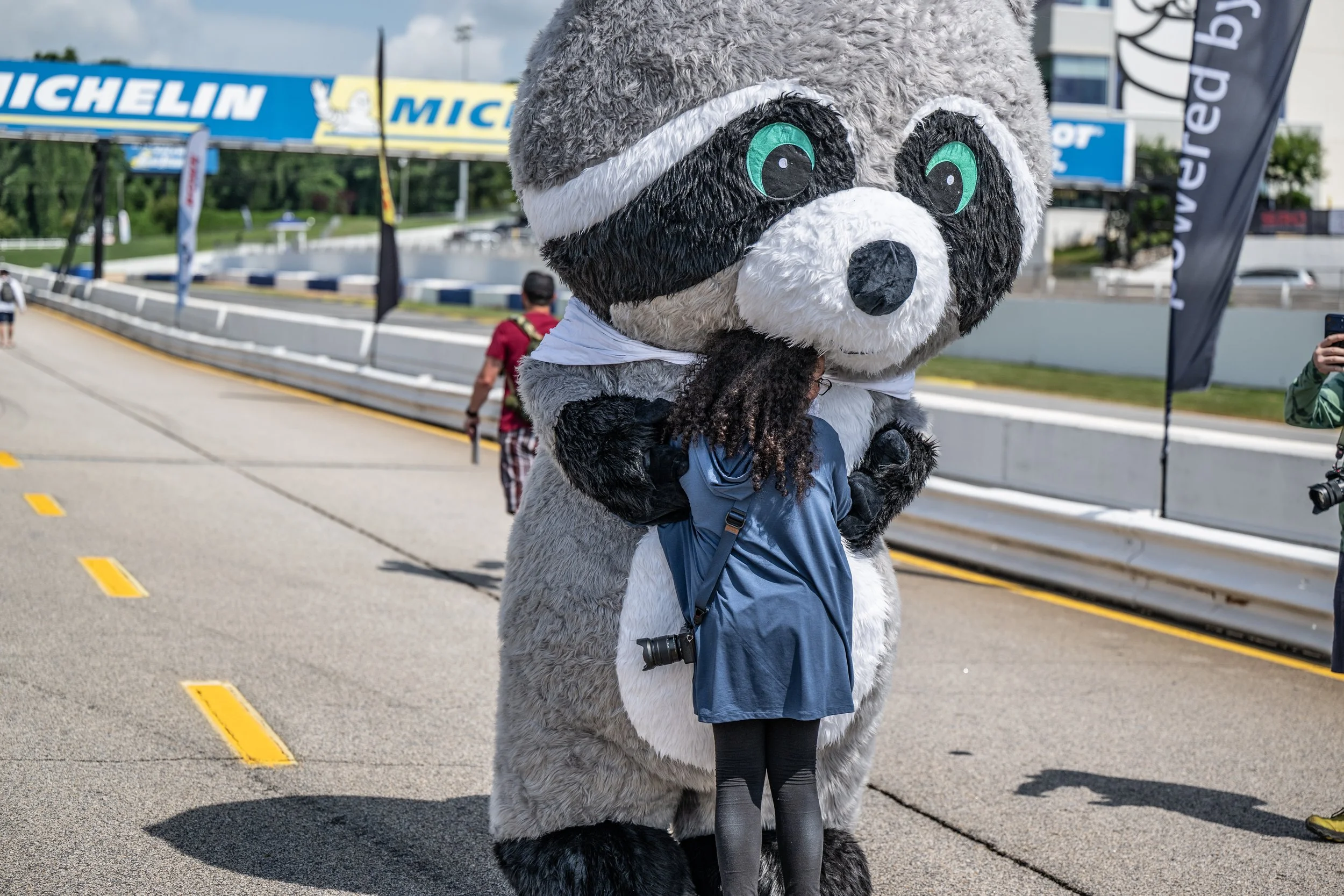
What SRO has truly built is a sport that lets you in. Buy a ticket to a single weekend and you can watch a factory hero wrestle a GT3 monster, a teenager learn the trade in a touring car, and a grandfather chase a Masters trophy in a screaming McLaren. All on the same patch of asphalt, all chasing the same feeling. Walk the open paddock between sessions and the cars are right there, warm and ticking, the drivers close enough to talk to.
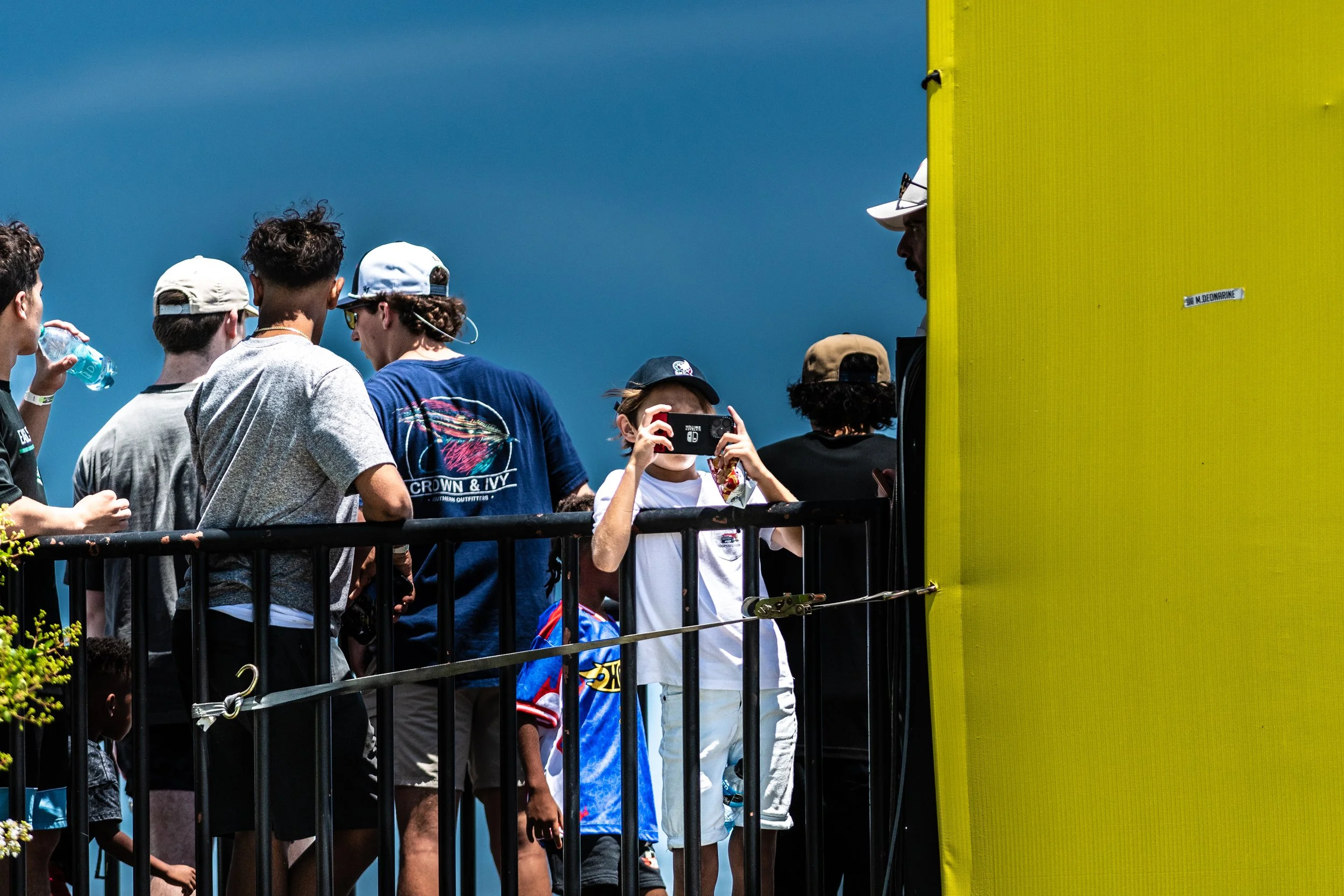

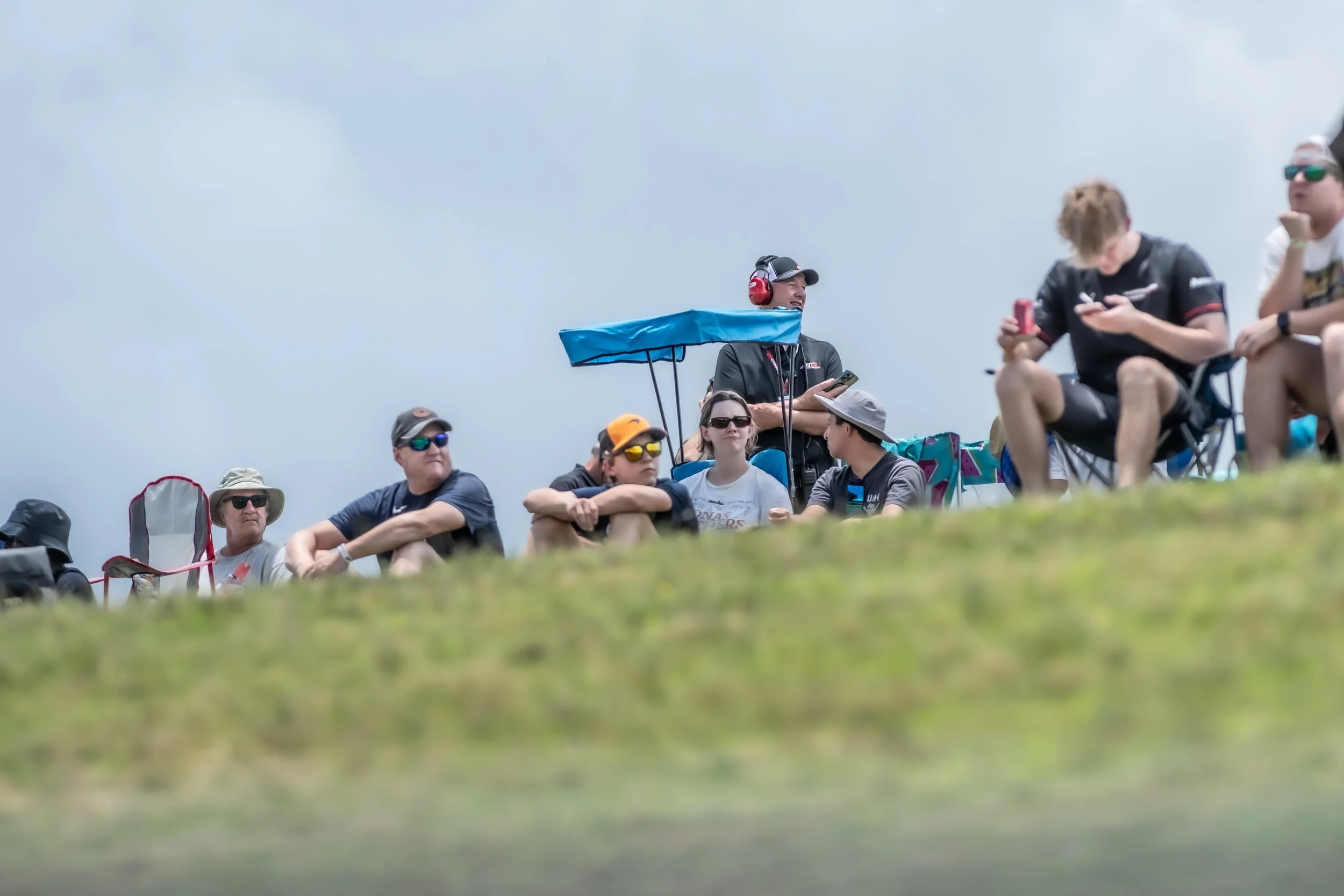
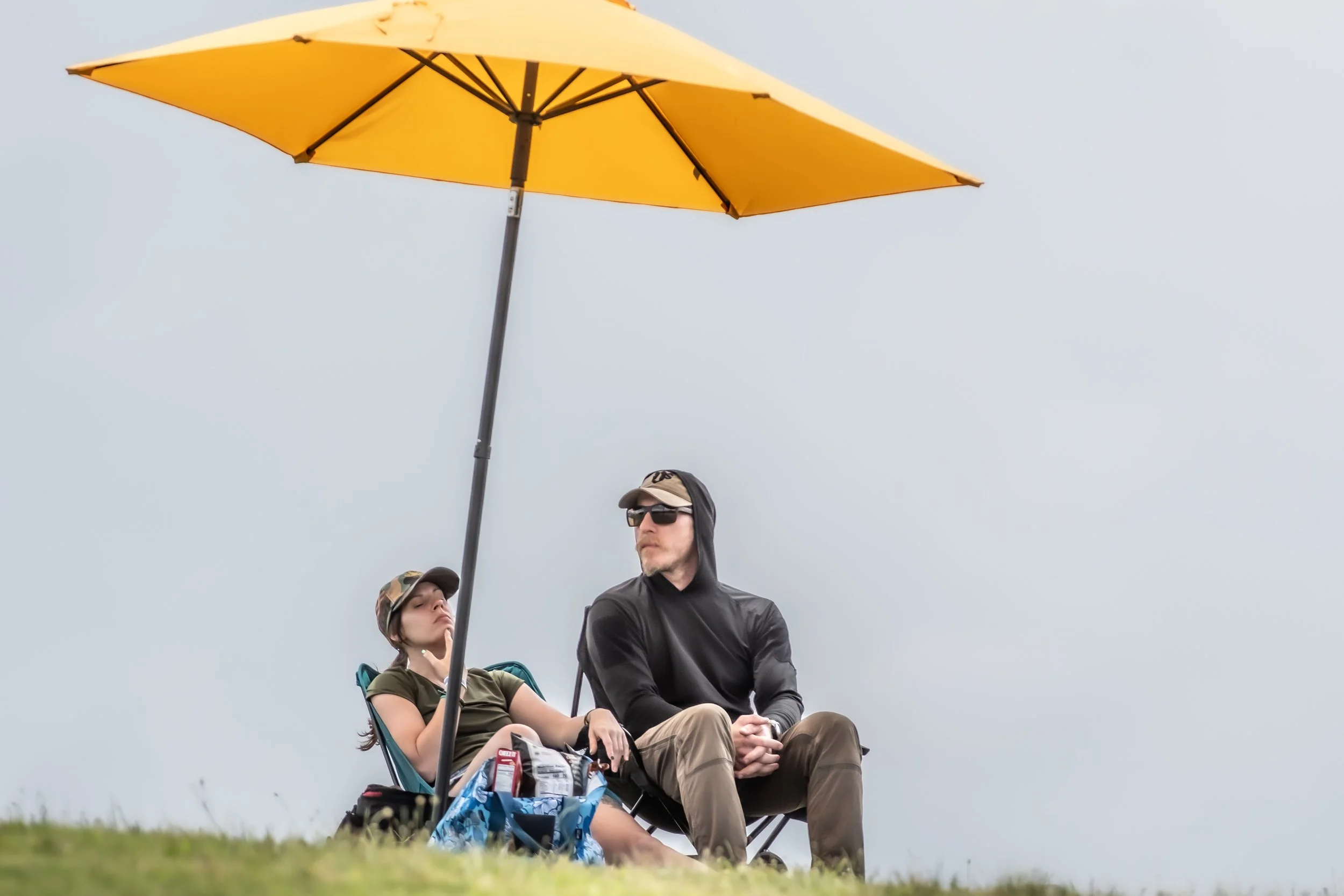
It is loud, it is colorful, and it photographs like a dream. Grids full of liveries fighting for the light, brake discs glowing into dusk, a Lamborghini and a Mustang three-wide into a braking zone. From one Frenchman’s stubborn idea to a championship that circles the globe, the GT World Challenge proves a simple truth. Grand touring racing was never meant to live behind glass. It was meant to run, flat out, wheel to wheel, on the greatest circuits in the world.
See you in the paddock.
A Checkered Past
Racing’s most famous symbol has a murky backstory, a debunked dinner legend, and somehow no rulebook at all
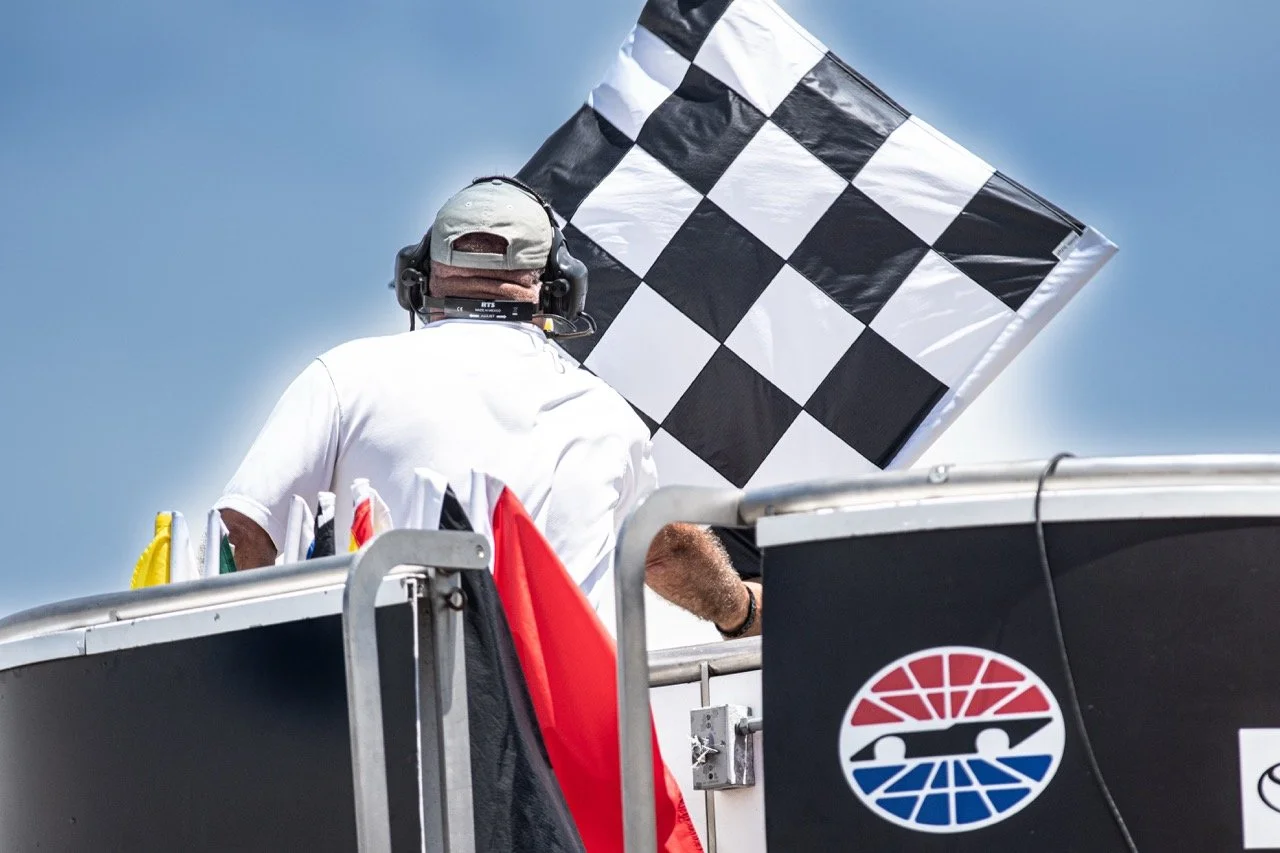
It is the most recognized symbol in all of sport. It ends Formula One Grand Prix and small-town Saturday-night races alike. It sells everything from energy drinks to kitchen tile, and a child can draw it from memory. Yet, for an emblem this universal, the checkered flag has a backstory that is gloriously, and almost suspiciously, vague.
The most beloved of those theories could also be the most delicious, literally. As the legend goes, the pioneers of the American Midwest would gather for horse races that climaxed in an enormous communal feast. When the food was ready, the womenfolk would wave a black-and-white checkered tablecloth to signal that the racing should wrap up. The flag, in this version, never meant “you win.” It meant “dinner’s on.” A wonderful story no doubt but, historians have searched high and low for a shred of evidence supporting it and come up with precisely none. File it, reluctantly, under charming nonsense.
A rival origin myth points to 19th-century bicycle races in France, which is at least continental and slightly more plausible, but no better documented. For decades that was the state of the checkered flag. A great deal of confident pub talk and not one verifiable fact.
Enter Fred Egloff, an amateur historian who spent years chasing the answer and, in 2006, published his findings under the magnificently self-aware subtitle “A Search for Racing’s Holy Grail.” In his book, he tells of a Packard man named Sidney Waldon, who in 1906 was helping run the Glidden Tour, a brutal reliability rally stretching some 1,150 miles past dozens of timing points. Waldon needed a way to mark each “checking station,” so he flew a checkered flag over it. The officials manning those stations were called “checkers.” The most poetic flag in motorsport began life as a glorified road sign, and its name was a pun.
The earliest photo of one ending an actual race comes from that same year, at the 1906 Vanderbilt Cup on Long Island. The flag was reportedly waved by starter Fred Wagner as the winner, Louis Wagner, swept across the line. The two were no relation whatsoever. You could not script it.
Here is the final, delightful twist. For all its fame, flown at the very first Formula One World Championship race at Silverstone in 1950, and at every checkered moment since, the checkered flag has no official standard. No mandated dimensions, no required number of squares, no governing checkerboard authority. The most famous flag on earth is, technically, freelance. Drivers spend entire careers, and fortunes, chasing a homemade picnic blanket with a pun for a name. Long may it wave.