Lifestyle & Culture
At the intersection of cars, culture and coastline, Pebble Beach becomes something more than a concours.
Pebble Beach is ostensibly about automobiles. Spend a week there however, and you quickly realize the cars are only part of the story. There are auctions where fortunes change hands in minutes. Concept cars offering competing visions of the future. Ferraris occupying fairways as though they own the place. People drinking coffee in the dark waiting for Duesenbergs to appear through the fog. And, somewhere among all of this, a parrot named Claude.
Welcome to the other side of Pebble Beach.
THE RISING SUN ARRIVES AT PEBBLE
For 75 years, Pebble Beach has largely told the history of the automobile through an American and European lens. In 2026, Japan finally received its own place on the lawn.
Click on any image to enlarge. Use the Arrow on the right to advance image. Hit ESC or the X to return.
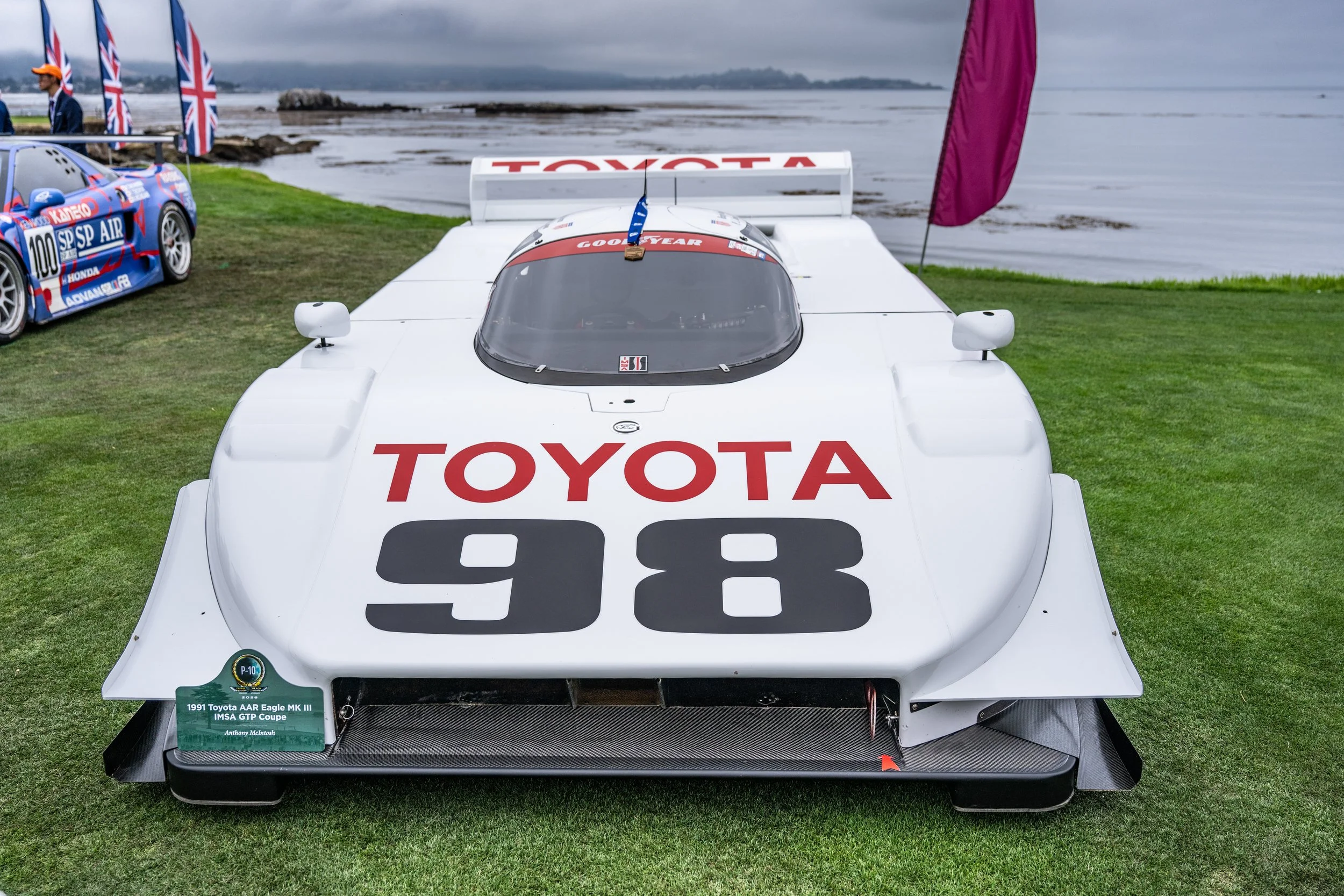
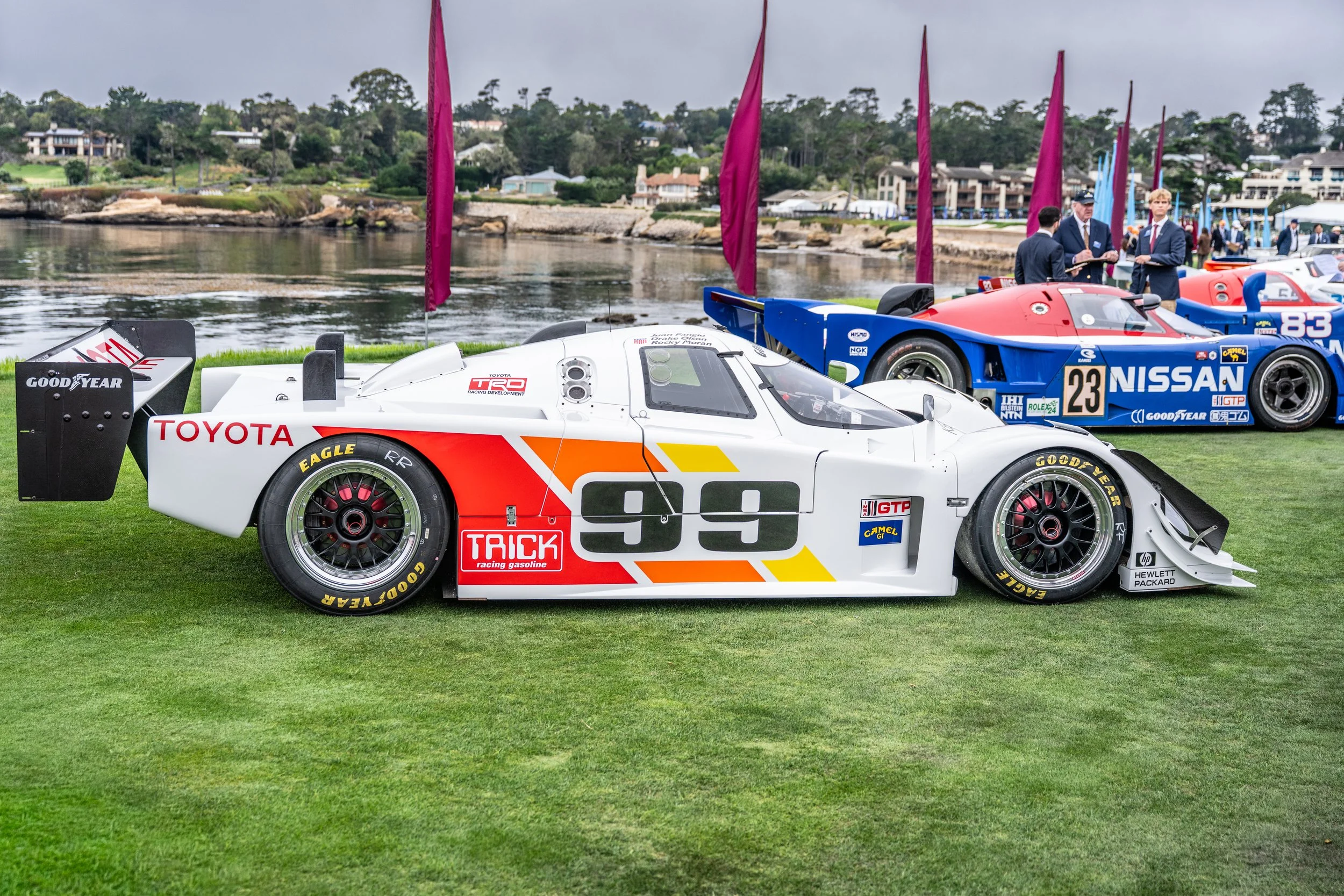
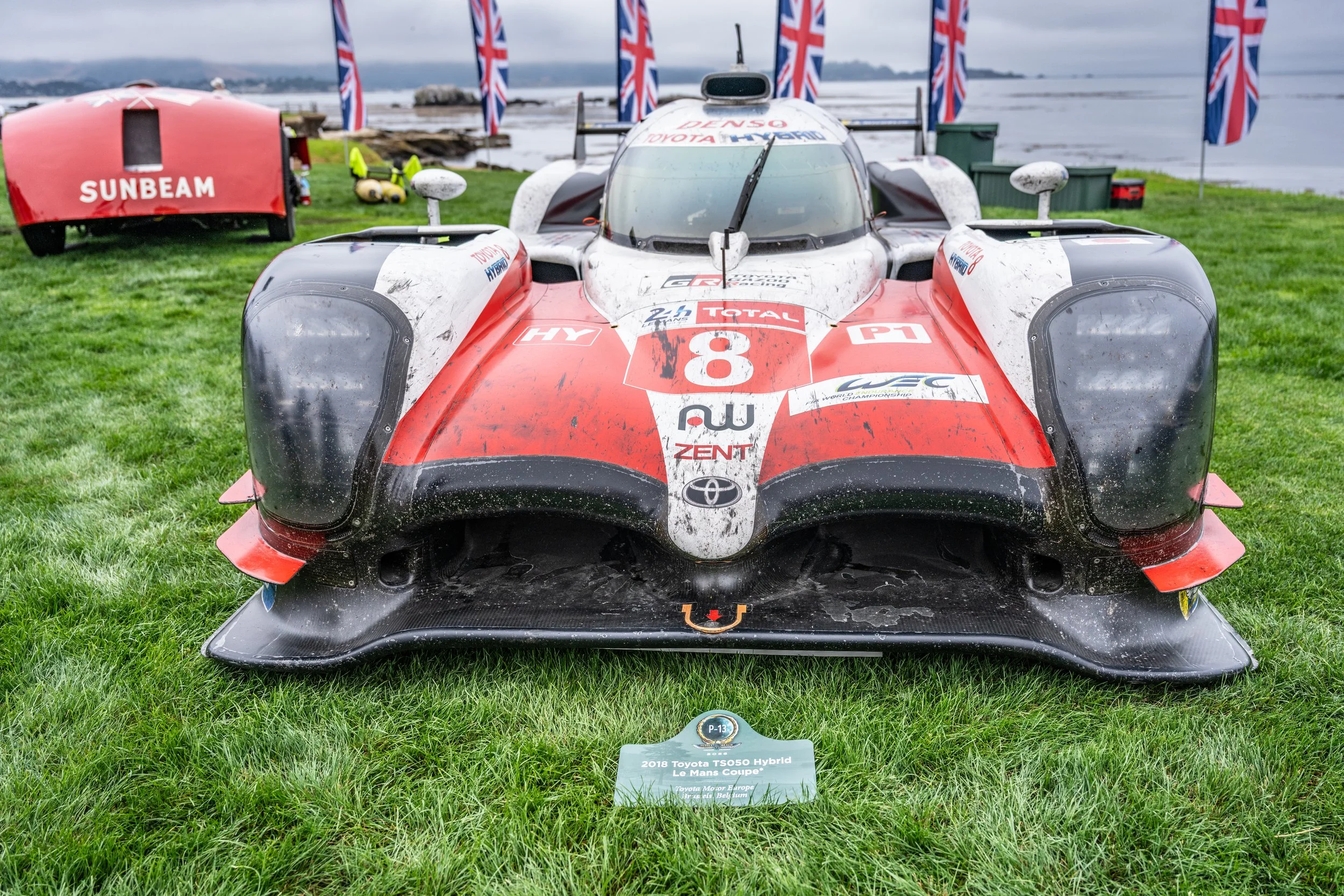
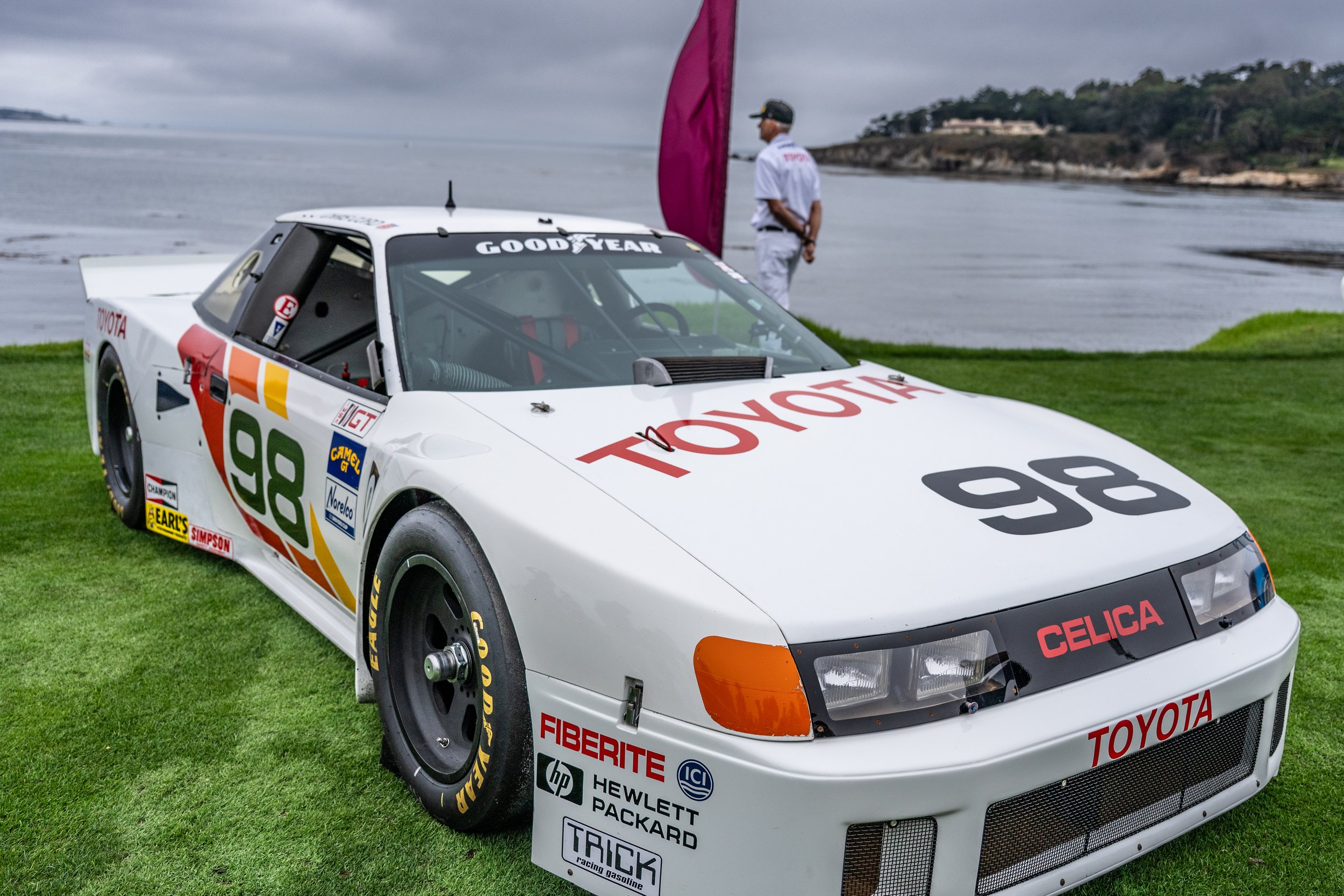
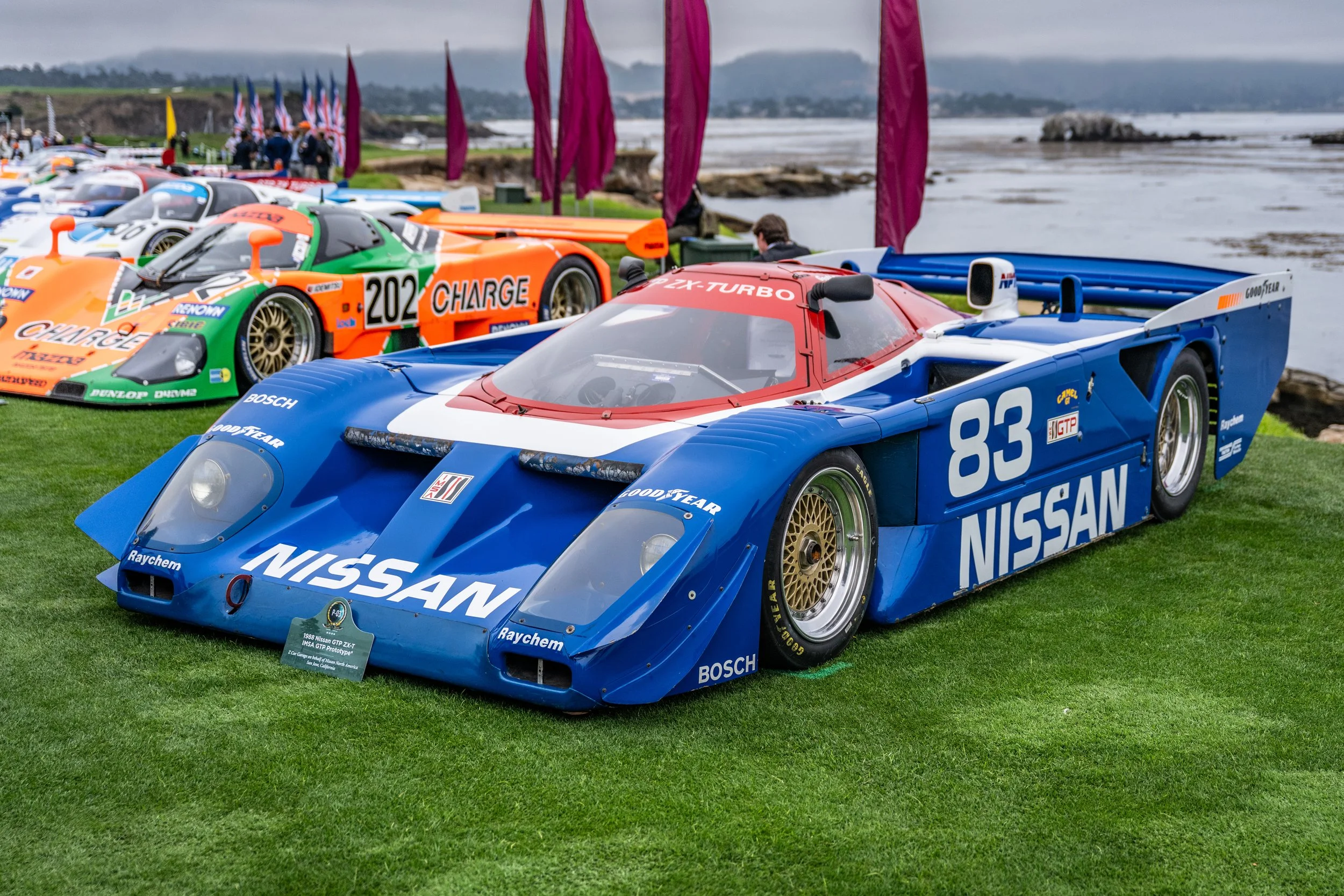
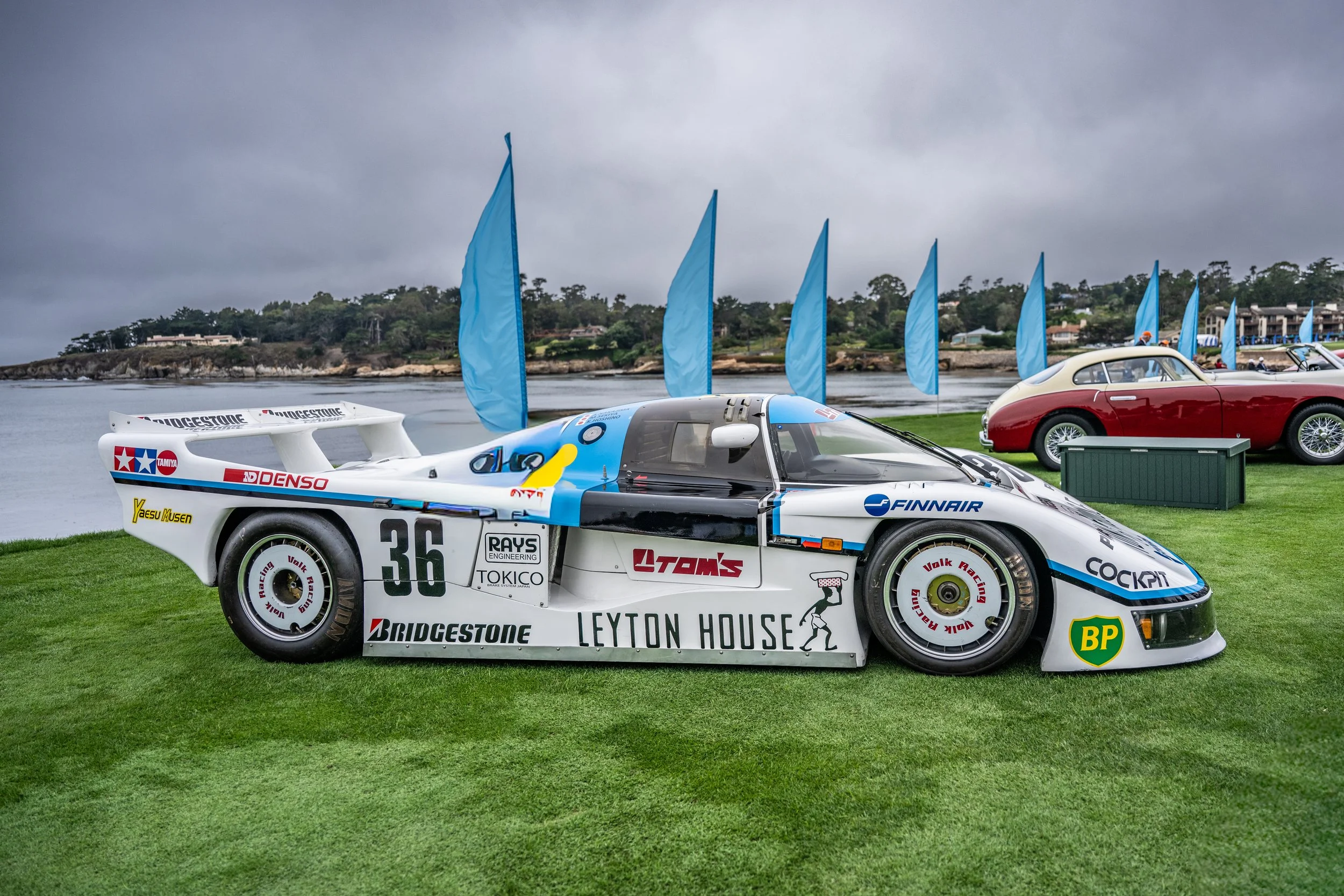
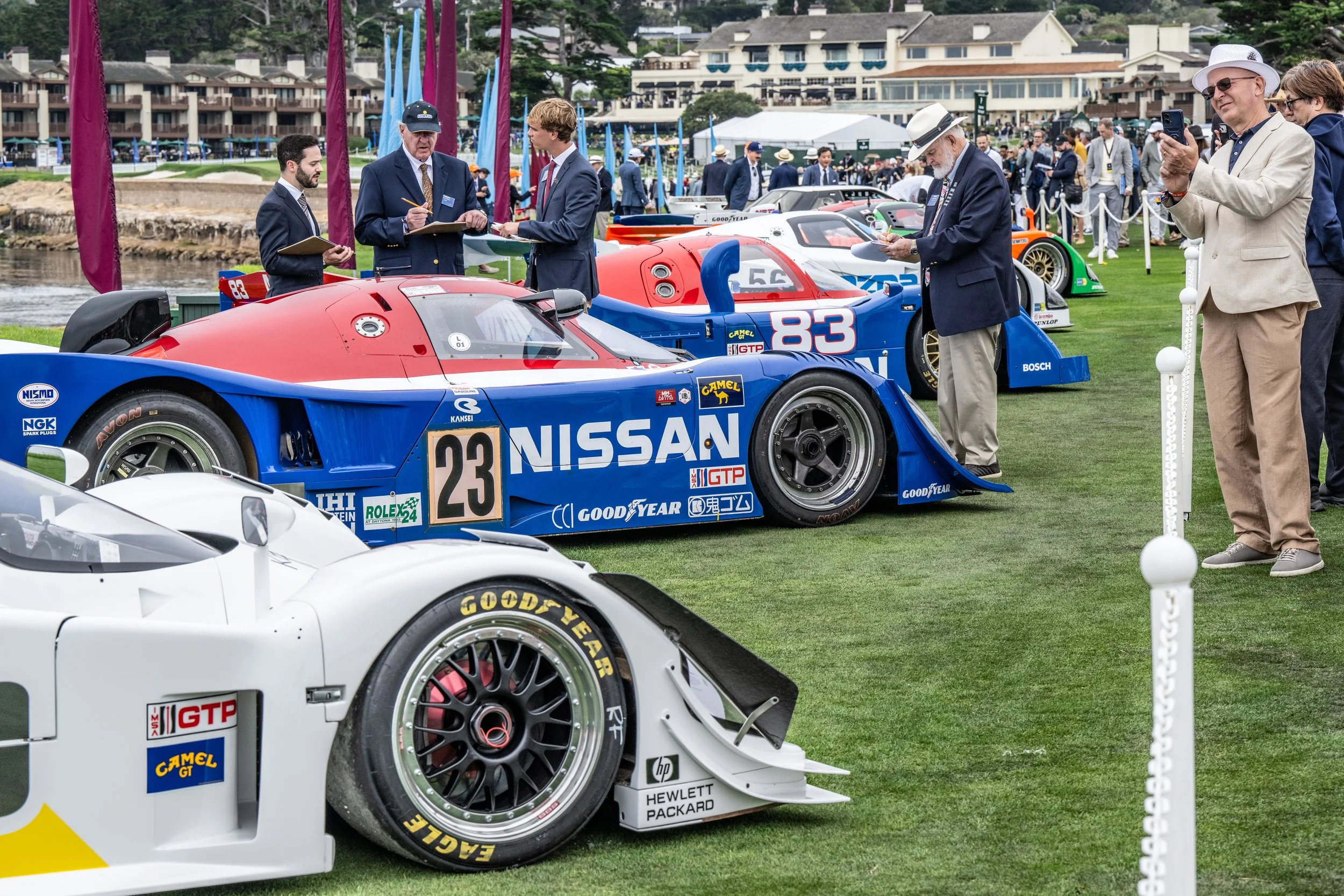
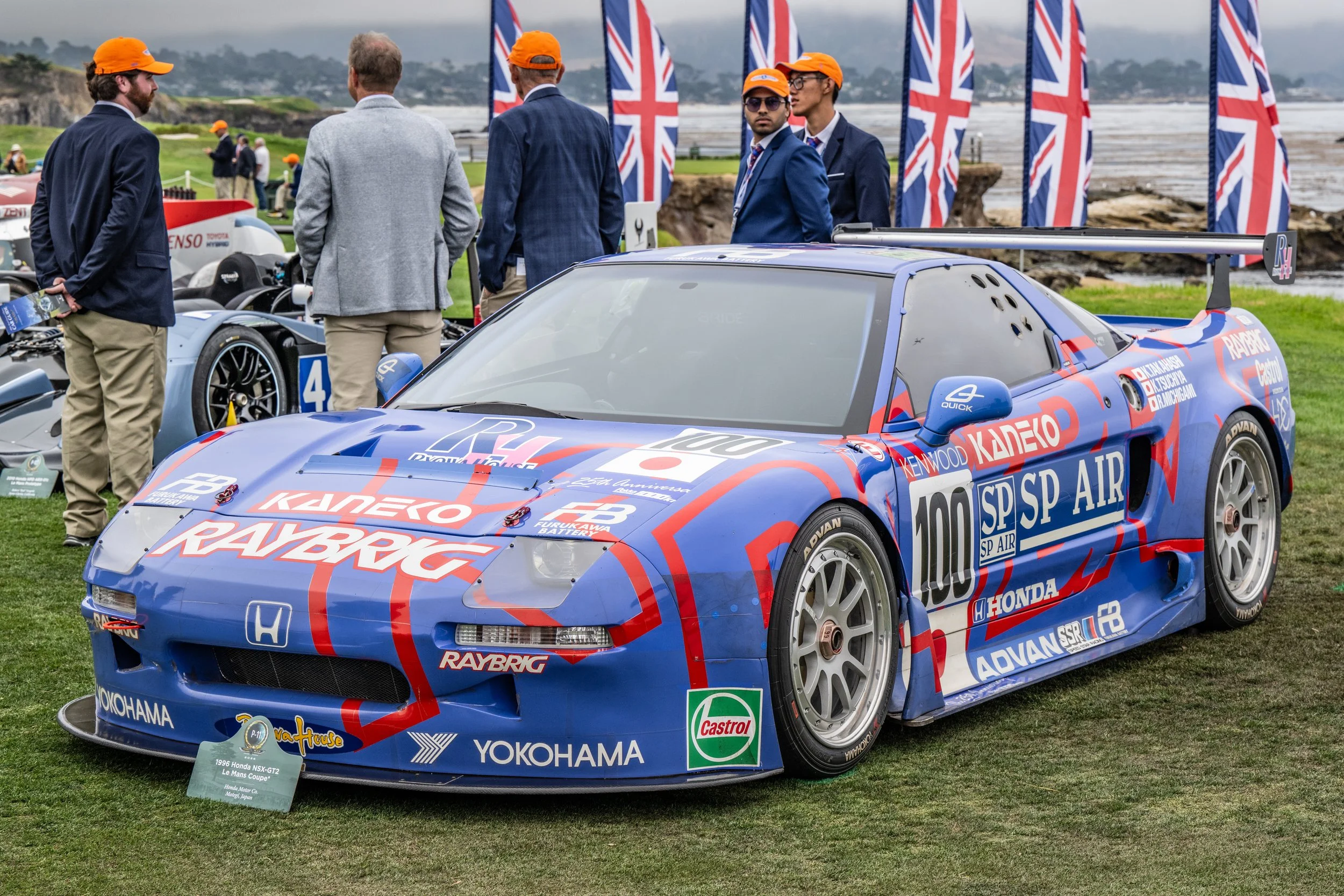
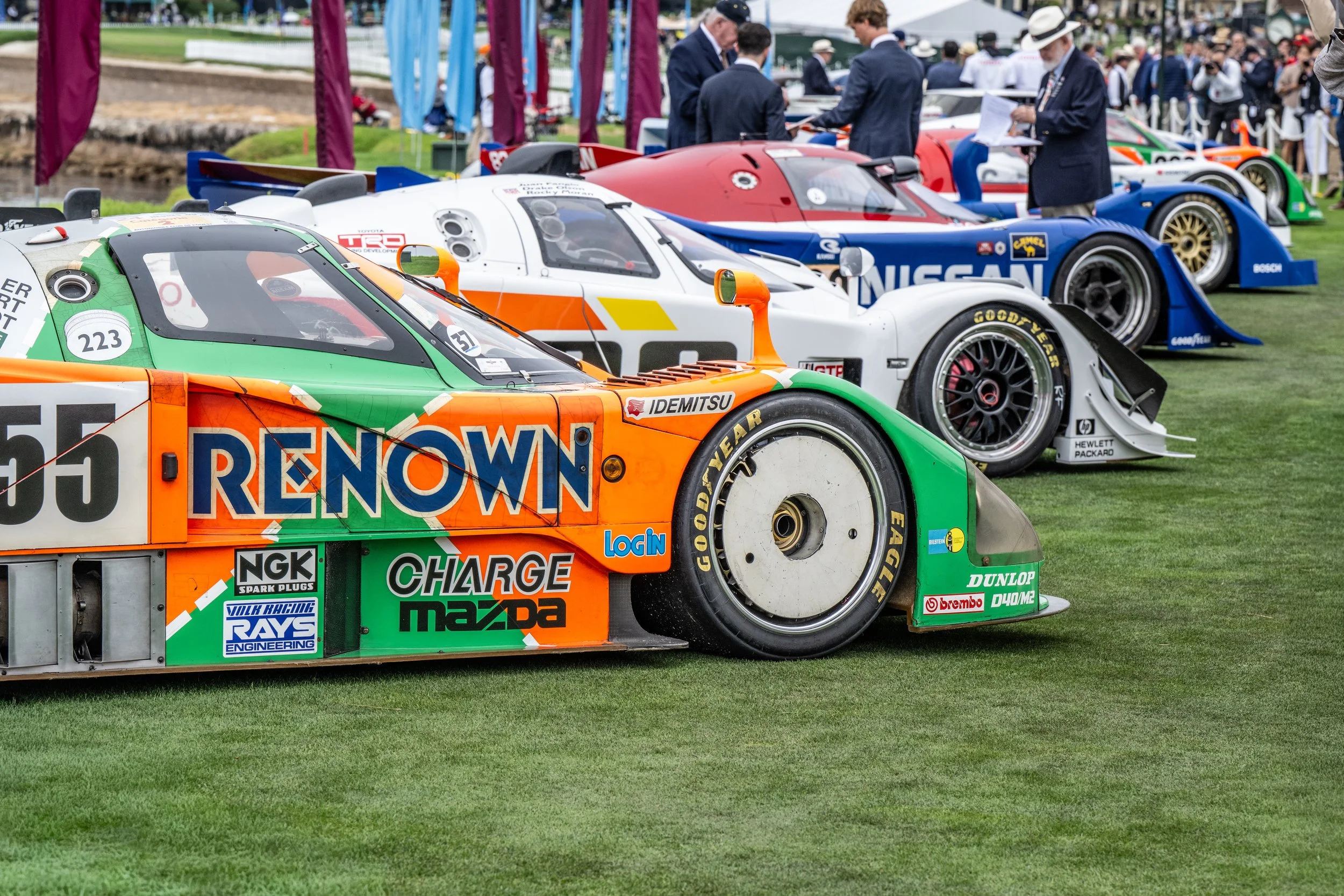
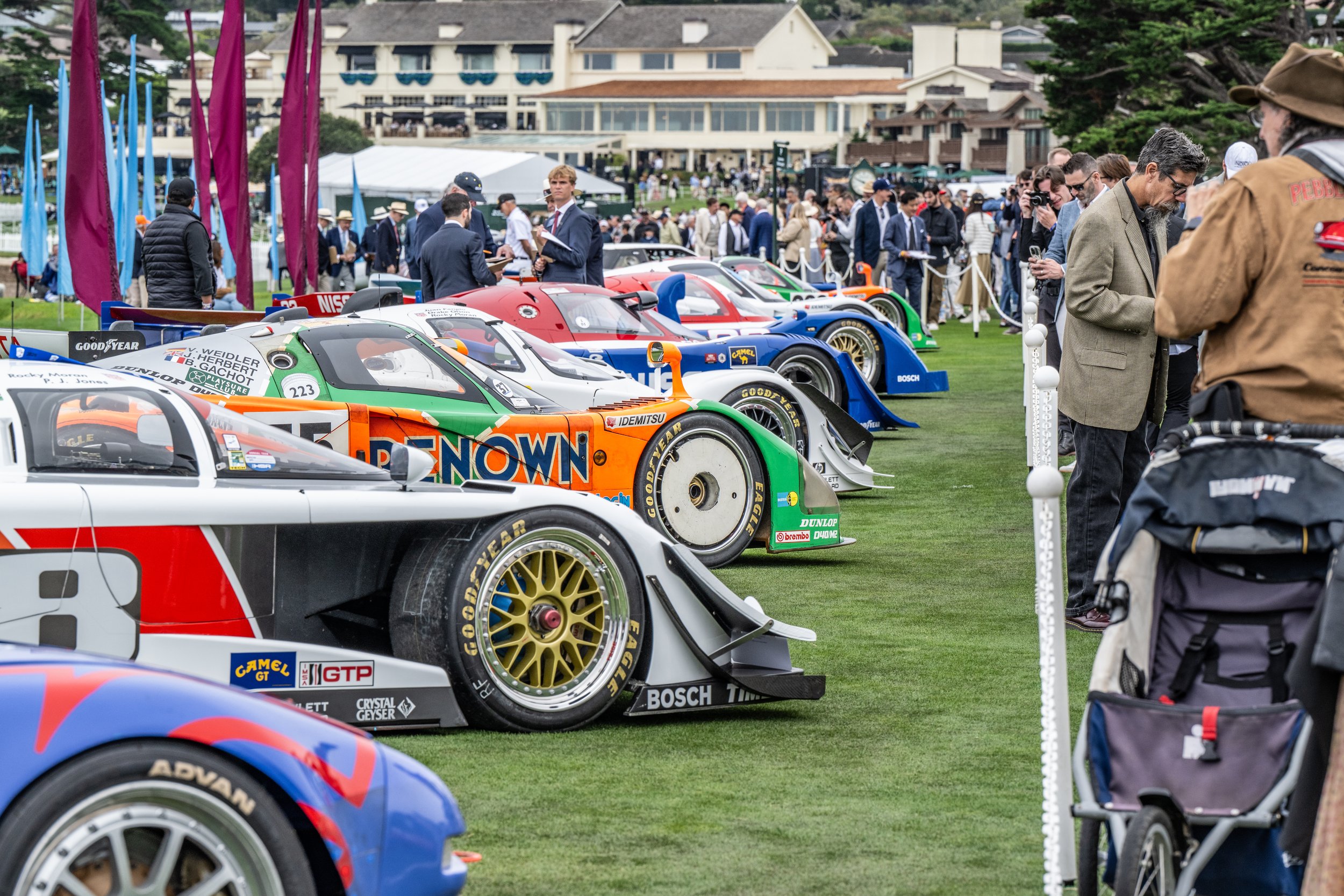
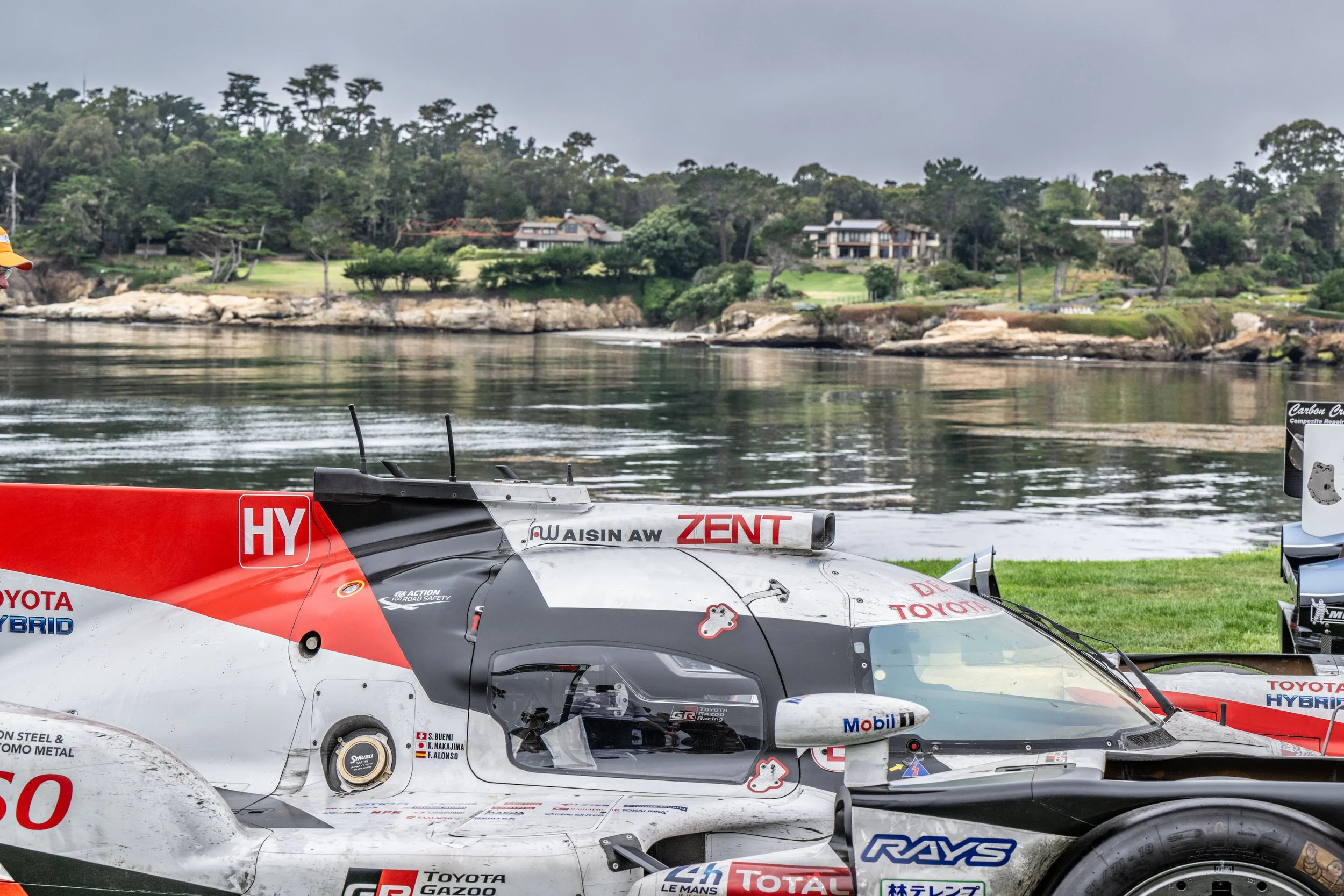
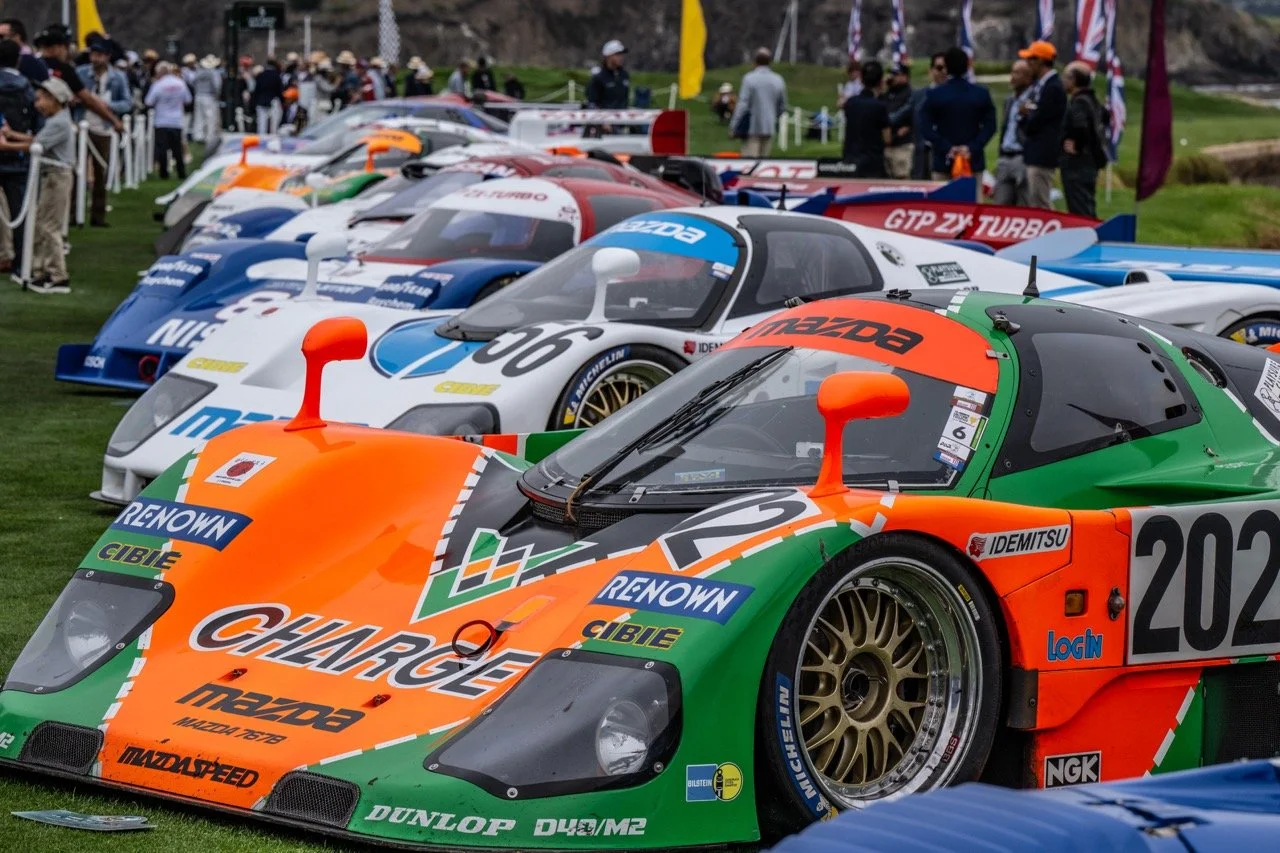
The first-ever Japanese Motorsport class gathered competition cars spanning three decades, from the 1985 Toyota 85C-L Longtail Le Mans Coupe through Mazda, Honda and Nissan racers to Toyota’s 2018 TS050 Hybrid Le Mans winner. While individual Japanese cars had appeared previously, Pebble Beach had never presented a class devoted to Japanese racing machinery. It was overdue.
Japan’s motorsport history is a story of persistence becoming dominance. Rotary Mazdas, technologically fearless Nissans, Honda engineering and, Toyota’s long pursuit of Le Mans.
Pebble Beach has always had the ability to elevate cars from interesting to historically important simply by giving them a place on its lawn. In 2026, Japan didn’t merely arrive. It was finally recognized.
PADDLES UP. WALLET OUT
If the Concours tells us what automobiles matter historically, the Monterey auctions tell us what they matter financially. And in 2026, the answer was, quite a lot.
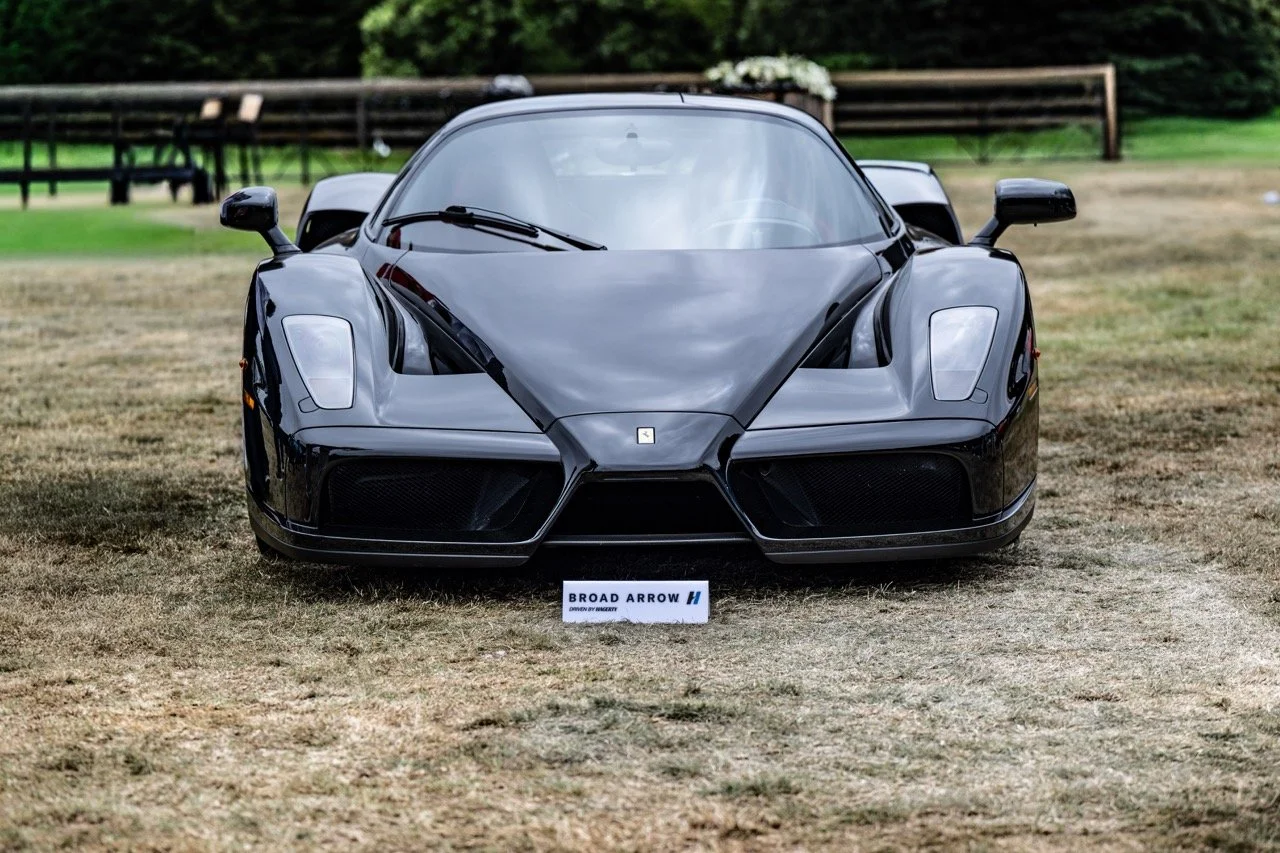
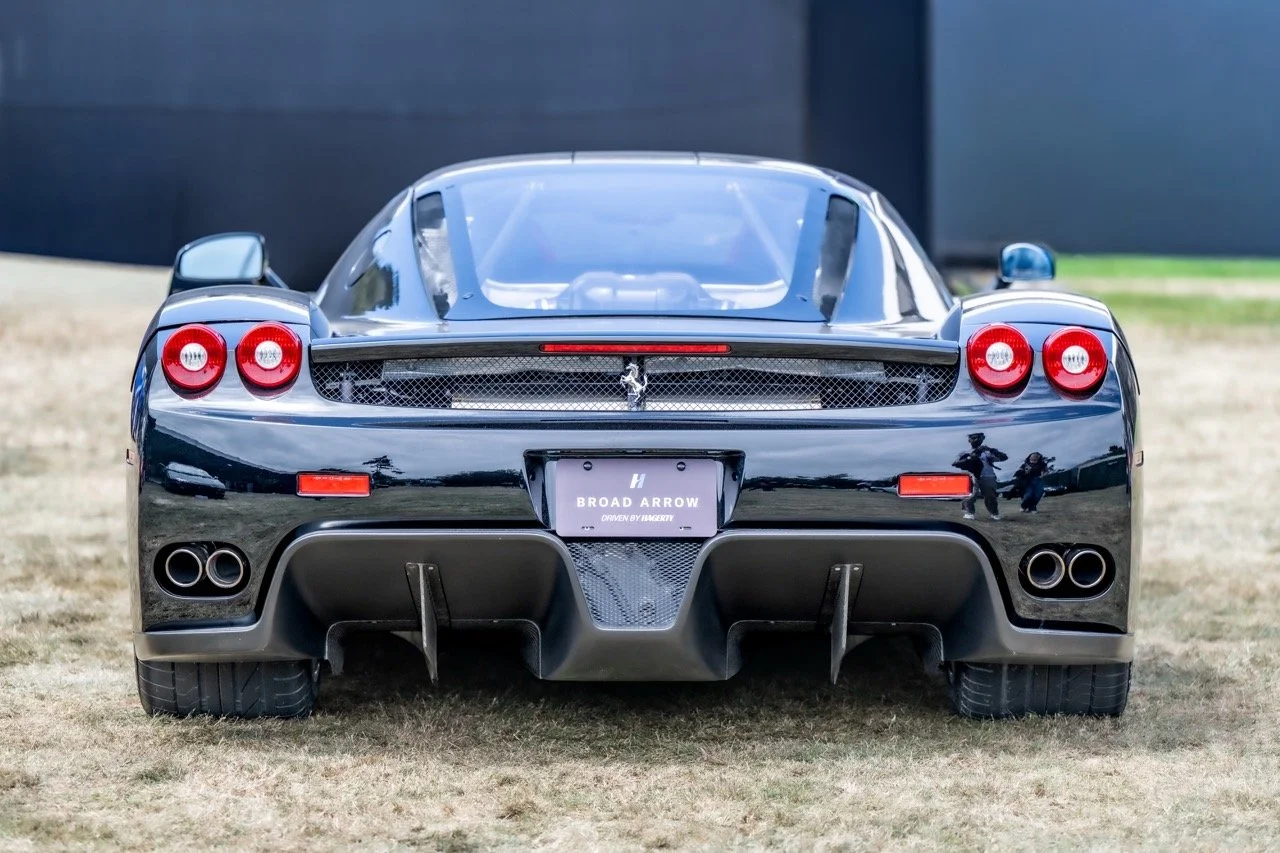
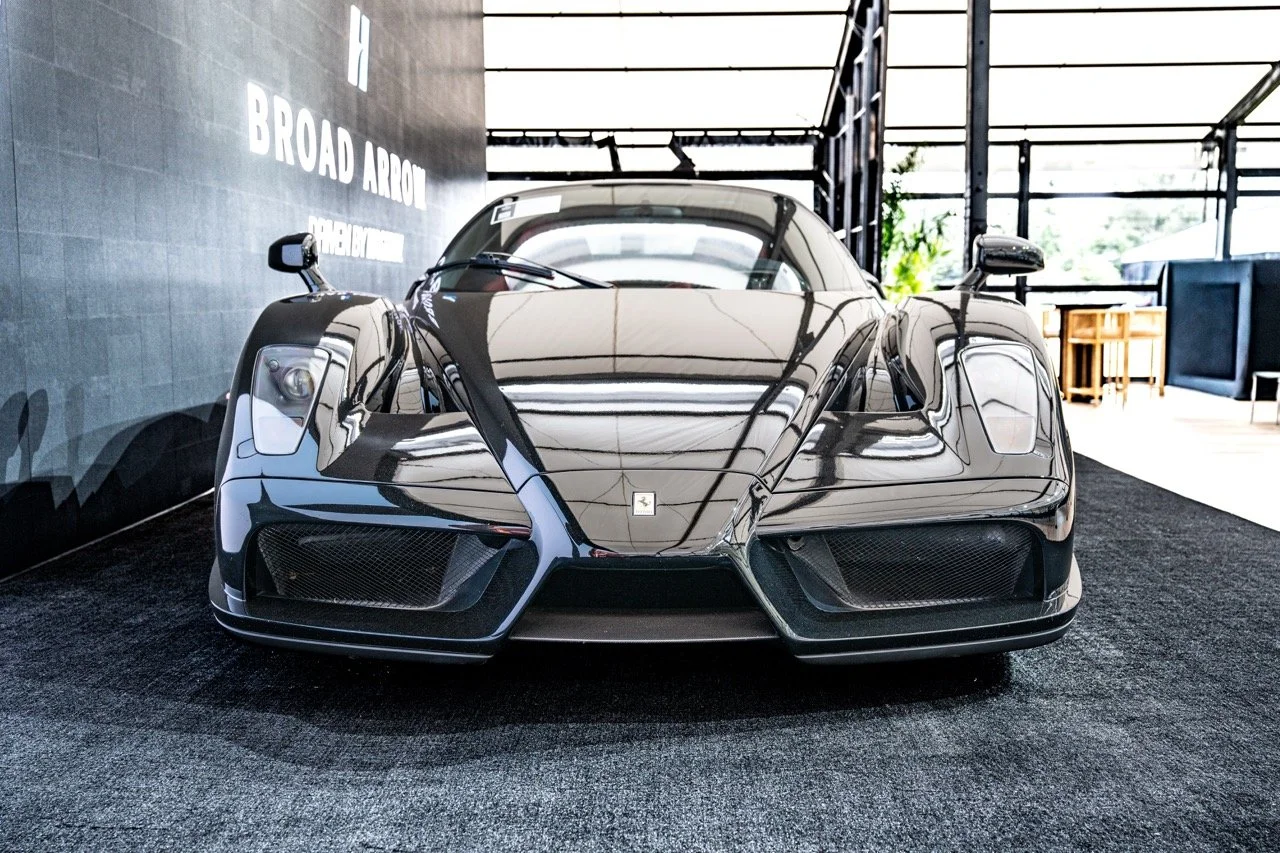
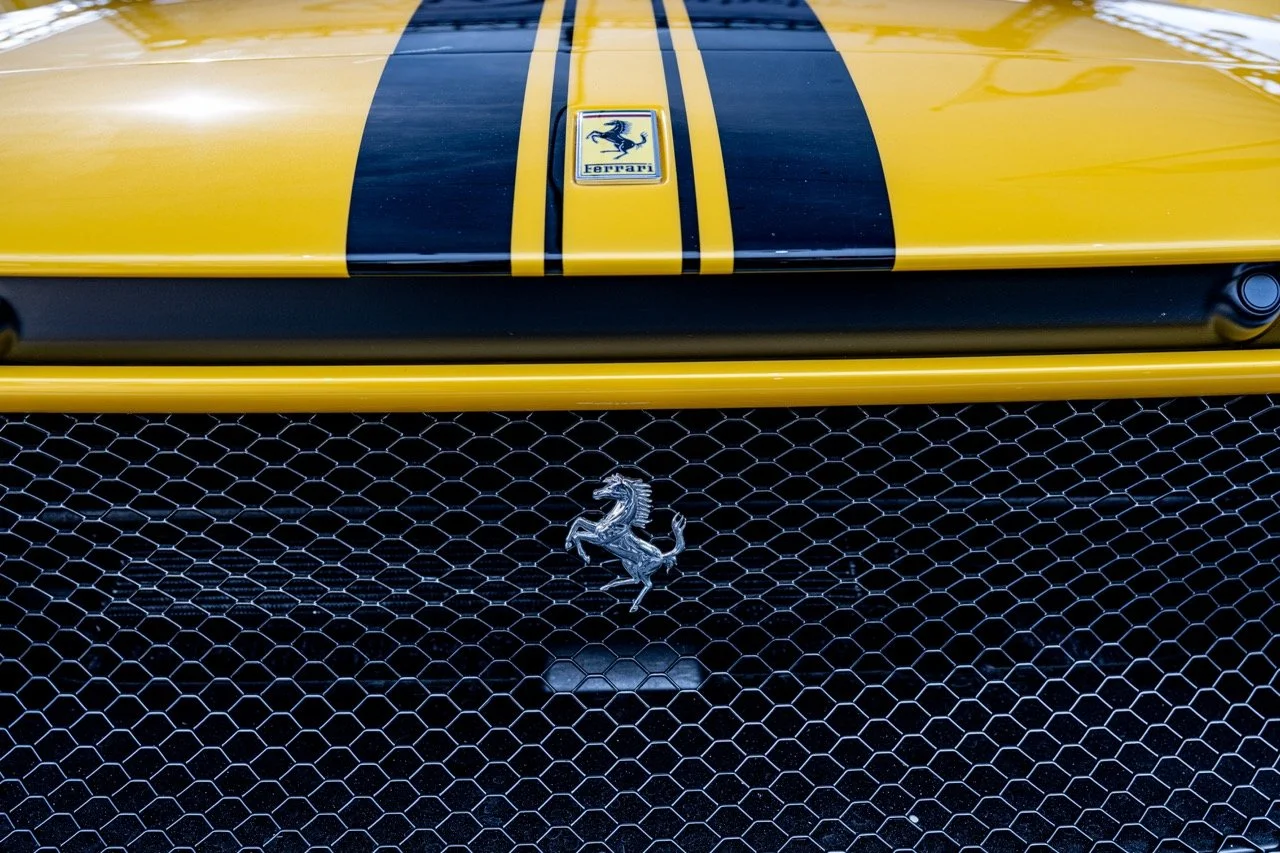
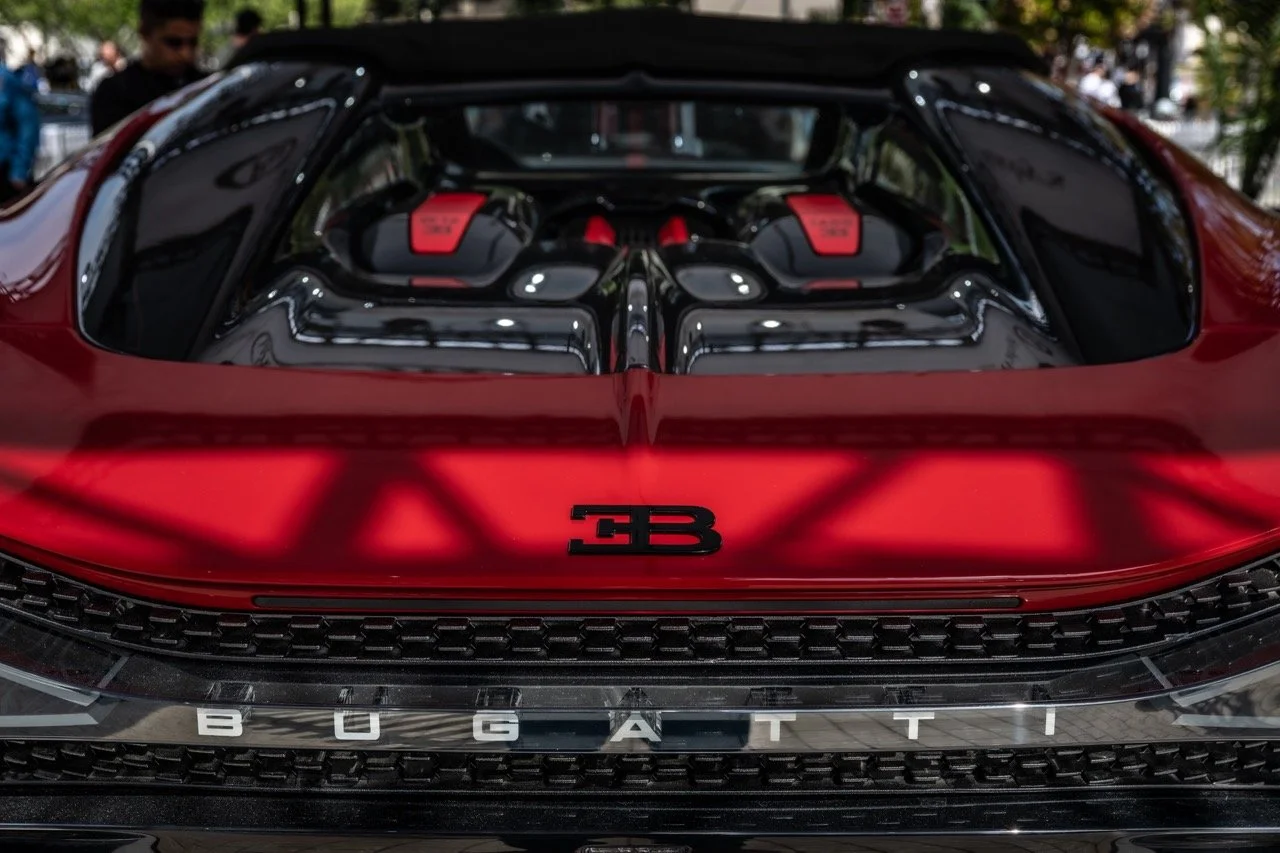
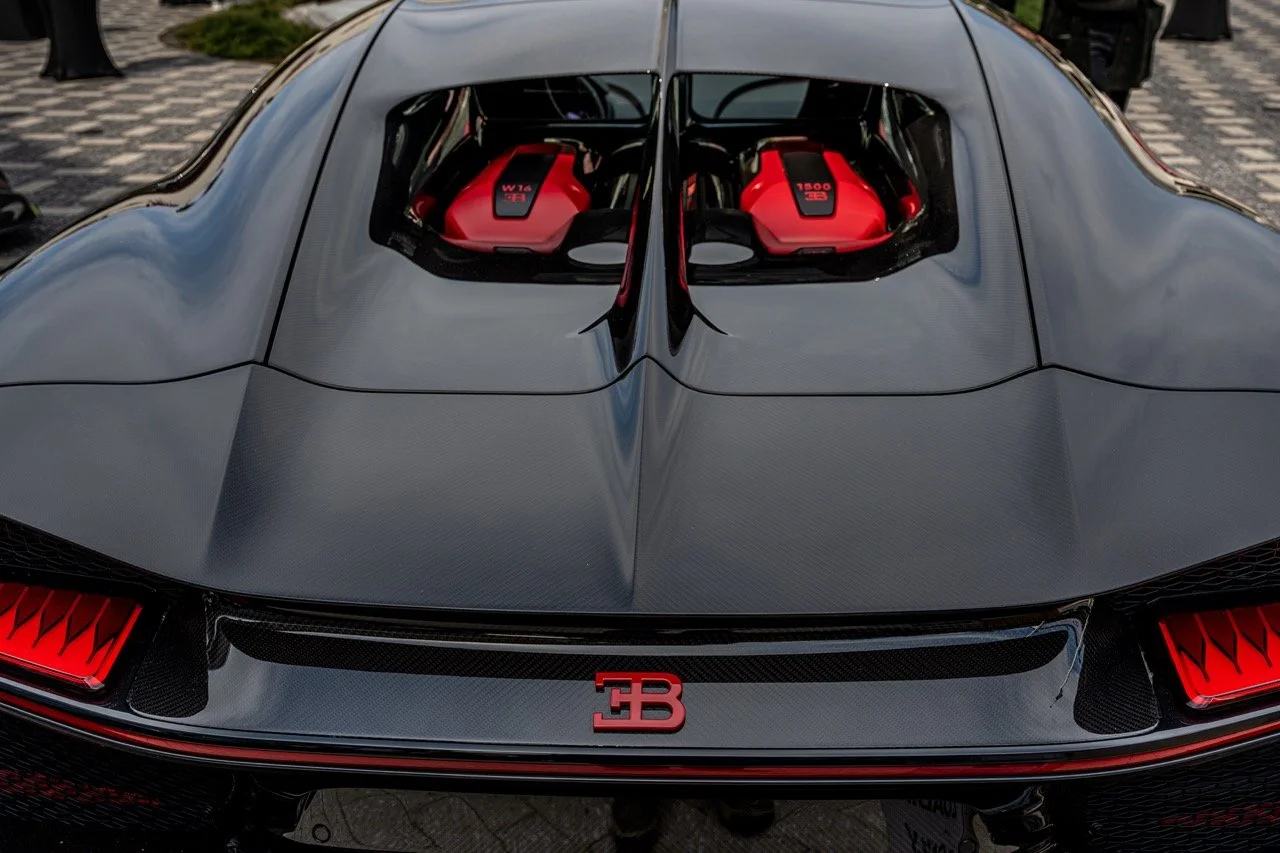
Broad Arrow staged its inaugural Quail auction, producing $97.4 million in sales. Its star was a Nero 2003 Ferrari Enzo at $10.675 million, followed by a 2025 Bugatti W16 Mistral at $8.805 million.
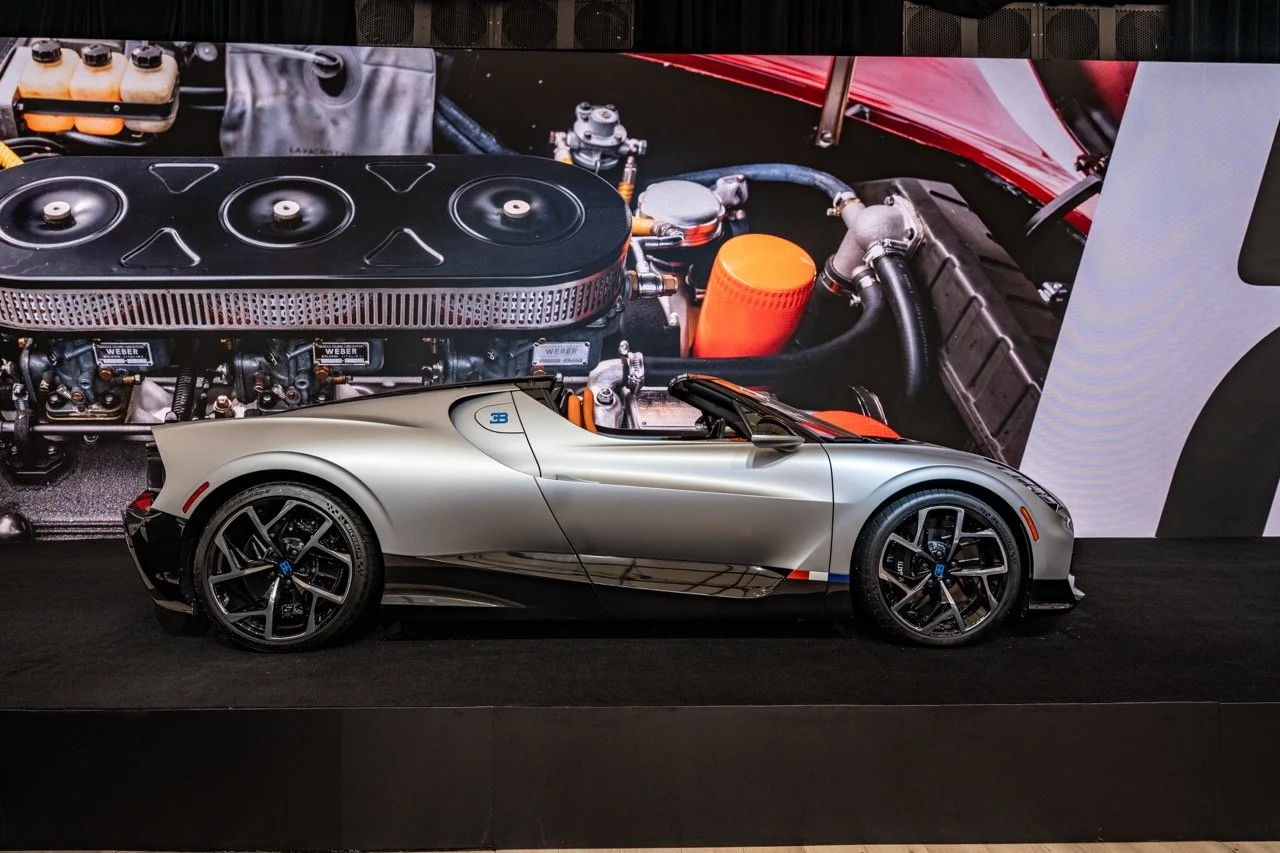
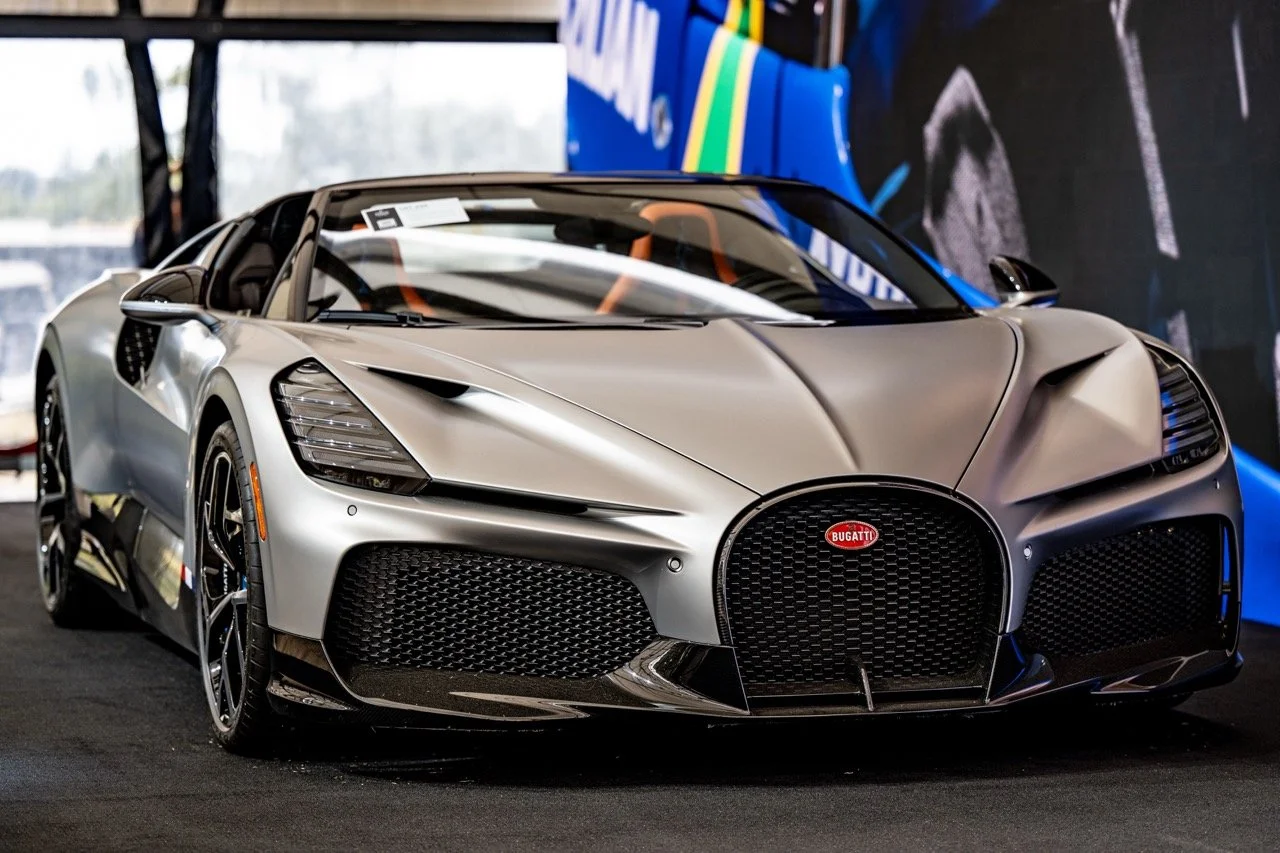
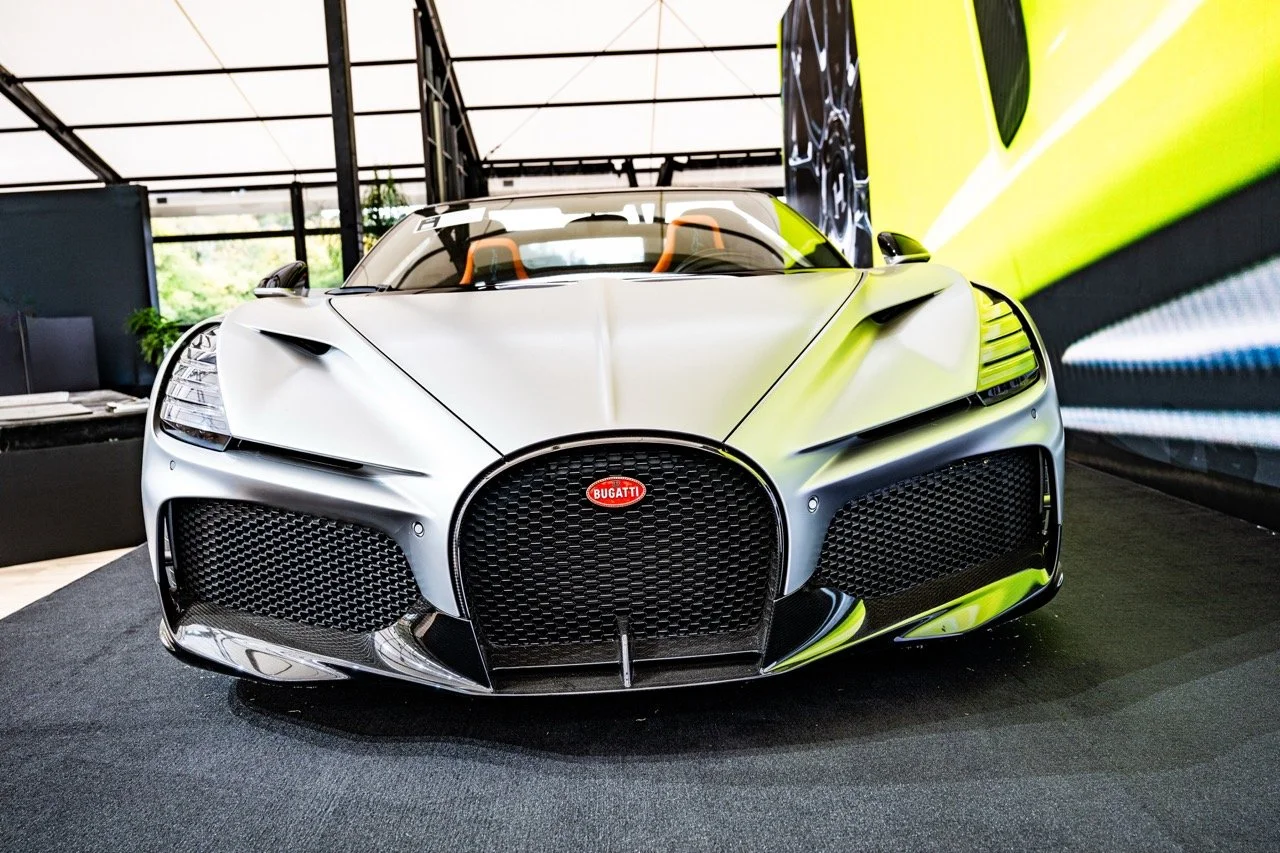
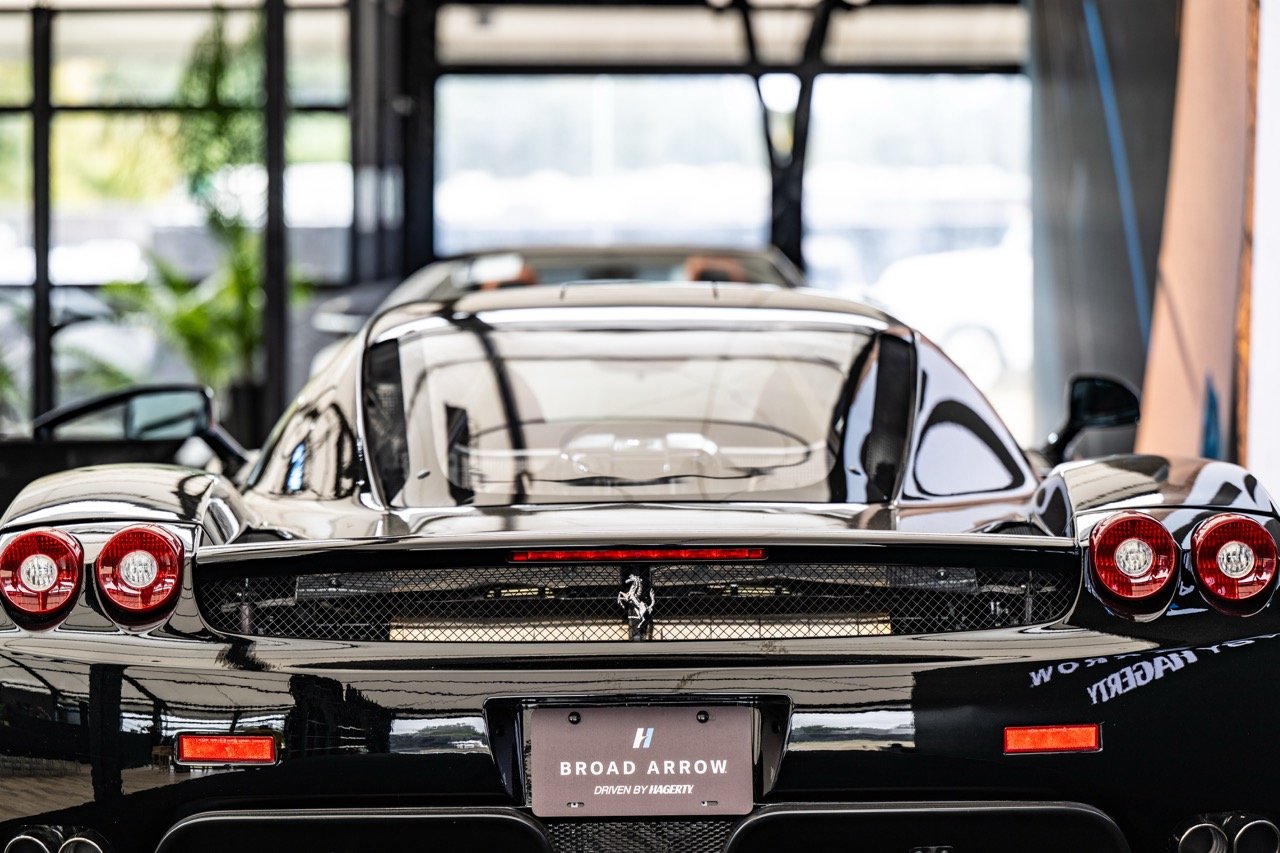
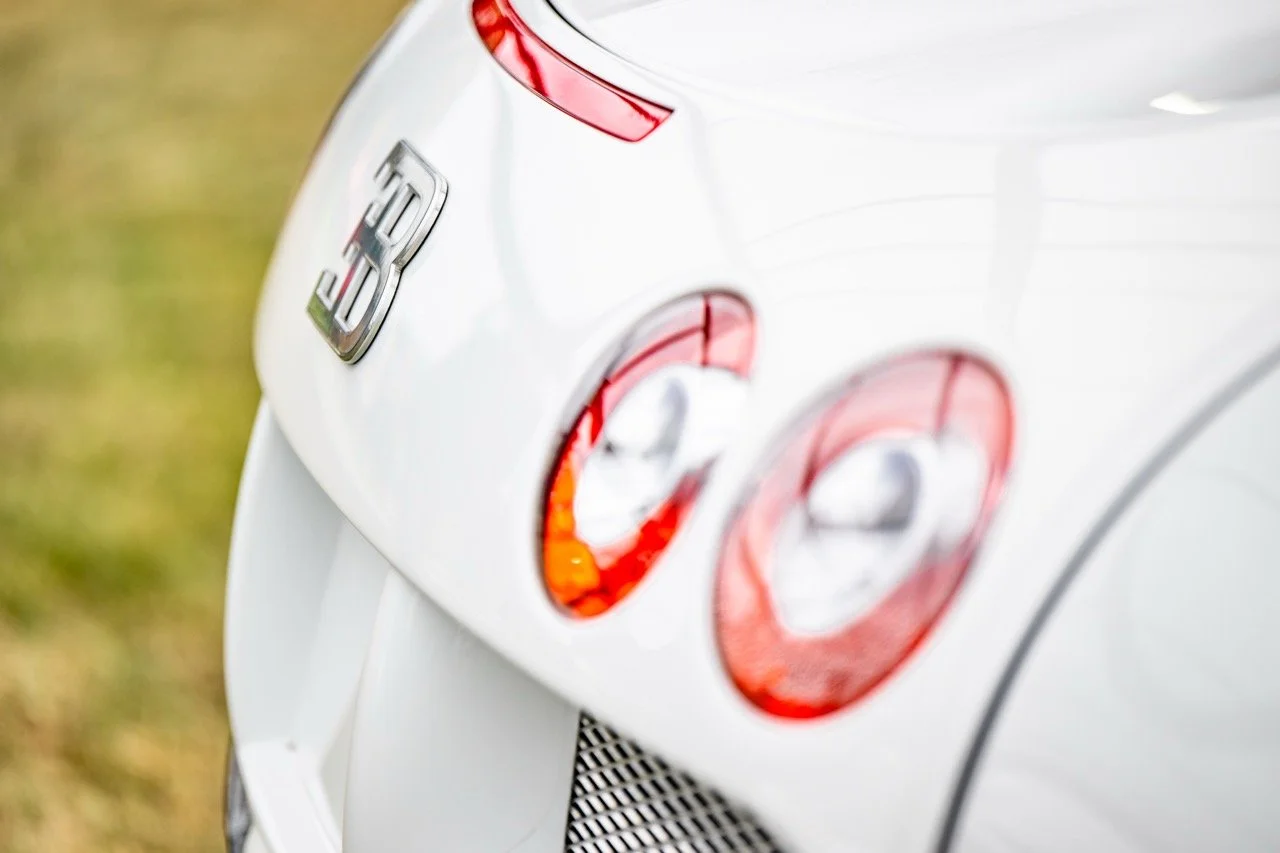
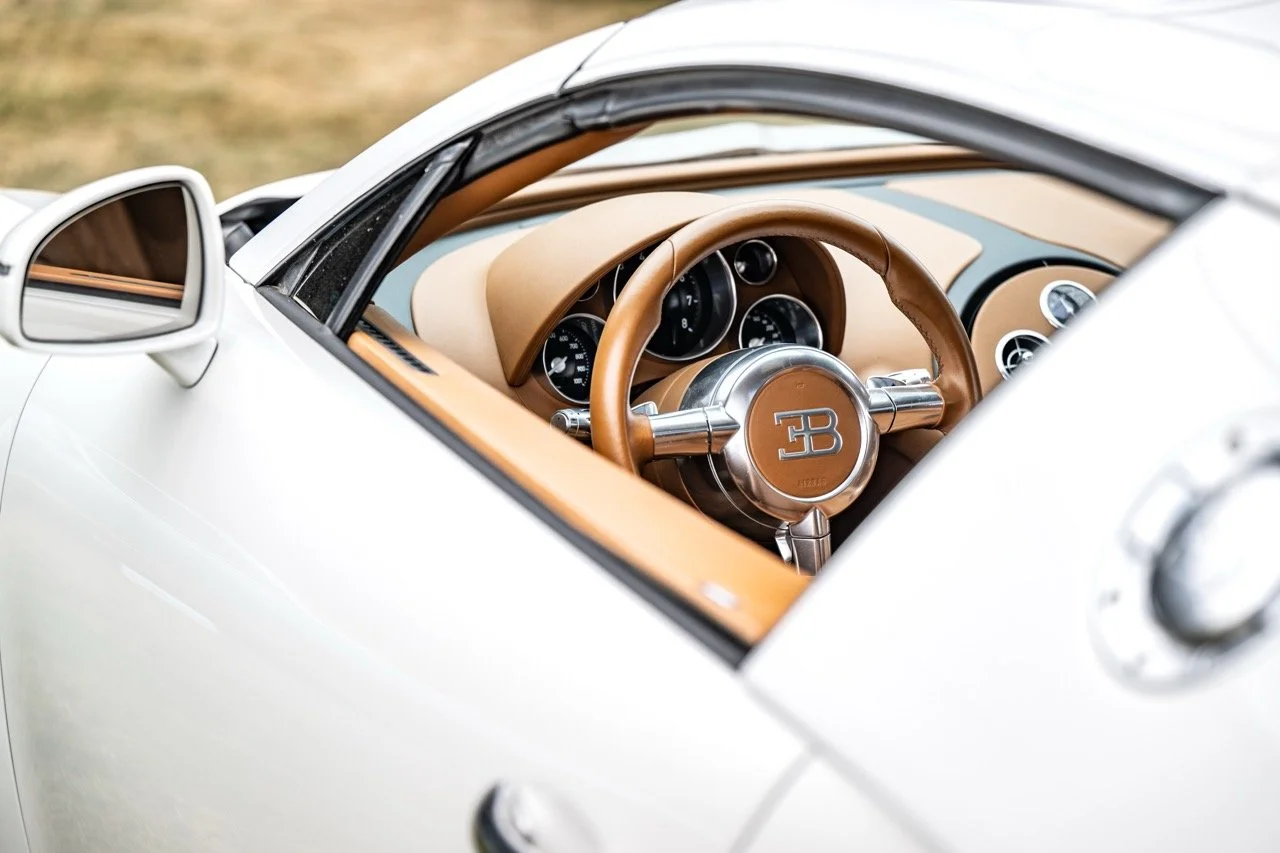
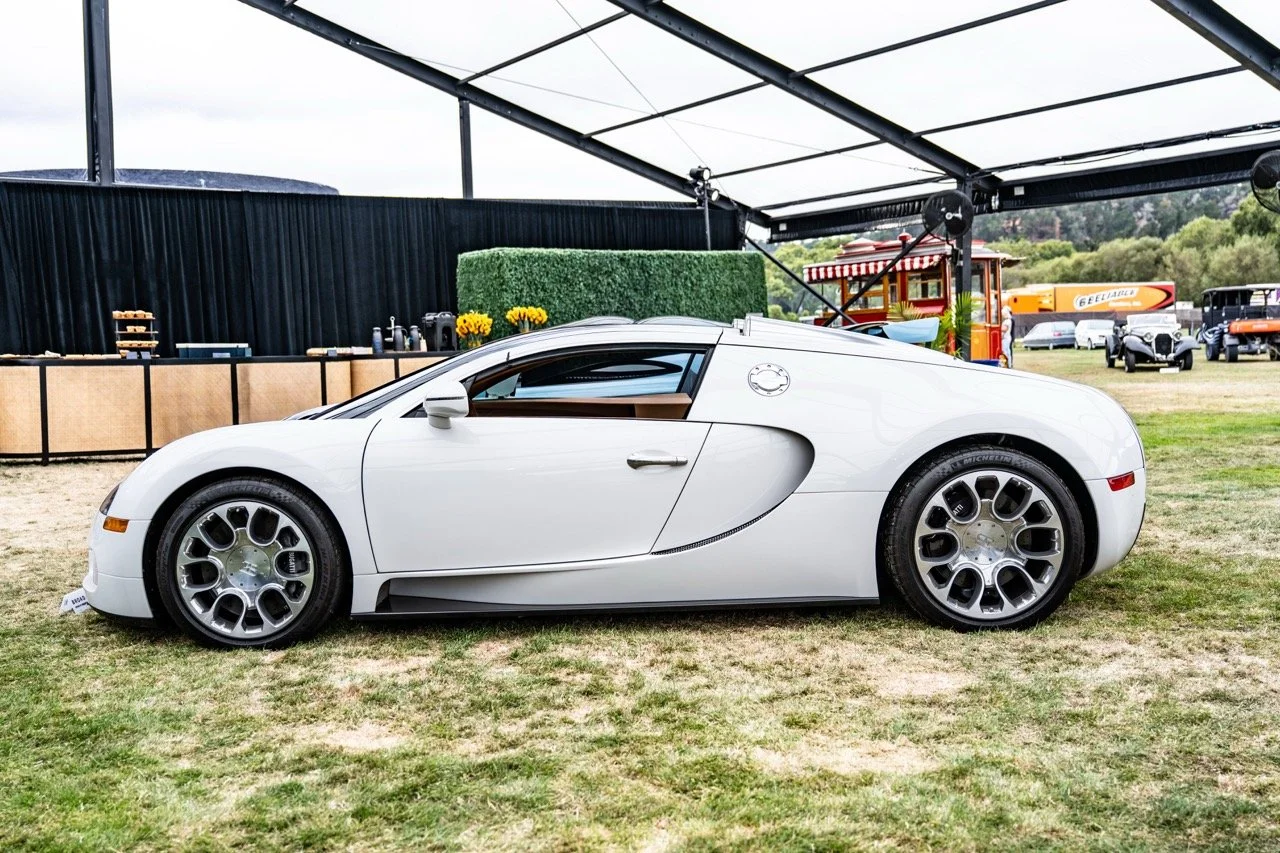
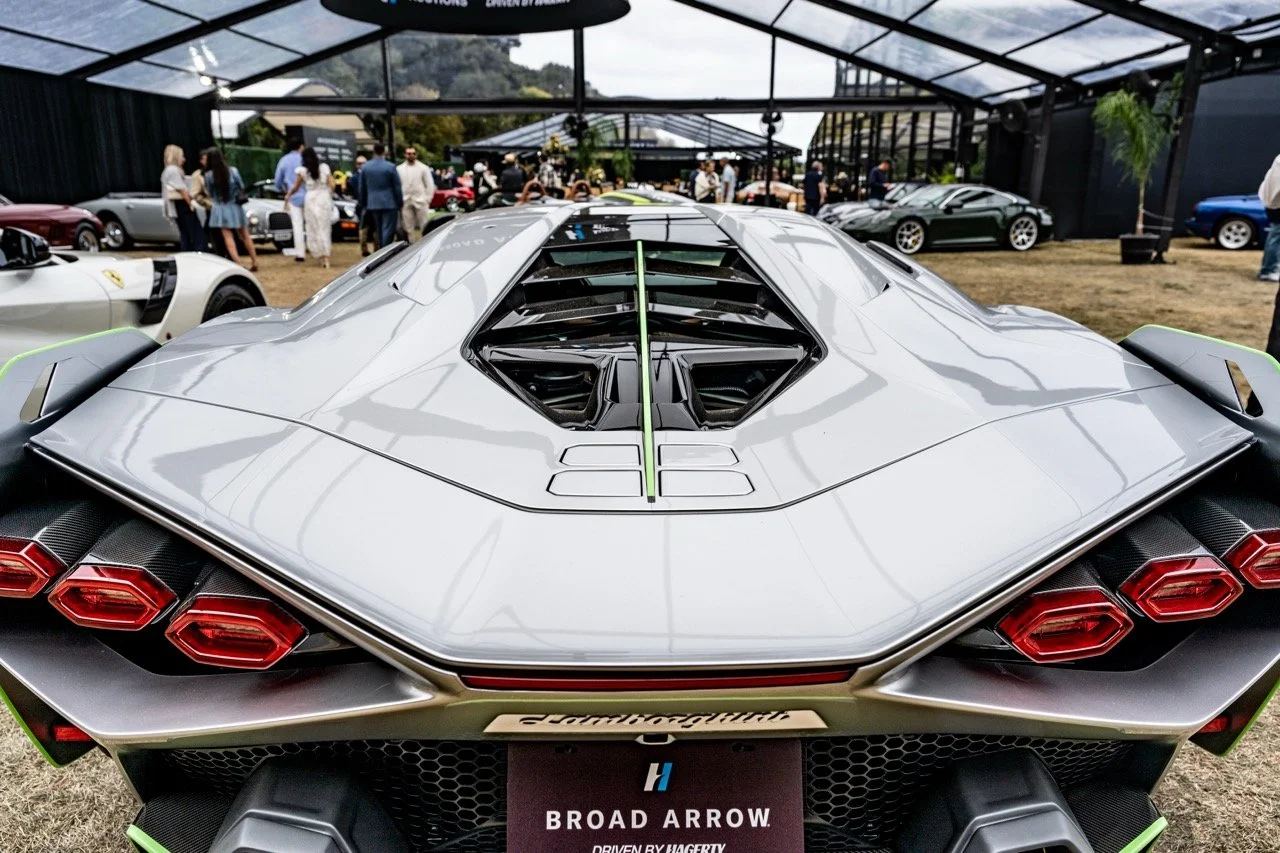
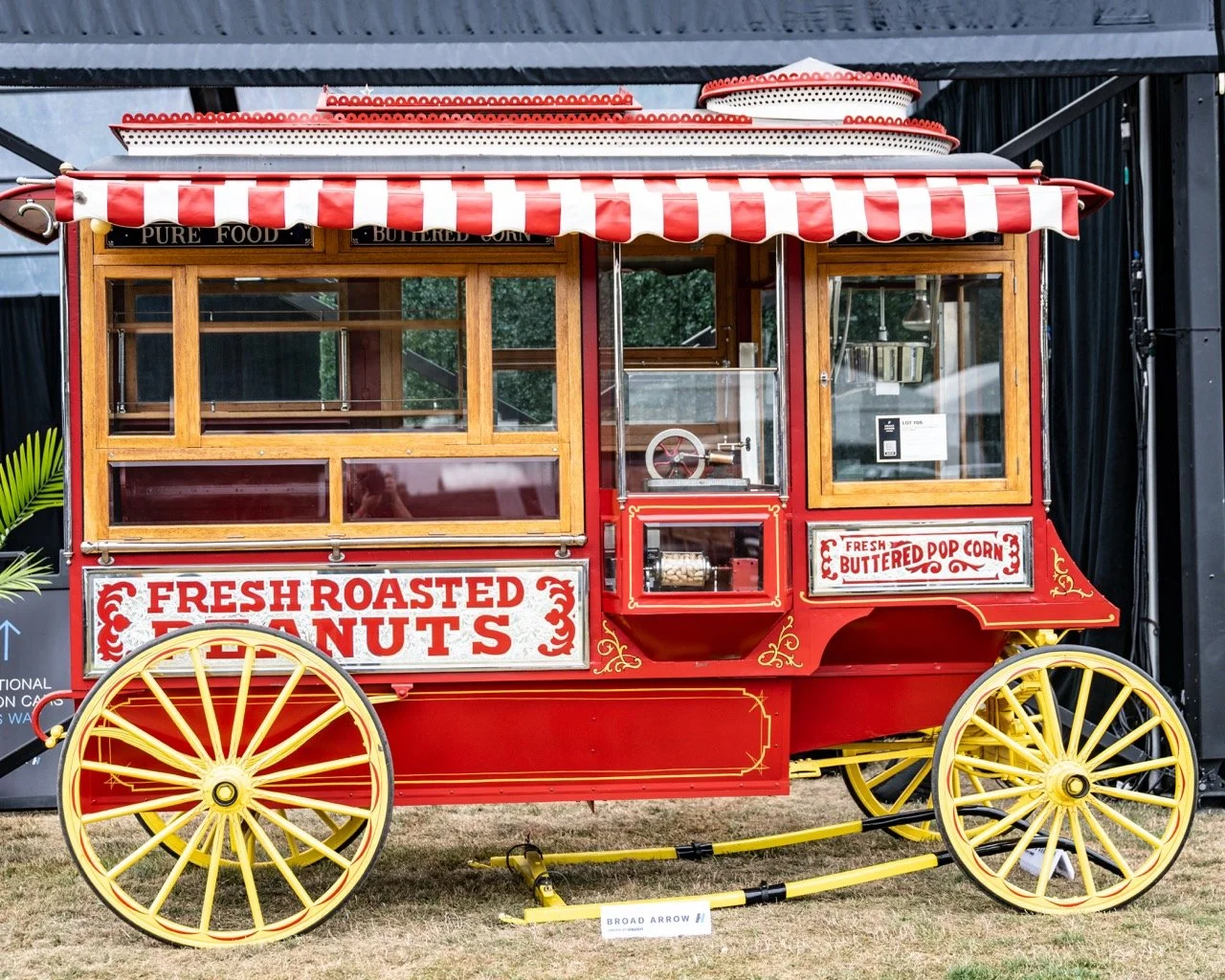
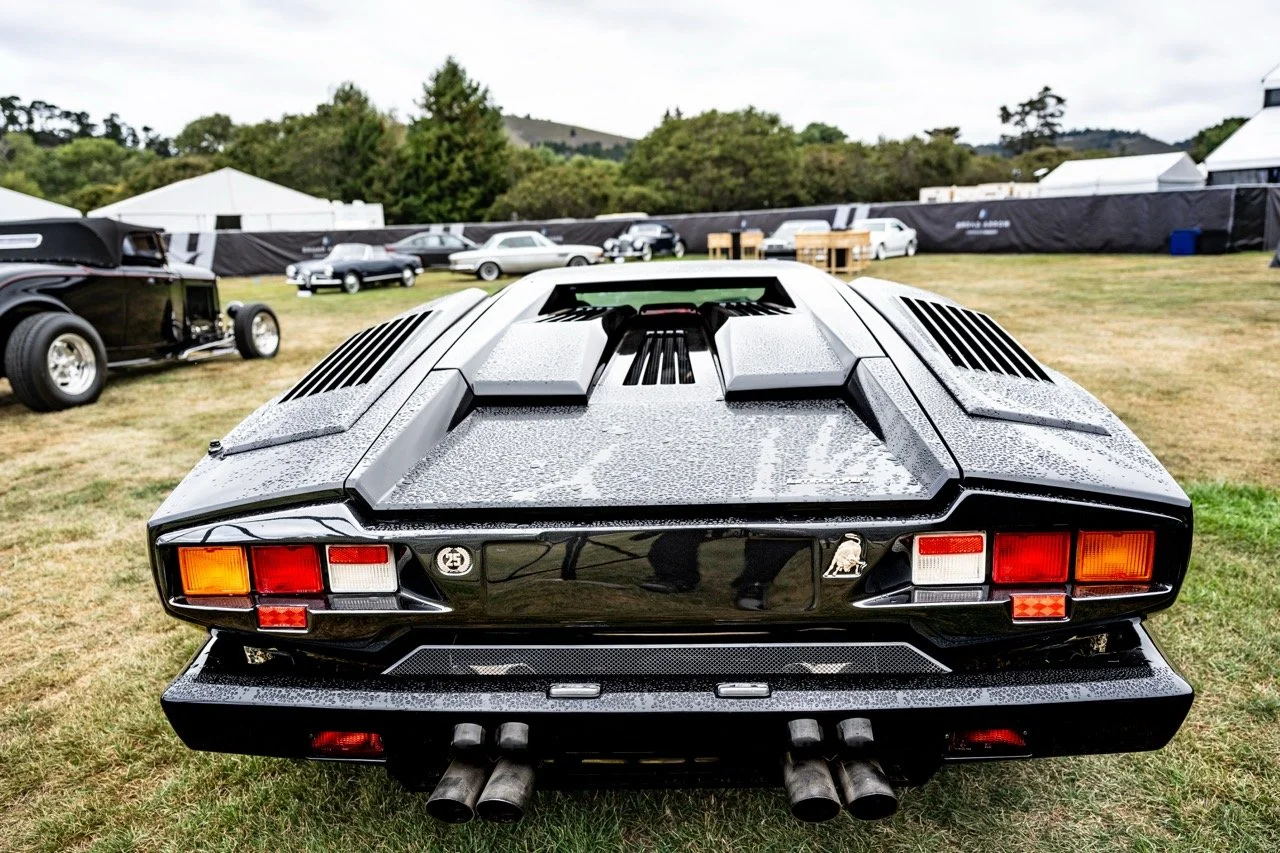
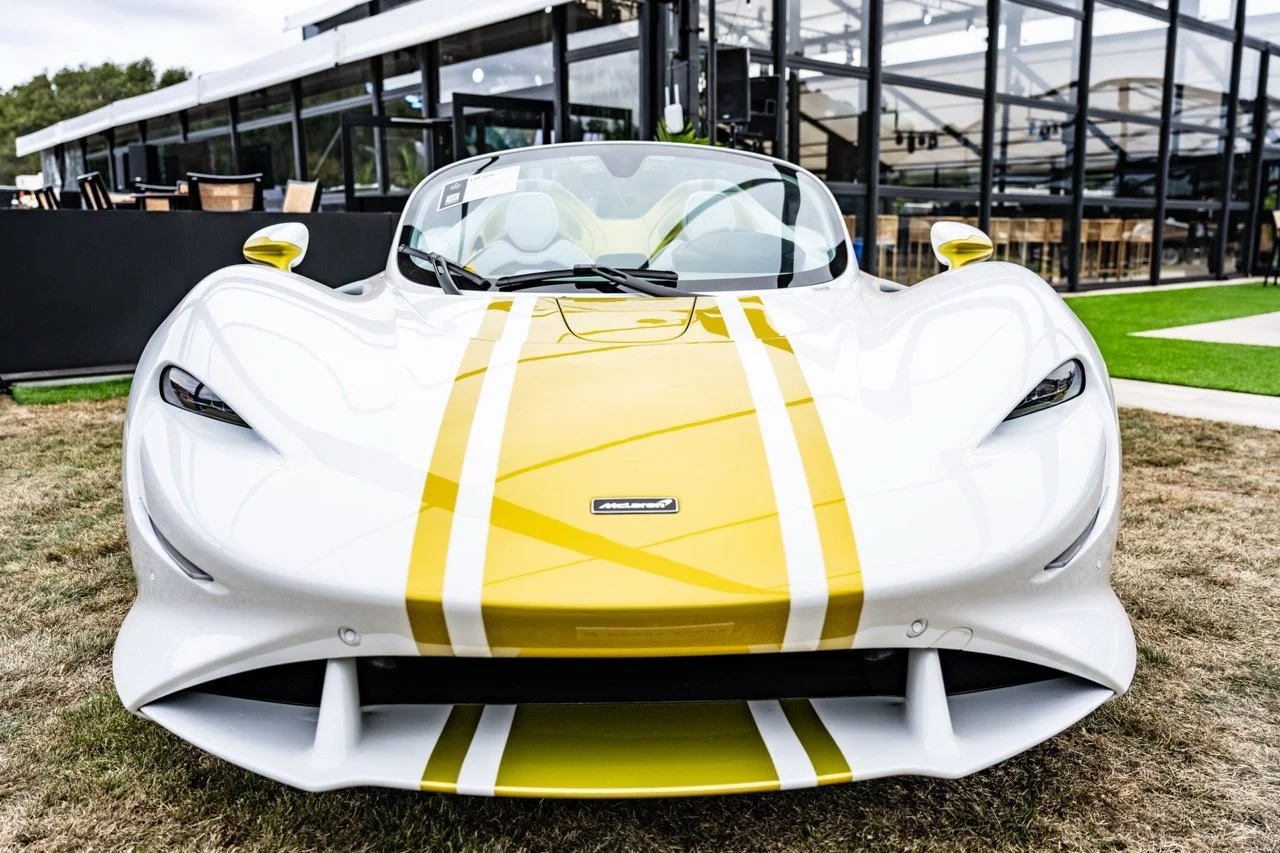
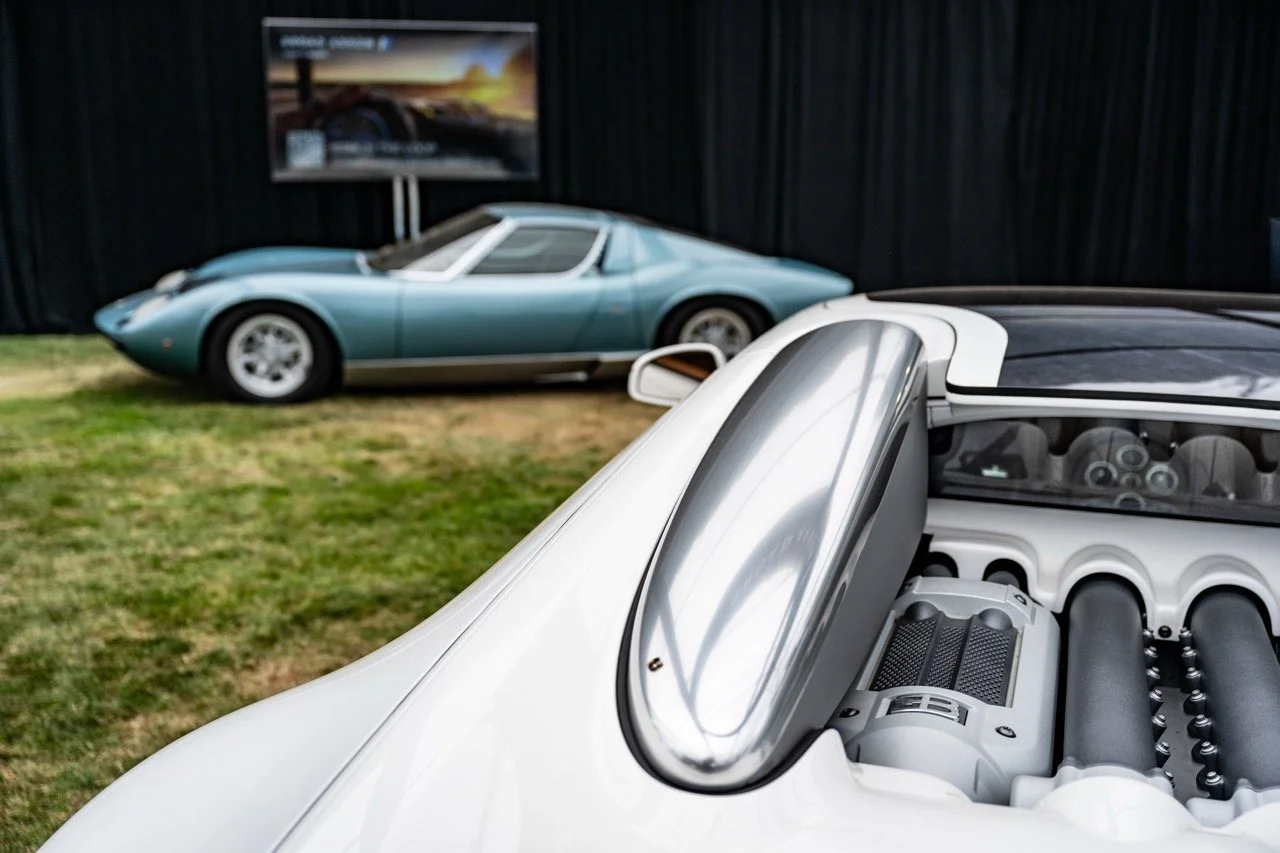
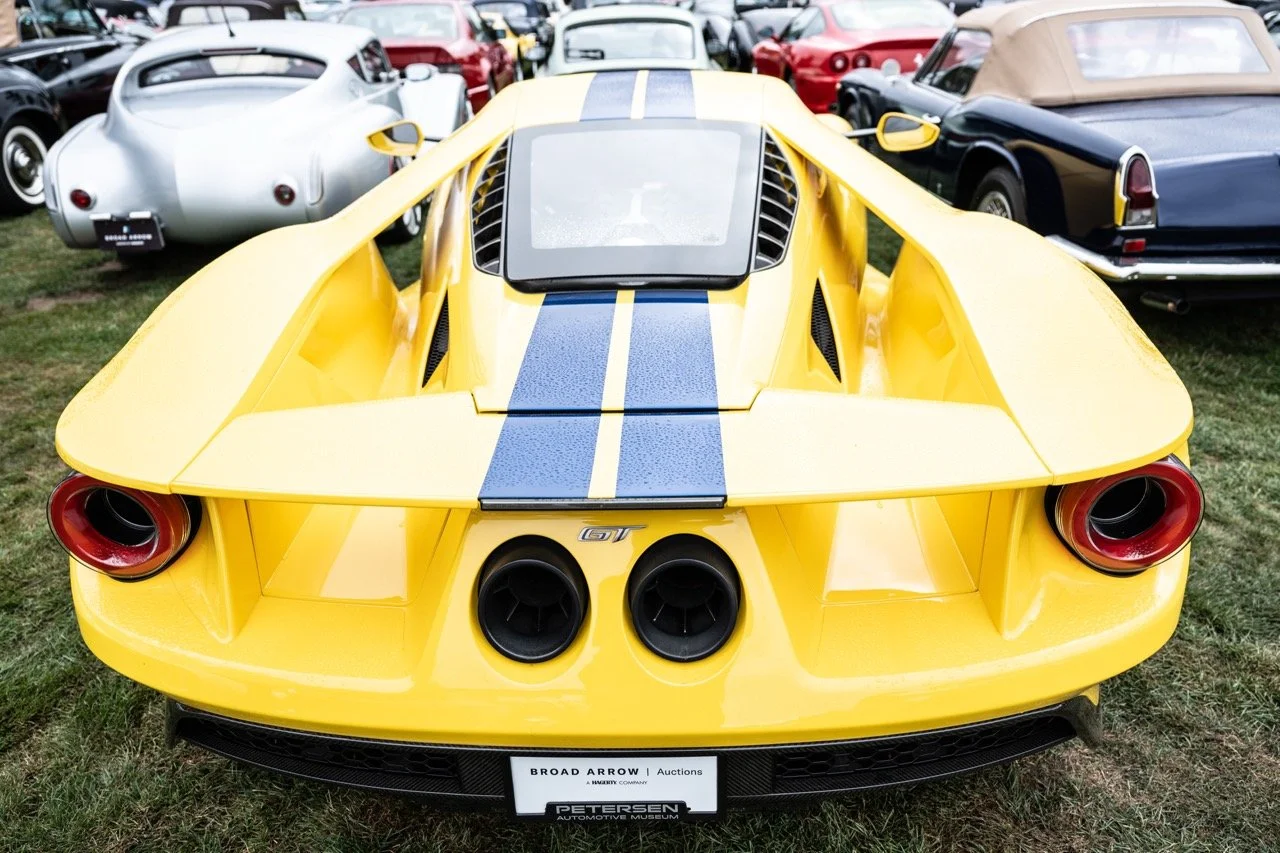
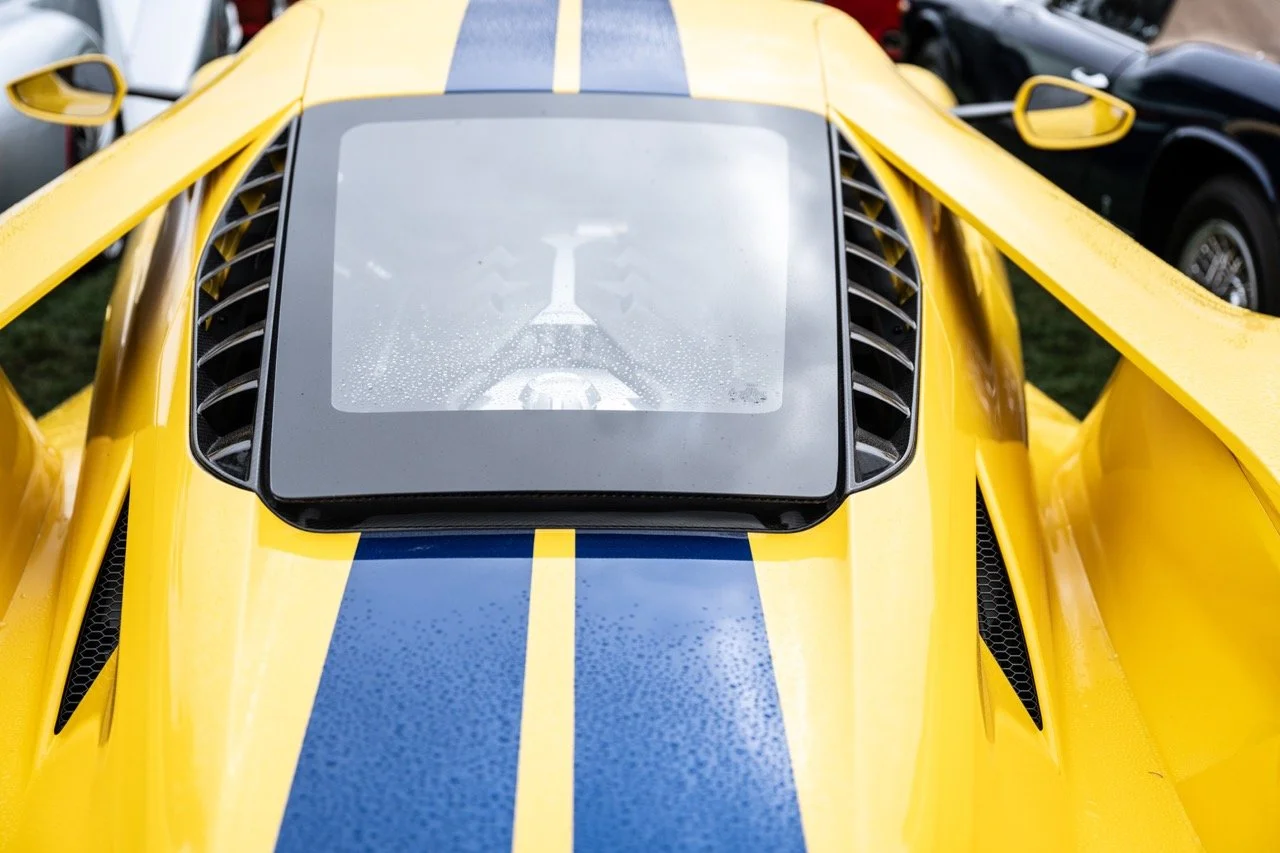
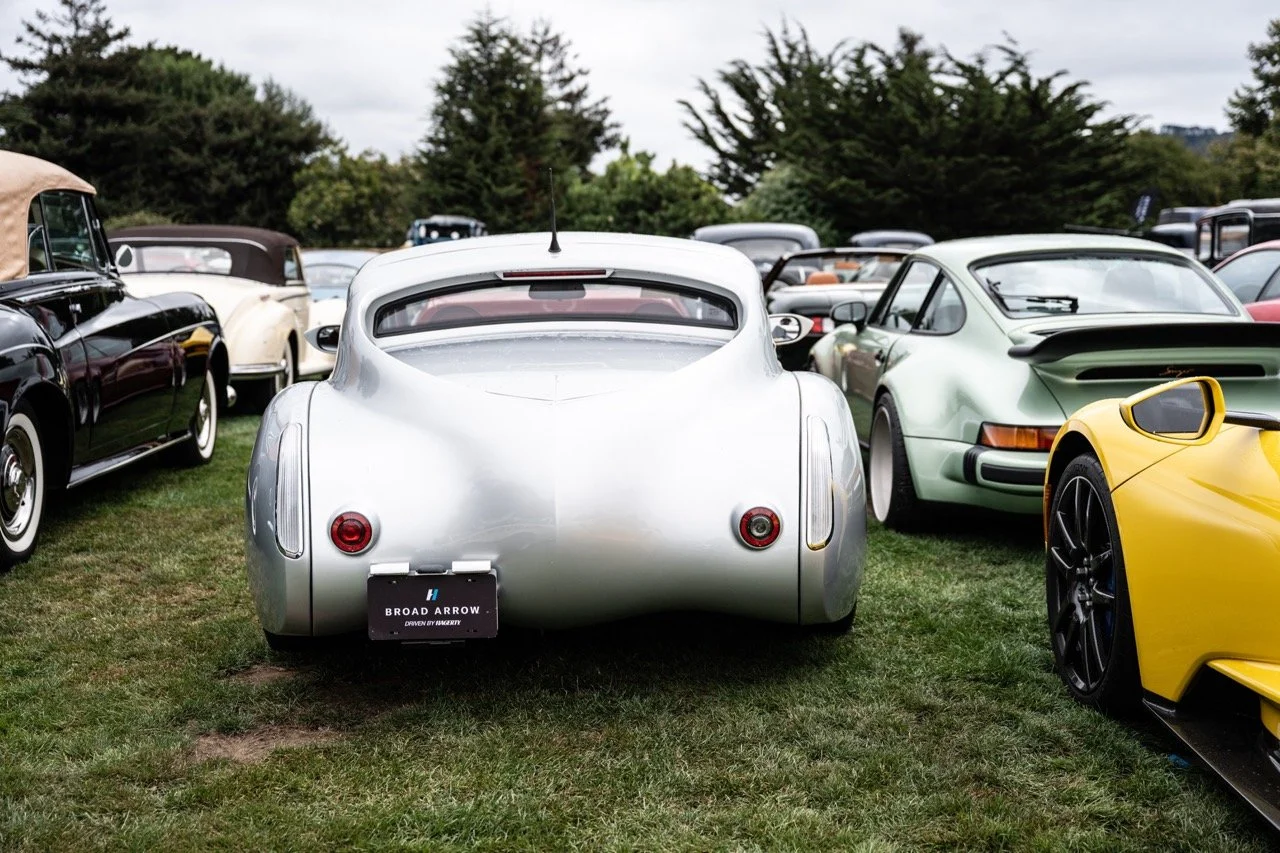
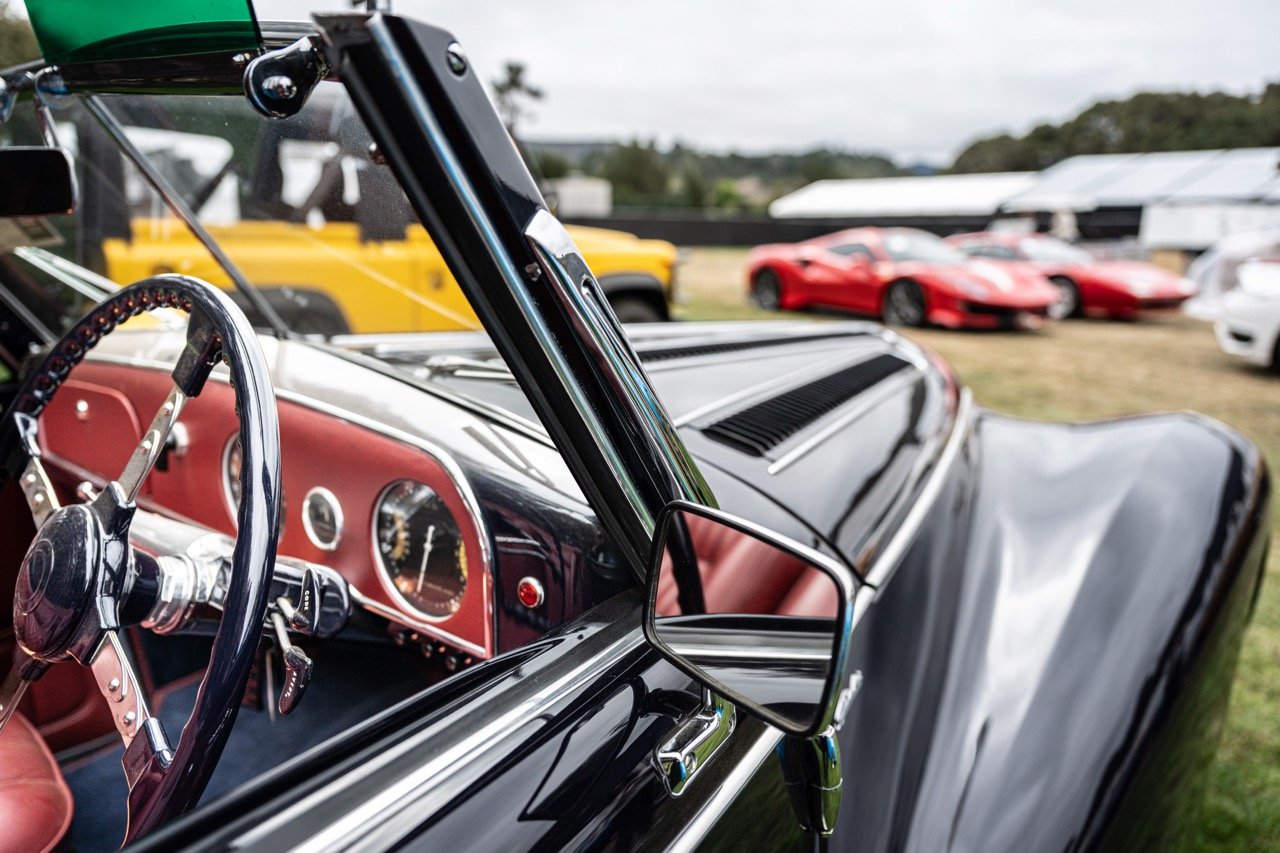
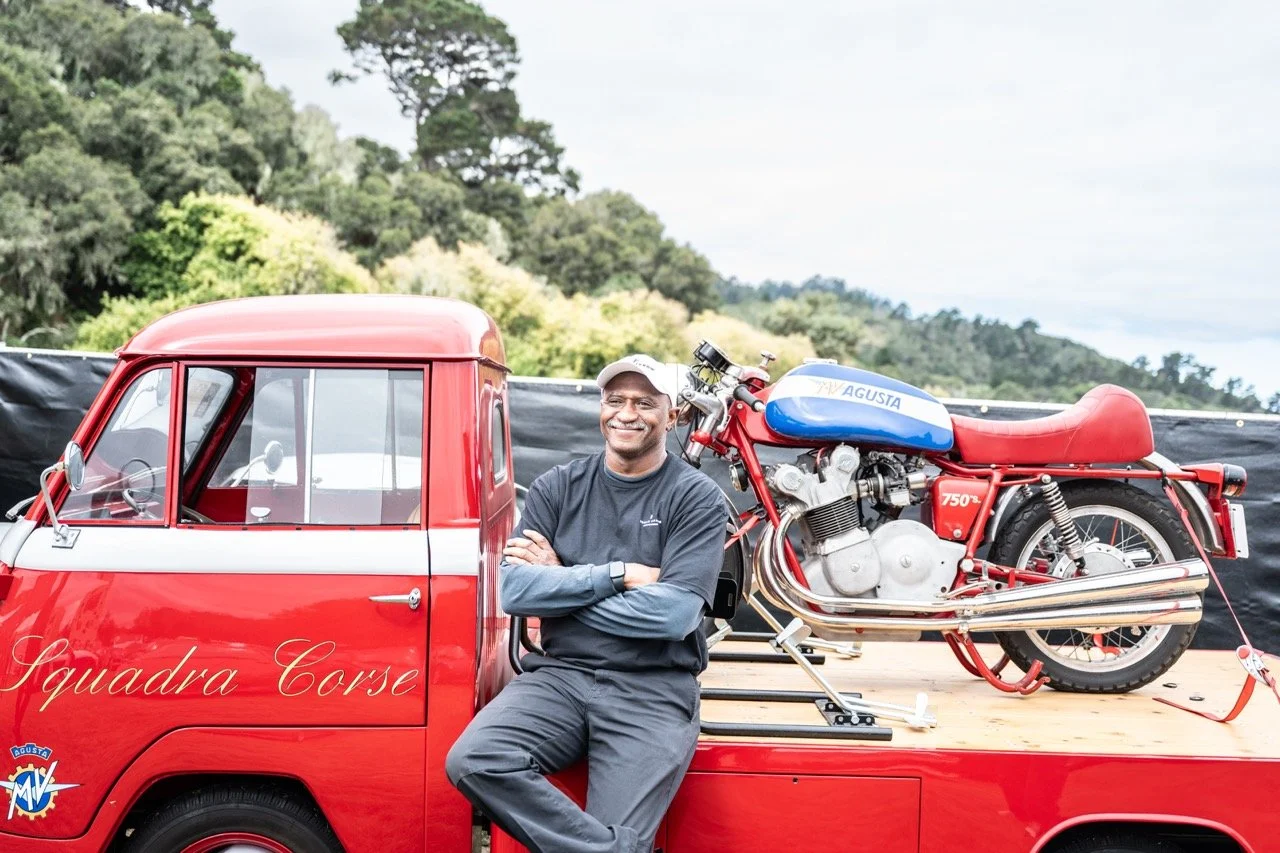
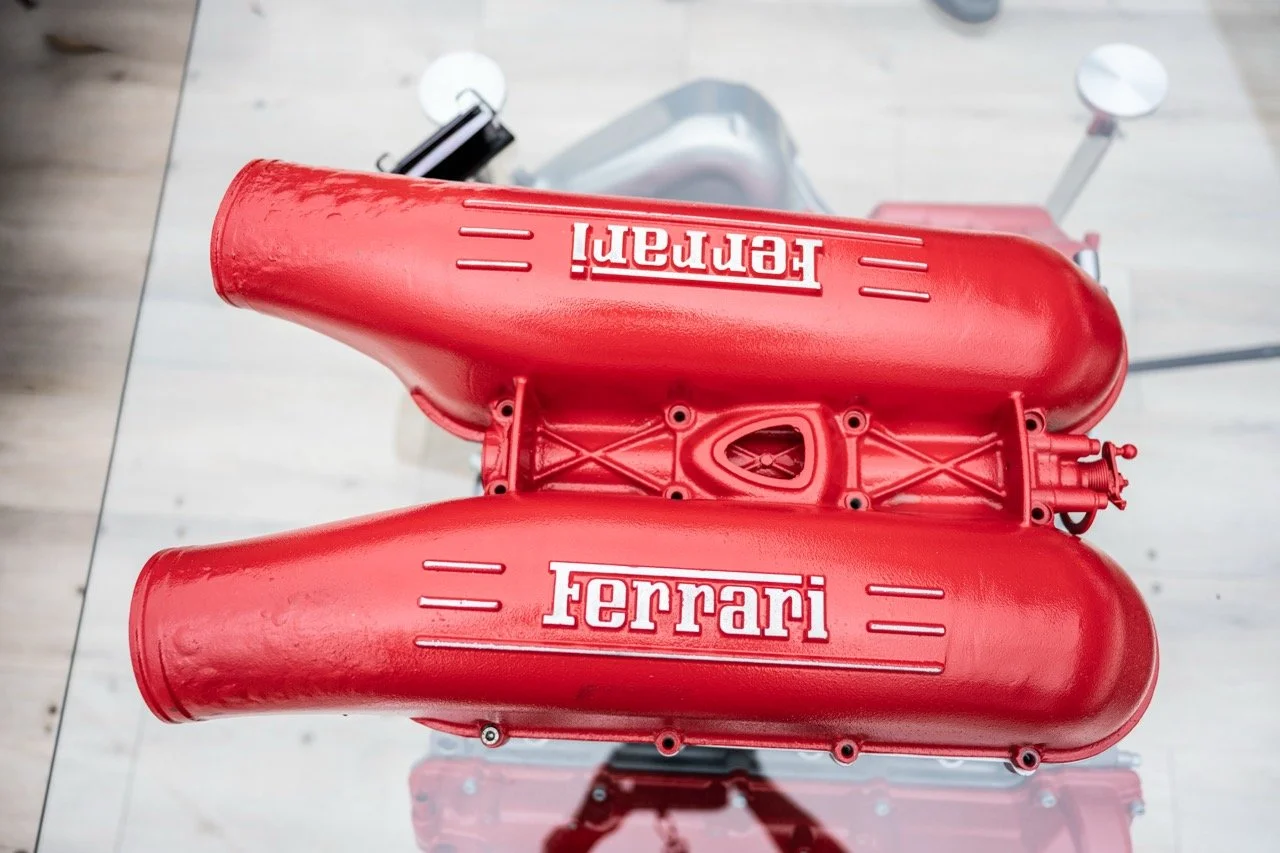
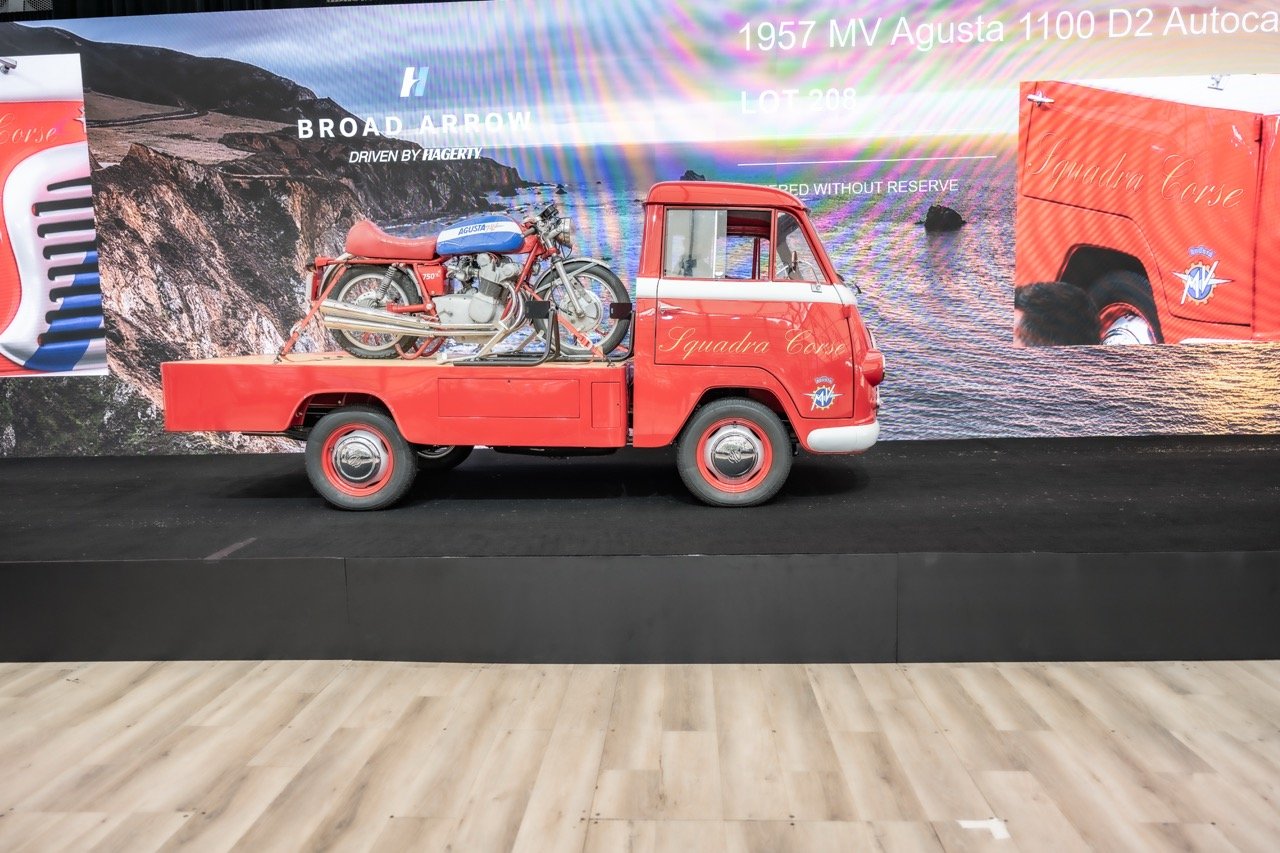
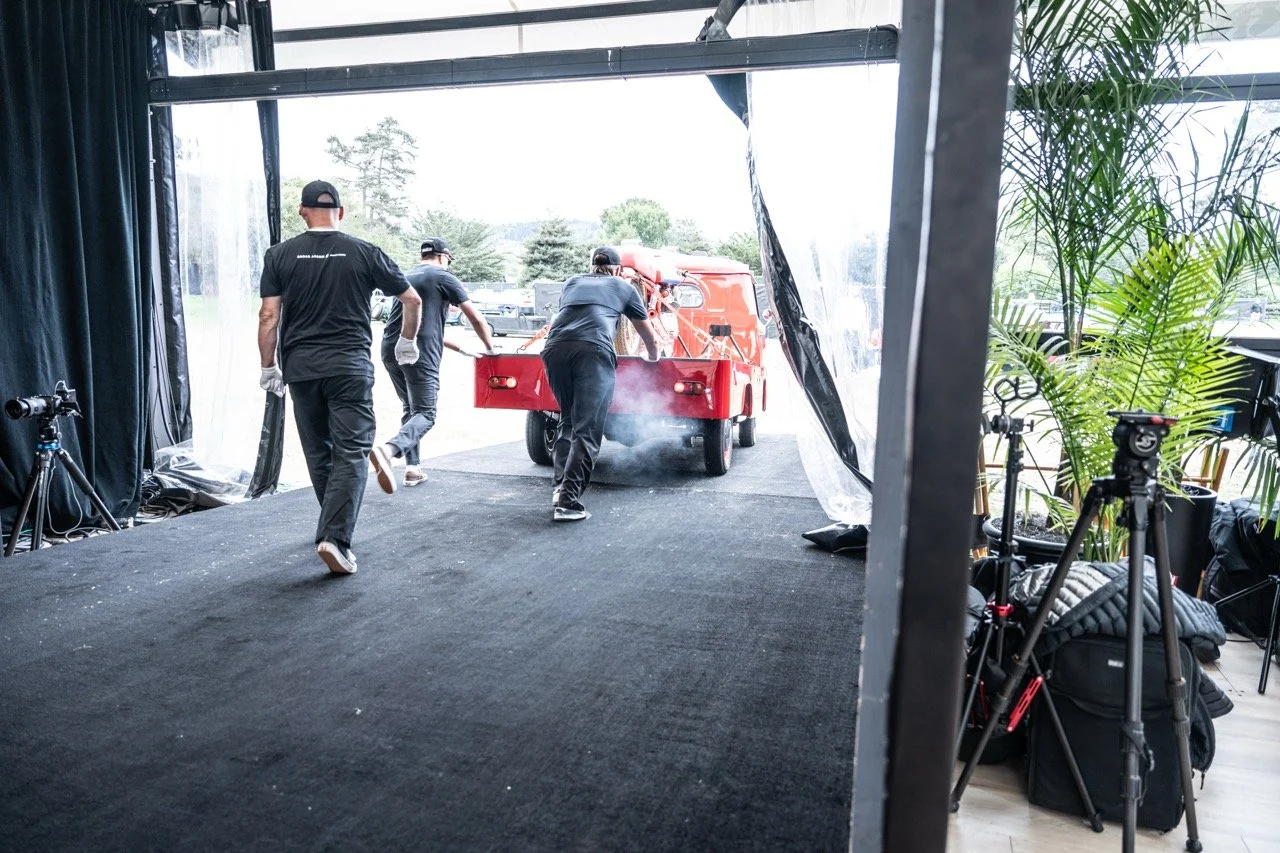
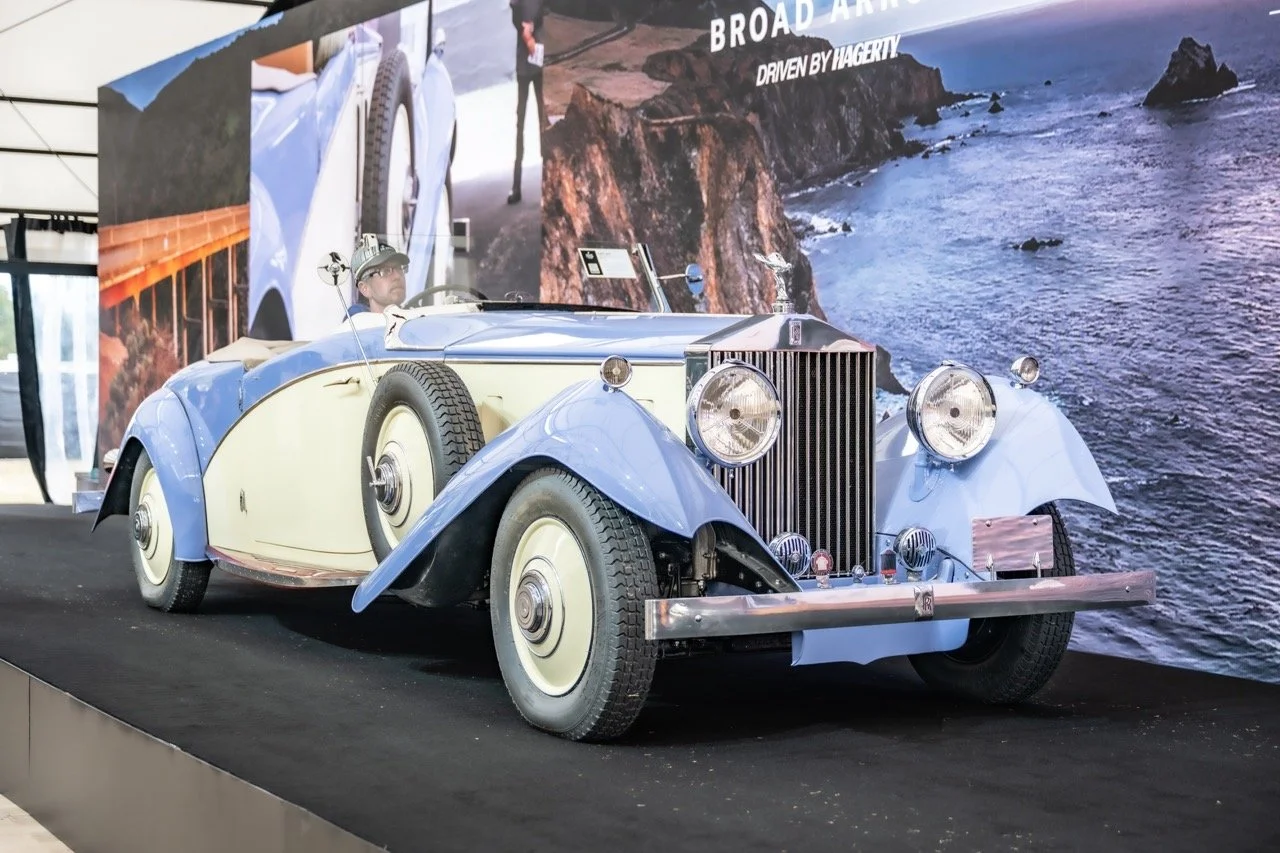
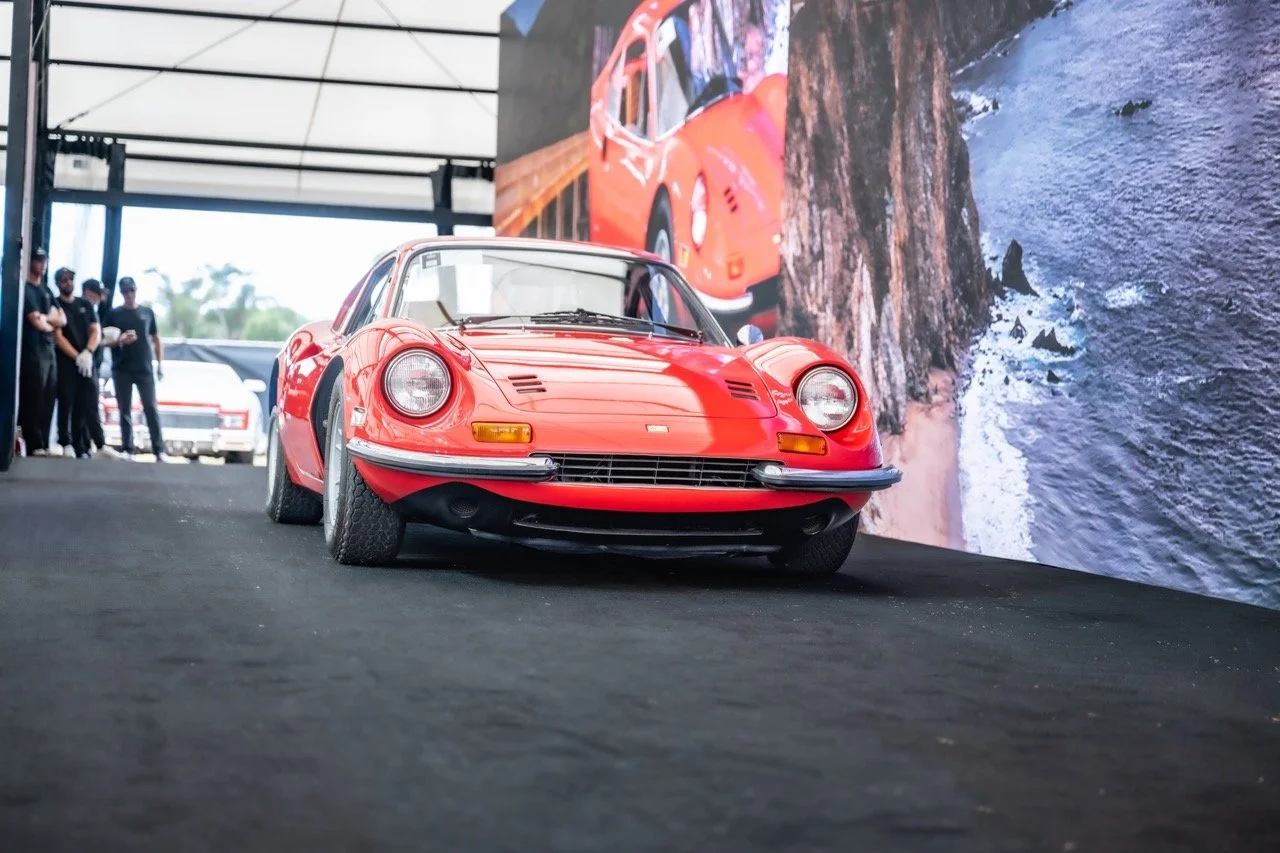
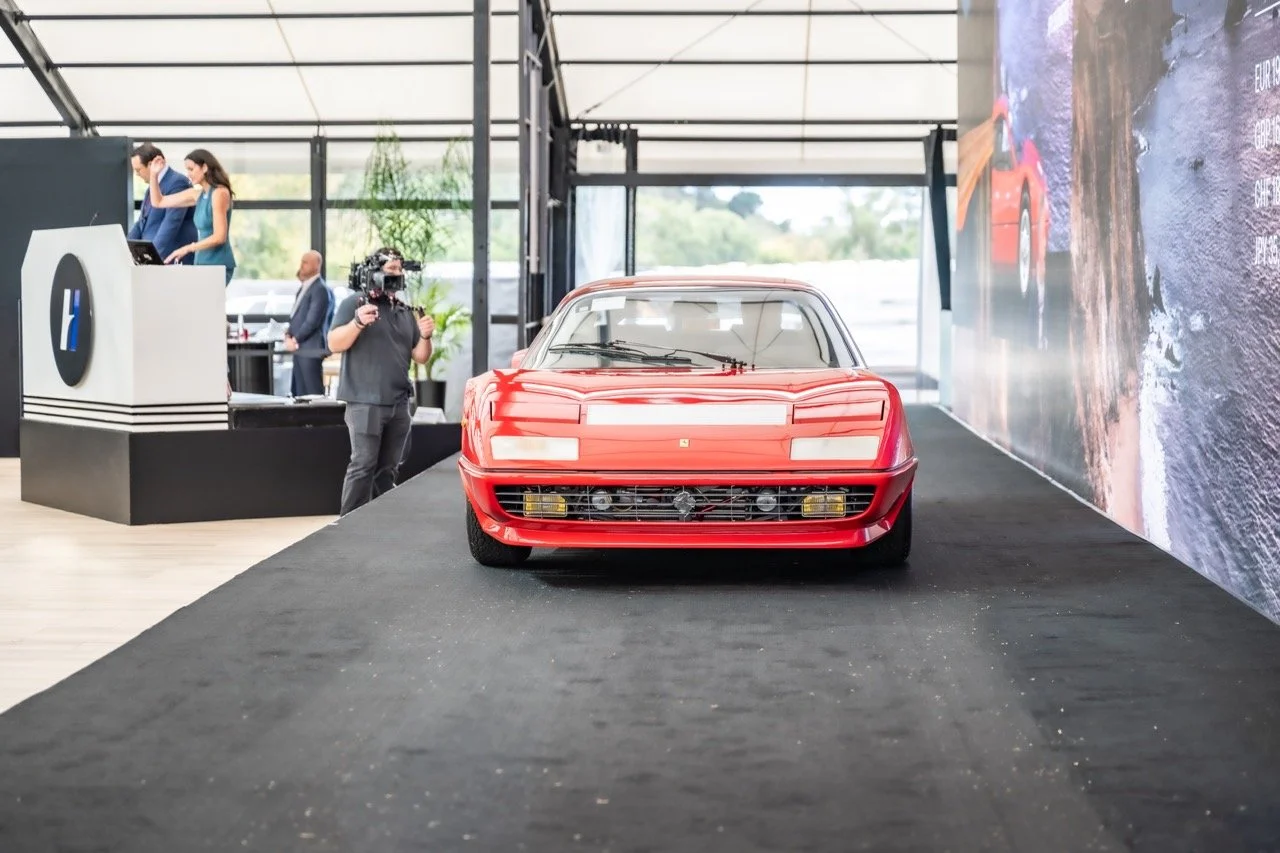
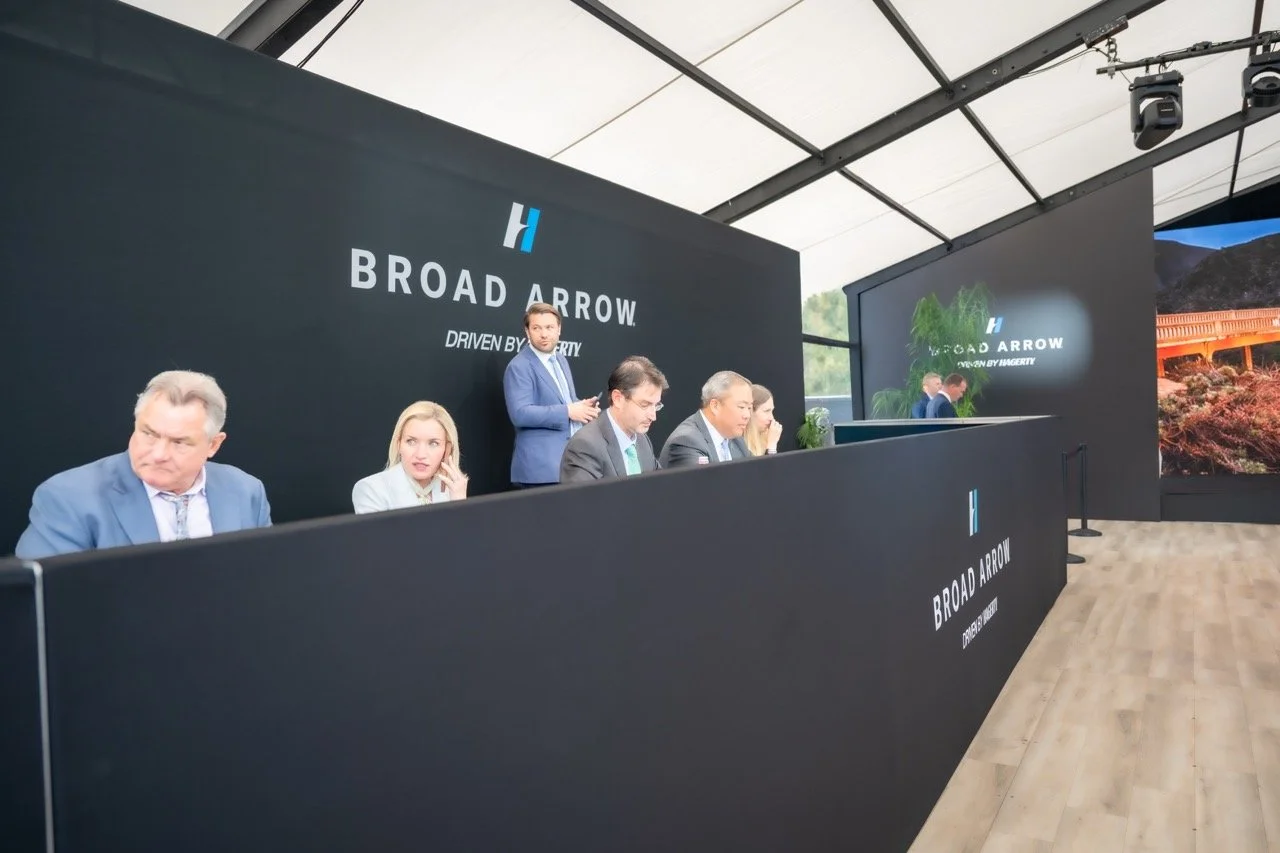
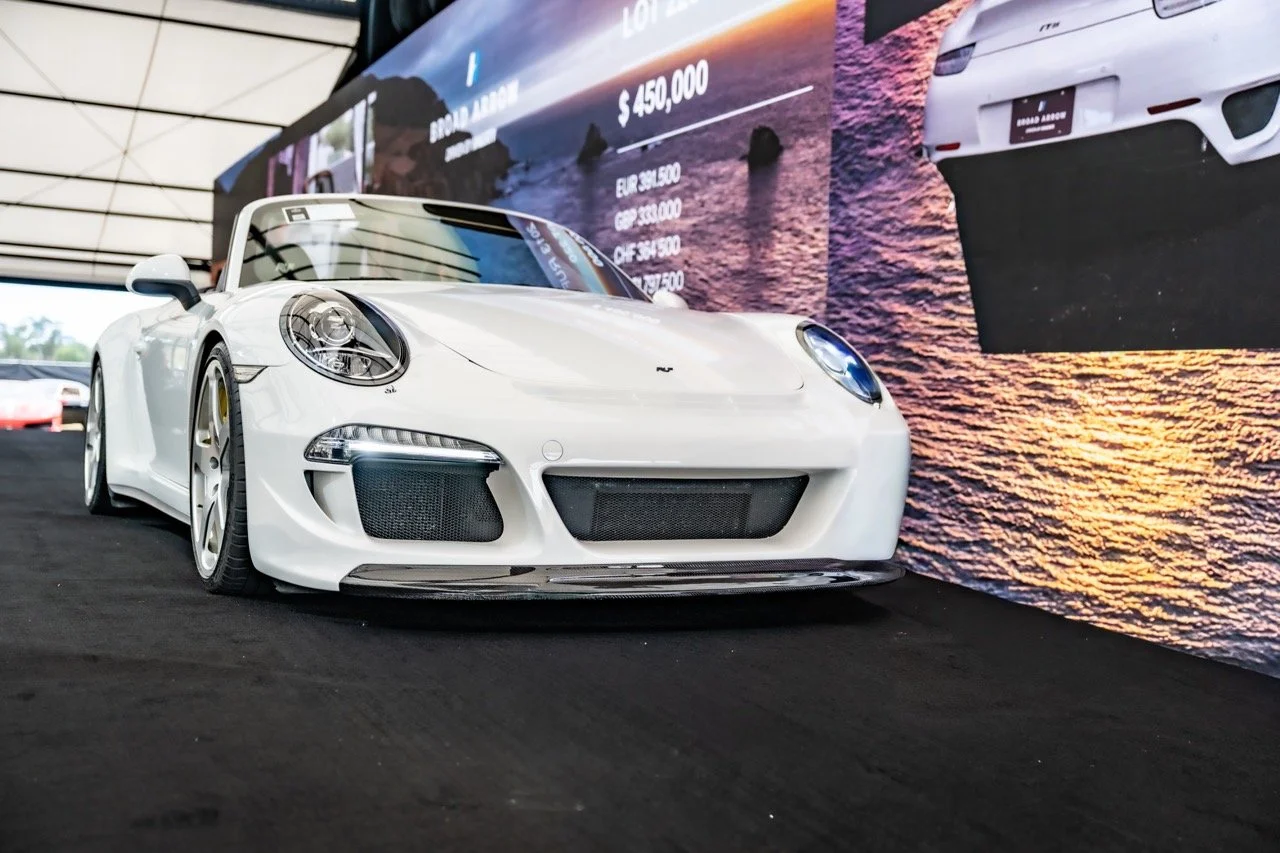
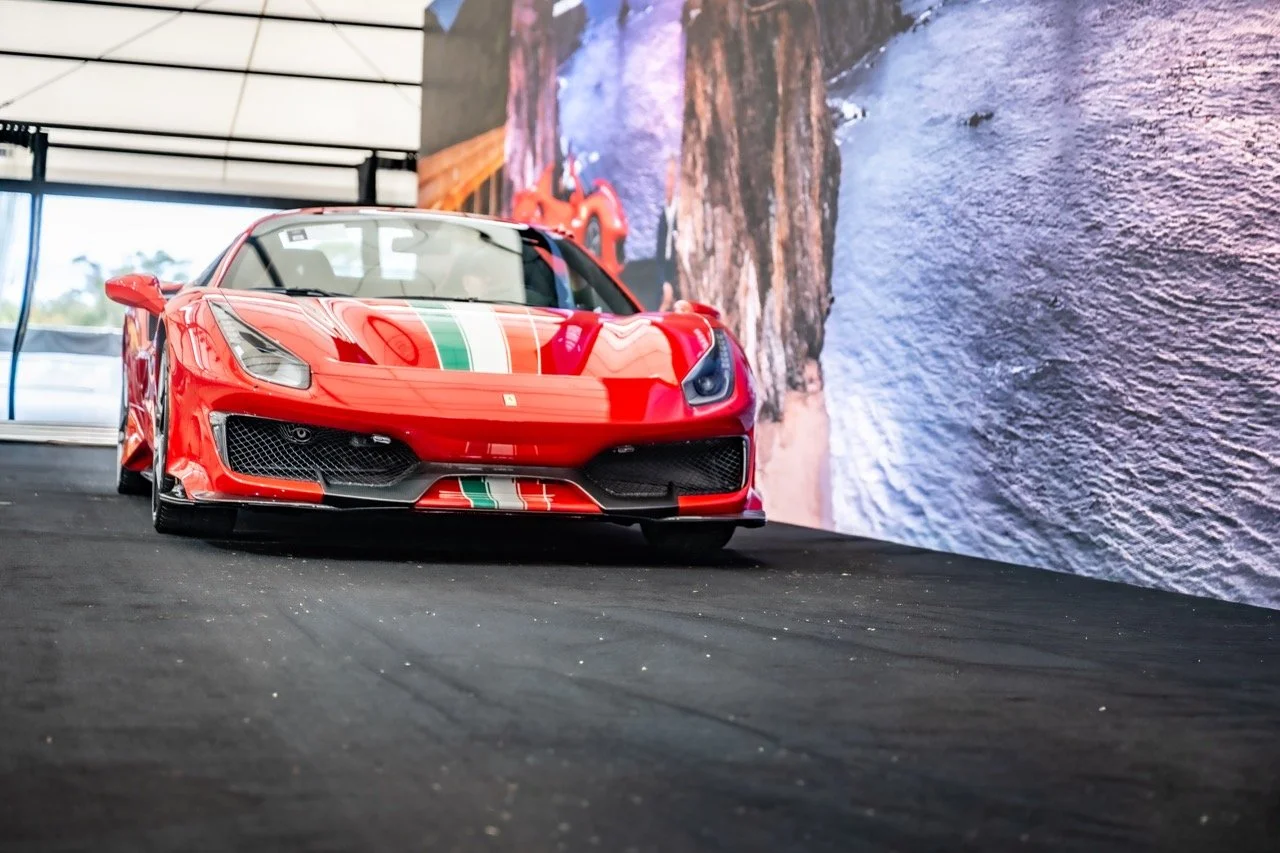
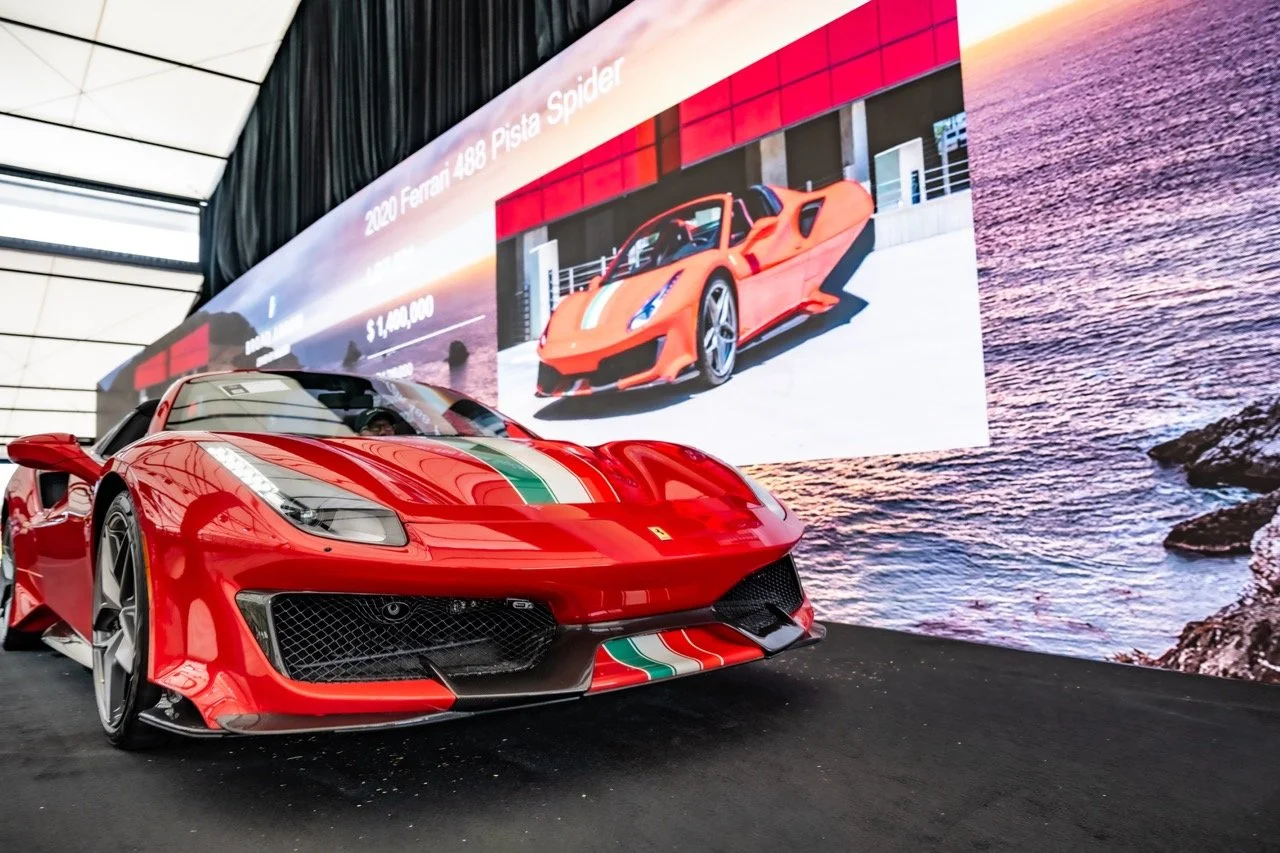
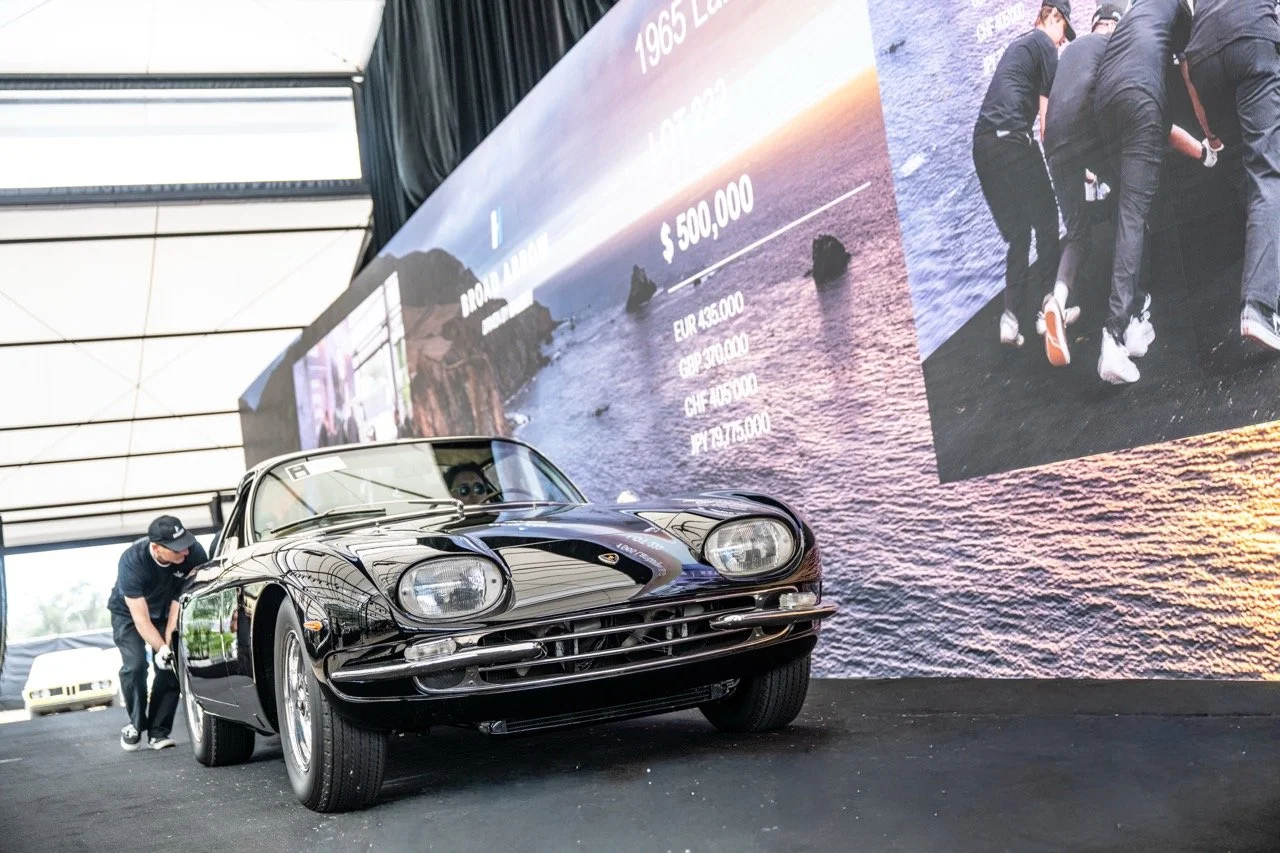
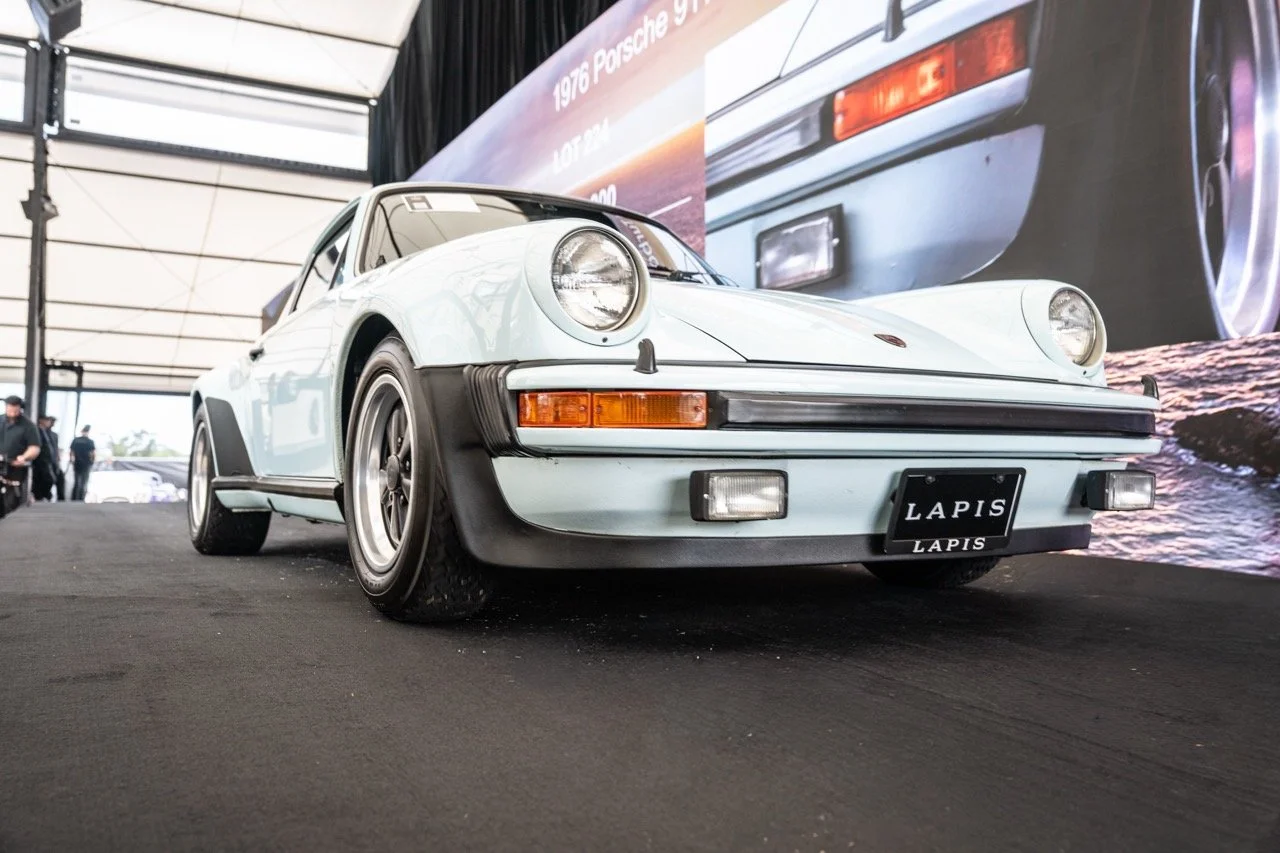
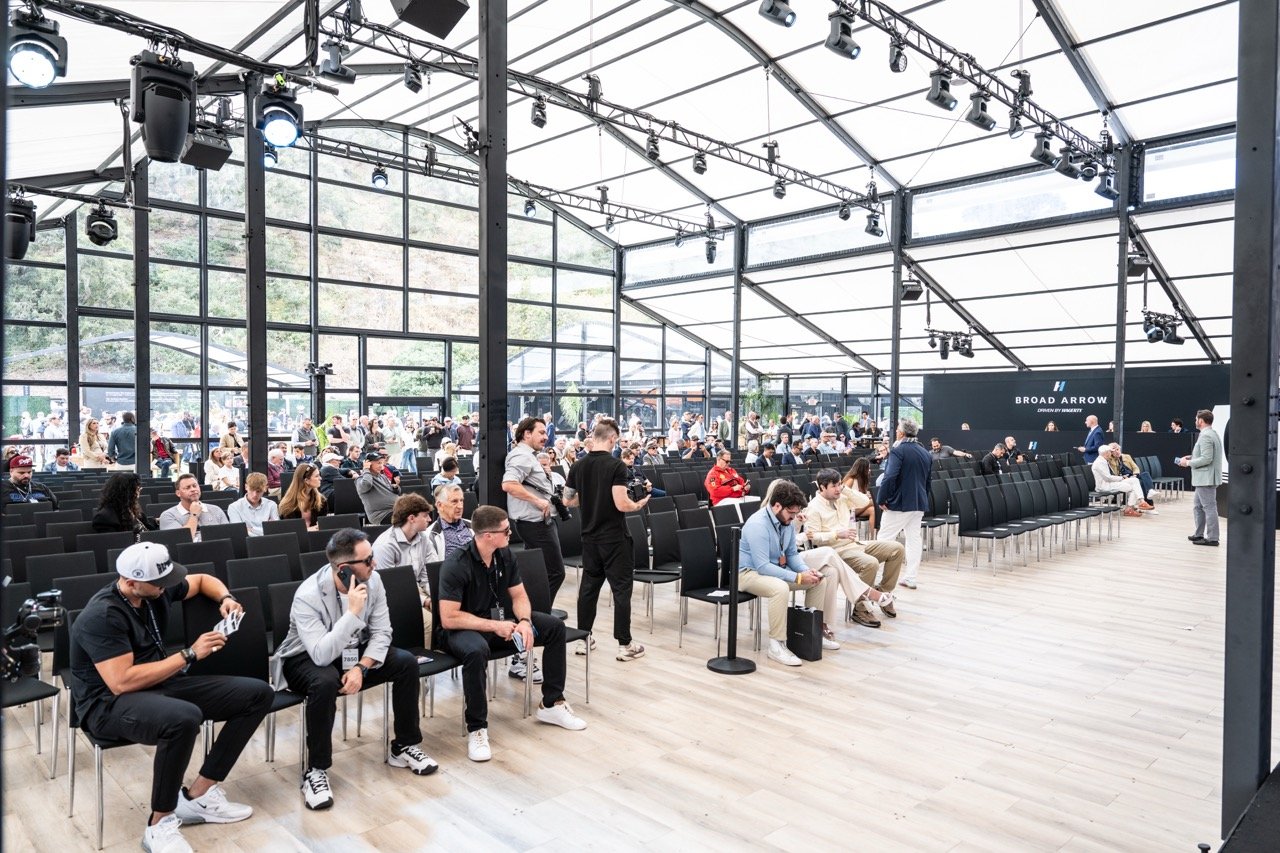
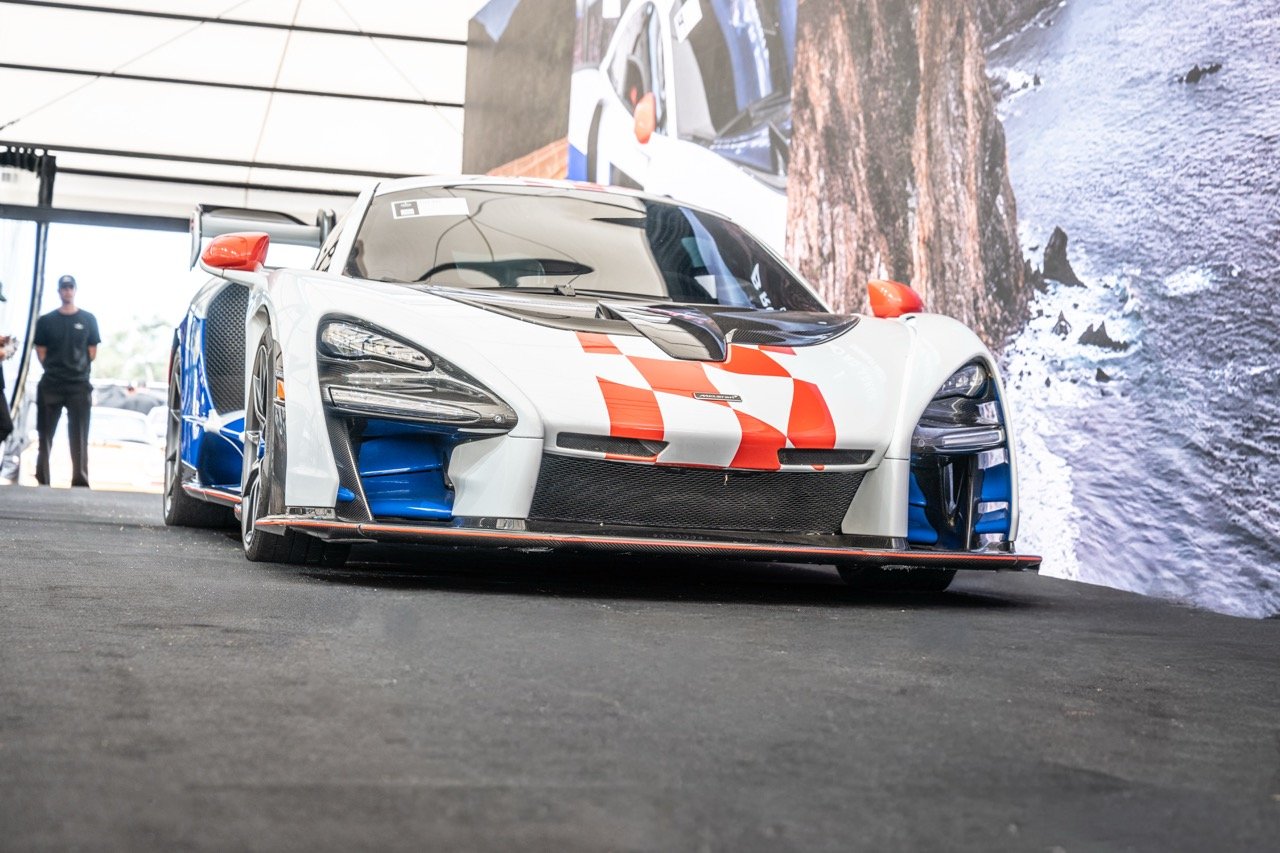
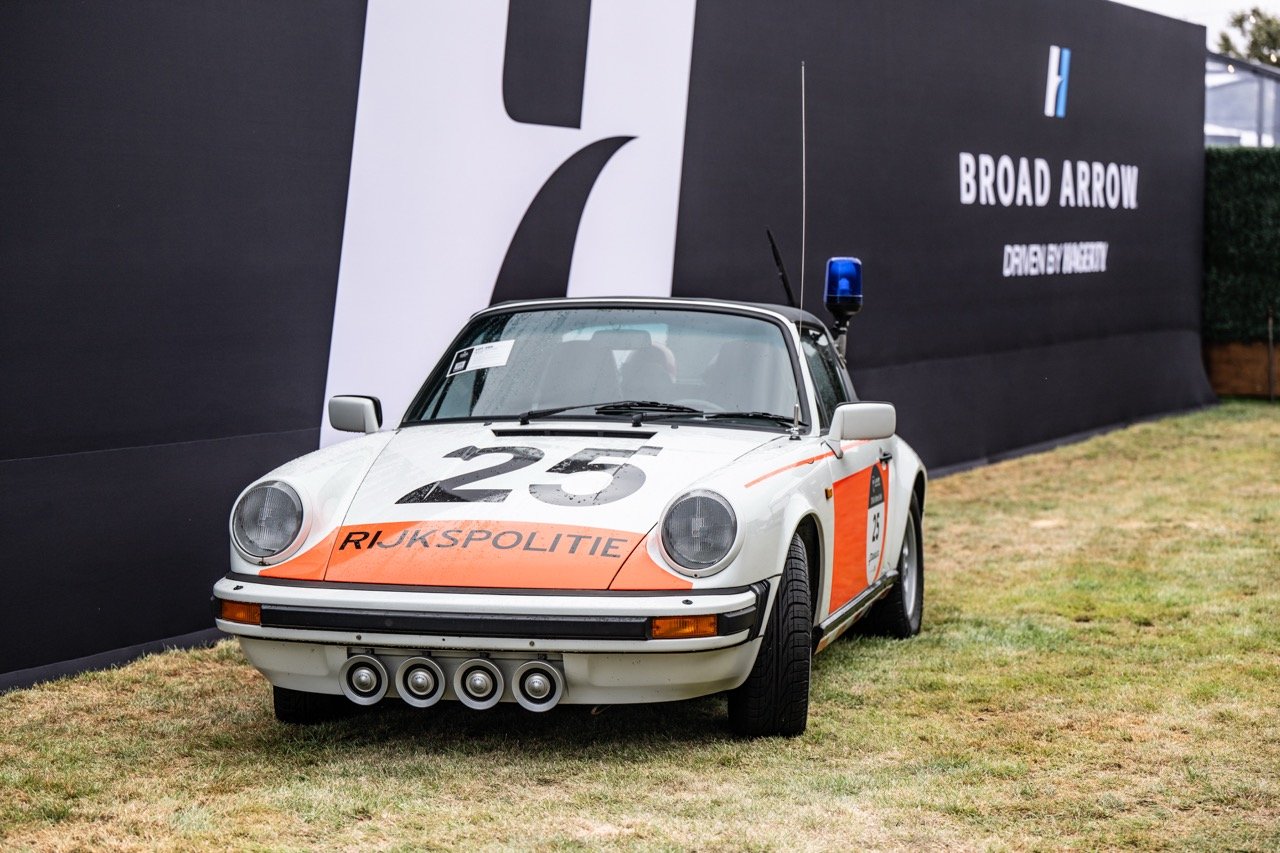
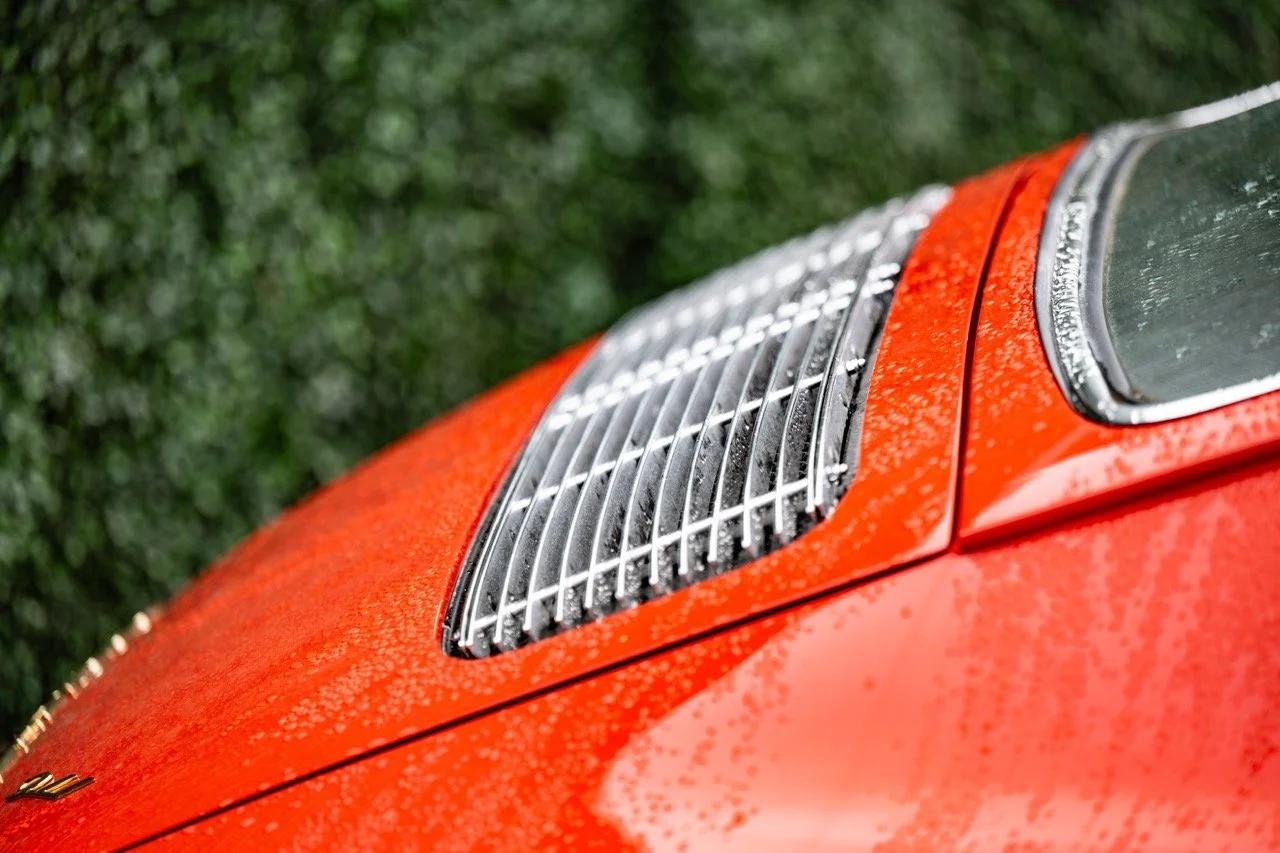
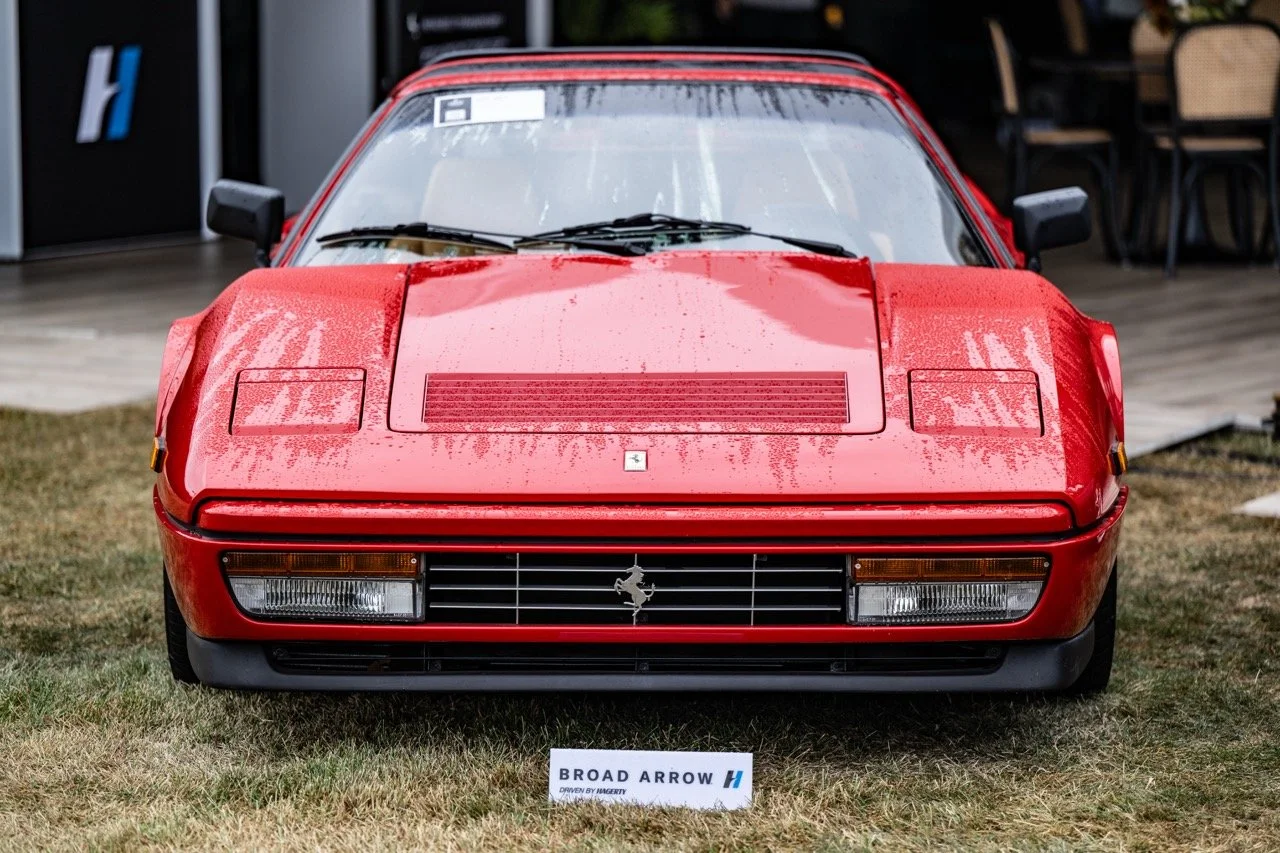
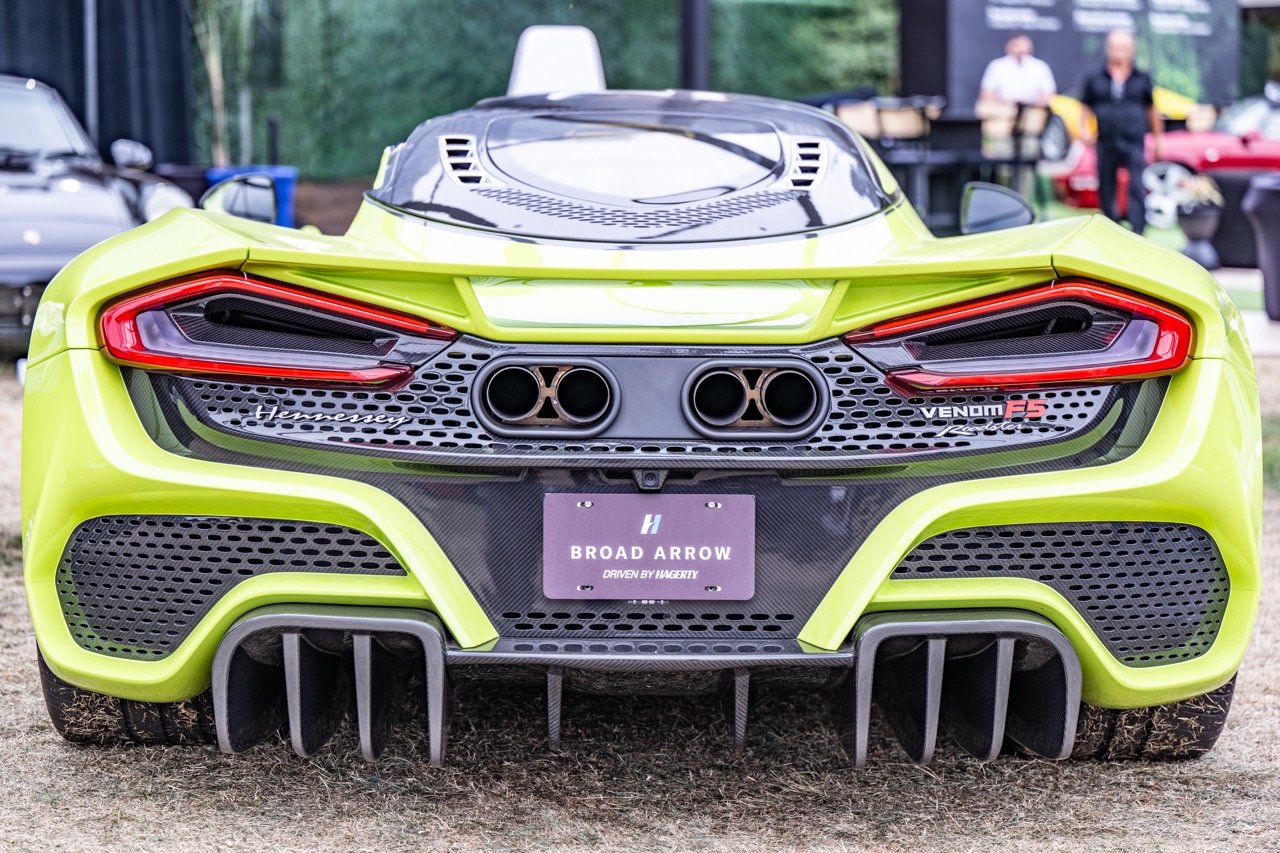
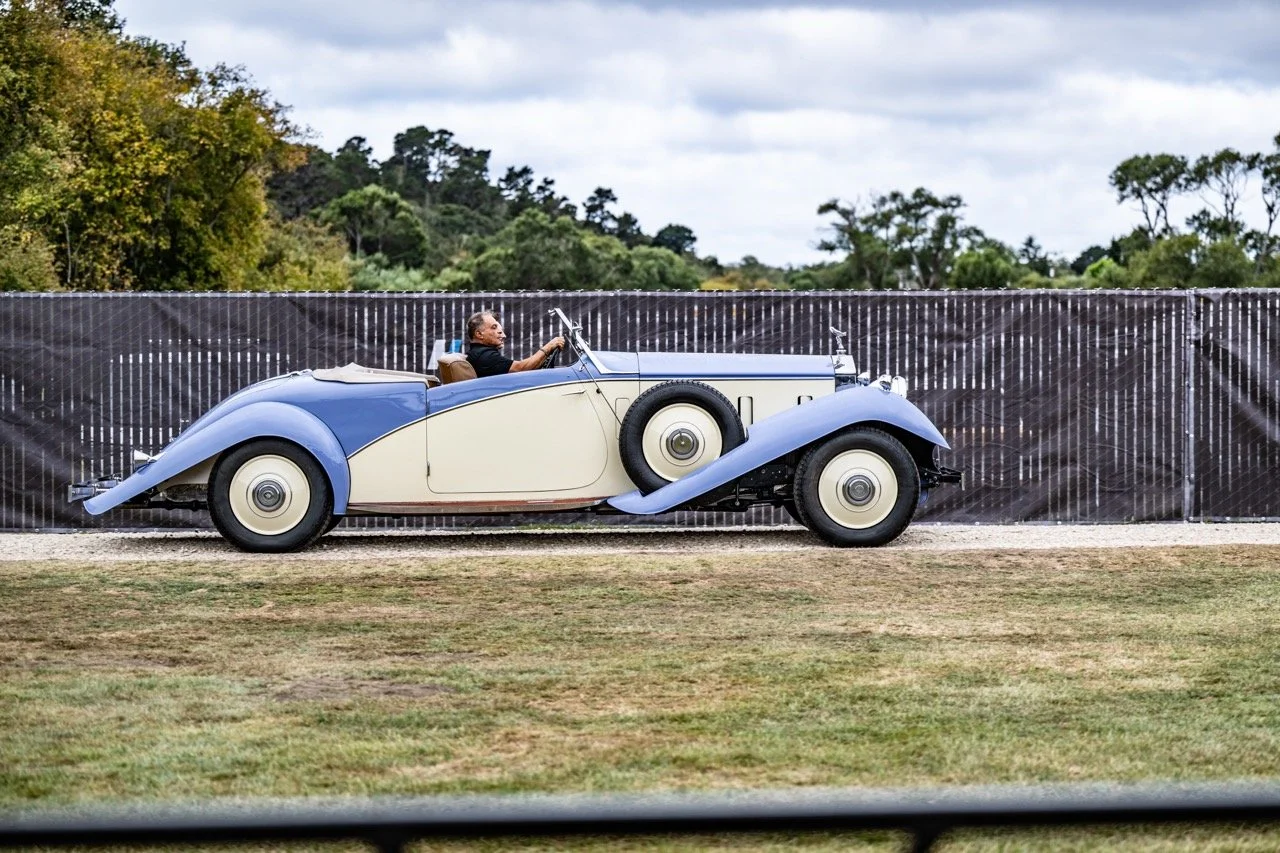
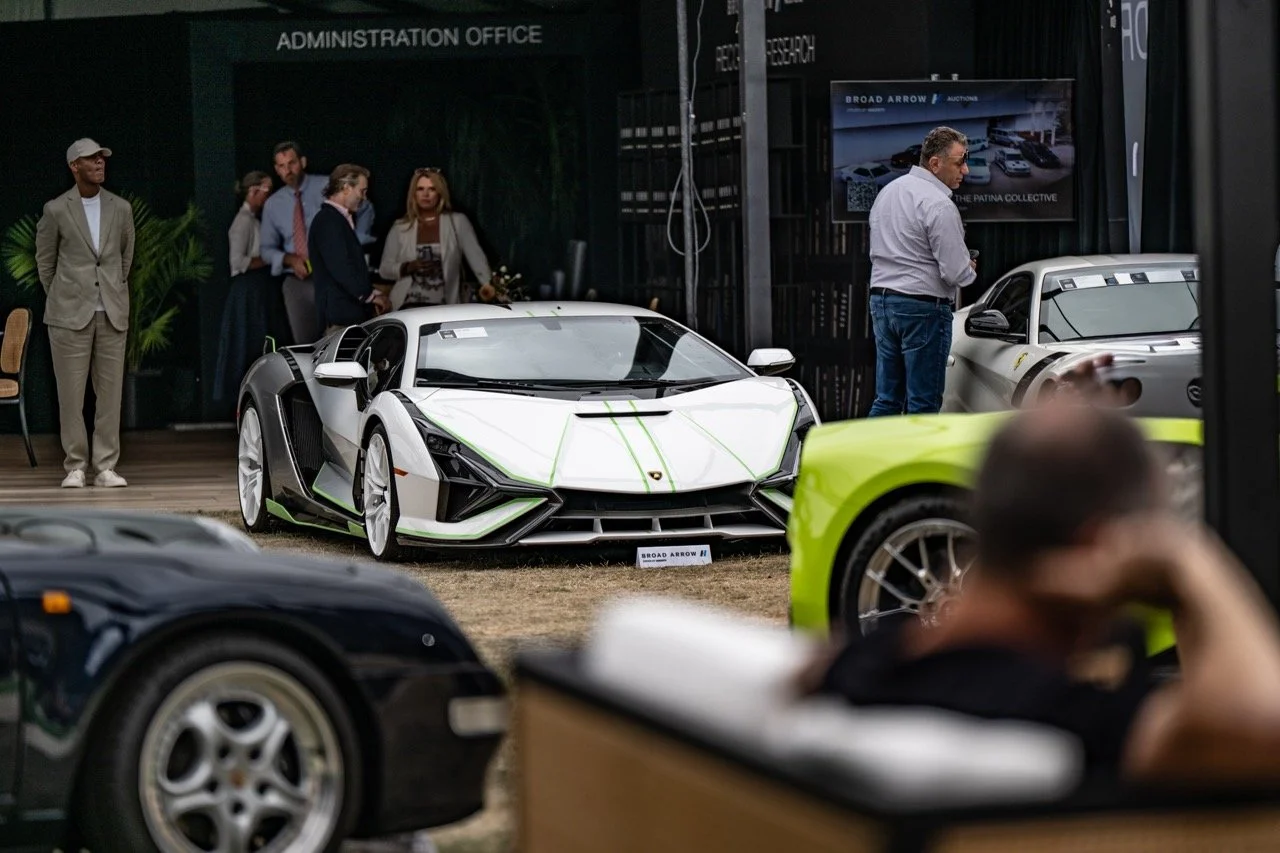
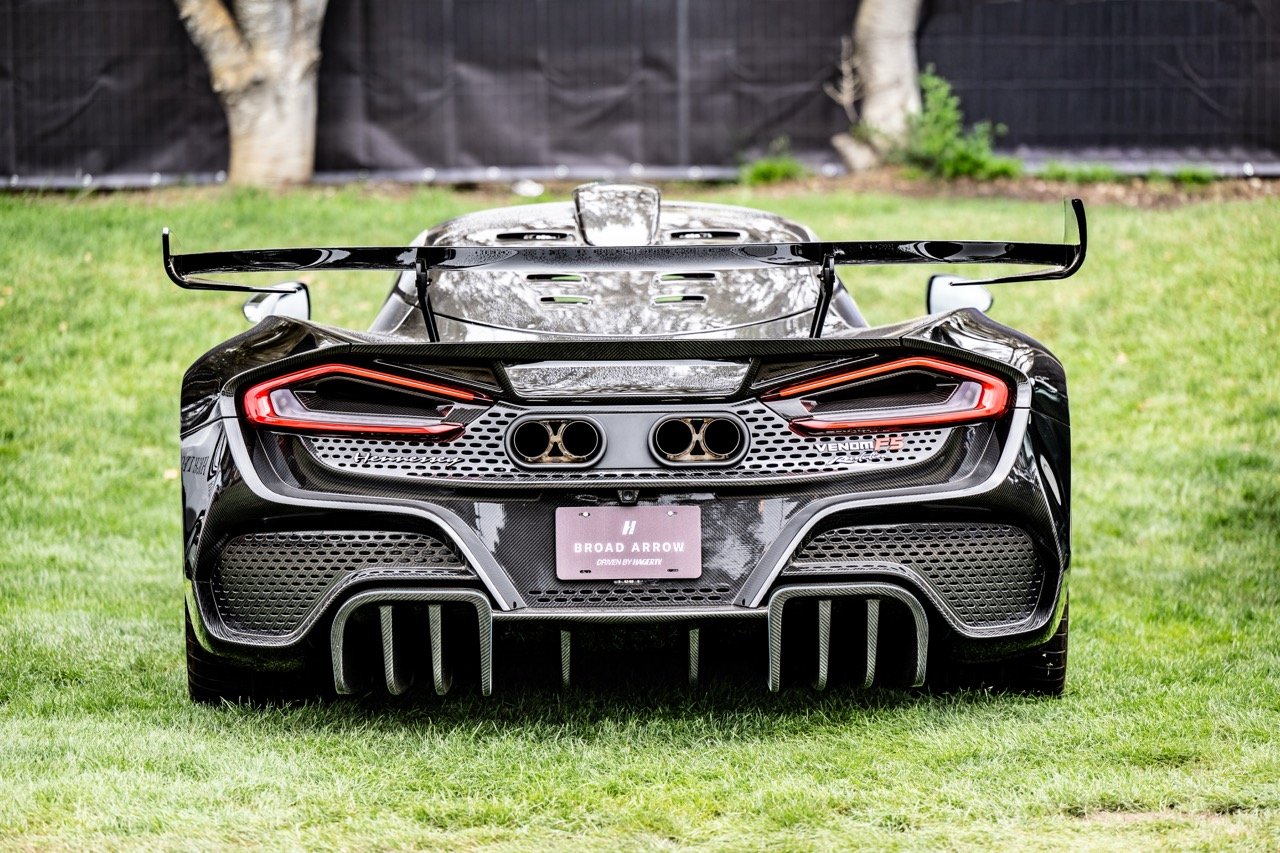
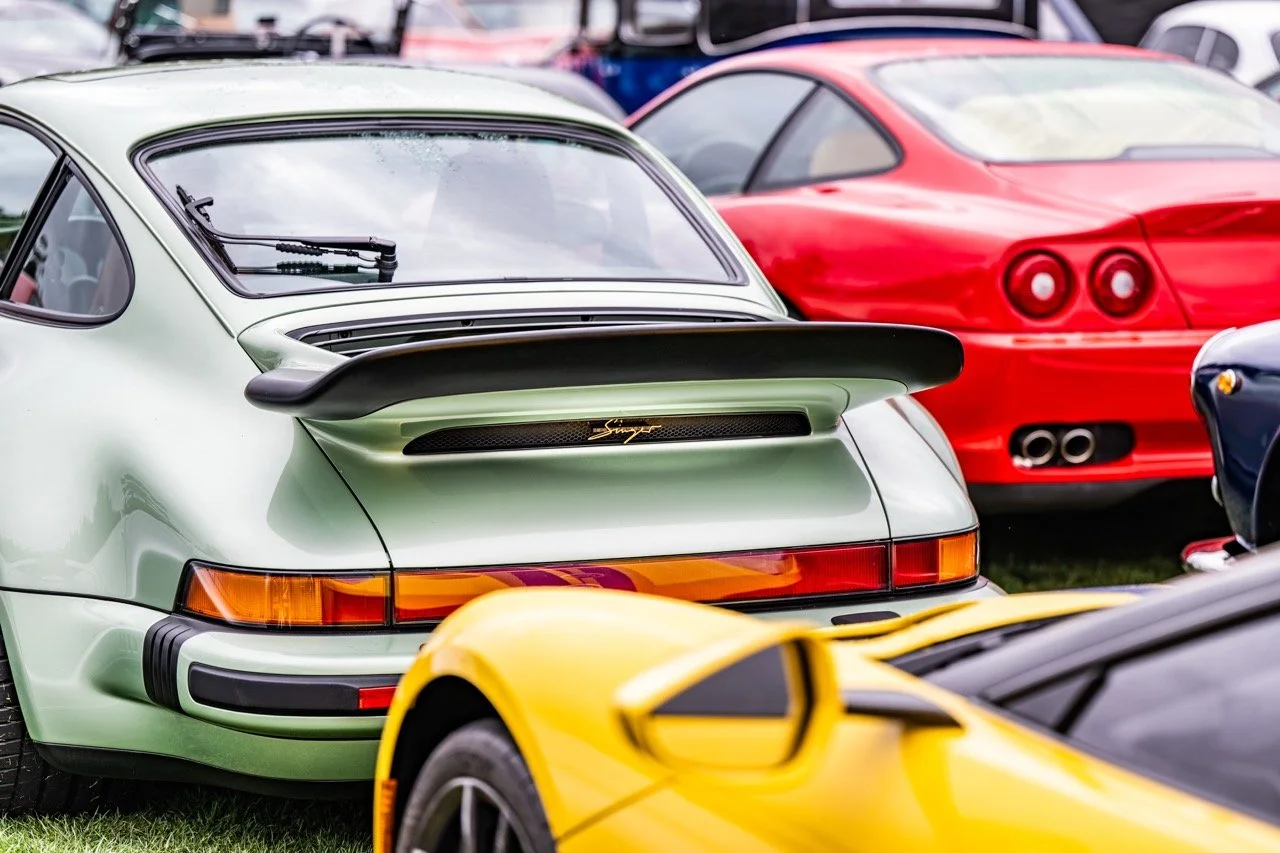
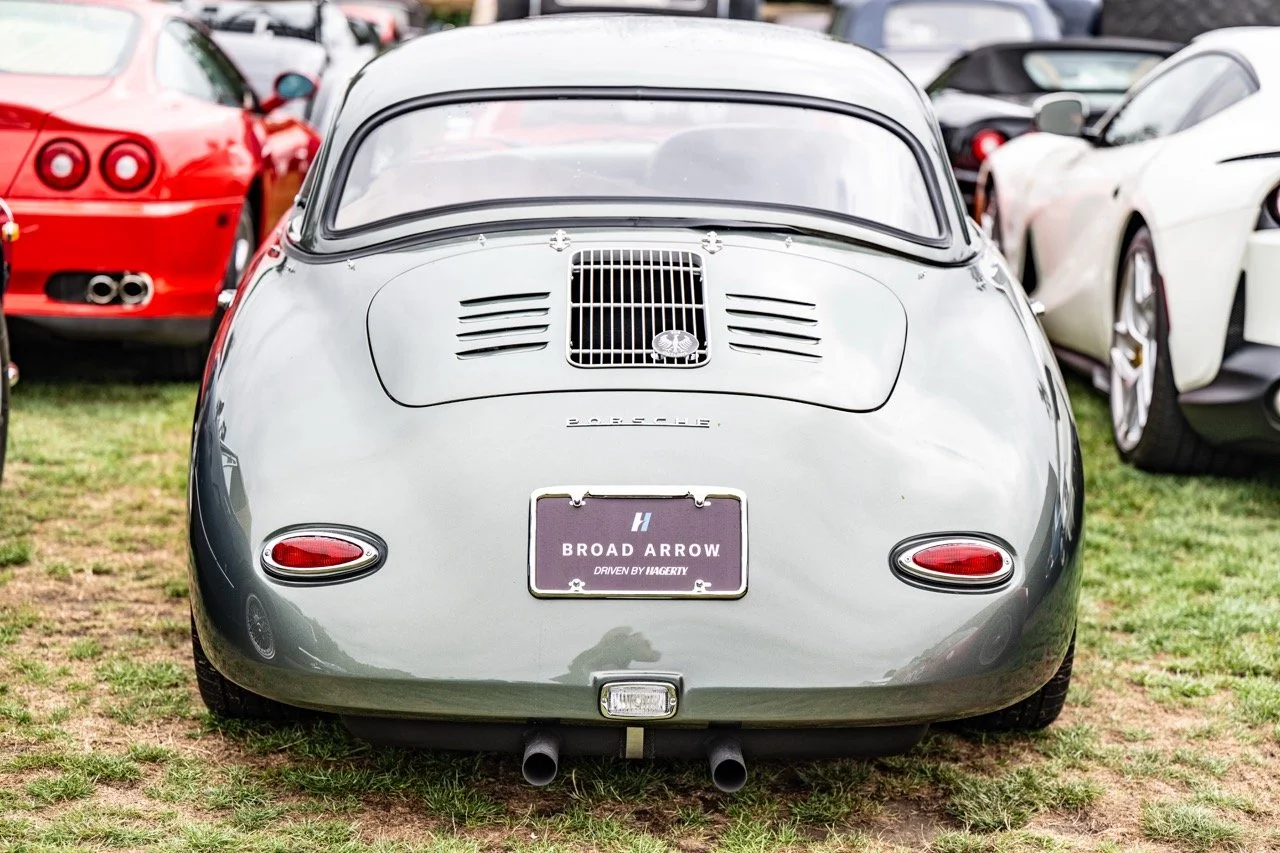
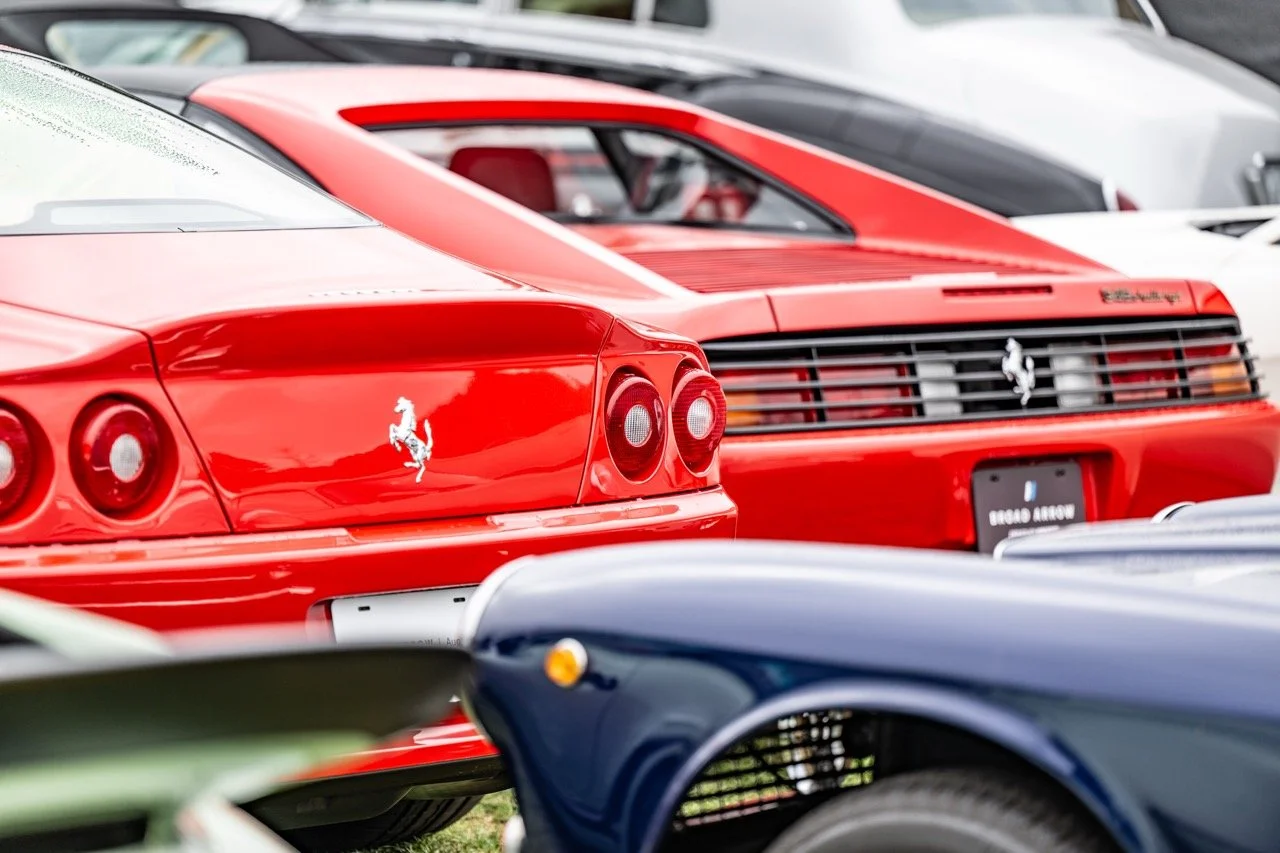
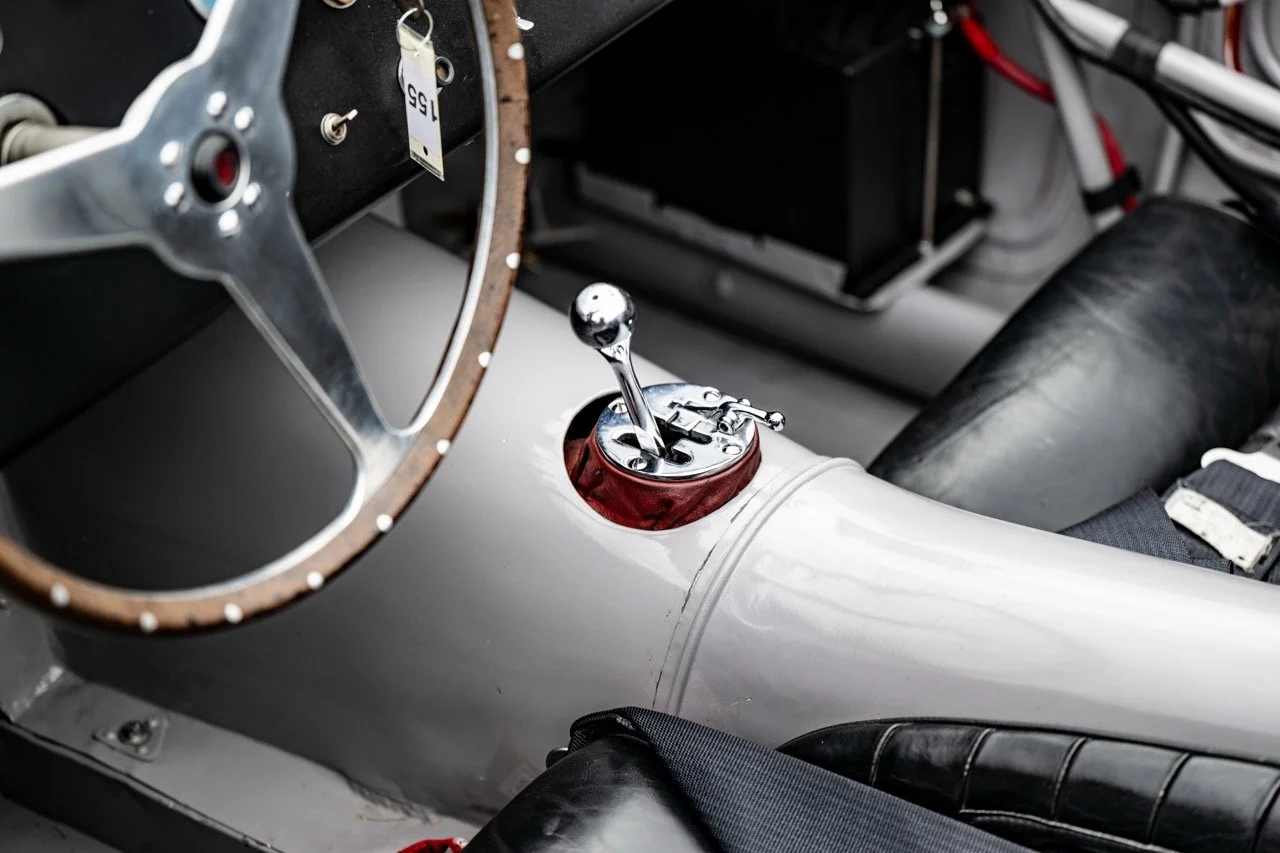
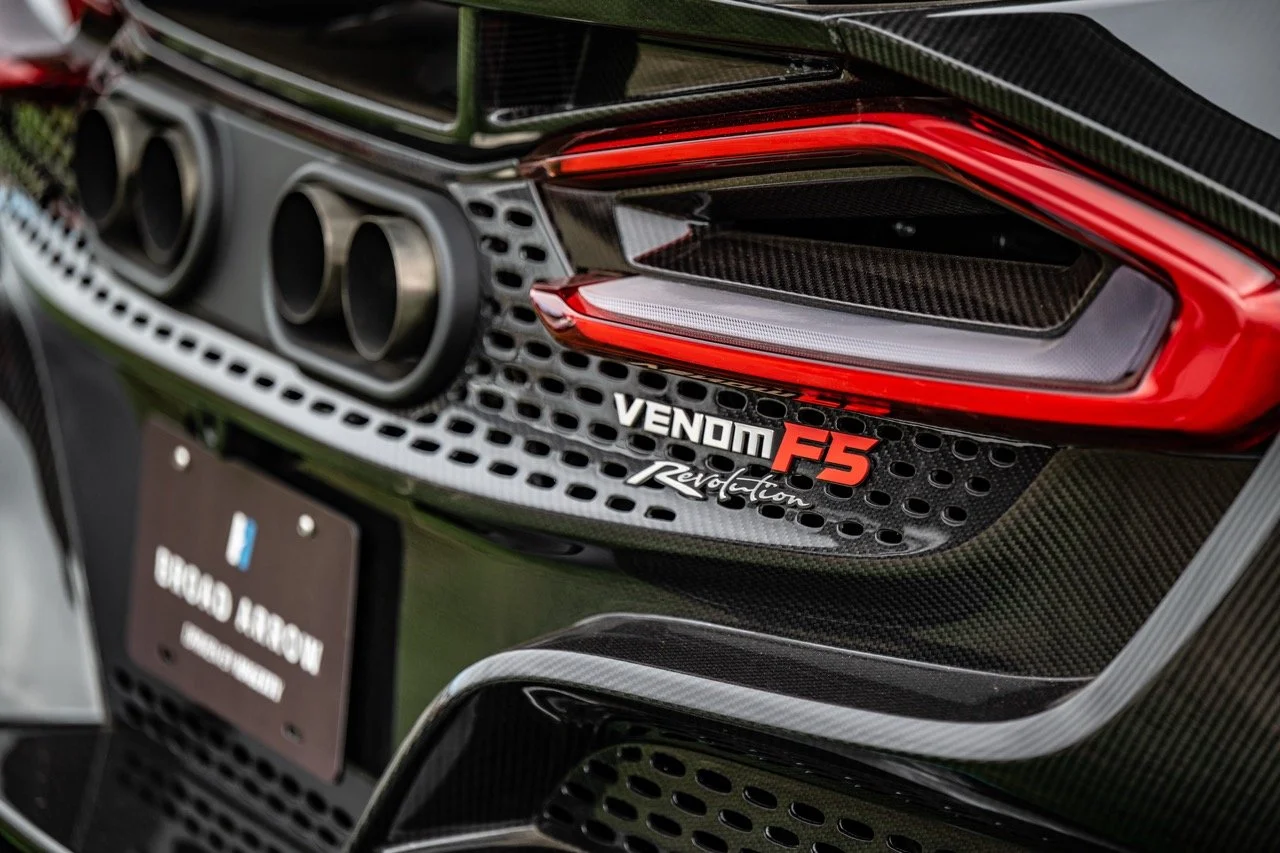
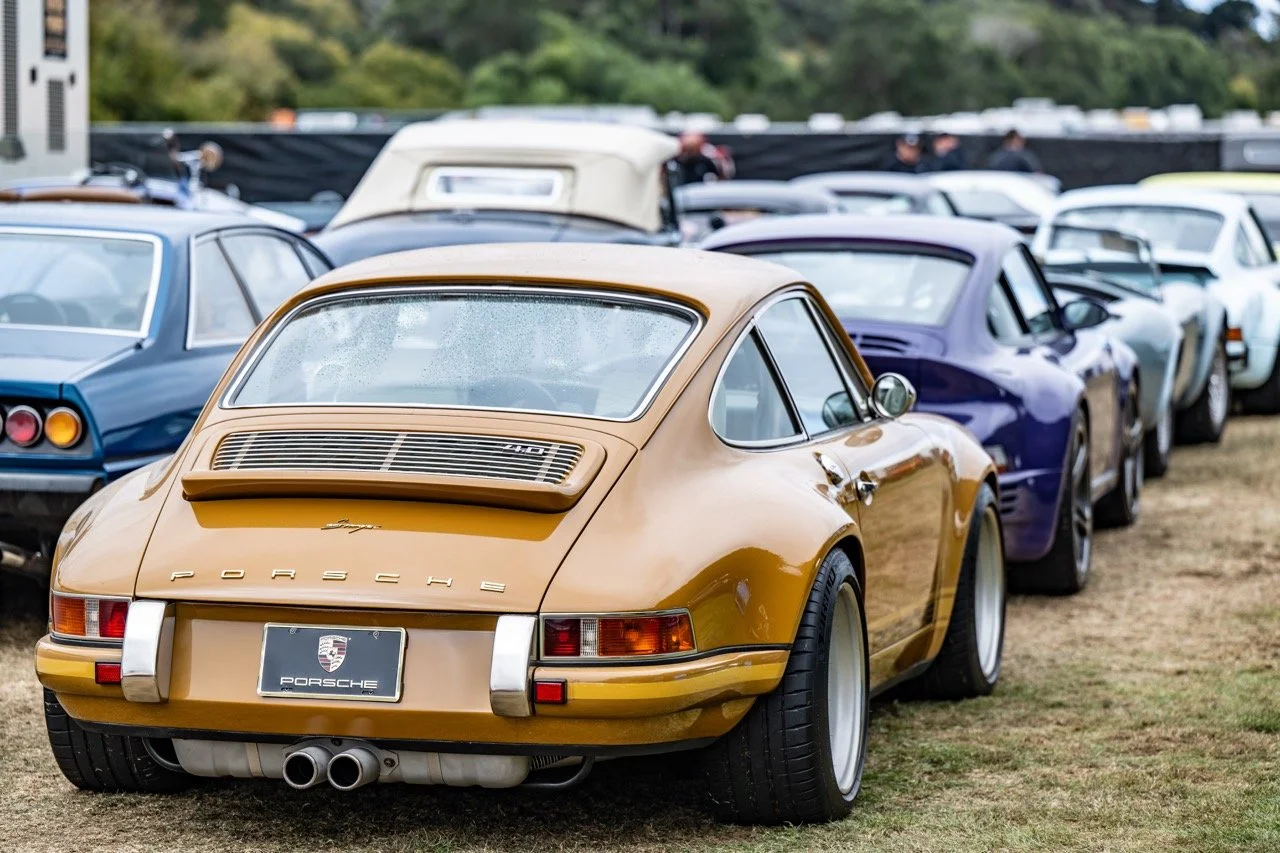
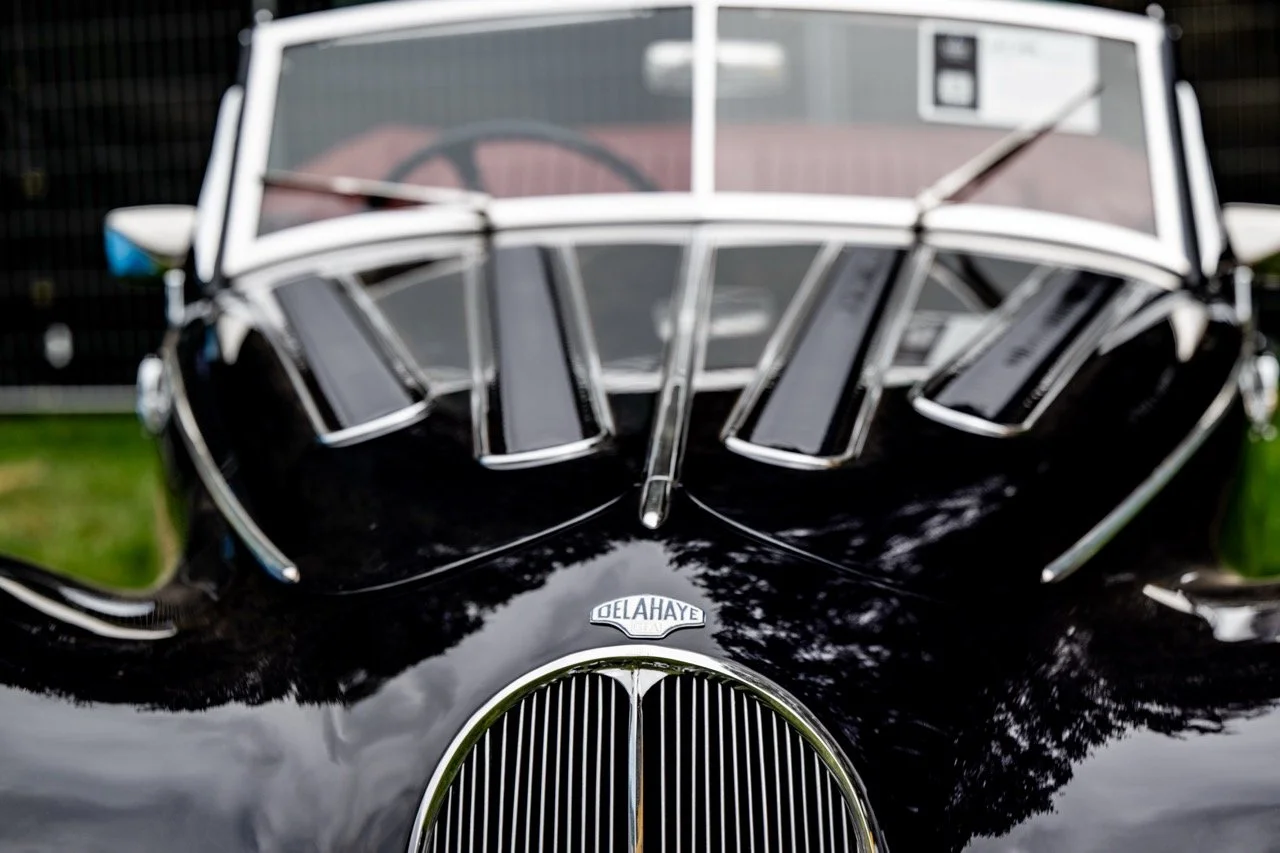
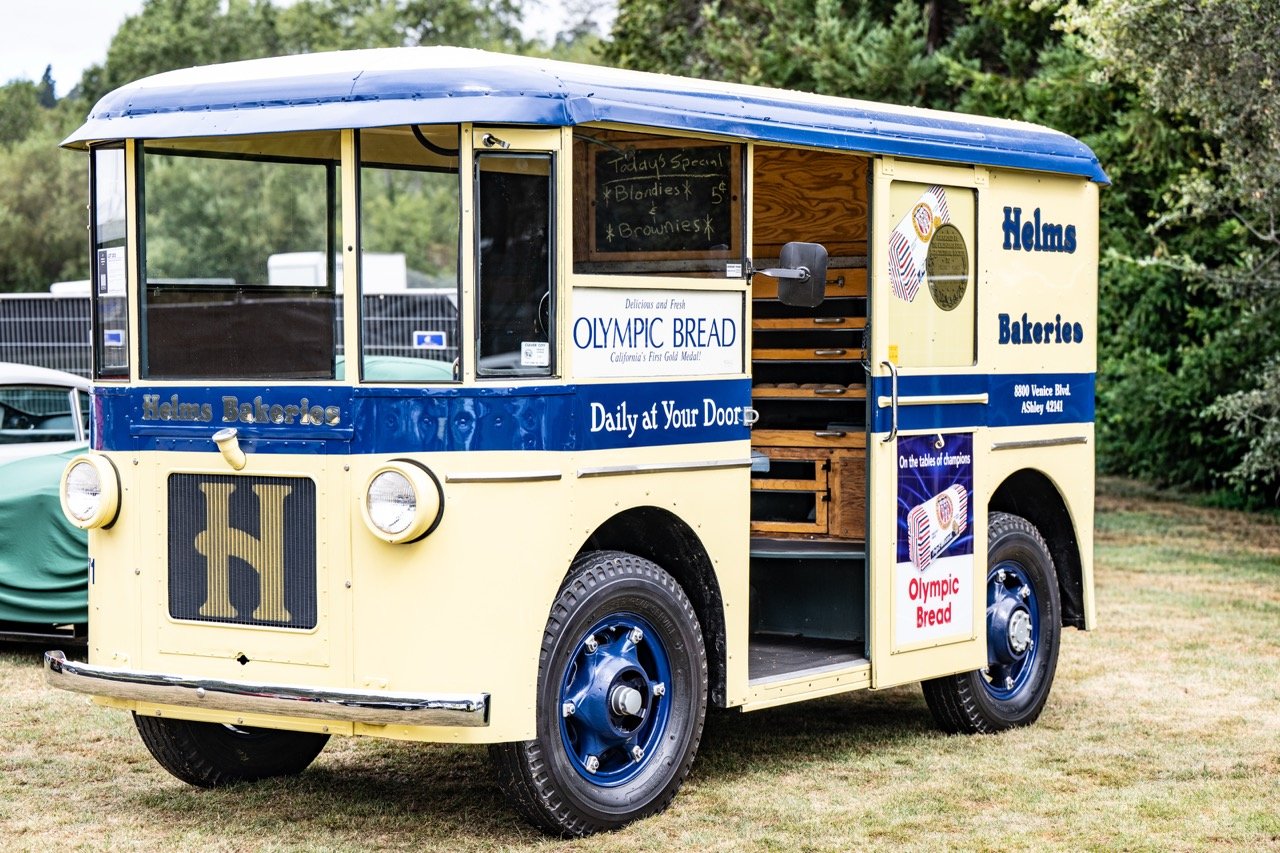
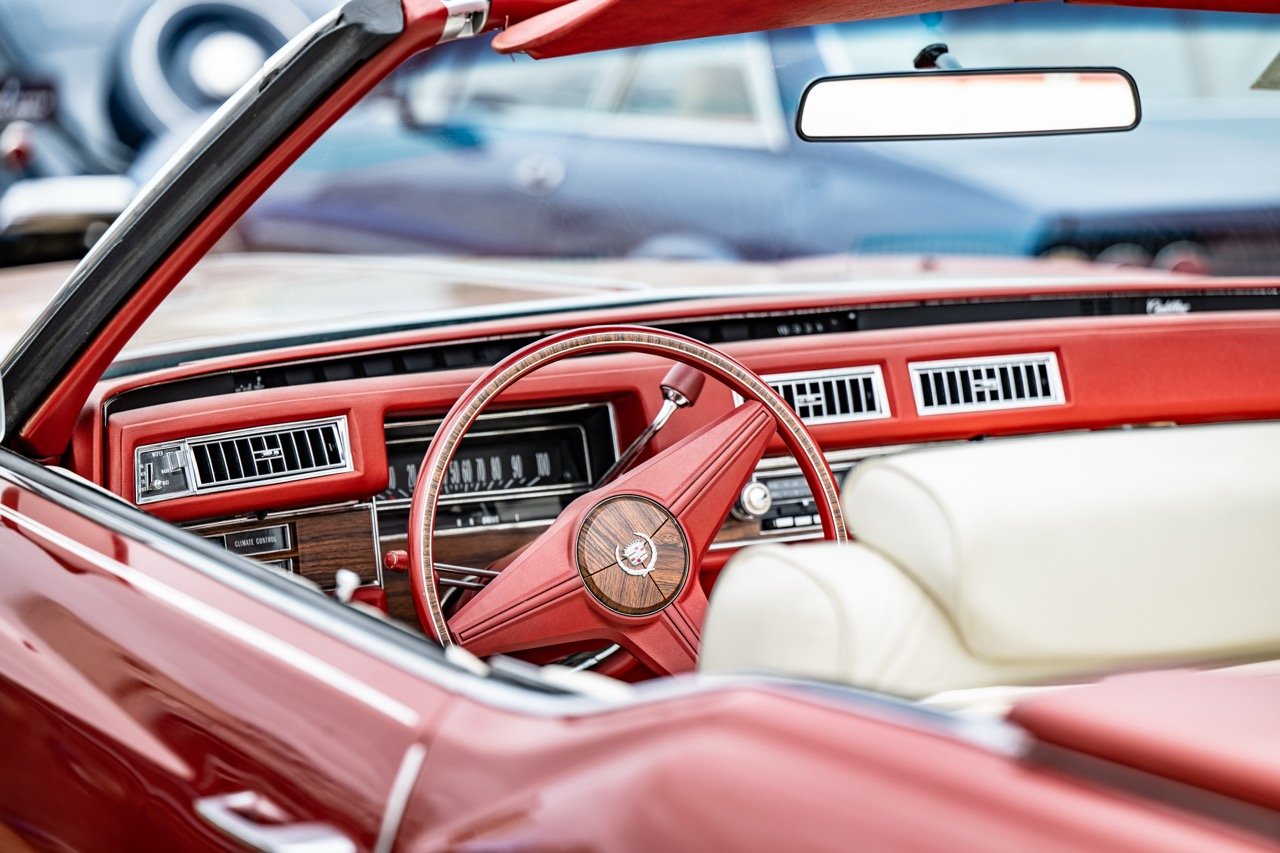
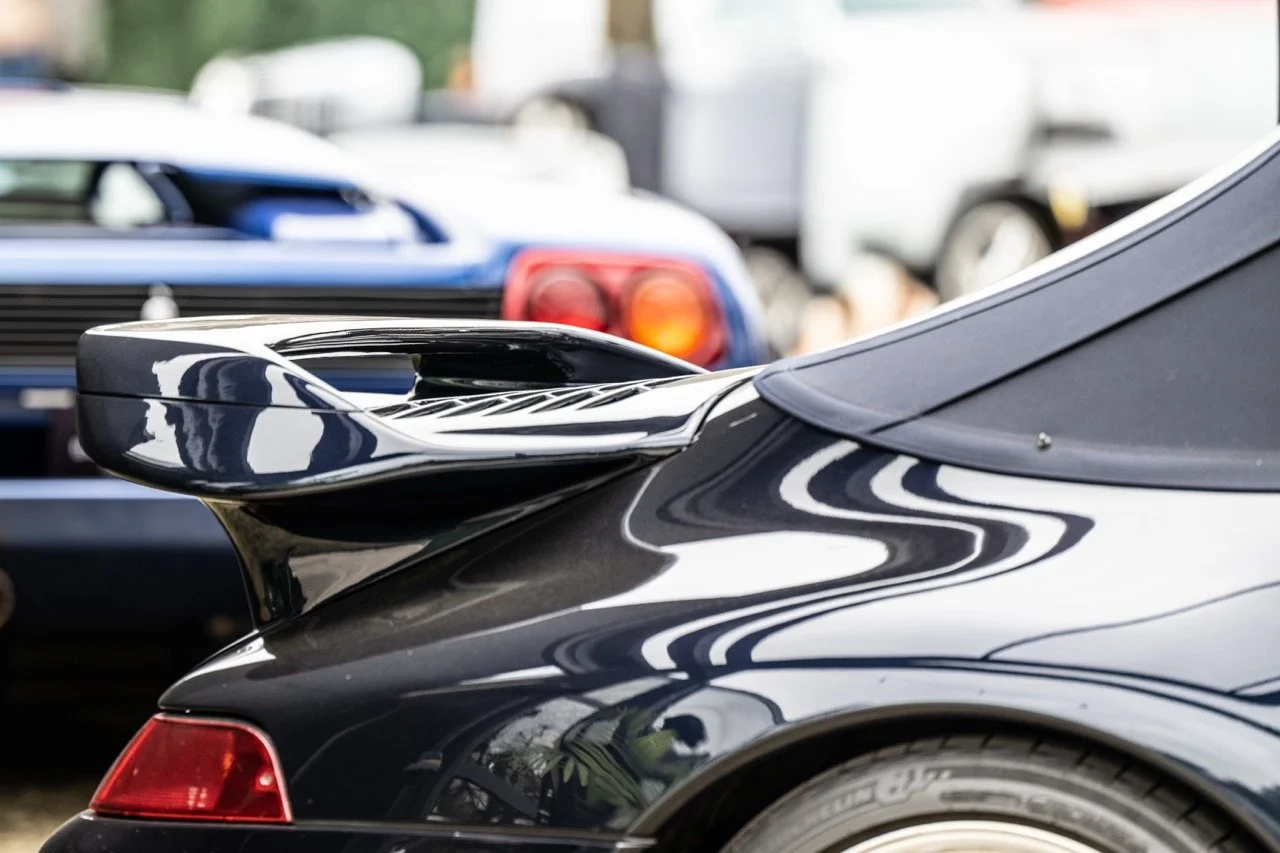
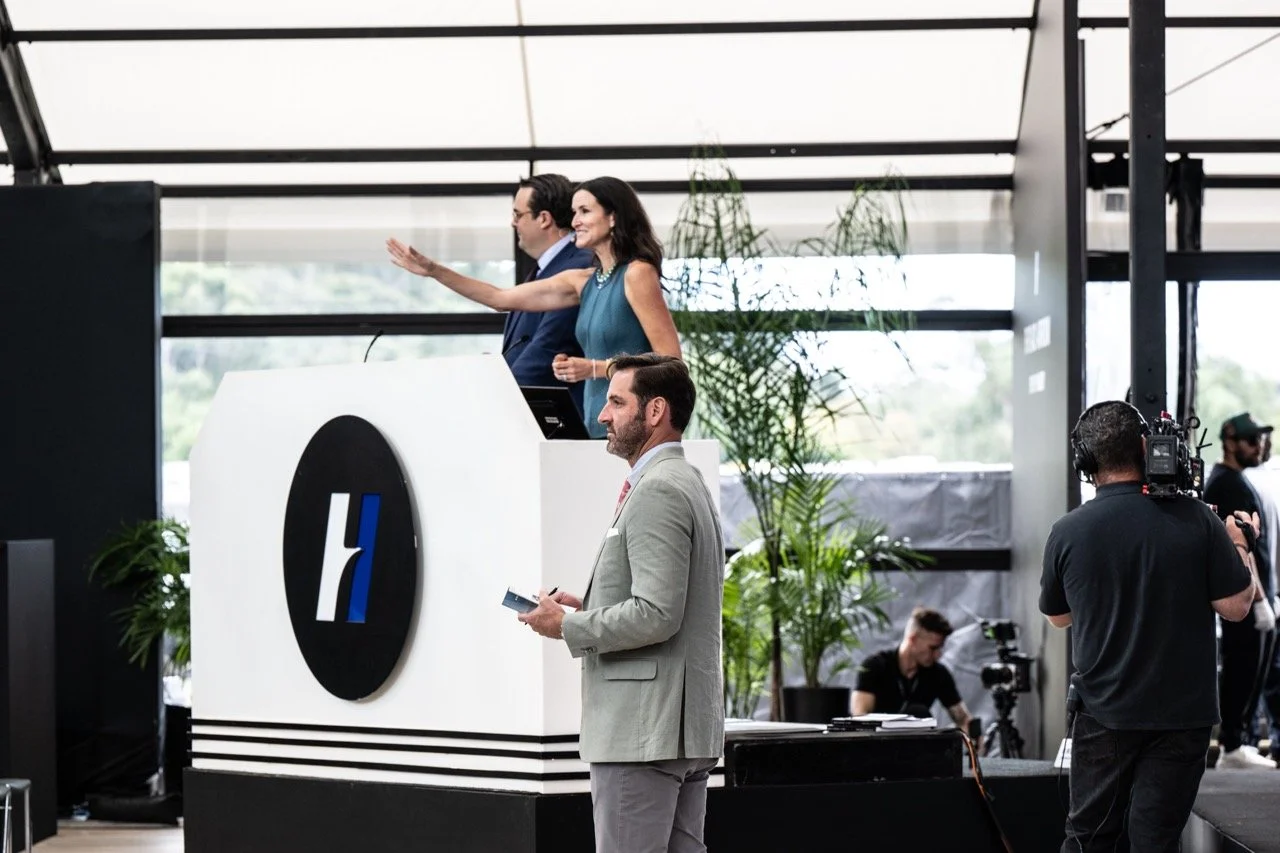
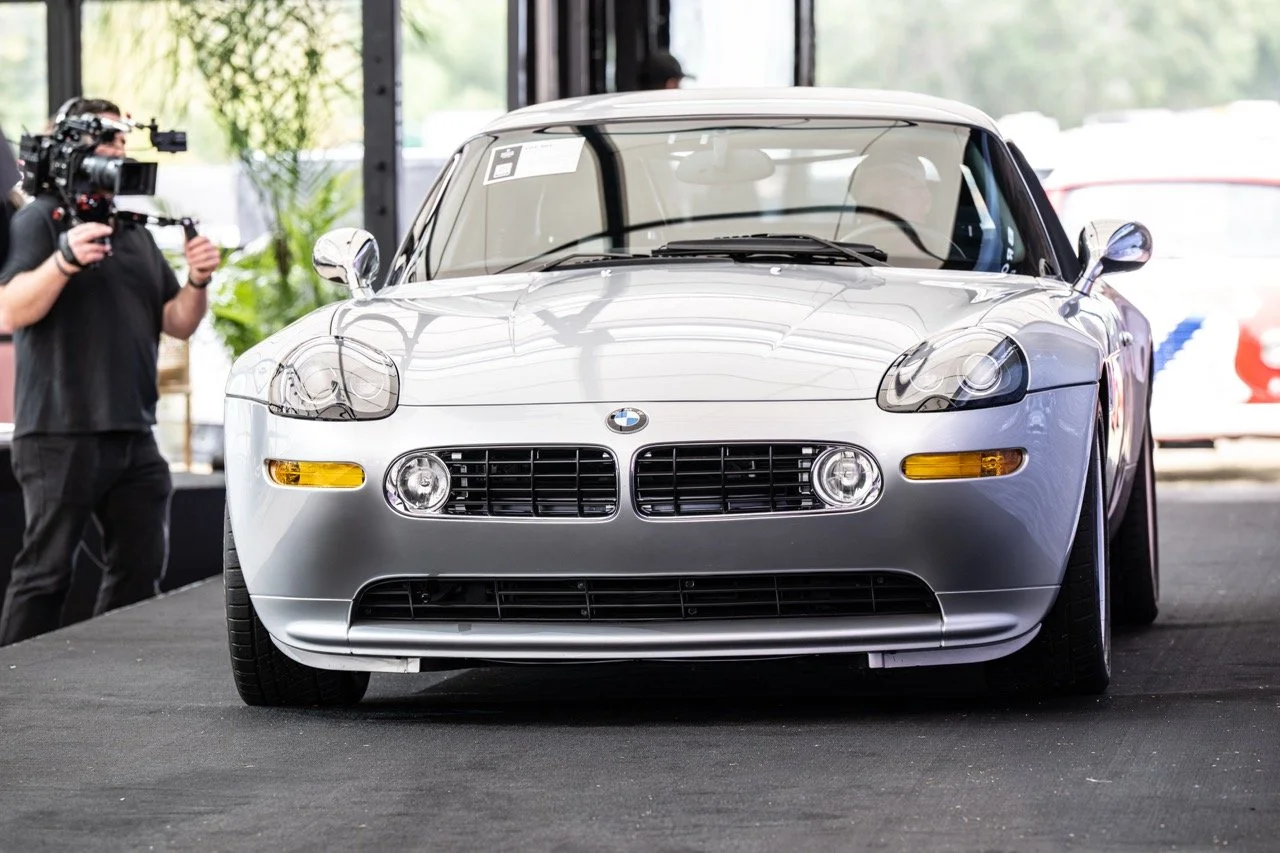
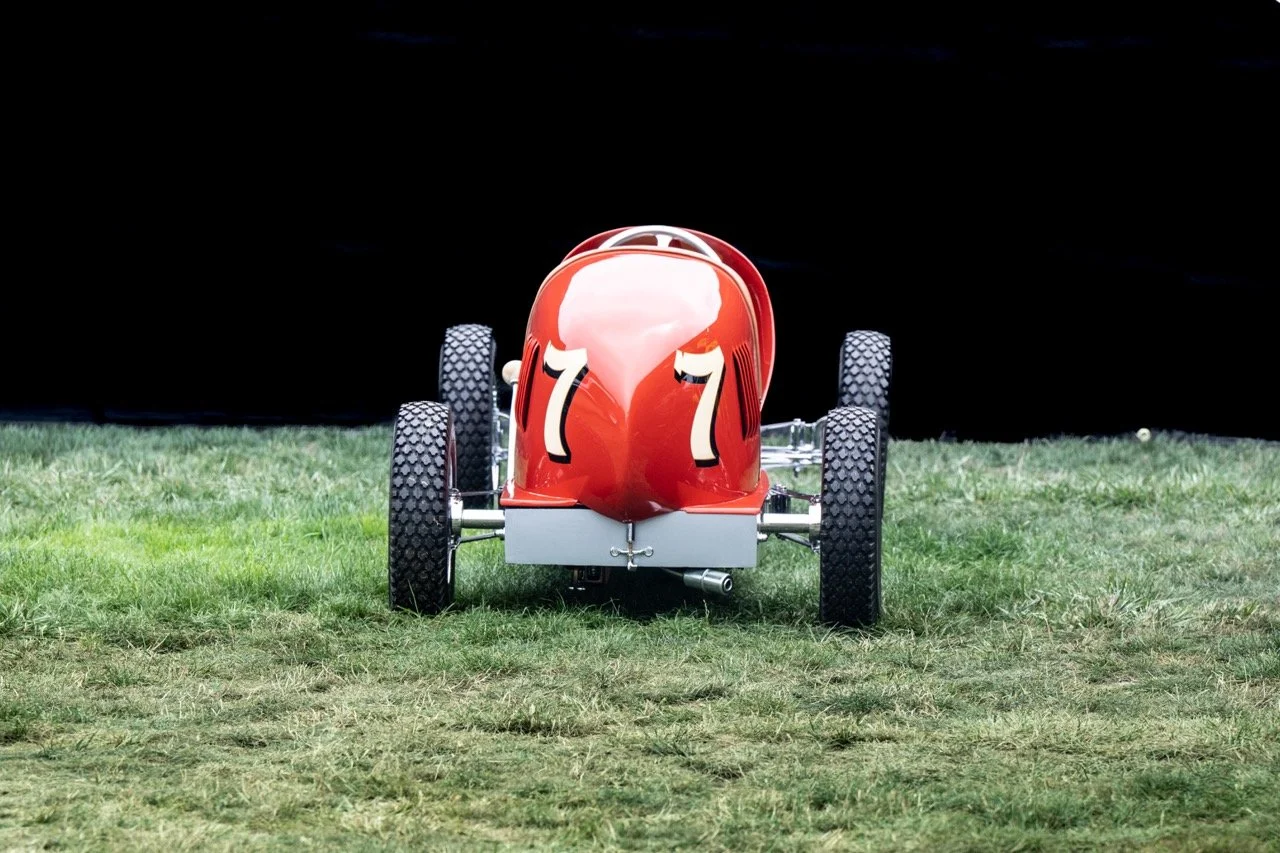
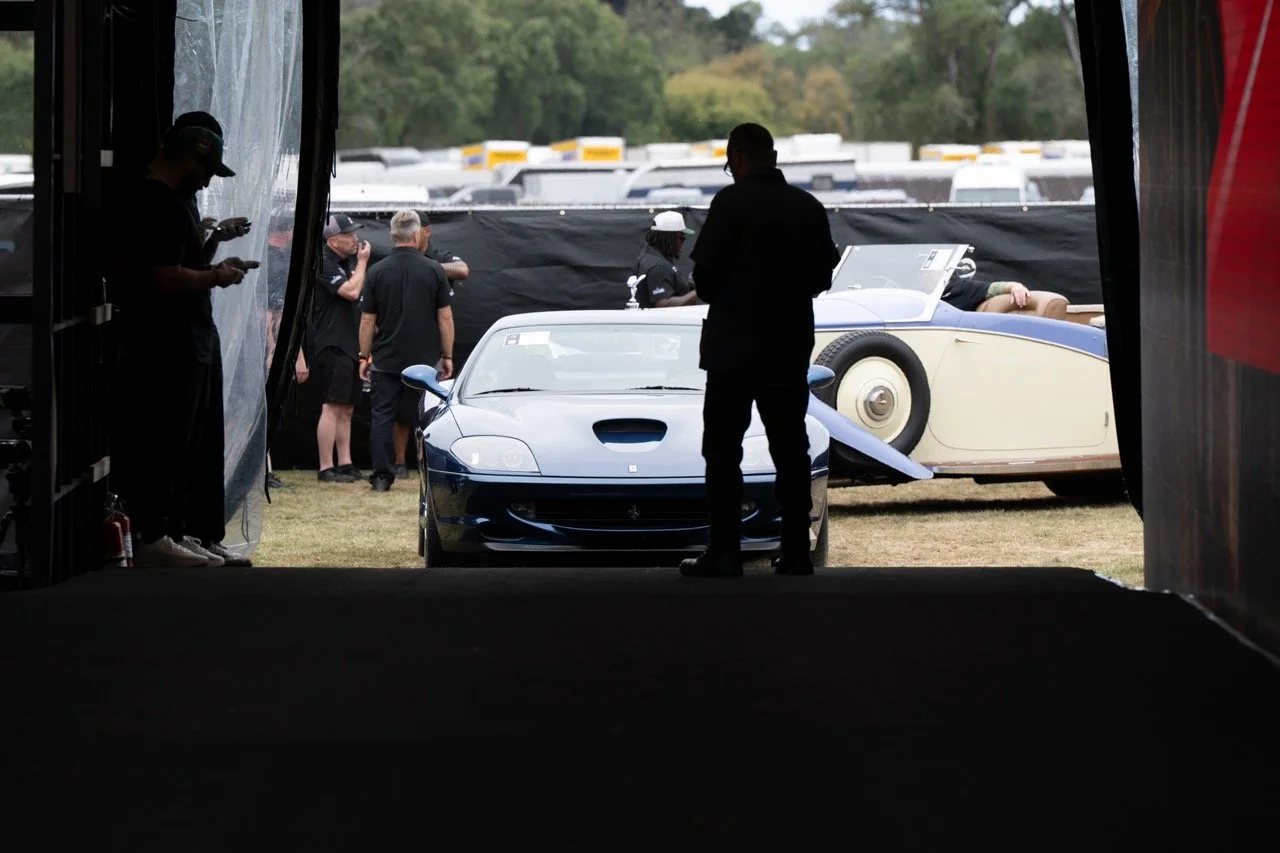
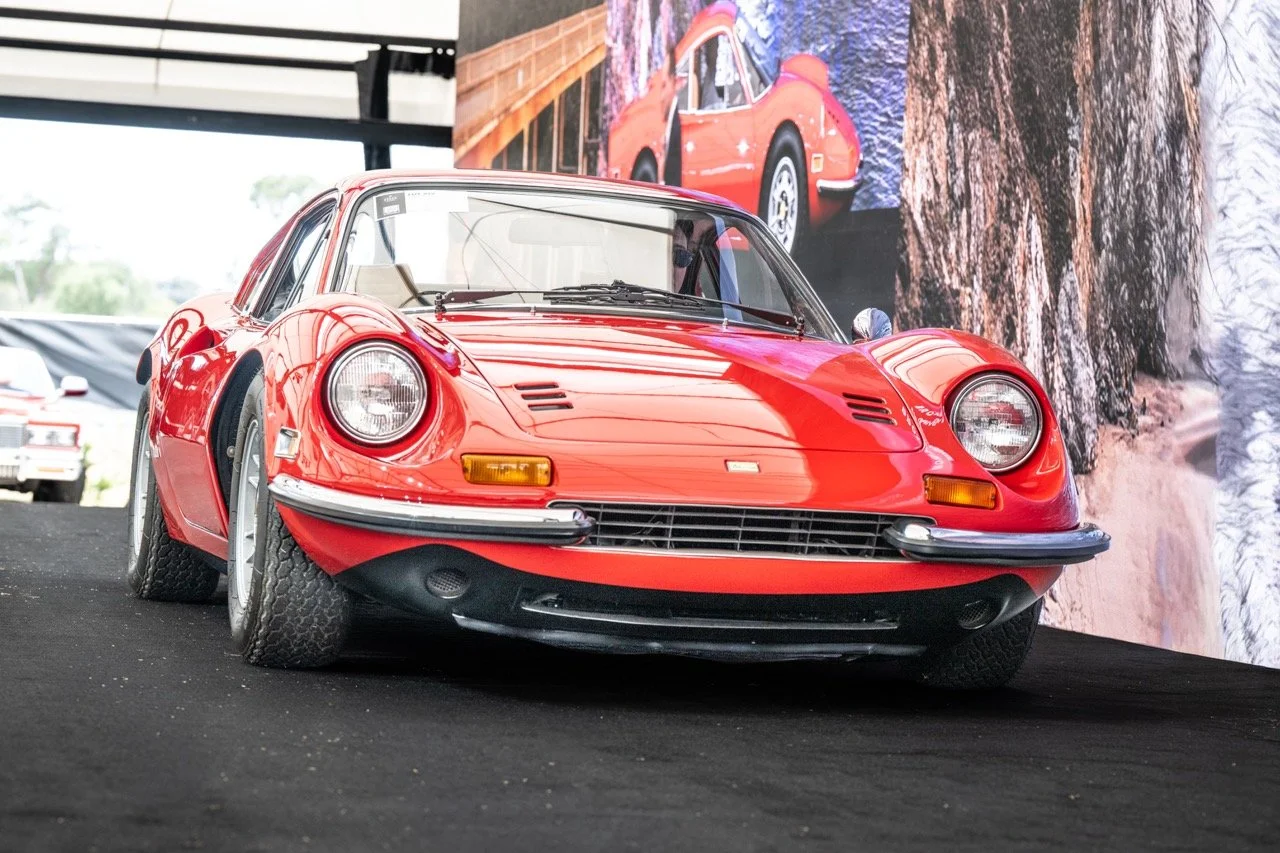
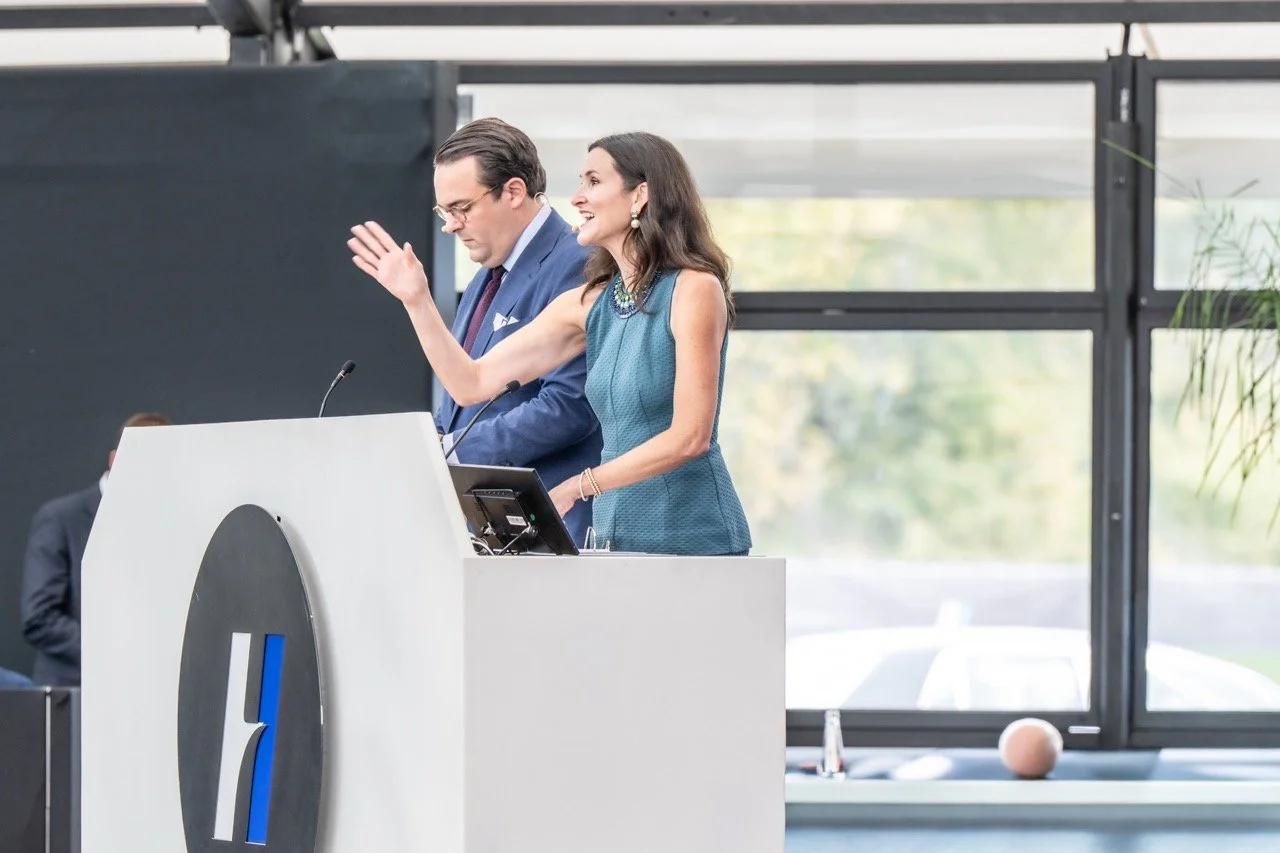
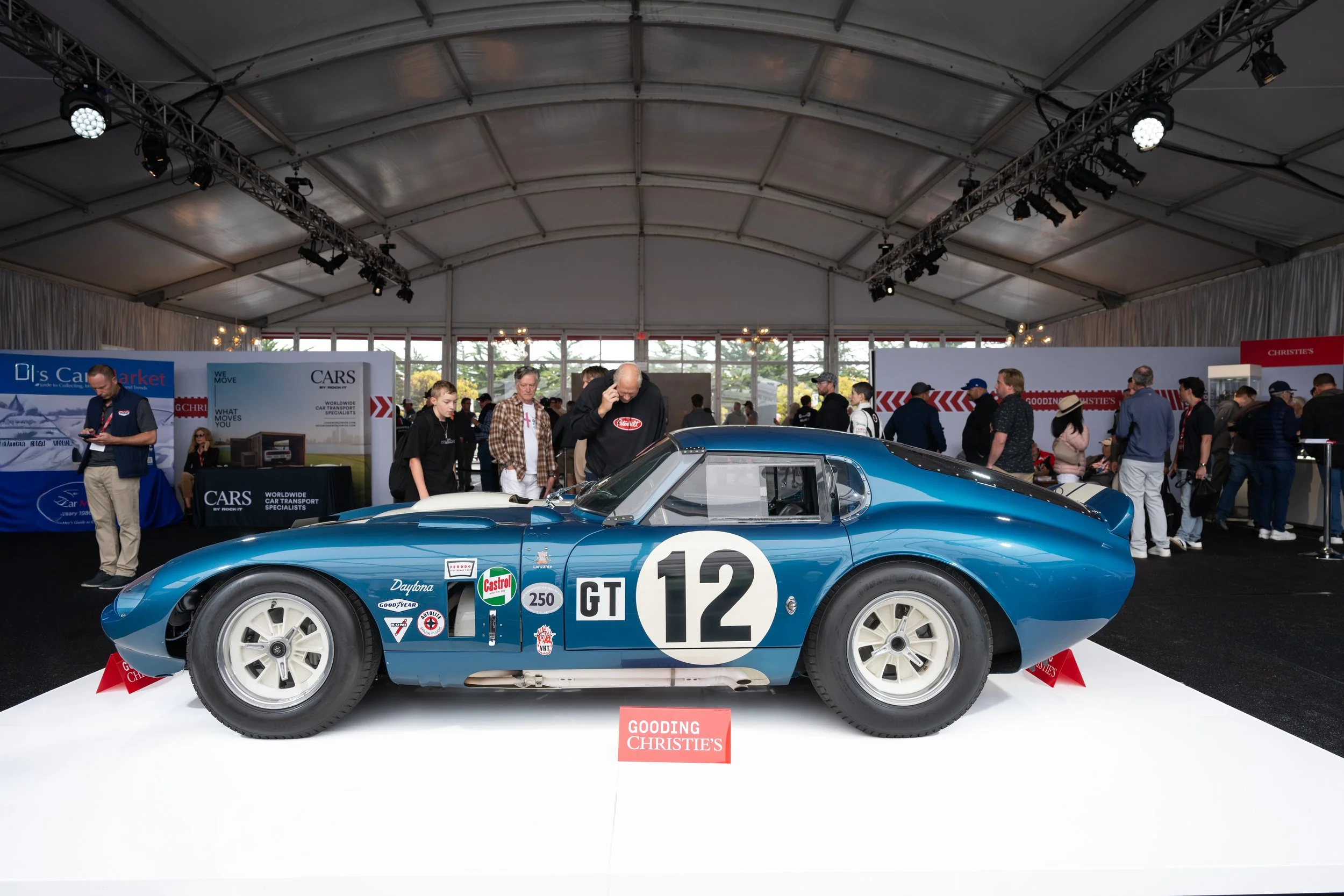
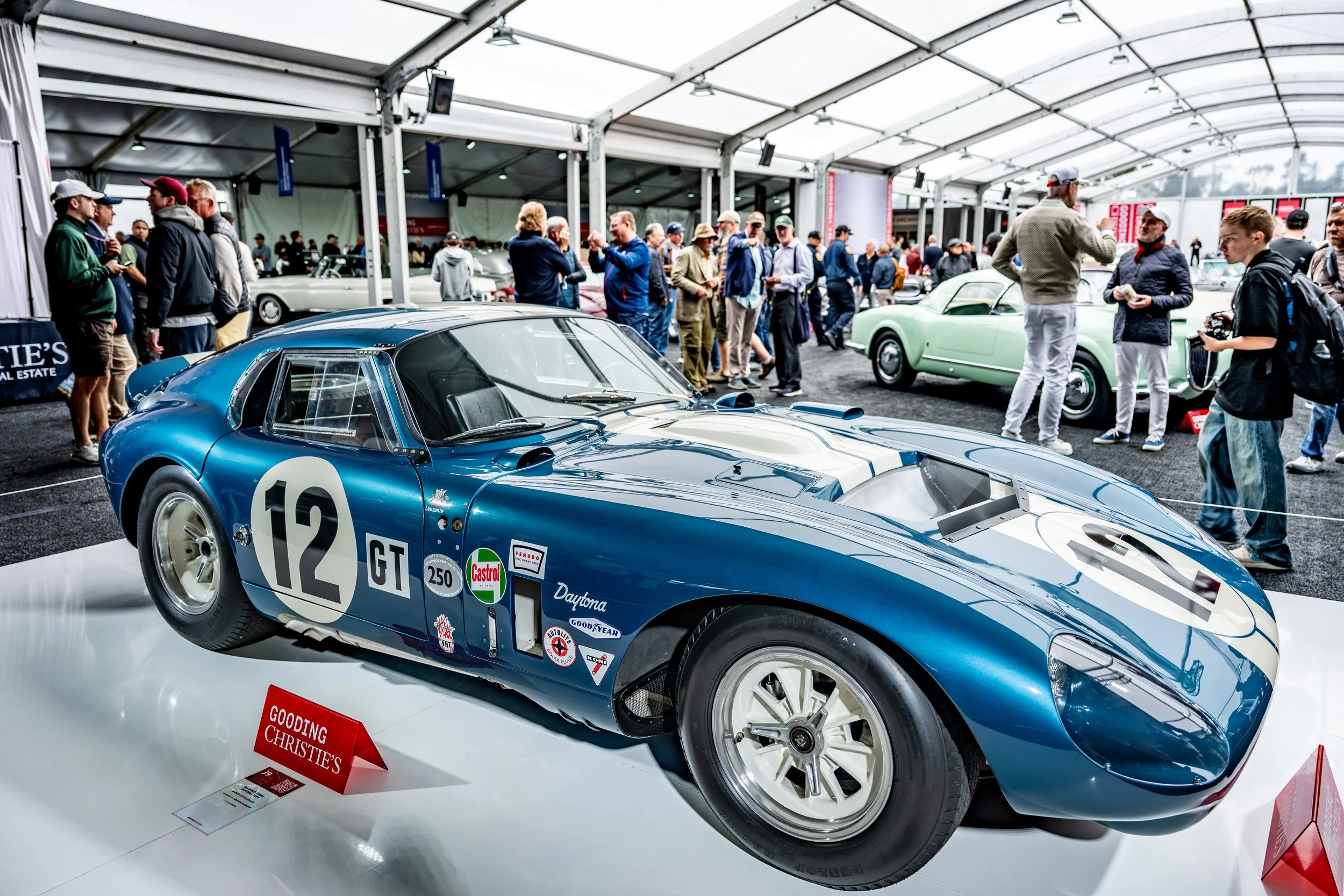
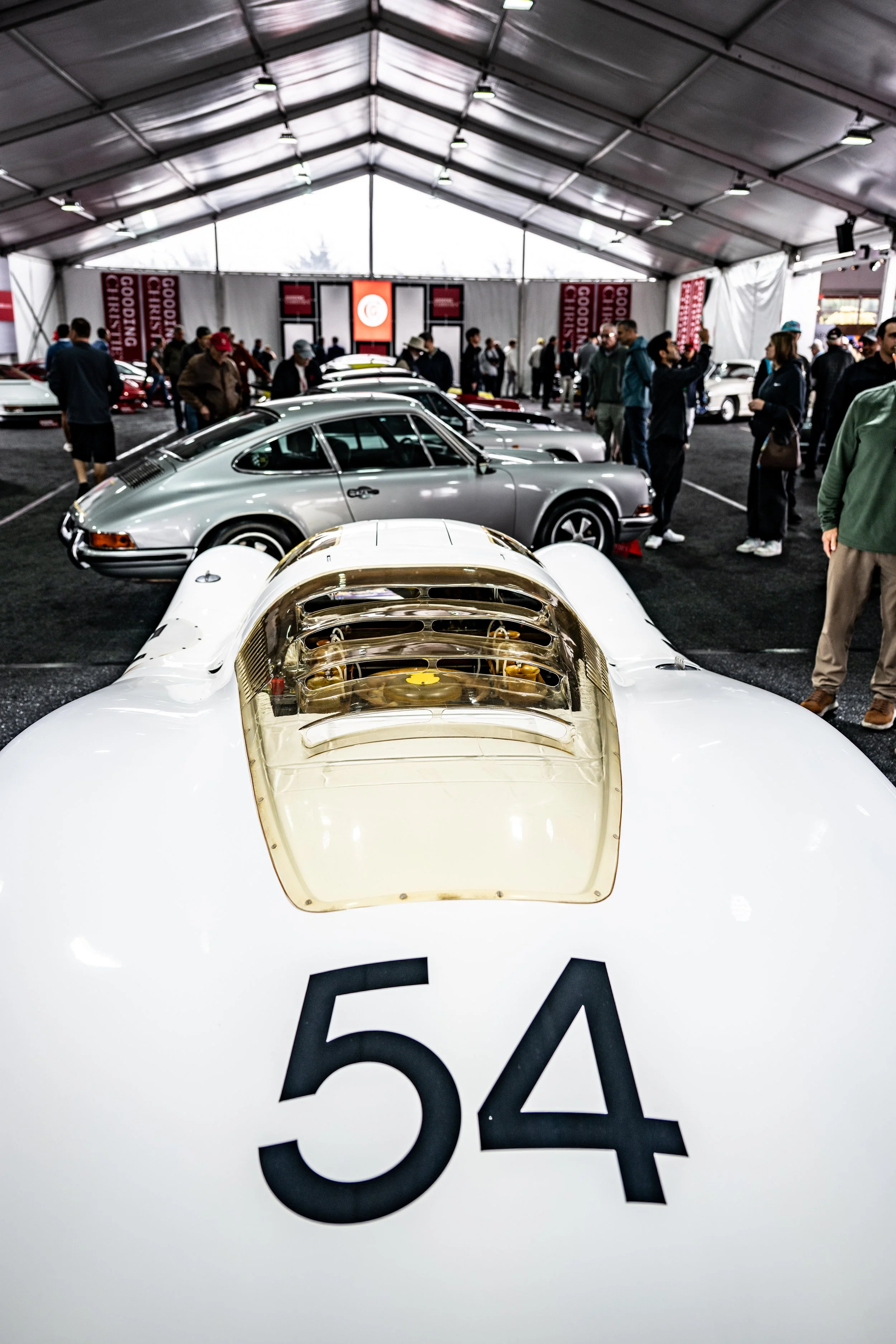
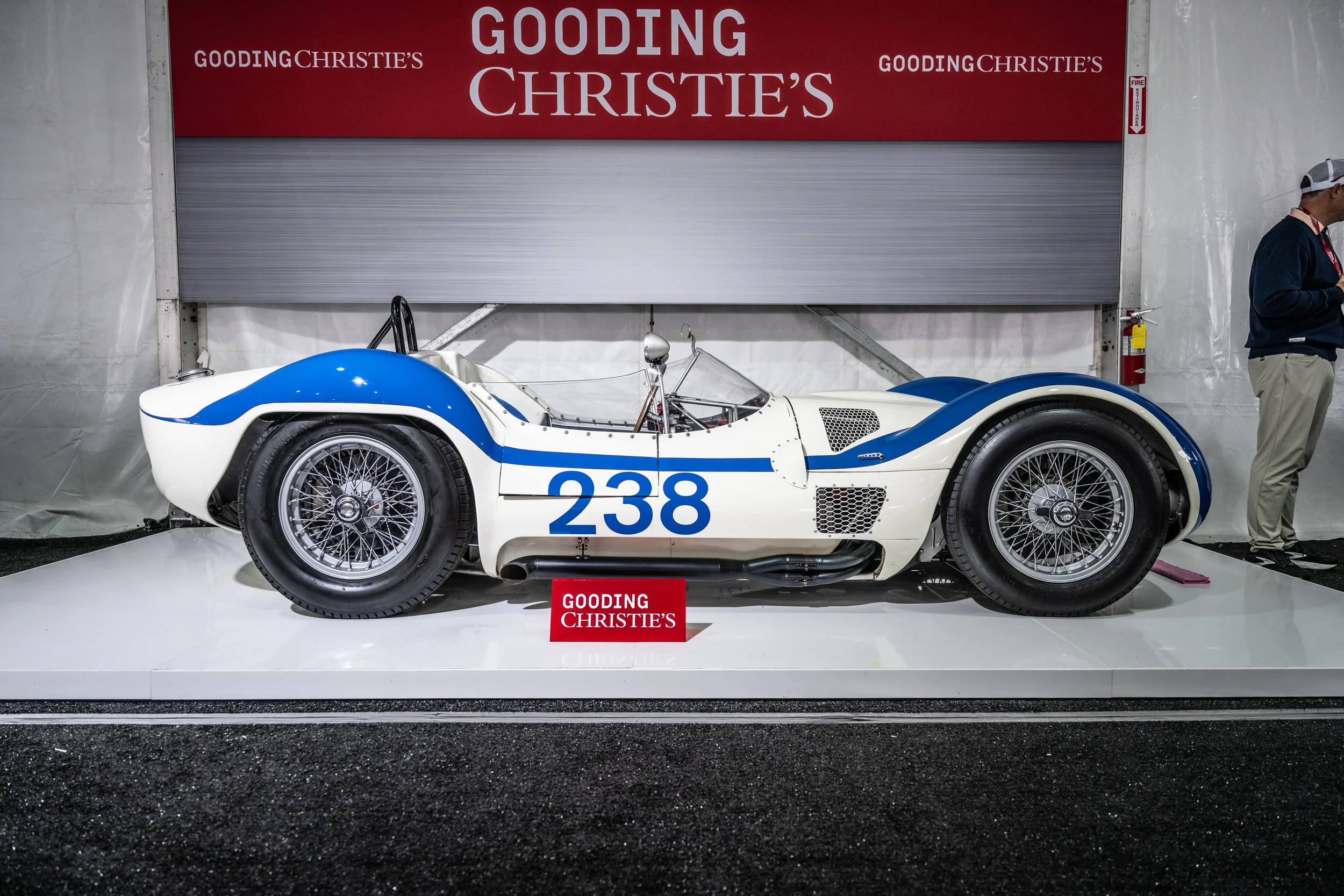
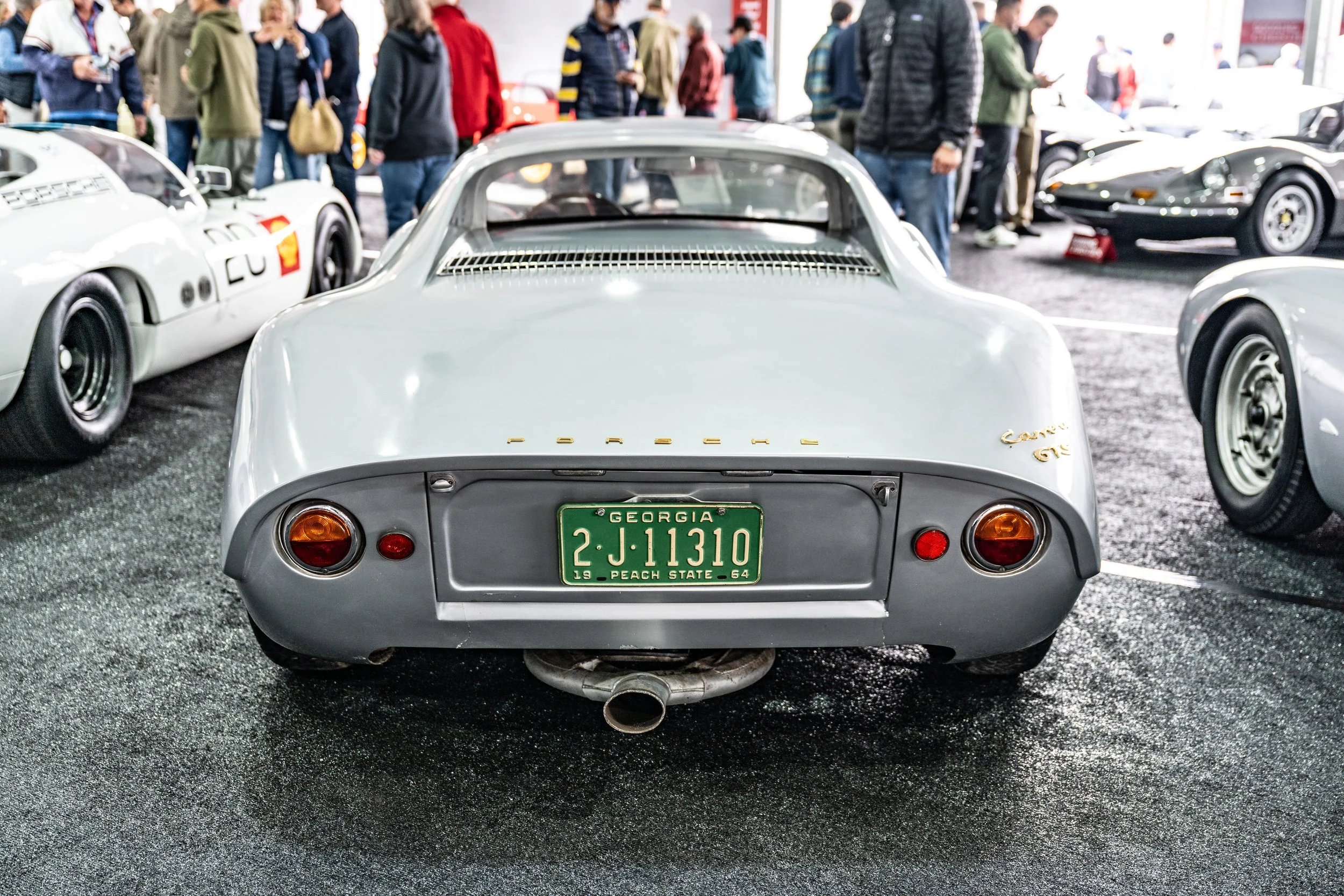
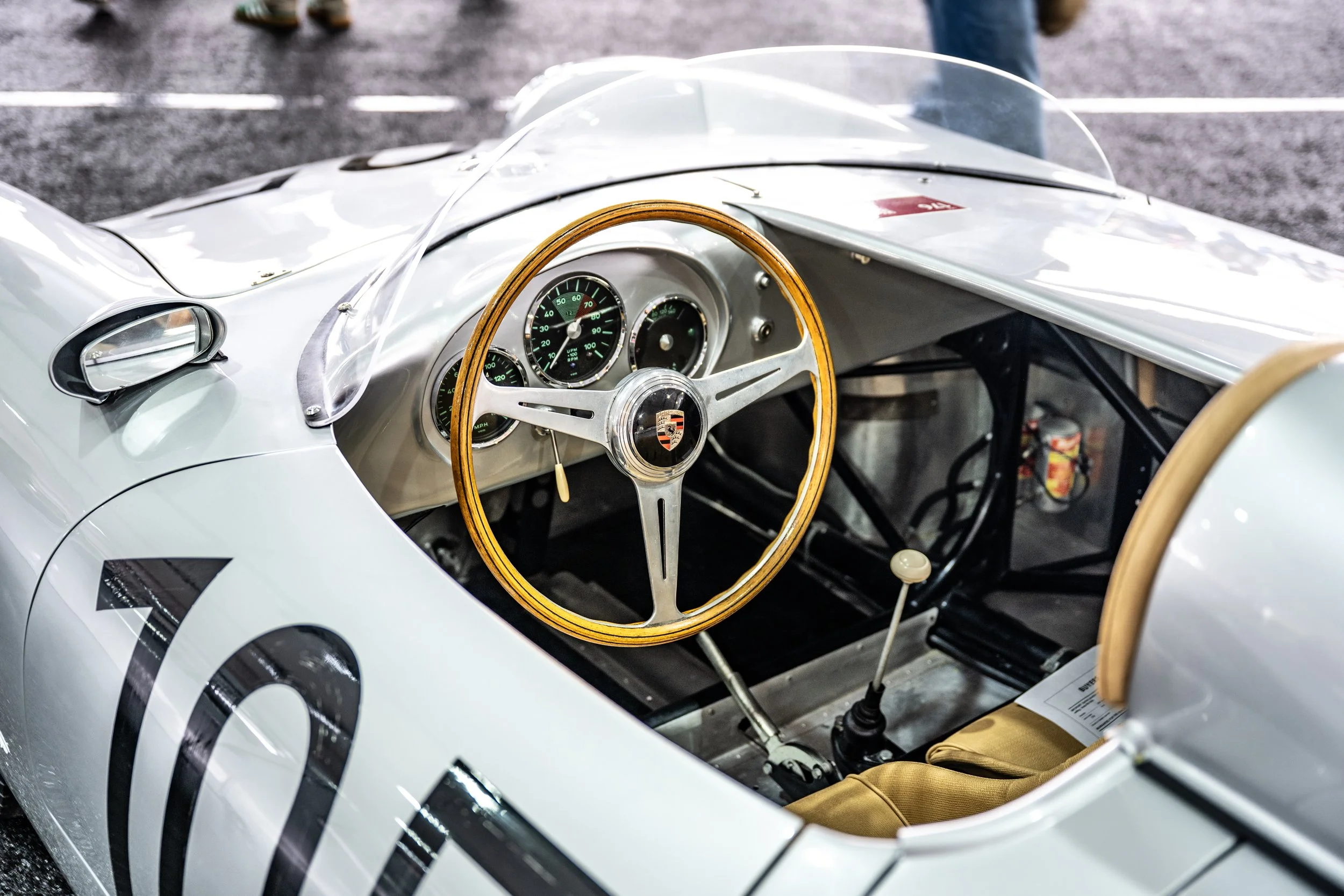
Gooding Christie’s had an even bigger weekend. More than $159 million in sales. The headline was the extraordinary Carroll Shelby’s 1964 Shelby Cobra Daytona Coupe that brought $42.905 million, becoming the most valuable American automobile ever sold at auction. A 1963 Ferrari 250 P followed at $18.705 million.
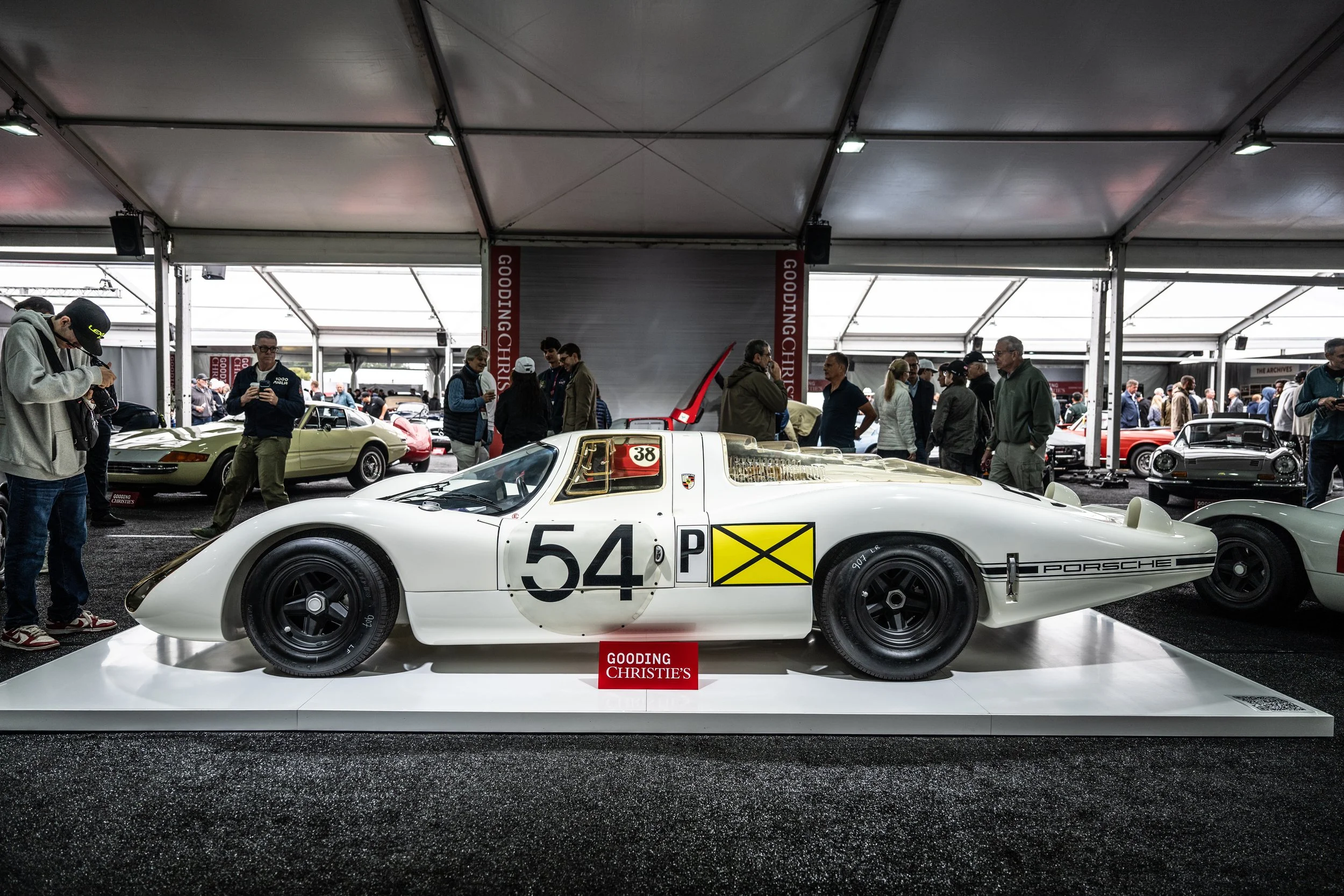
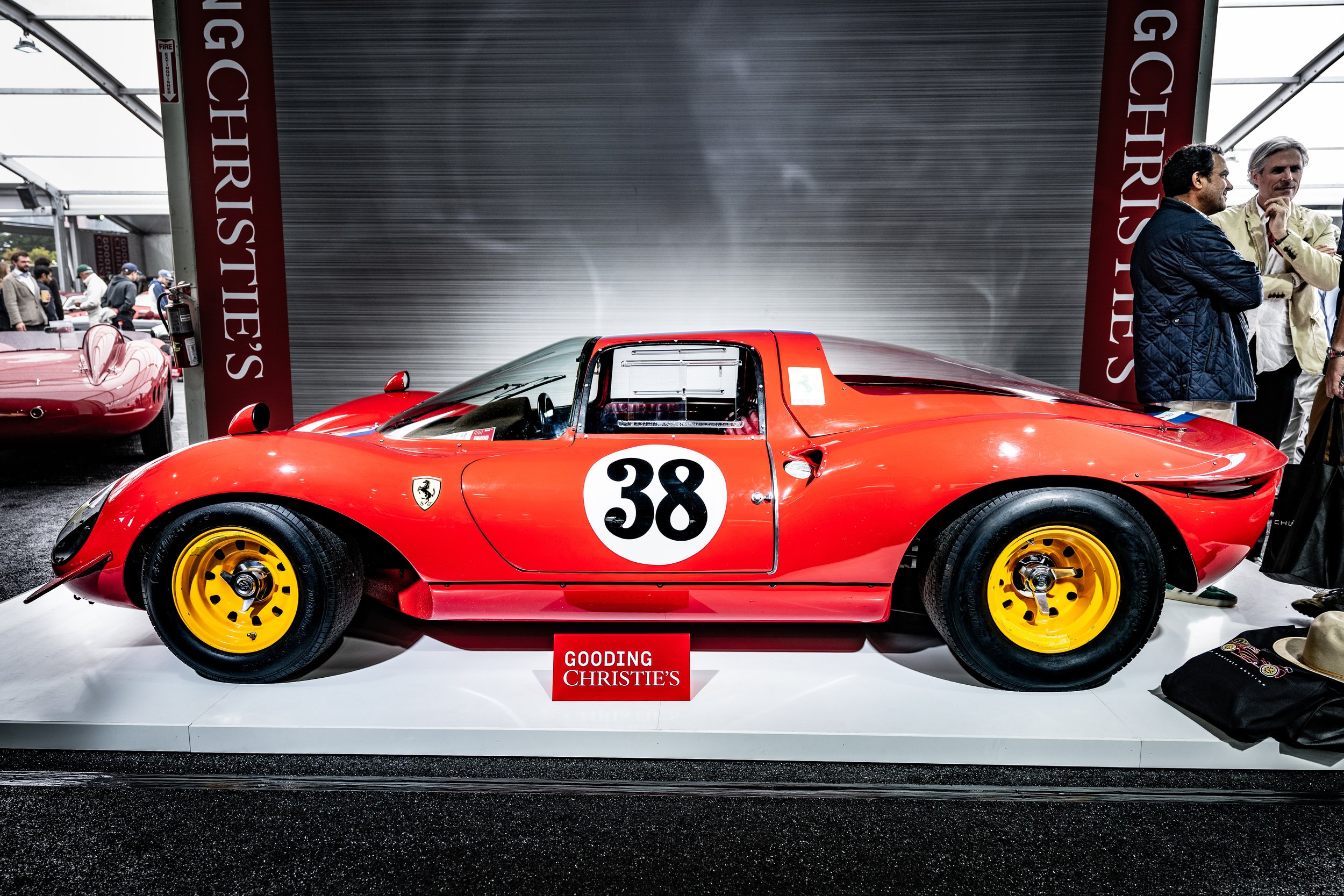
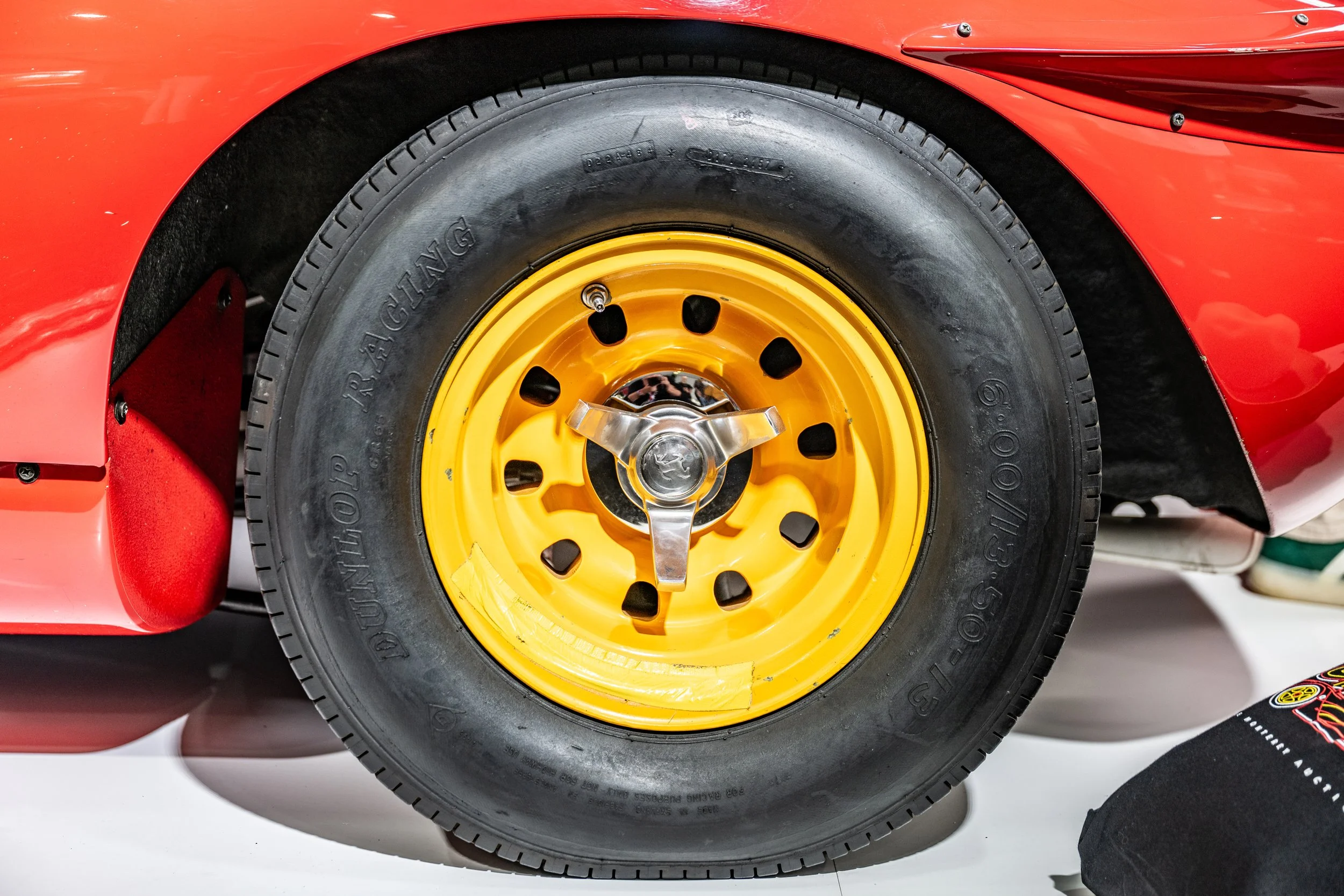
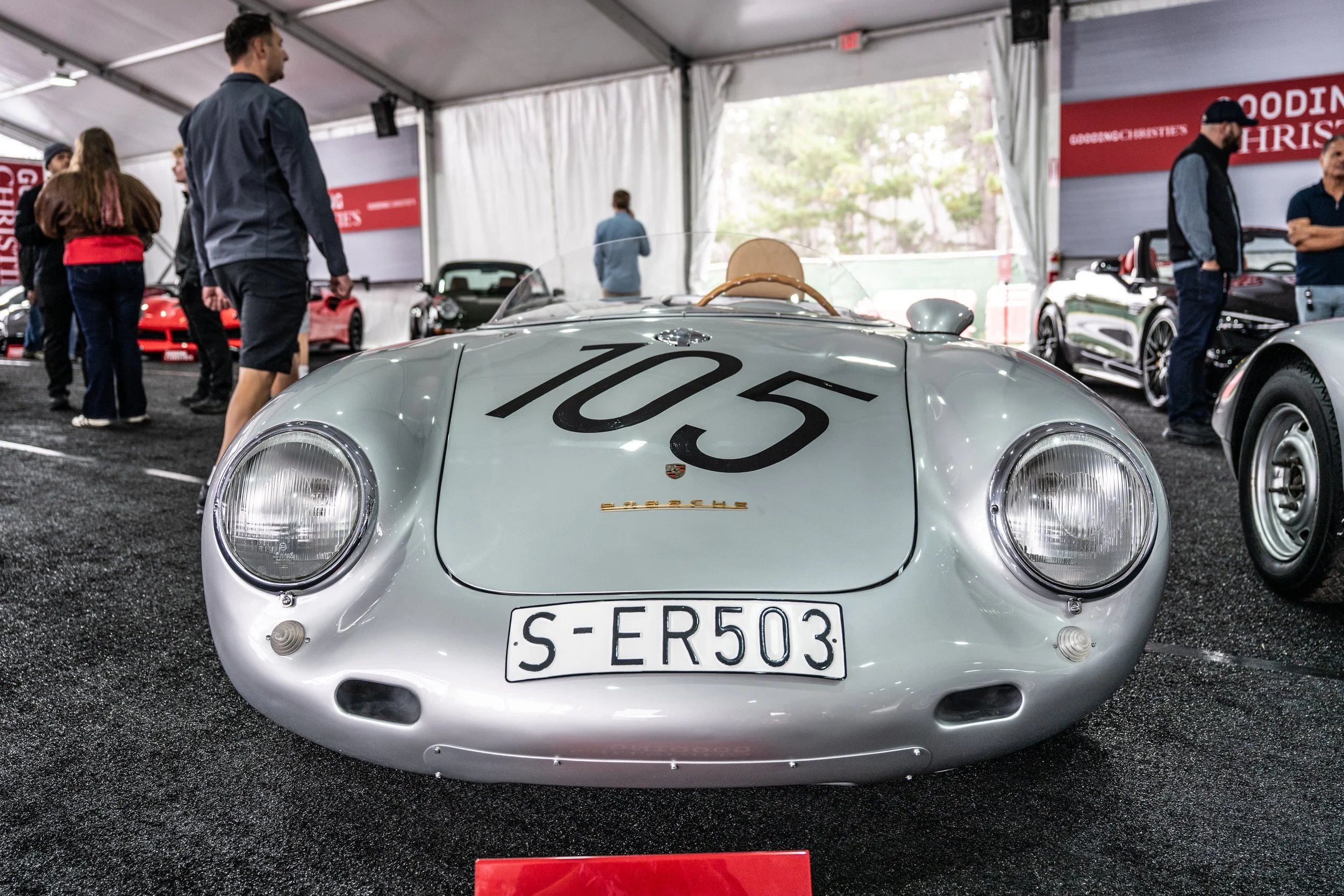
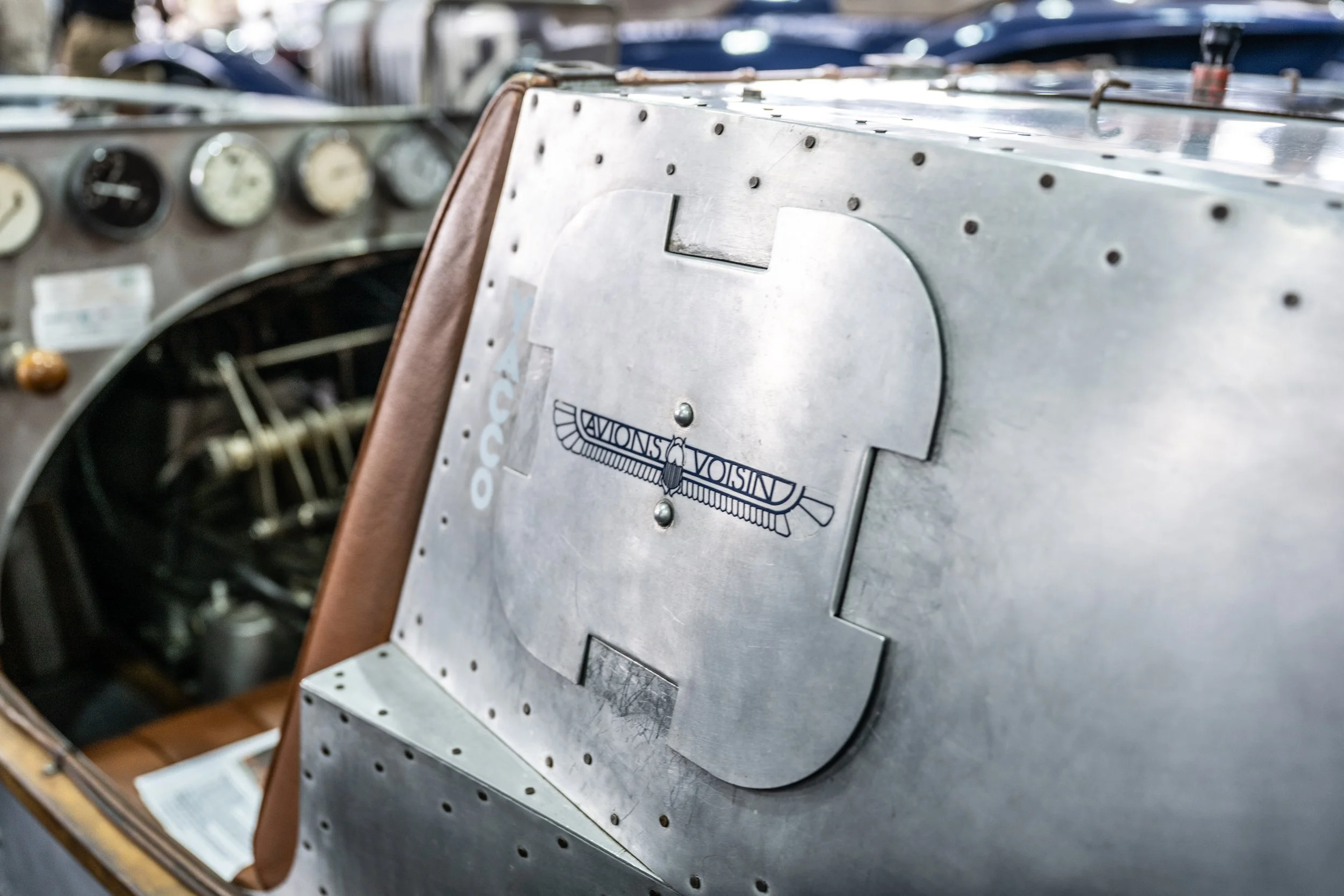
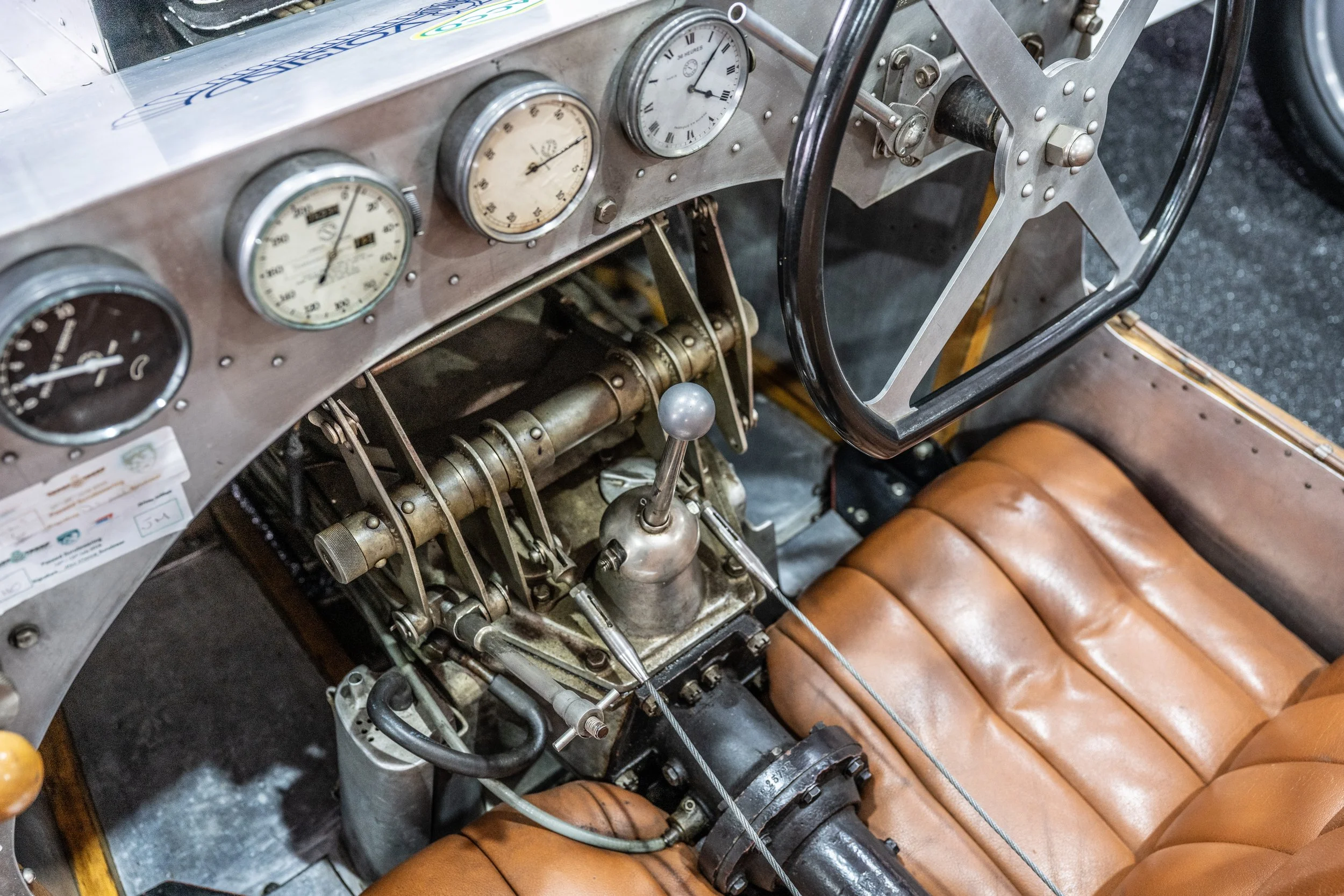
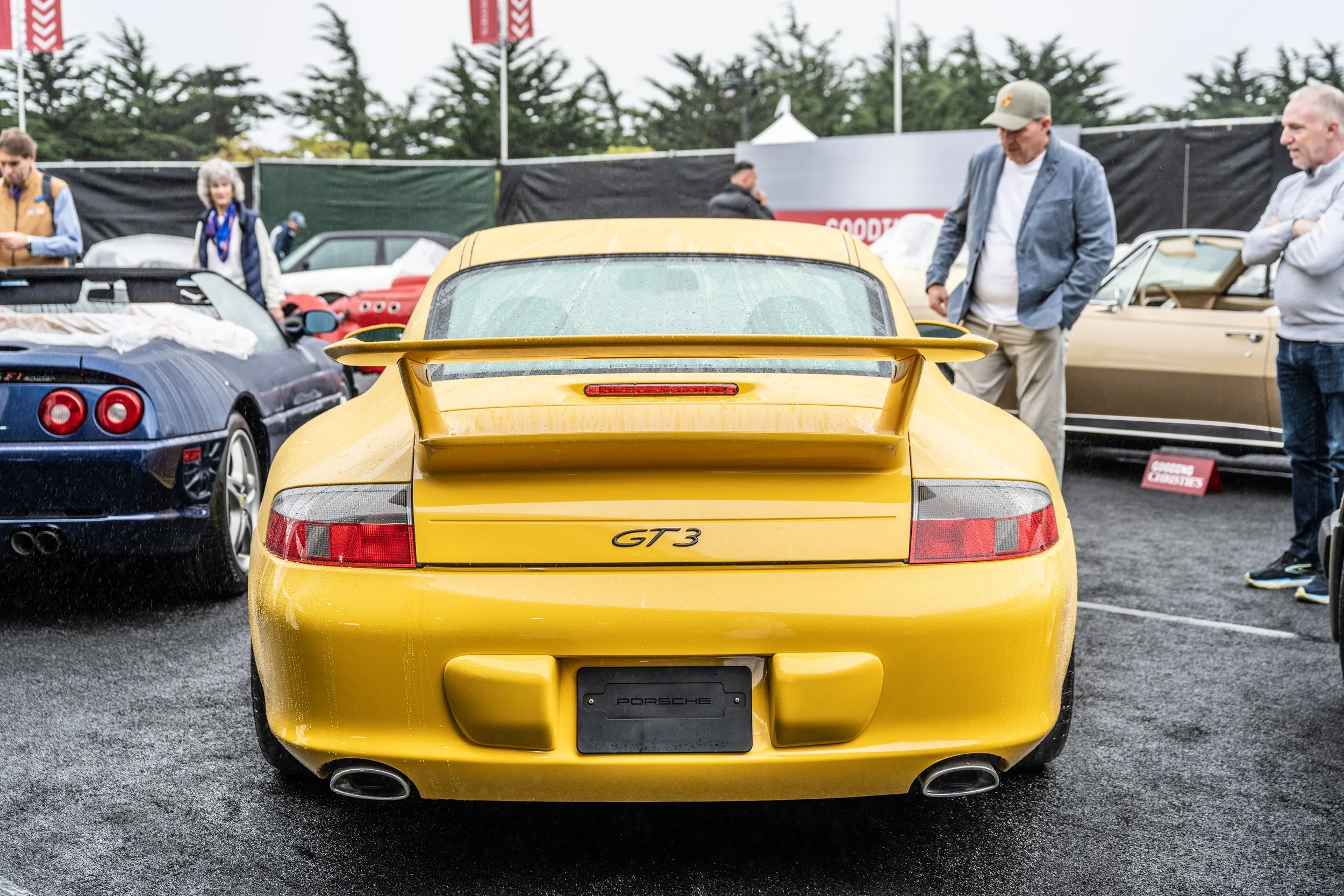
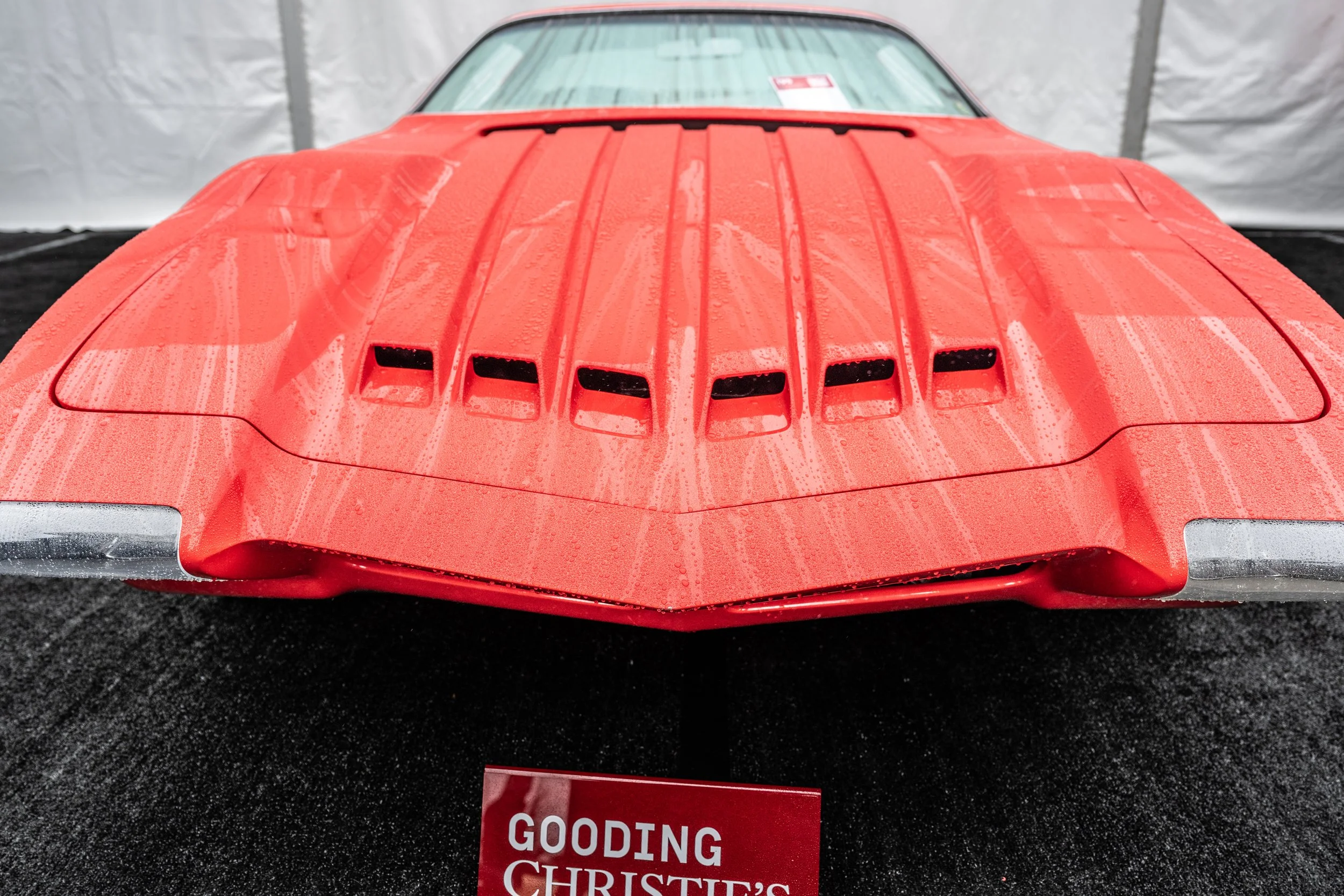
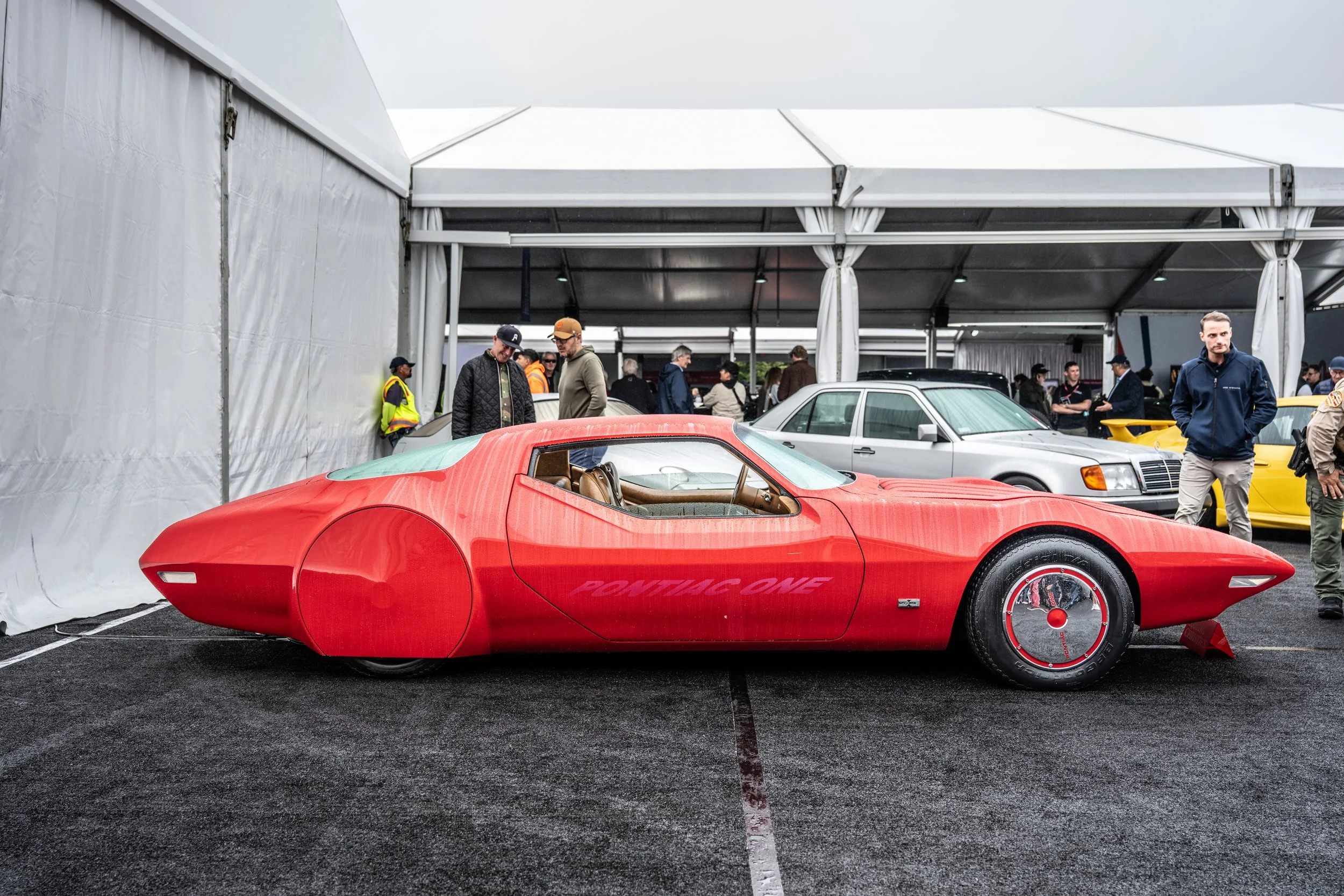
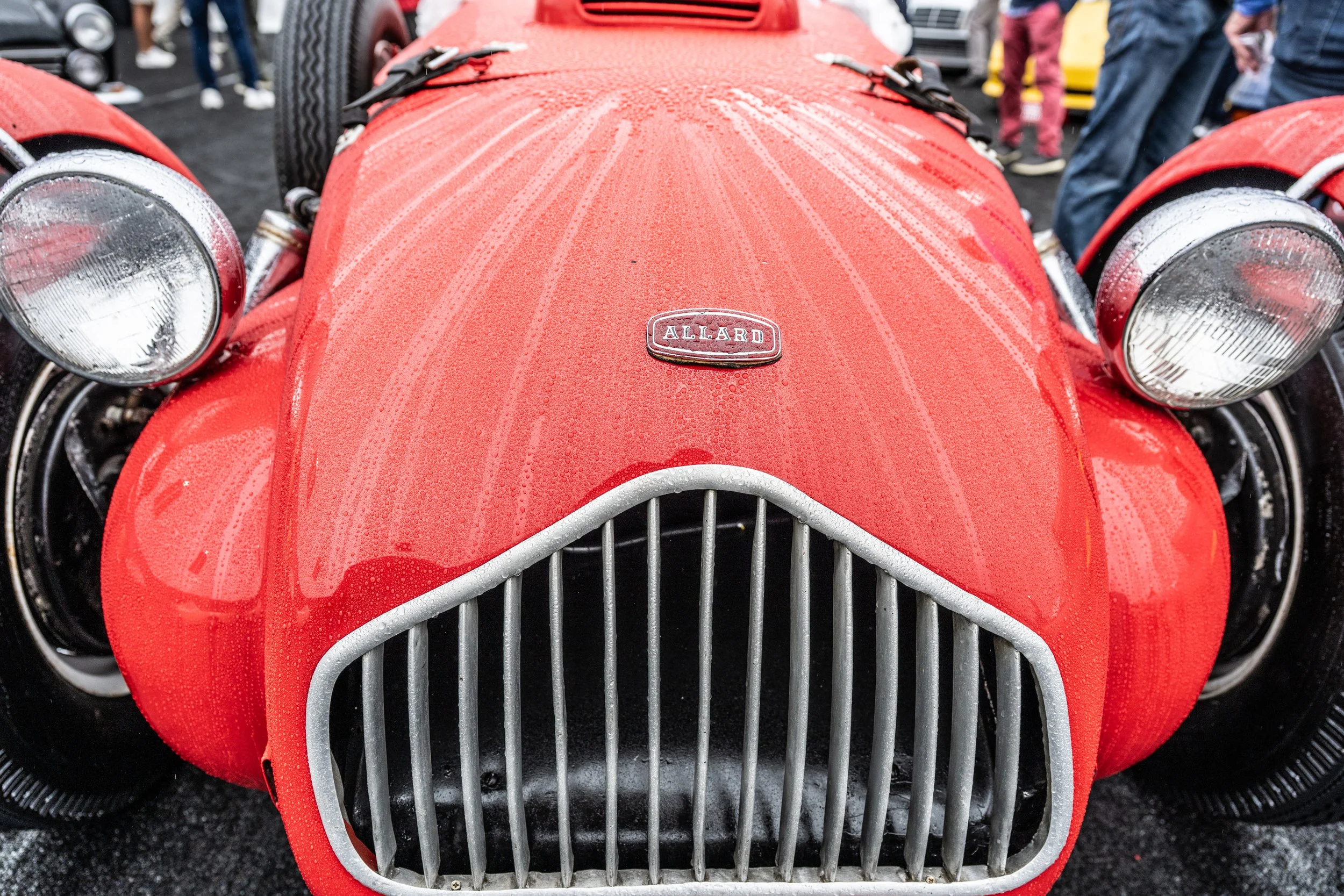
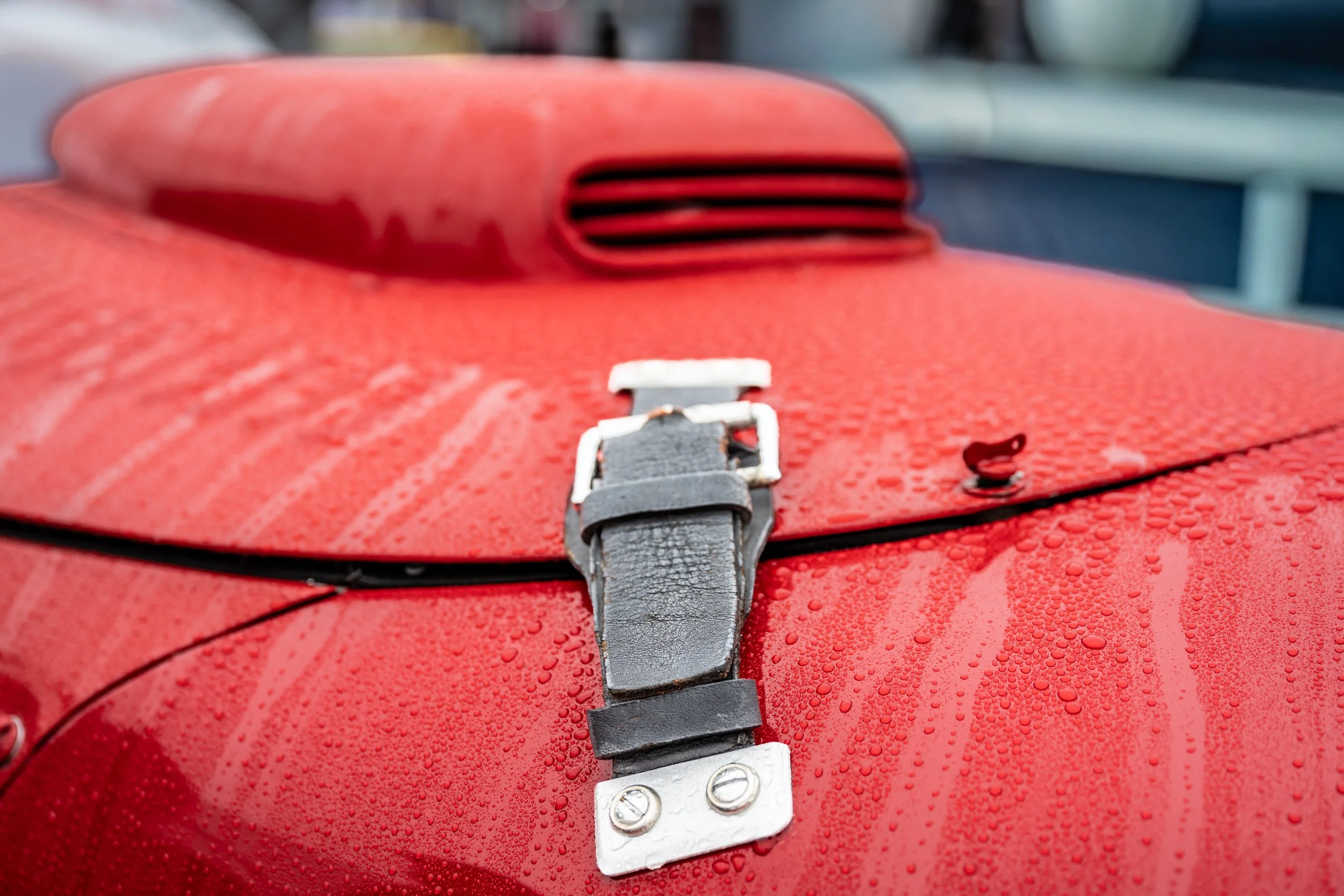
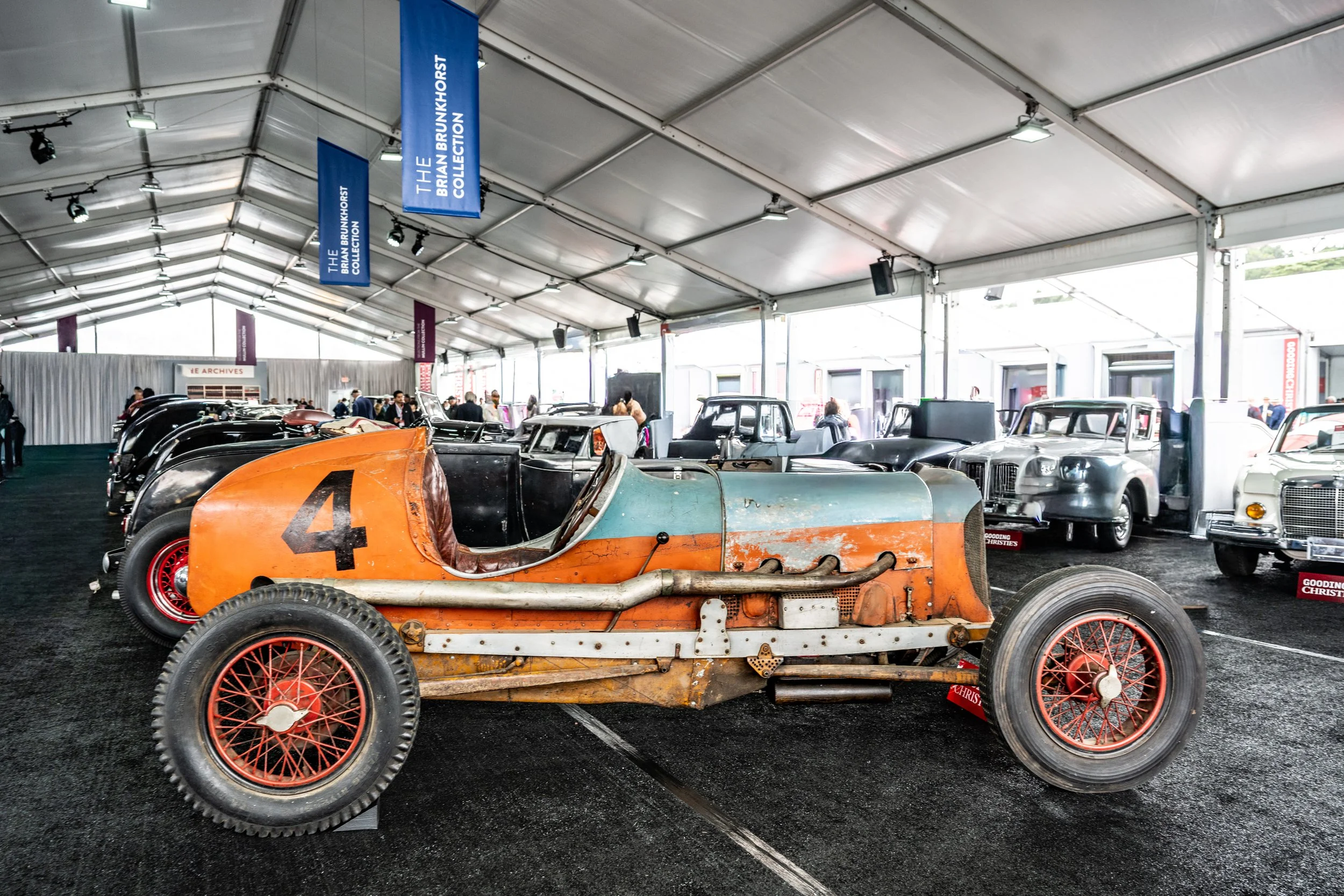
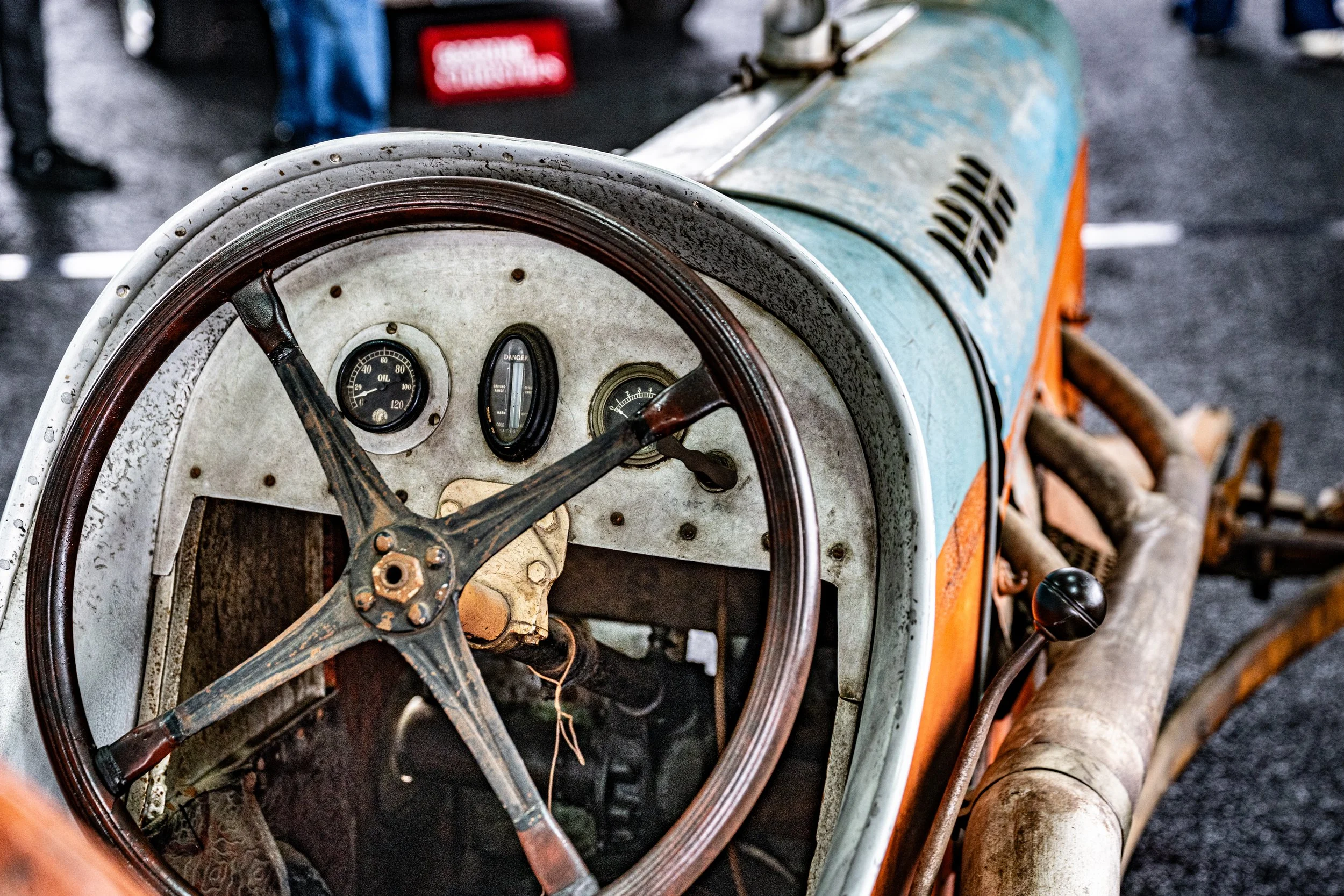
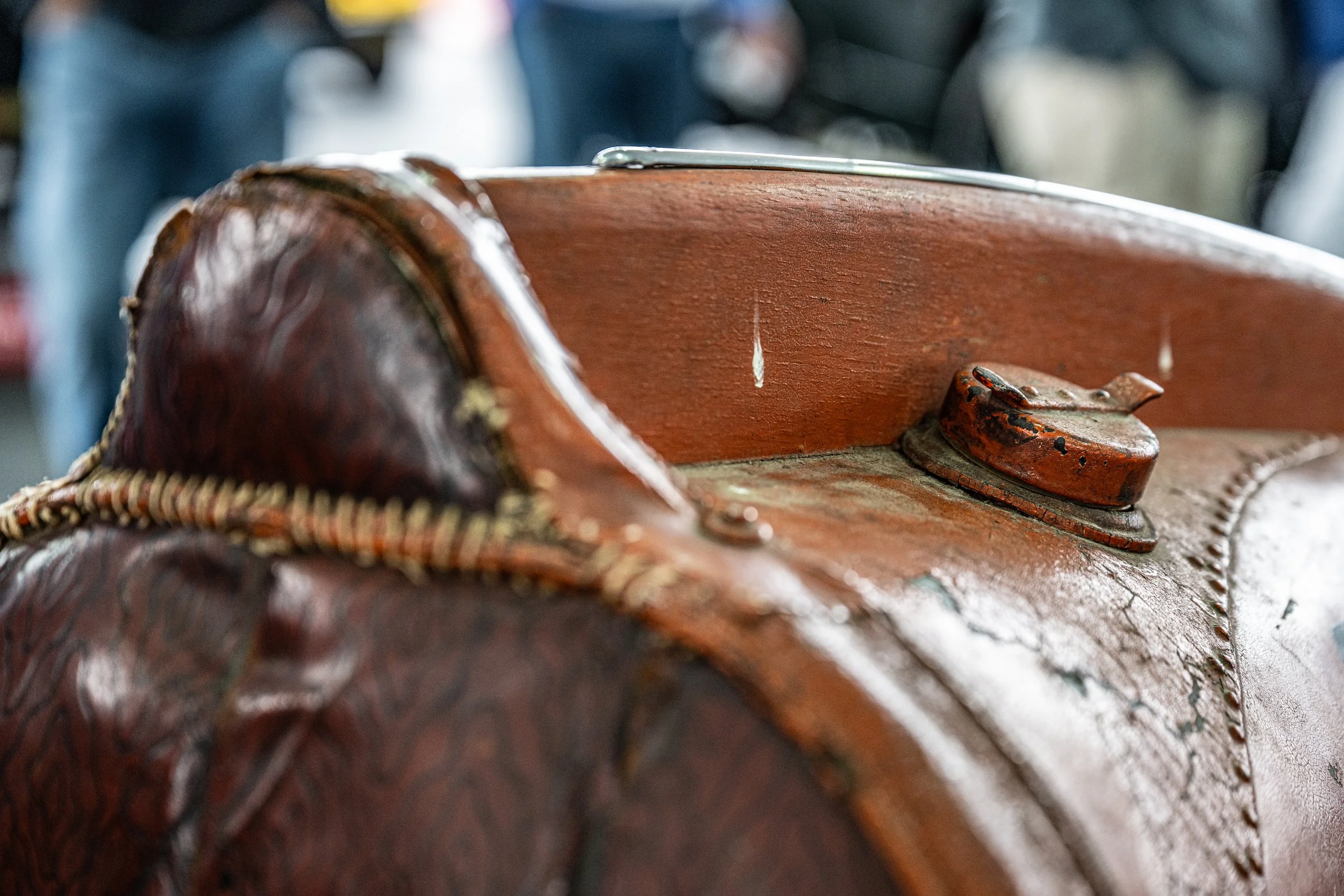
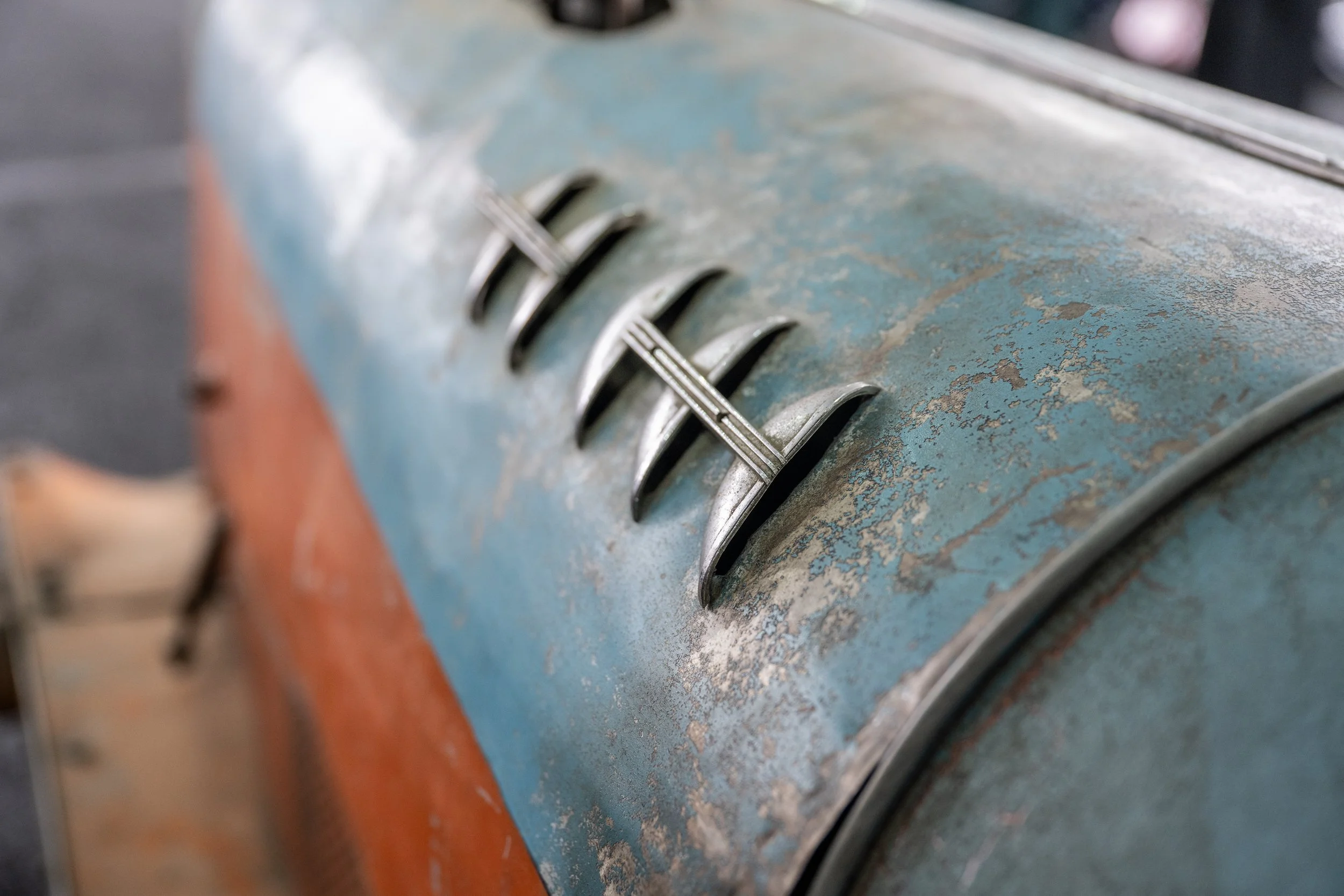
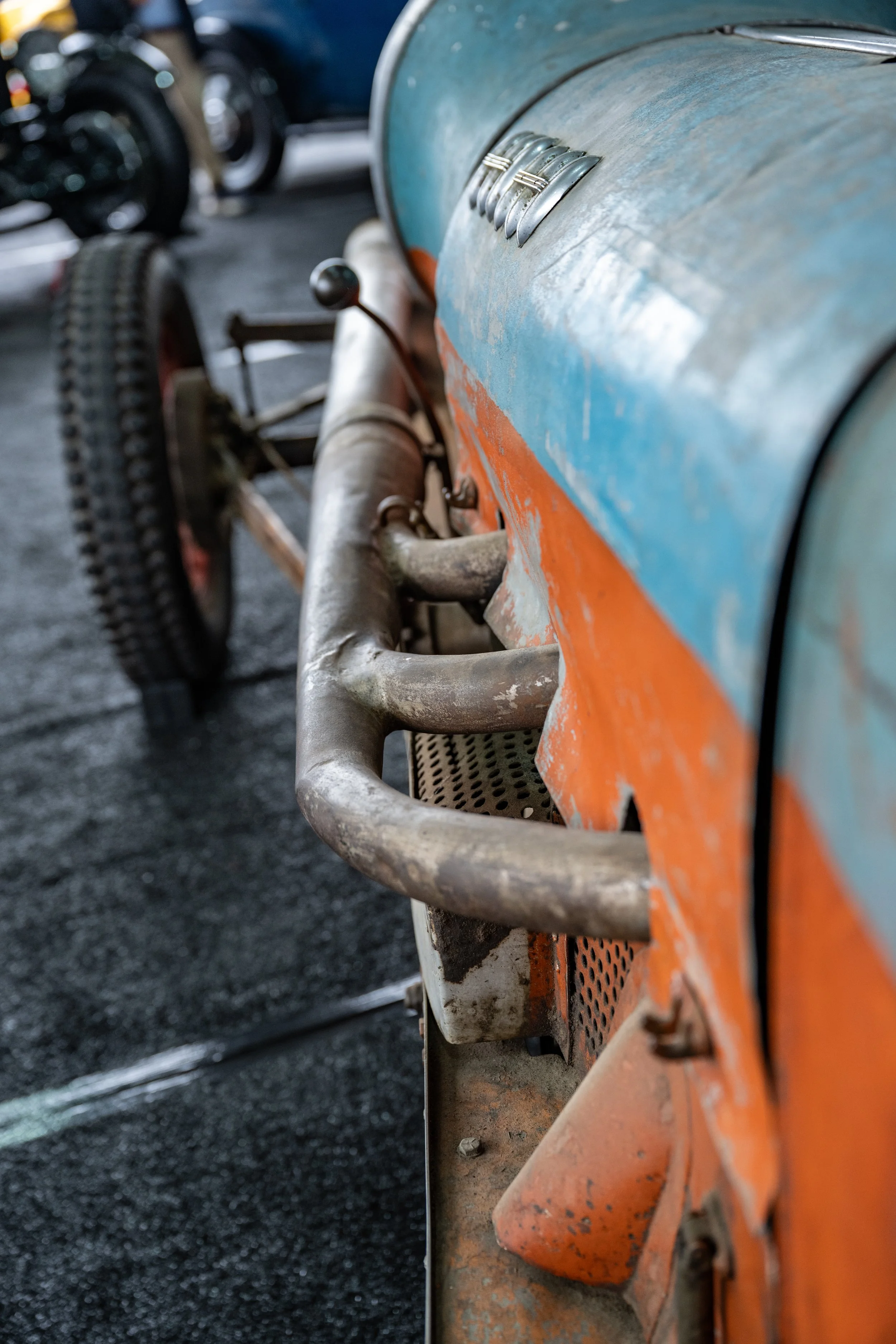
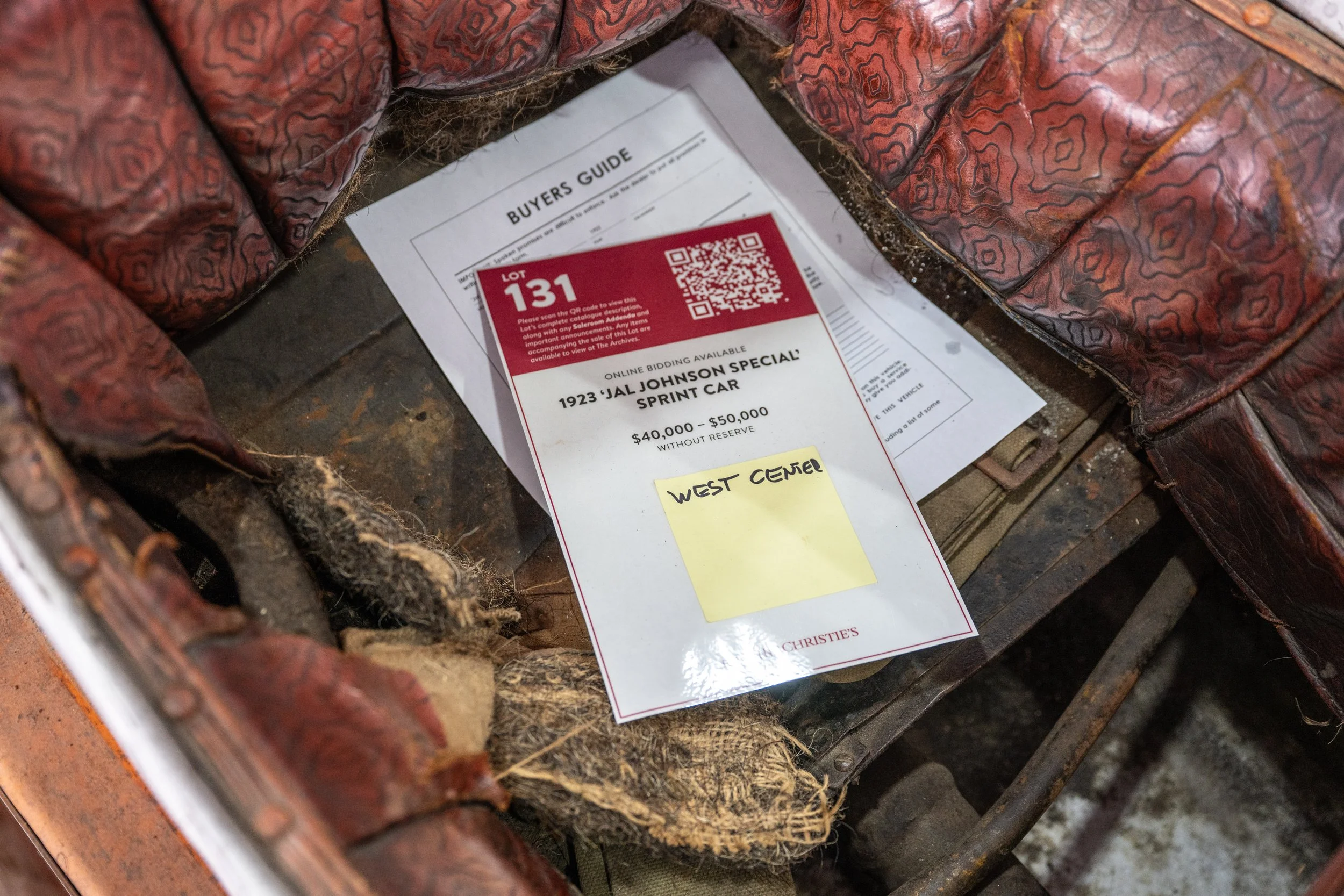
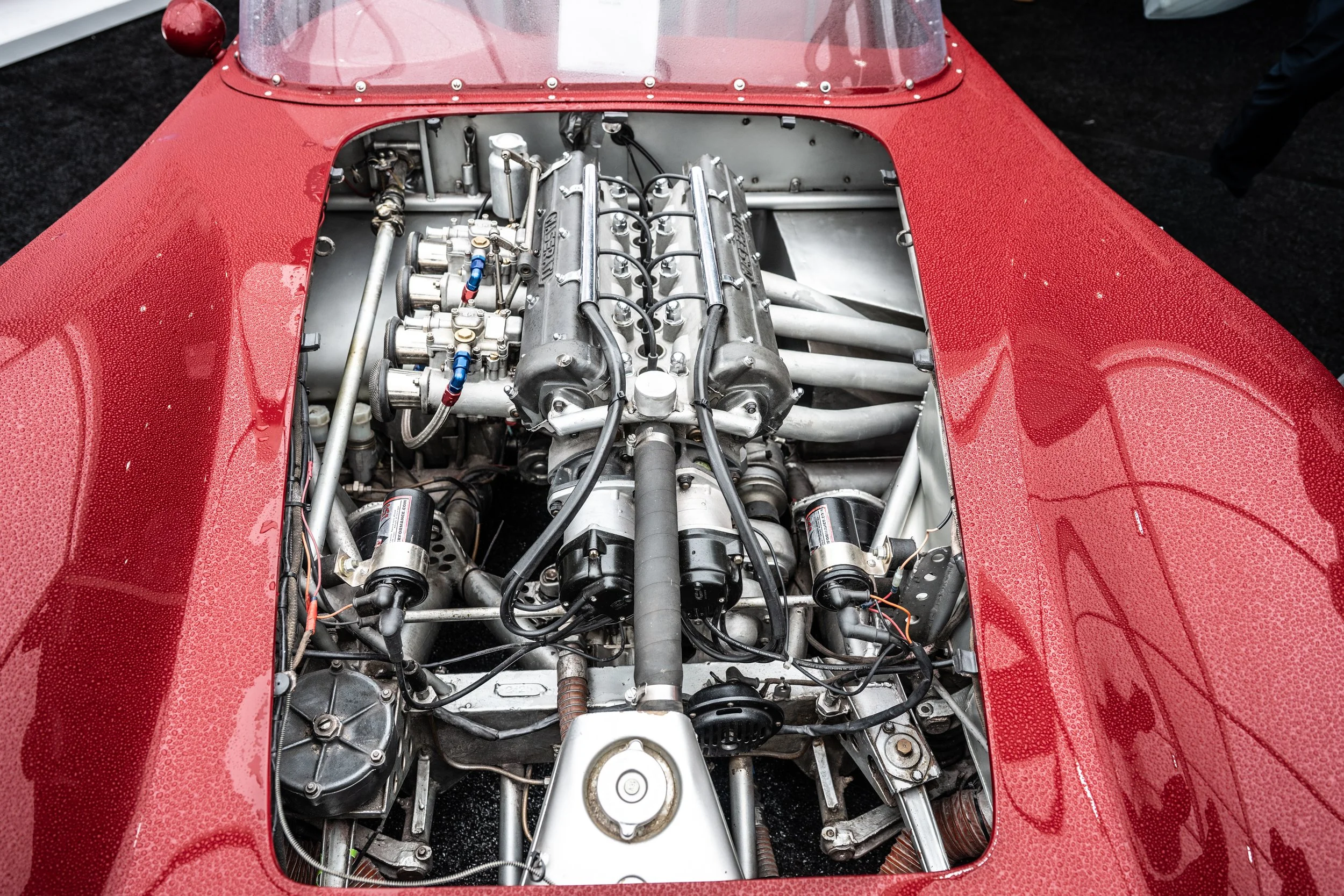
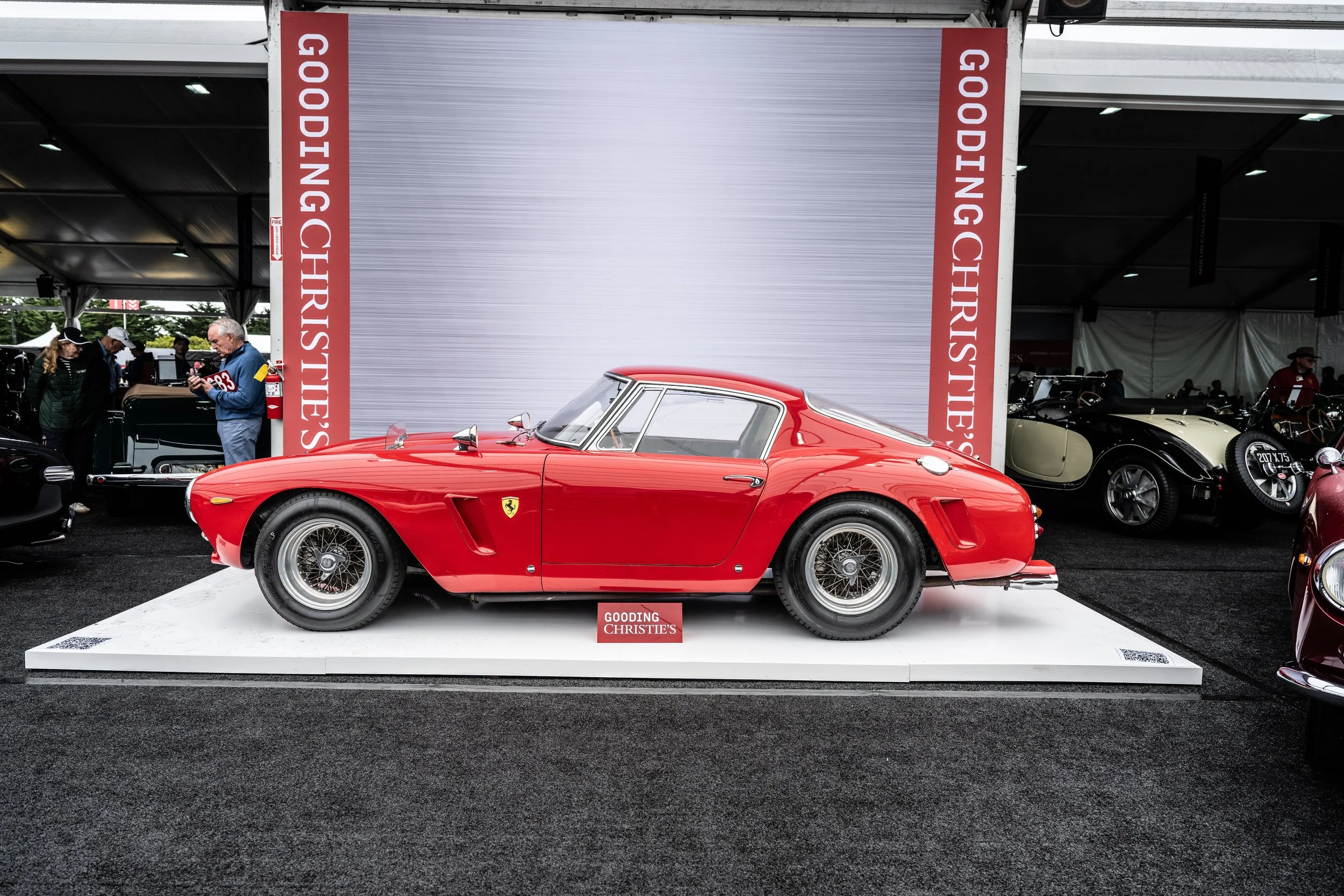
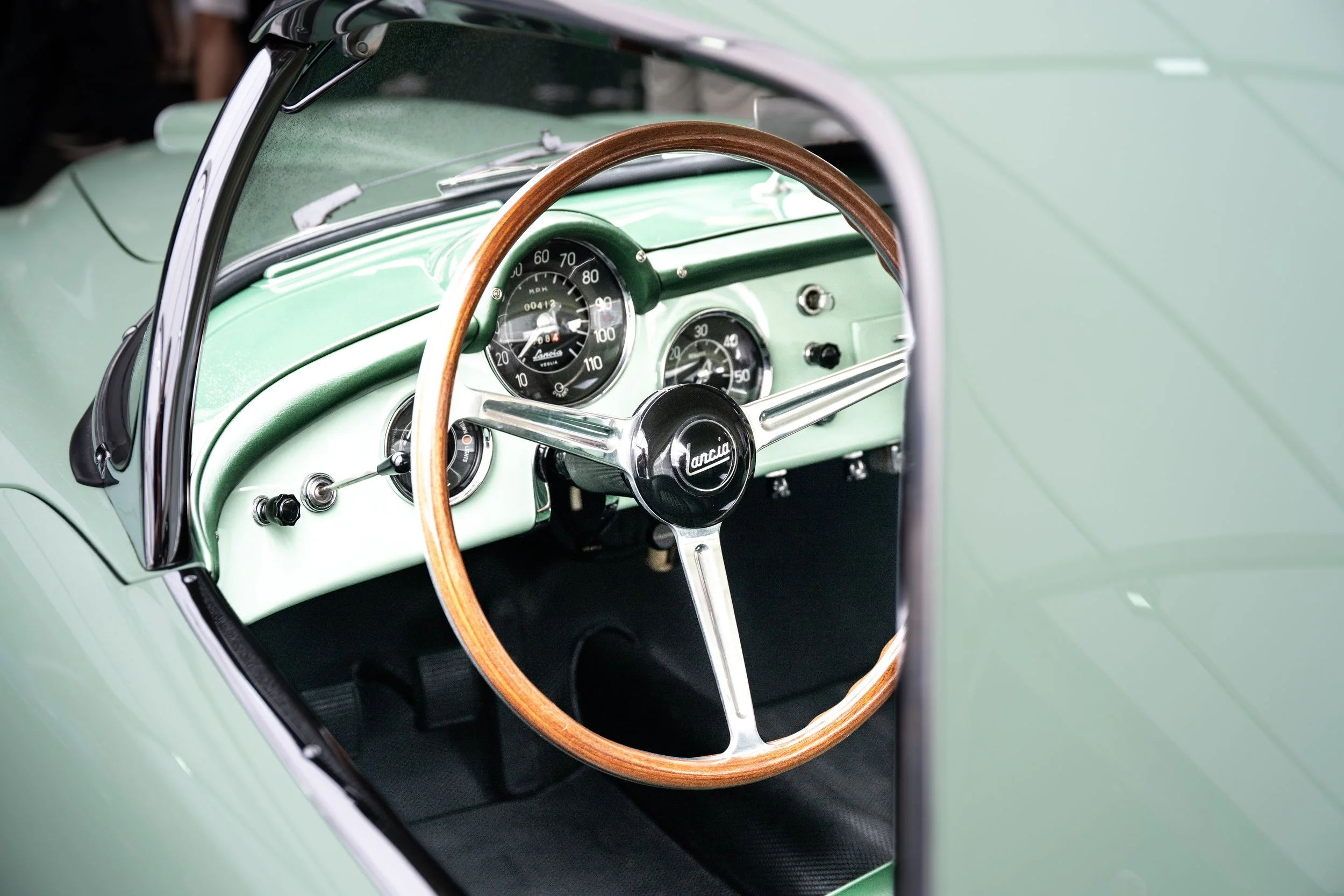
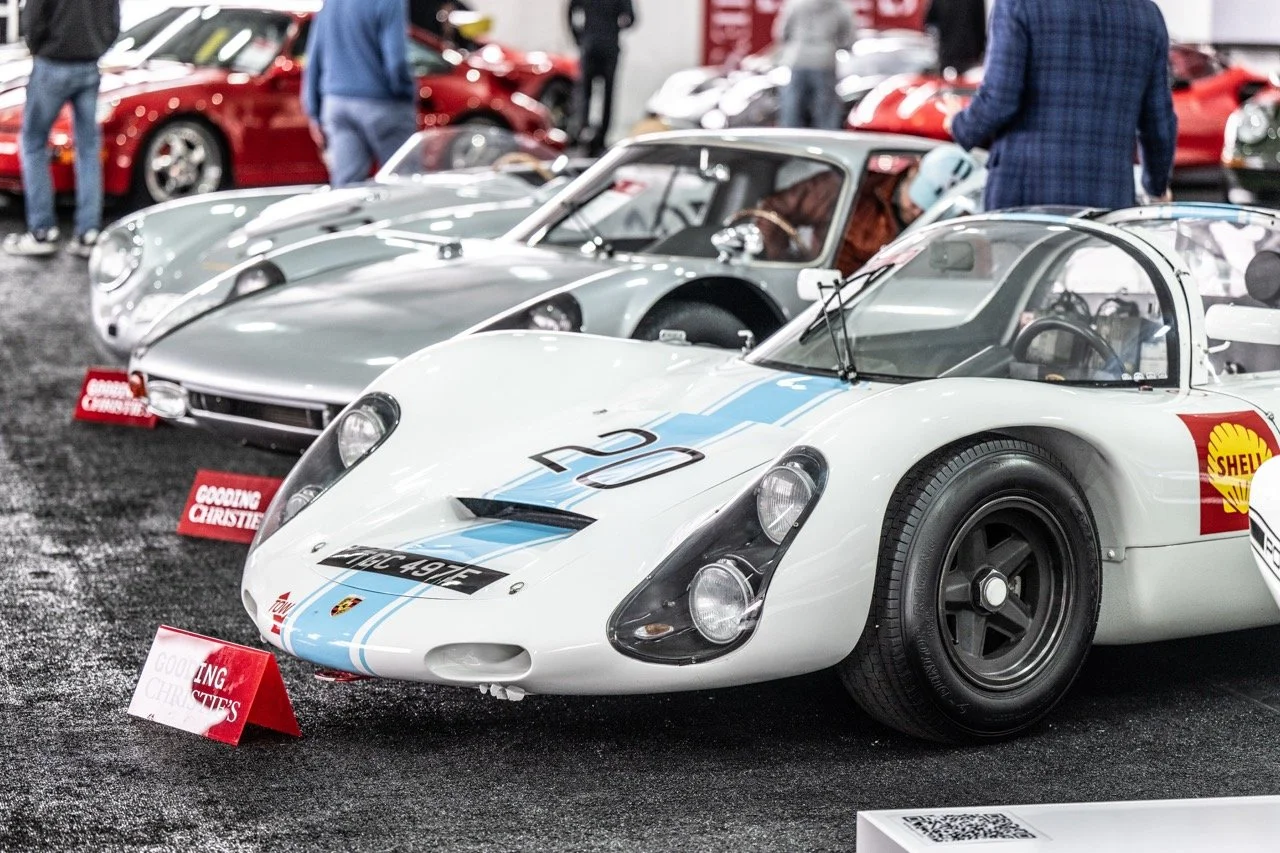
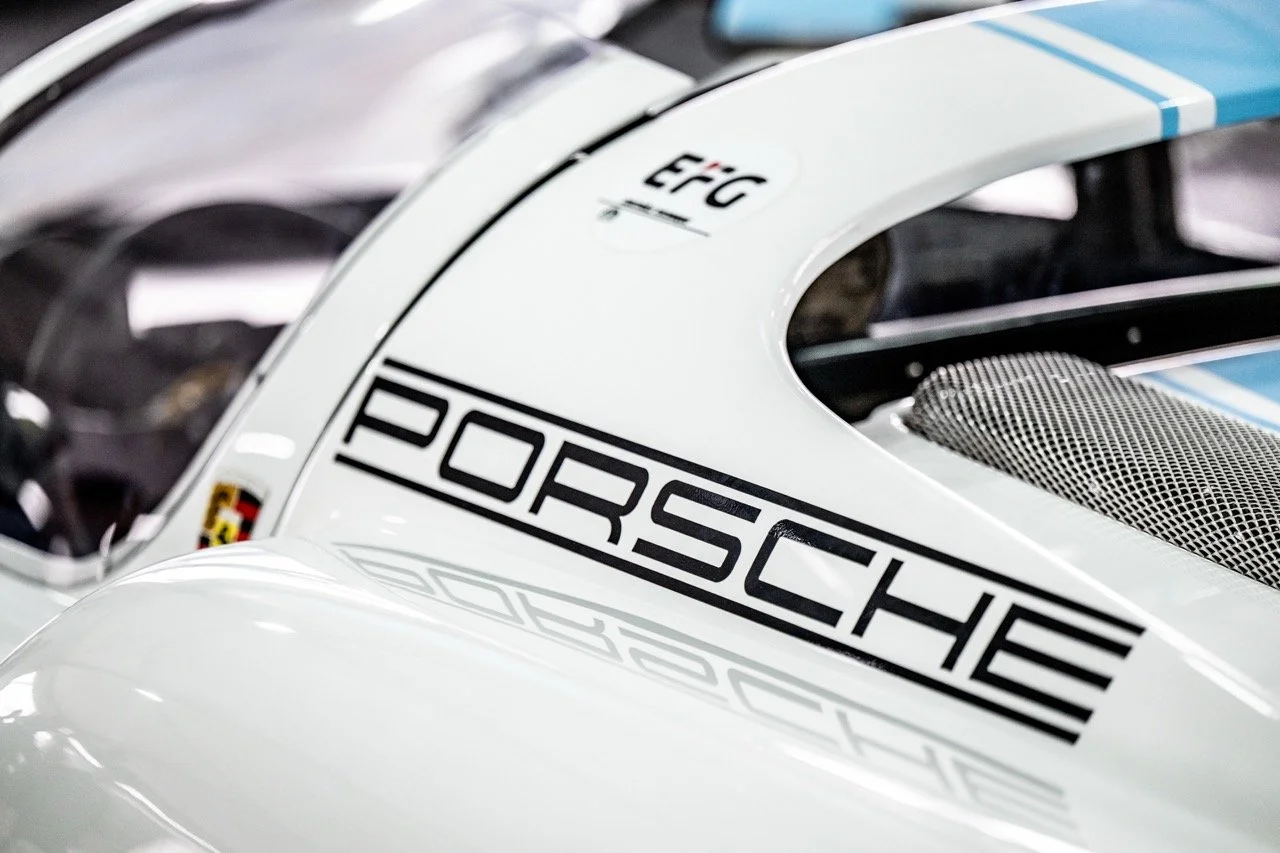
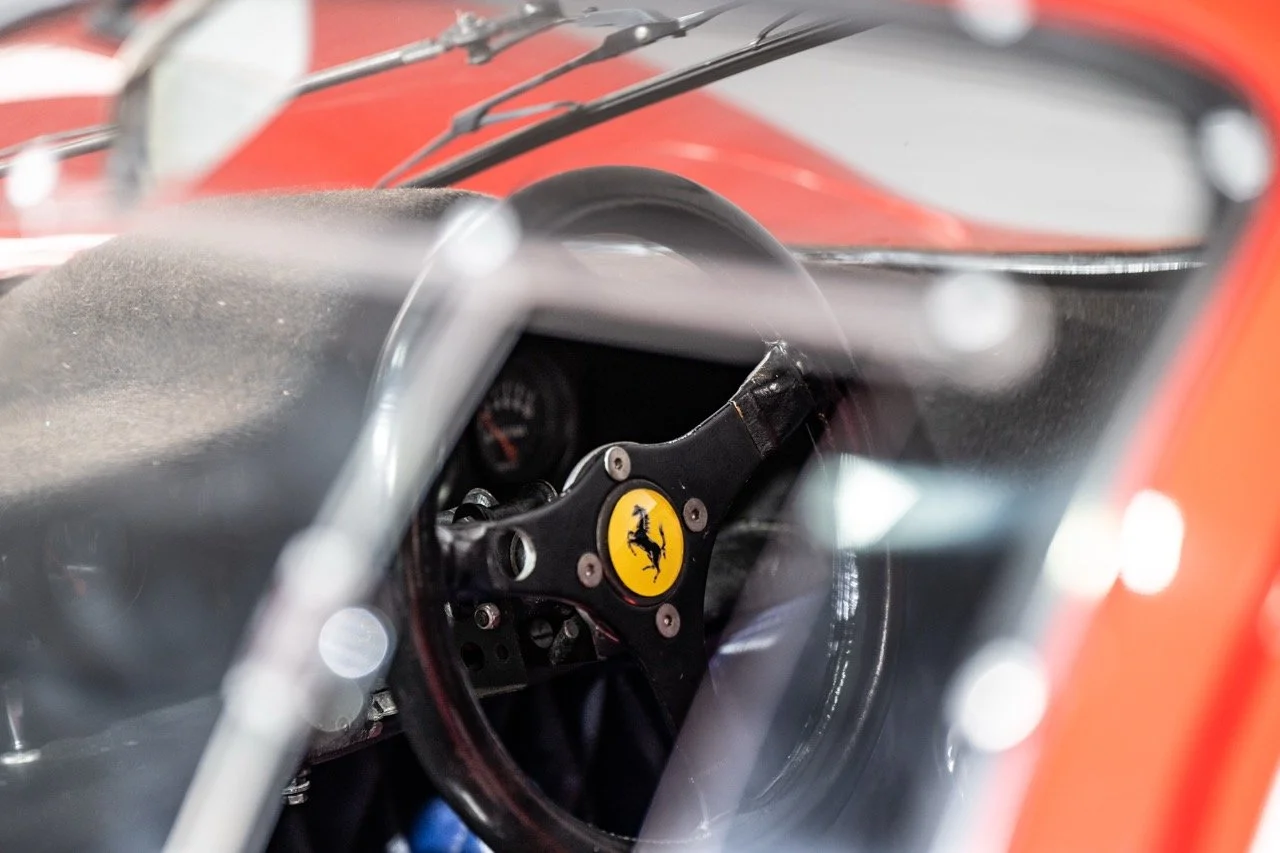
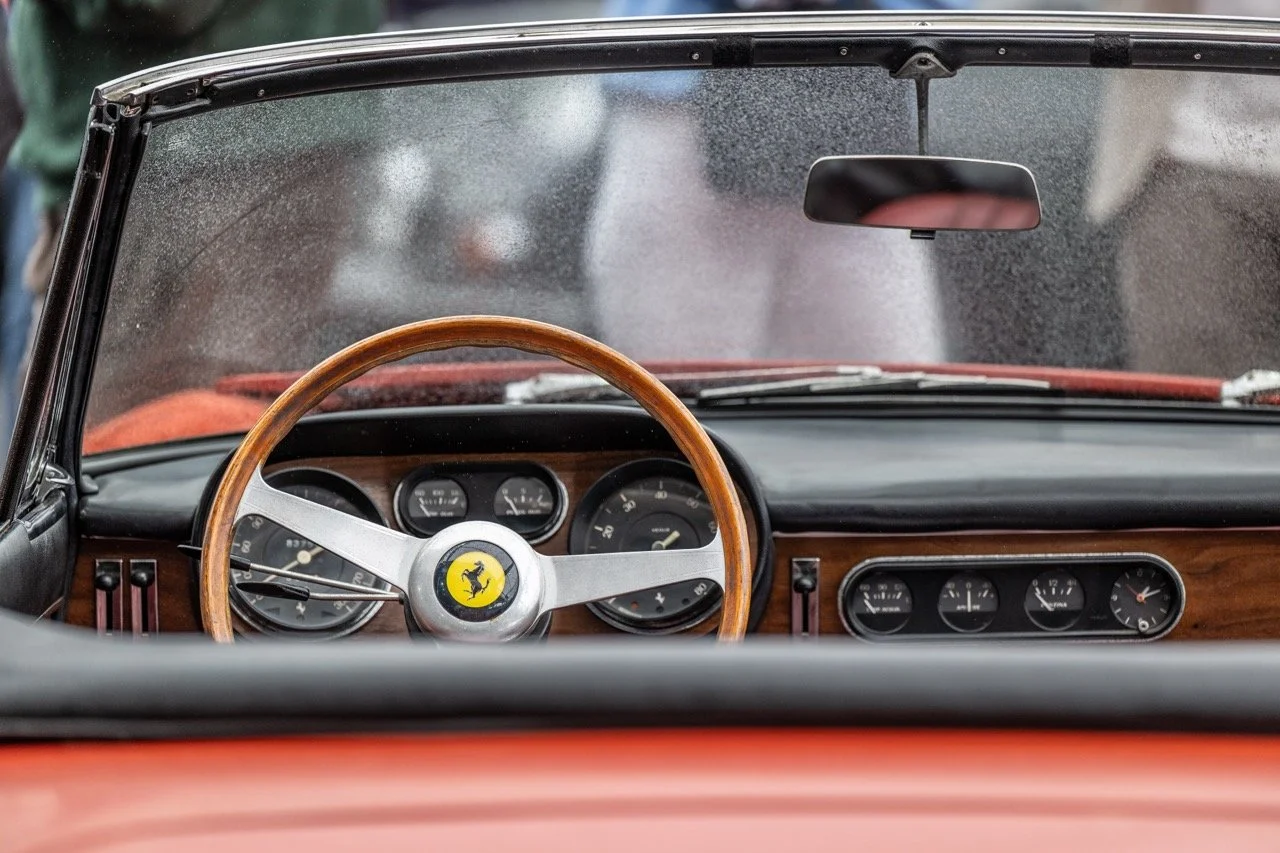
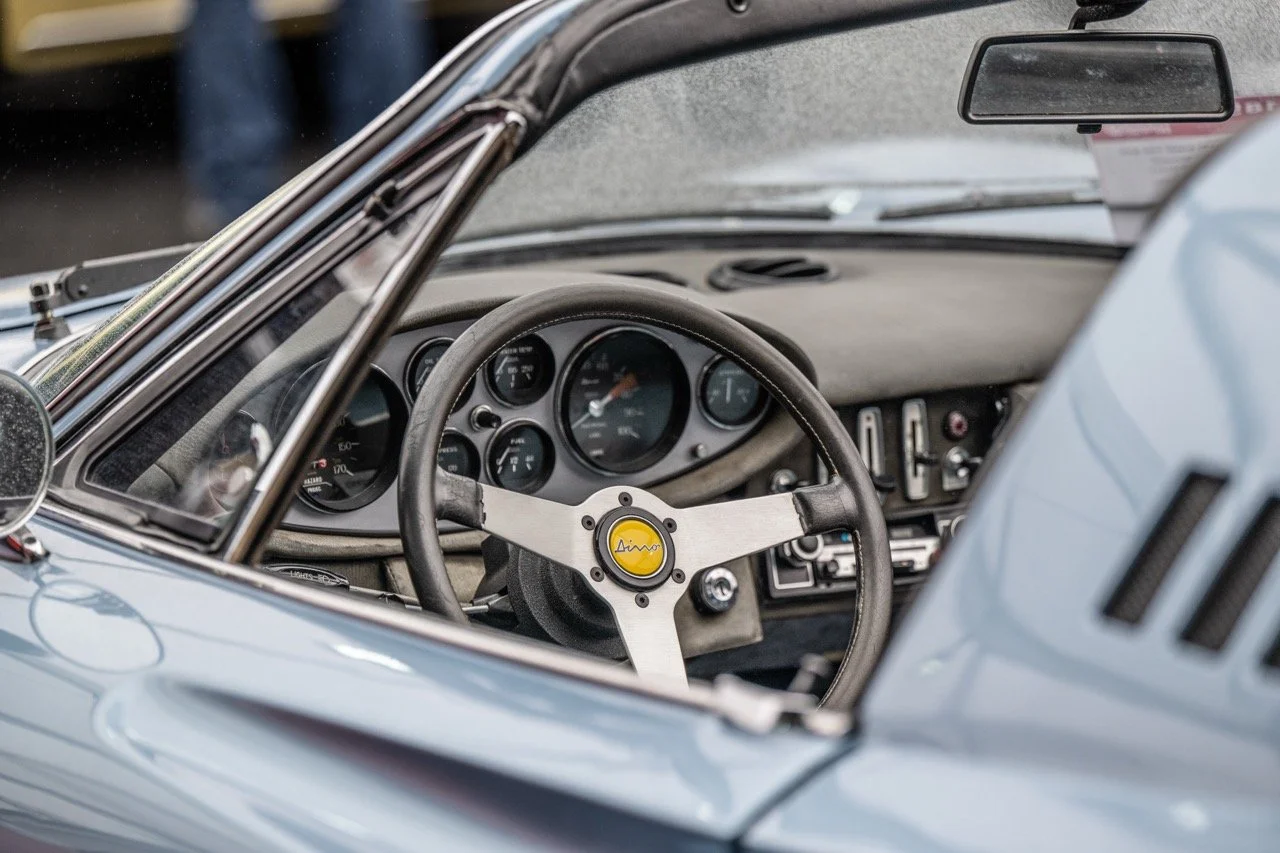
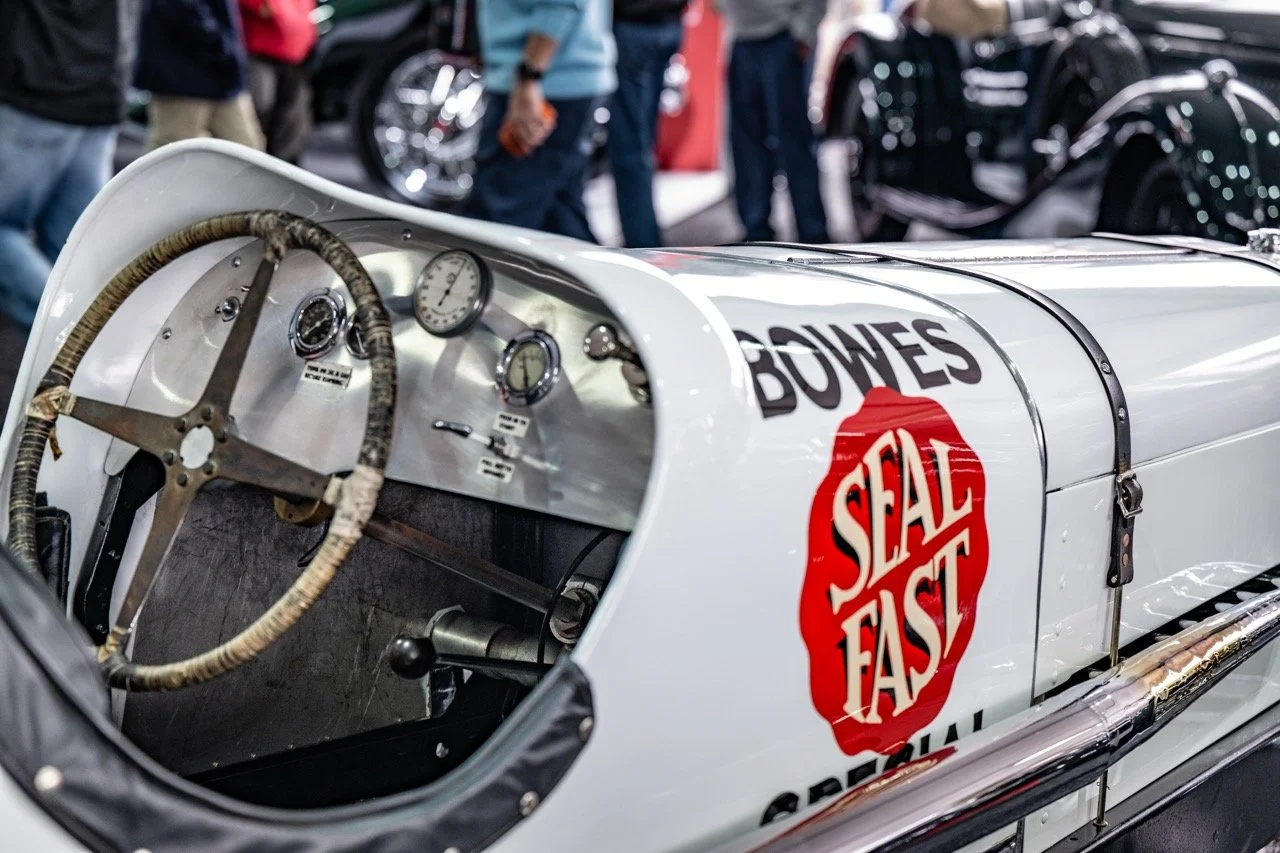
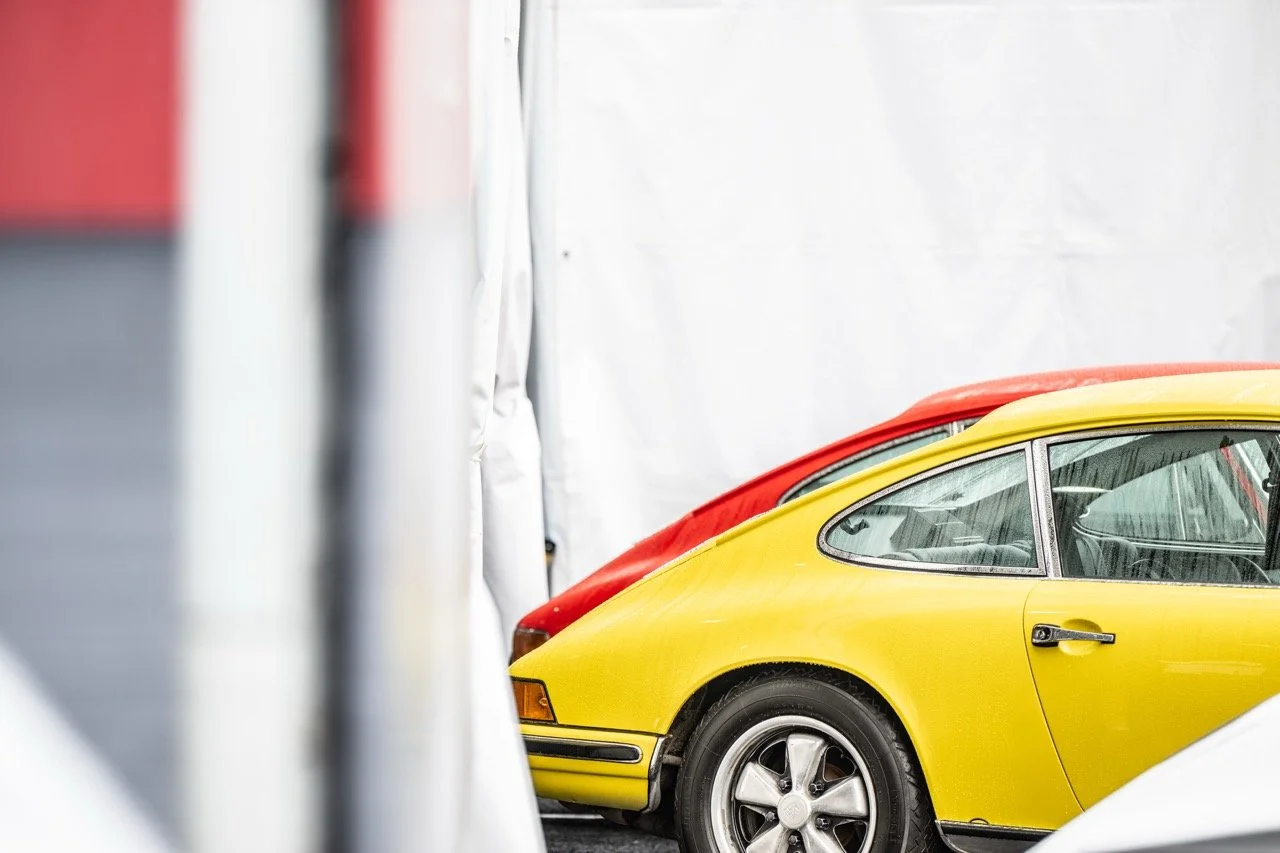
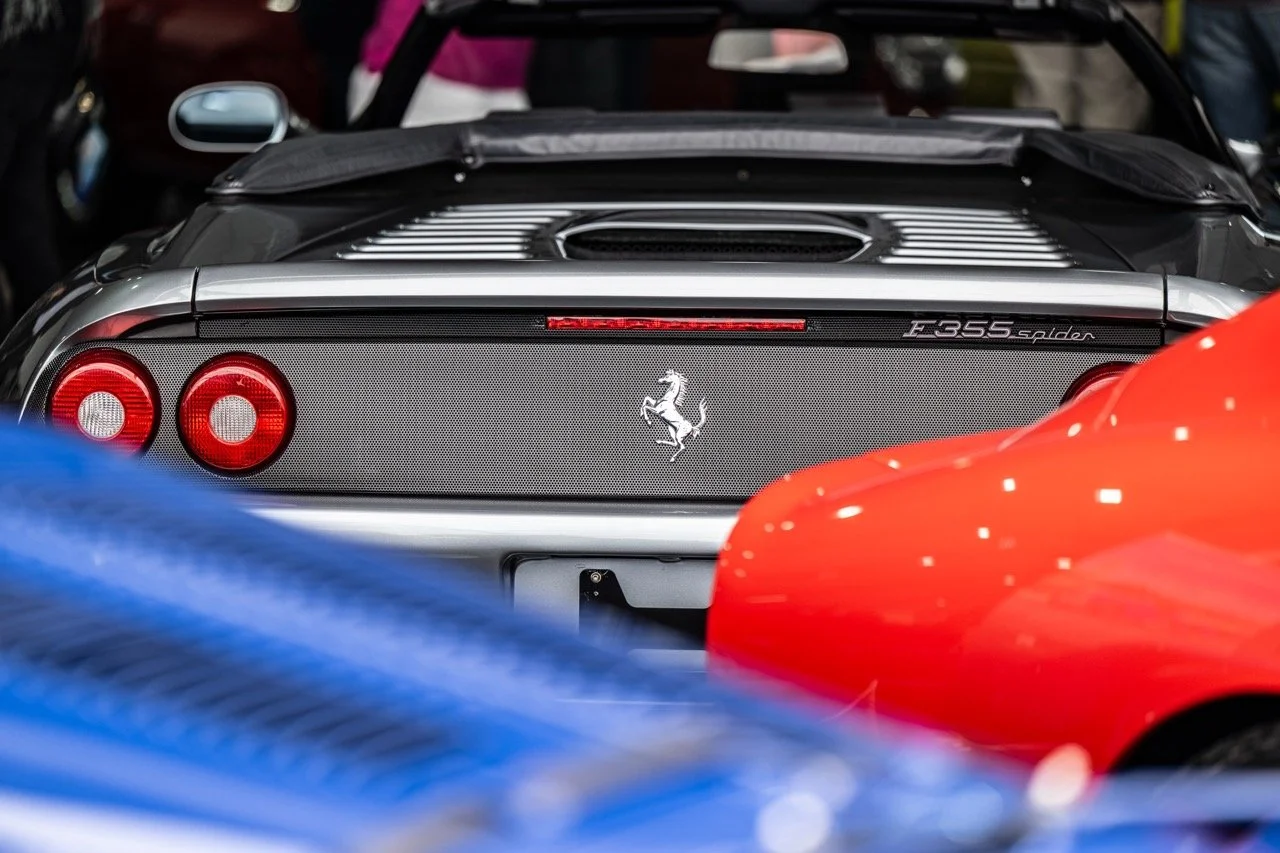
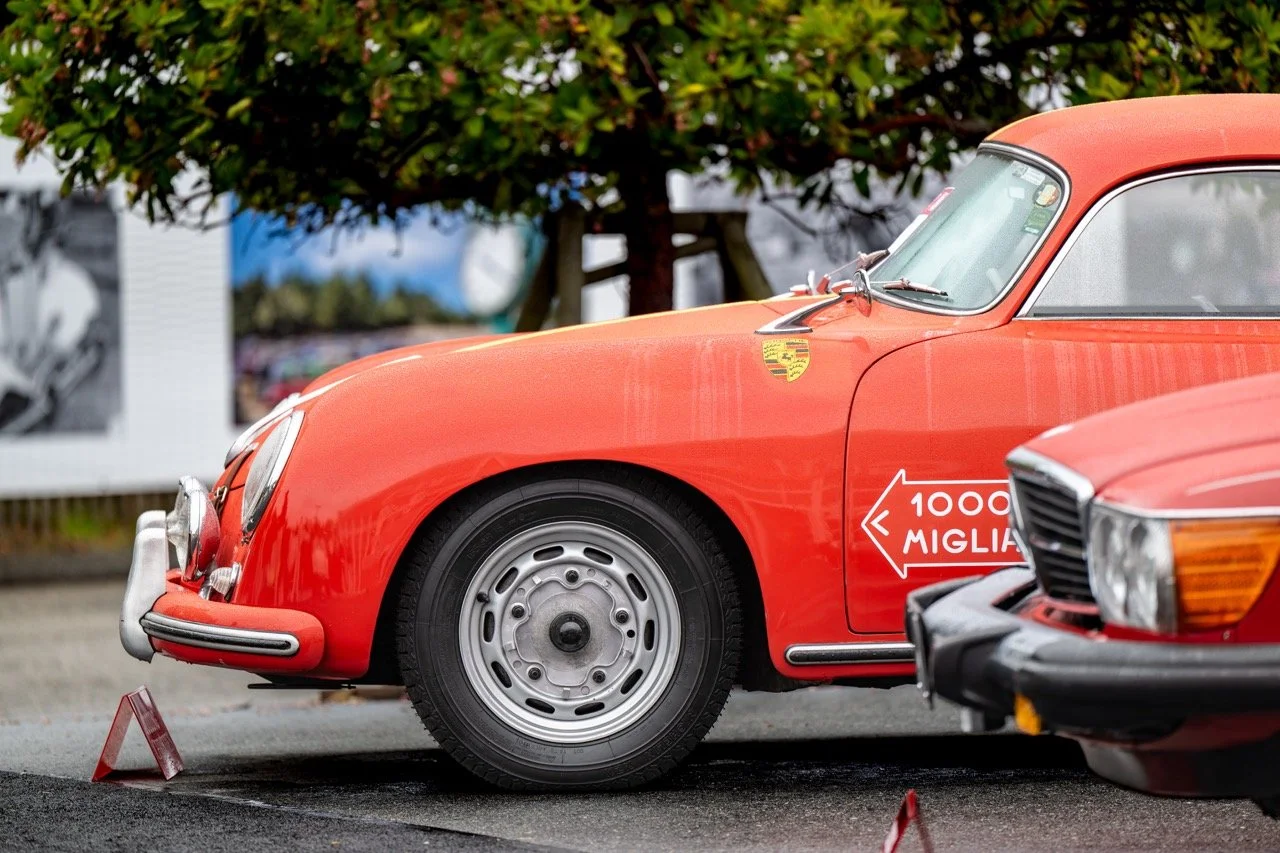
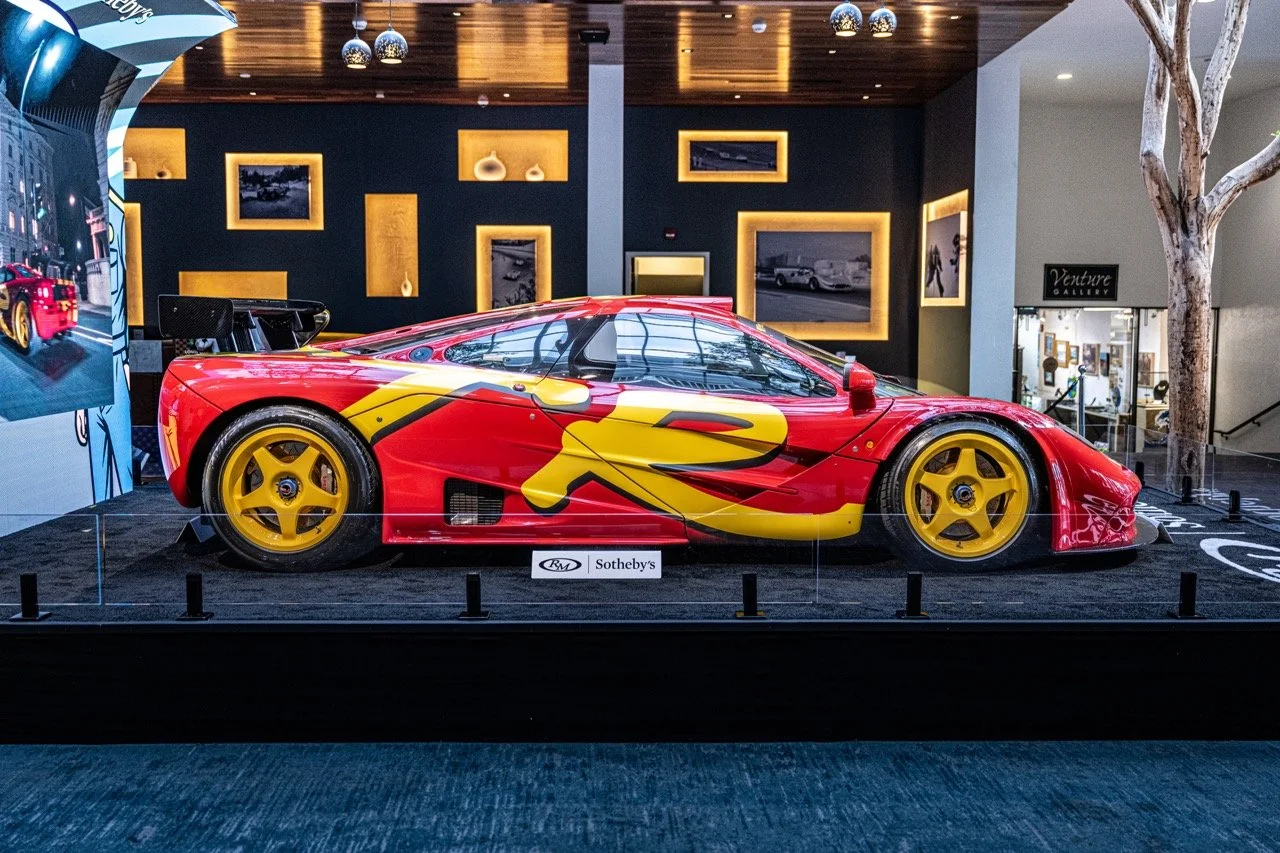
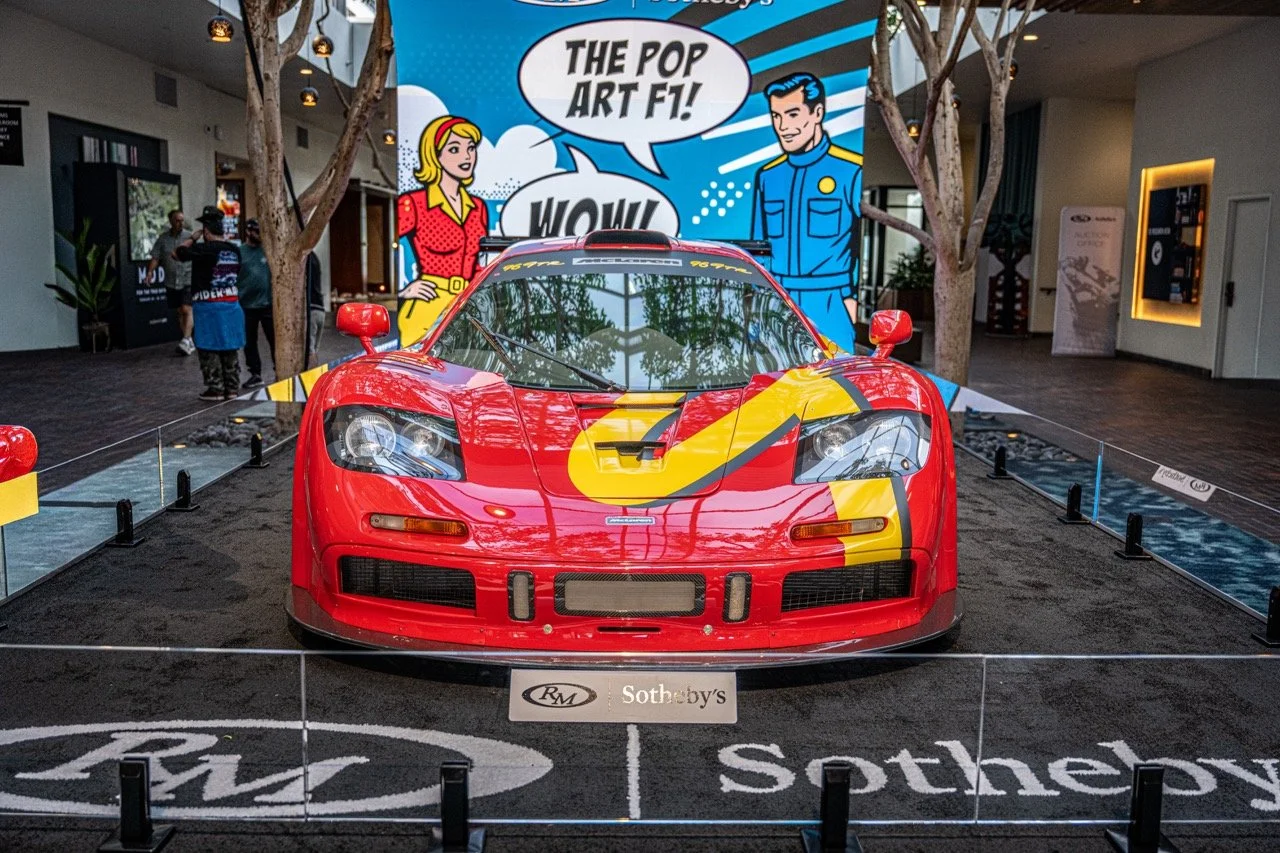
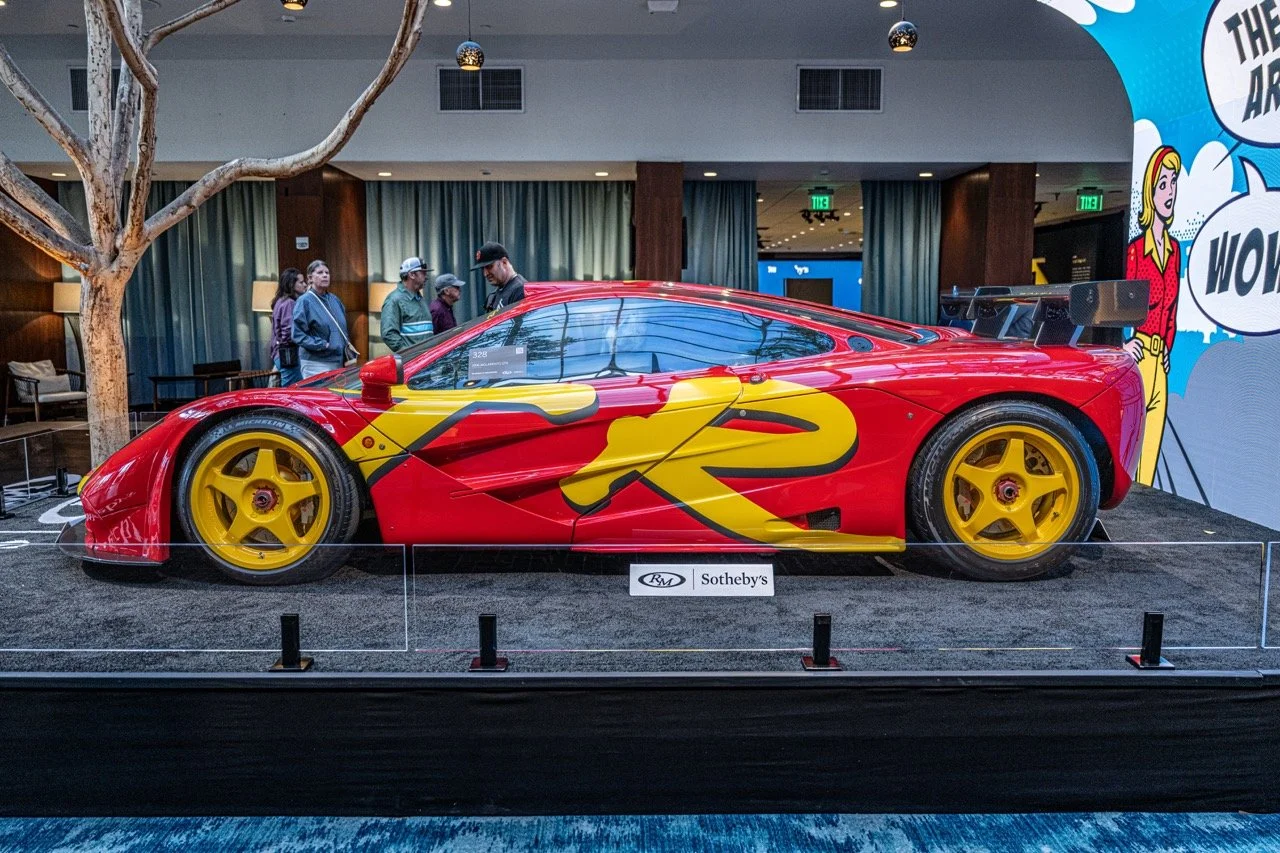
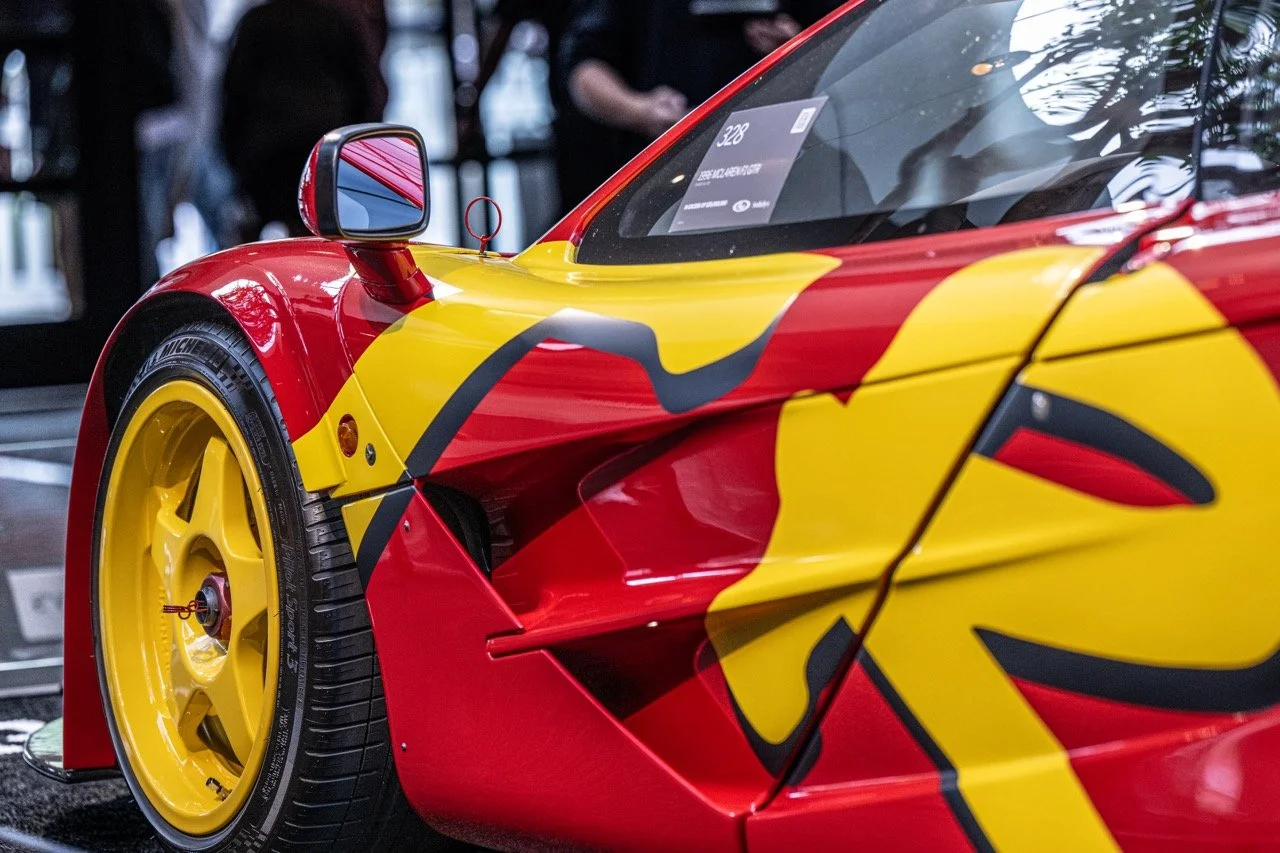
Then there was RM Sotheby’s. Its three-night Monterey auction generated $380 million, the largest auction in company history. The 1996 “Pop Art” McLaren F1 GTR sold for $34.655 million and a Corvette Grand Sport for $18.705 million.
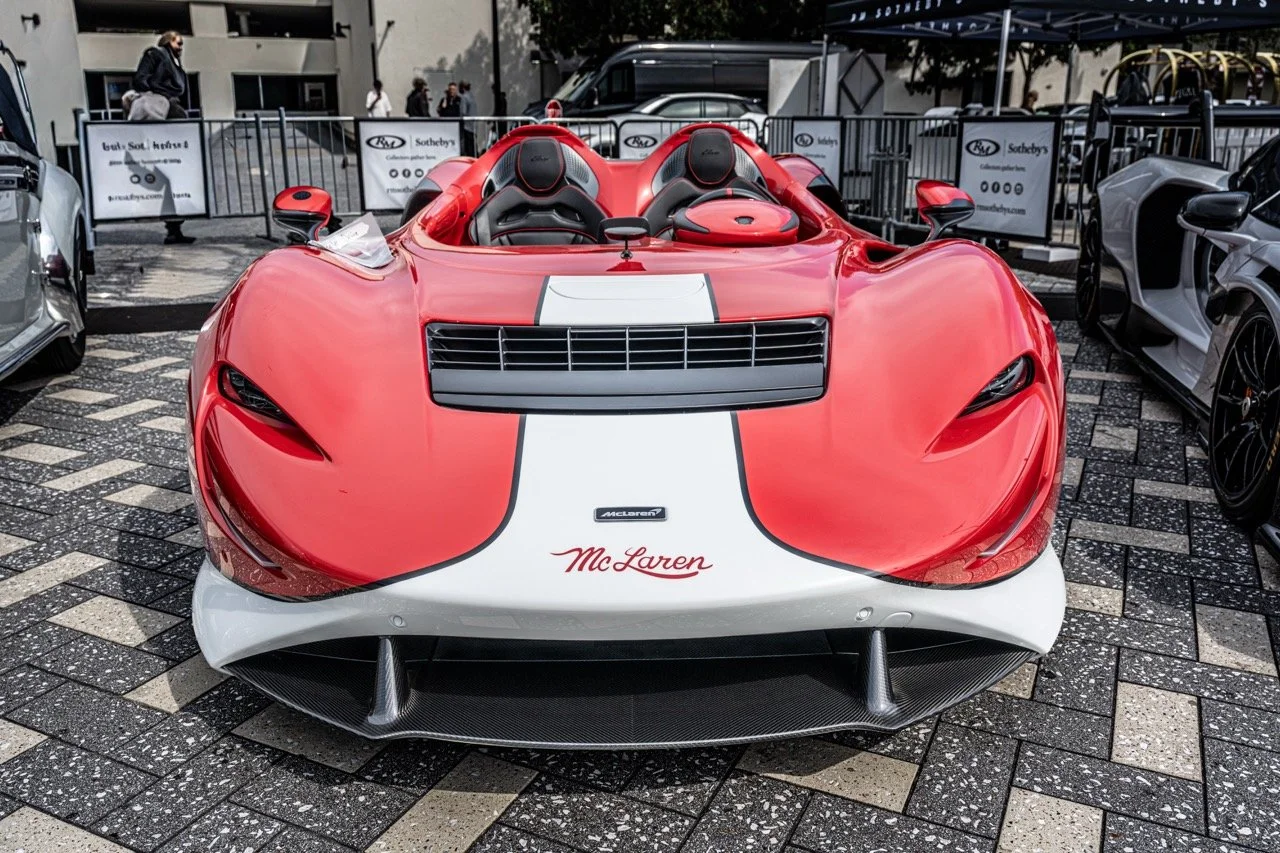
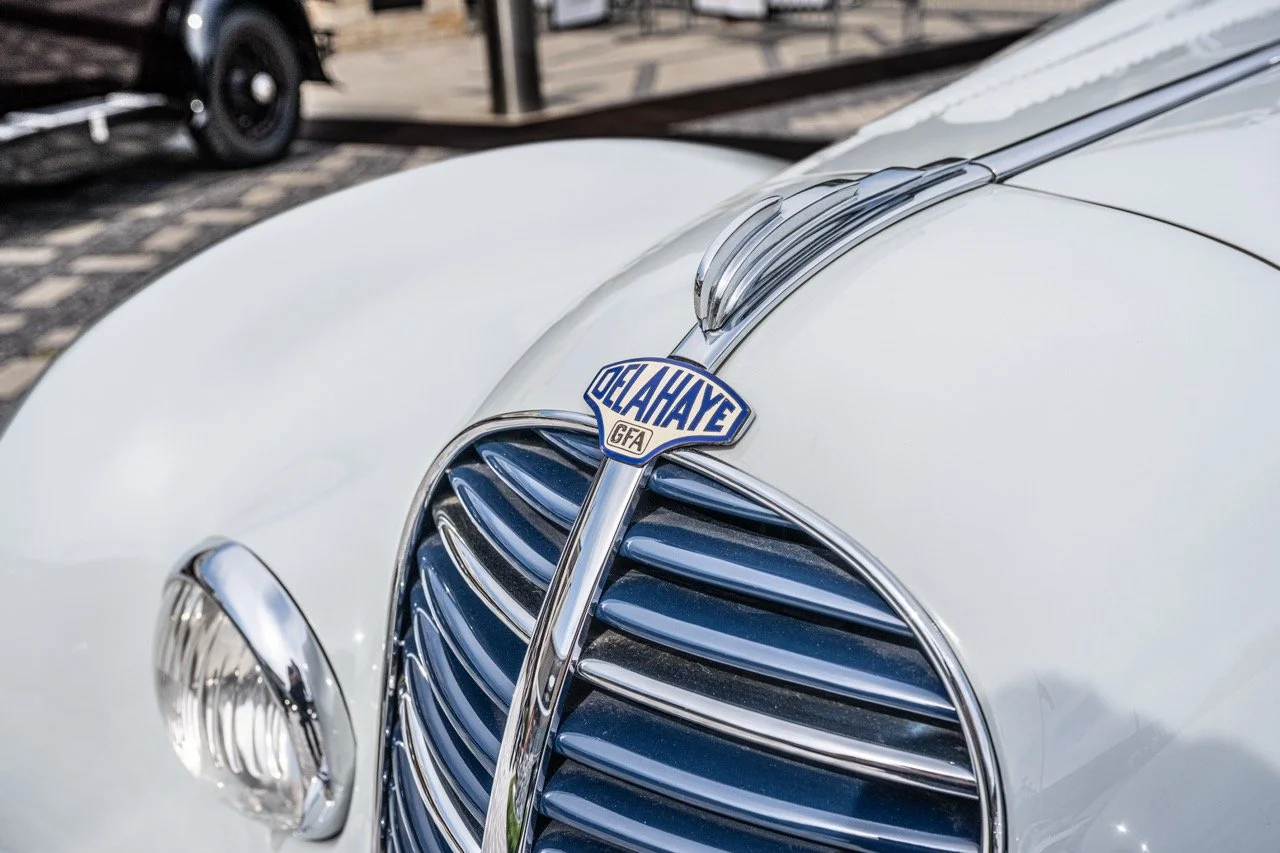
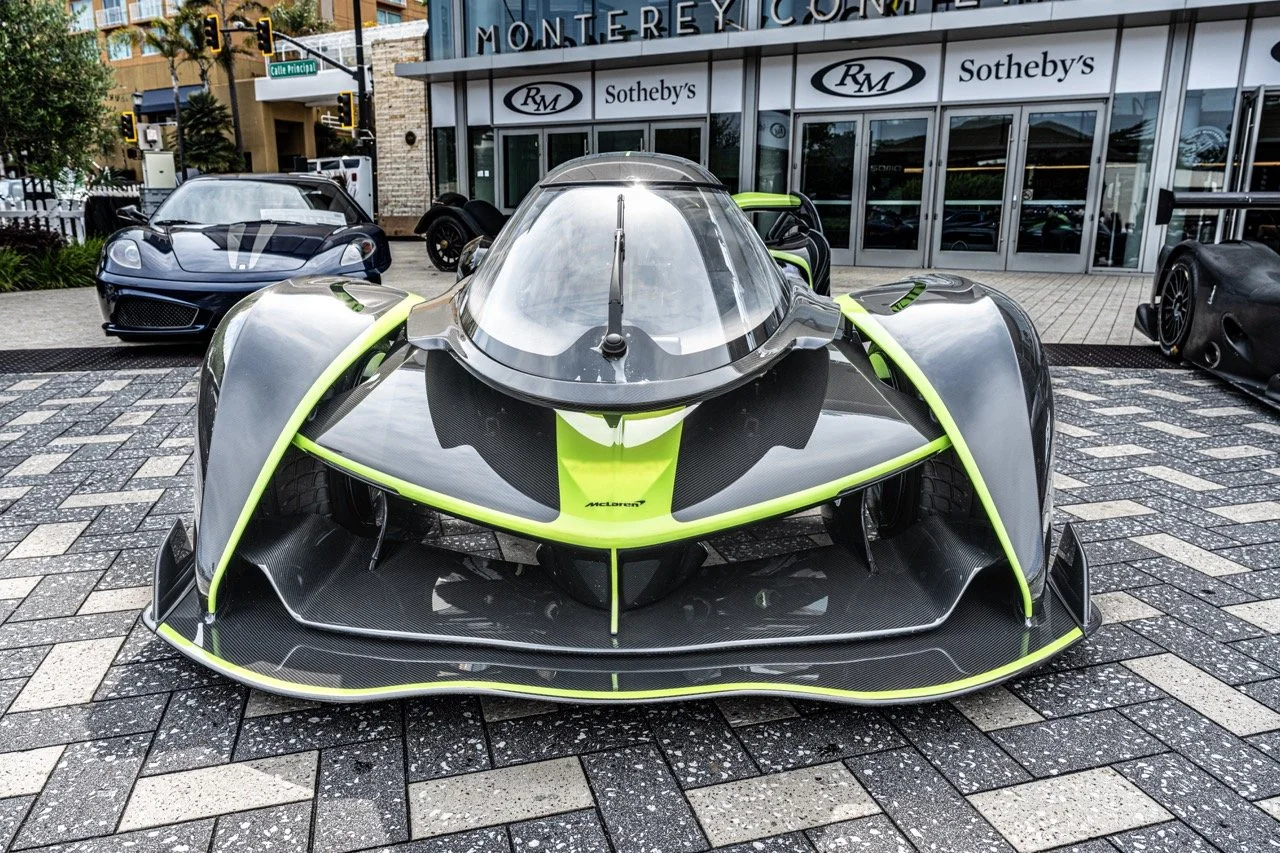
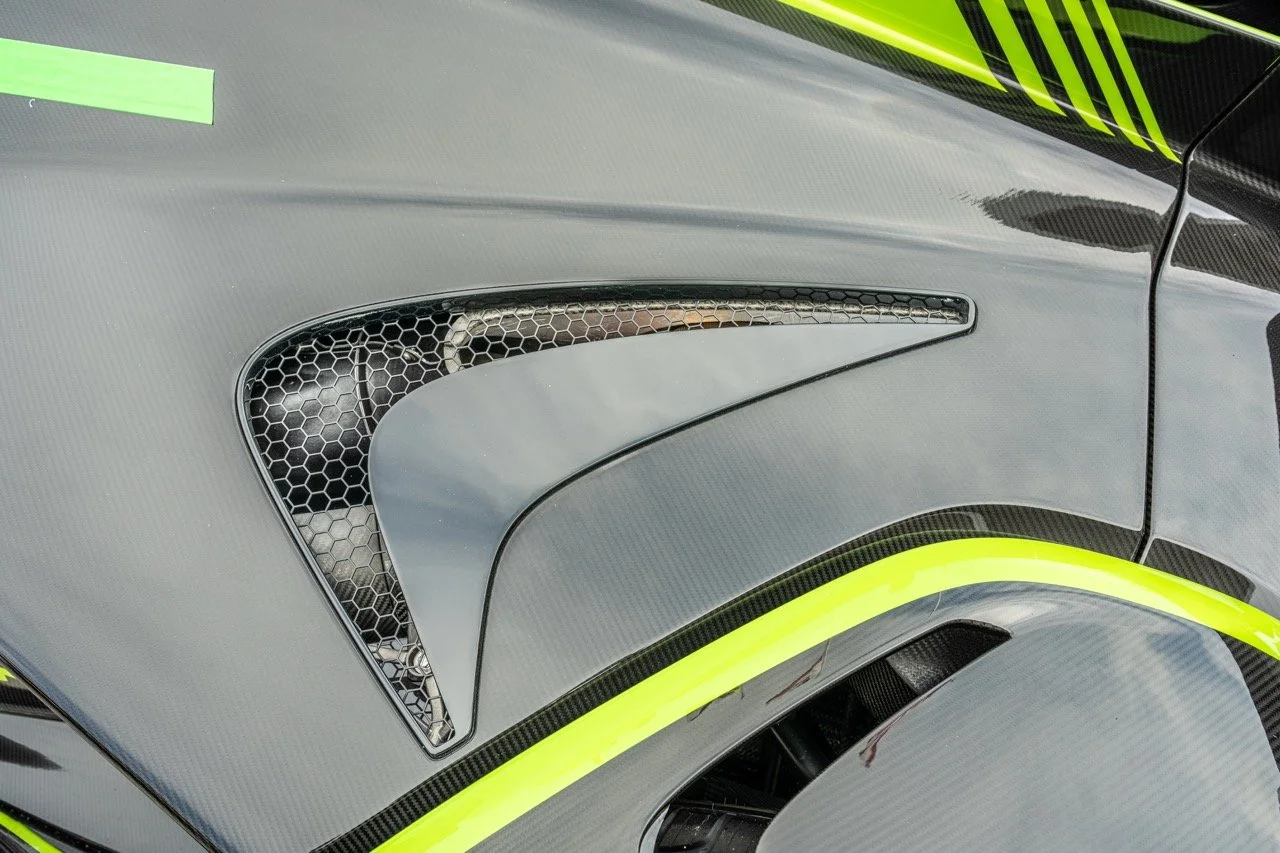
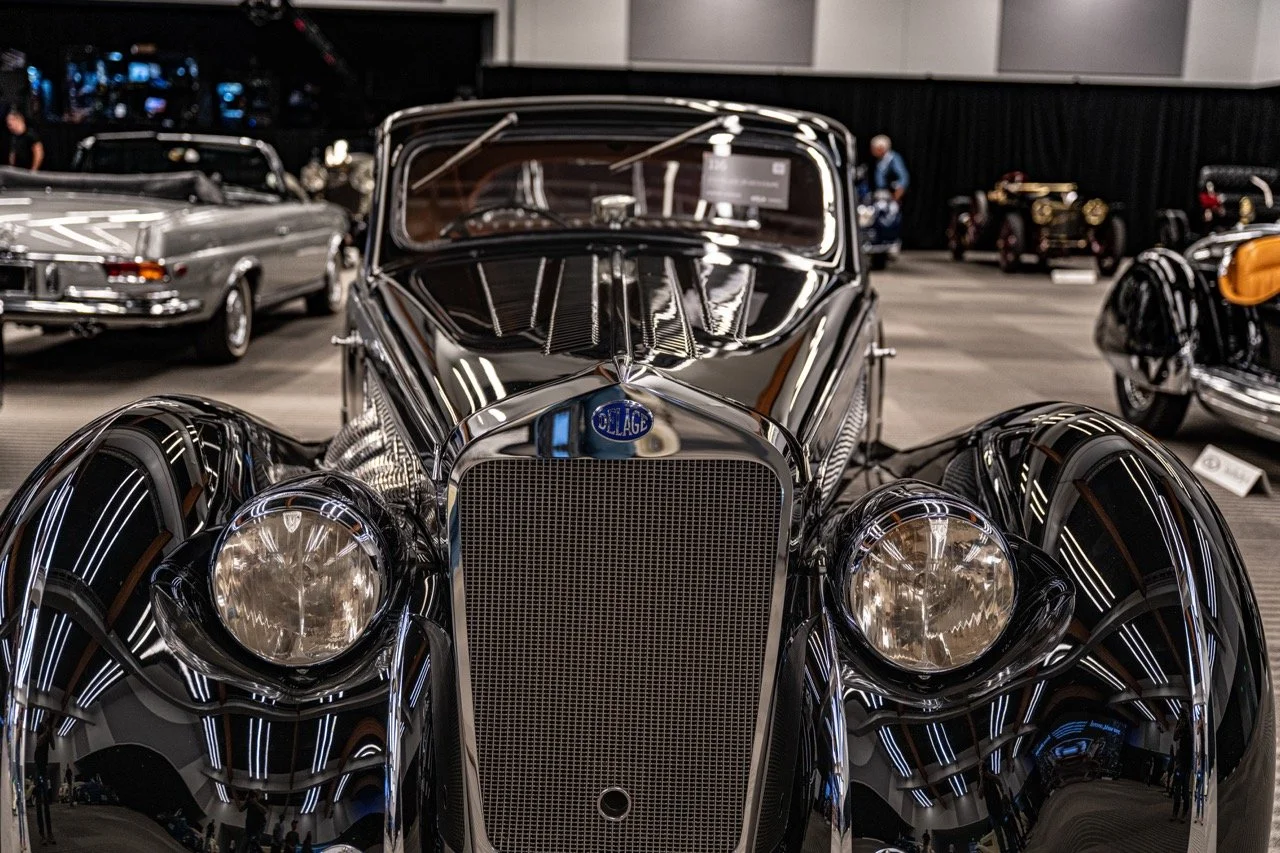
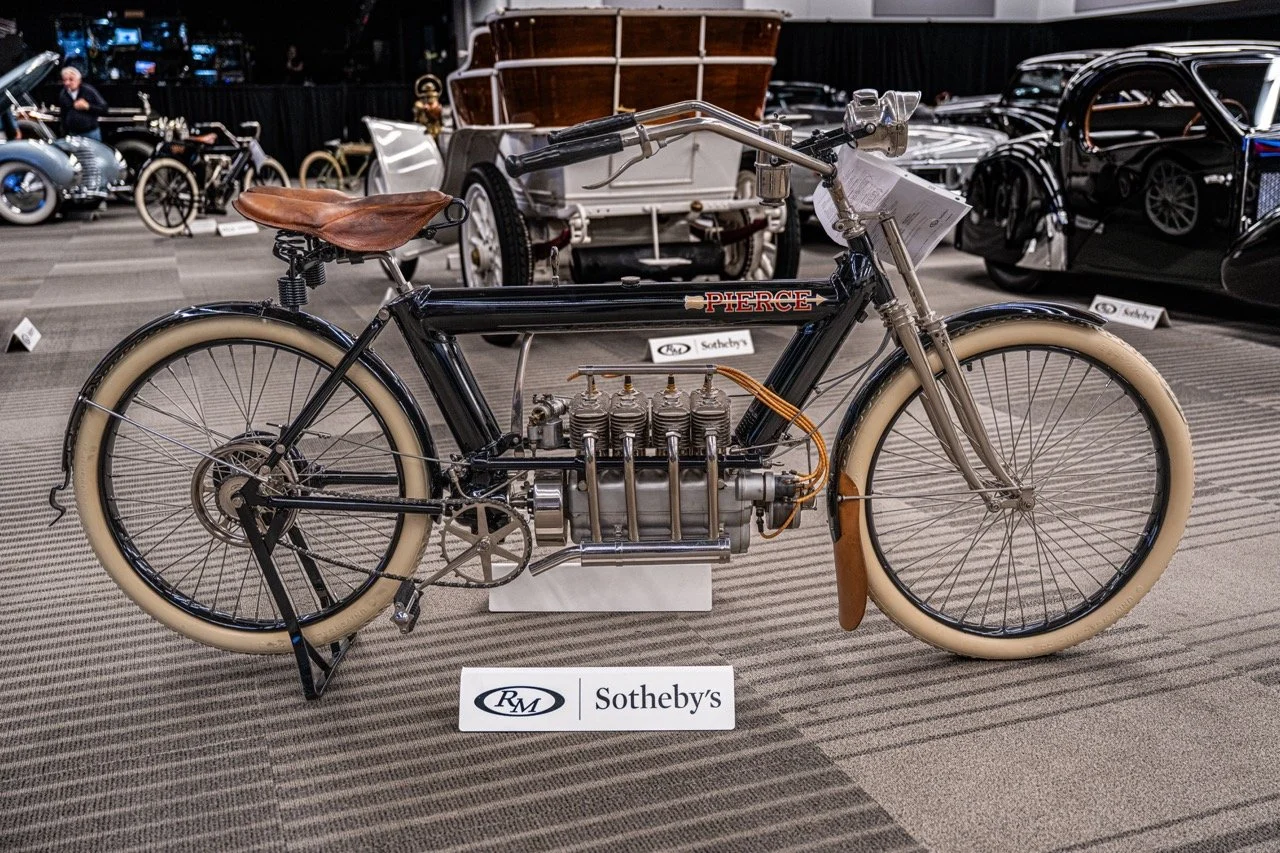
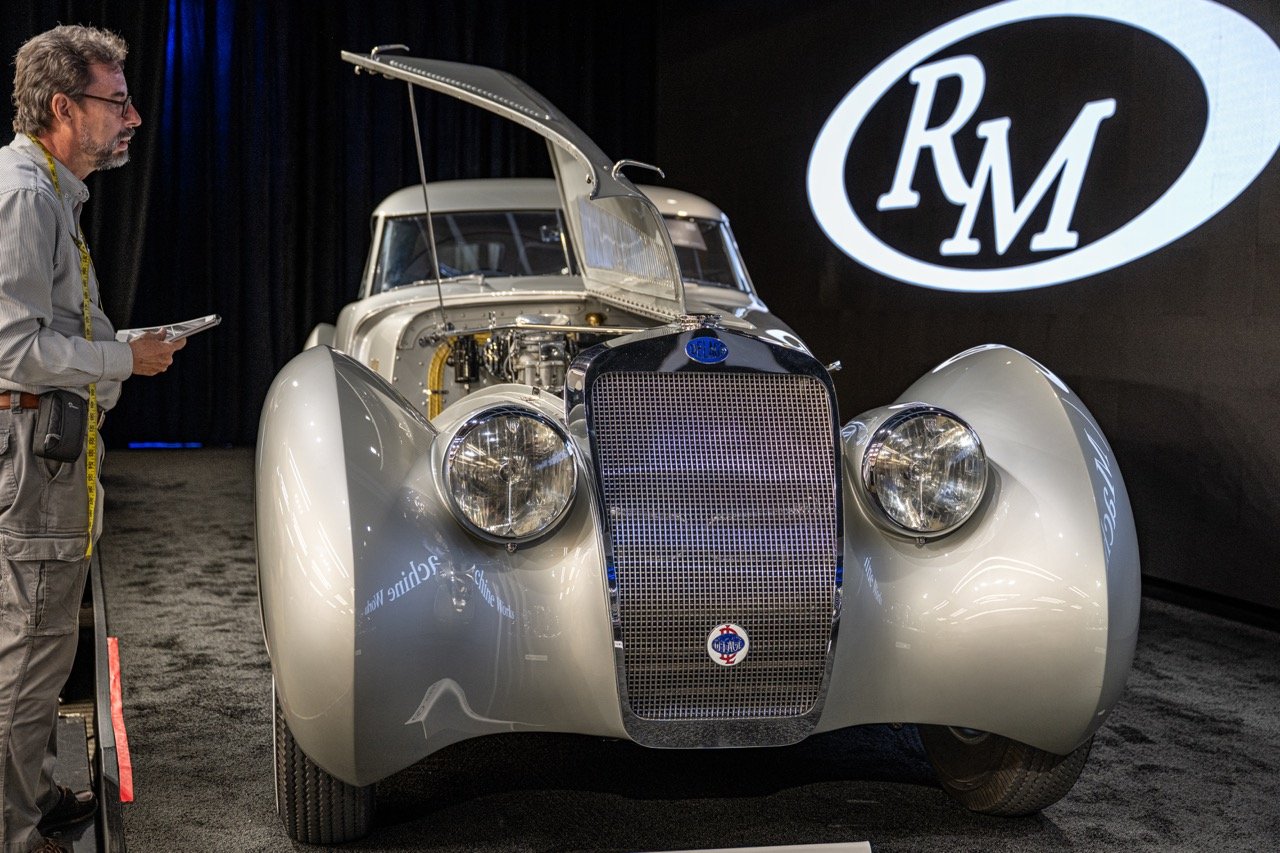
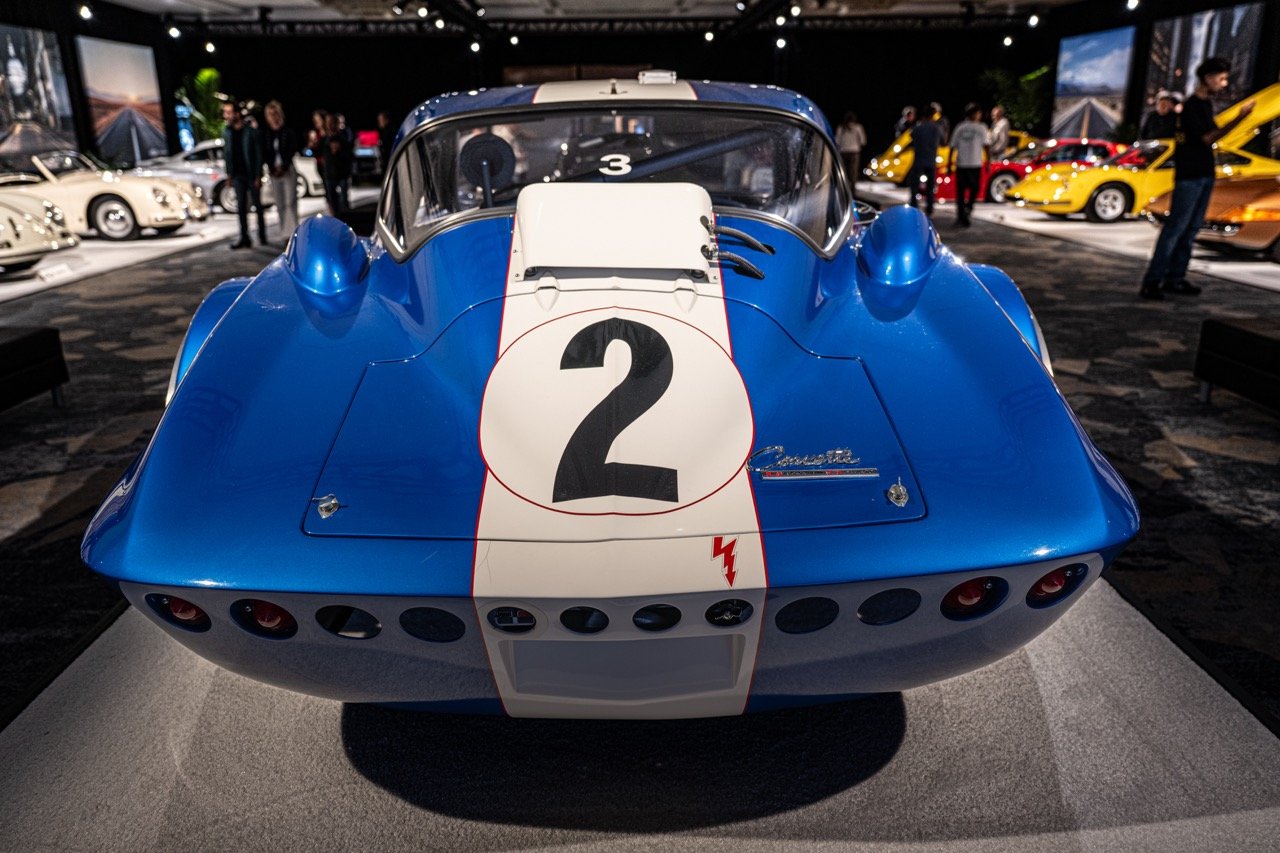
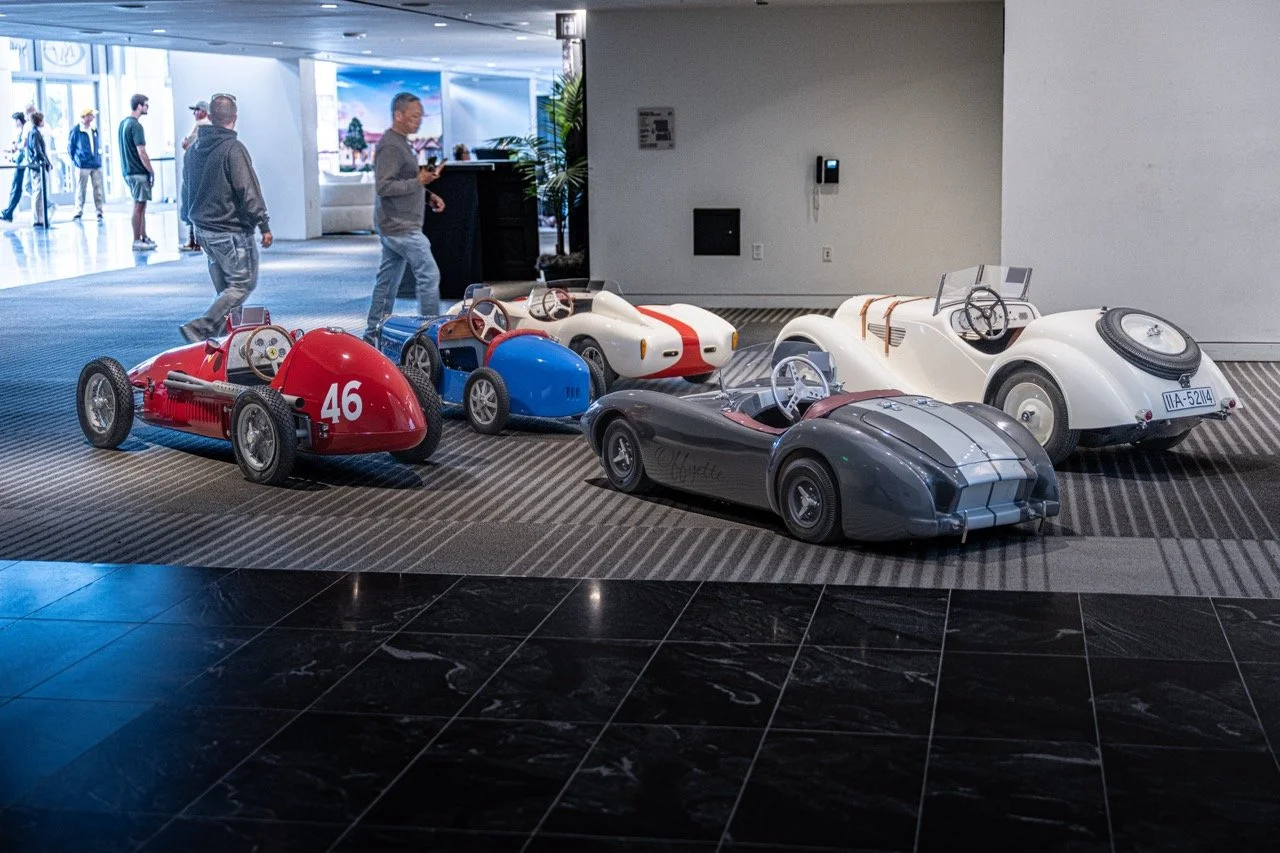
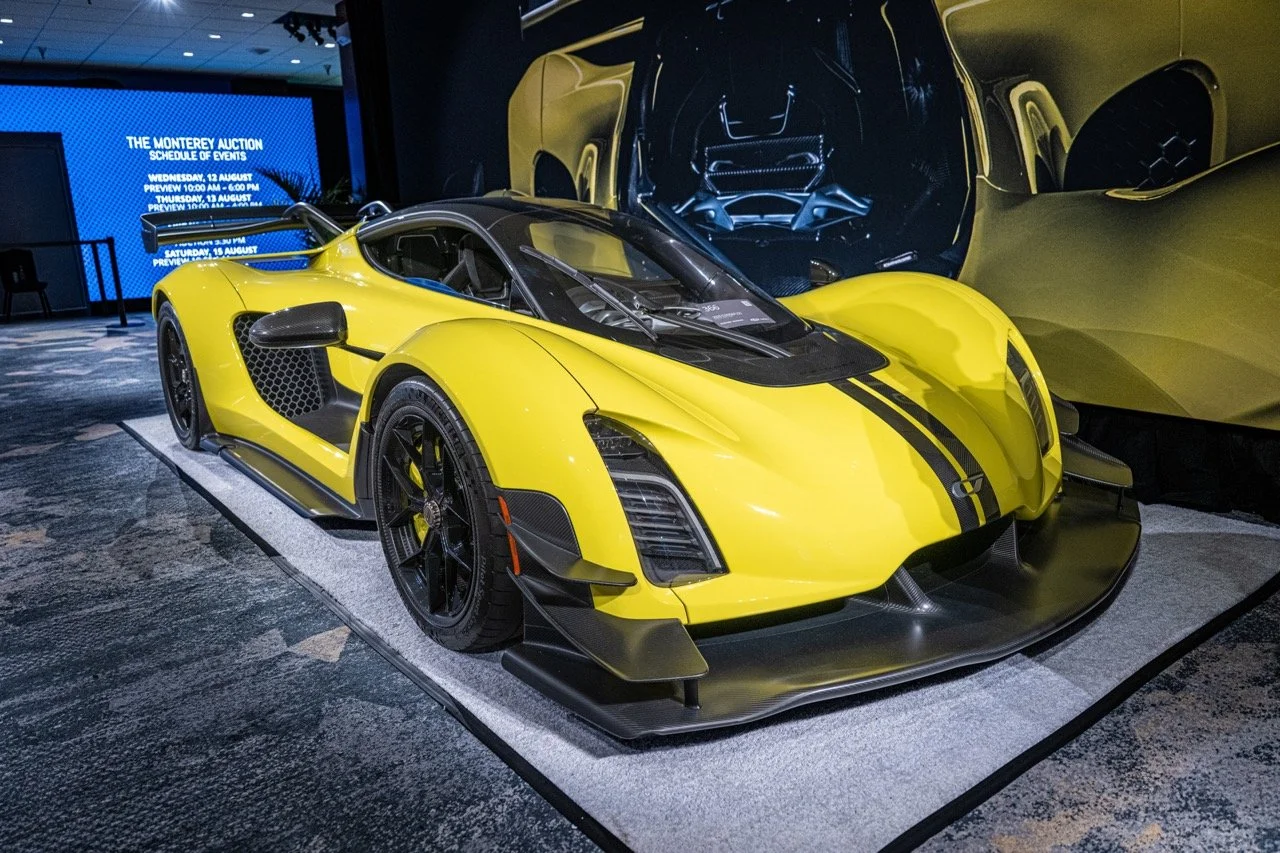
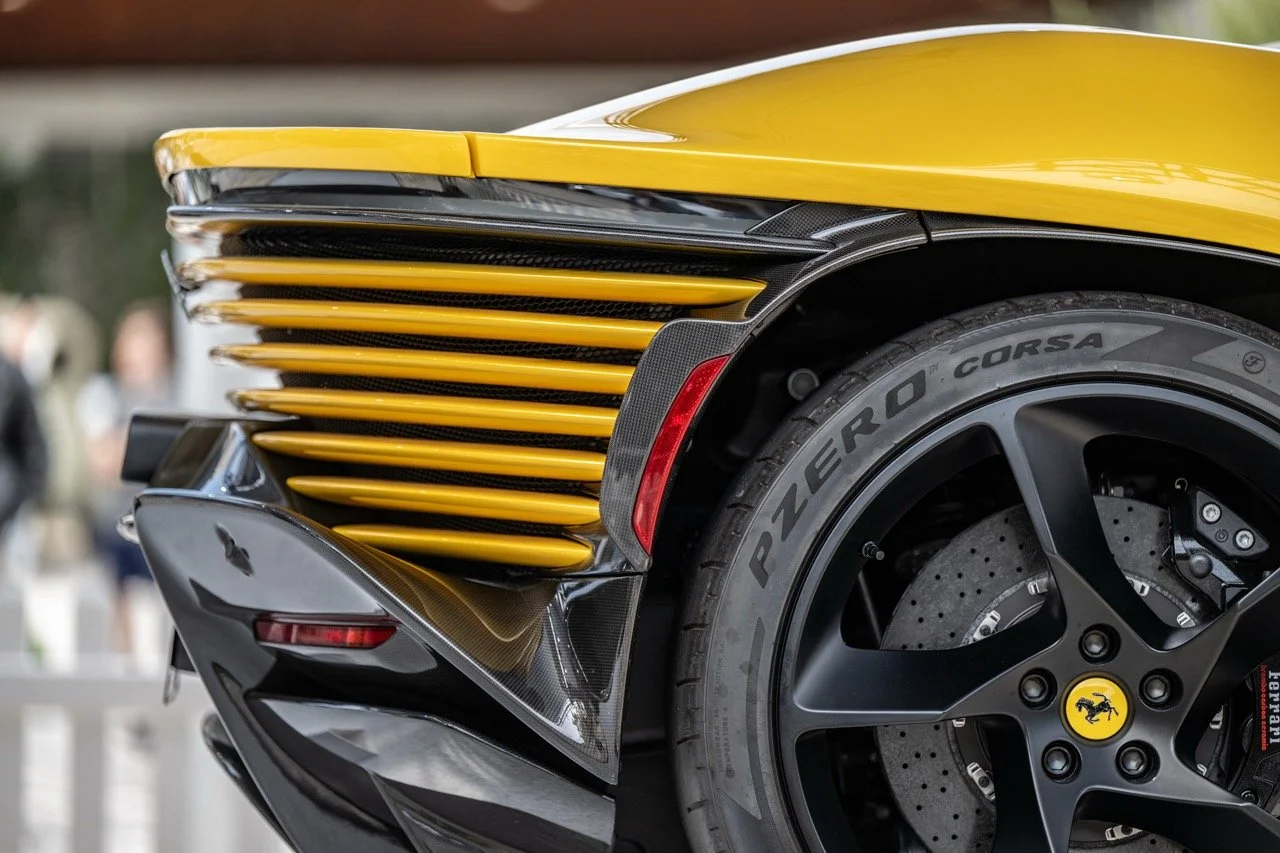
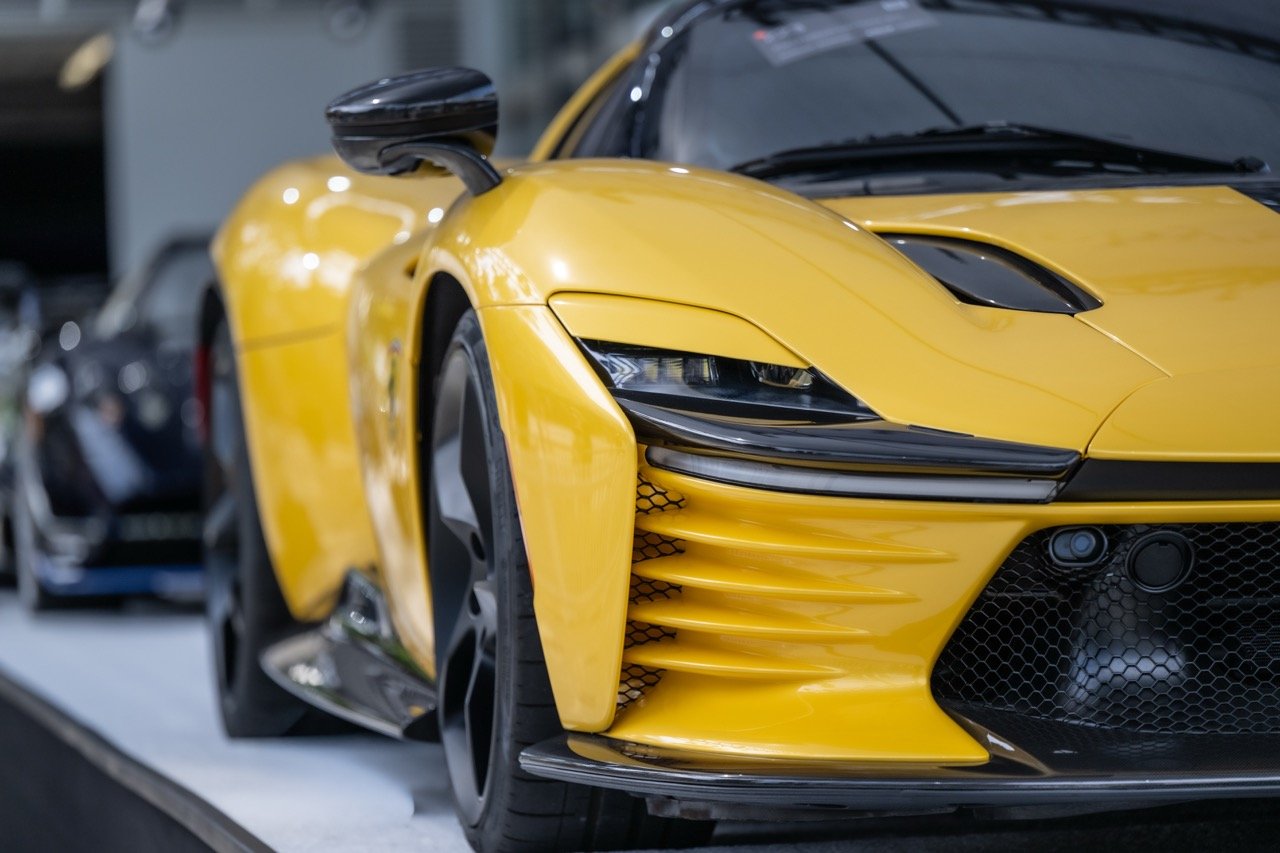
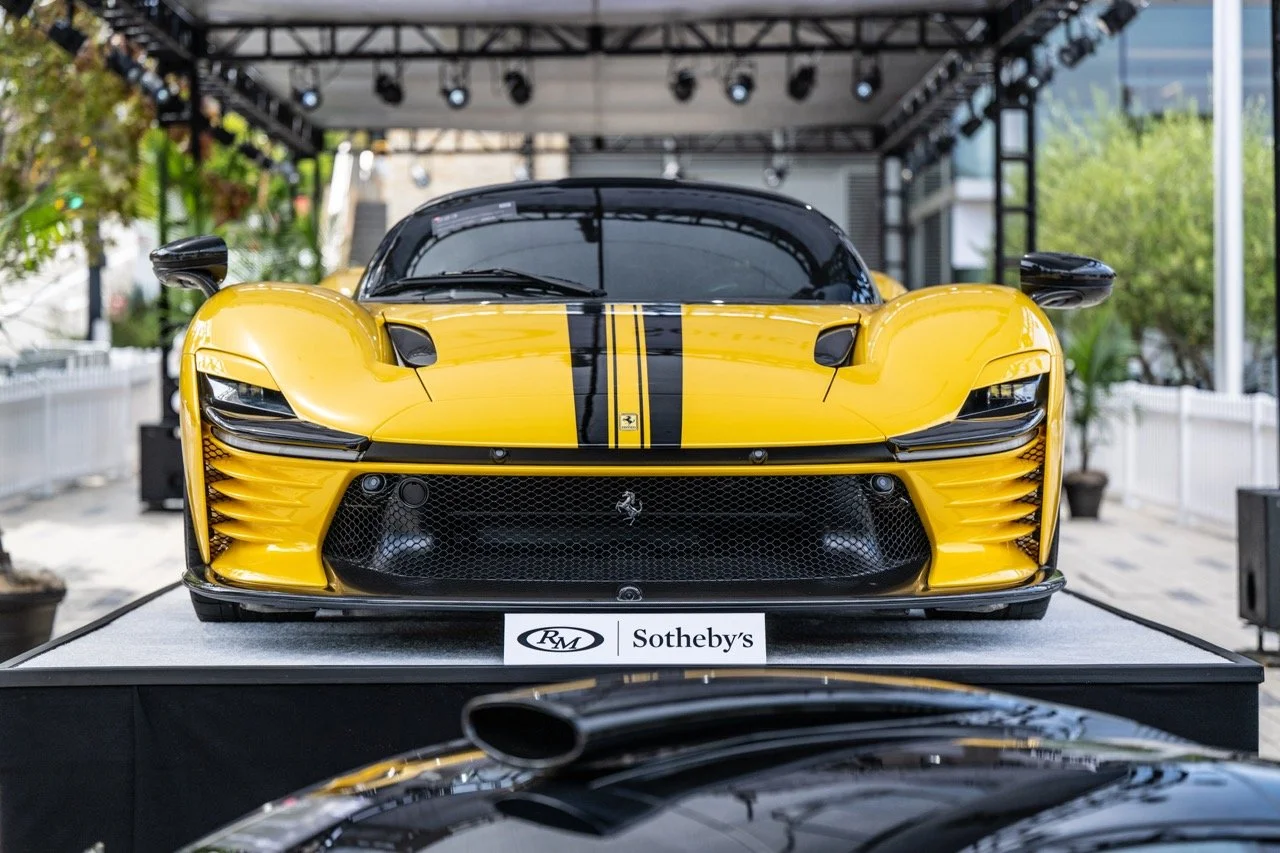
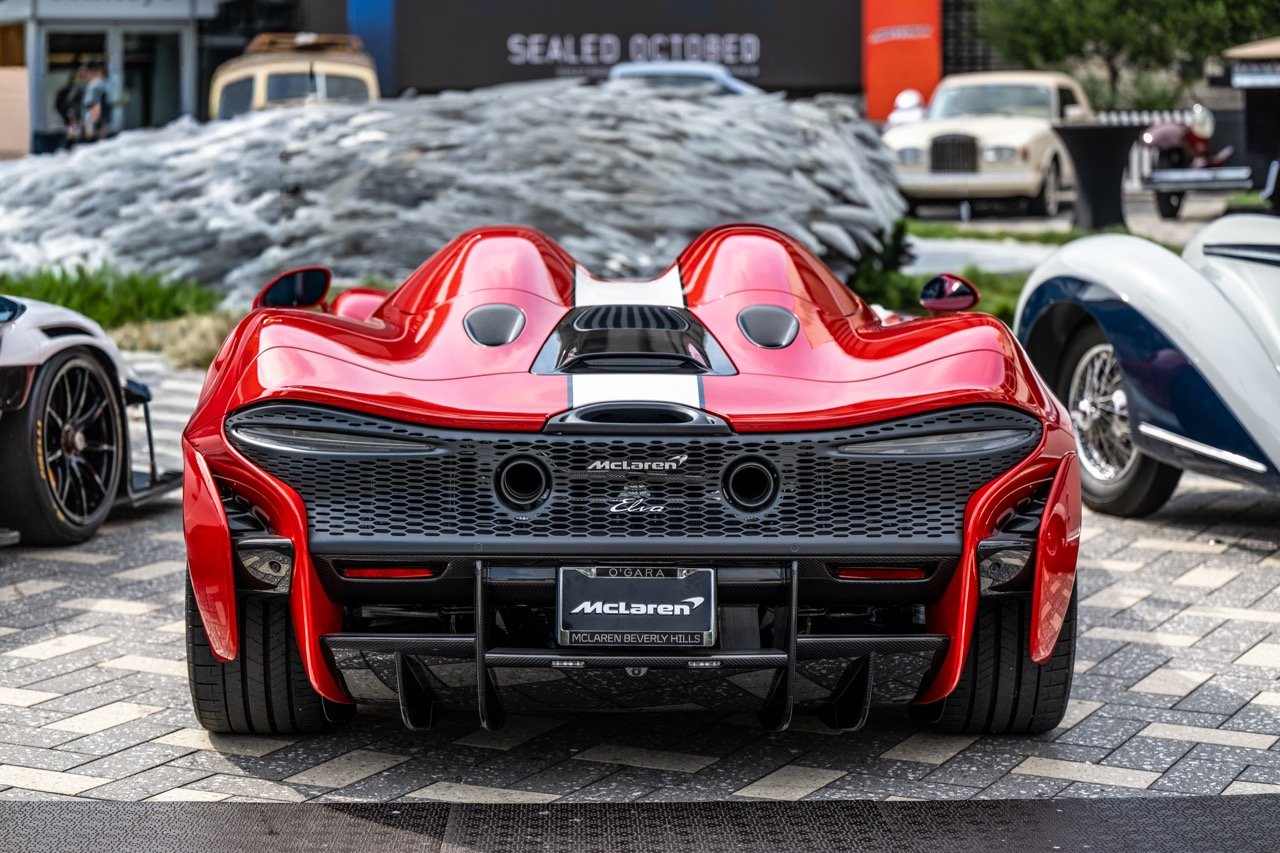
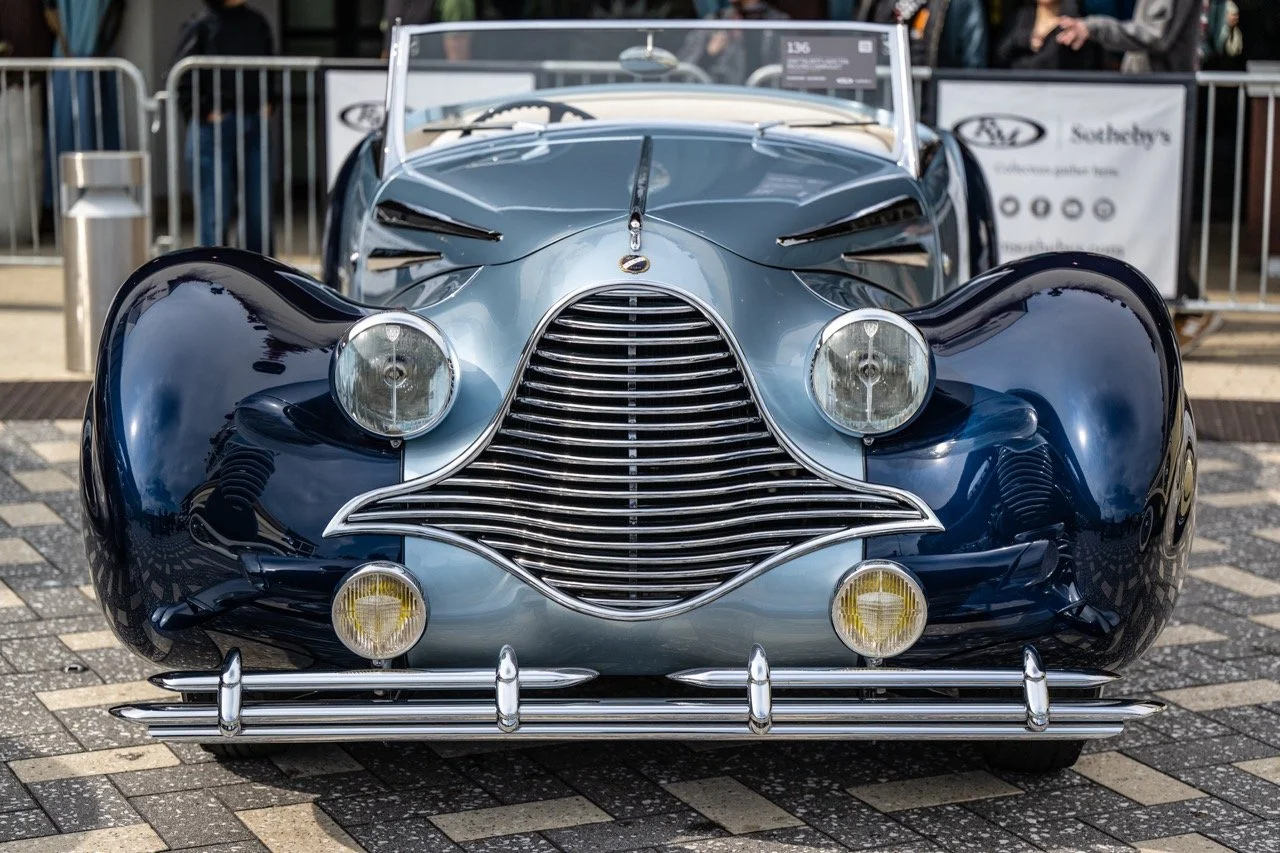
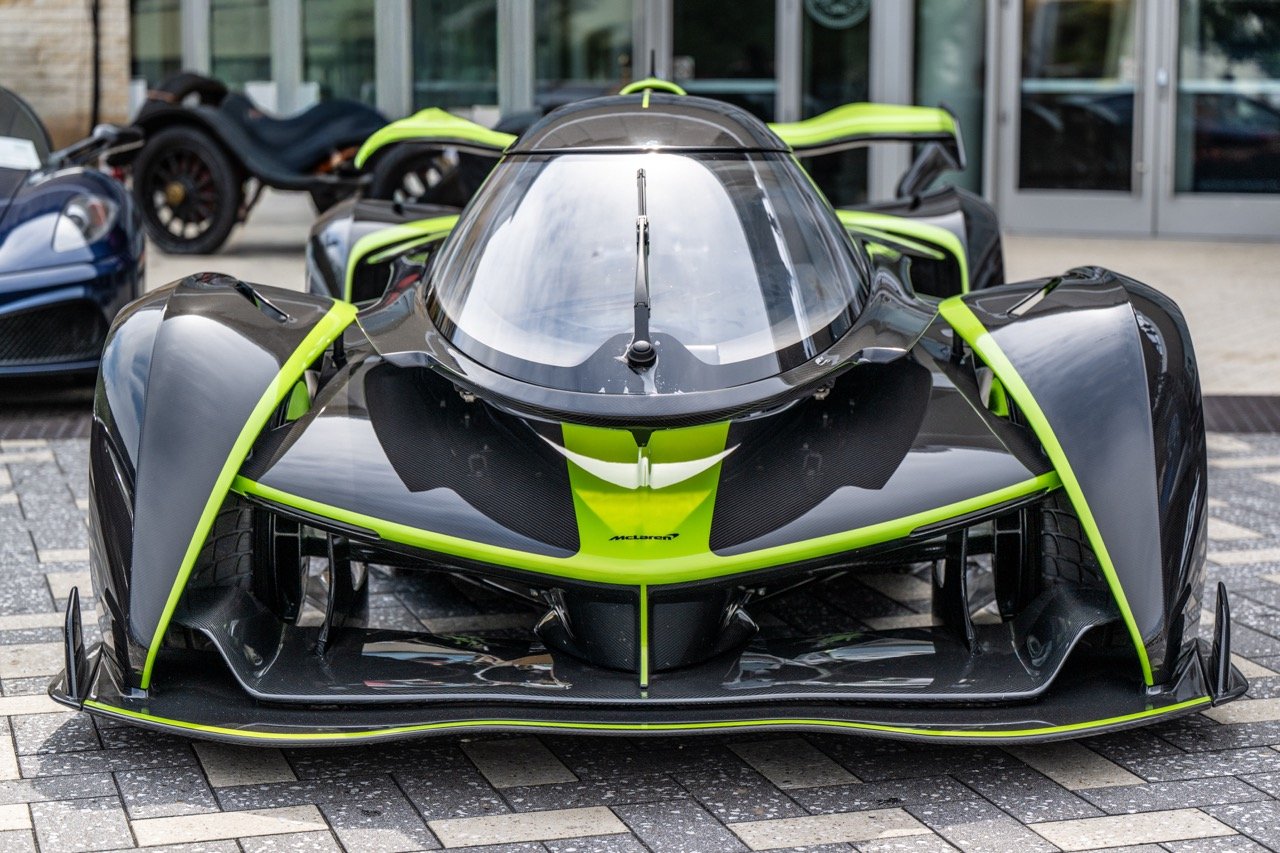
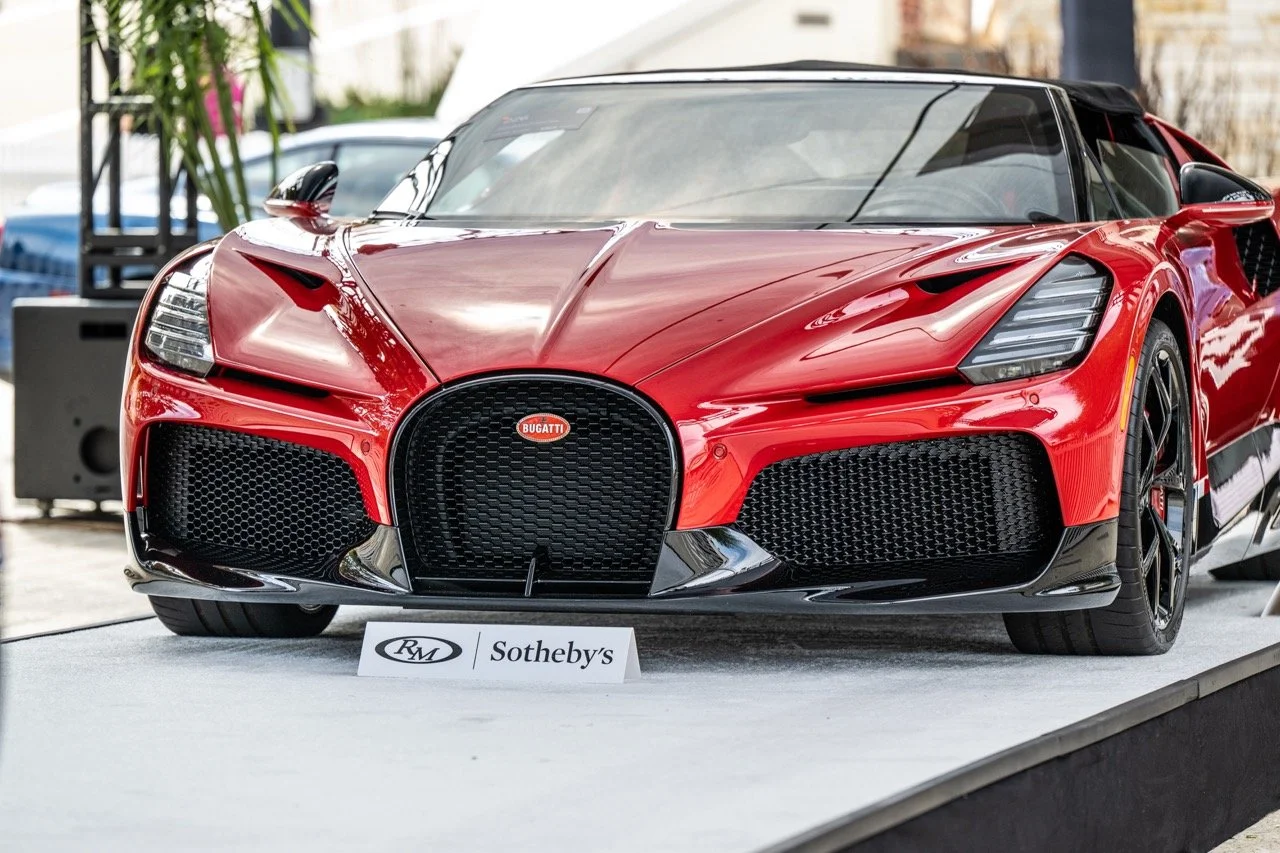
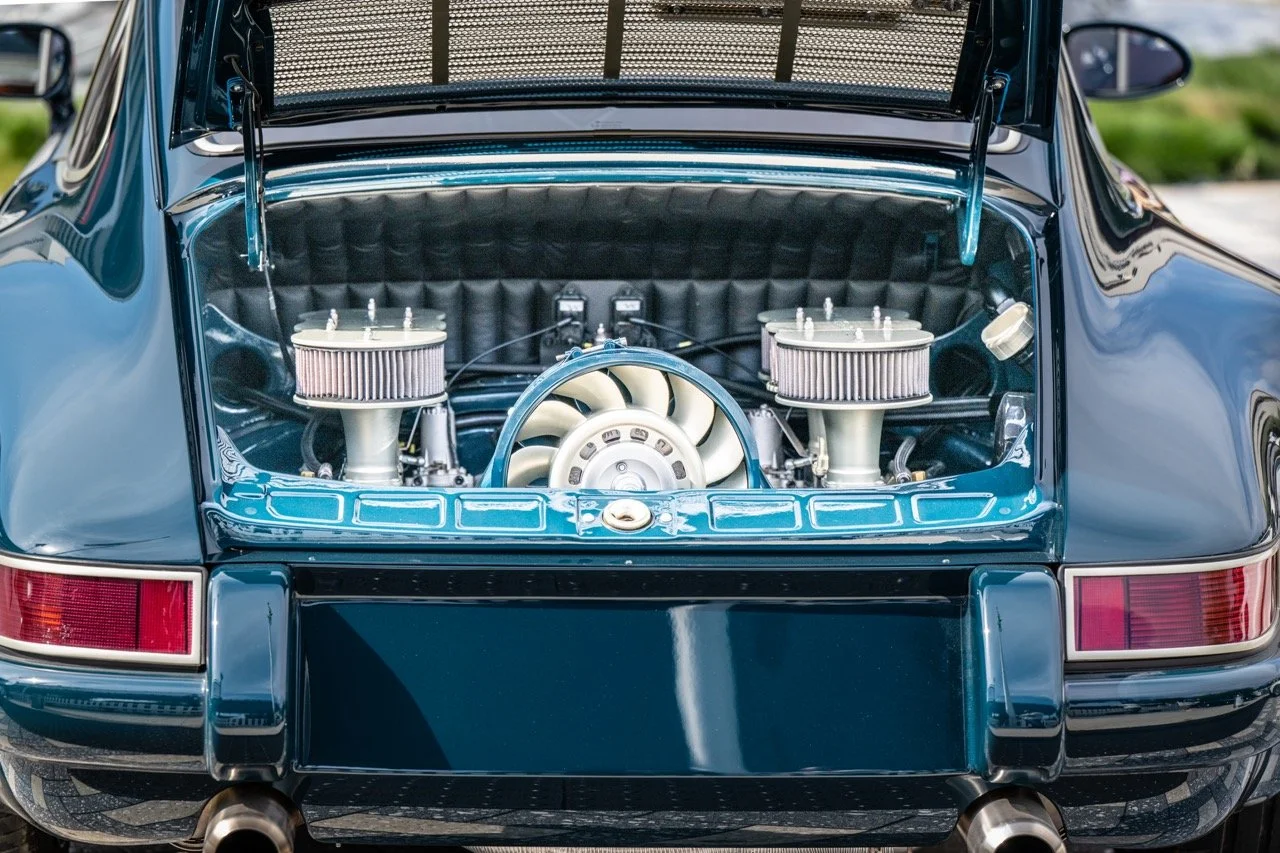
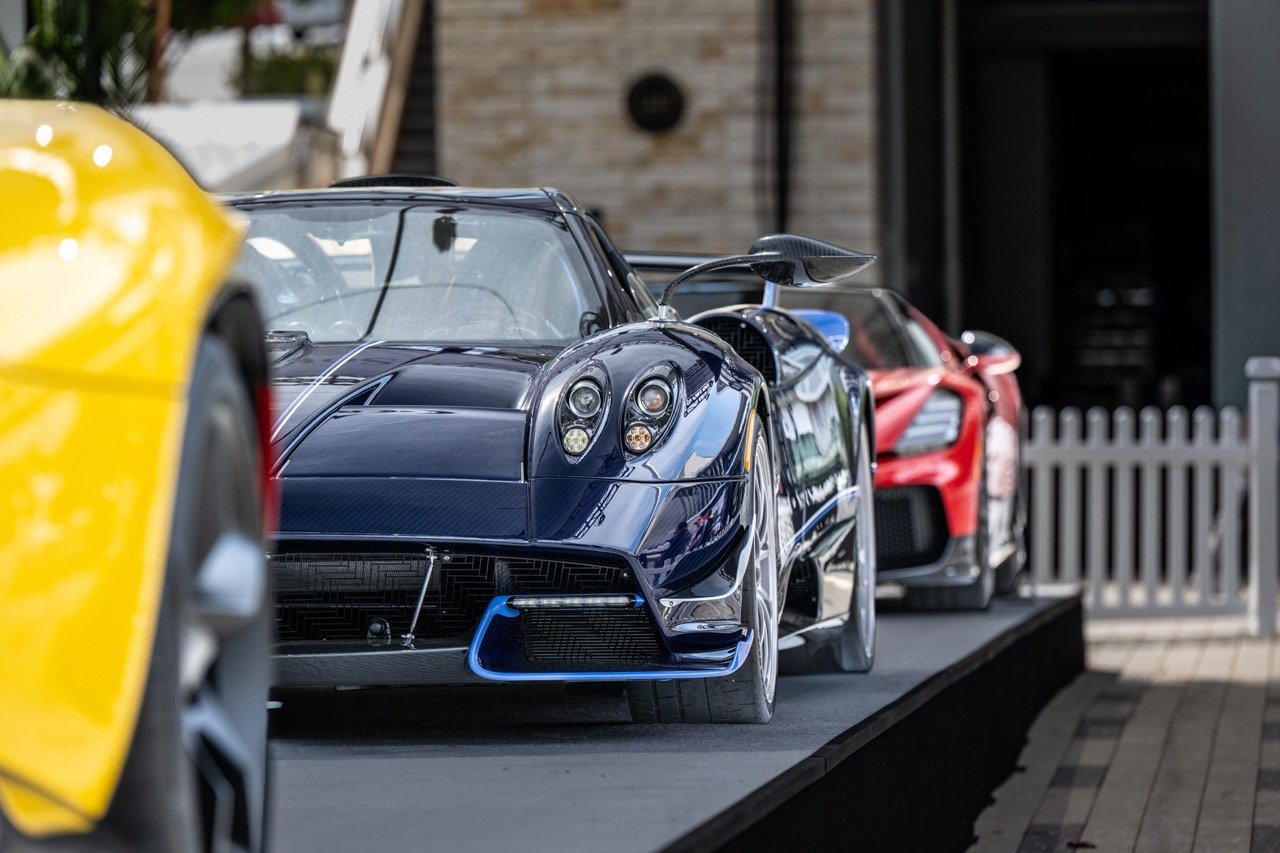
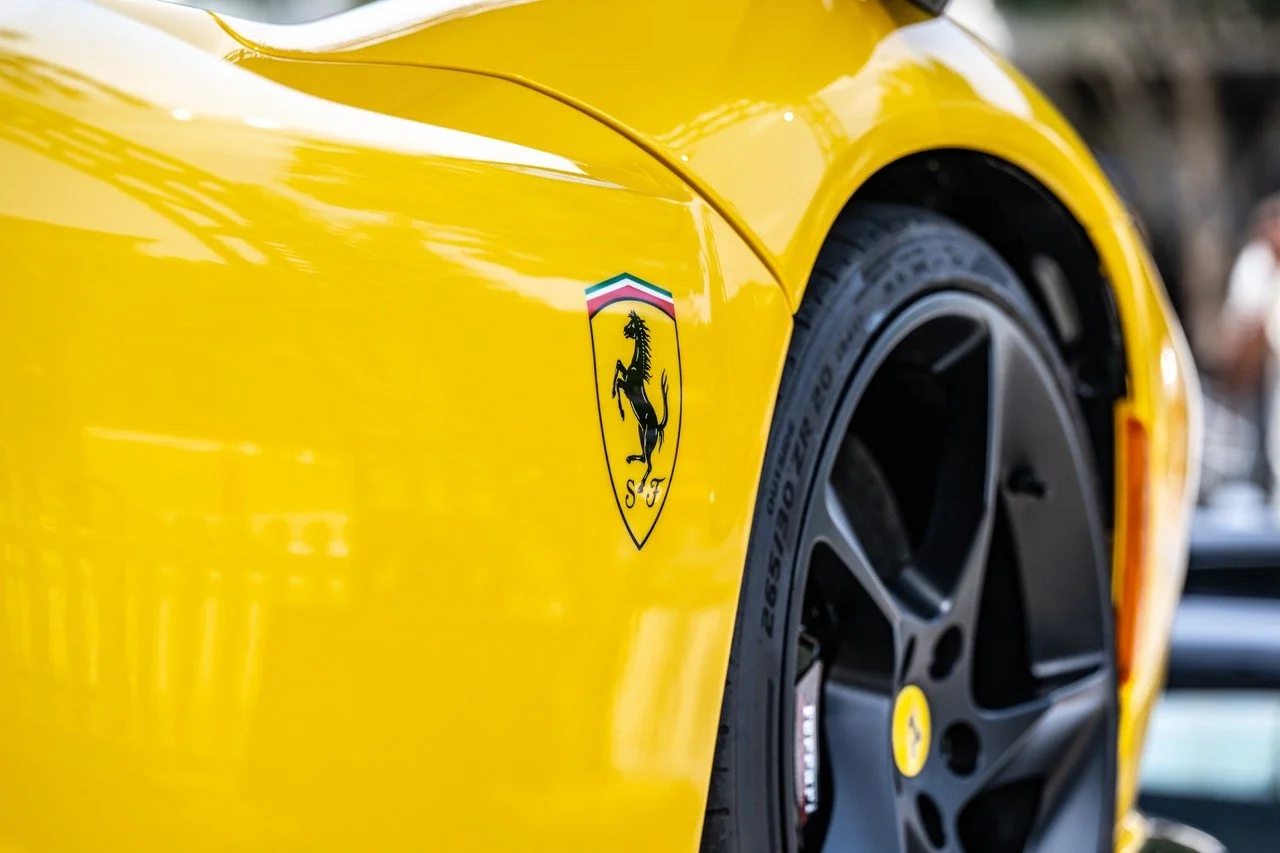
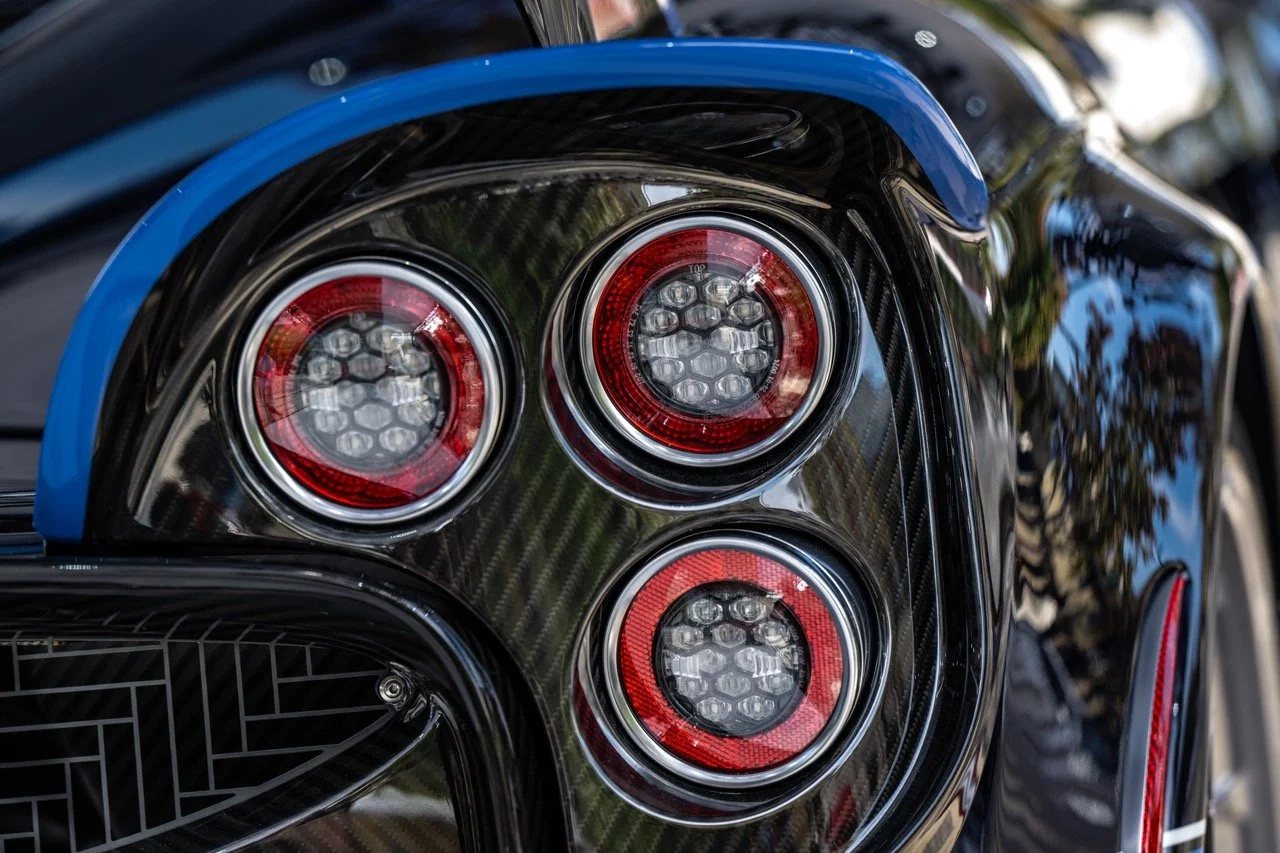
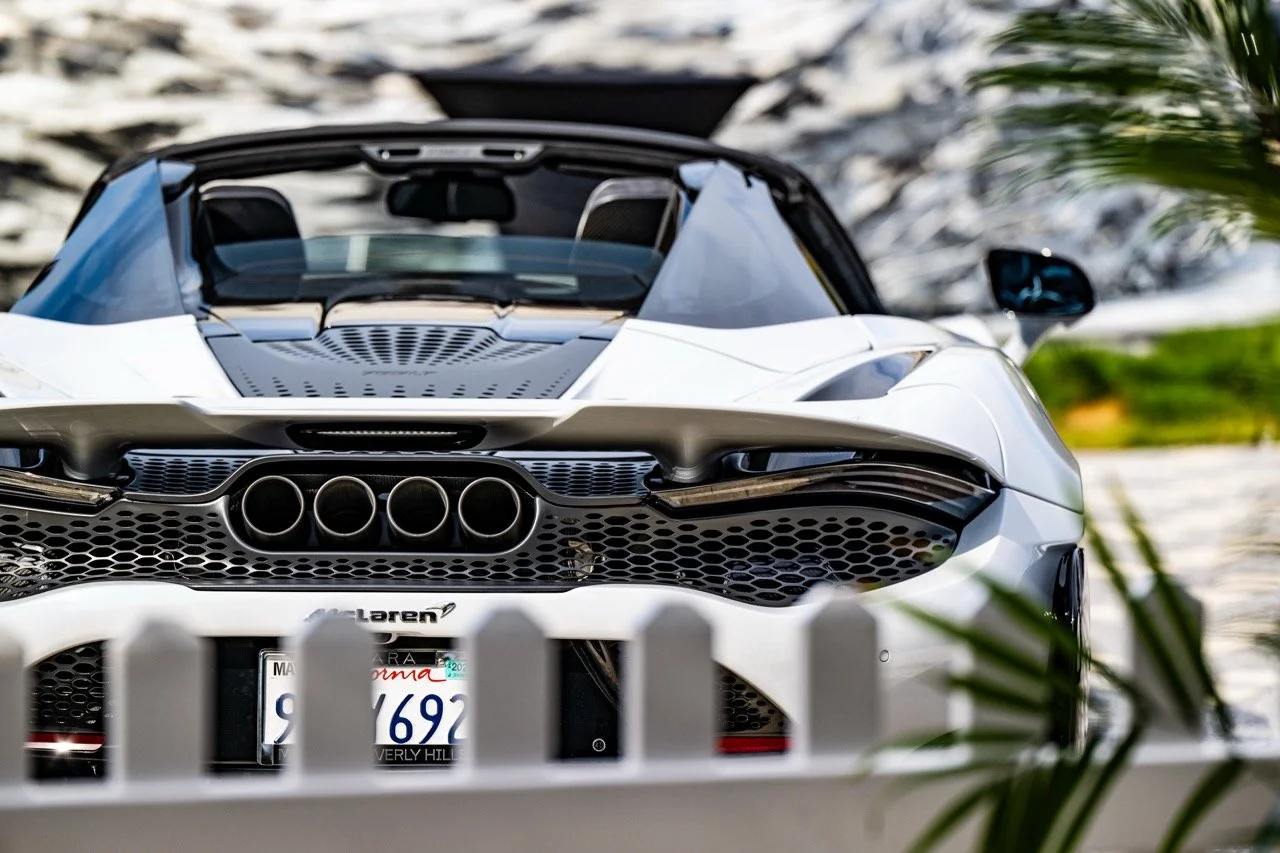
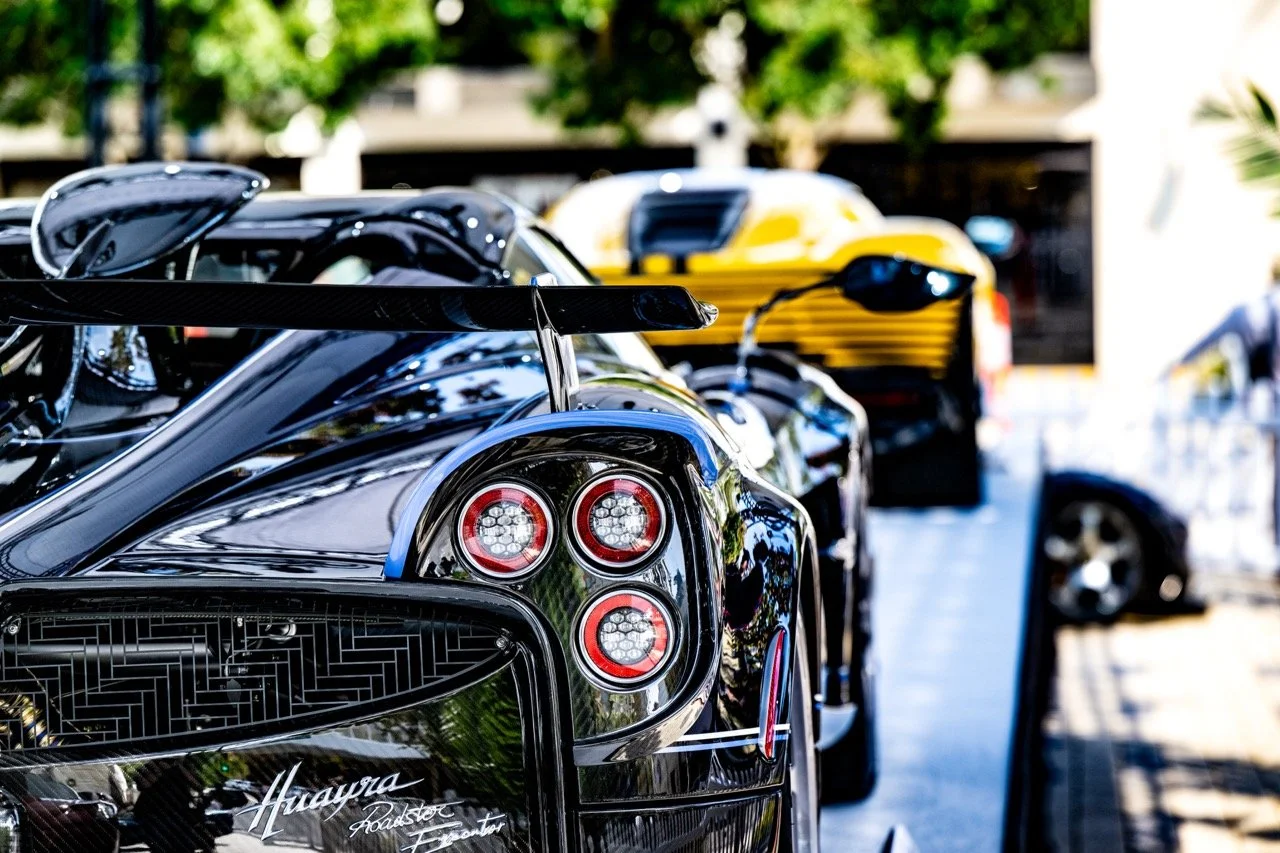
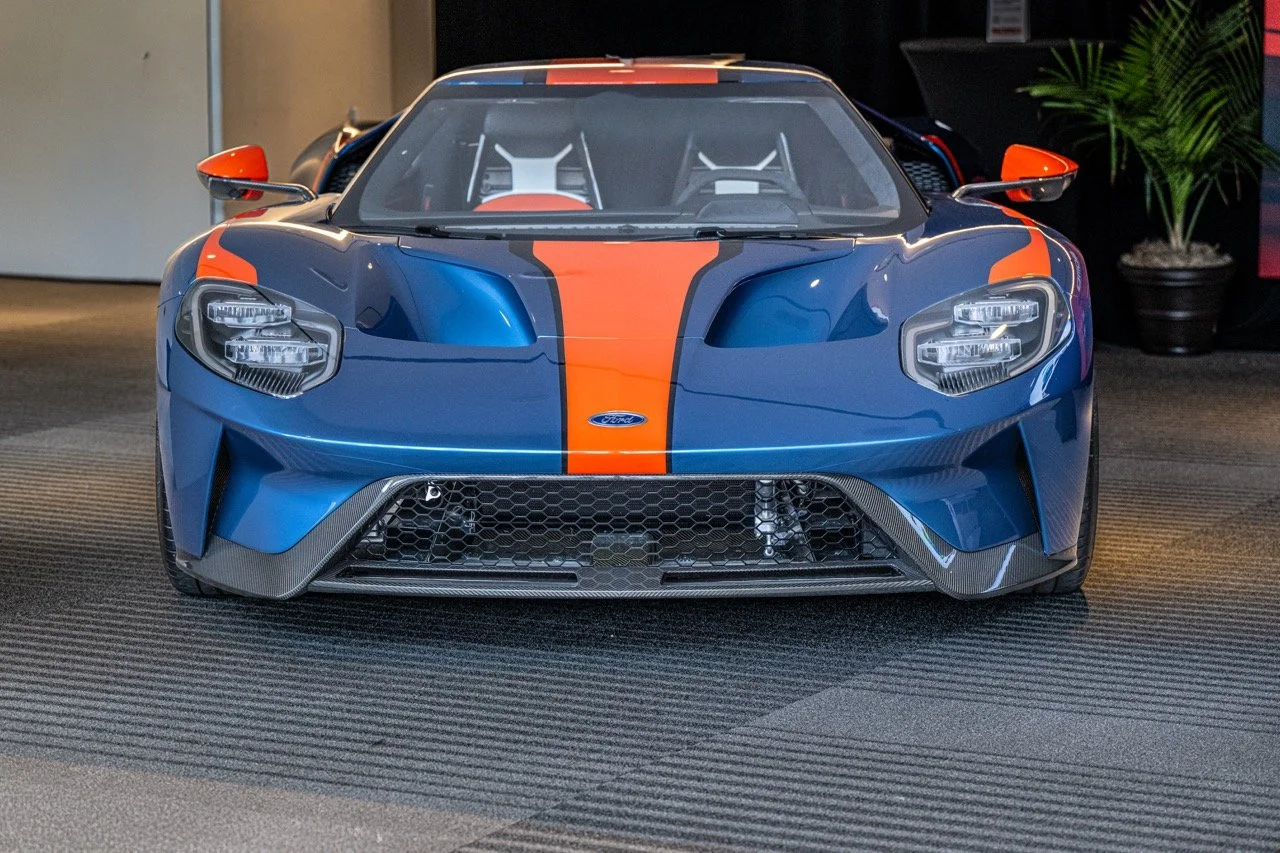
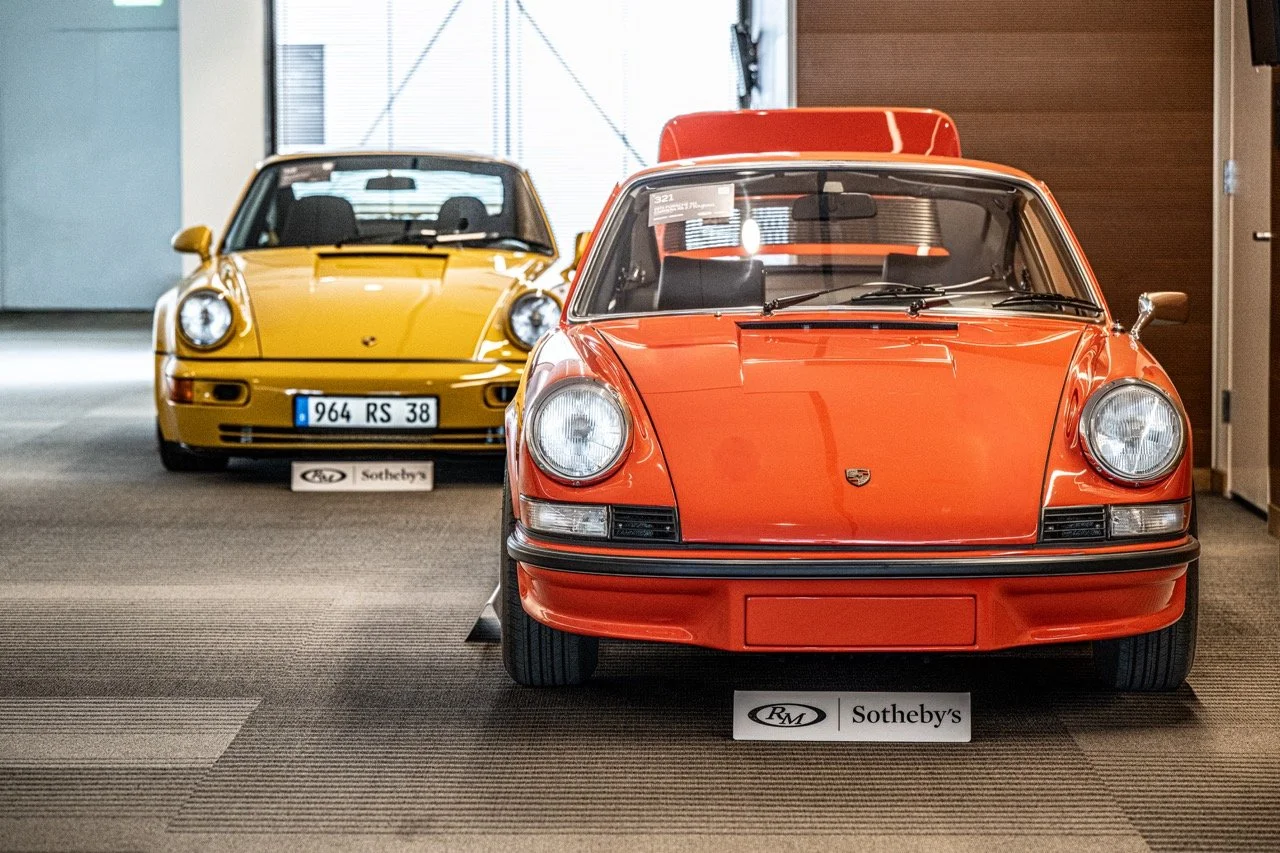
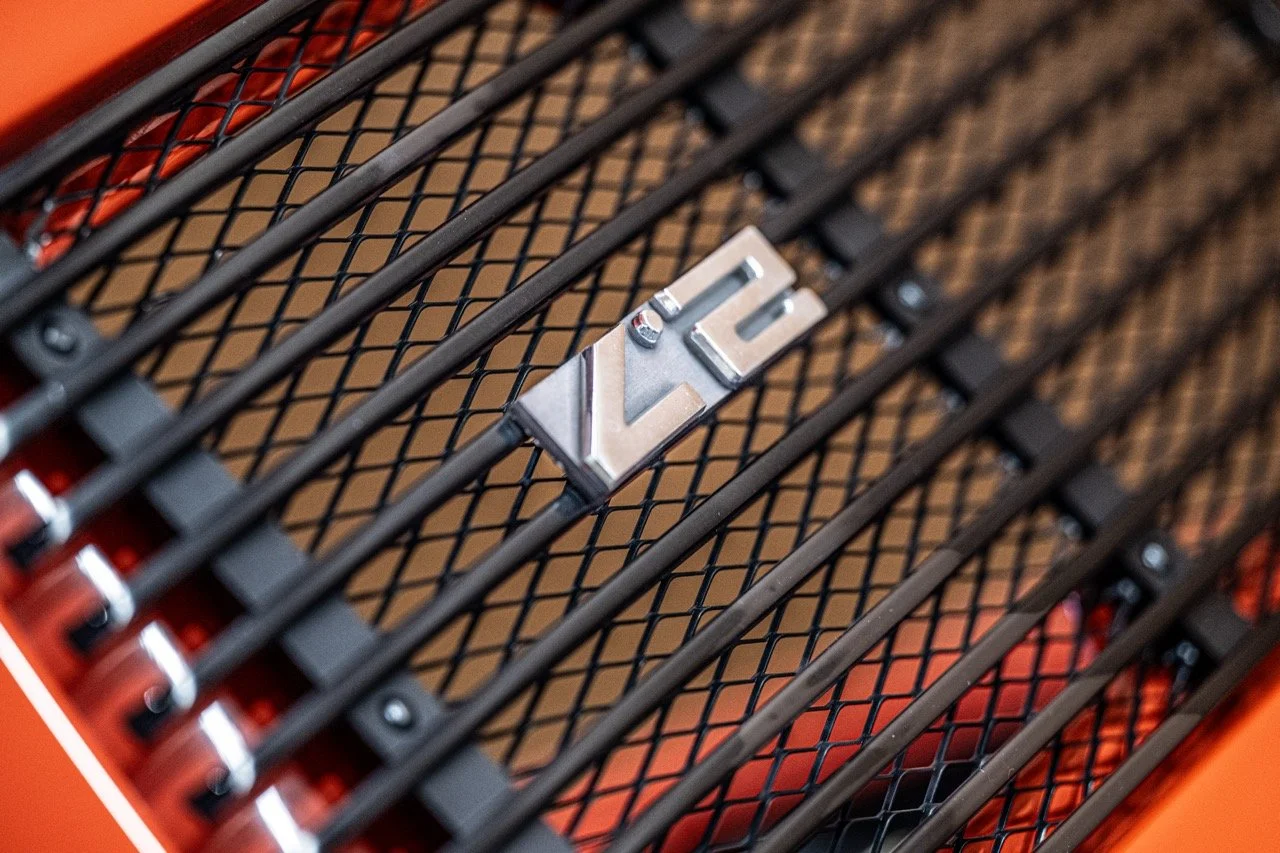
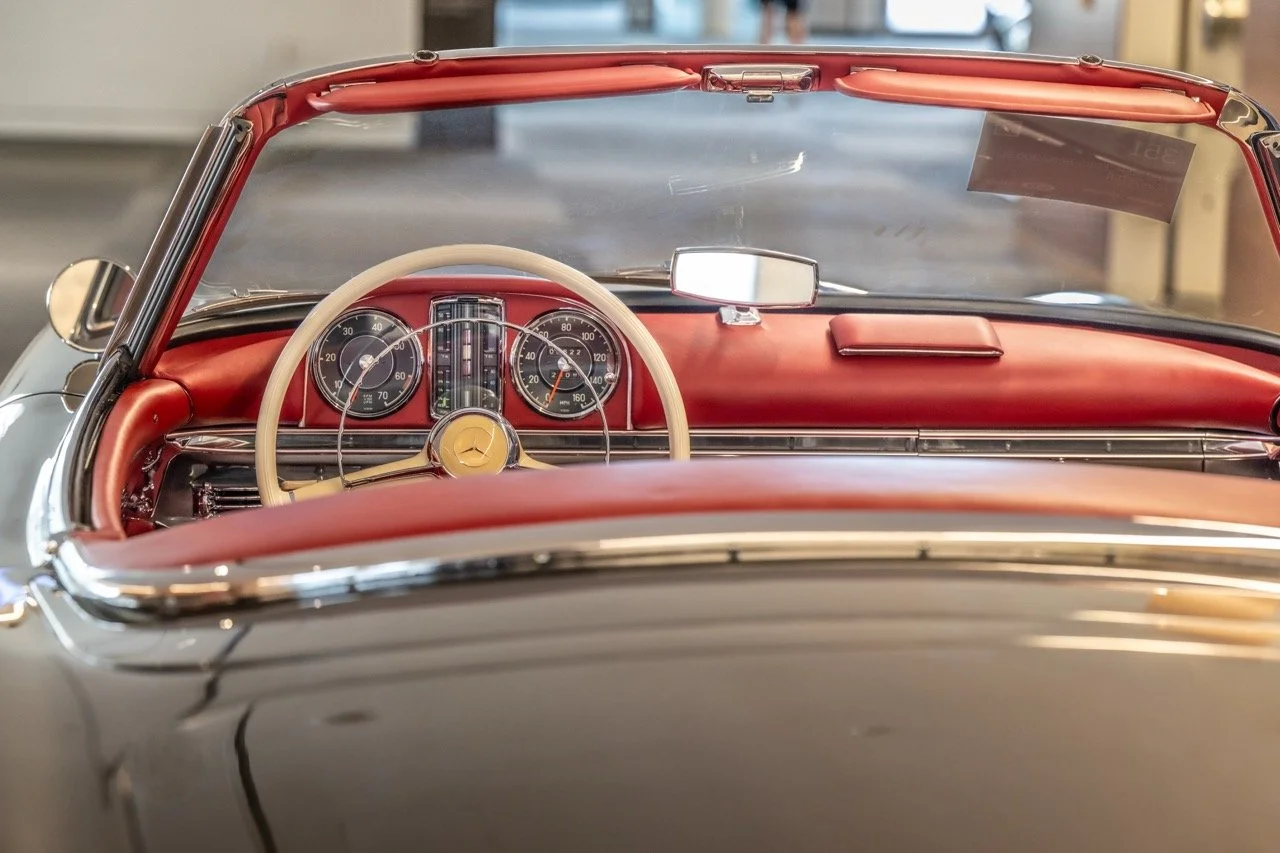
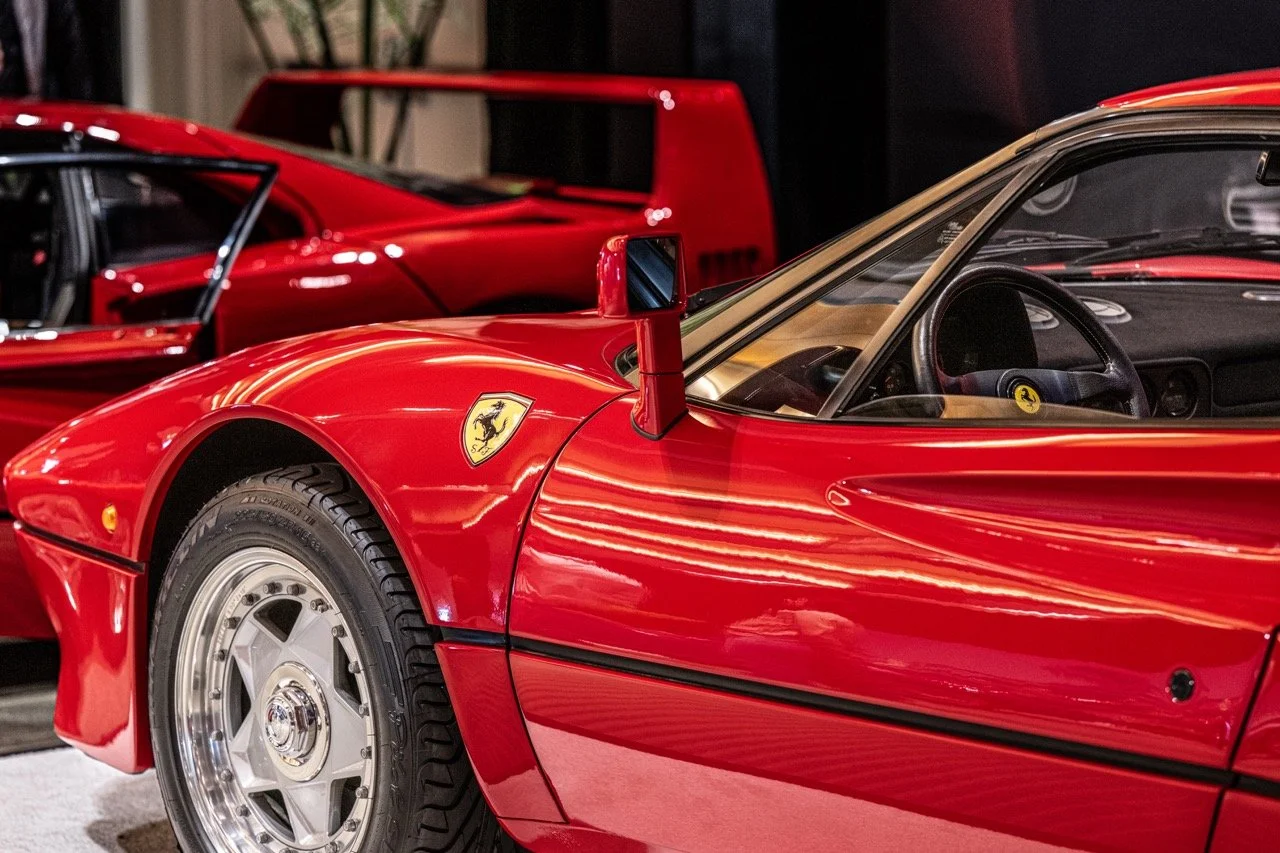
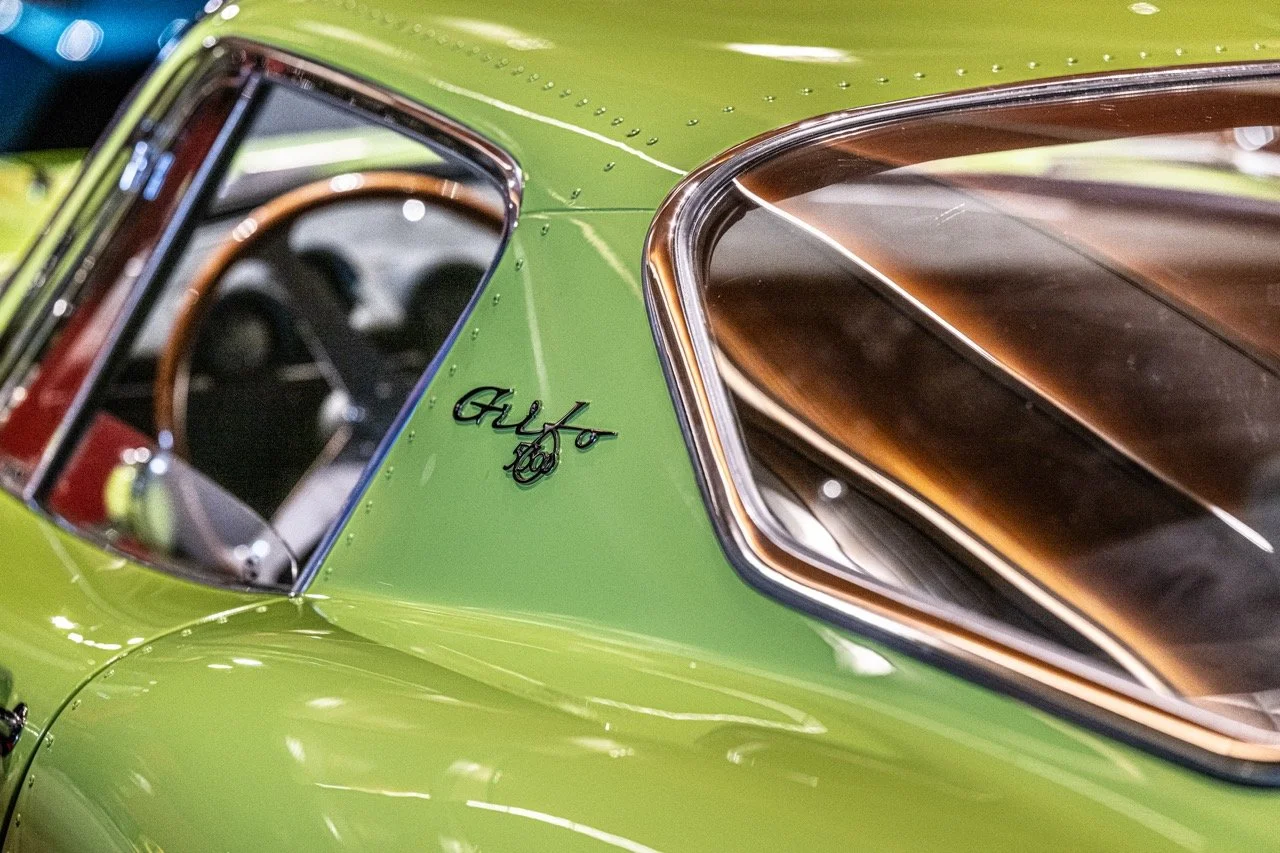
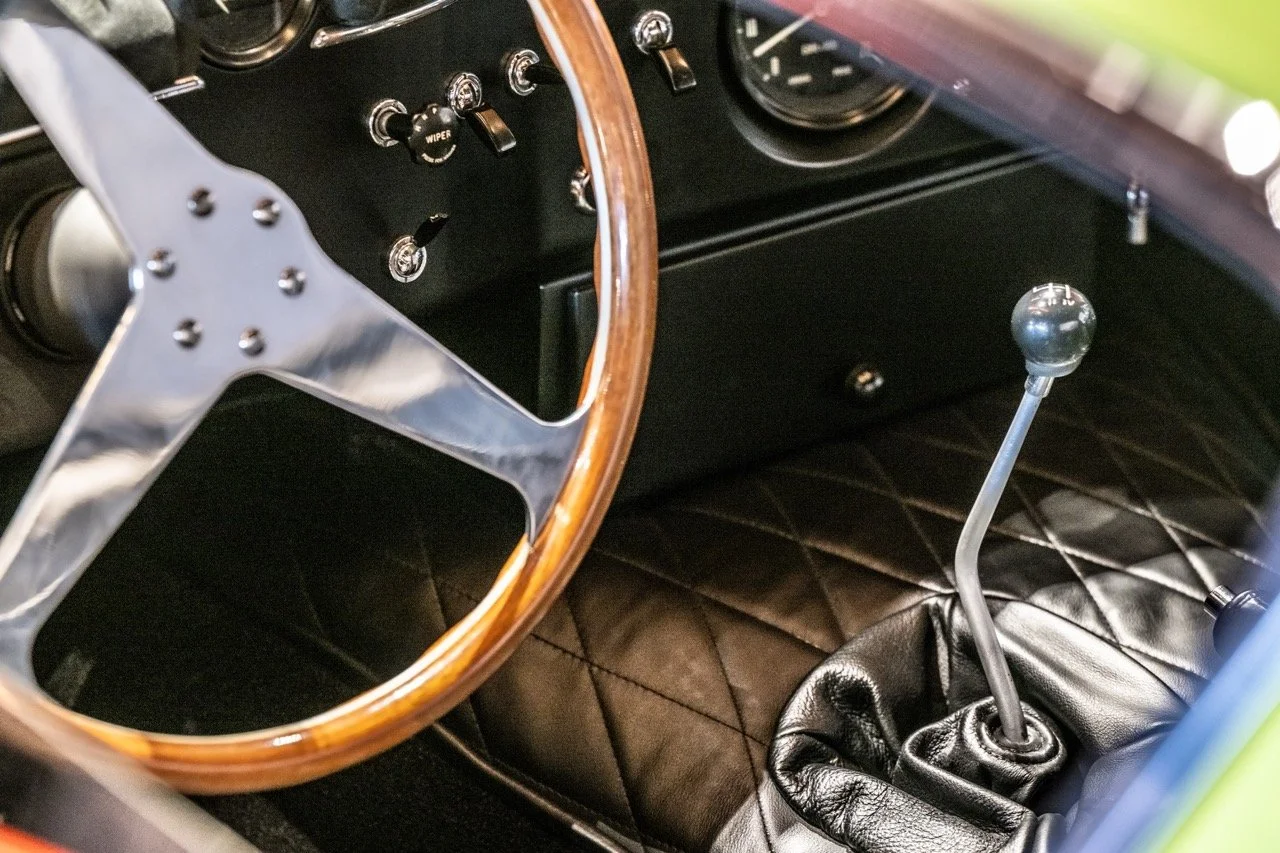
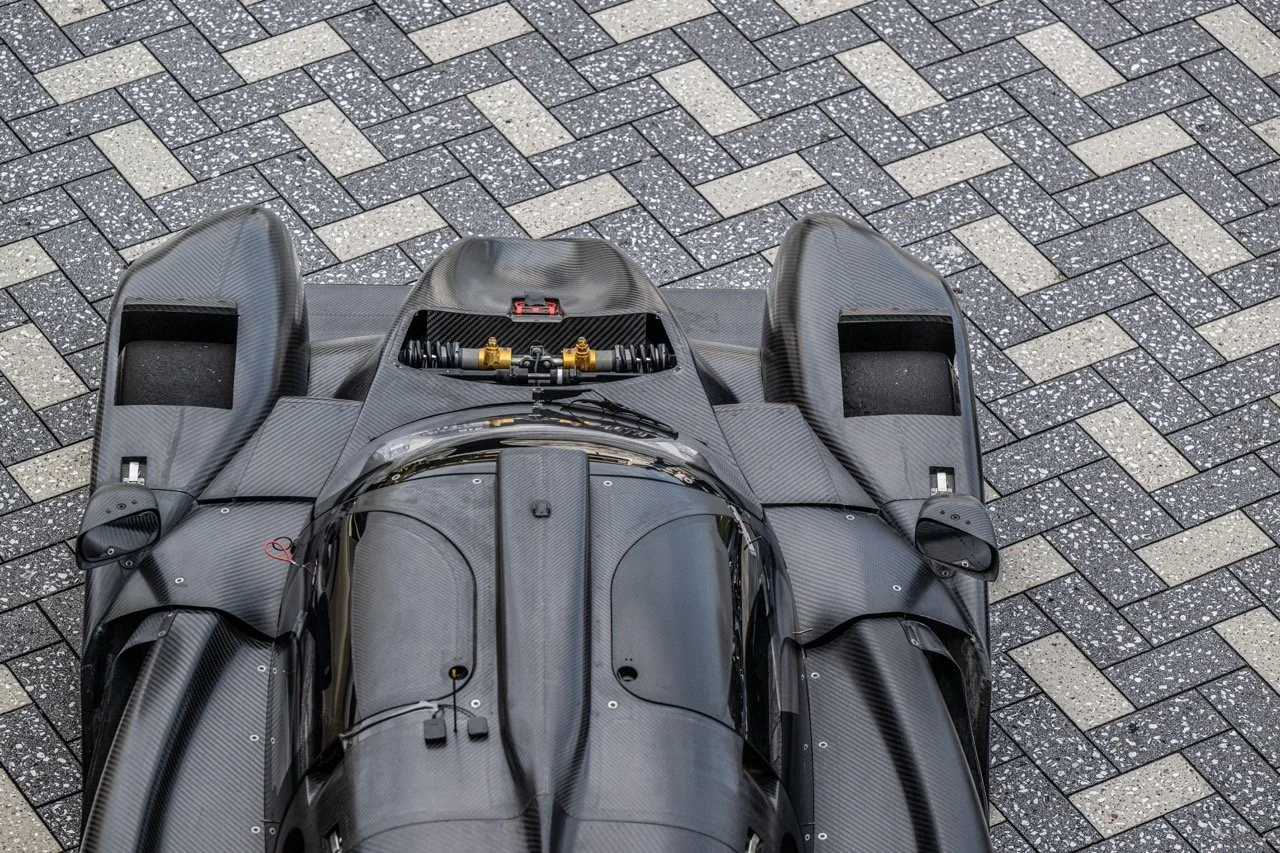
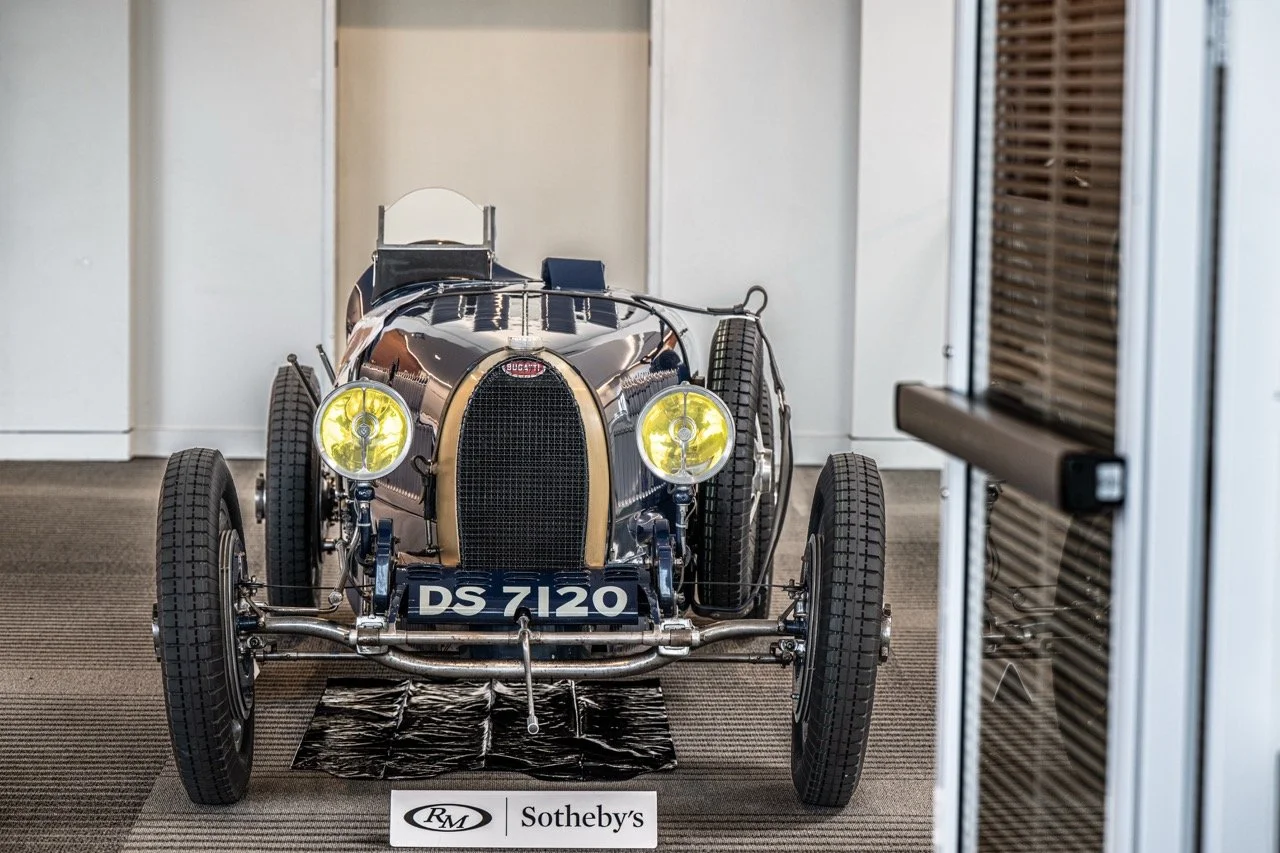
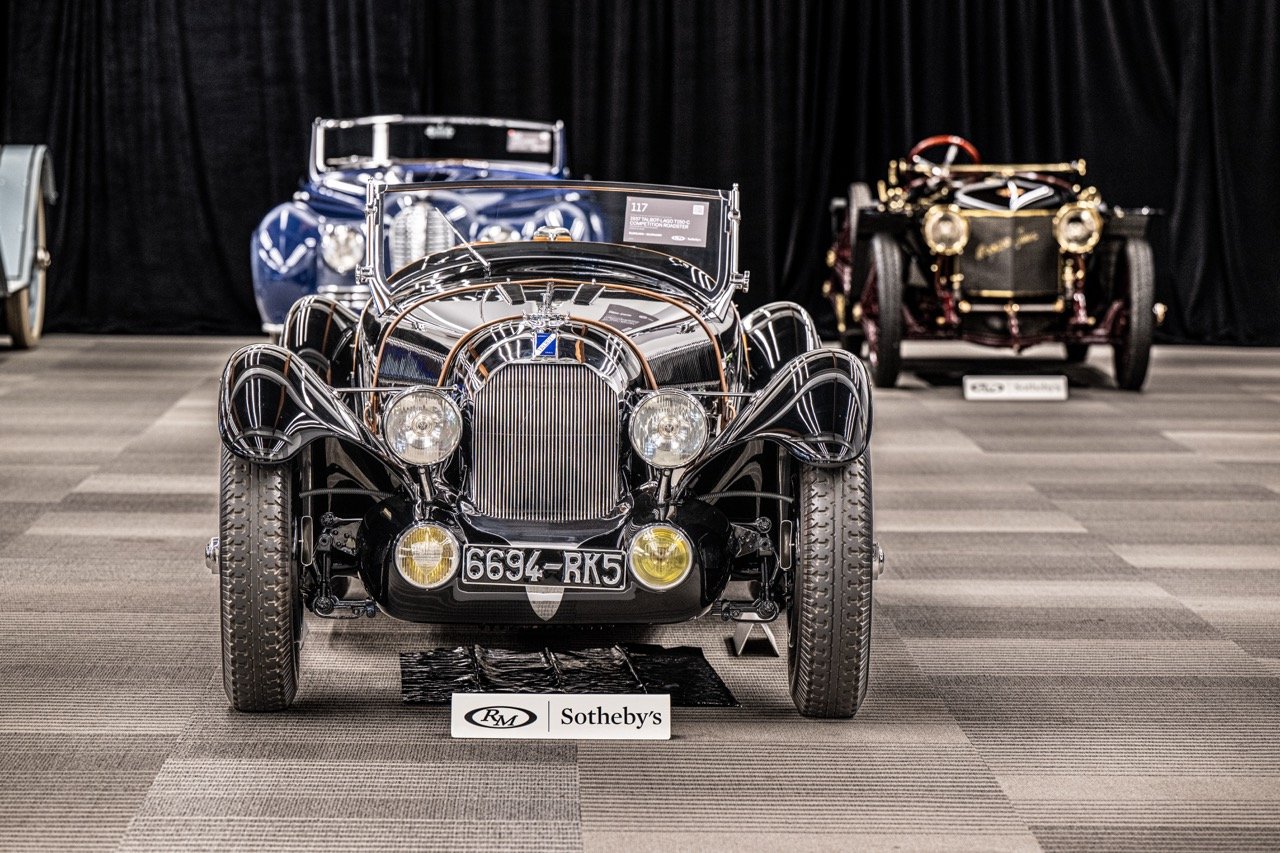
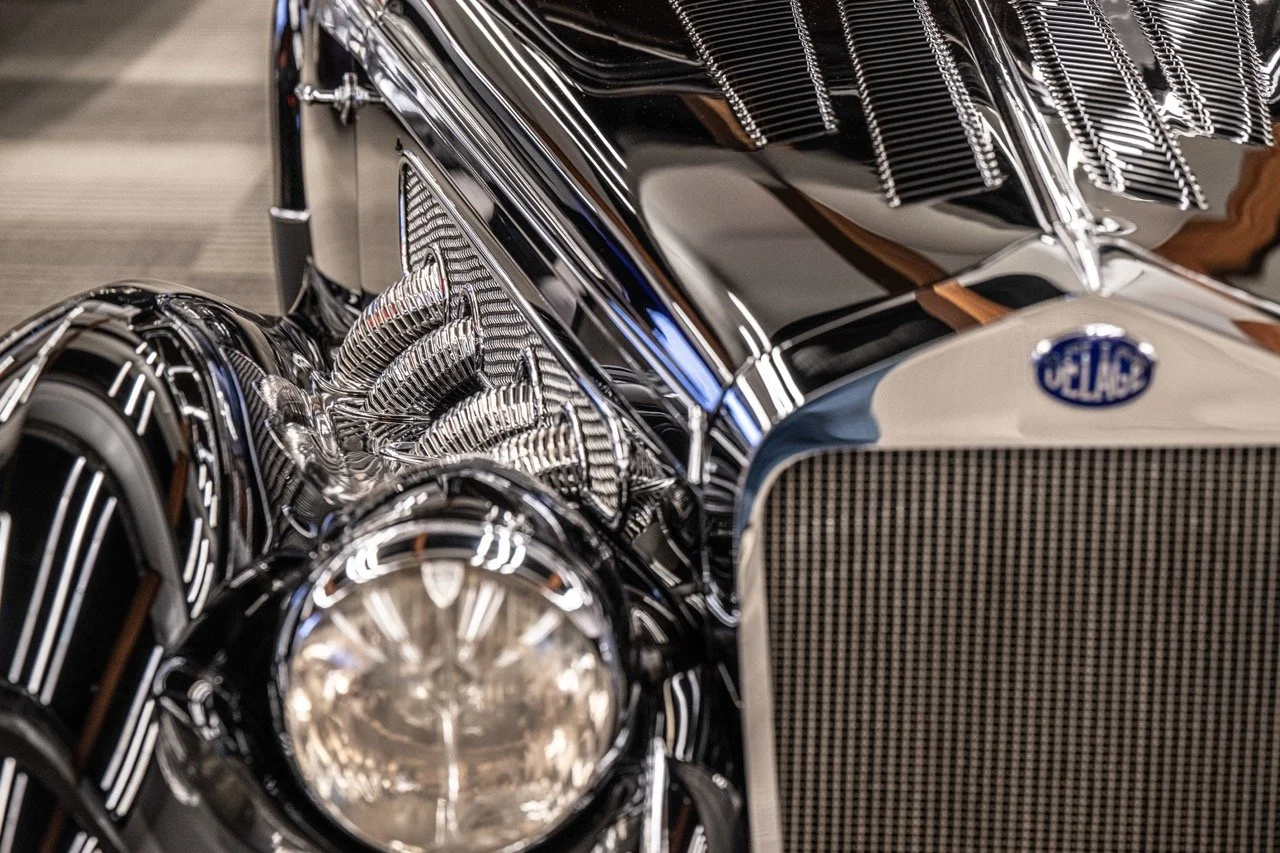
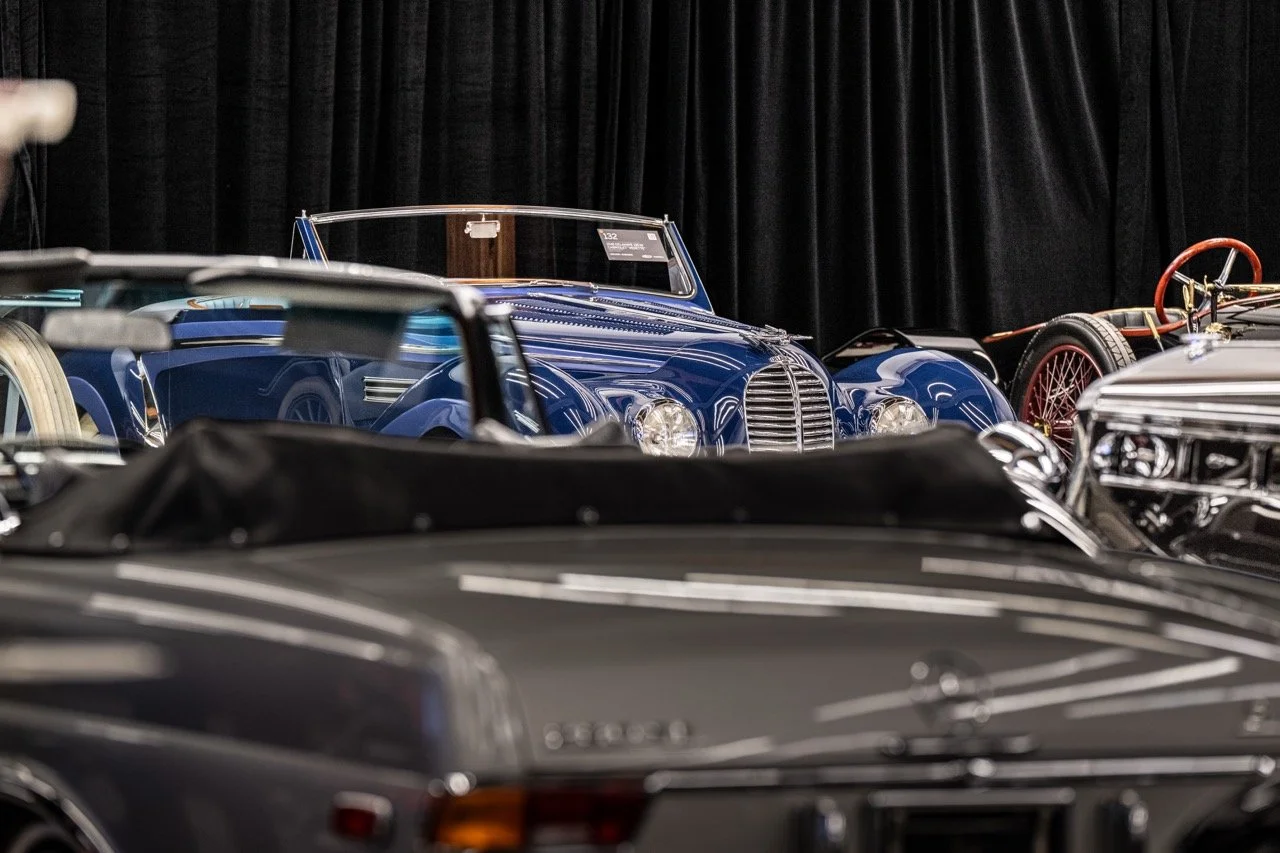
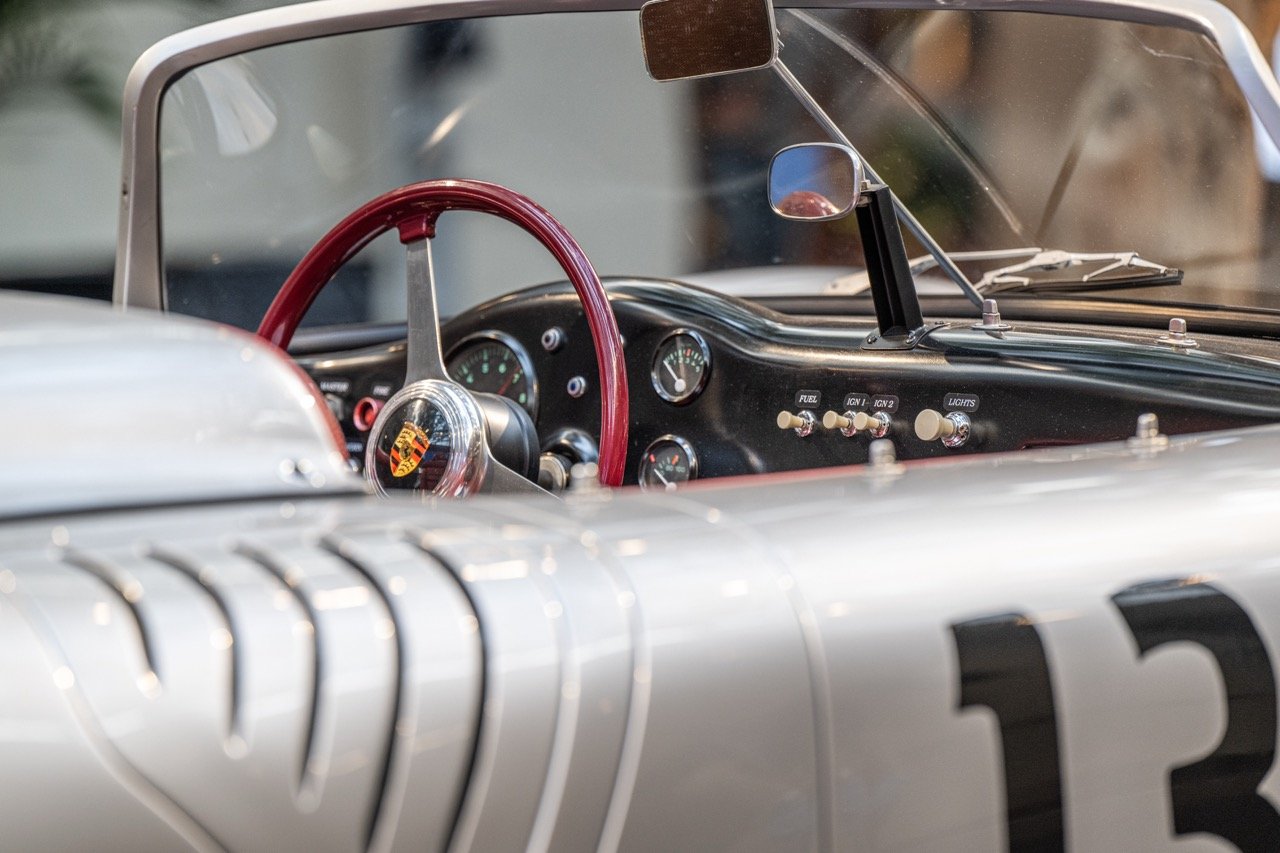
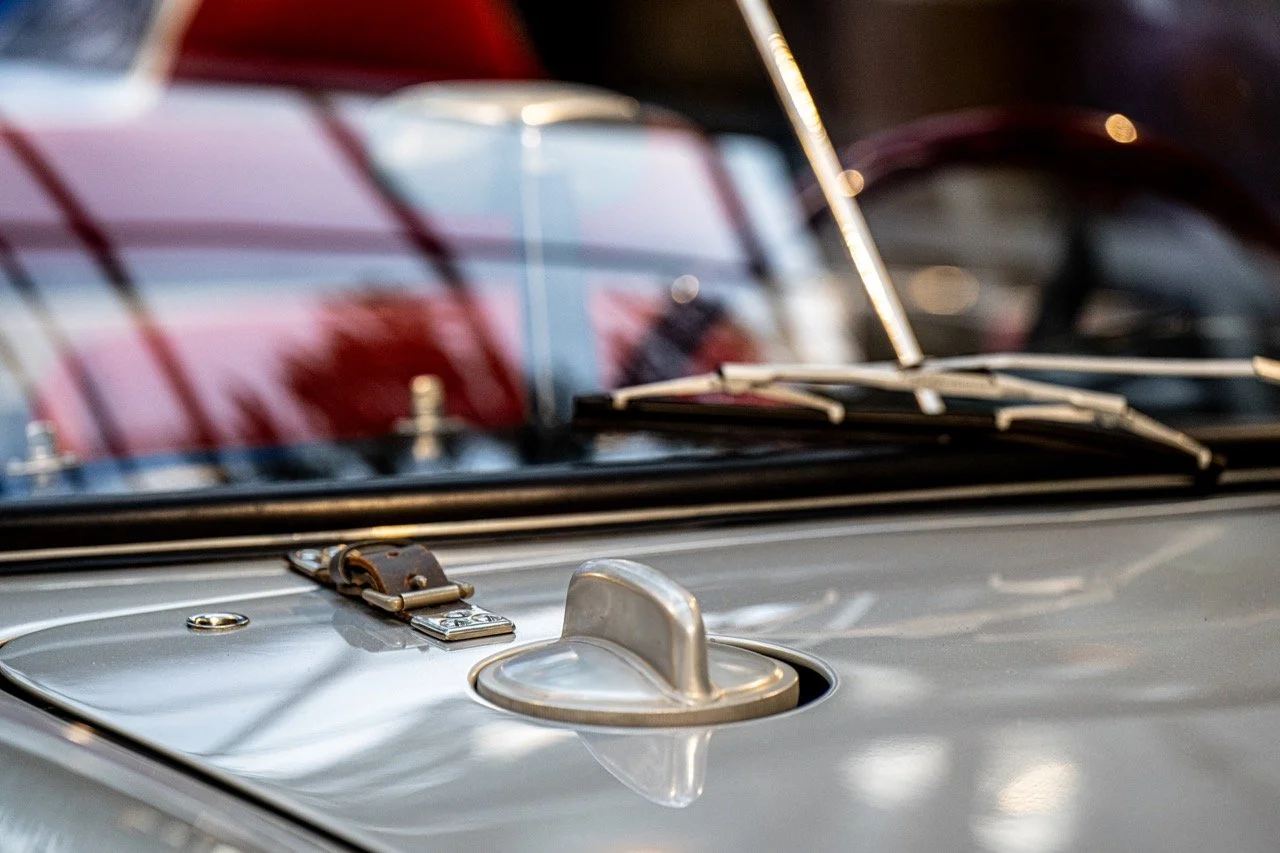
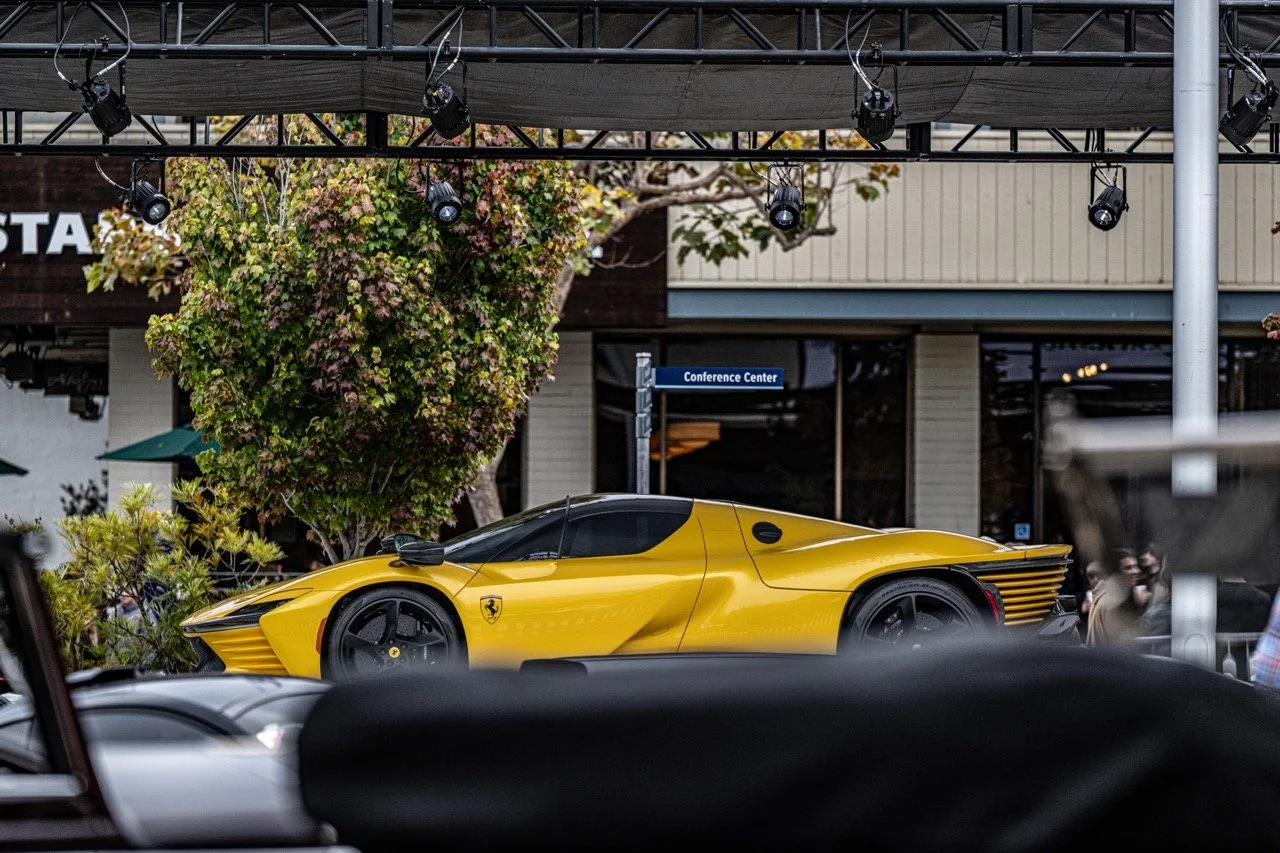
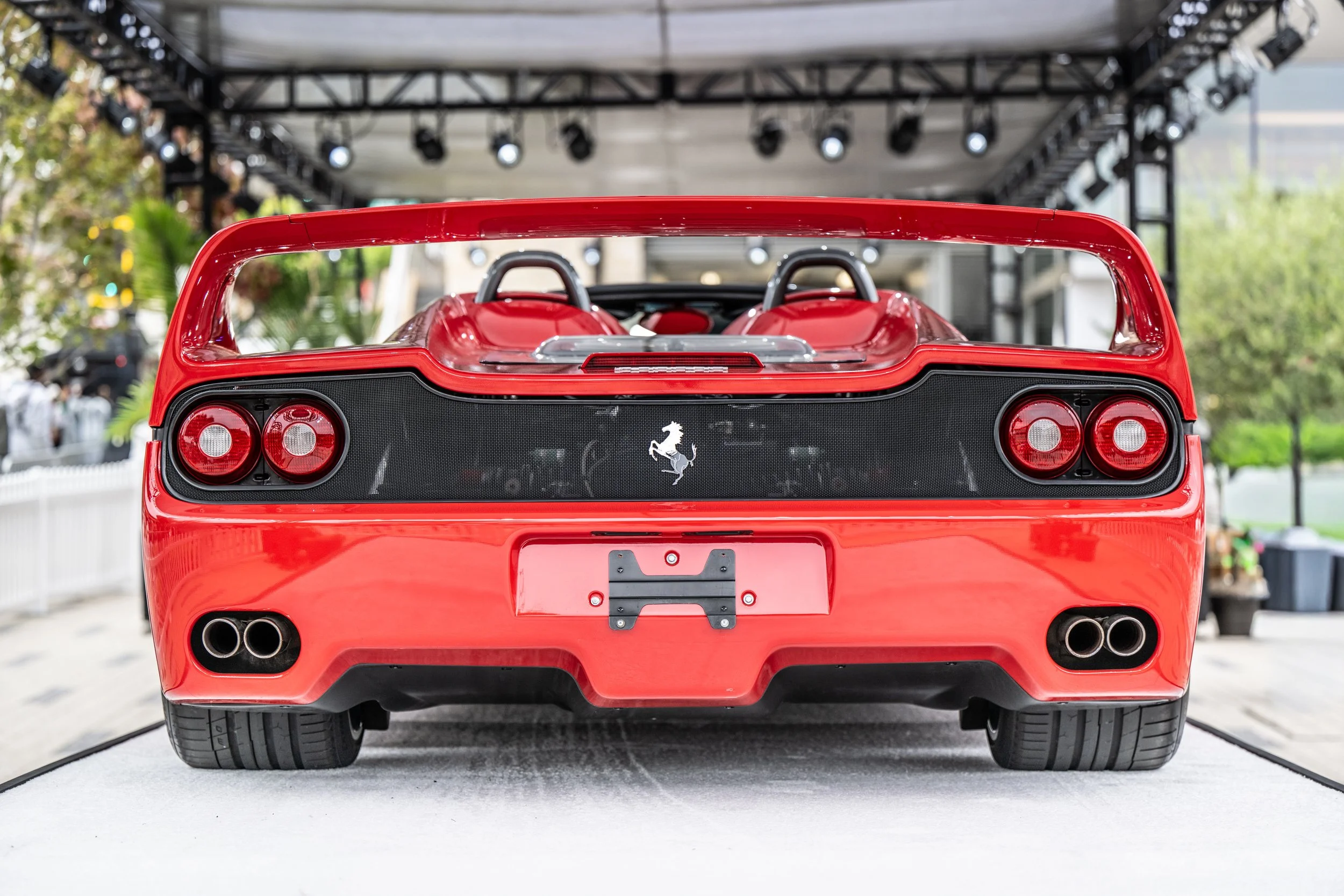
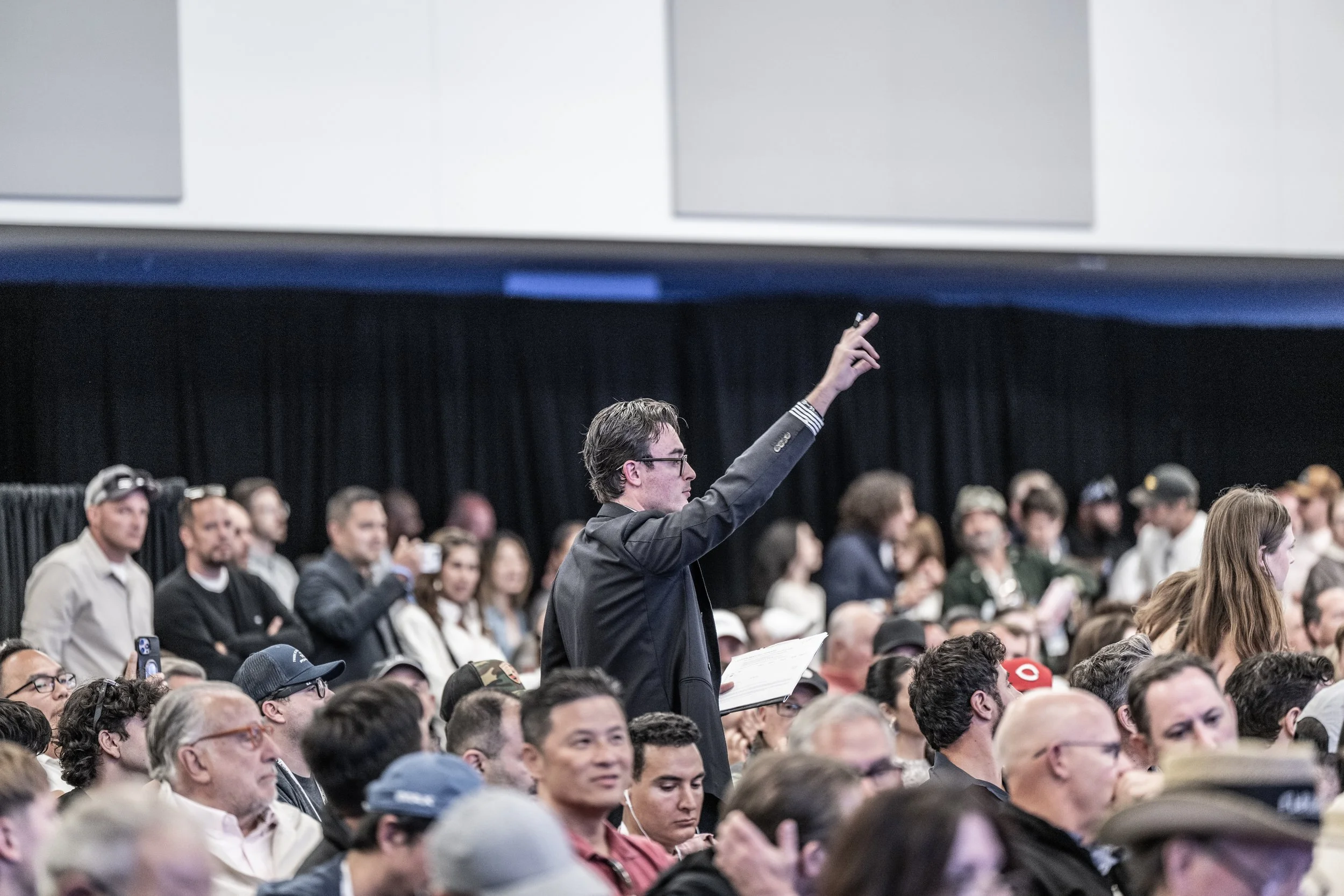
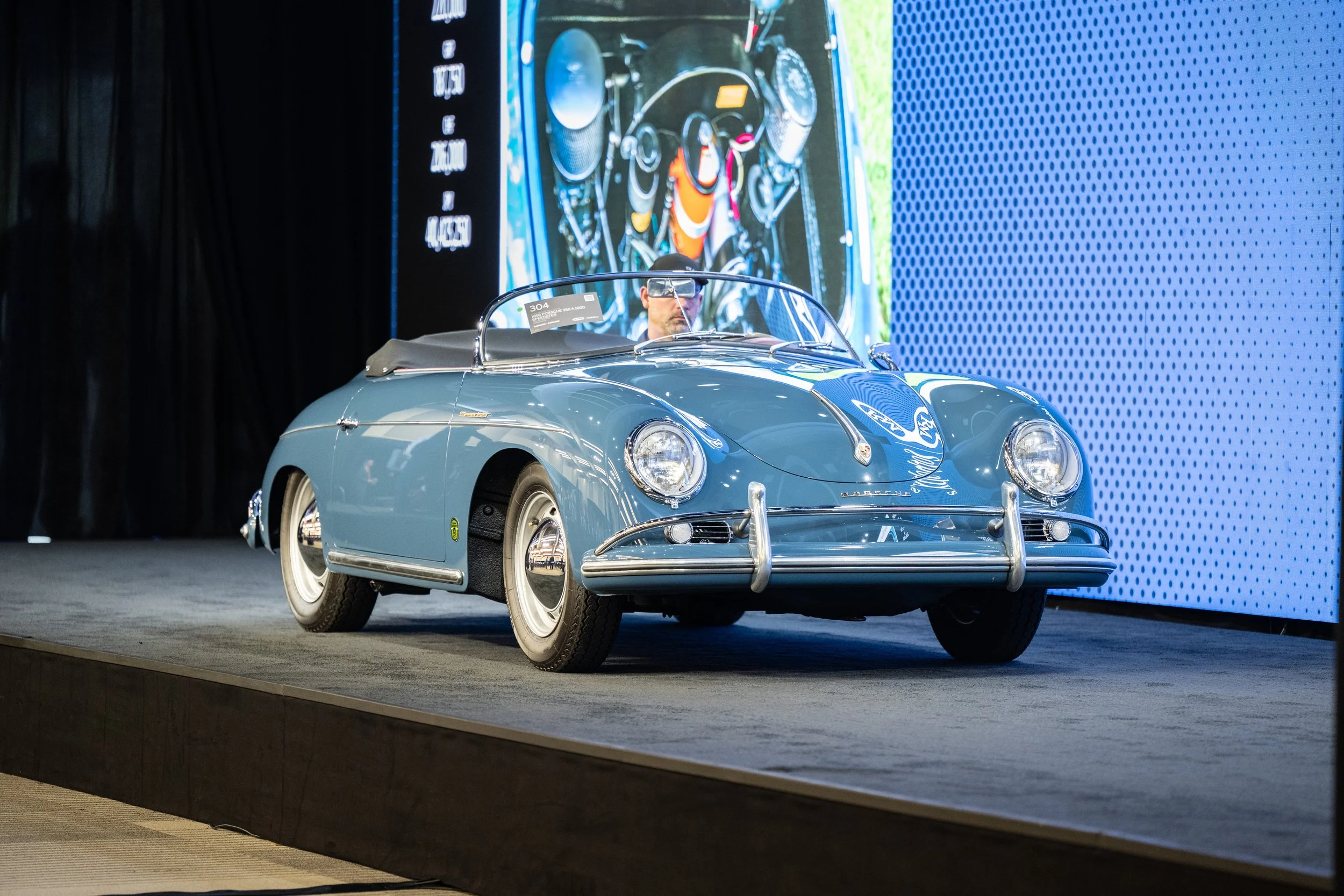

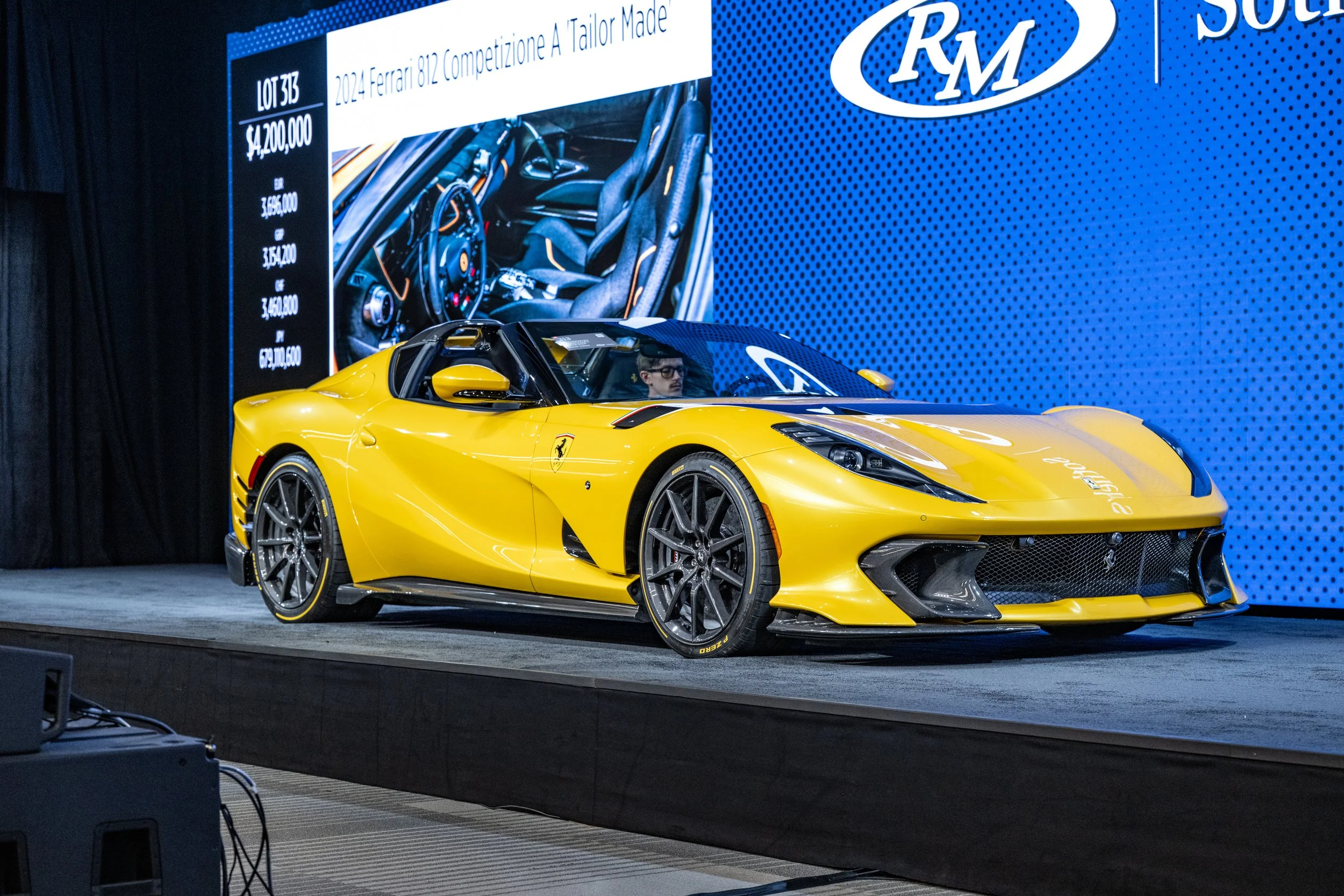
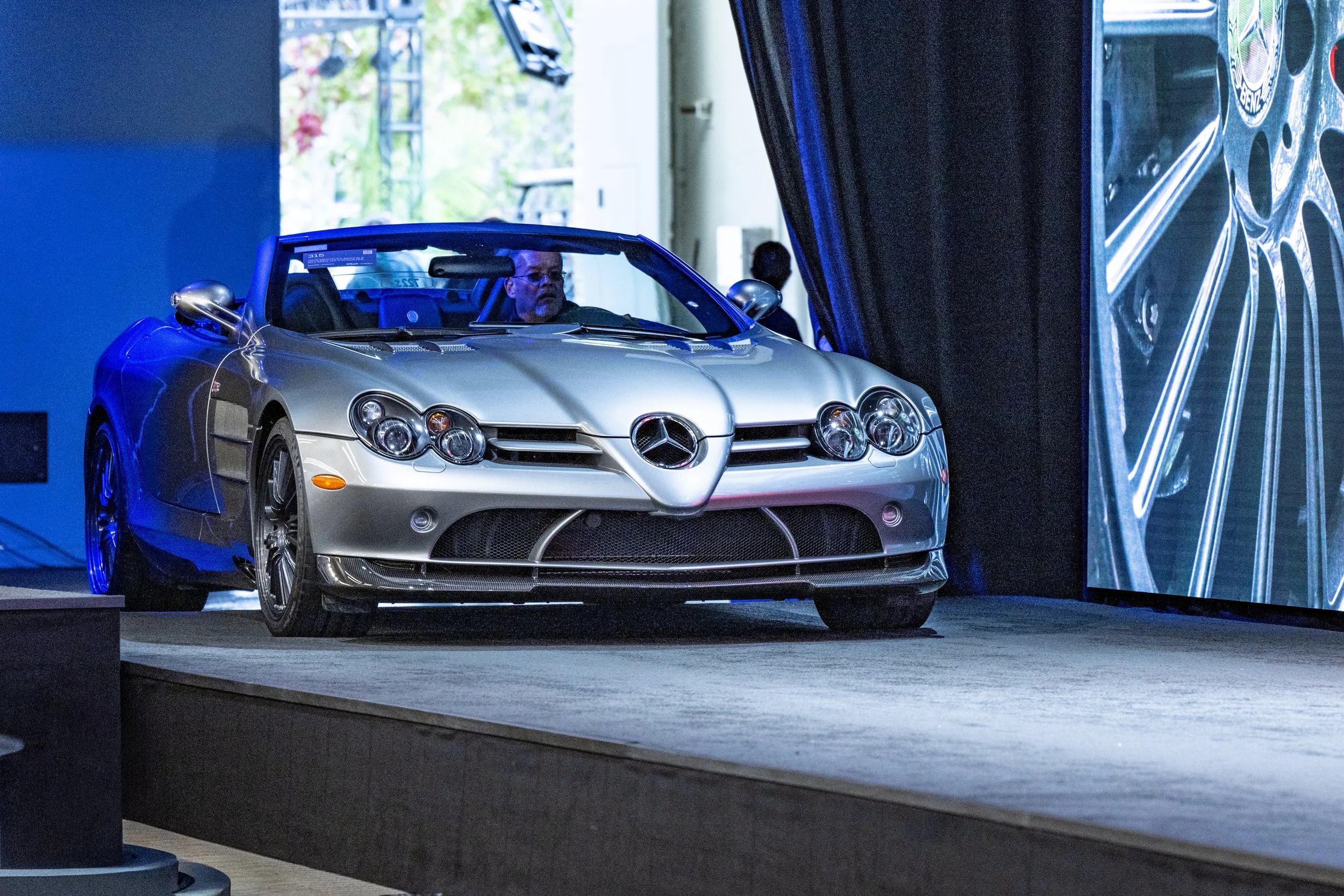
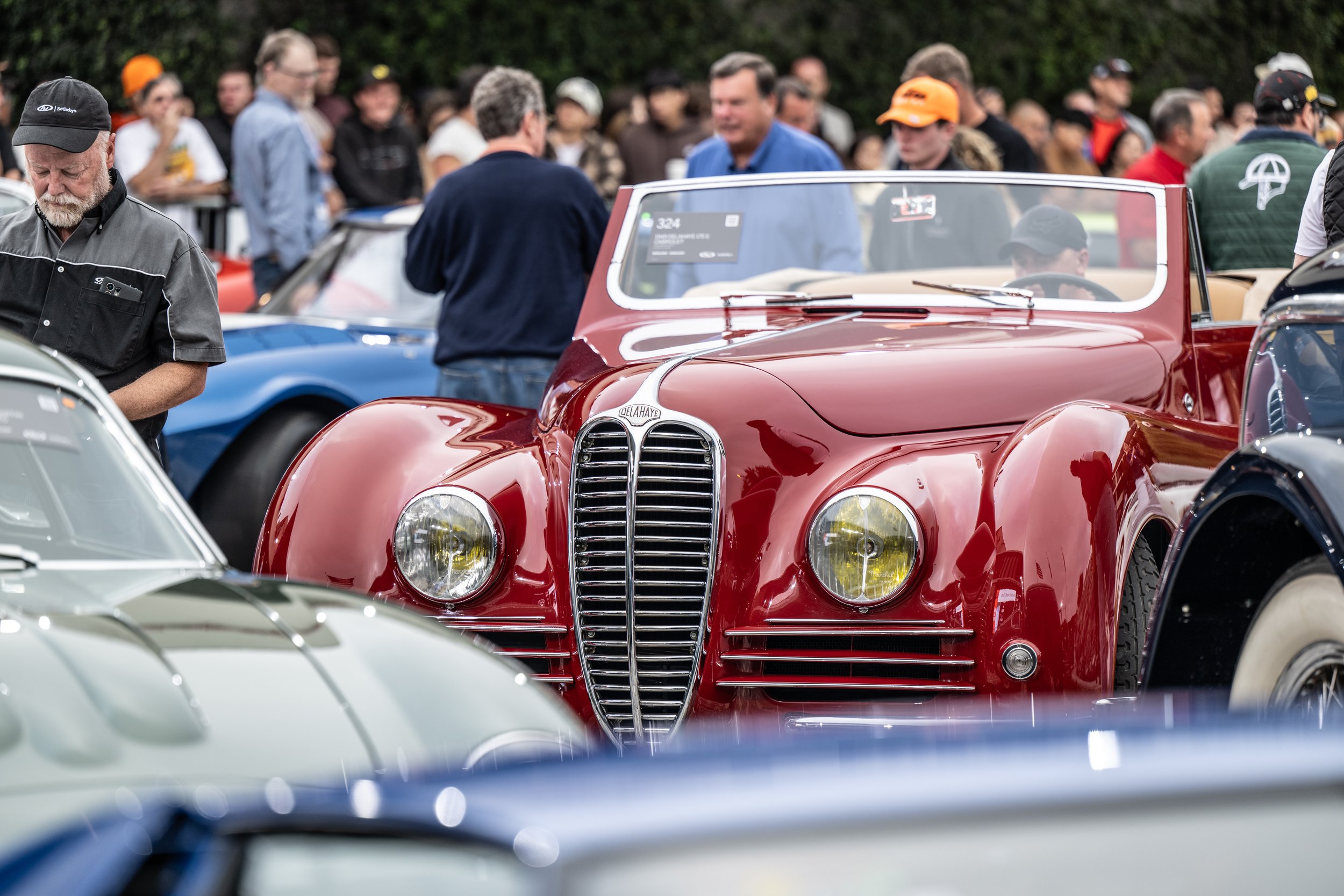
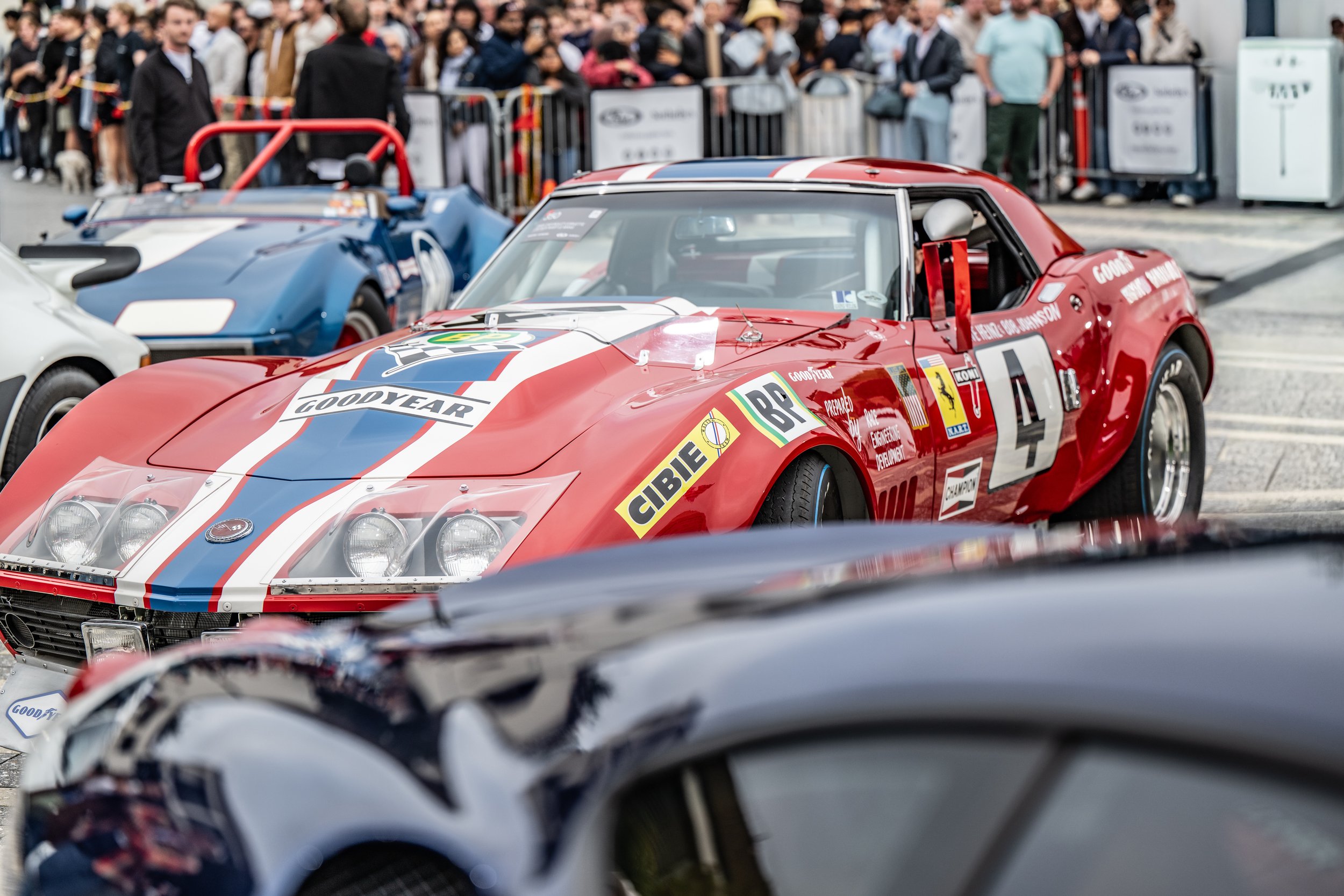
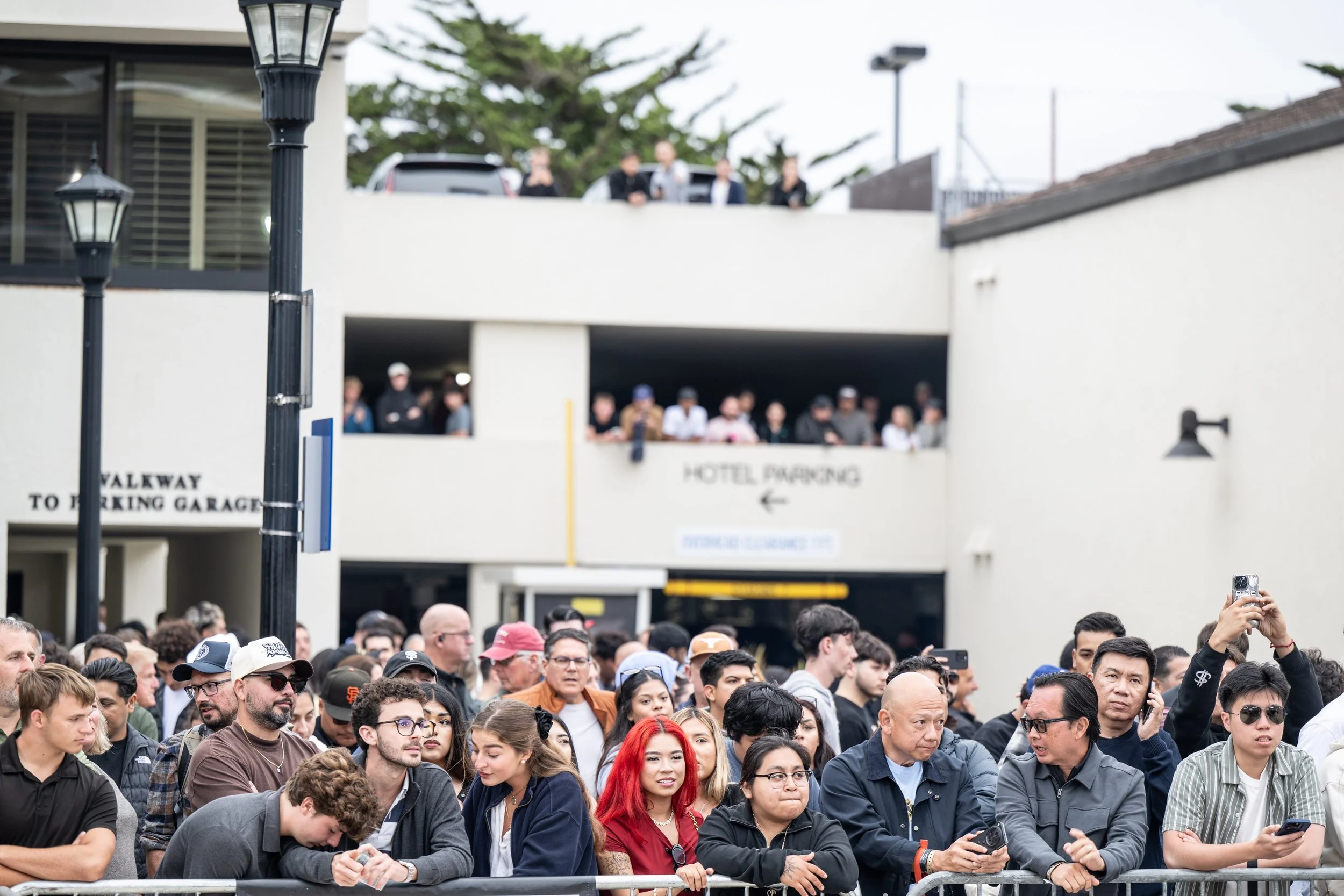
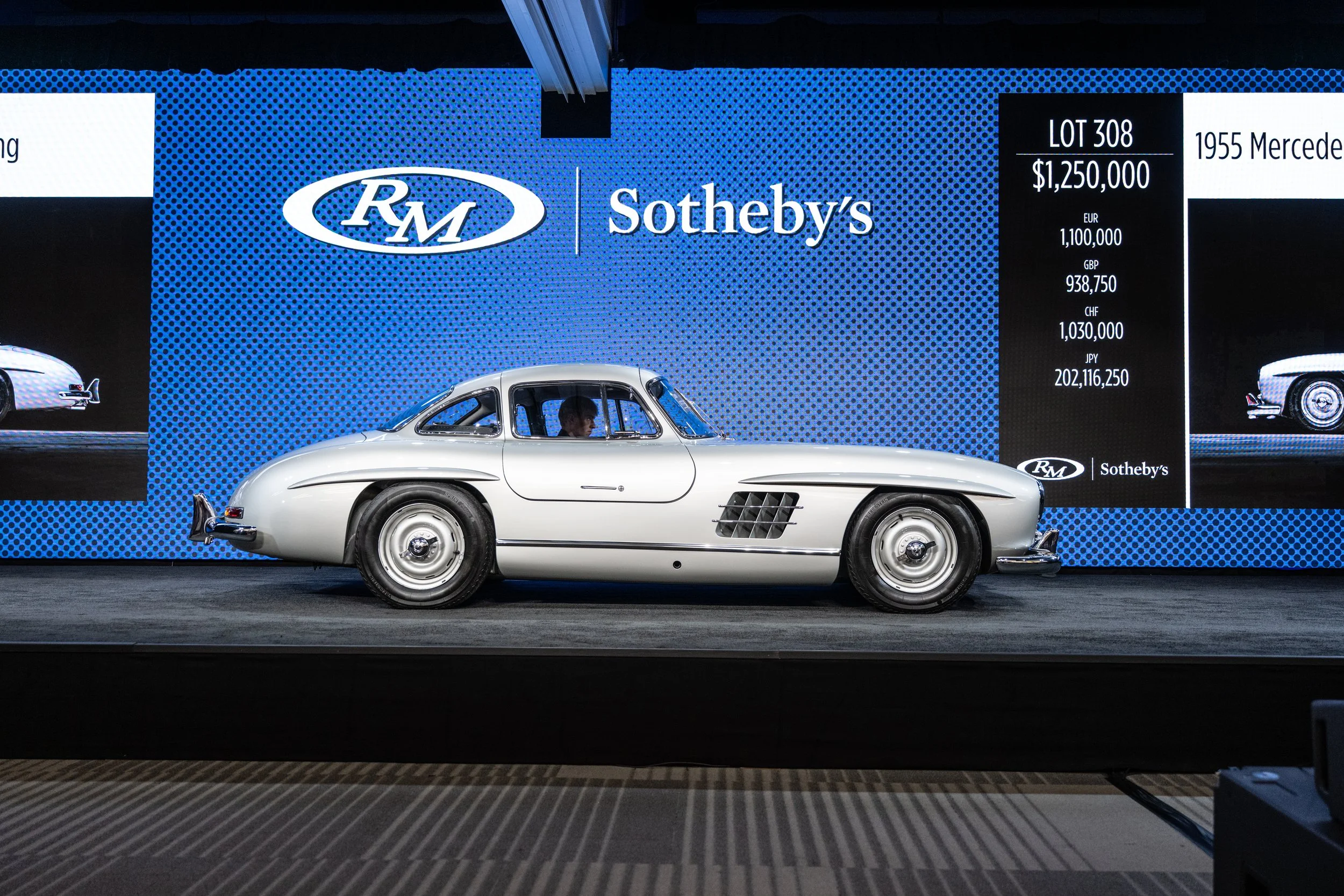
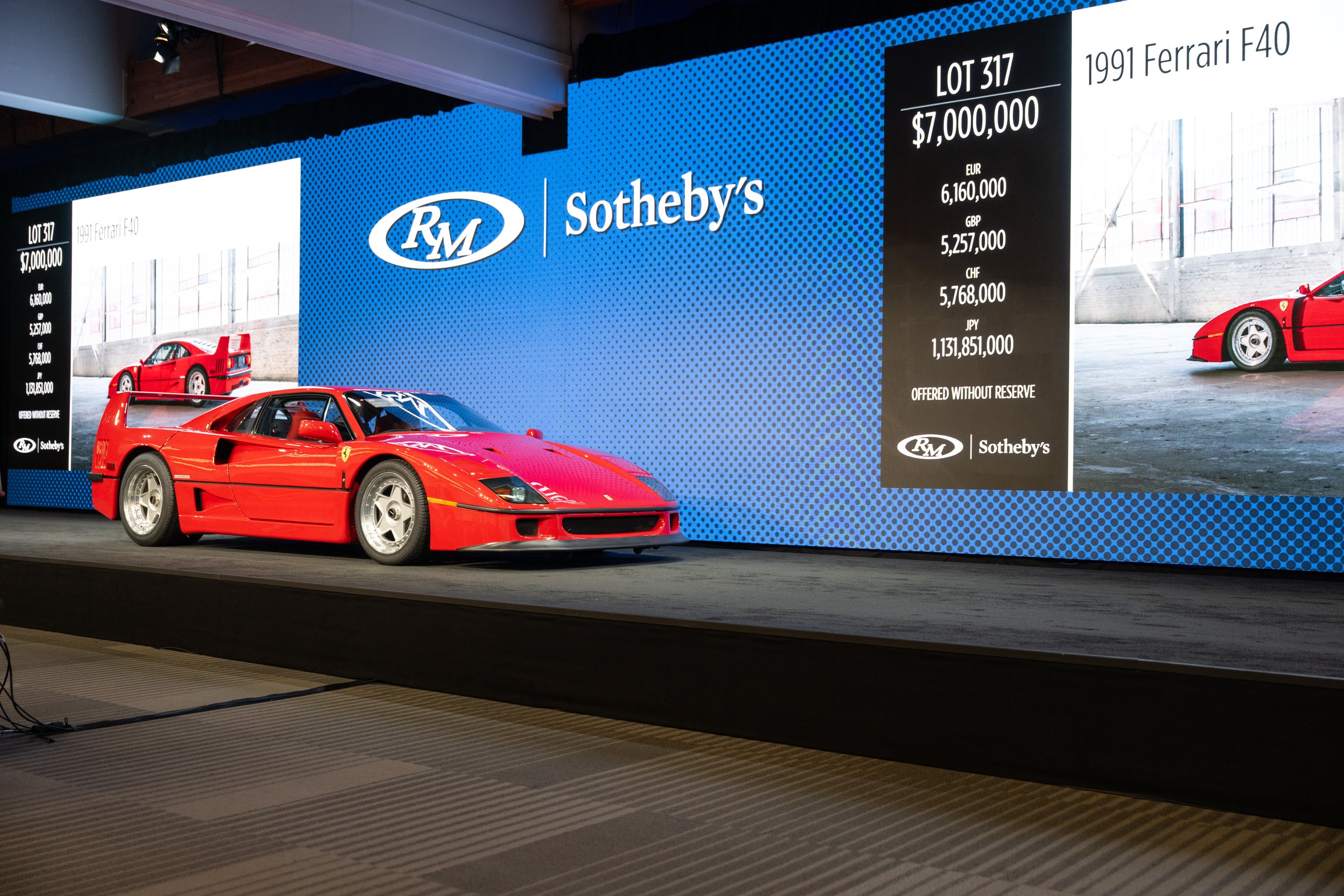
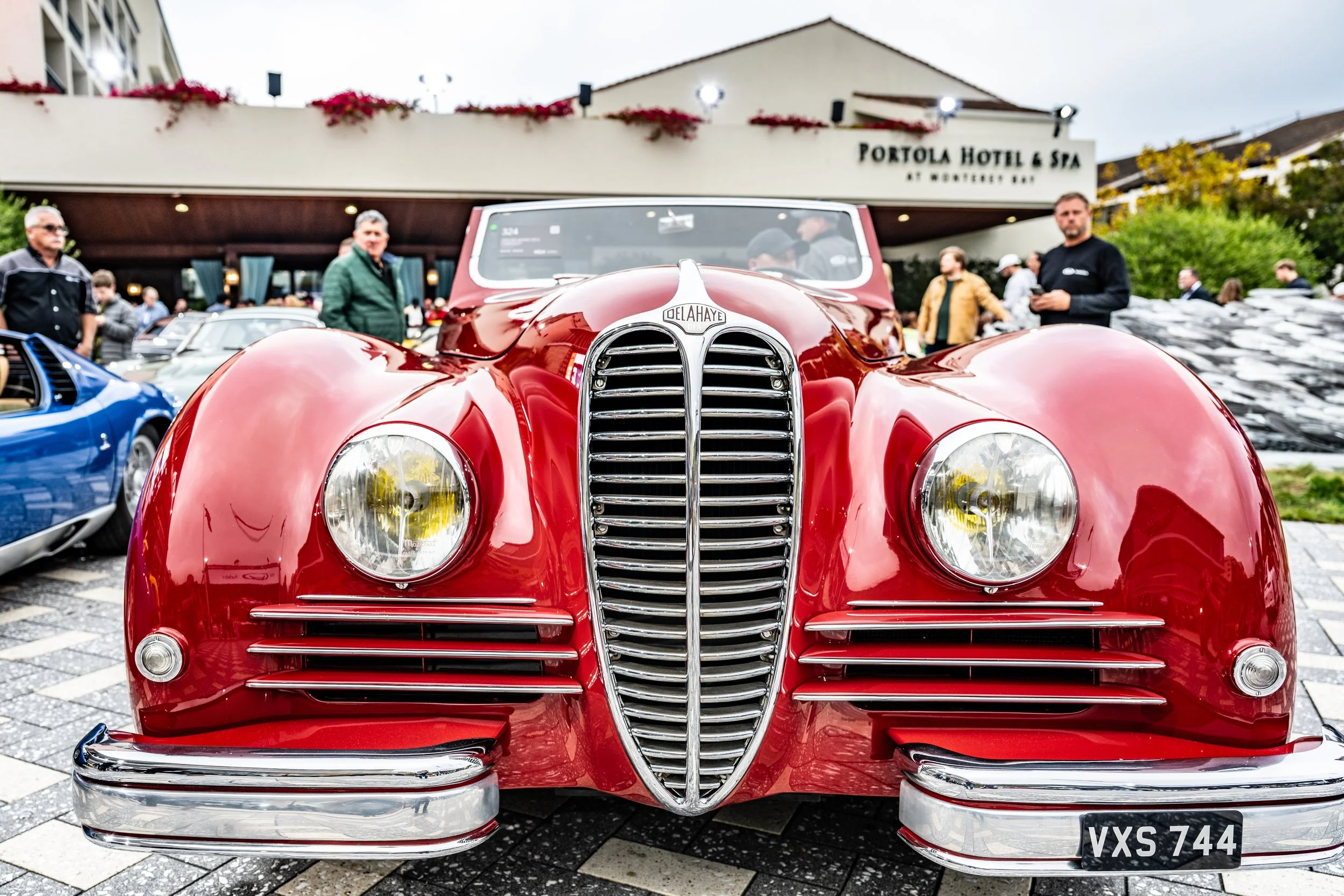
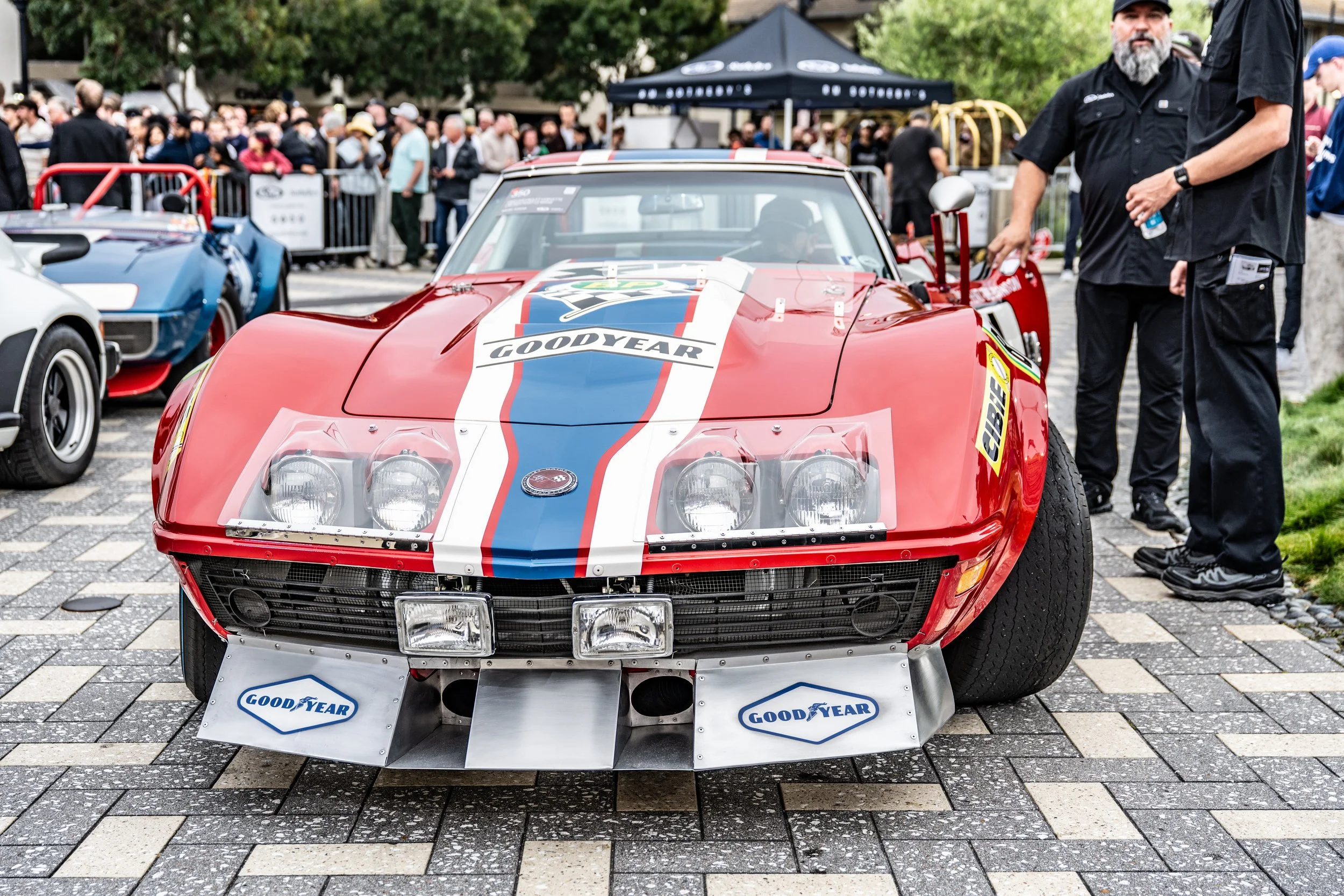
And then somebody spent $40 million on an electric Ferrari. More on that shortly. At Monterey, apparently, eight figures is merely a spirited bidding session.
TAKE THE LONG WAY TO PEBBLE
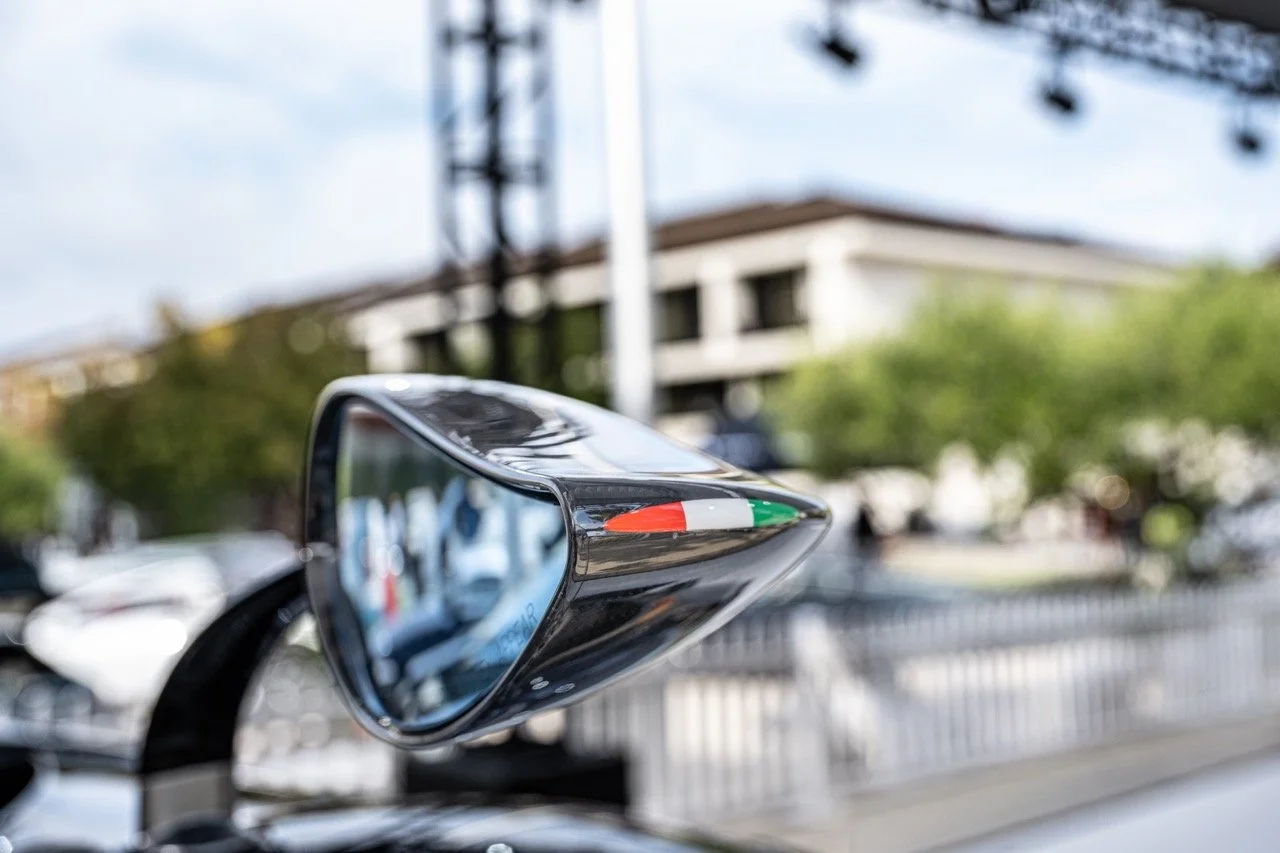
There may be no road in America more closely associated with the romance of the automobile than 17-Mile Drive. The road curls through Del Monte Forest, past cypress trees, cliffs, beaches and some of the most valuable residential real estate in California before eventually finding Pebble Beach.
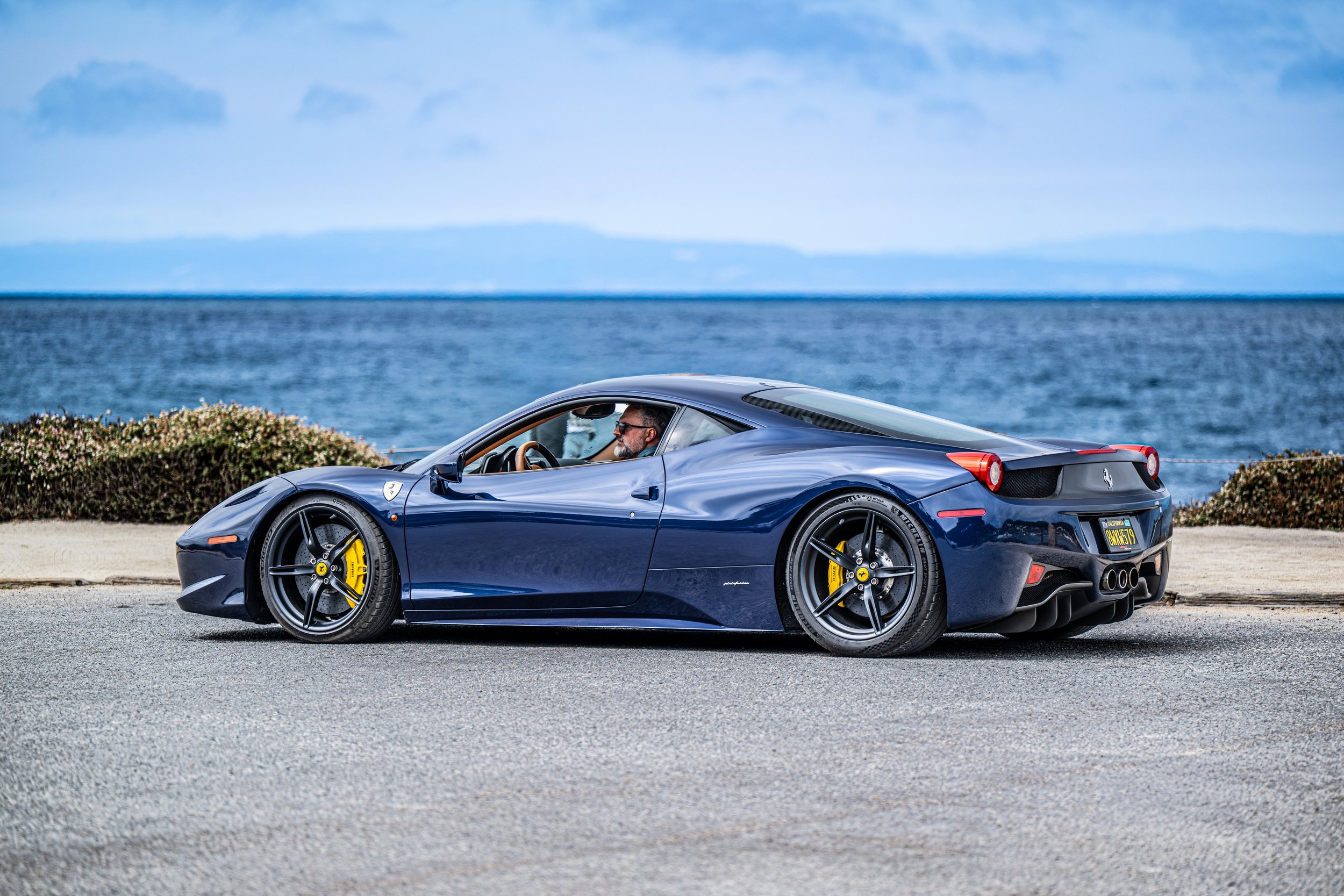
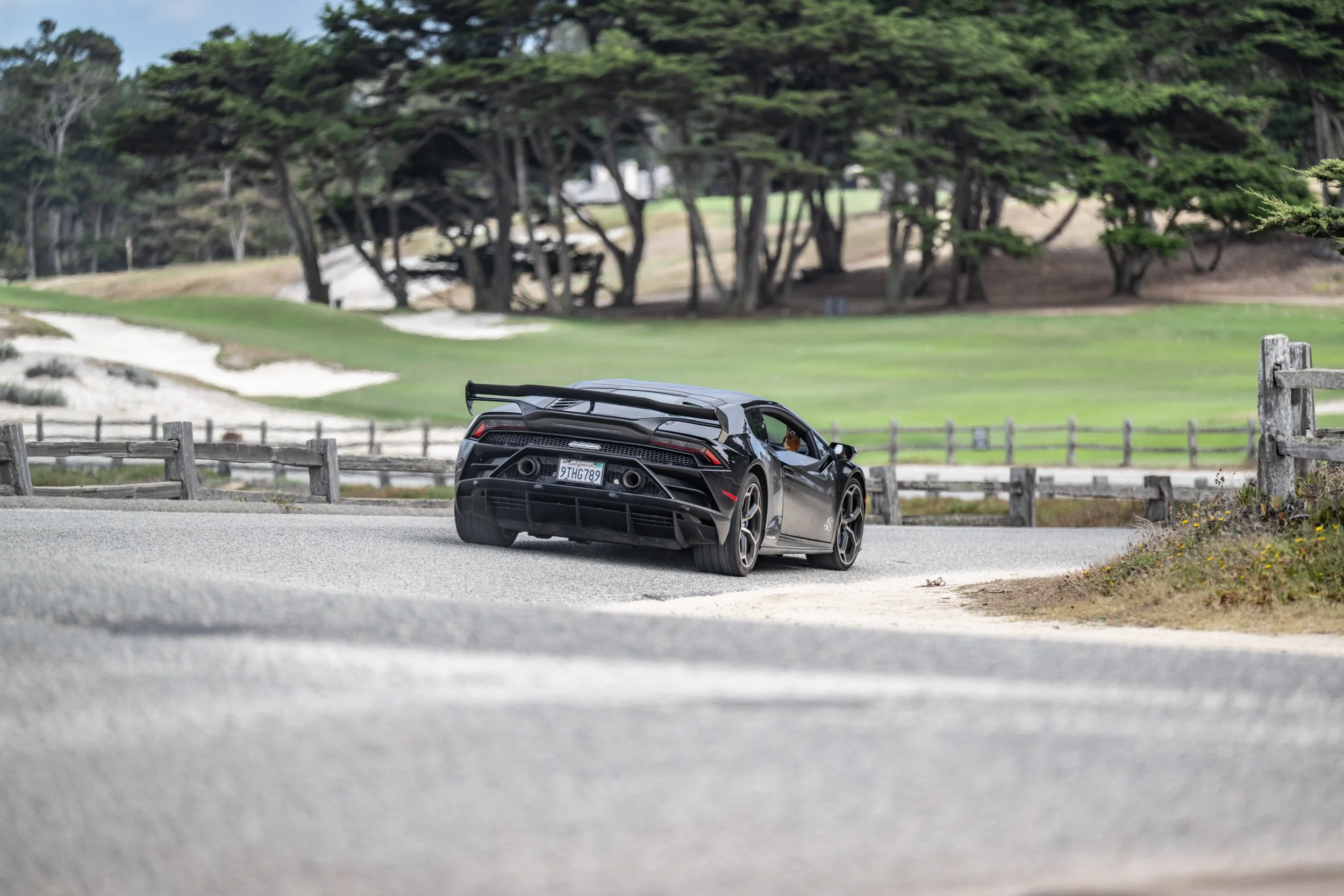
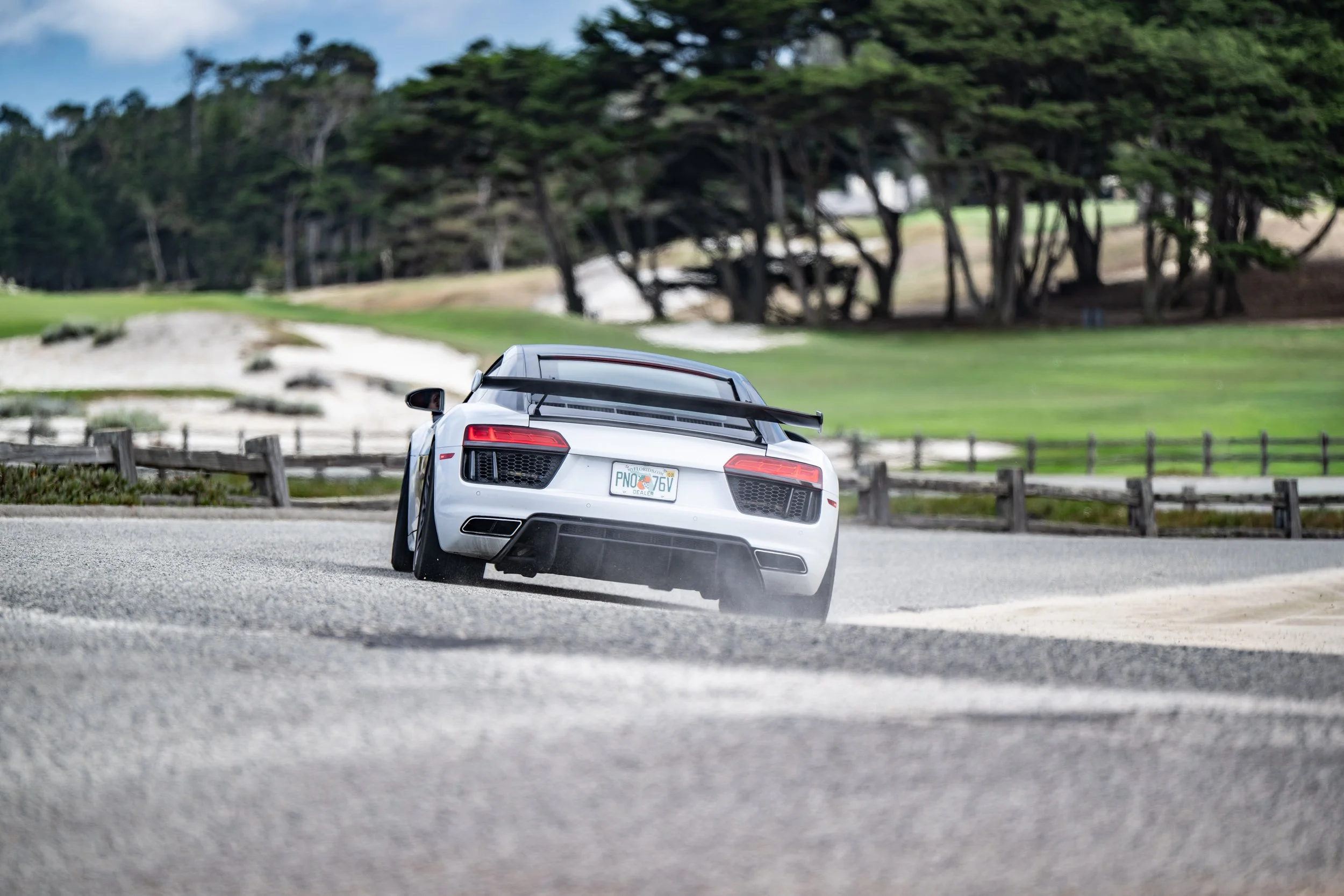
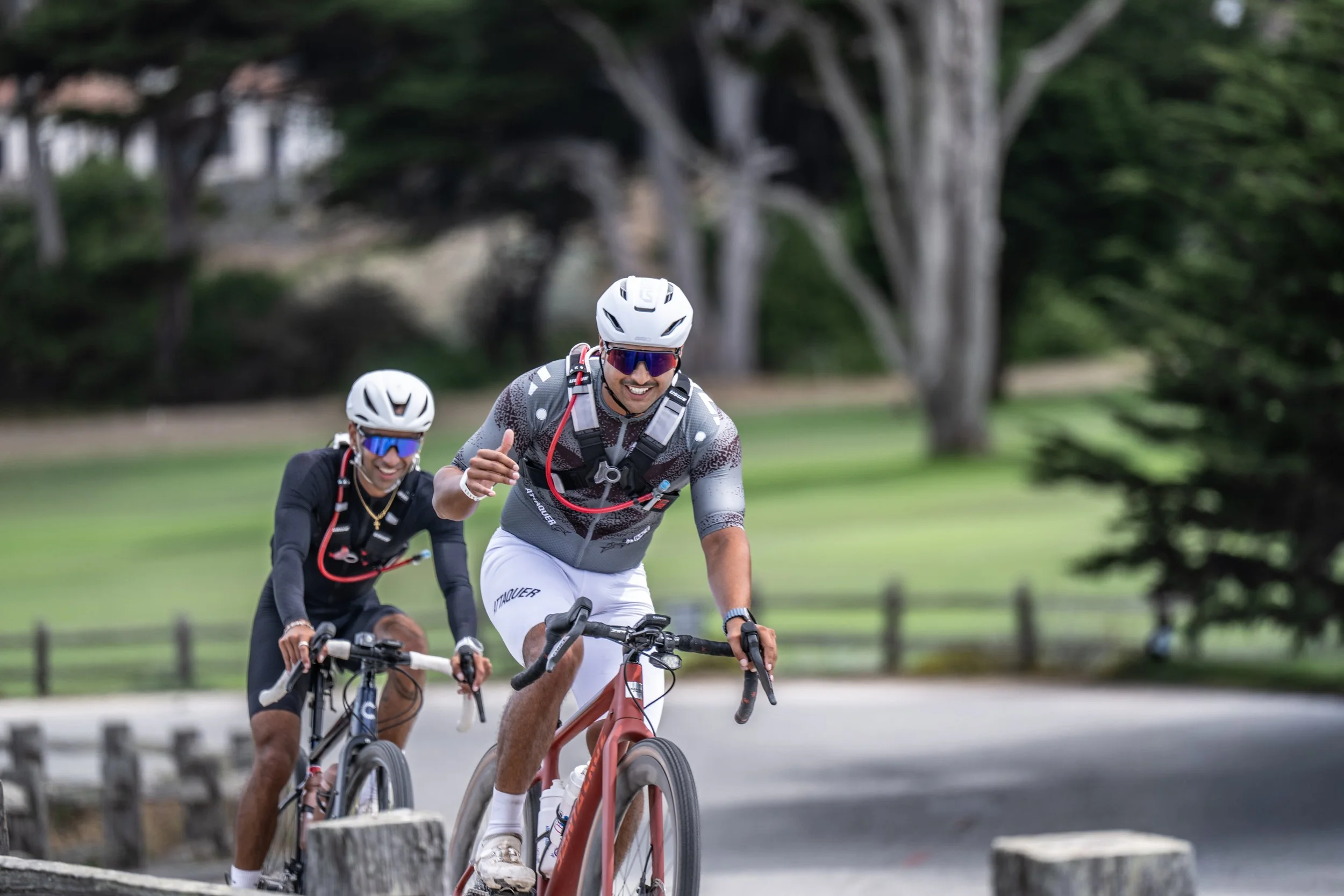
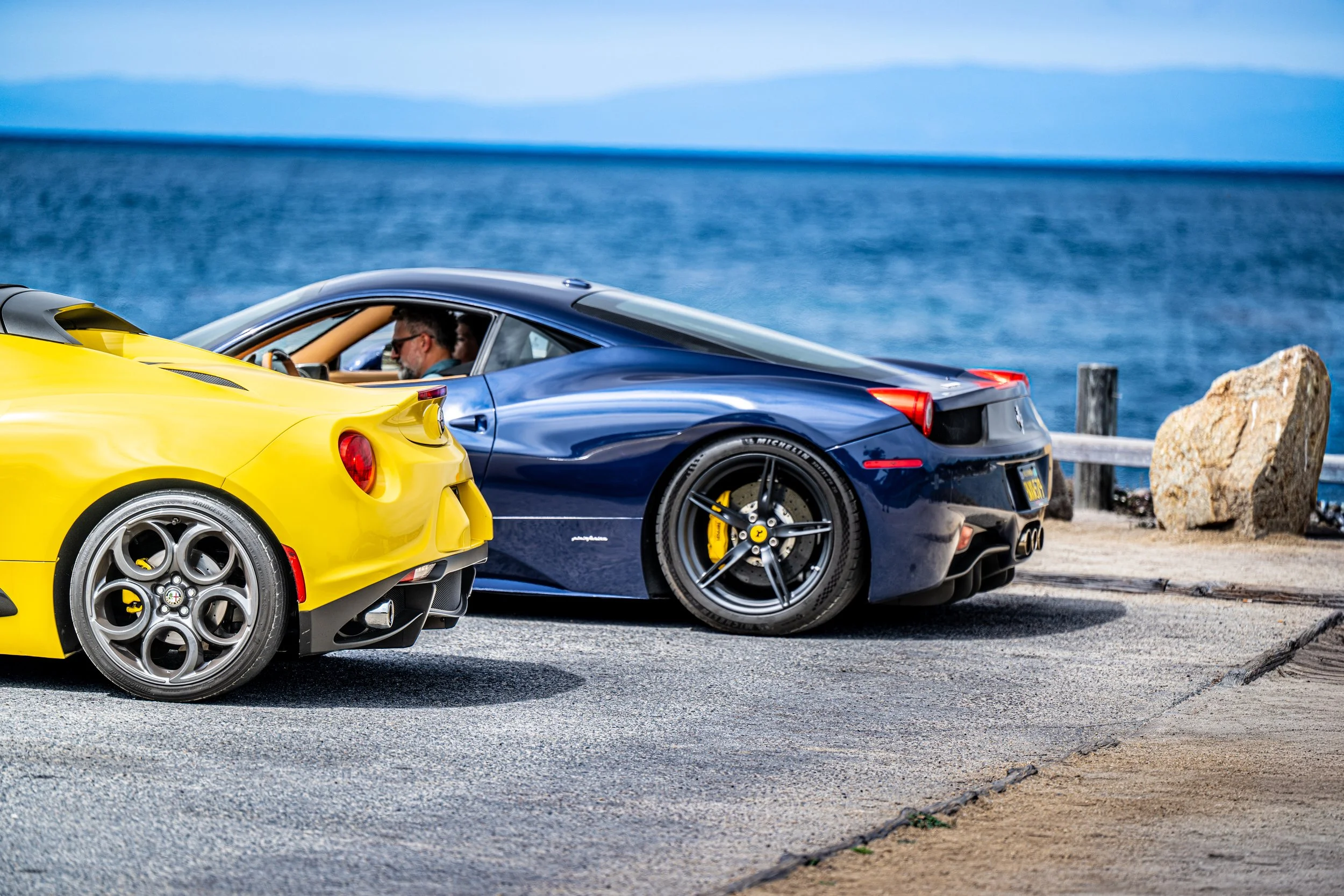
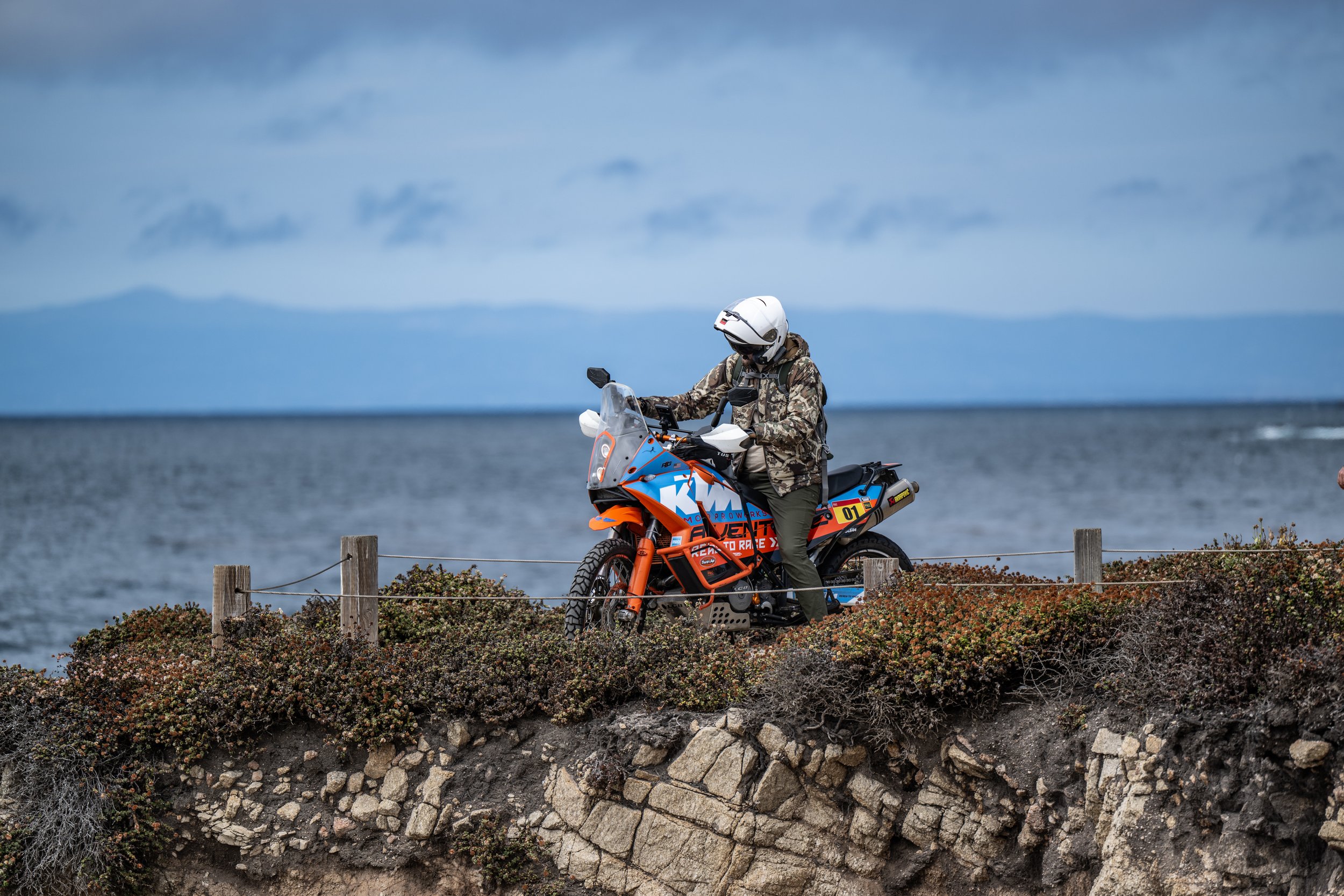
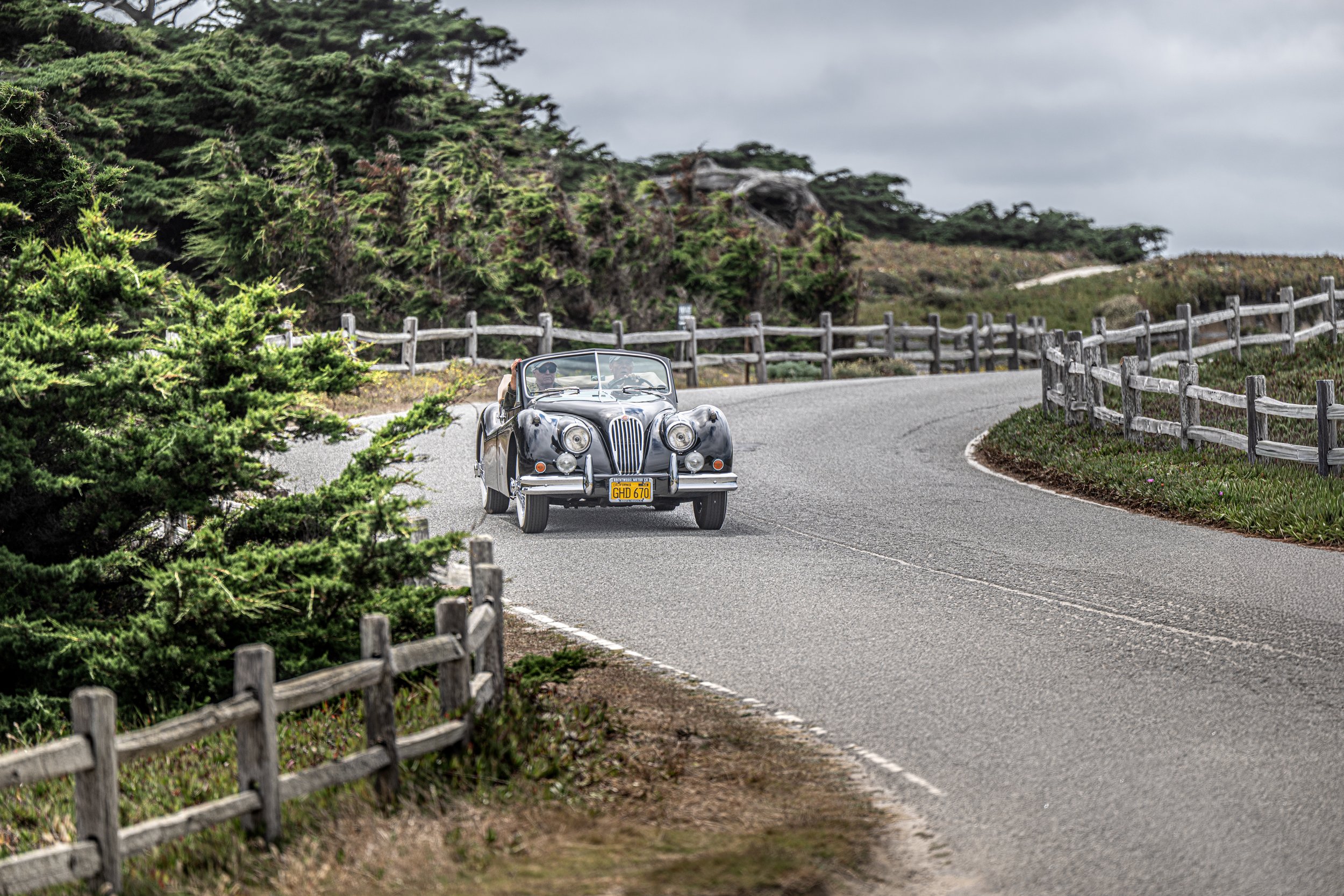
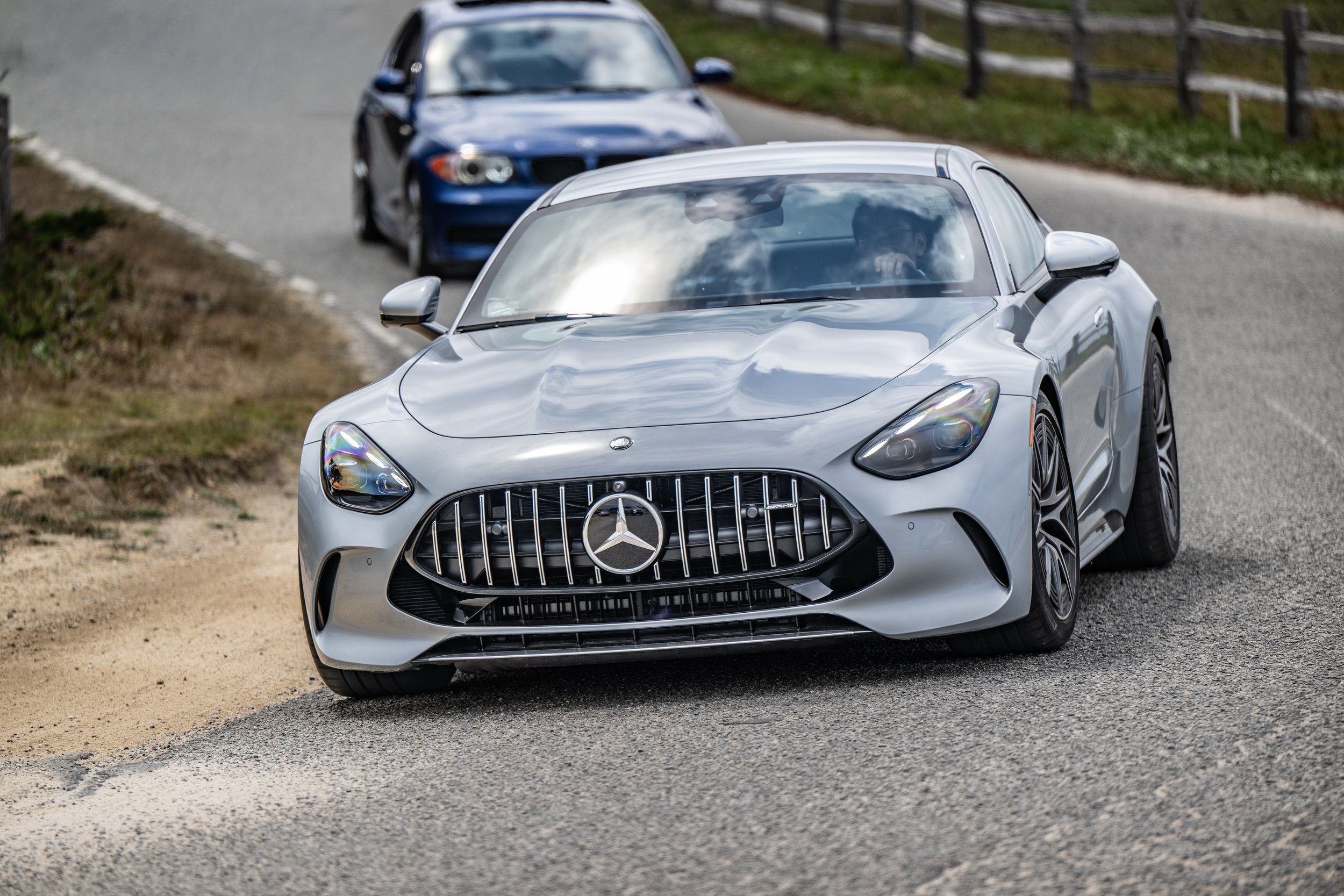
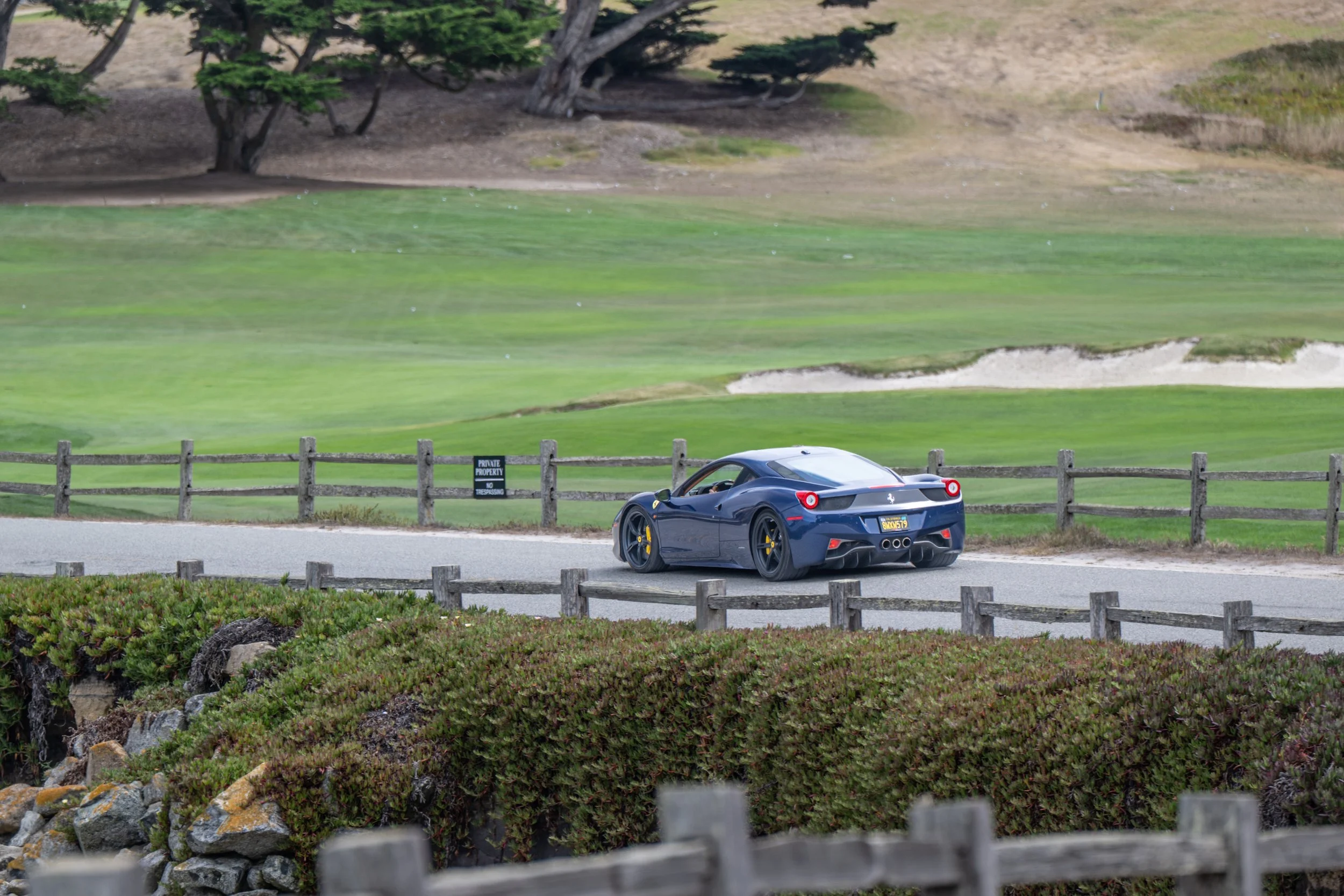
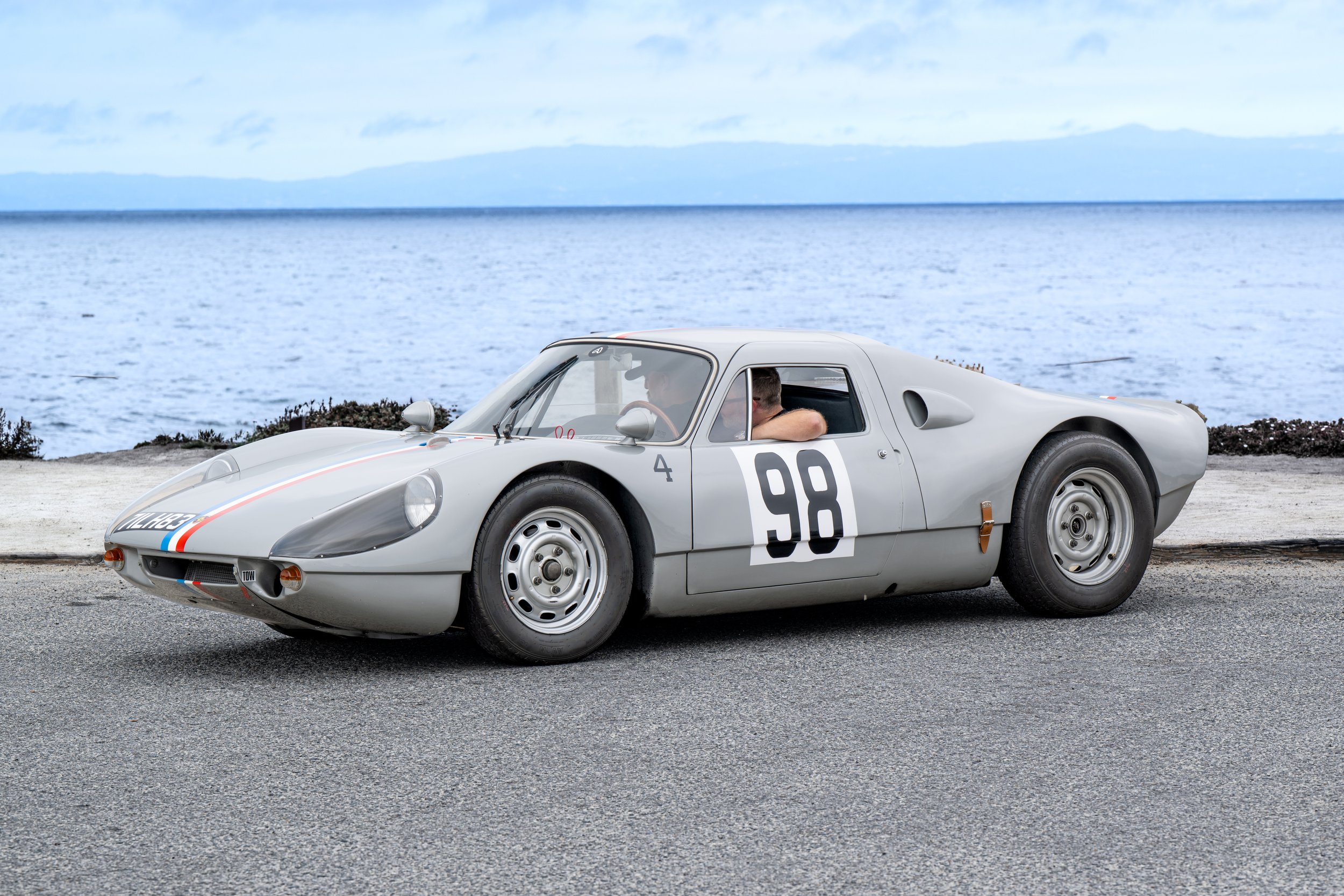
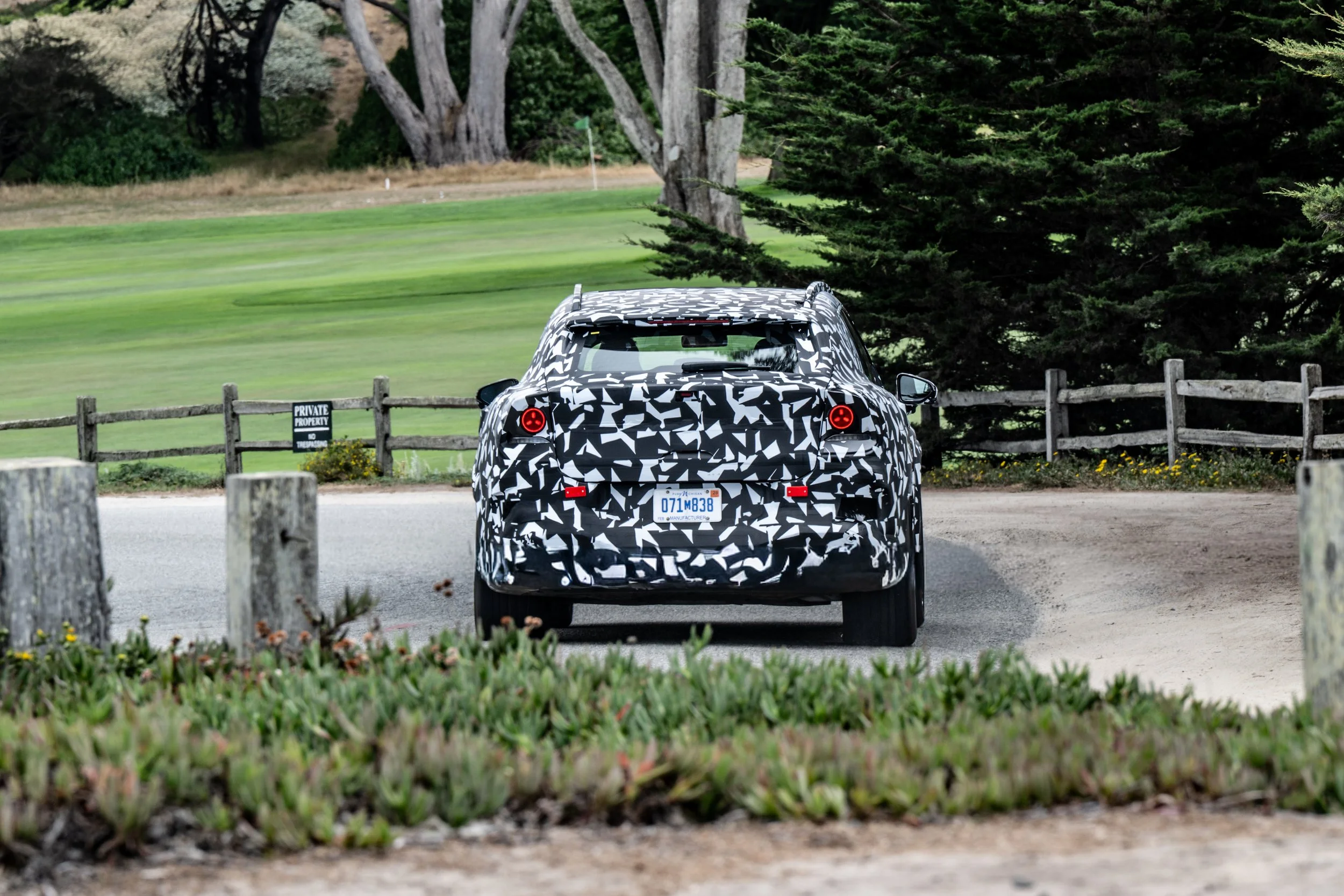
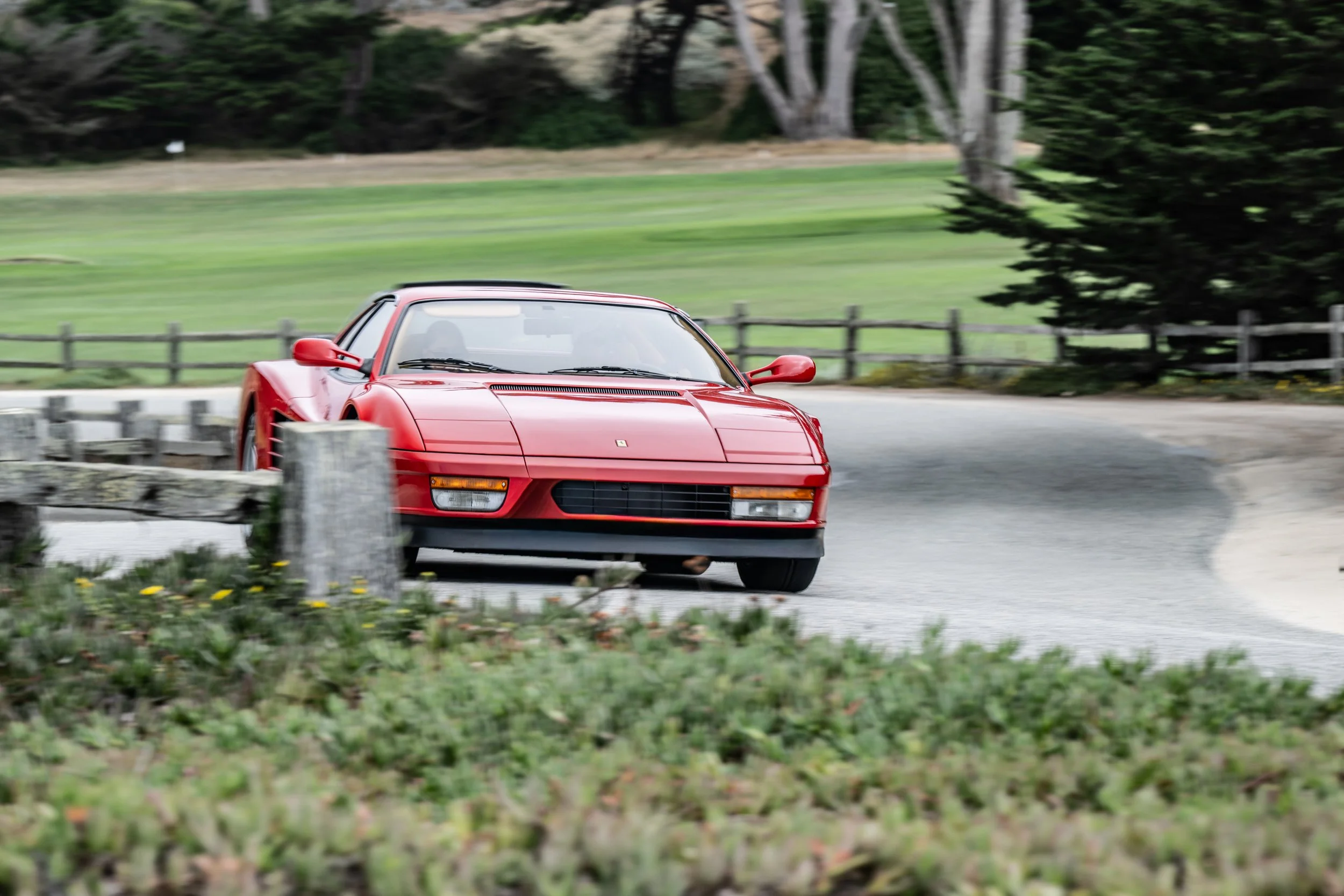
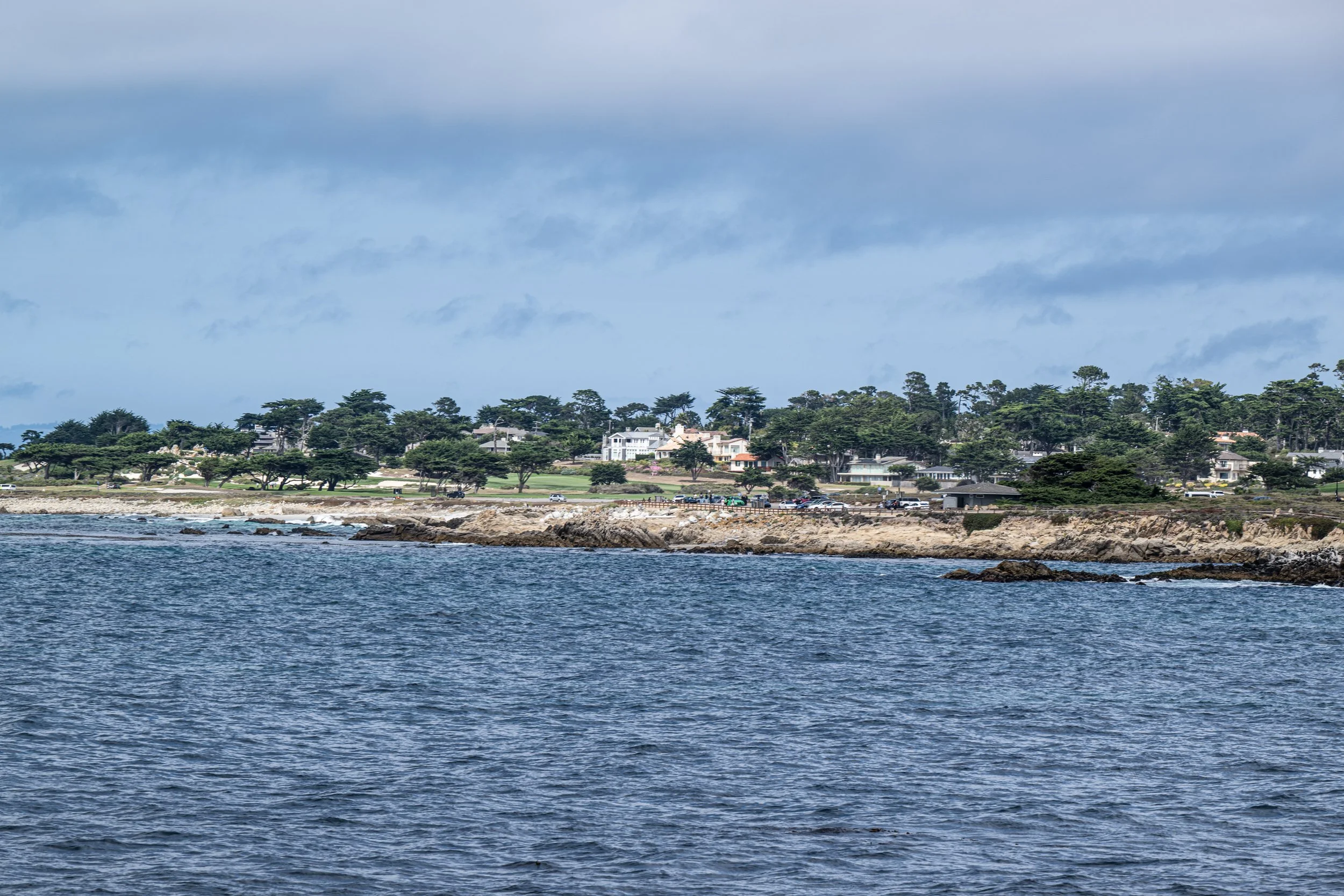
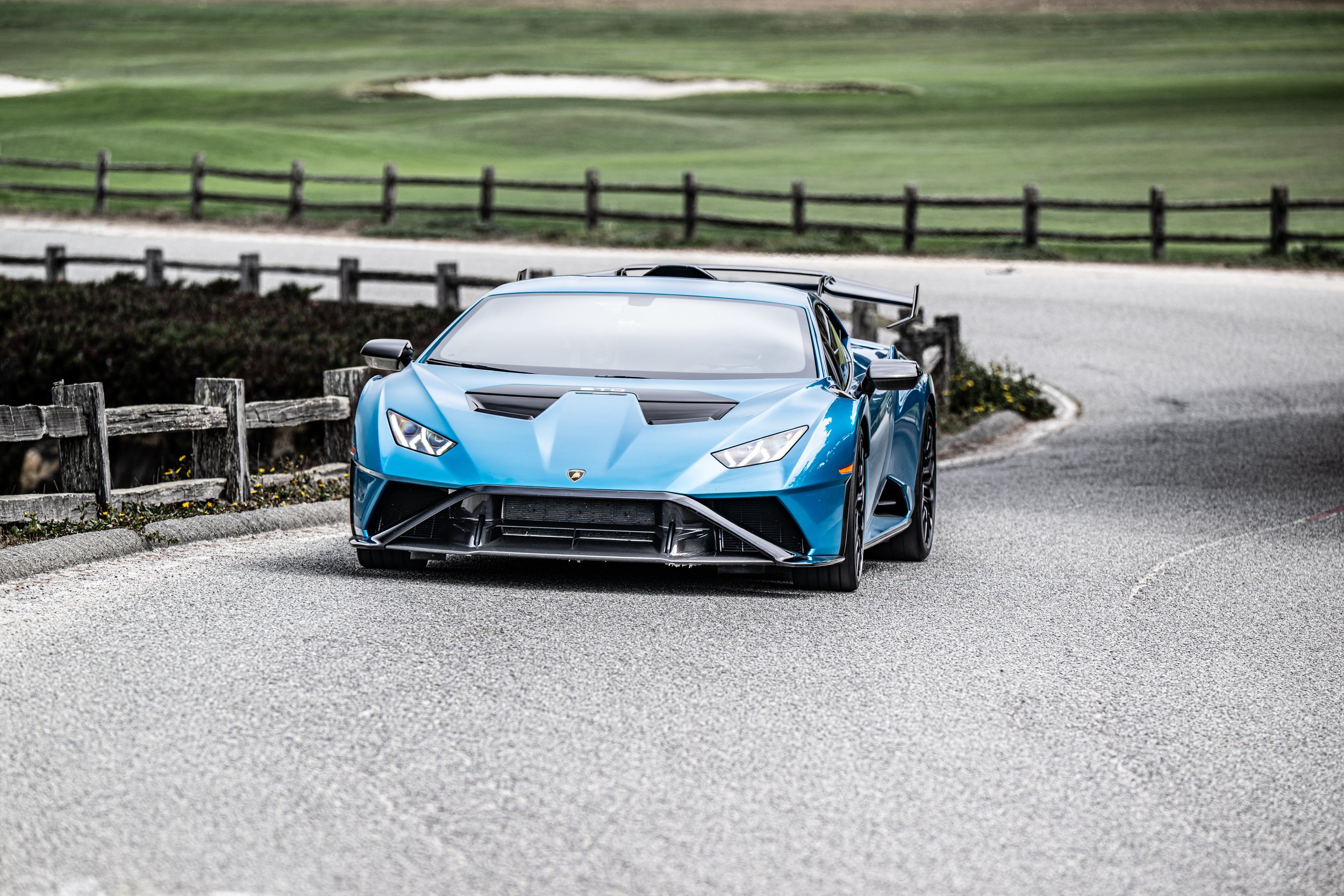
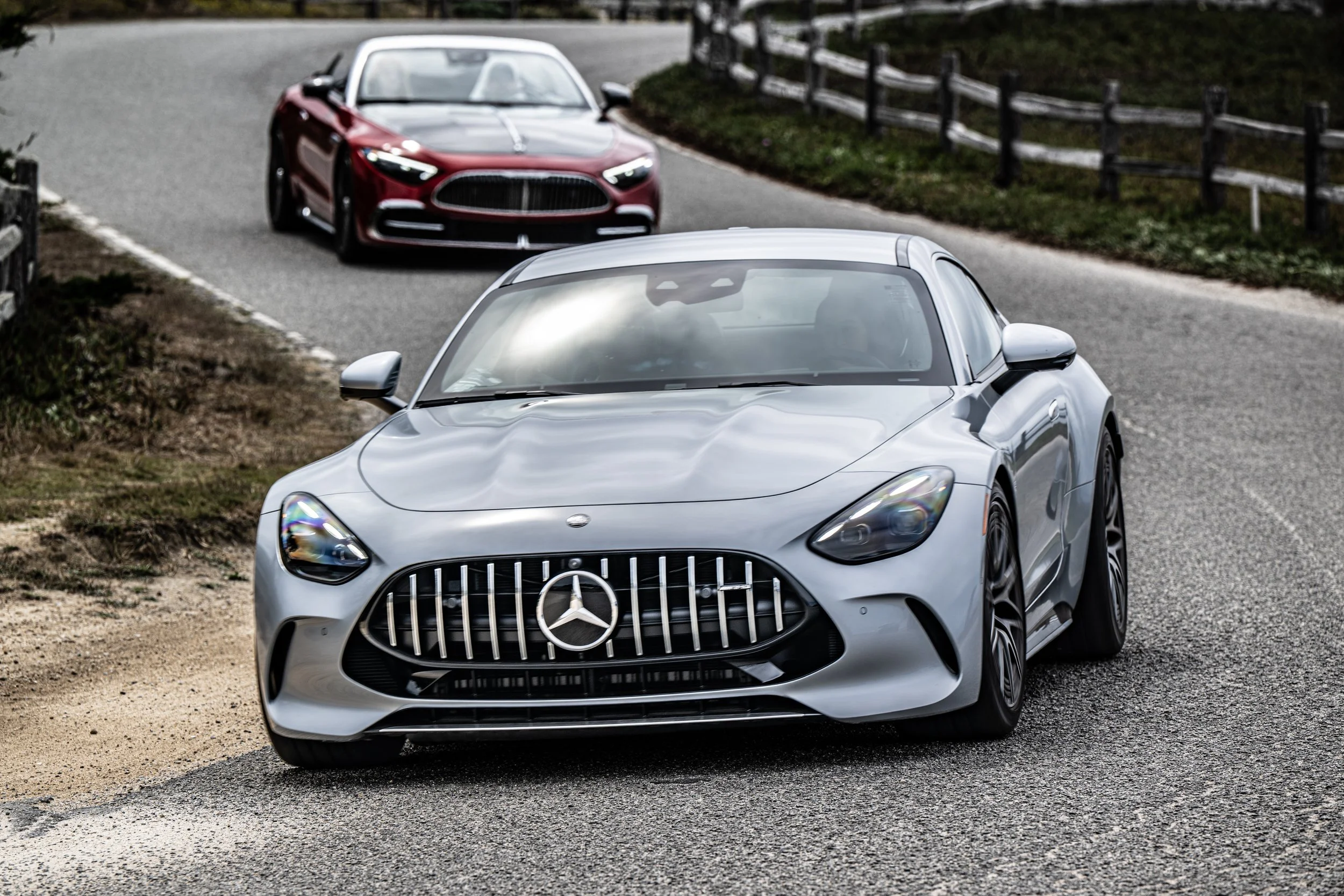
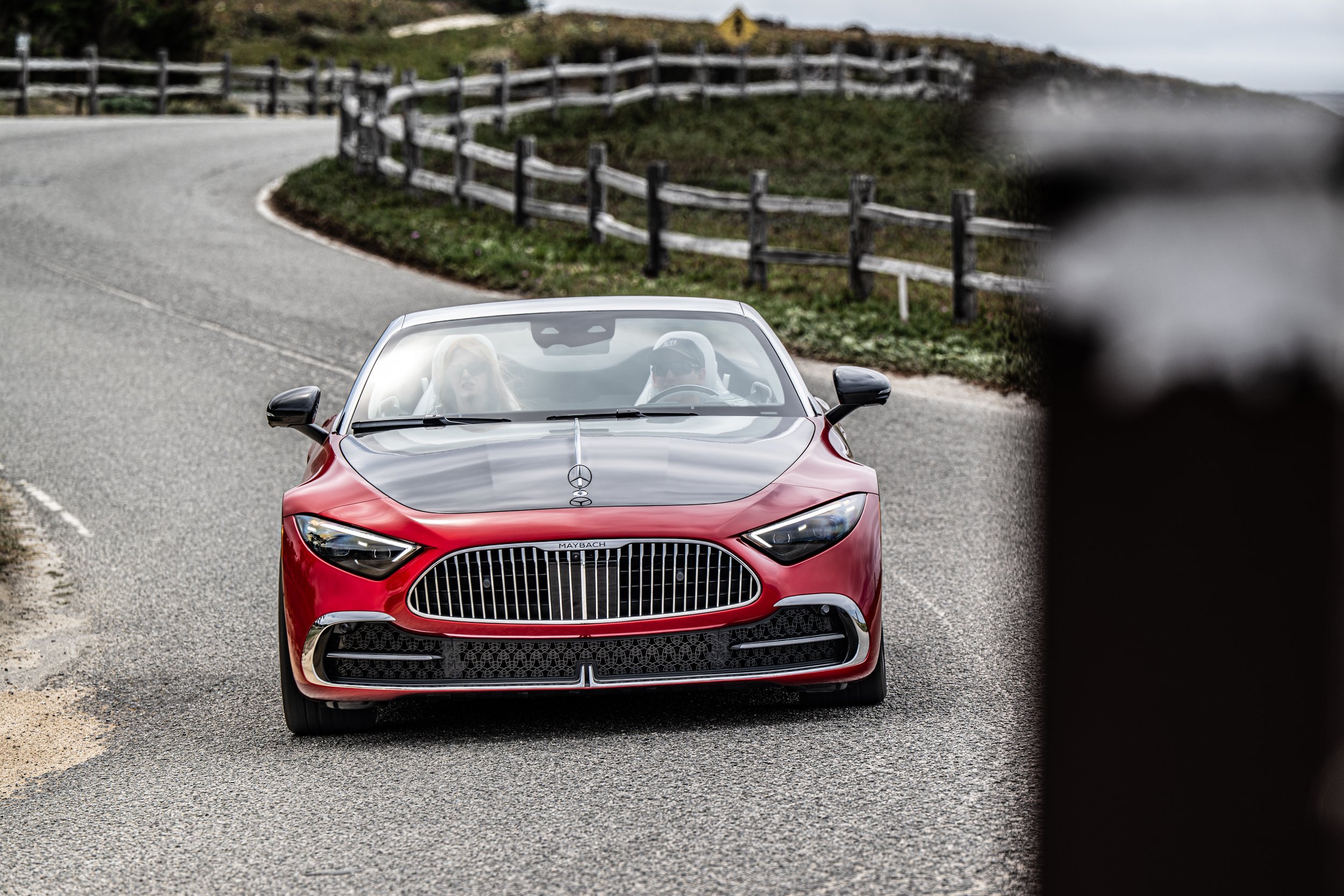
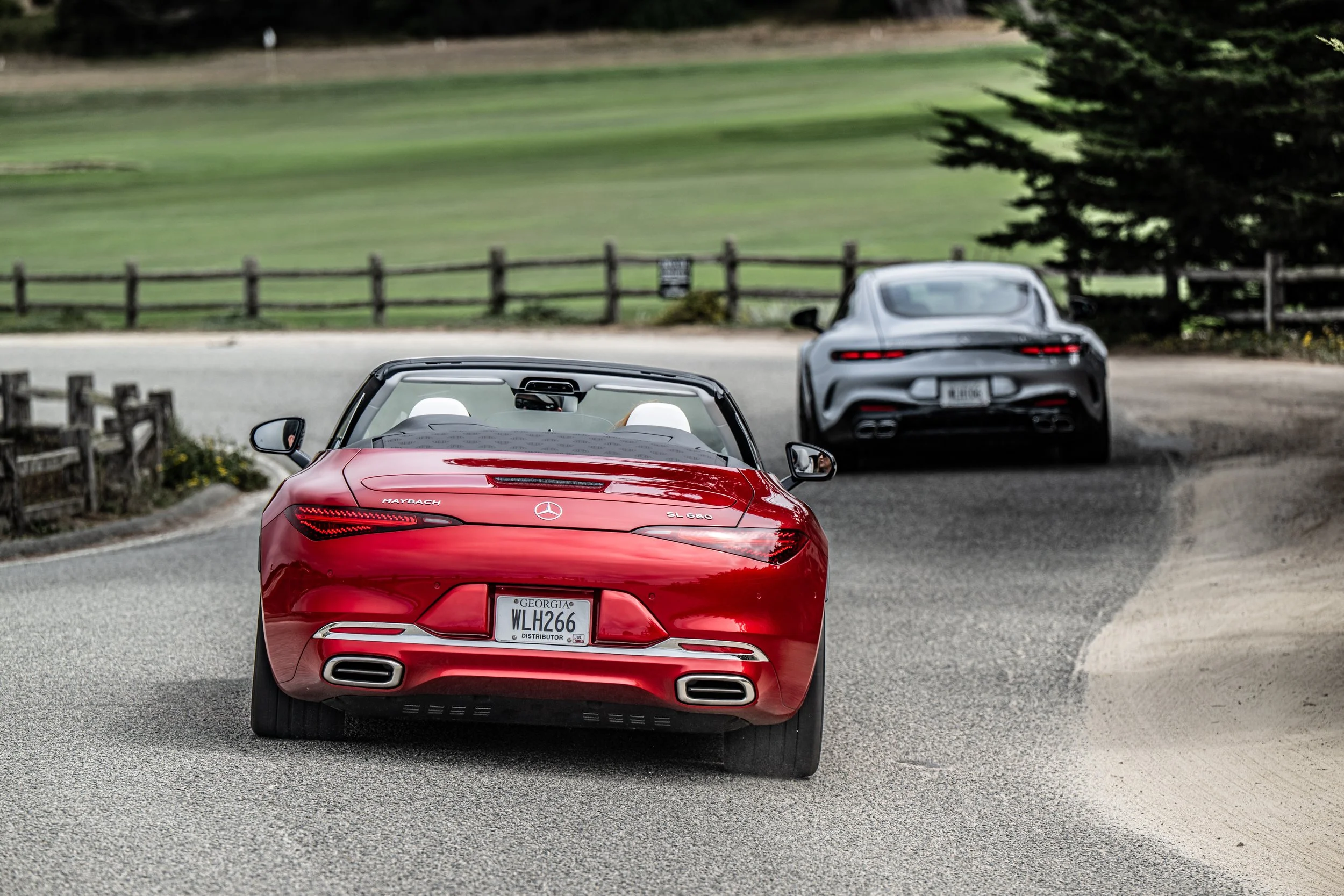
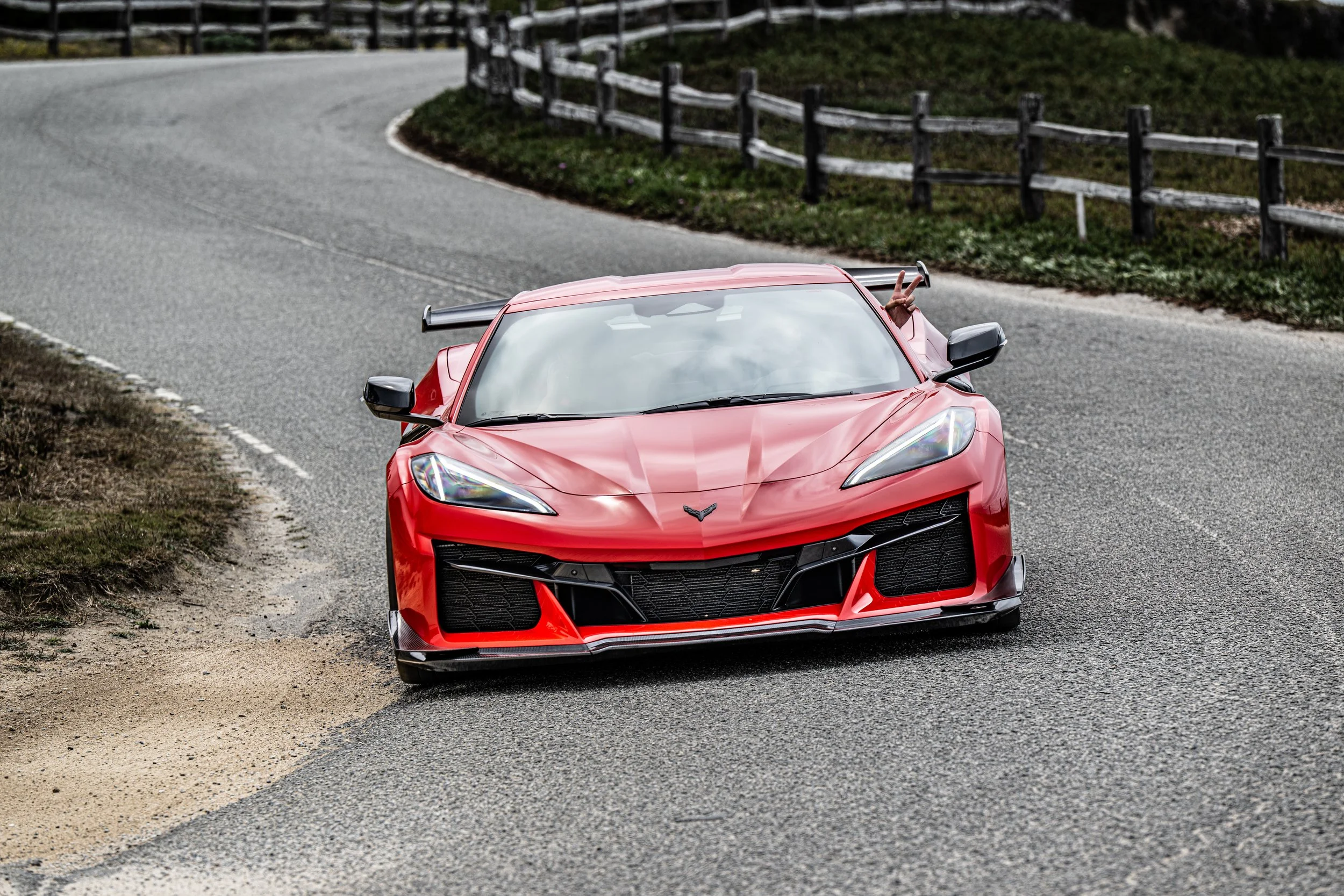
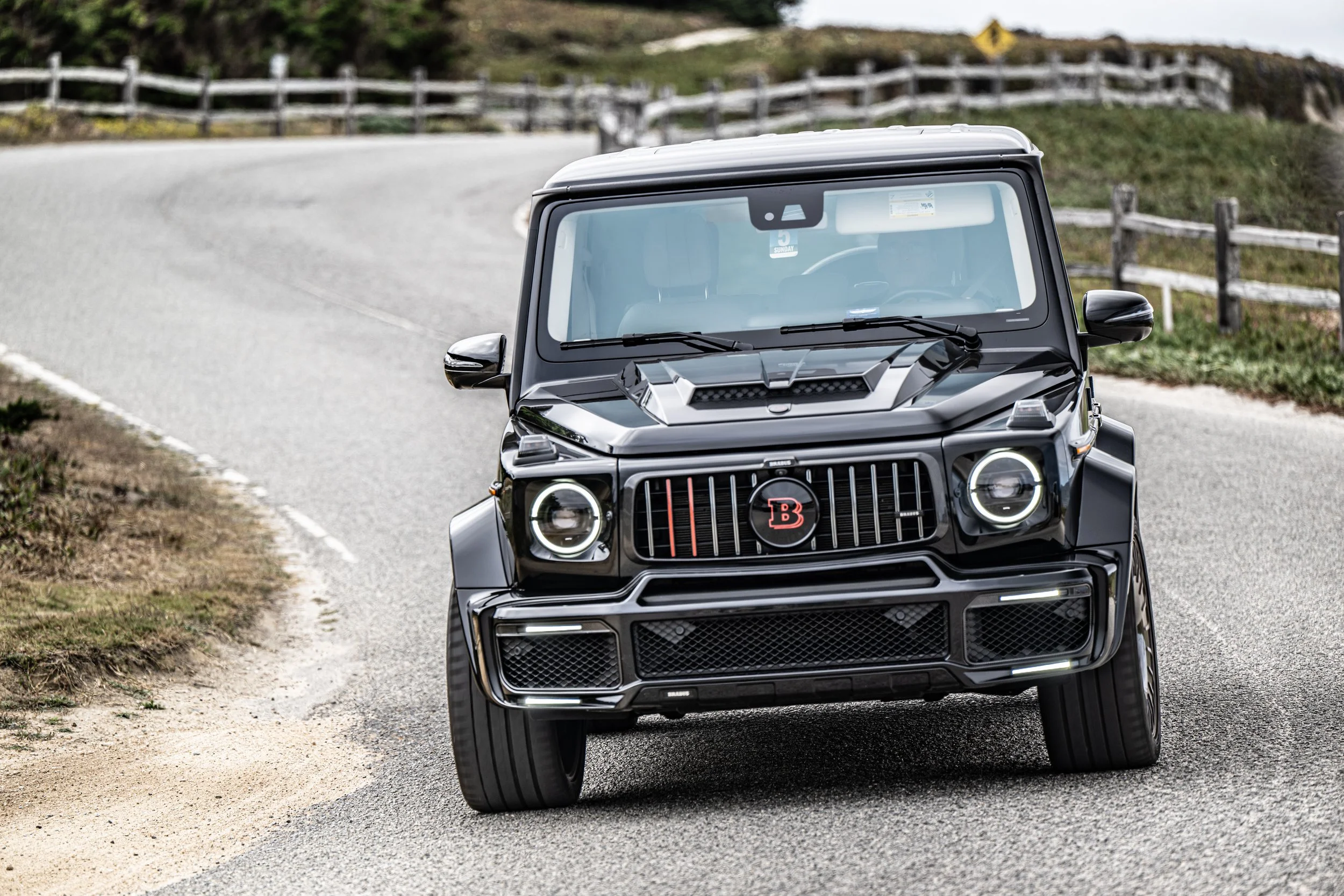
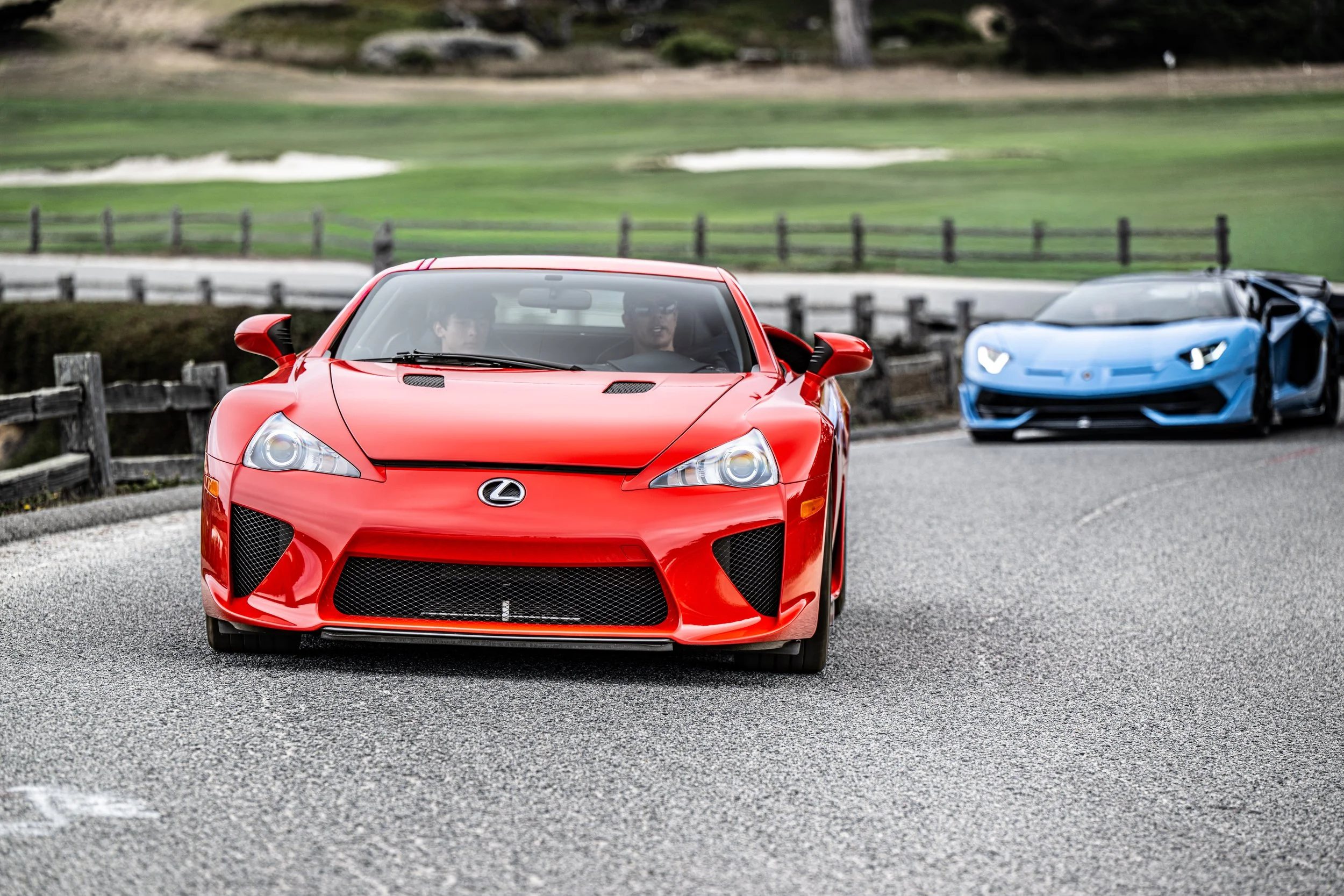
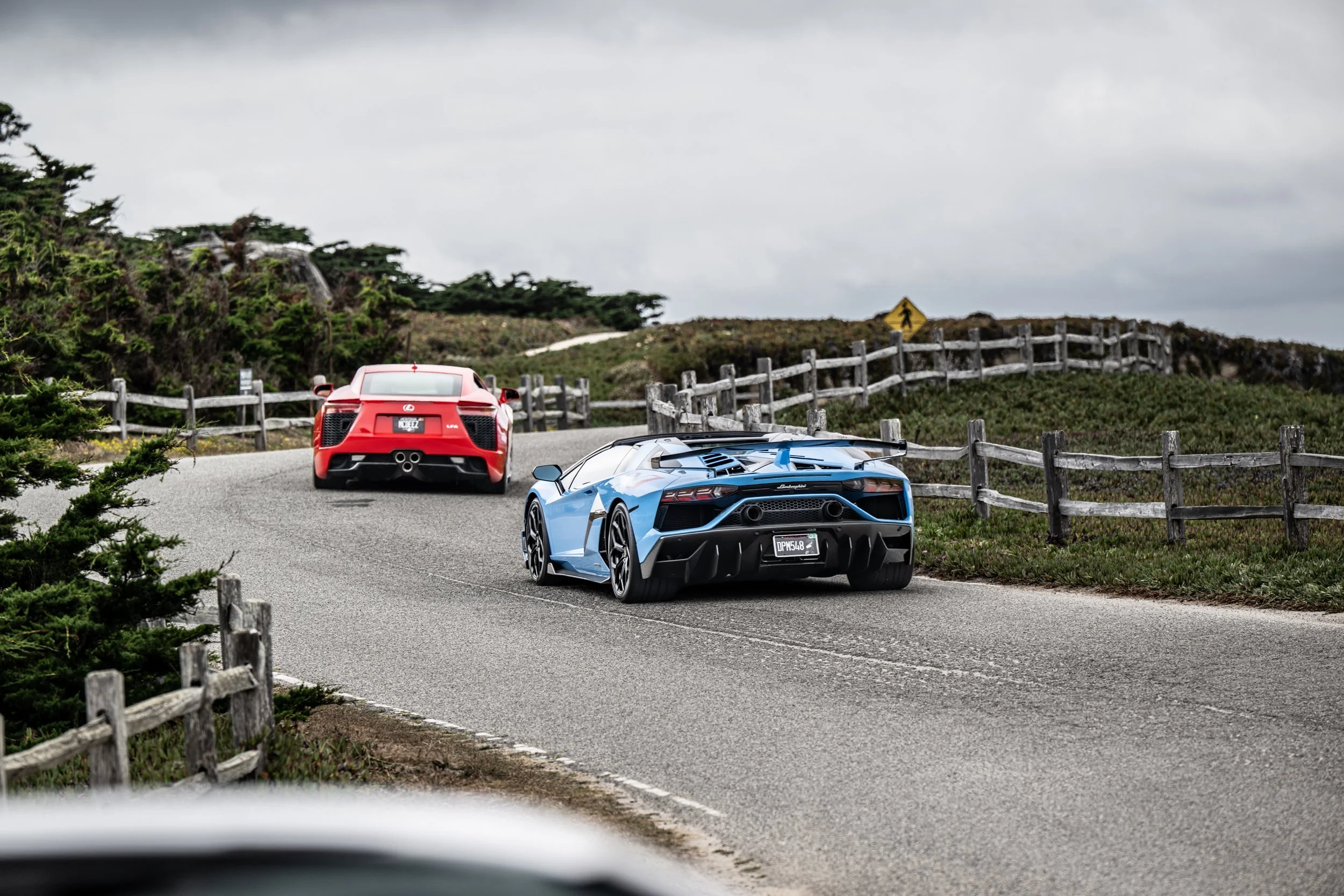
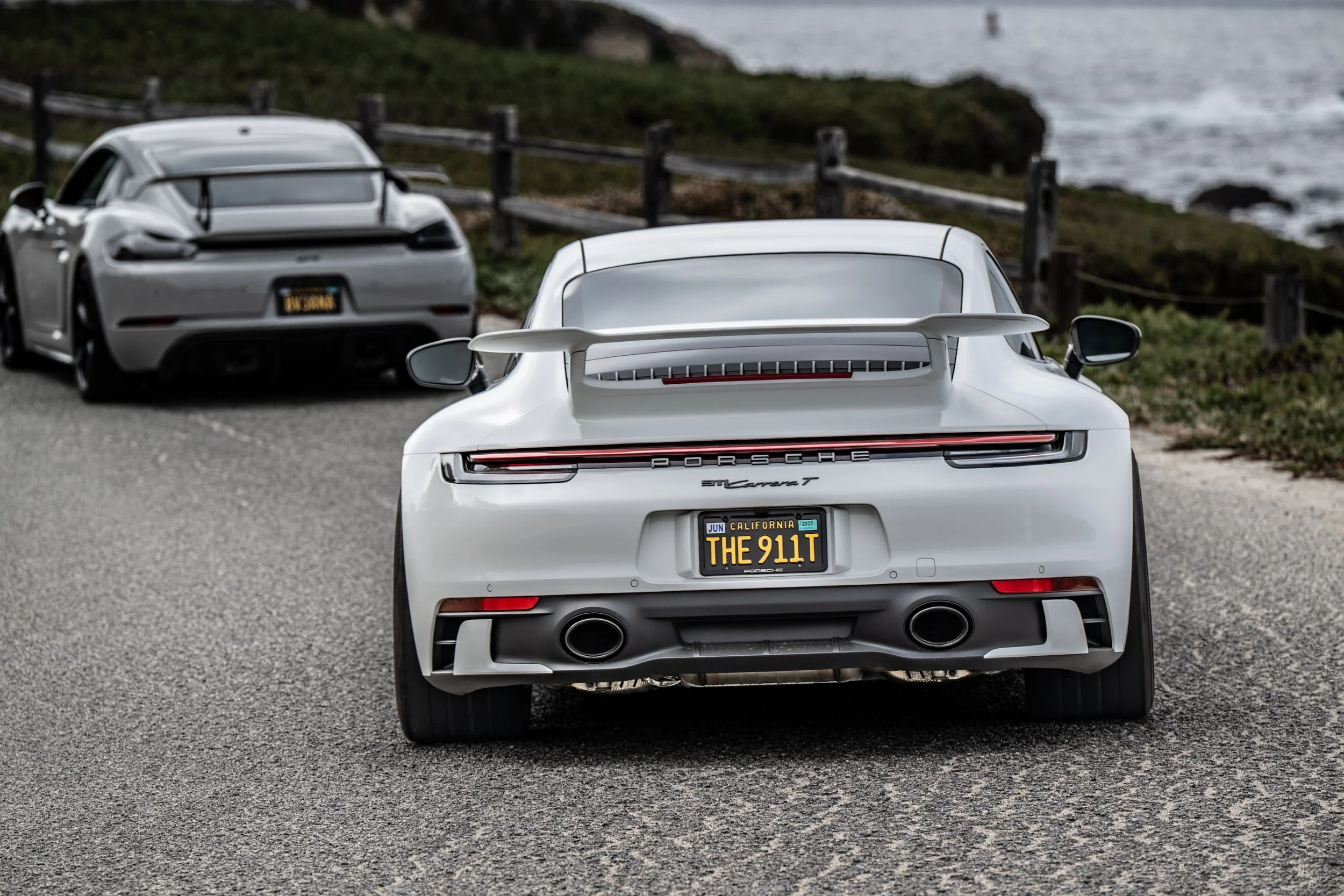
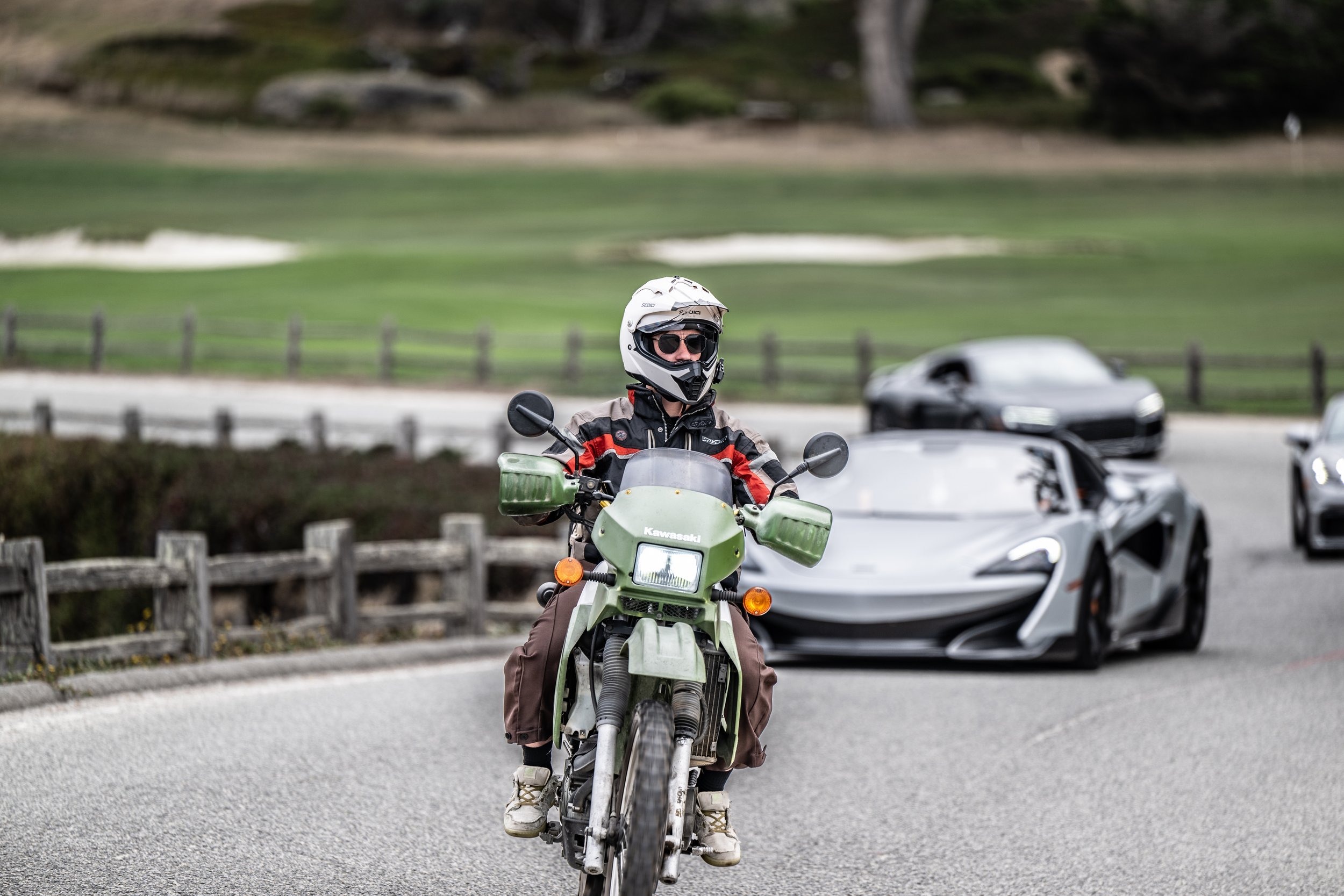
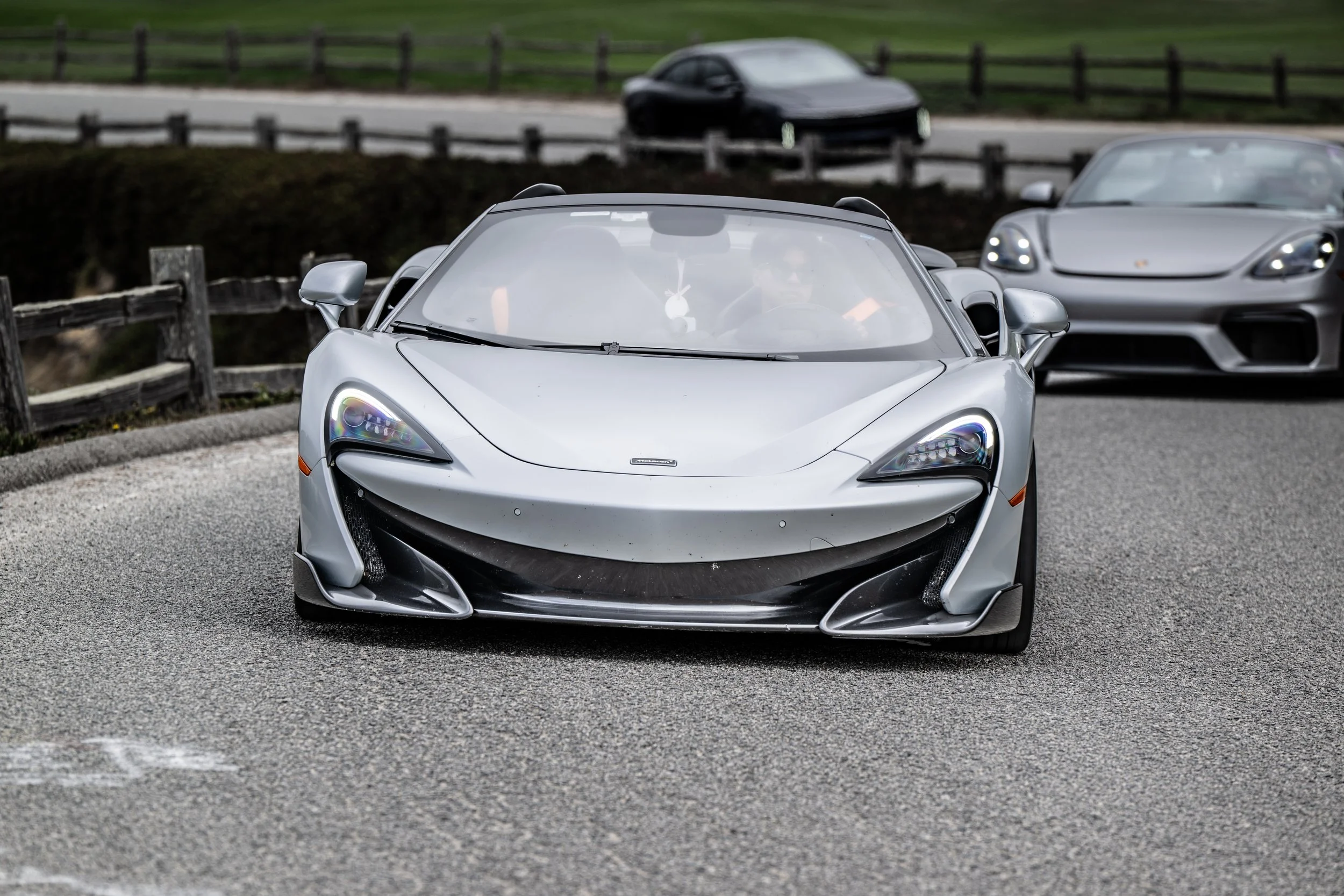
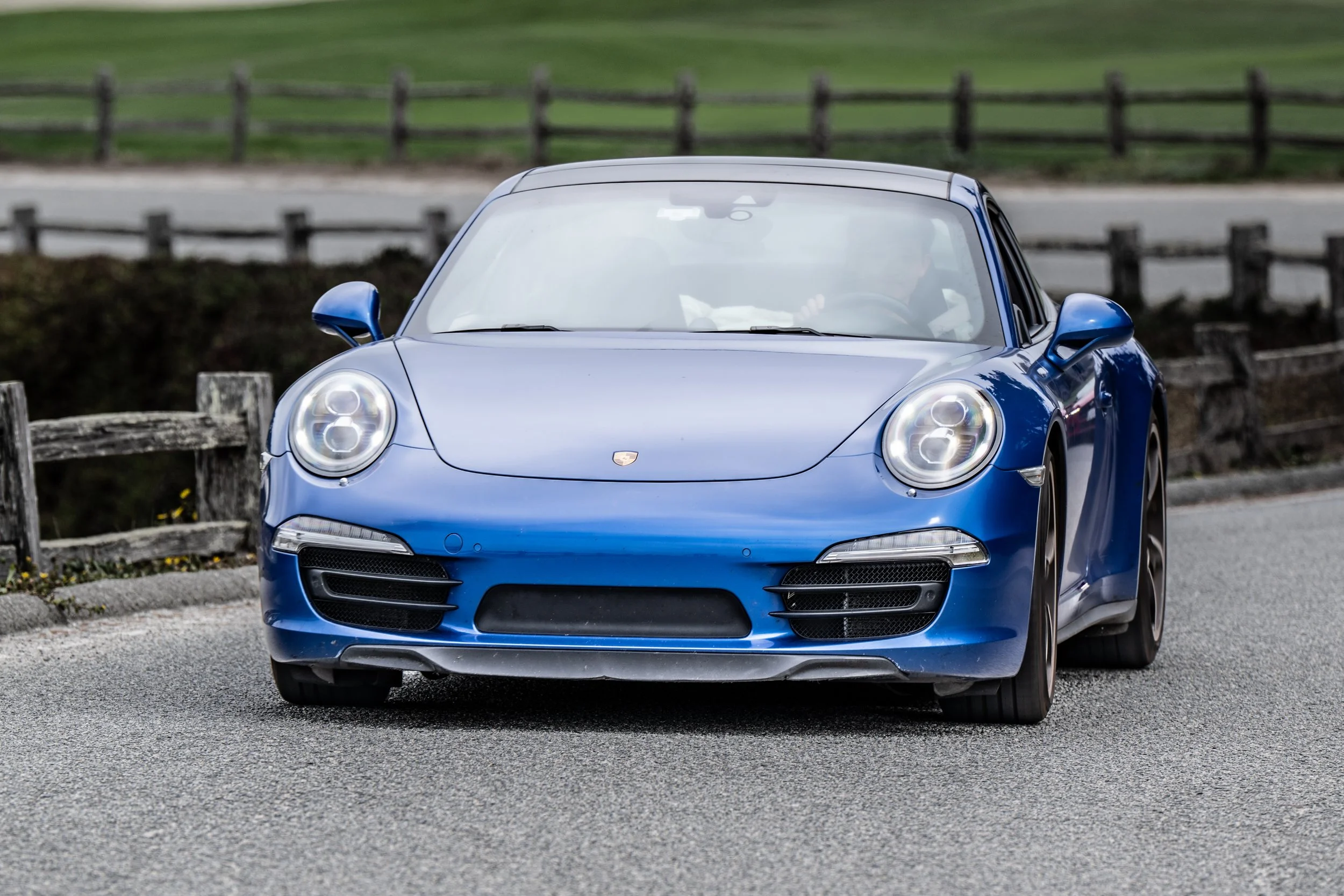
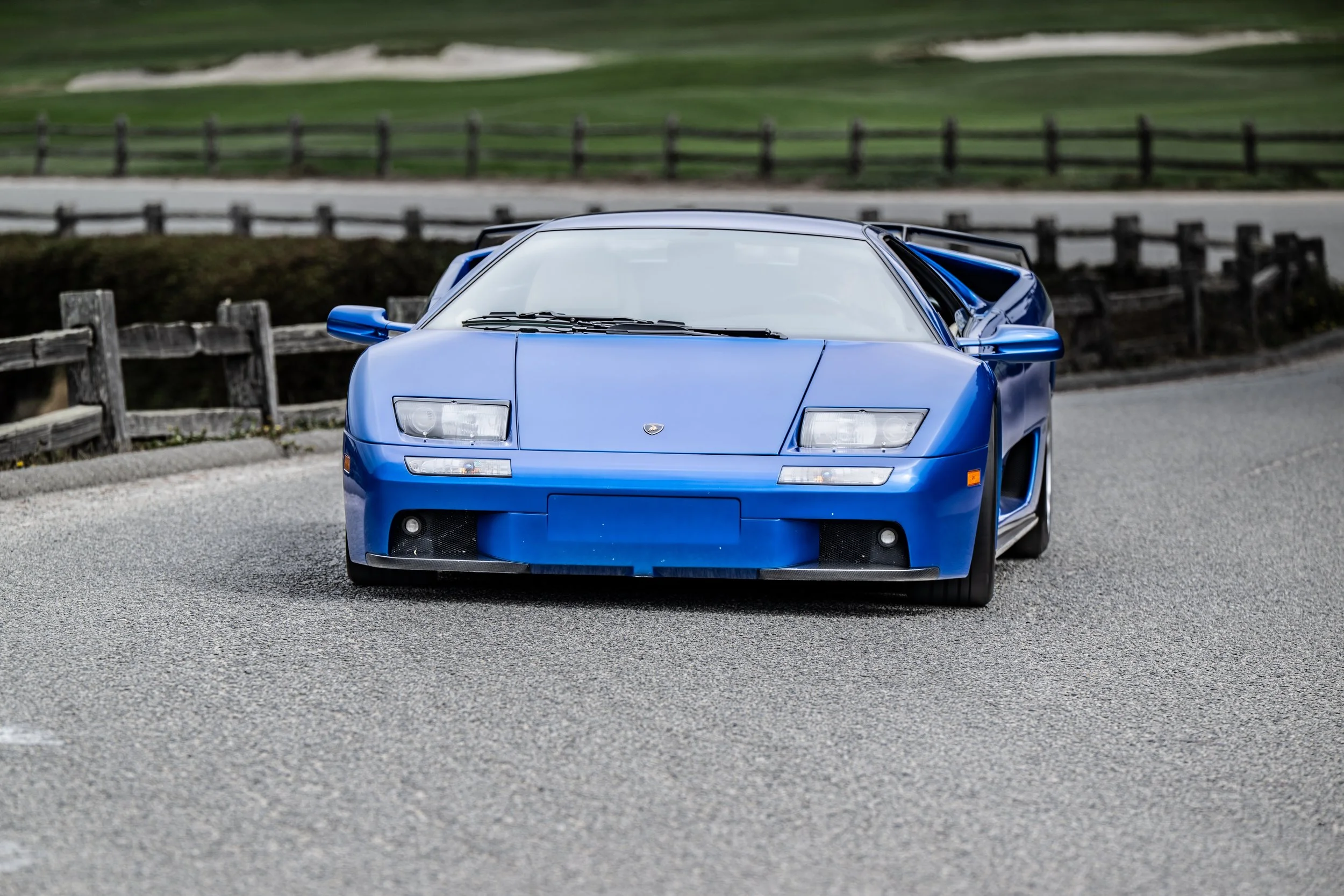
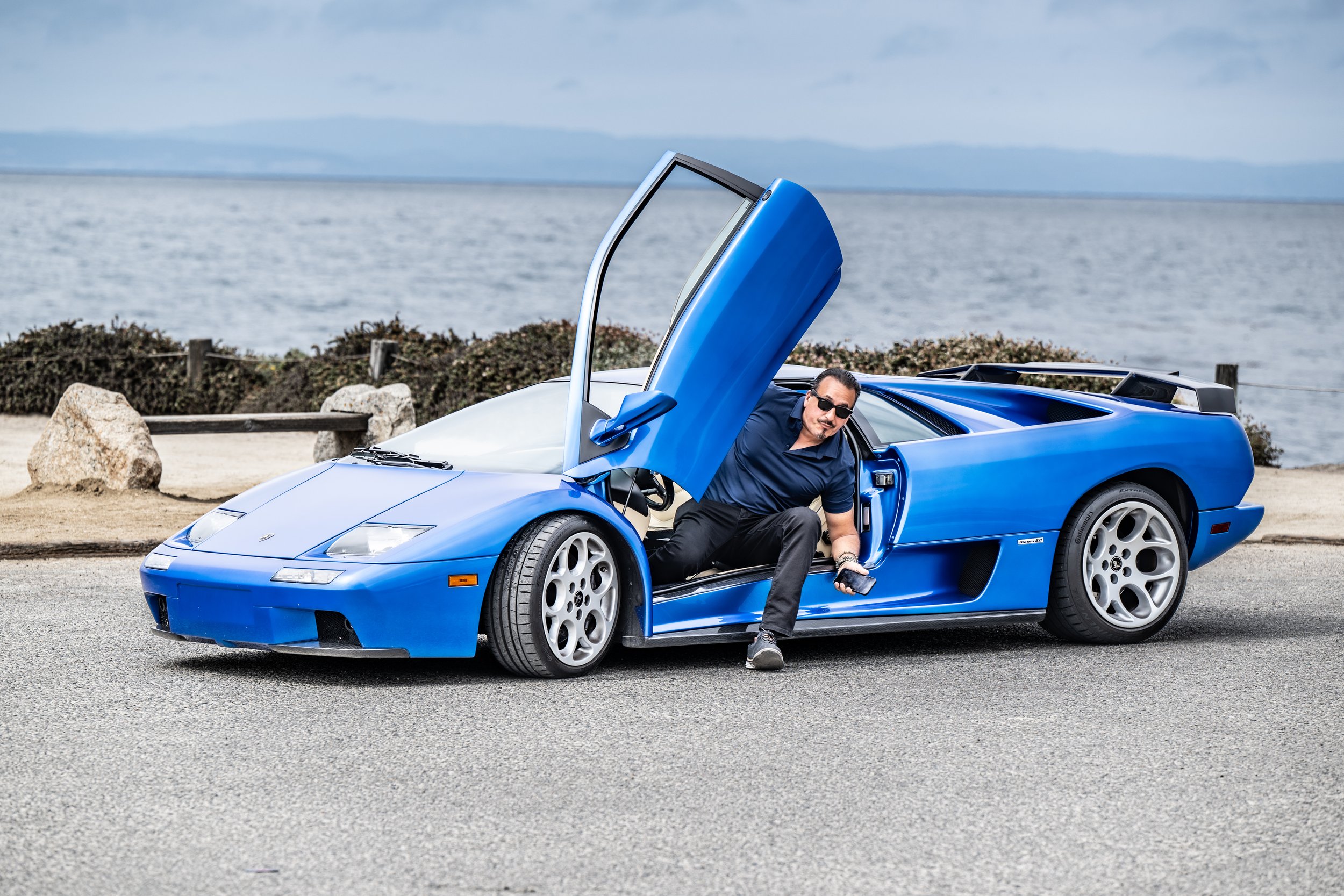
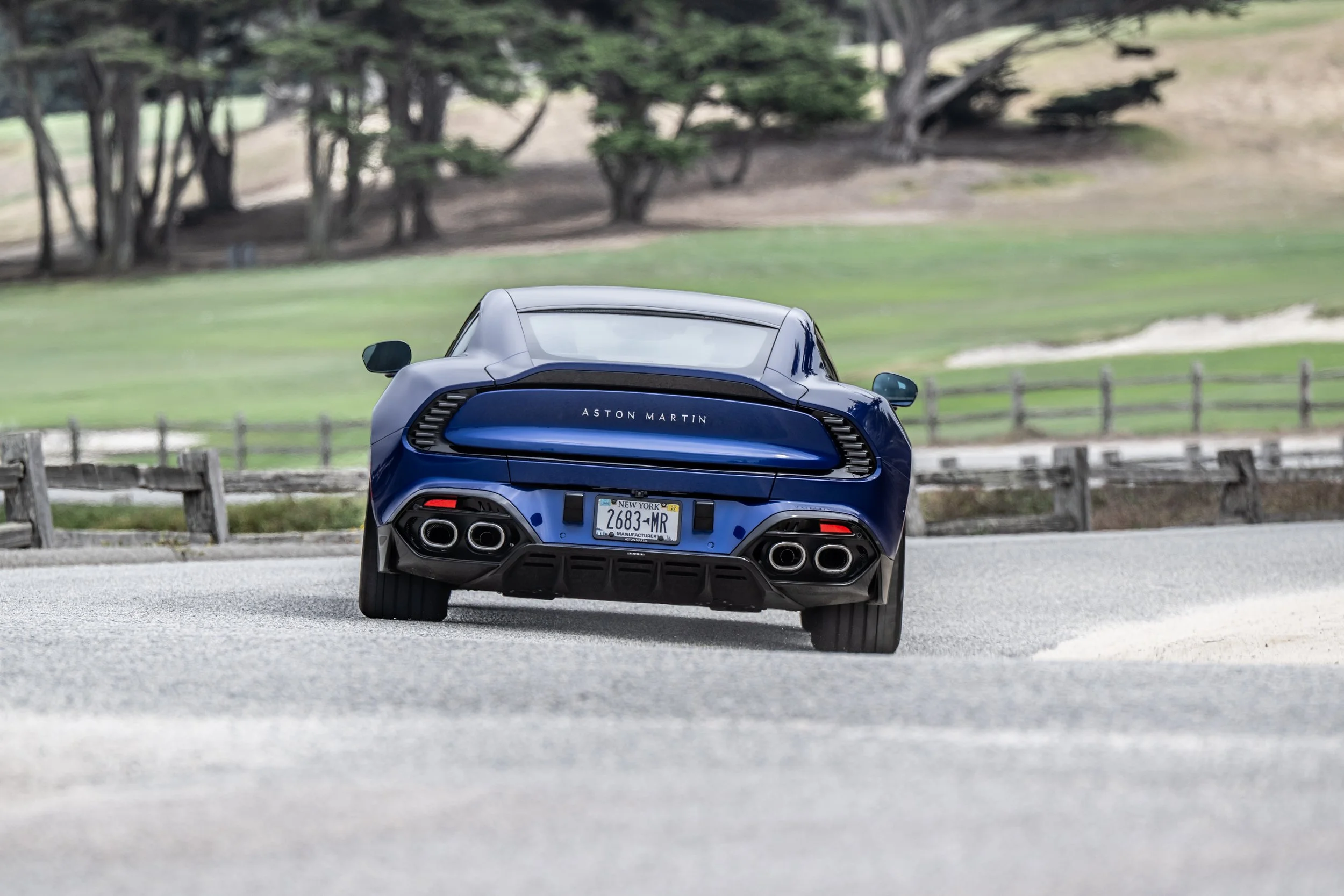
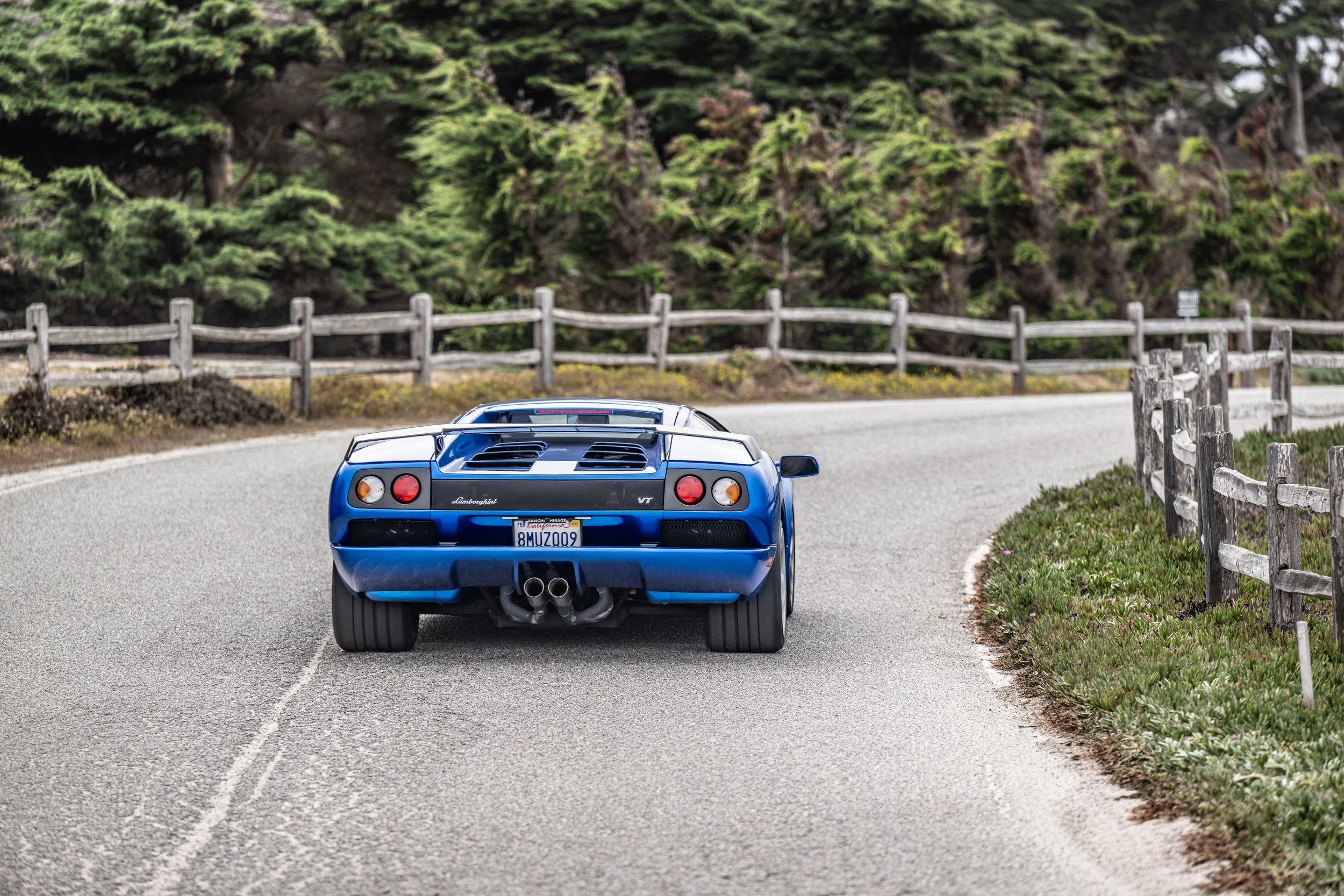
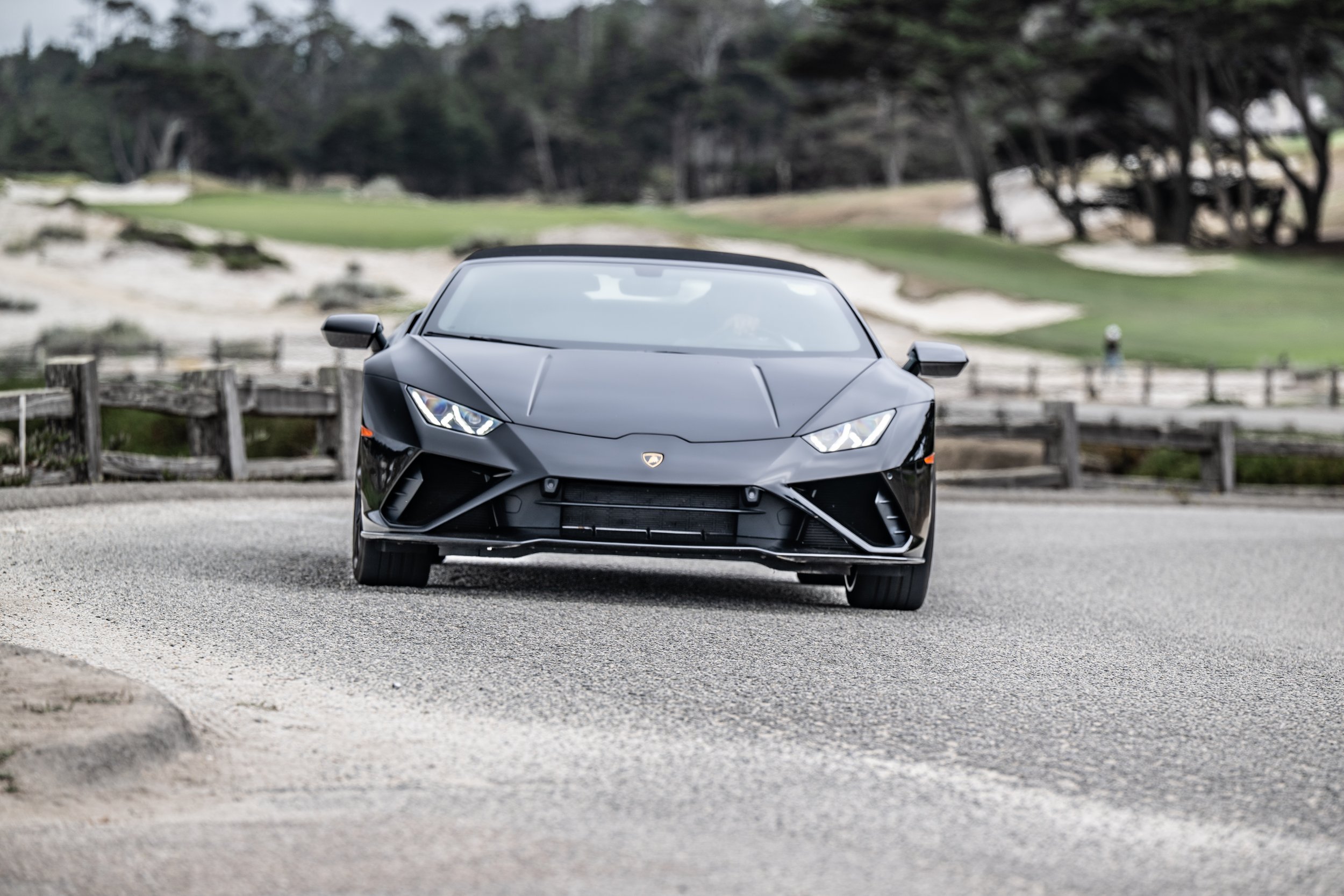
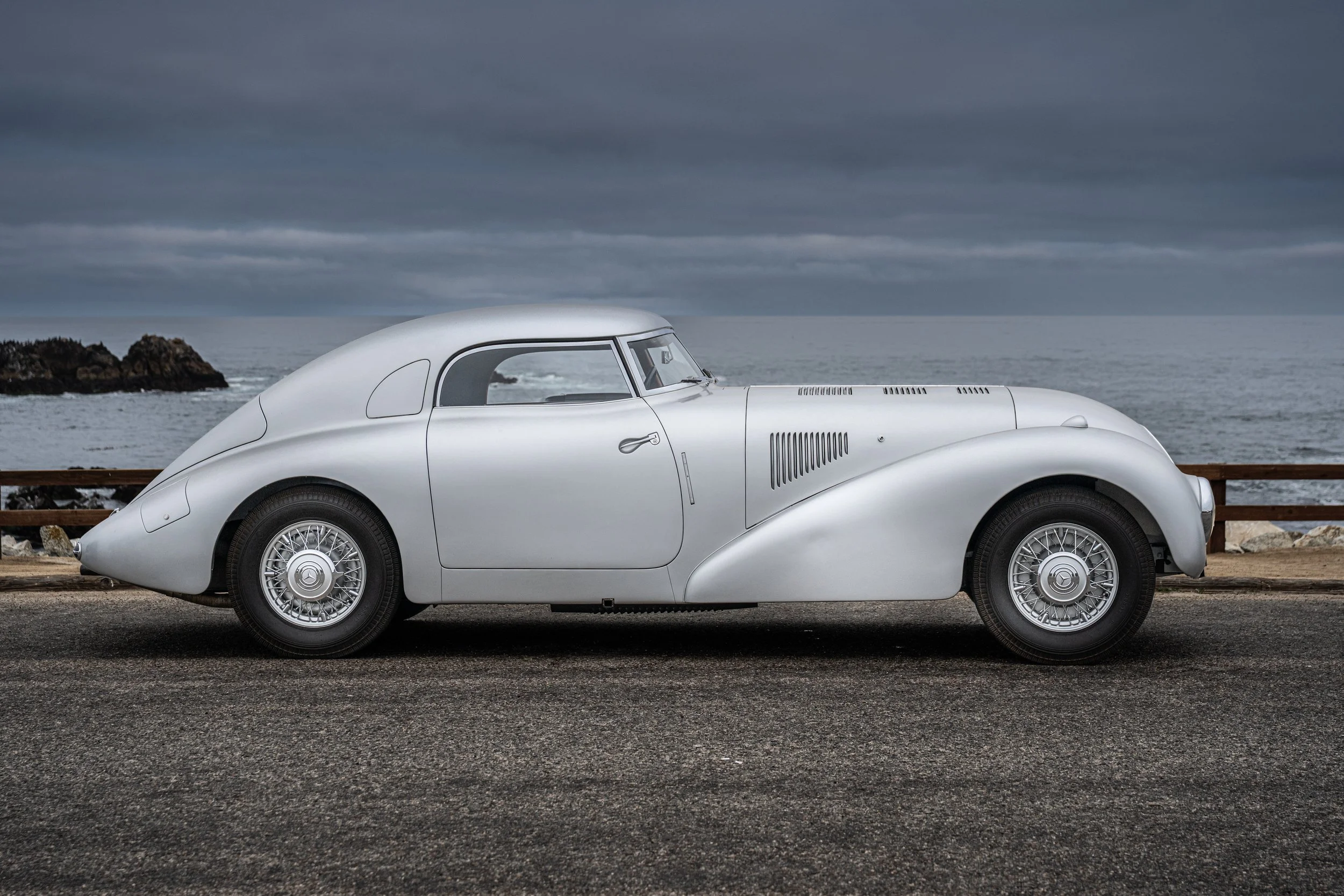
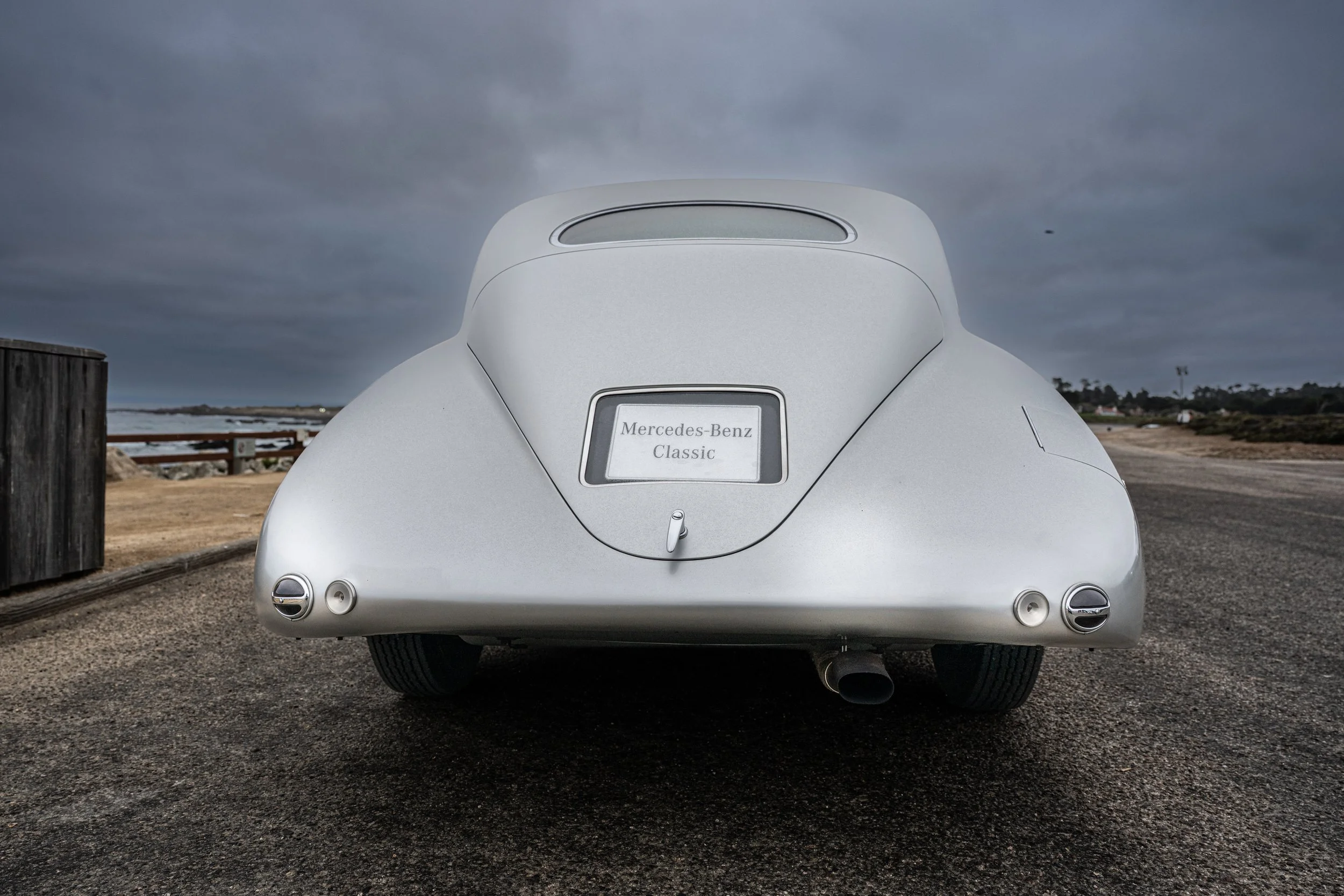
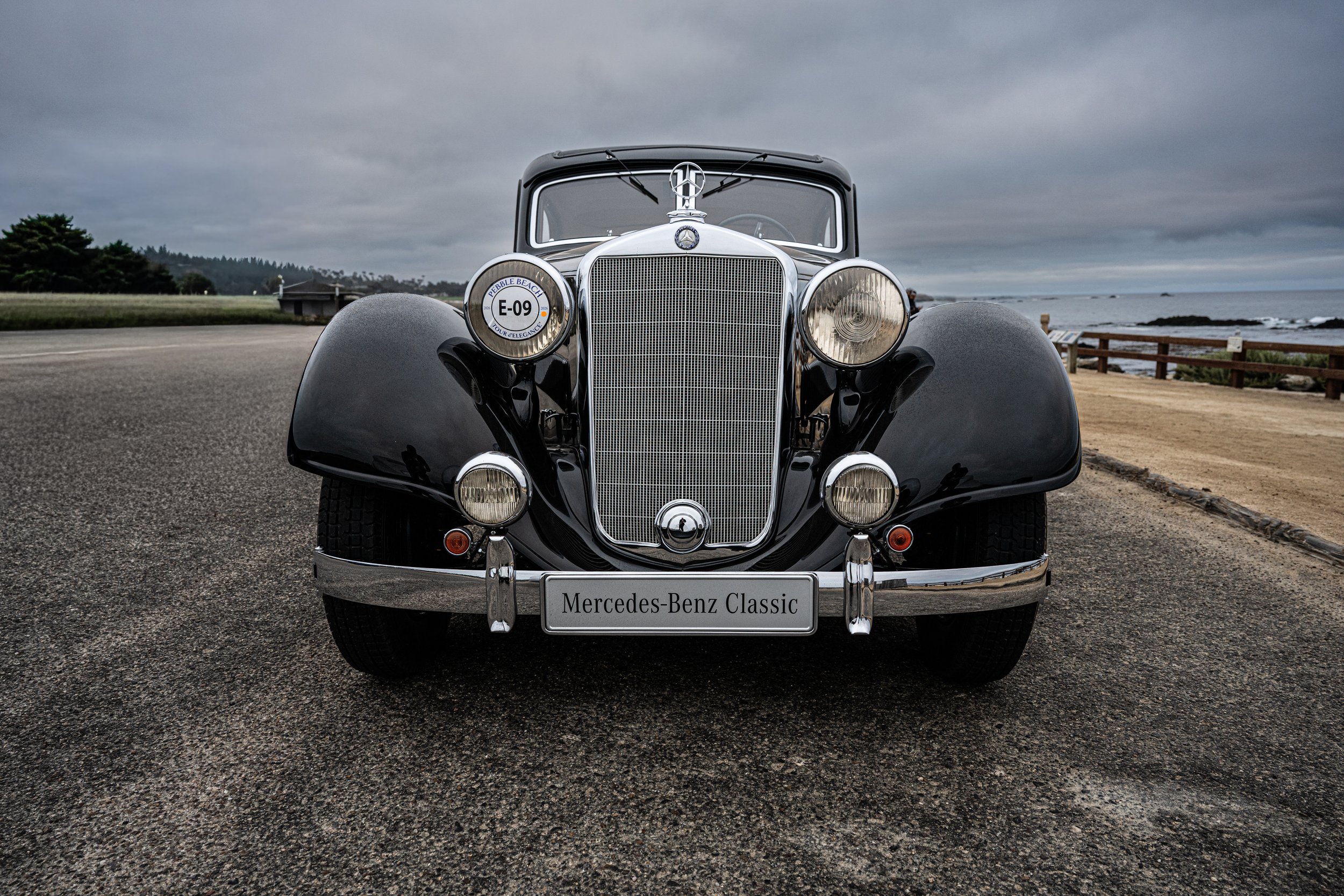
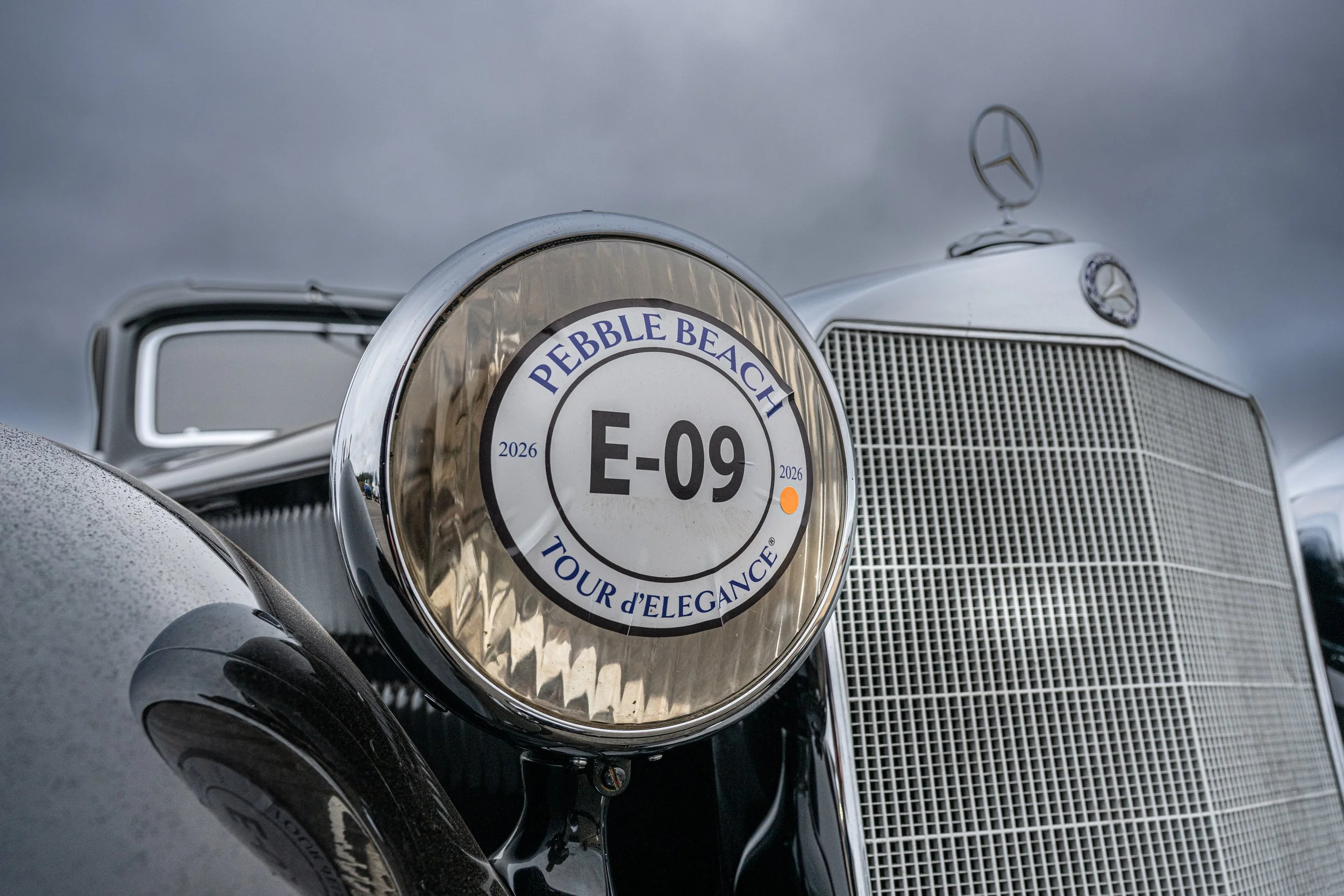
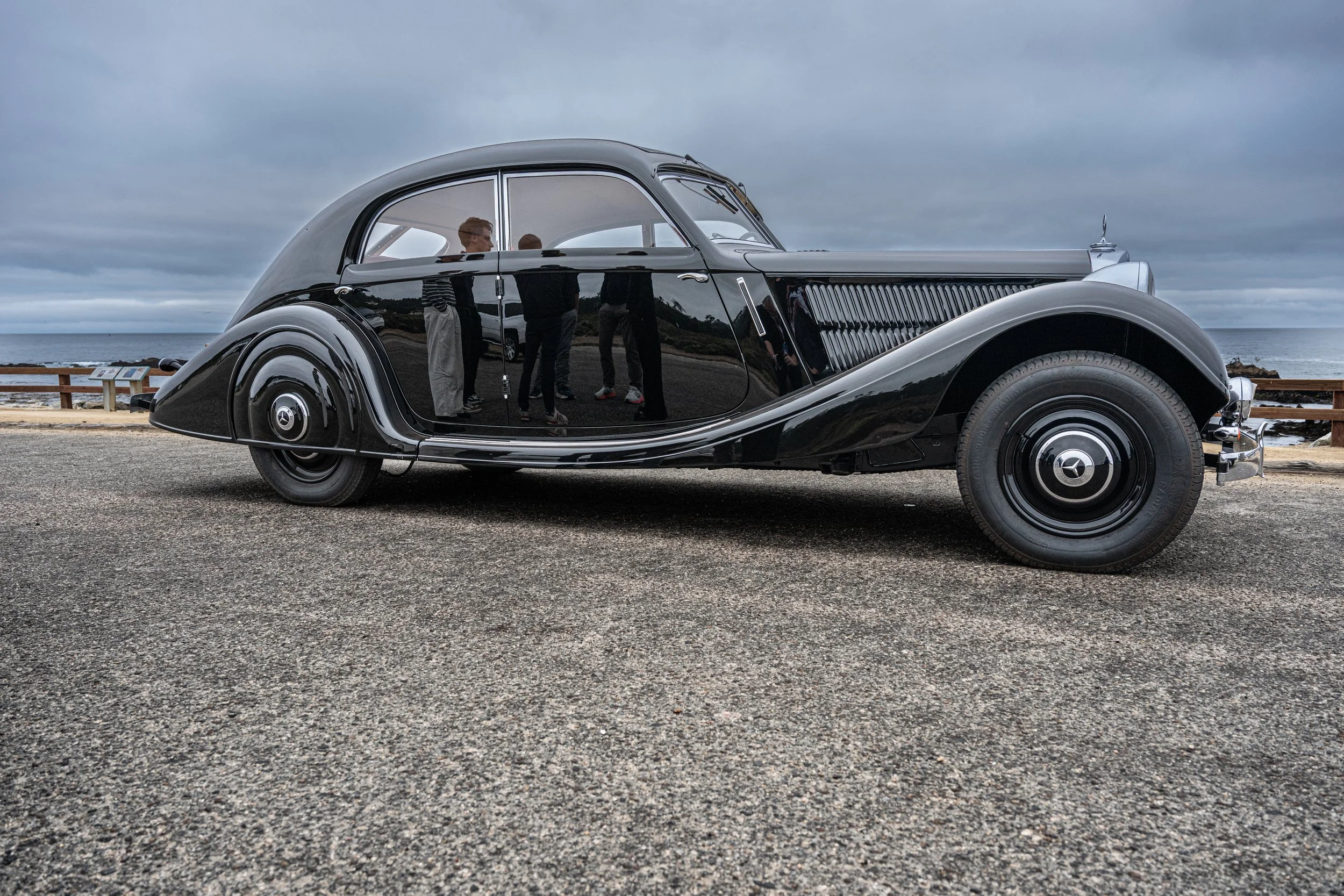
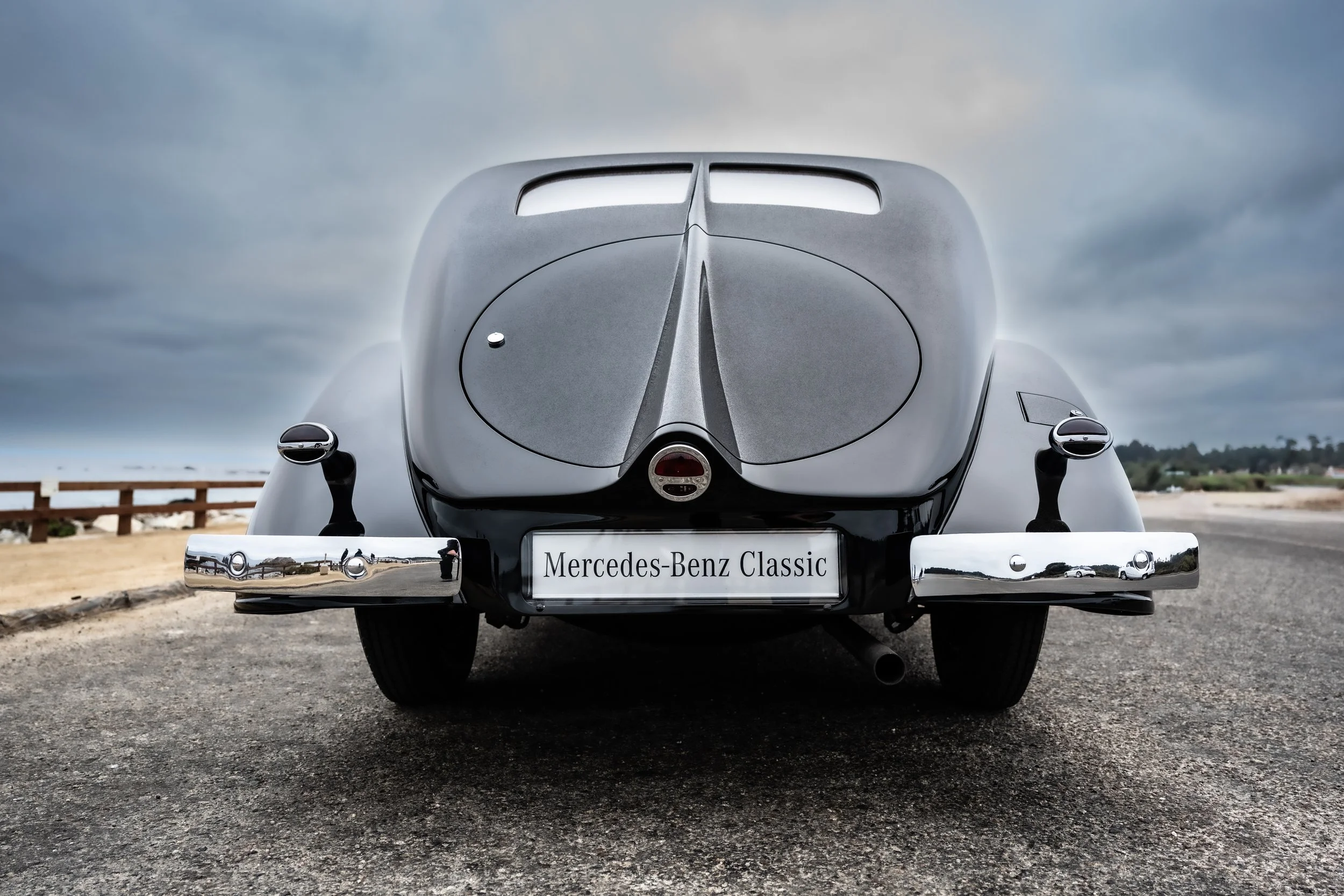
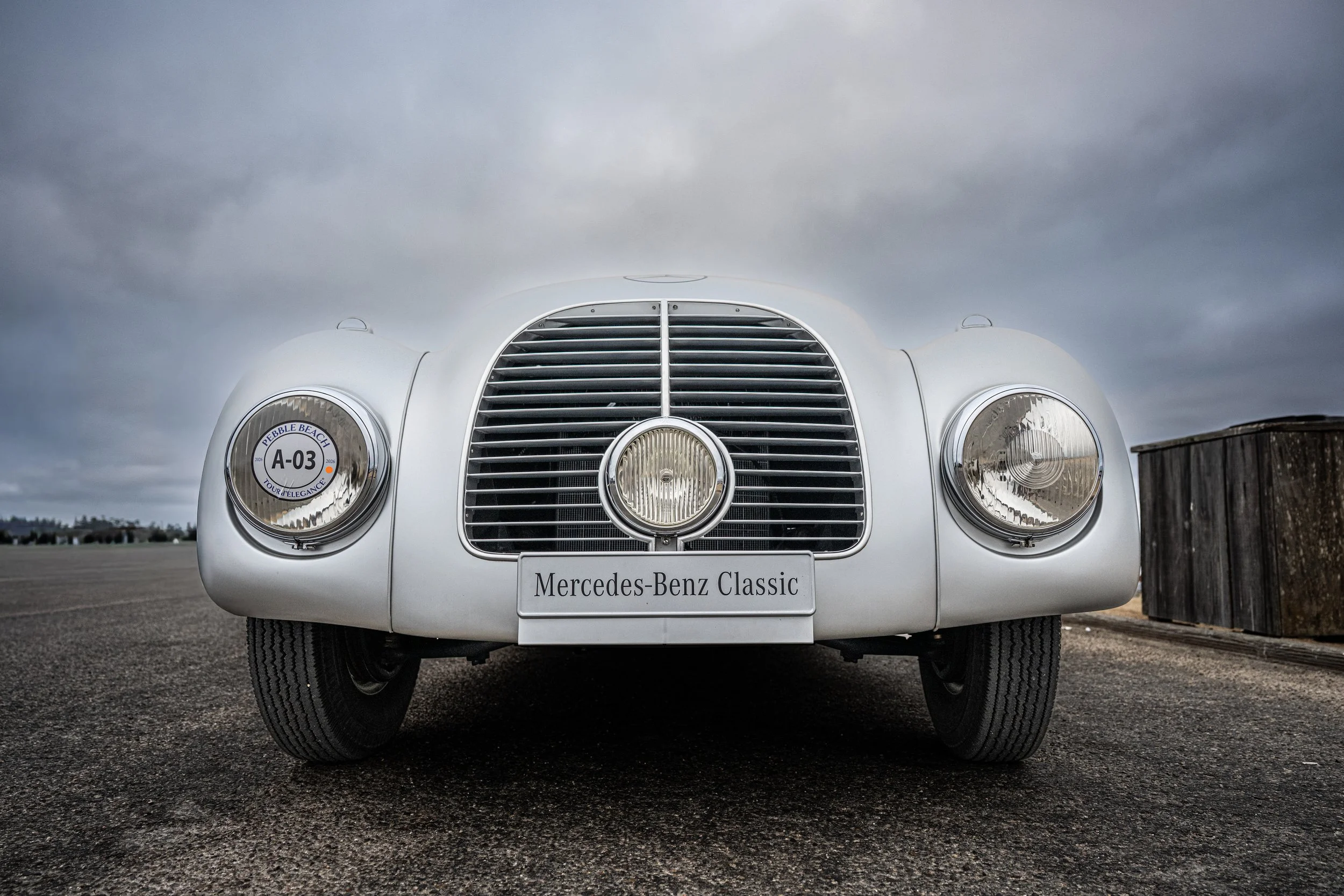
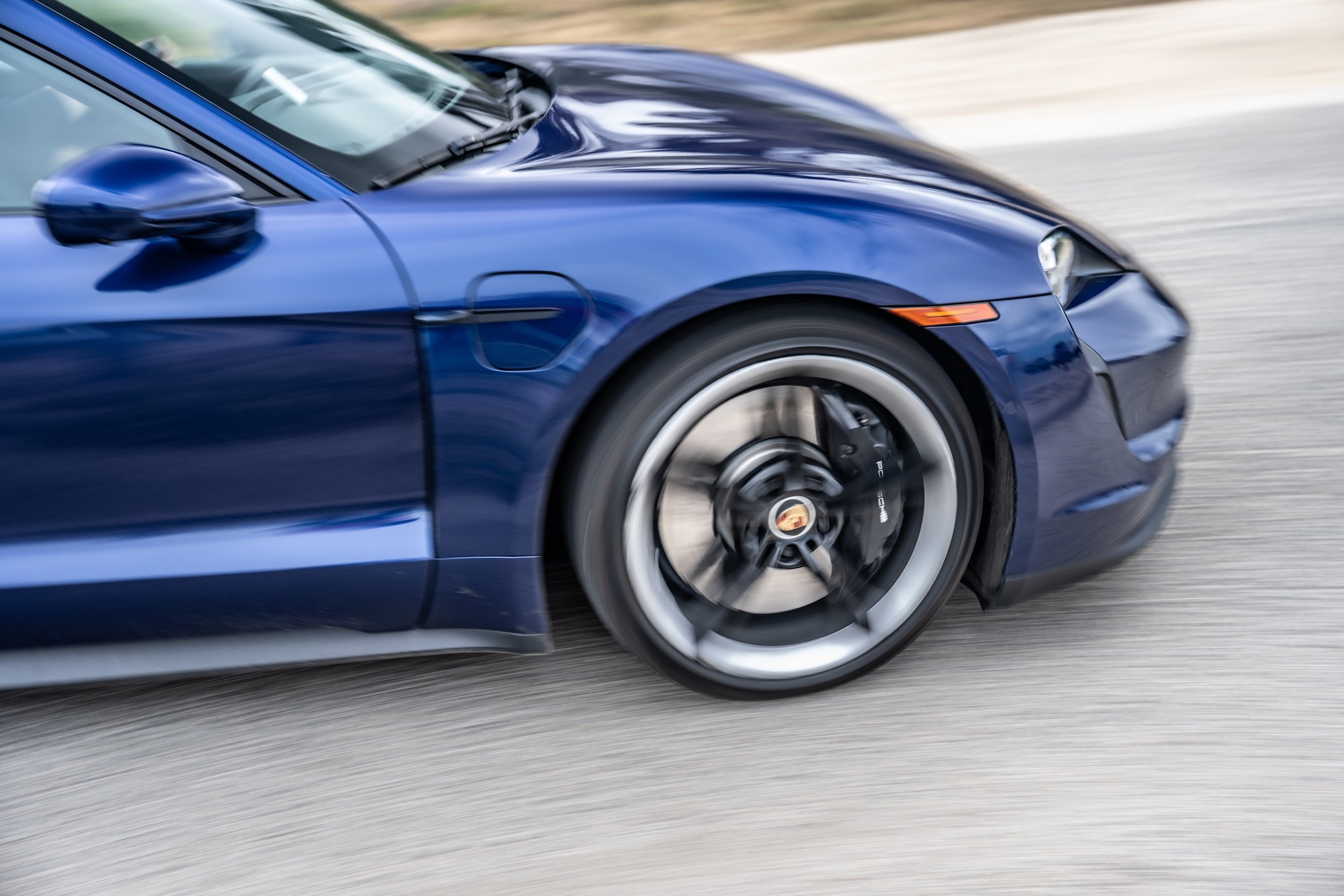
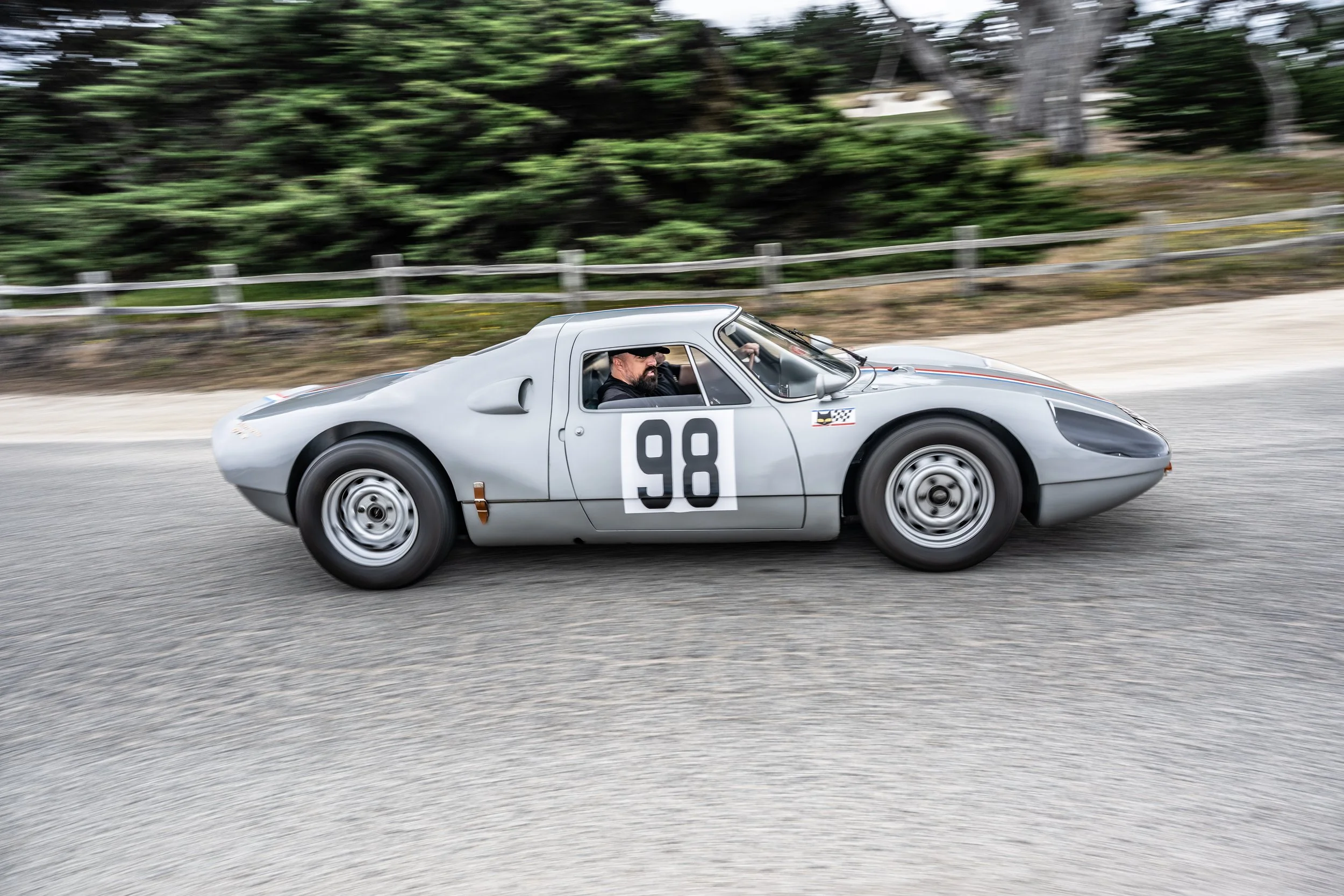
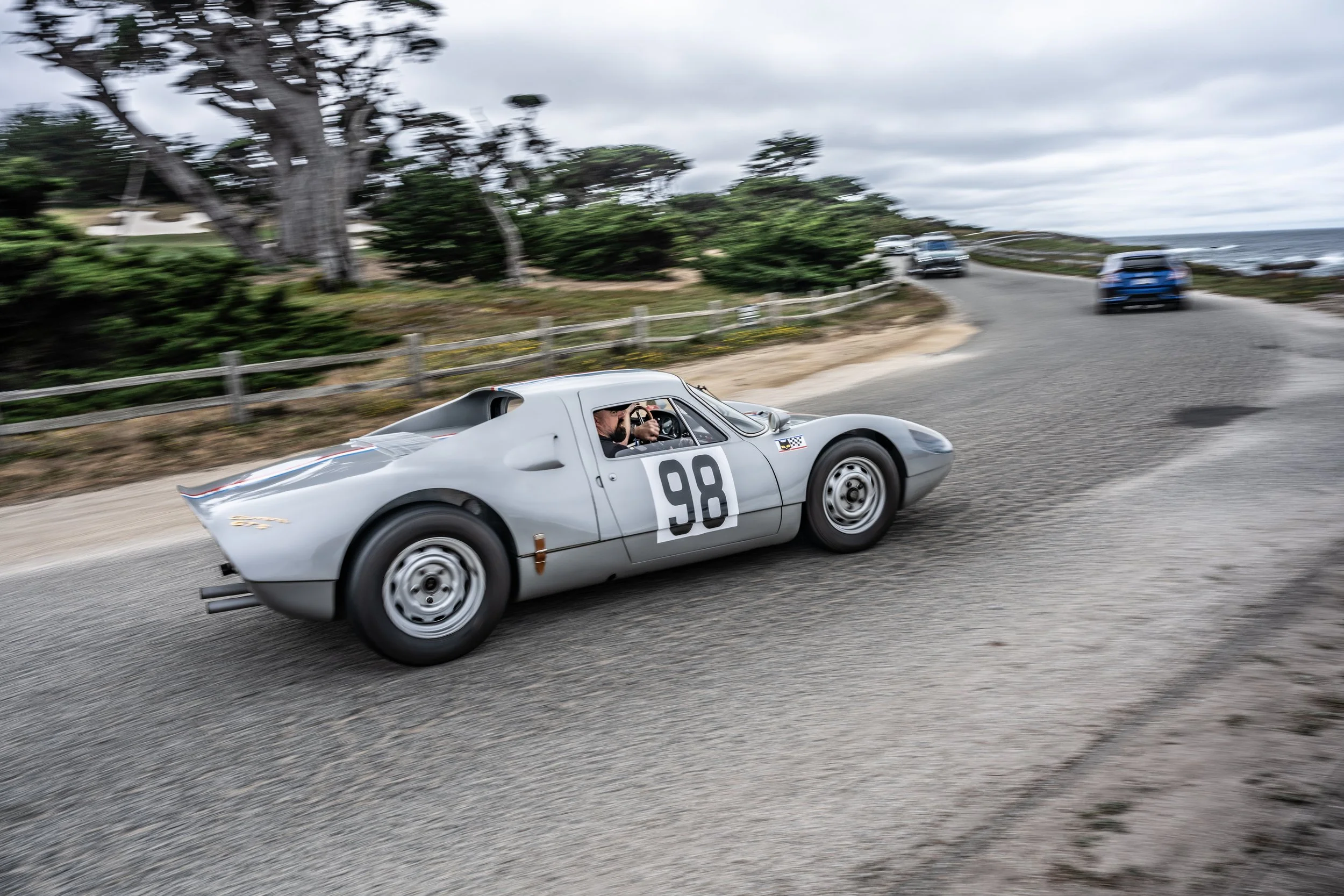
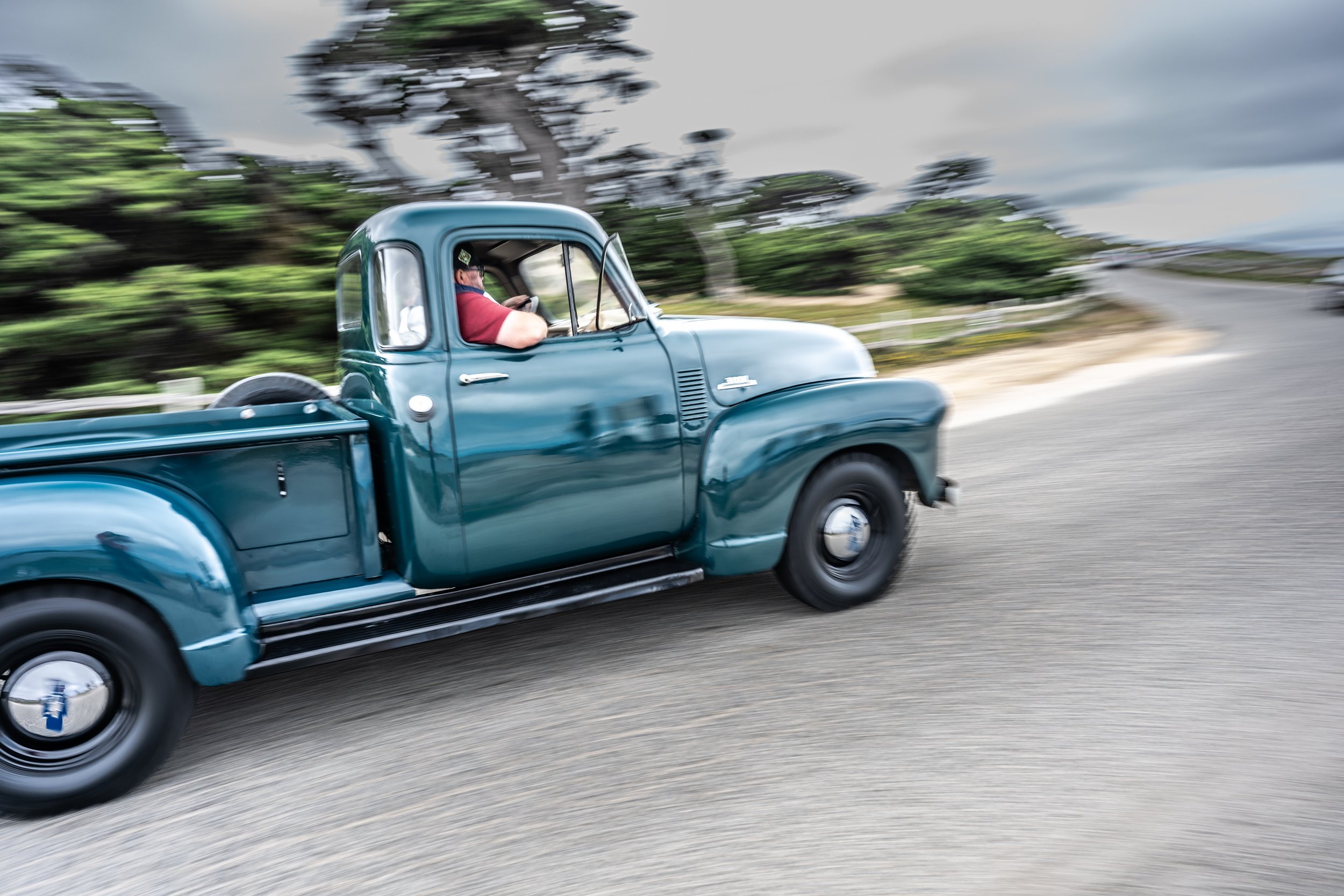
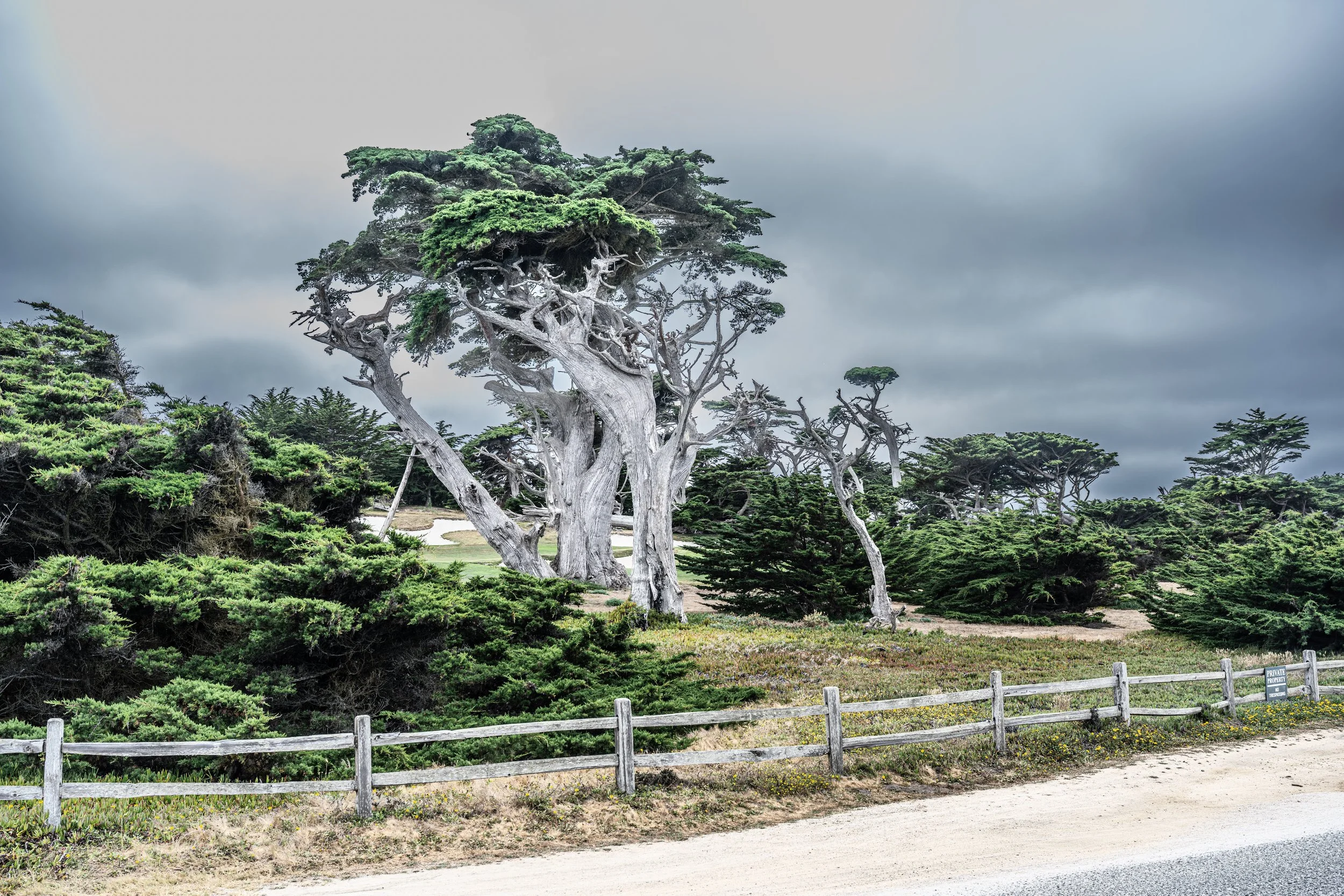
During Car Week, it becomes something else. A Ferrari appears in the mirror. A vintage Bentley rumbles in the opposite direction. Three Porsches materialize behind it. Then something passes that you cannot immediately identify, which is half the fun.
For a few days, 17-Mile Drive becomes an unscripted rolling concours. But drive it early enough, before the traffic and spectacle arrive, and the road reveals why this place became Pebble Beach in the first place. Ocean on one side. Forest on the other. The road bending somewhere ahead. Sometimes the best car at Pebble Beach is simply the one you’re driving.
OBJECTS IN THE MIRROR MAY BE THE FUTURE
A few hundred yards from automobiles representing the greatest achievements of the past sits something entirely different. The Concept Lawn asks what comes next.
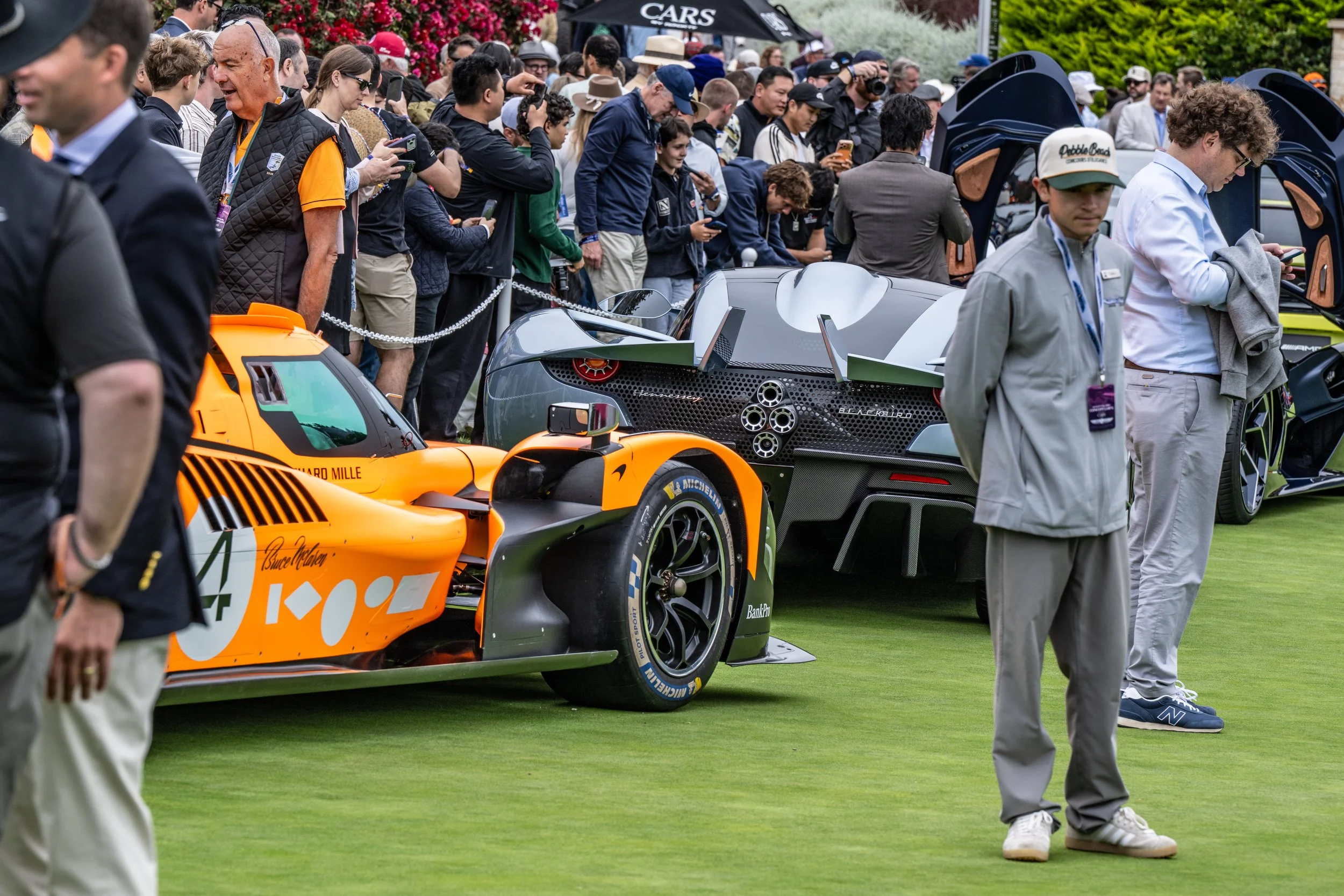
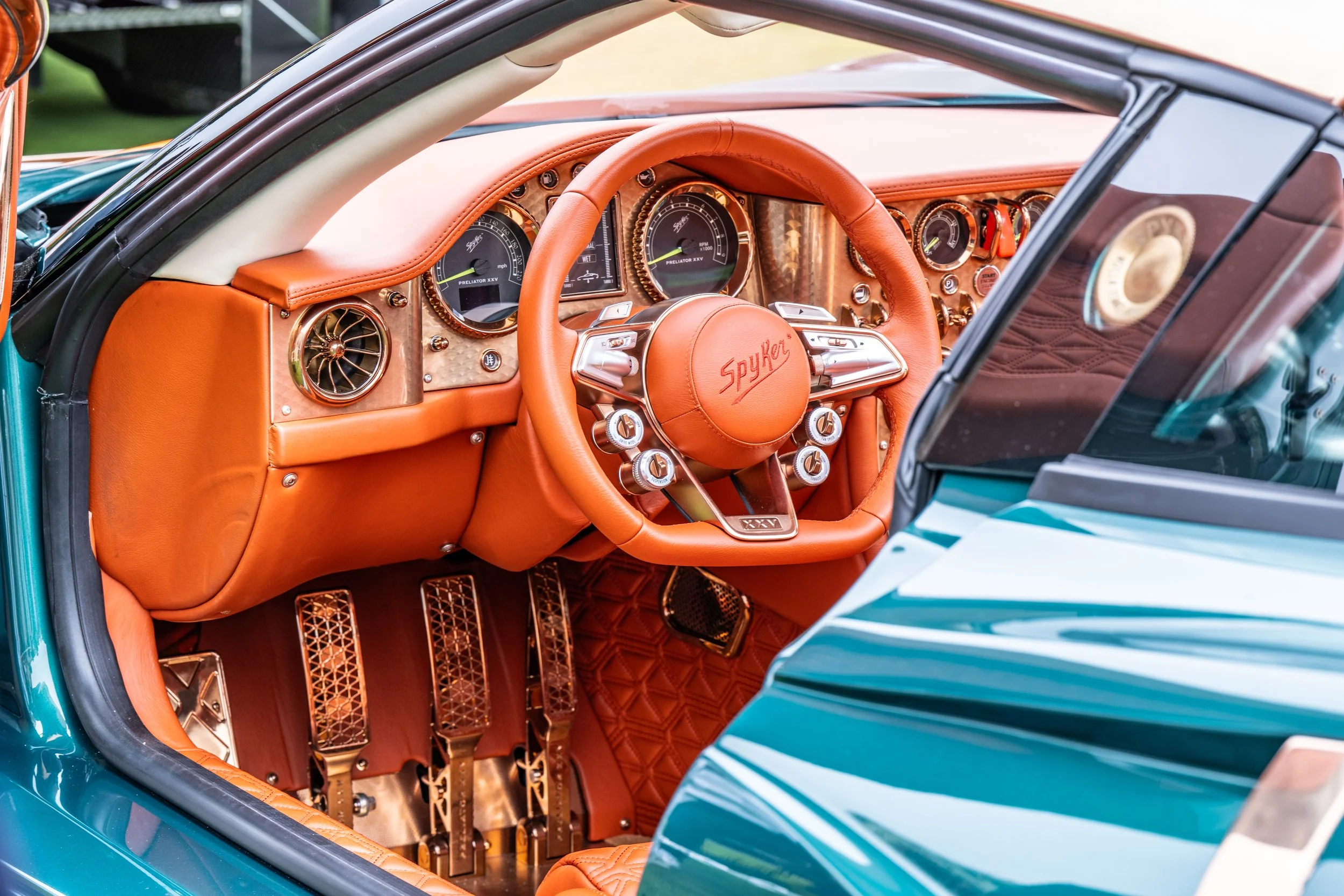
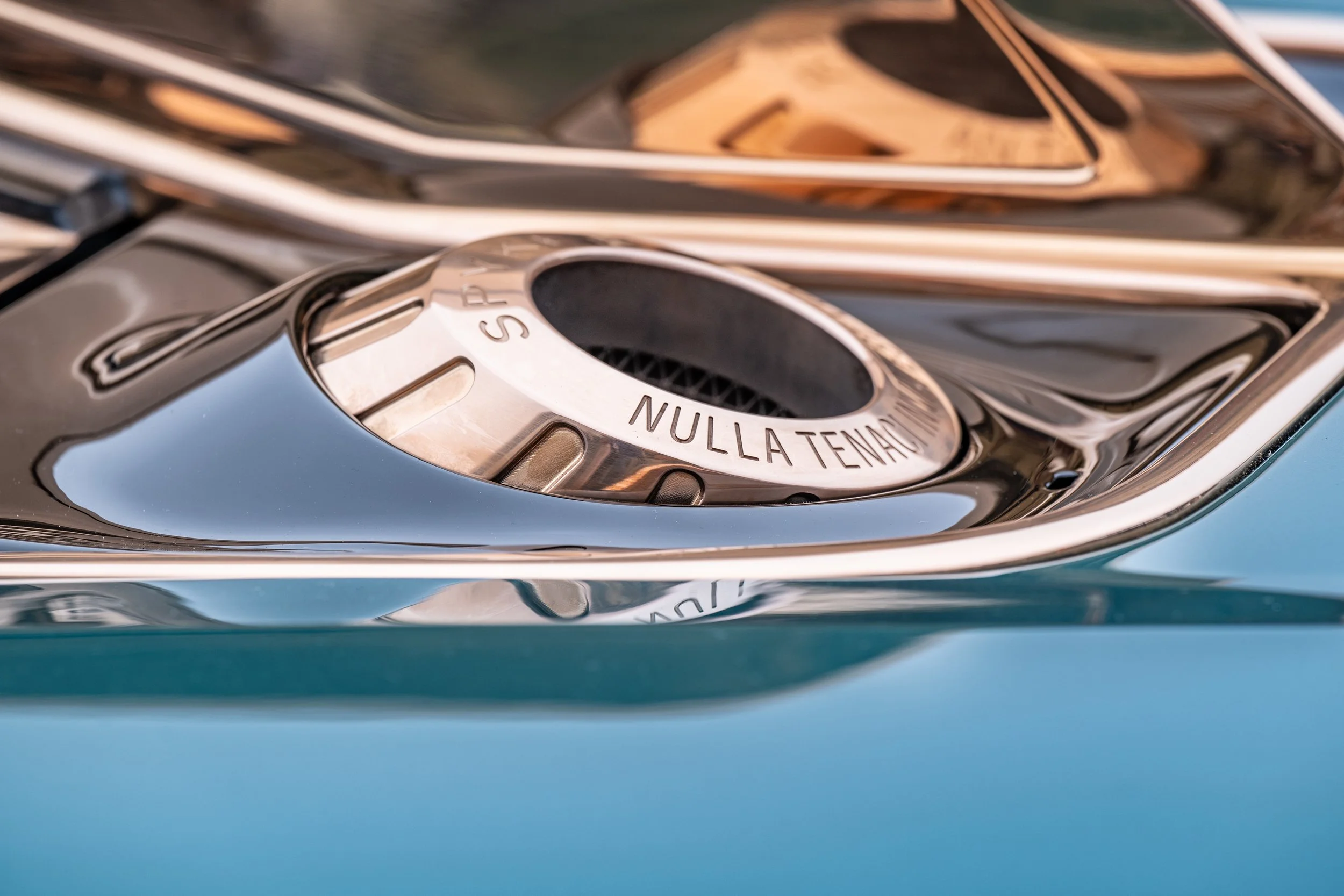
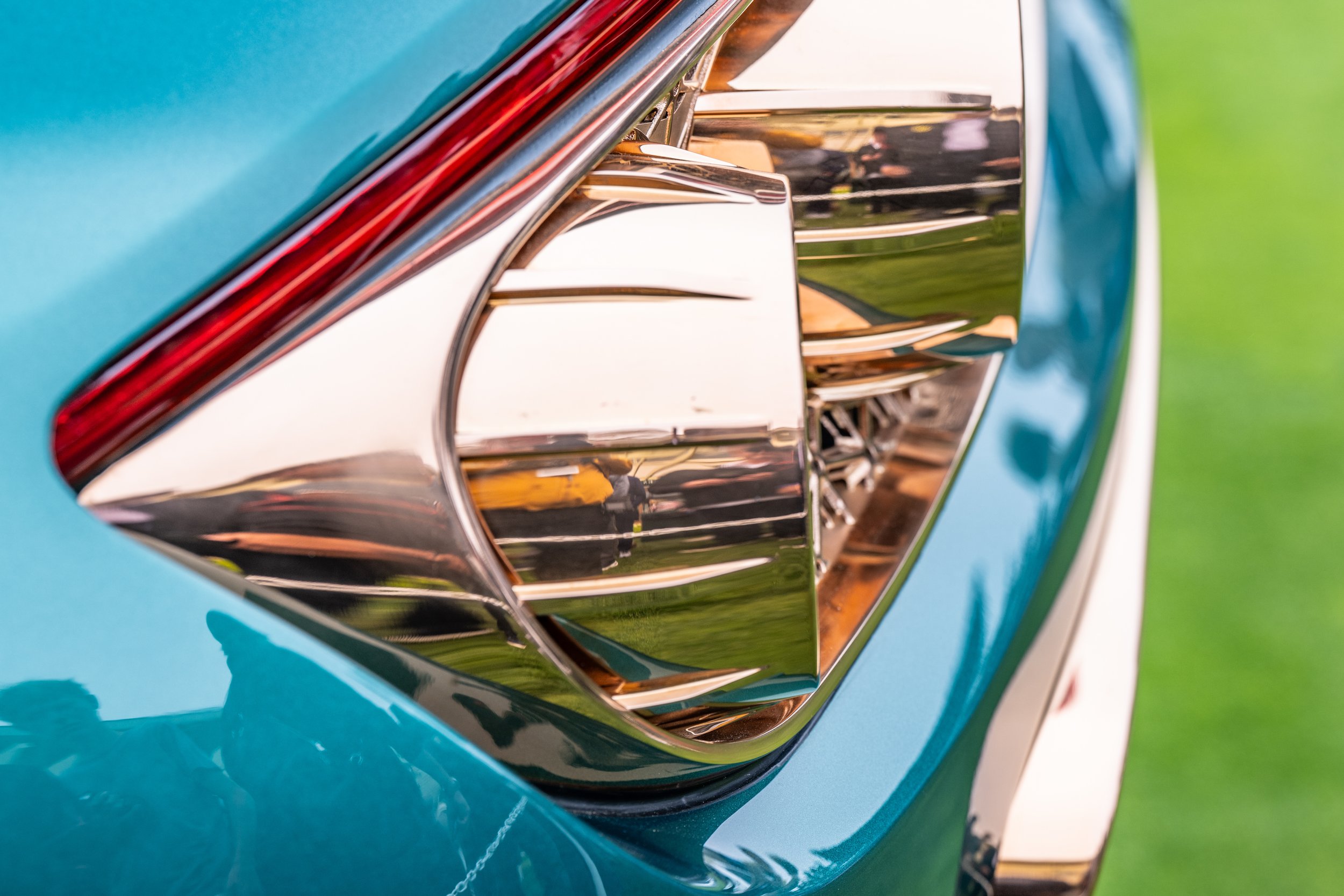
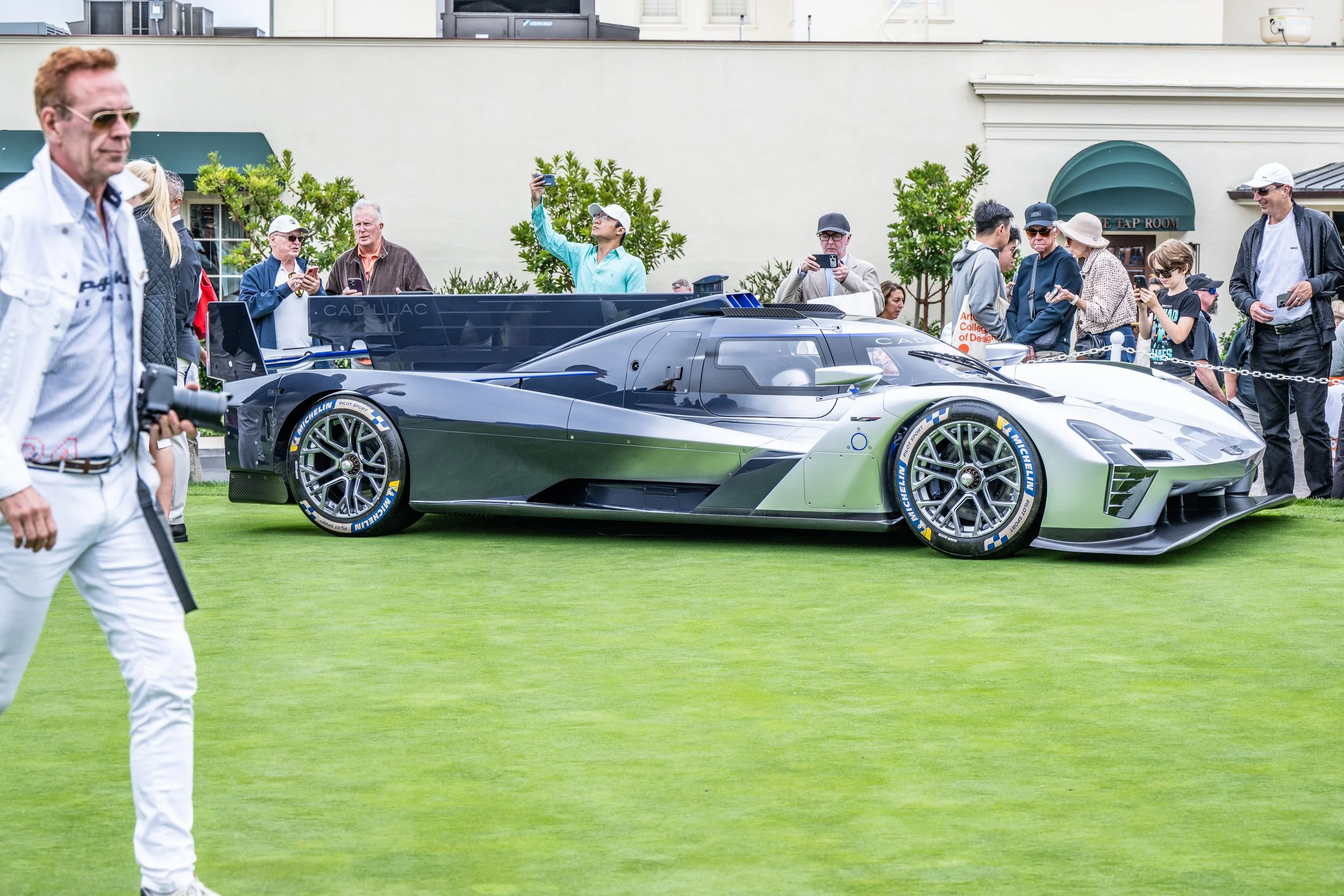
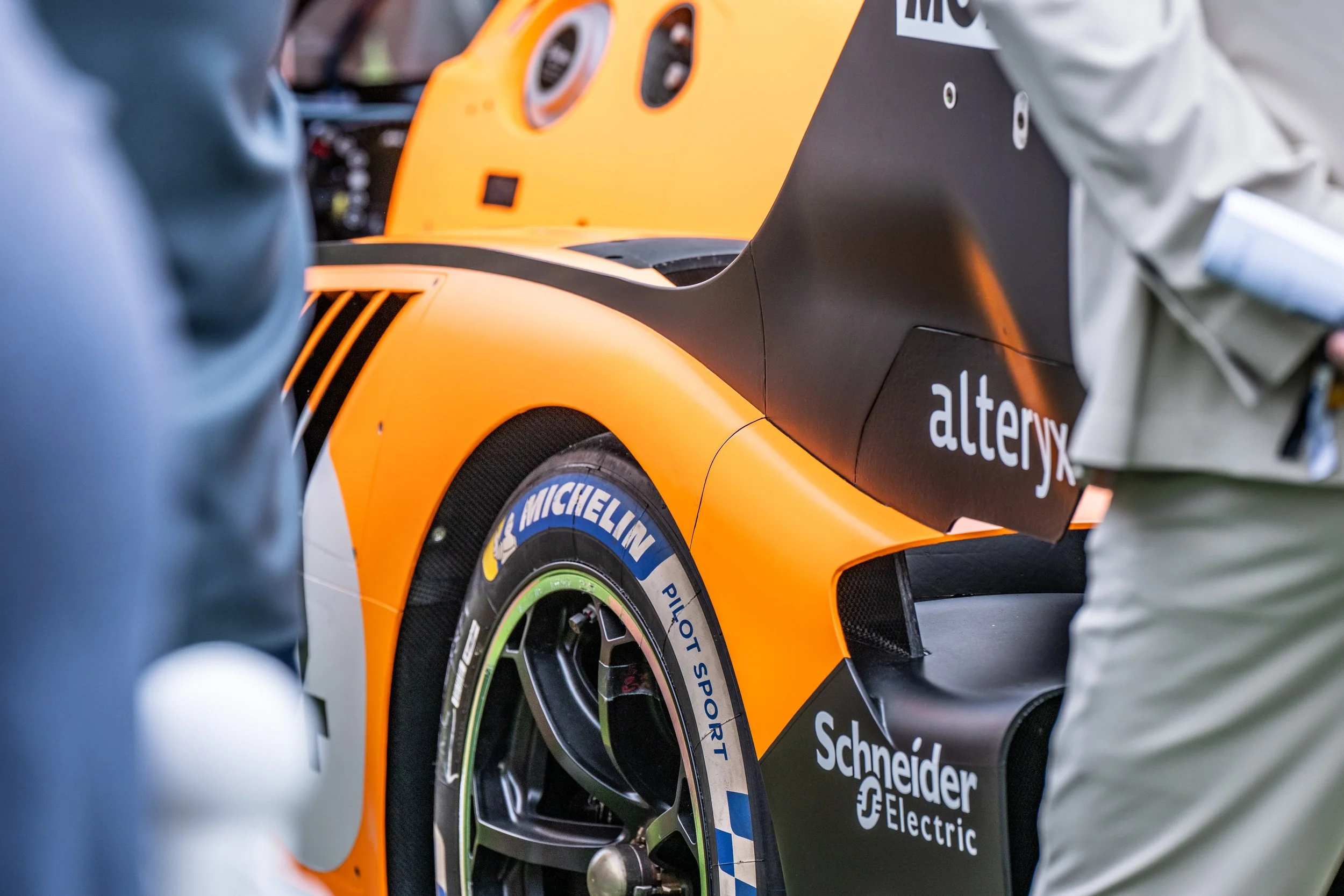
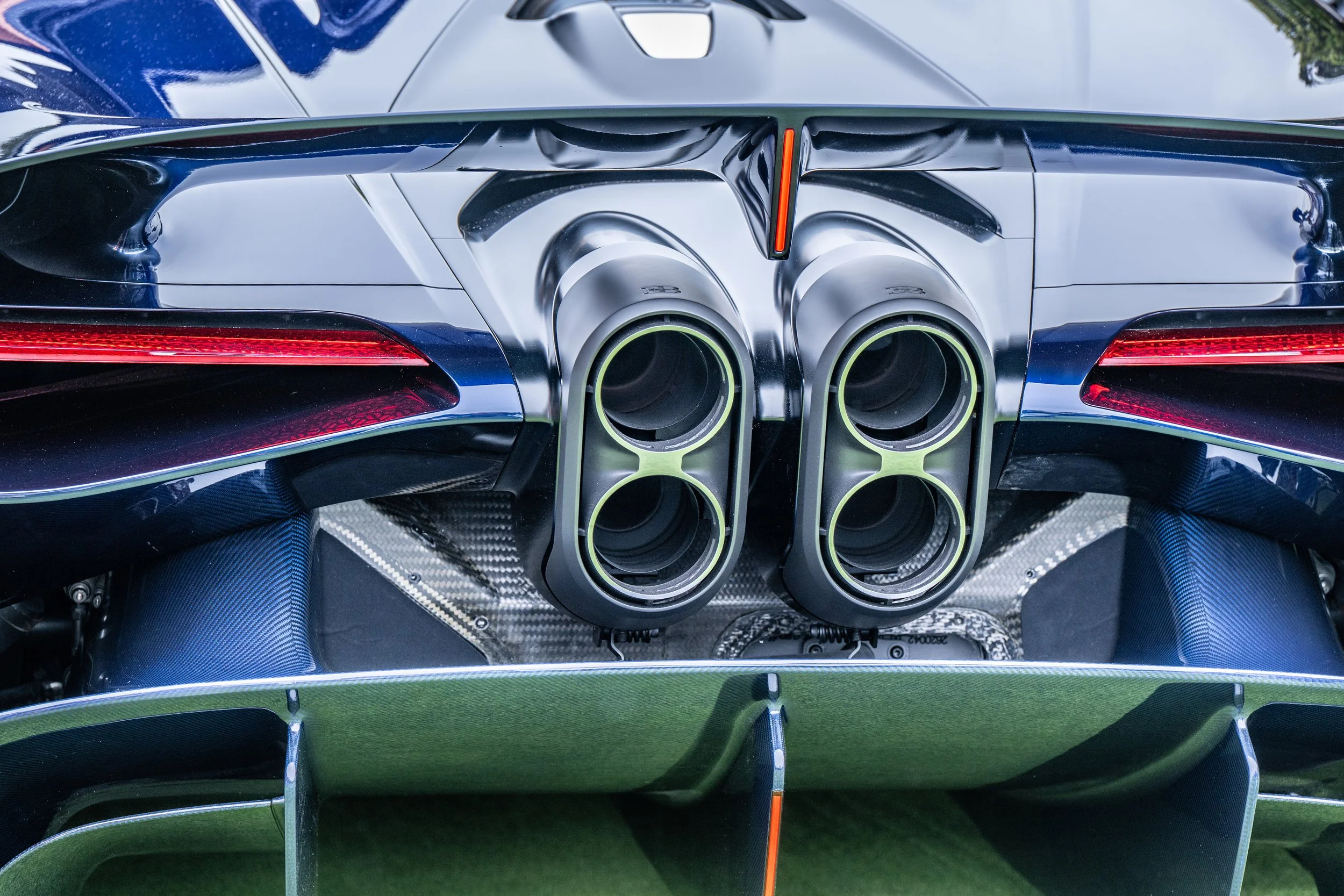
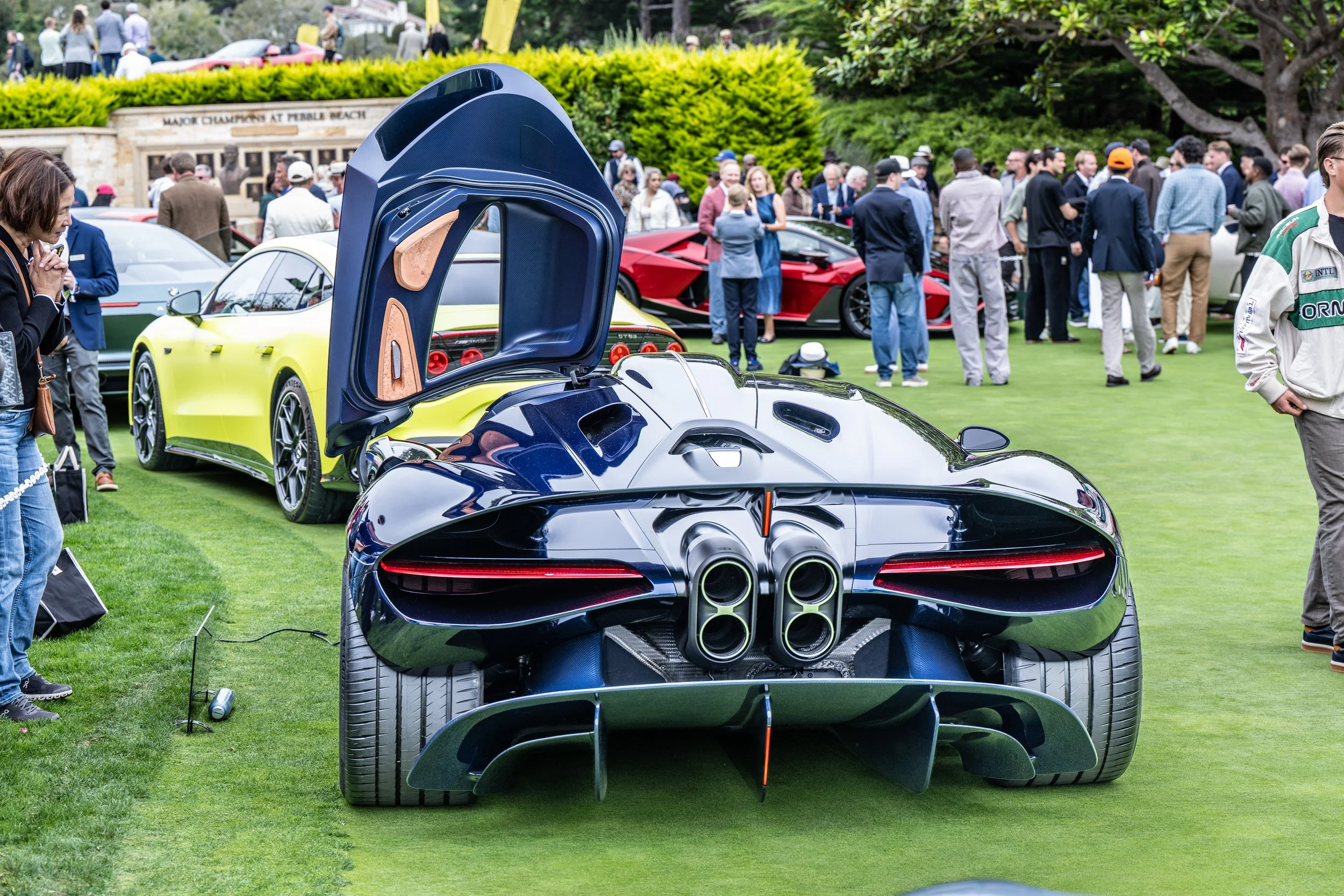
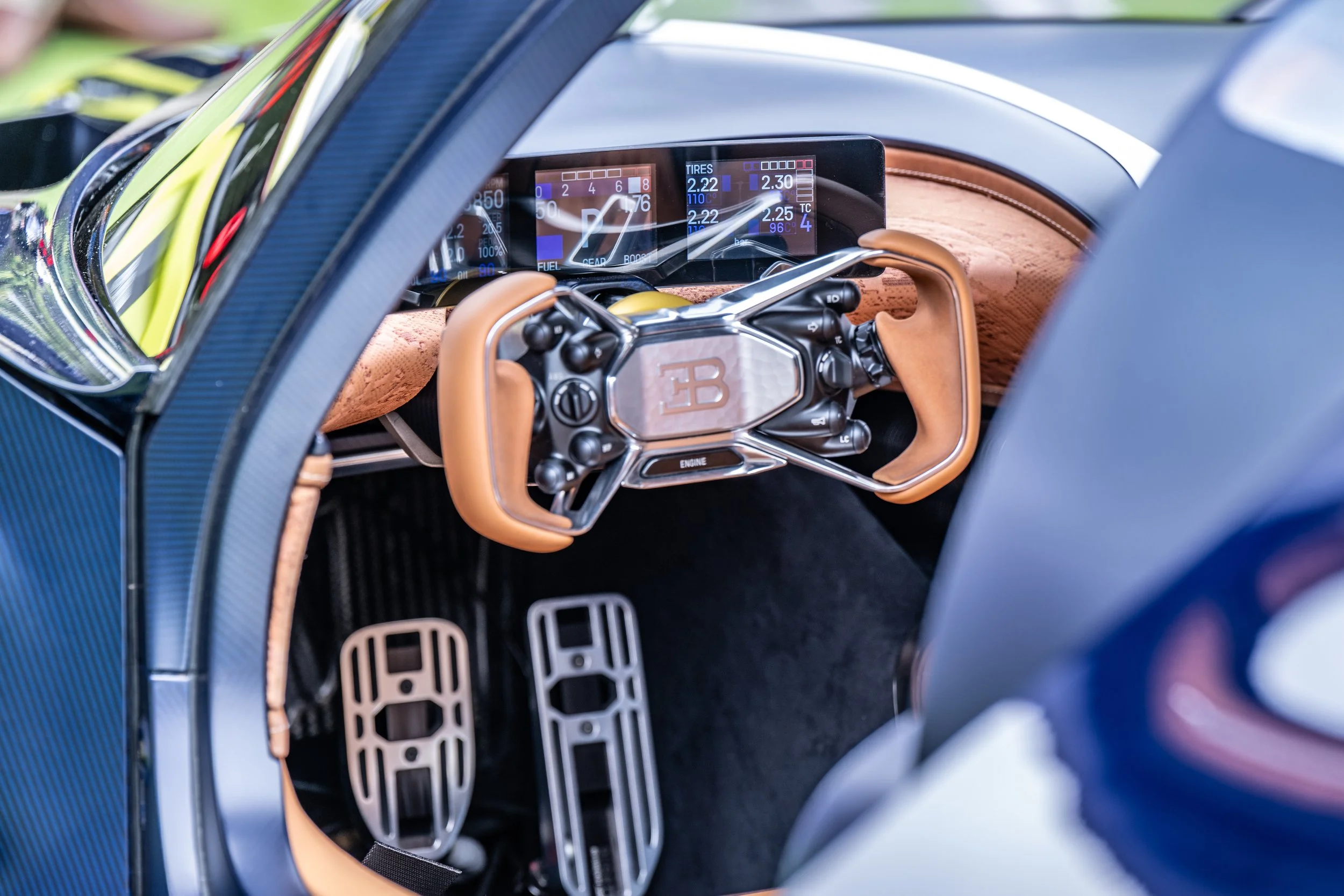
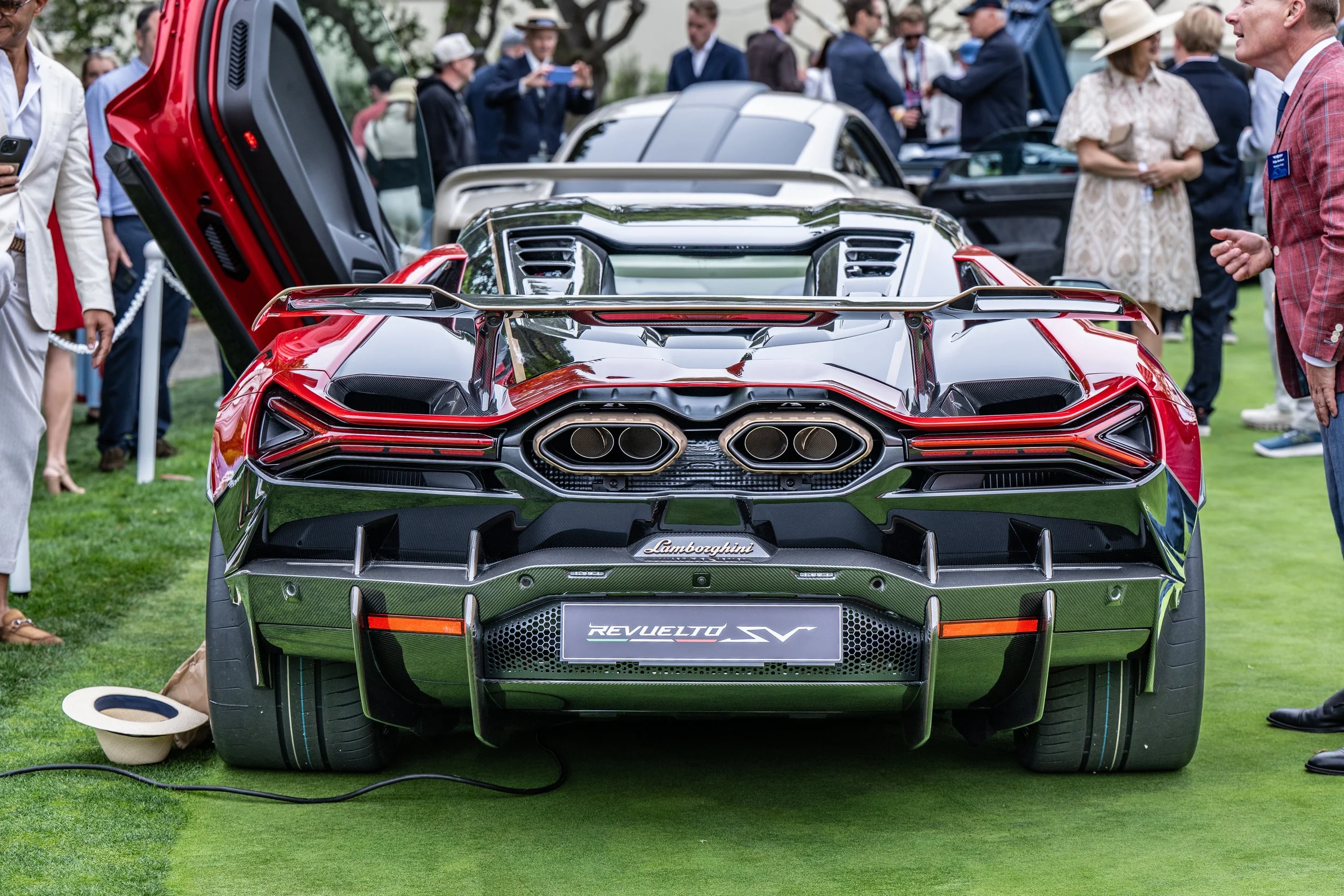
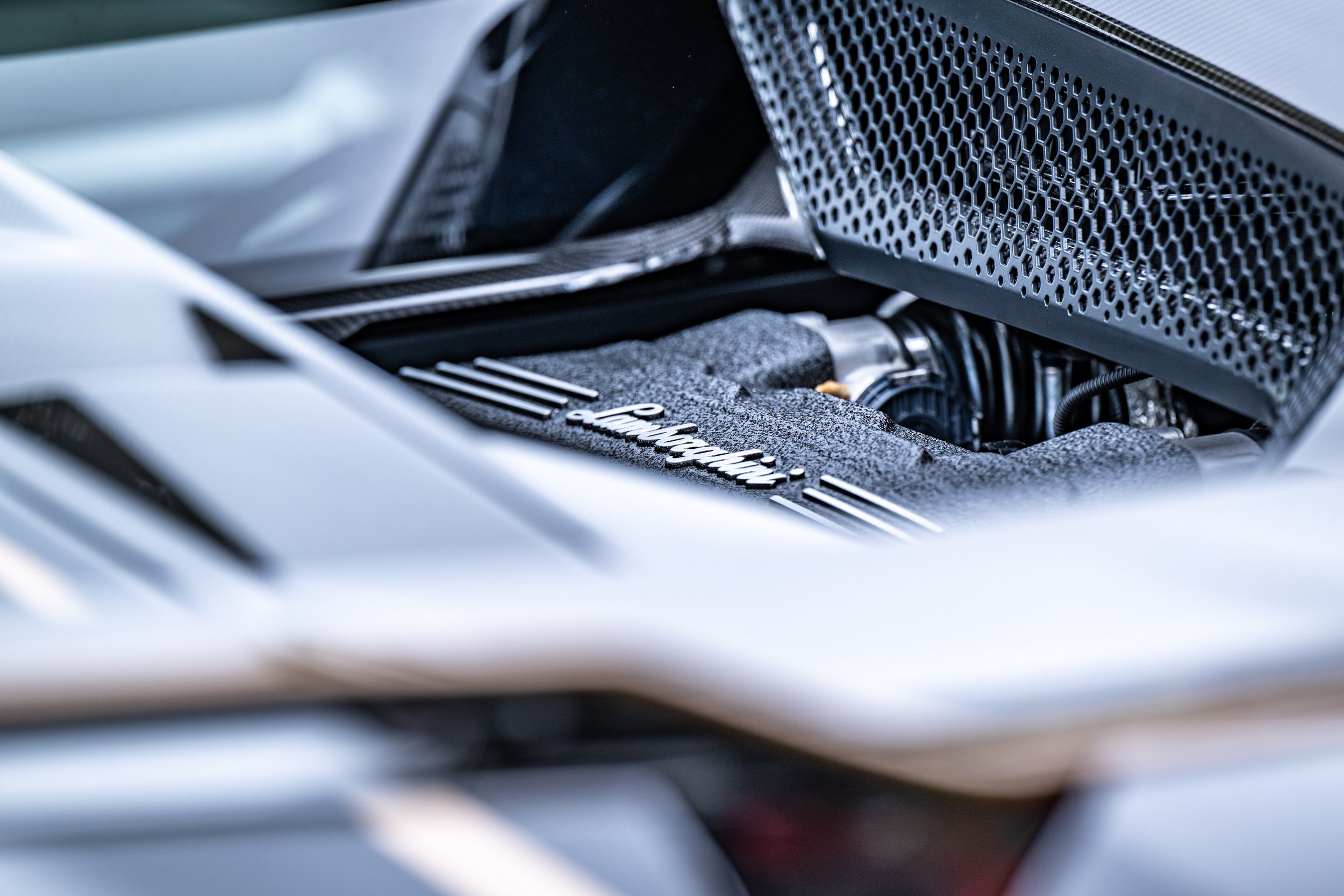
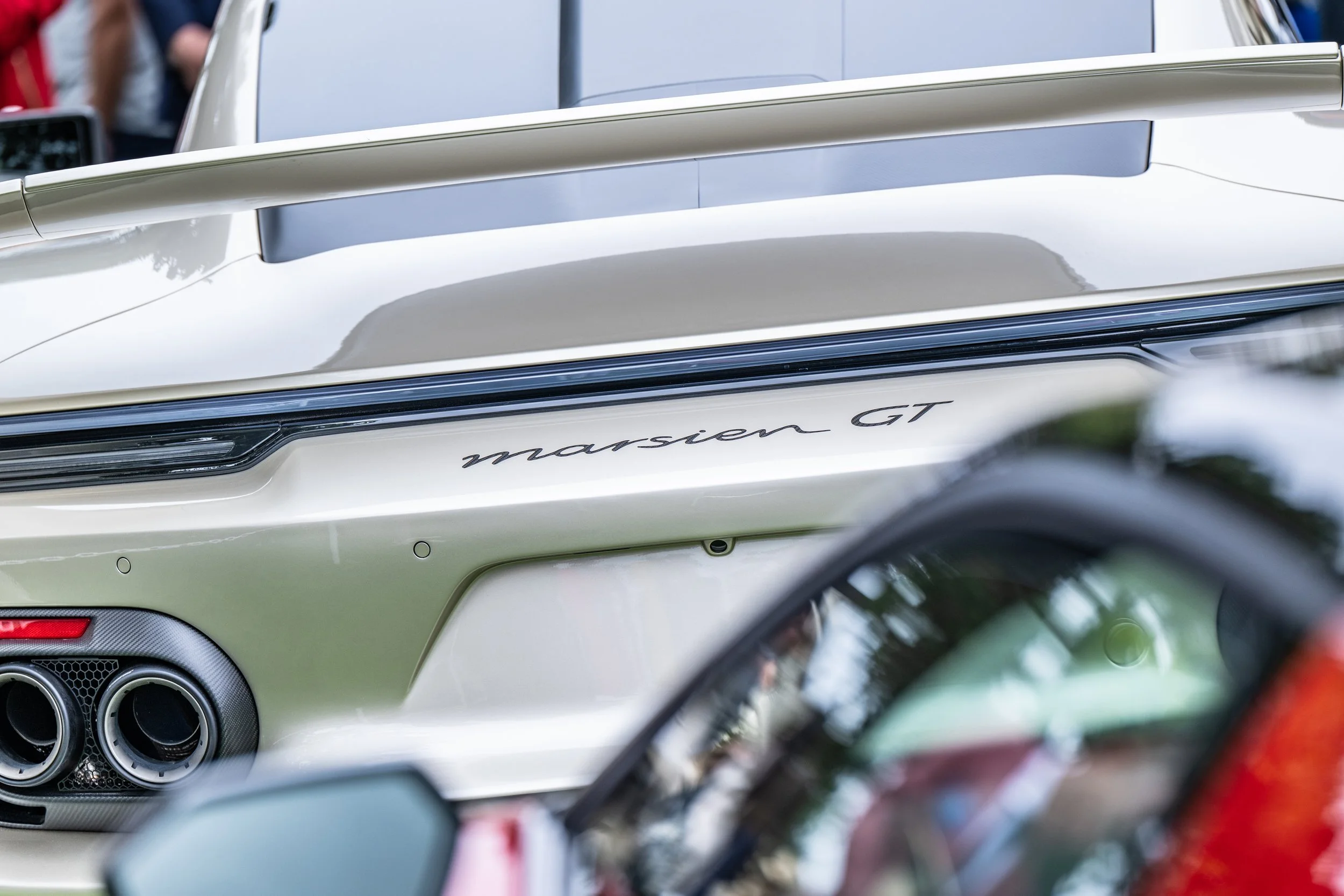
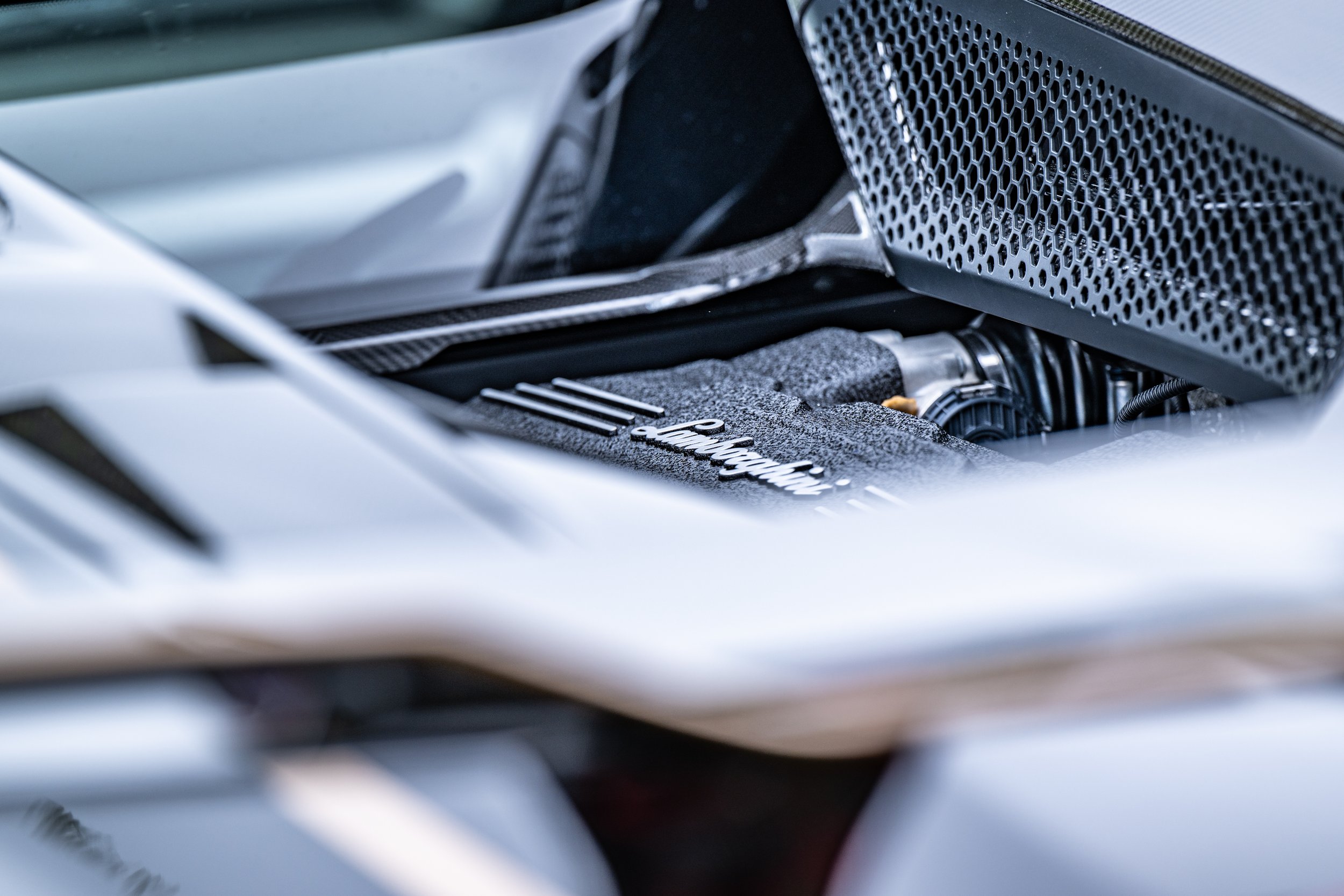
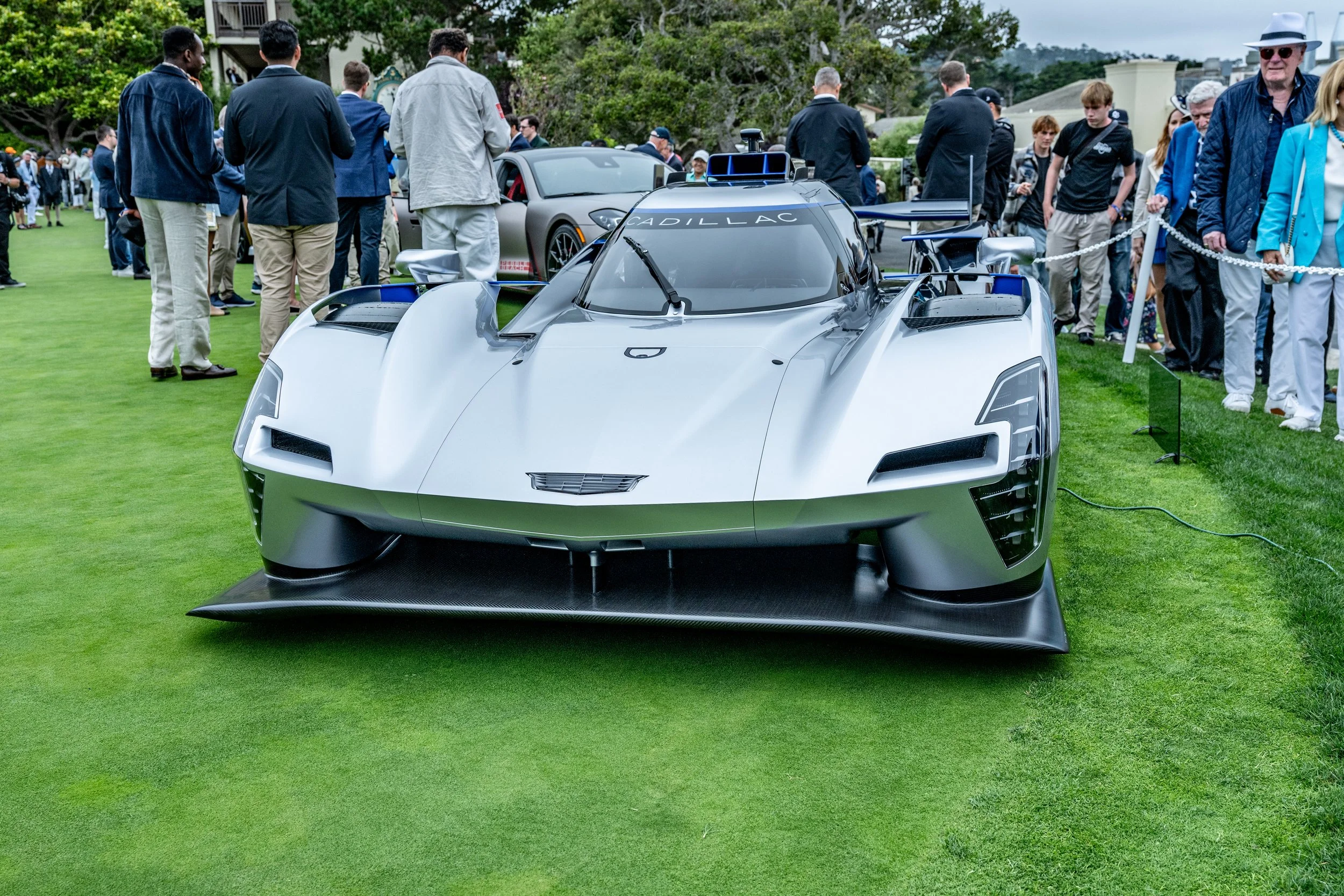
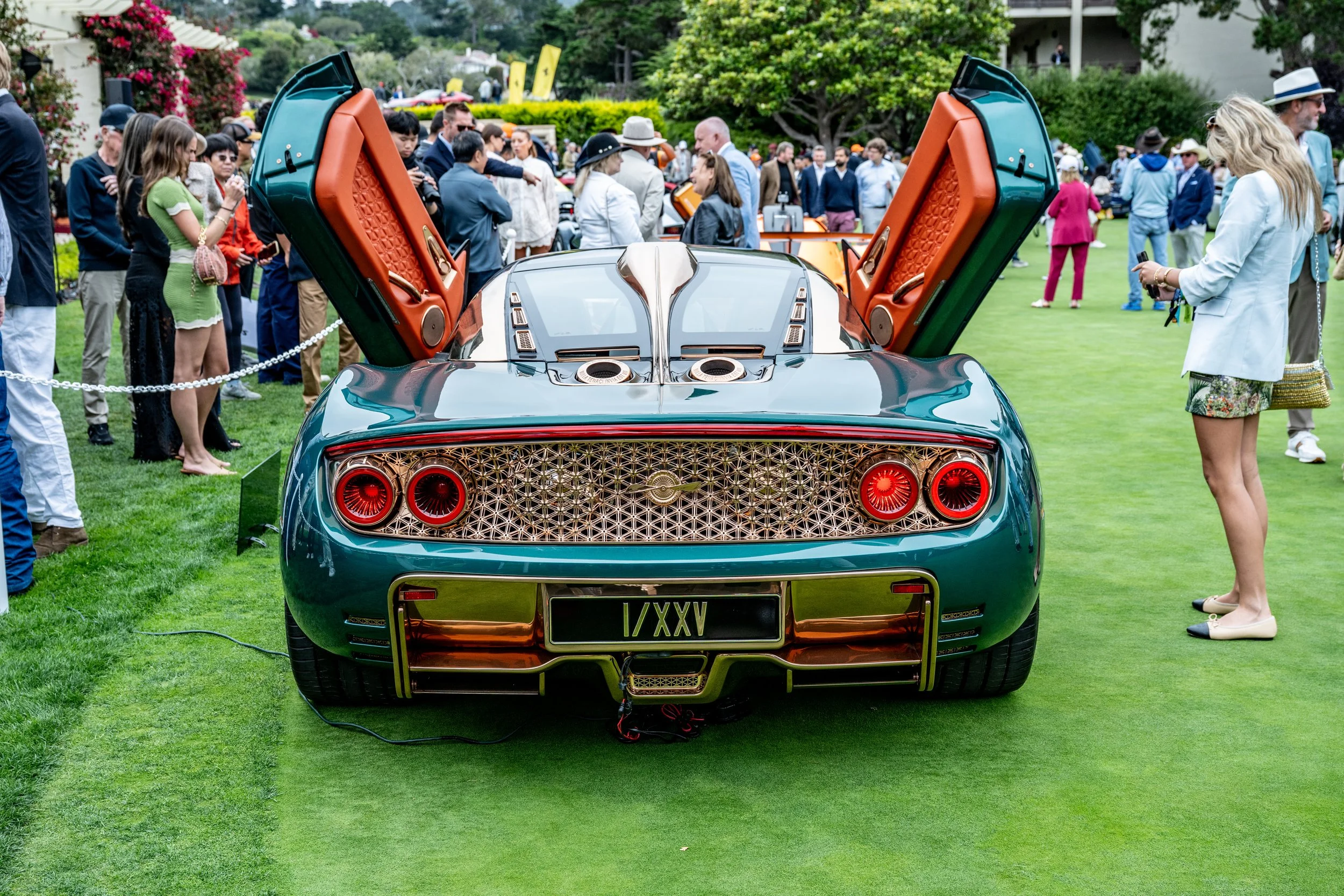
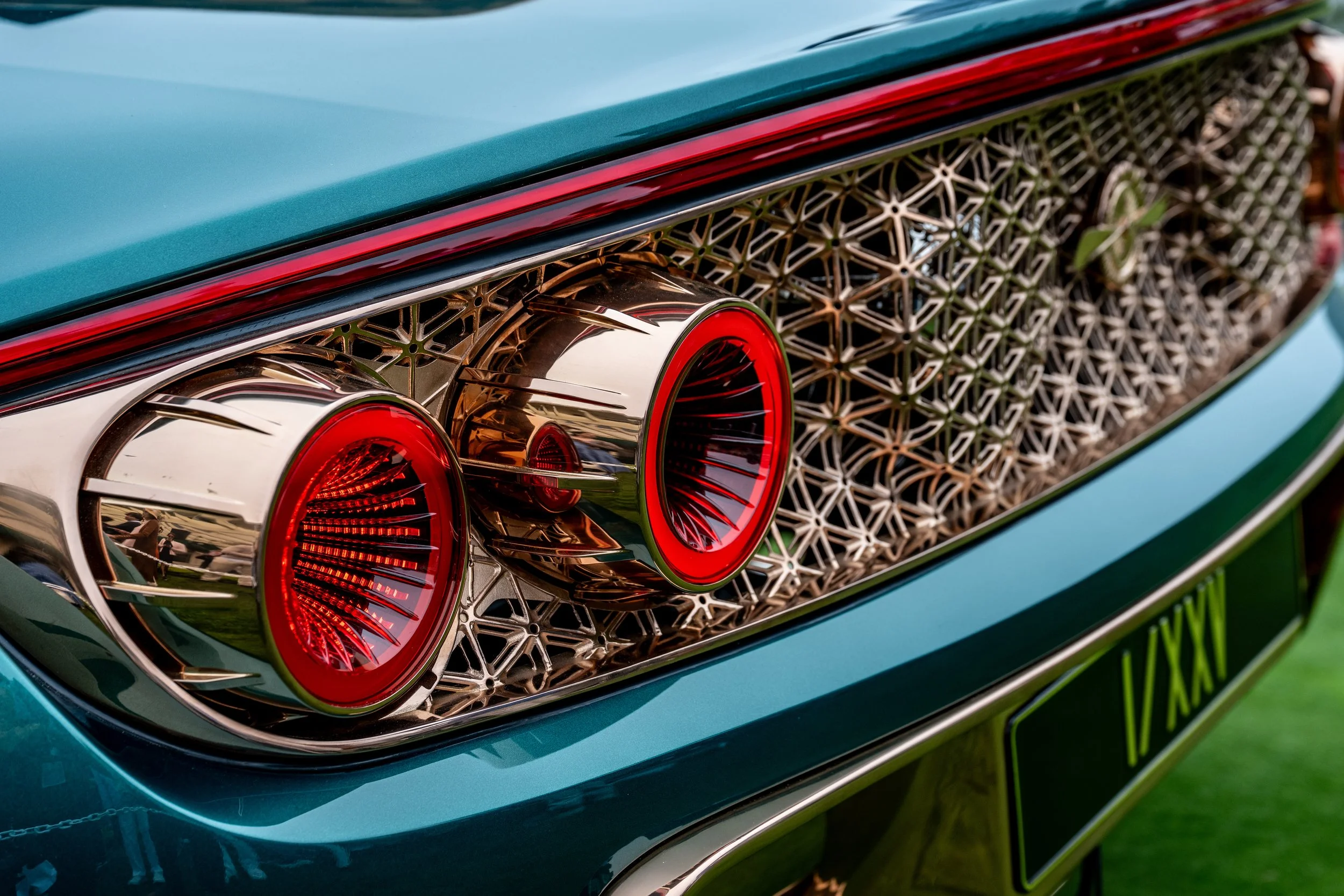
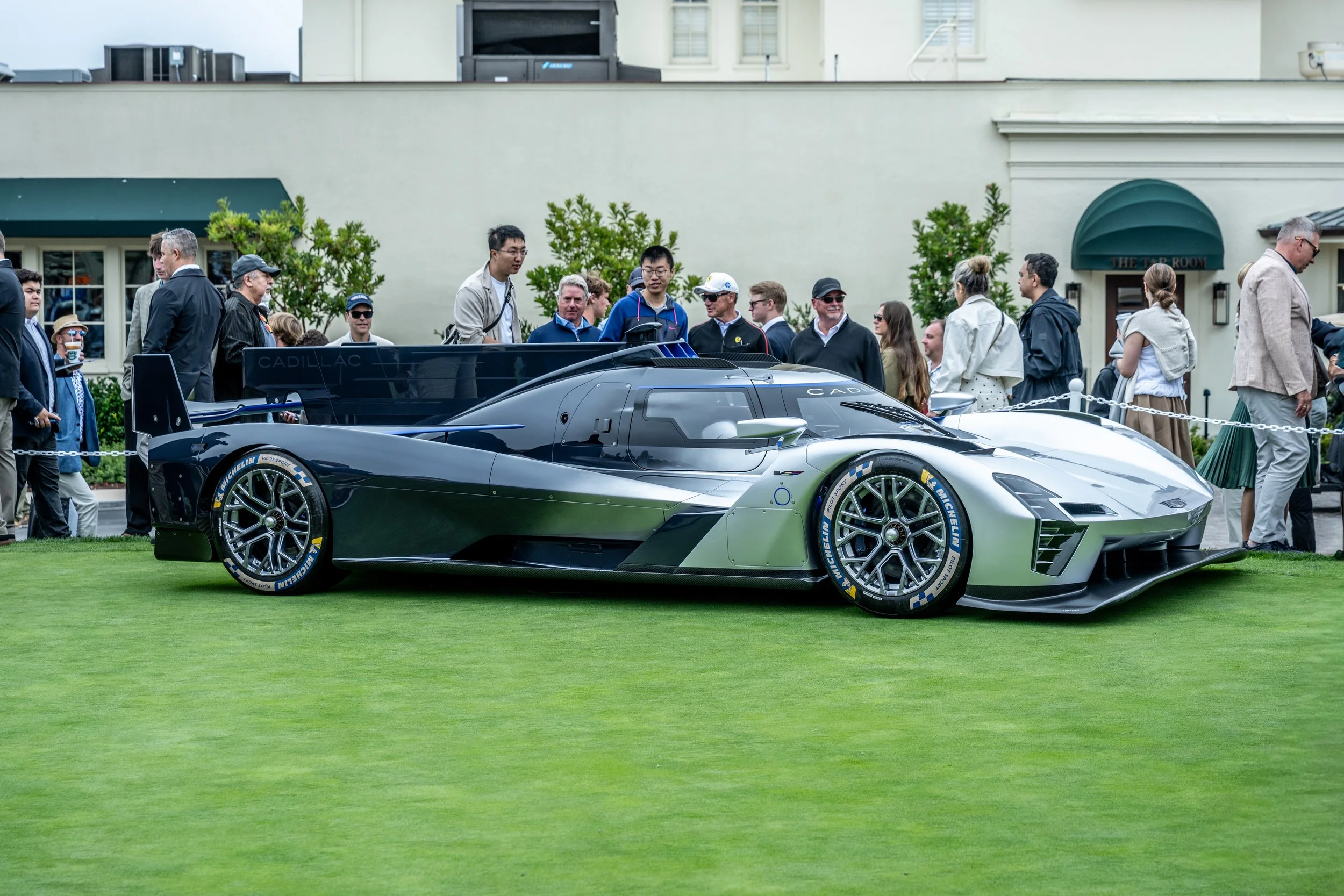
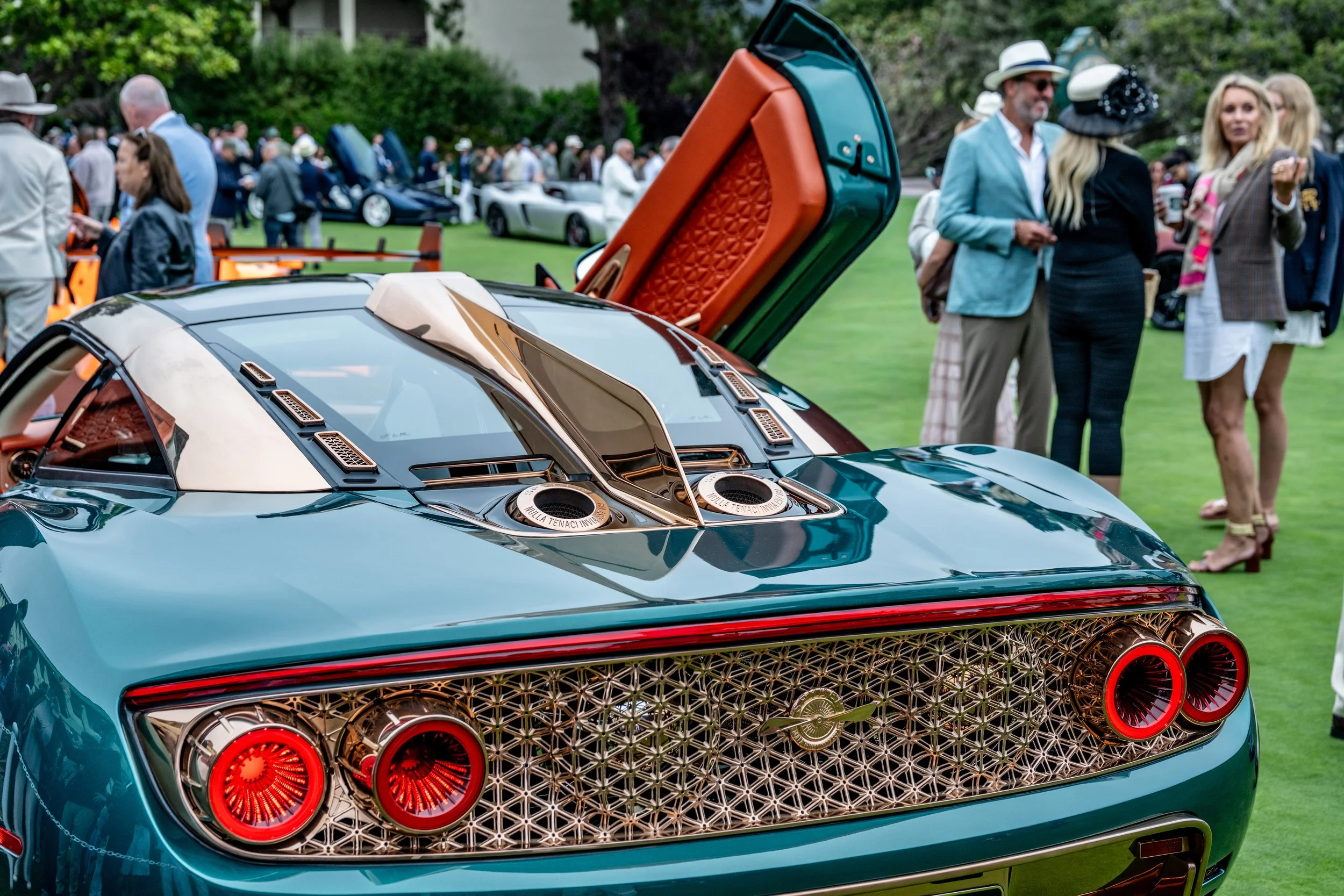
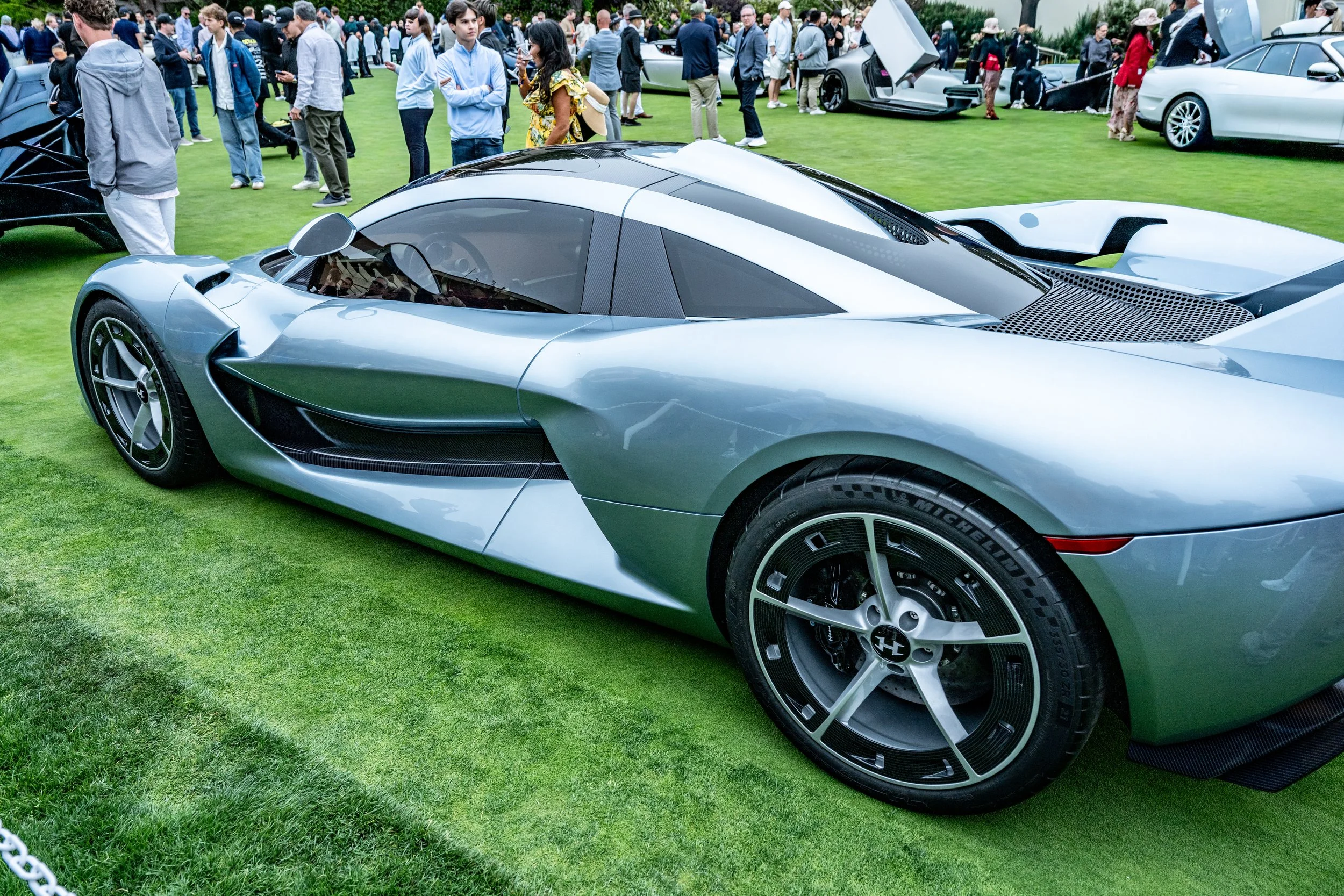
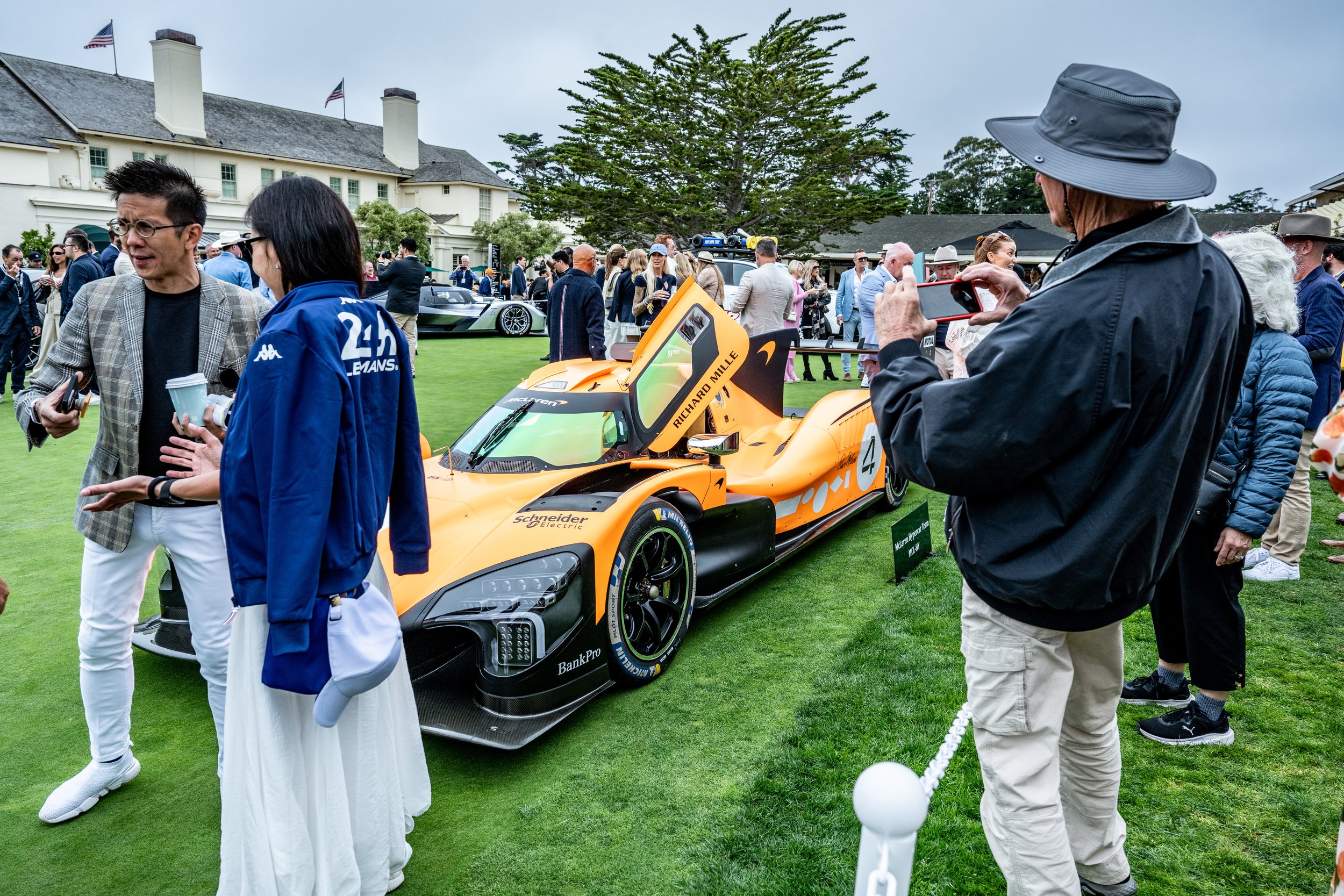
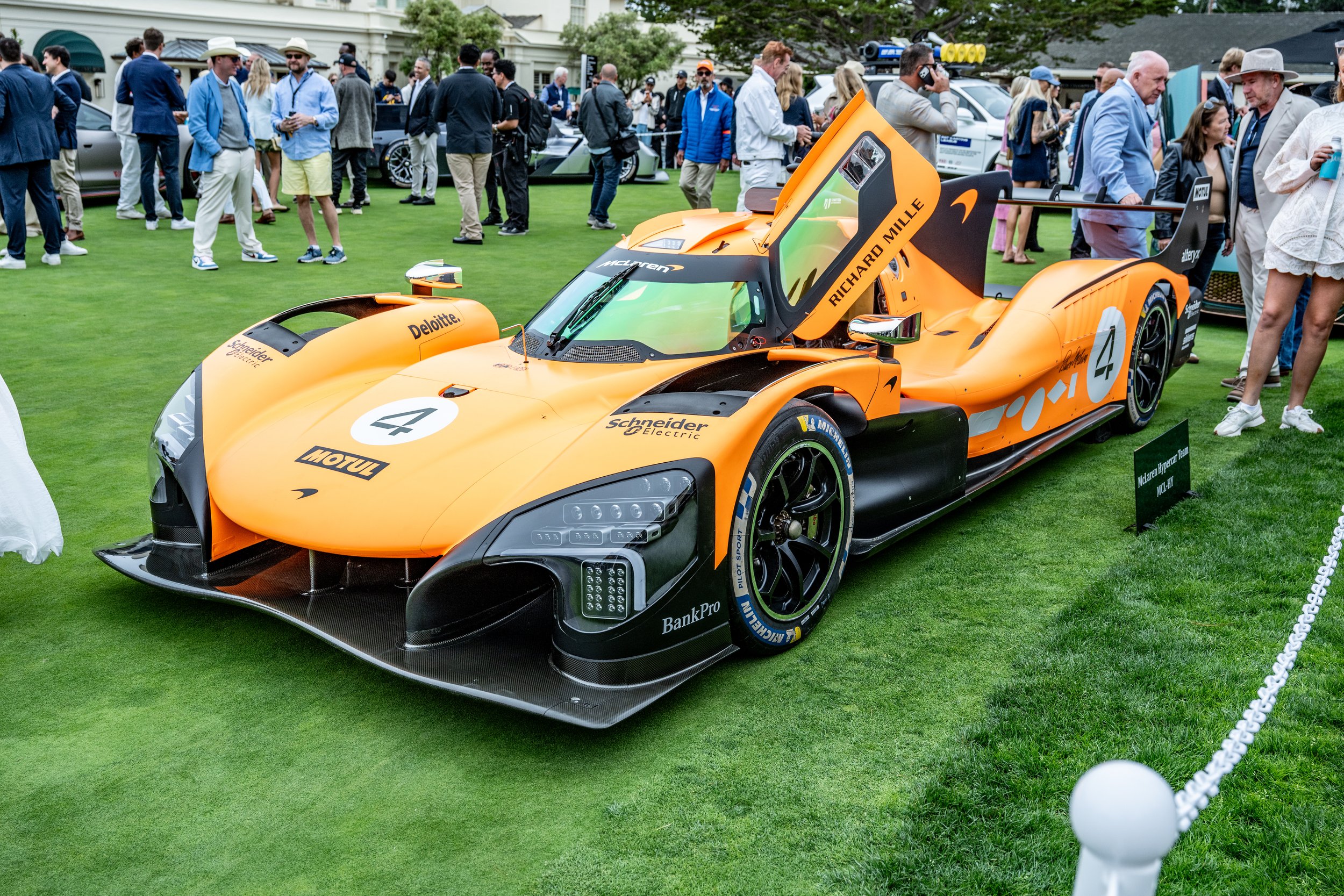
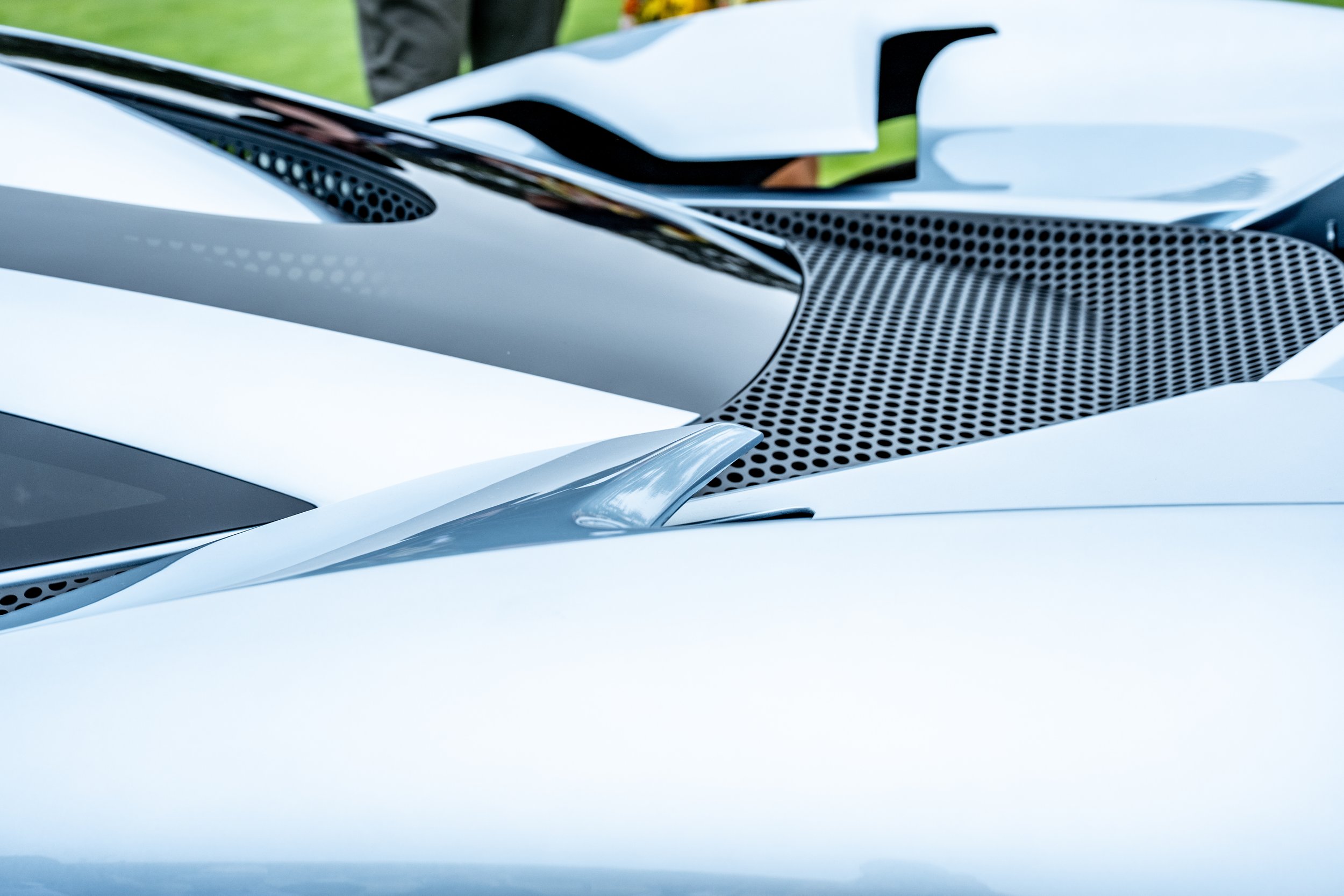
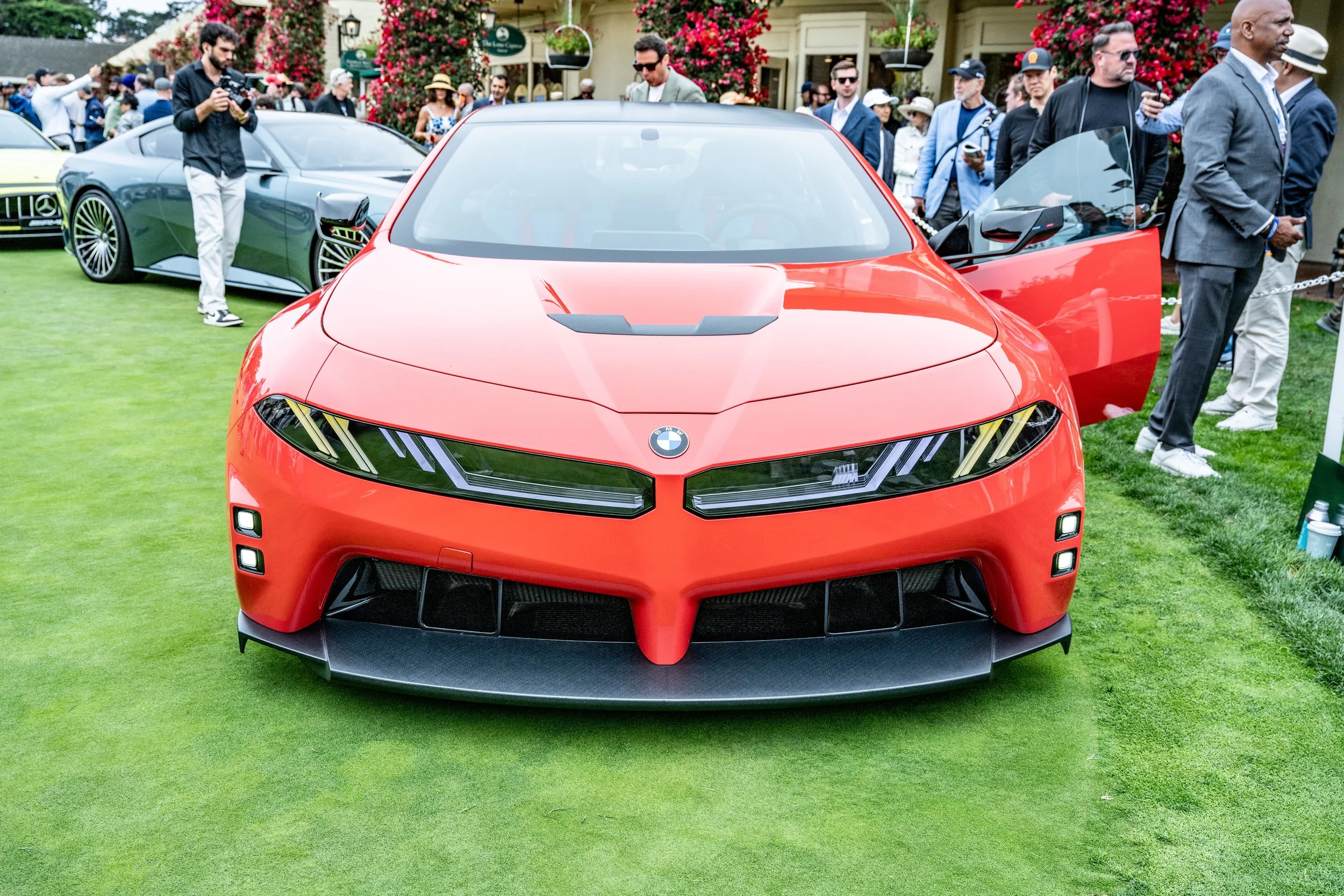
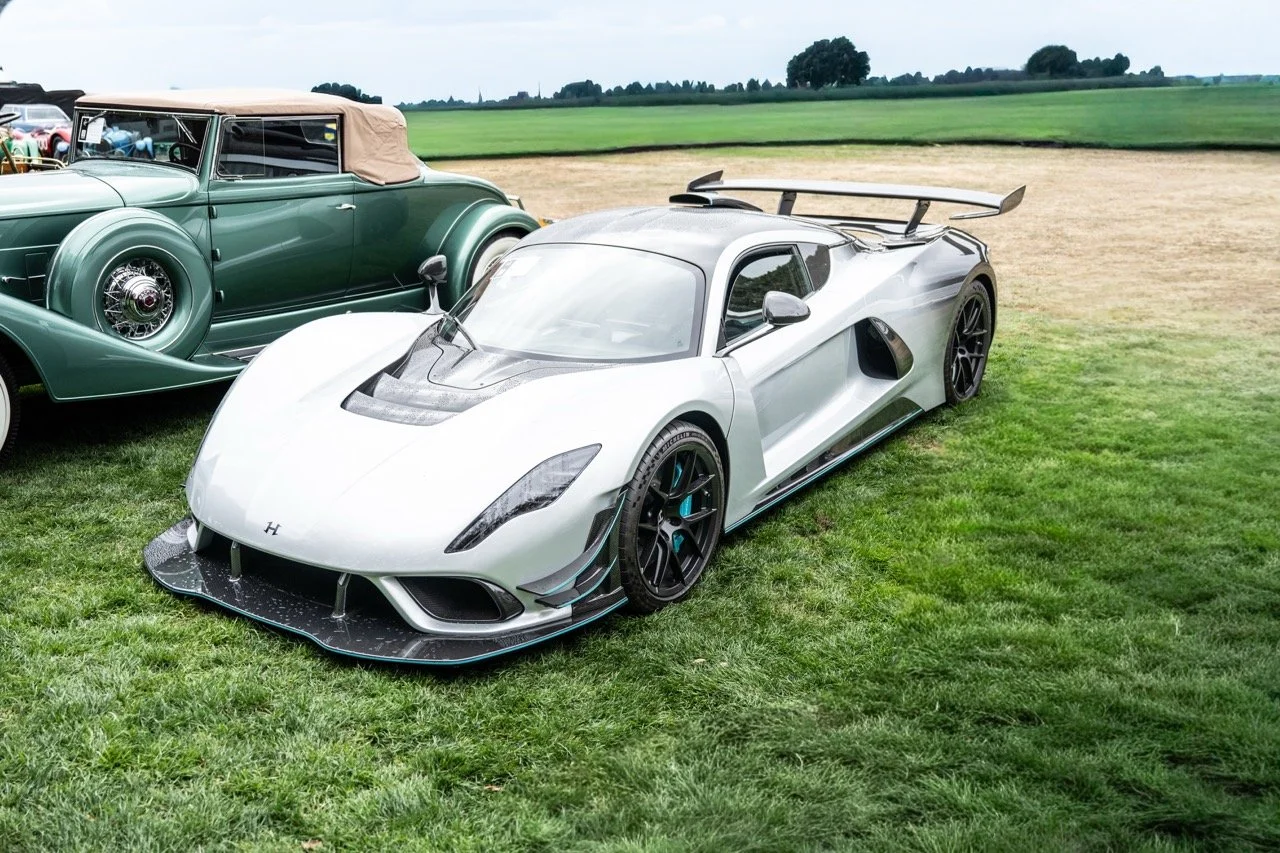
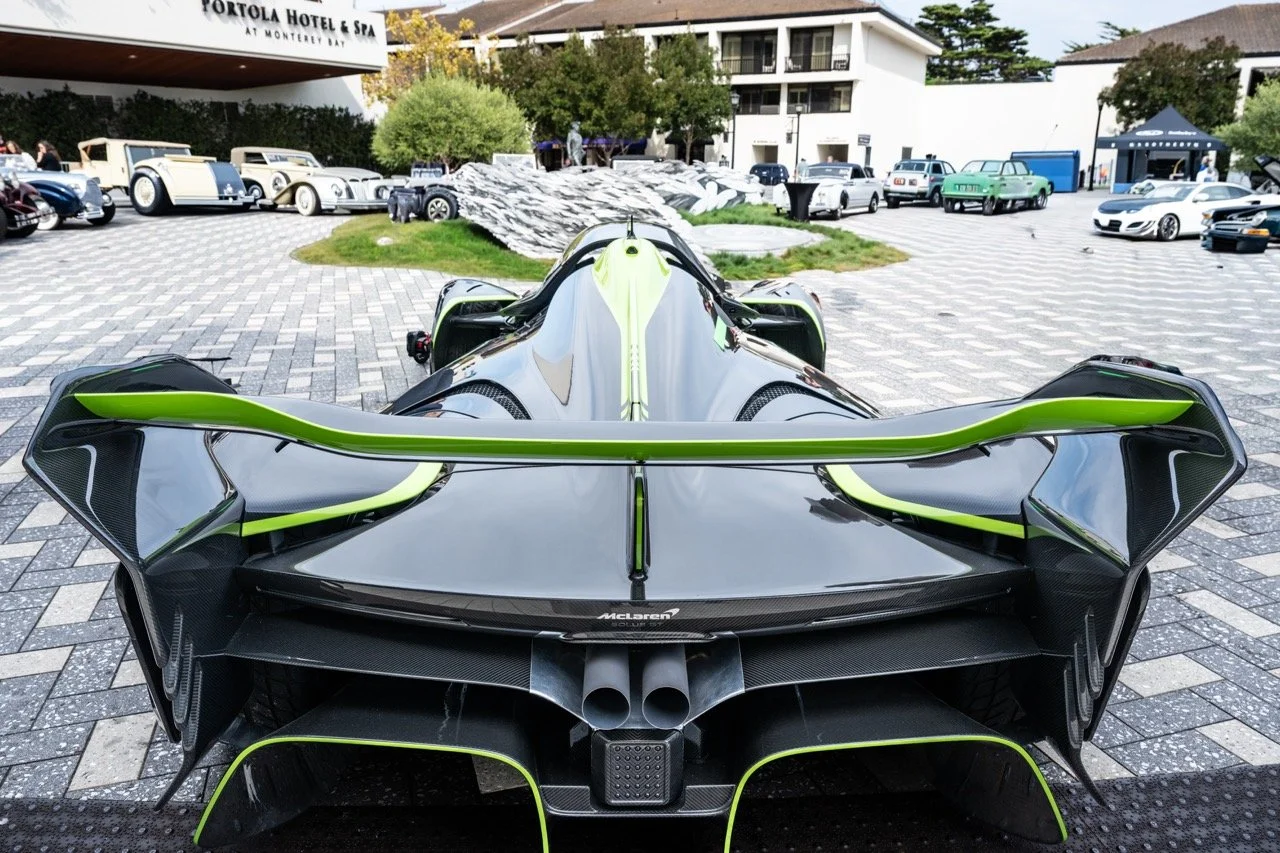
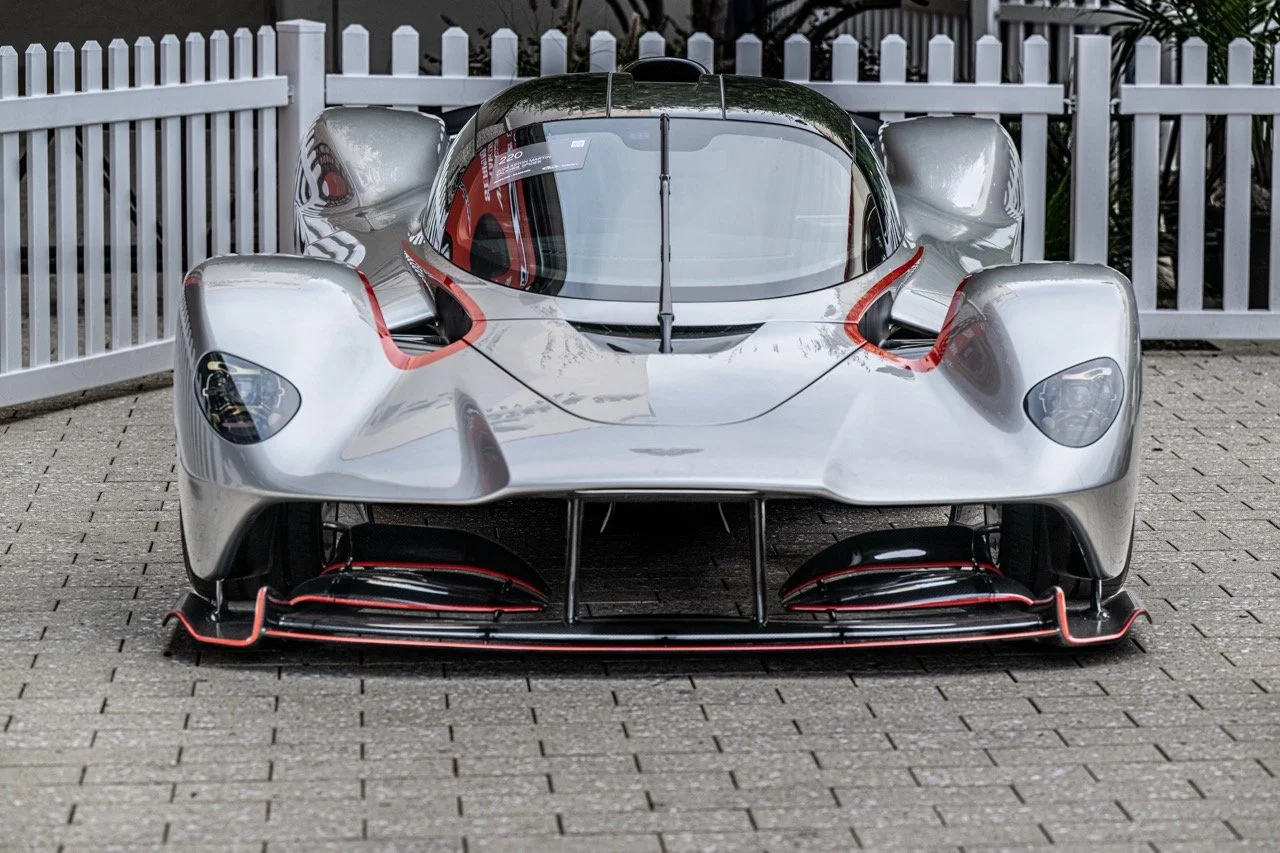
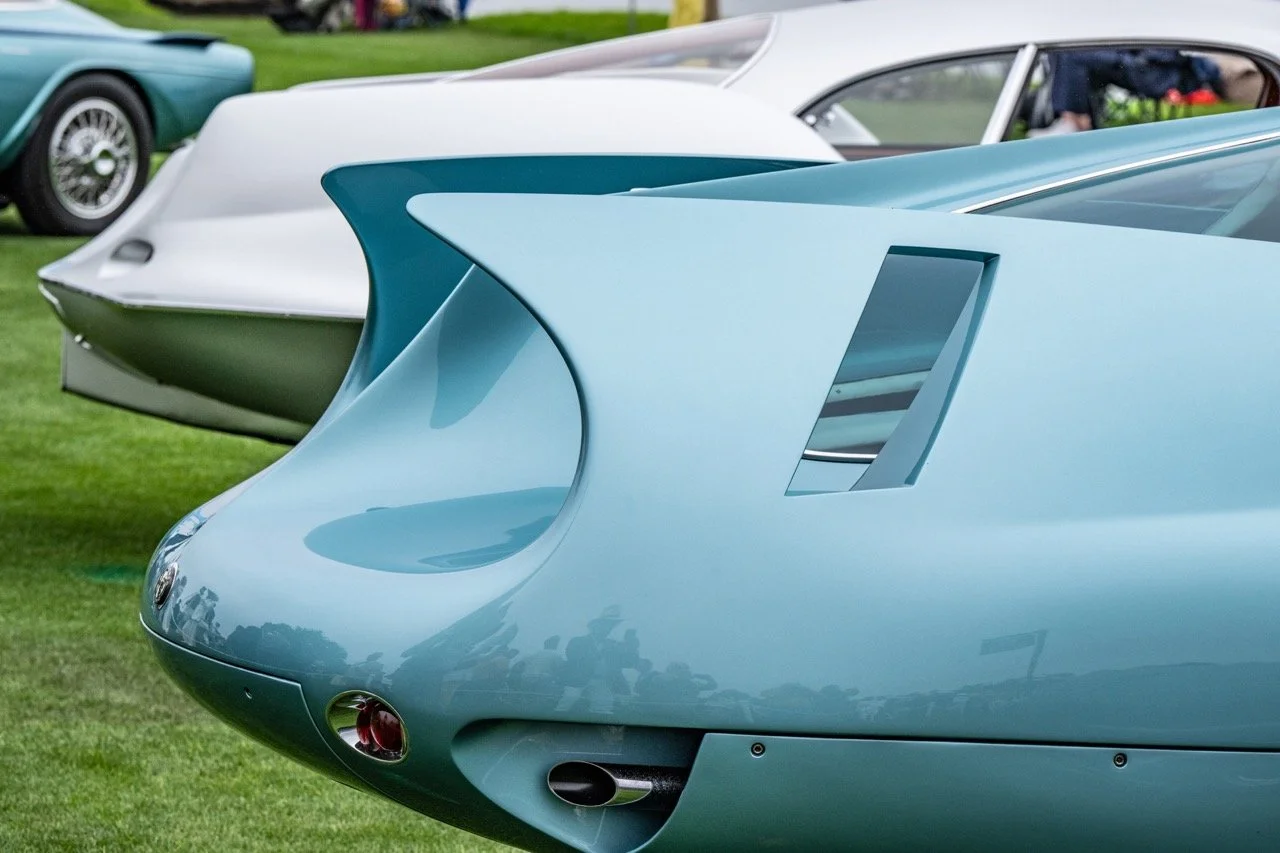
In 2026, the answers ranged from Acura’s NEXERA Vision and BMW’s electric M Concept Neue Klasse to Aston Martin’s V12 Valen and the wonderfully improbable Bugatti Destrier. That juxtaposition is one of Pebble Beach’s quiet masterstrokes.
On one fairway, judges debate the correctness of a fitting installed in 1935. Nearby, designers are showing cars containing ideas that may not reach production until the next decade, if they reach production at all.
Some concepts will become influential. Others will become footnotes. A few will make you wonder whether someone left the design studio unsupervised. That’s the point. Pebble Beach isn’t simply preserving automotive history. Every August, it also gives the future a parking space.
FORE!!!ZA FERRARI
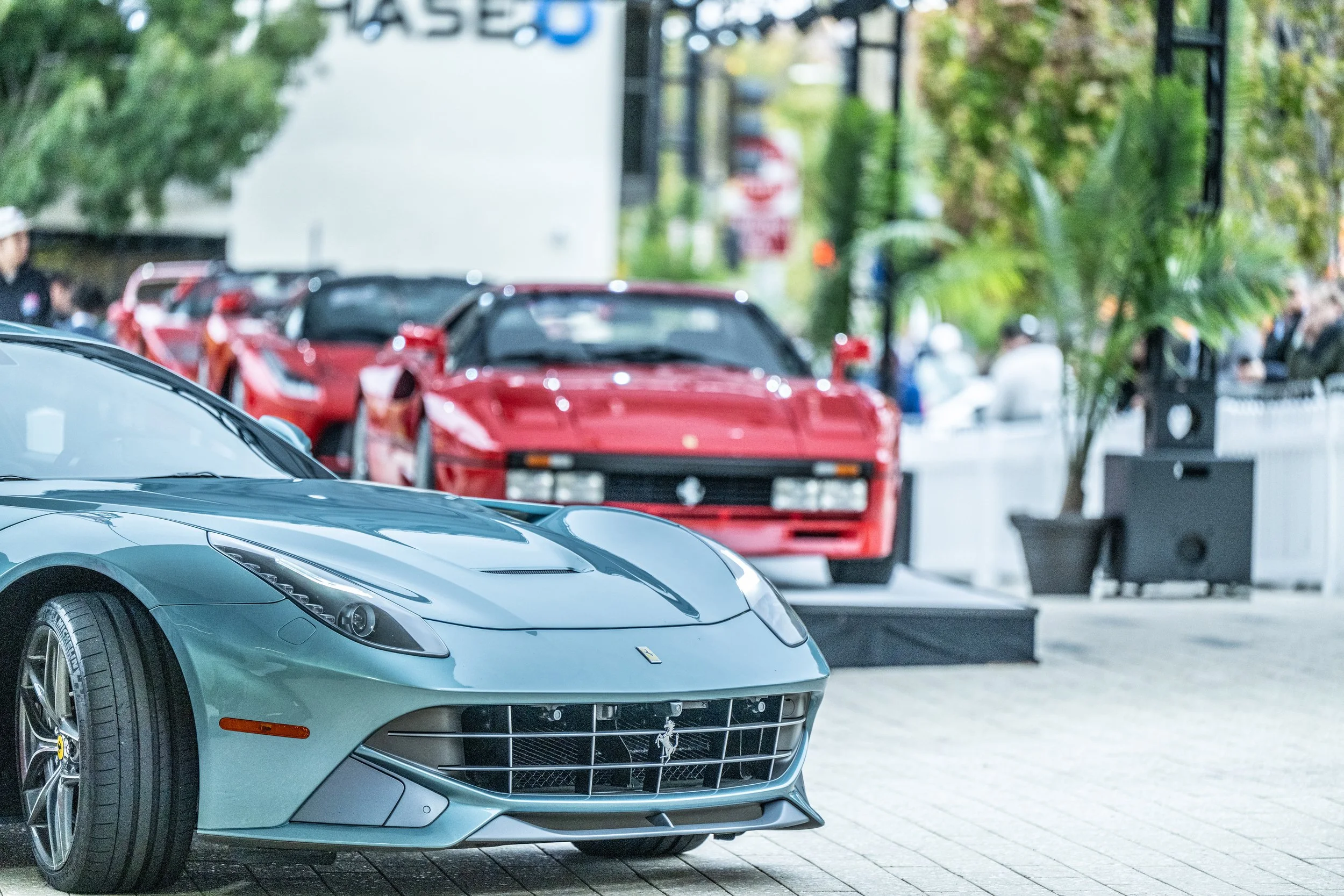
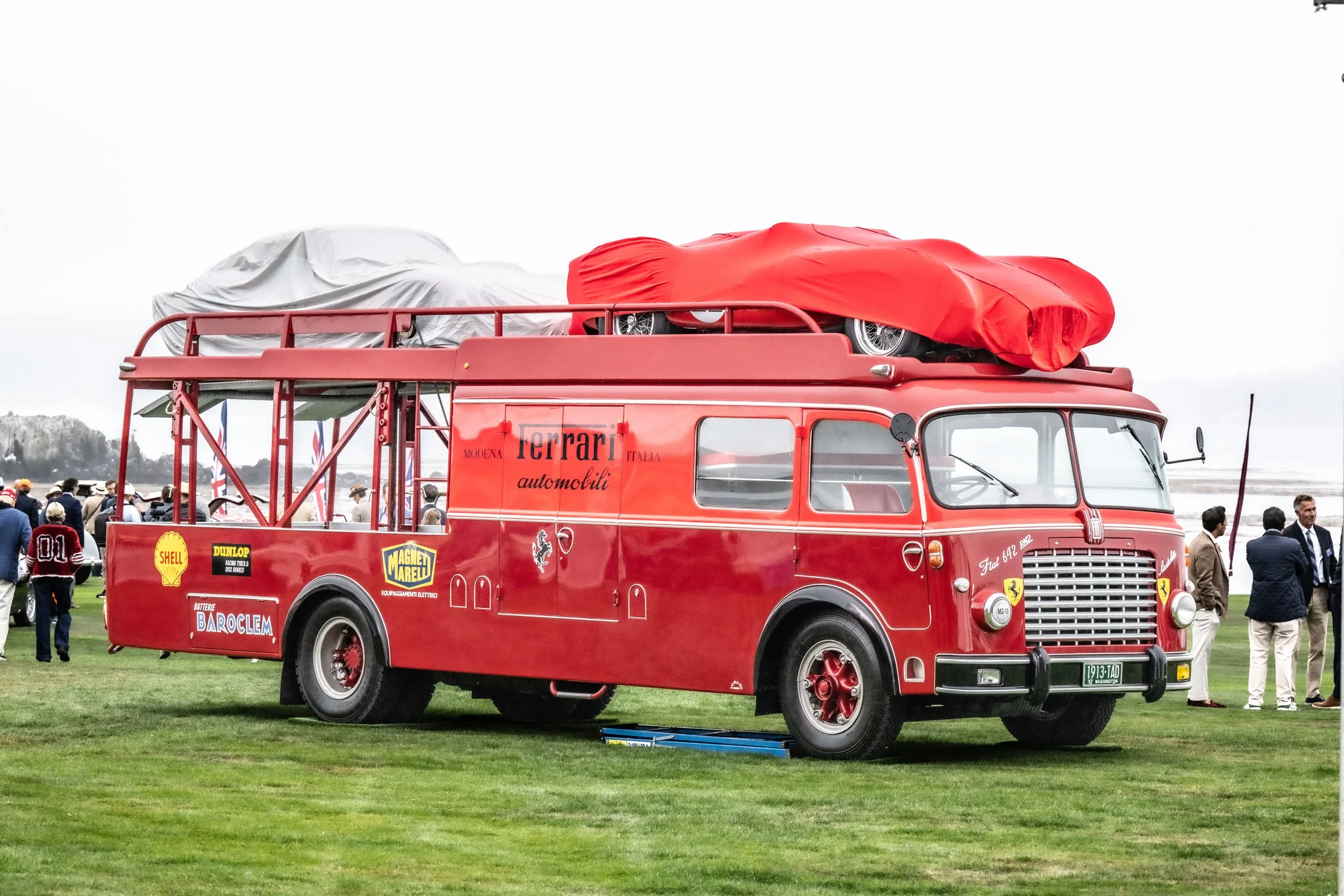
Ferrari doesn’t exactly arrive quietly anywhere. Each year at Pebble Beach, it occupies the First Fairway.
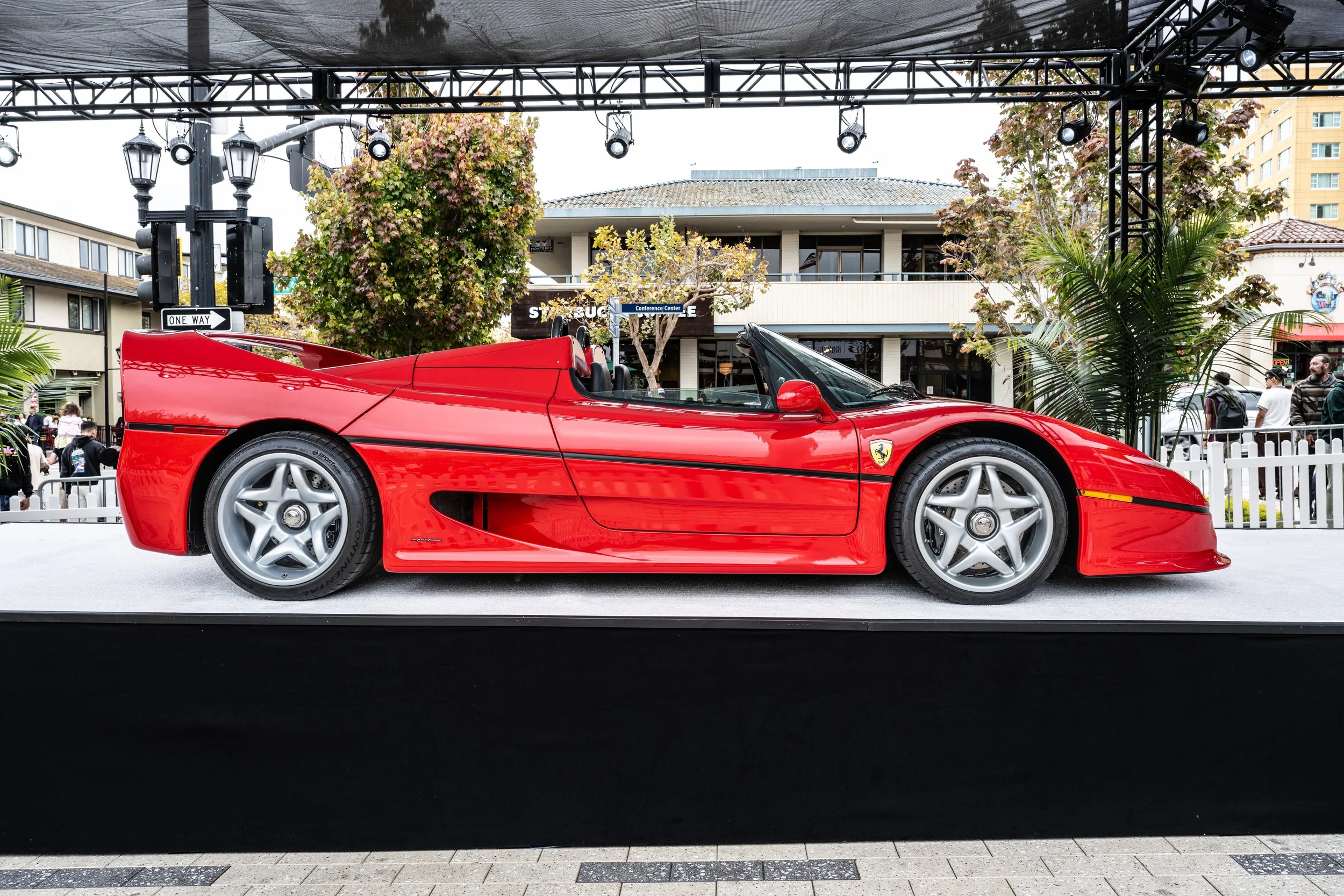
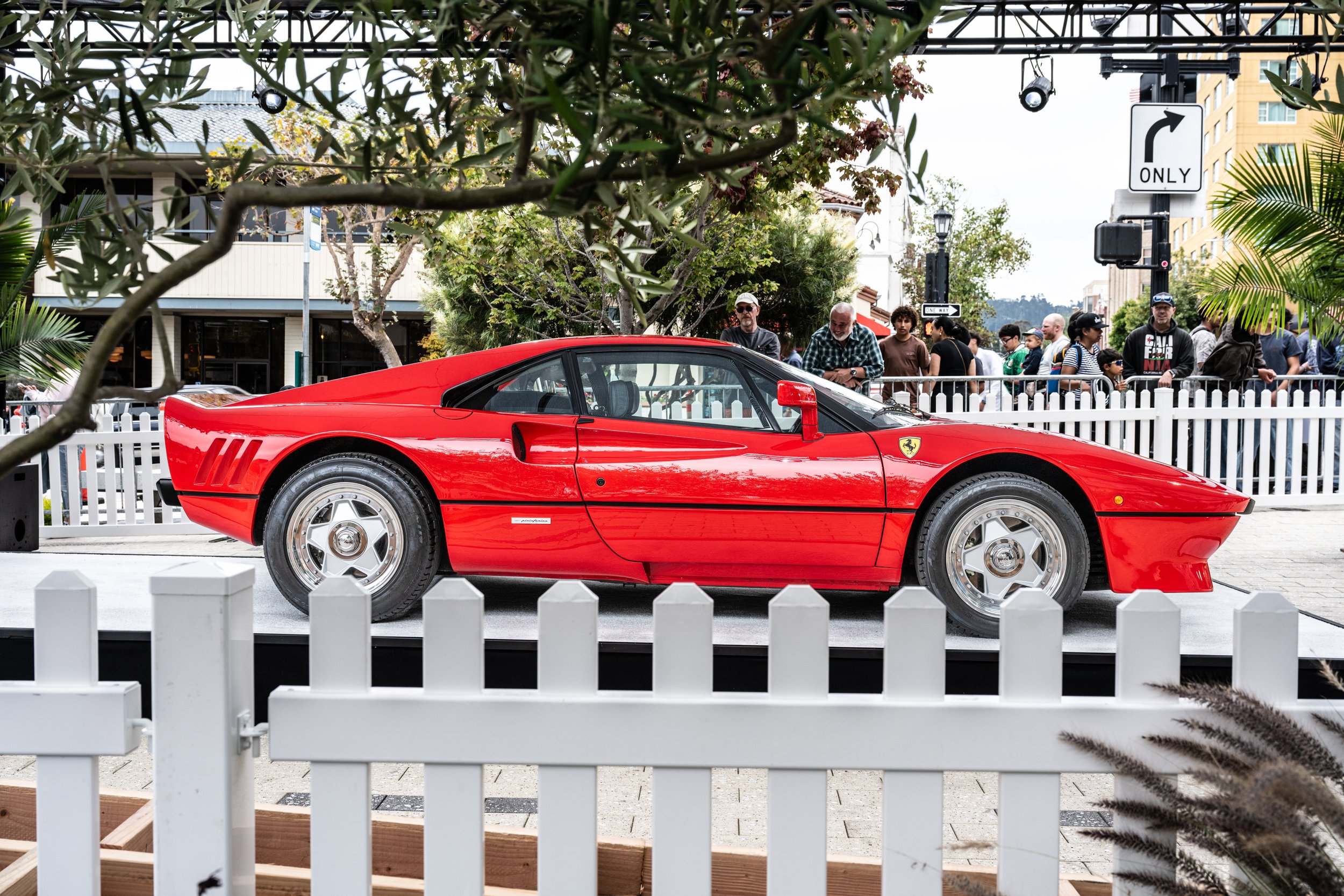
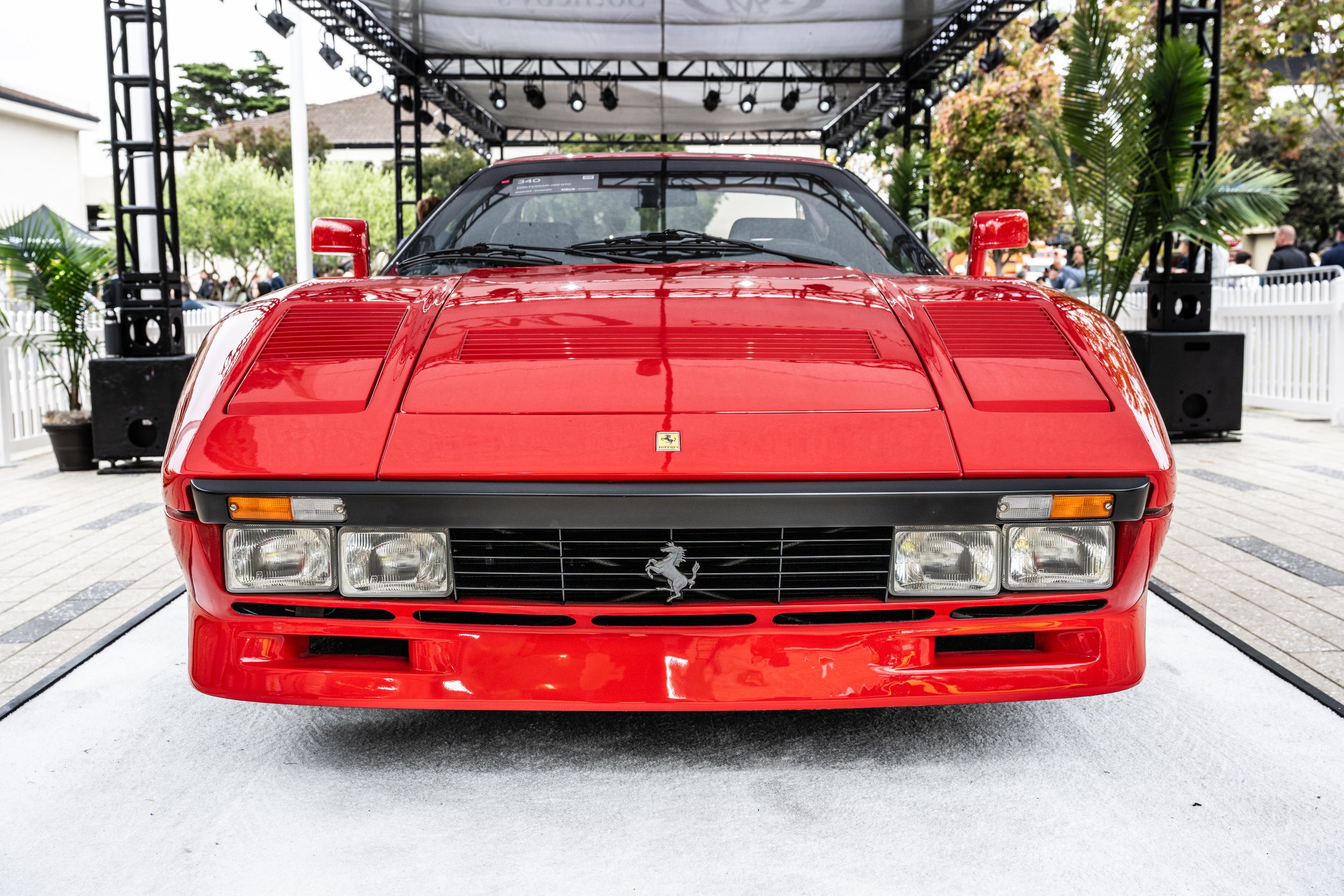
The 2026 Concorso Ferrari assembled more than seven decades of Maranello history, from the 166 MM that helped introduce Ferrari to America through the 250 GTO, F50 and contemporary F80, alongside modern sports cars and rare one-off creations.
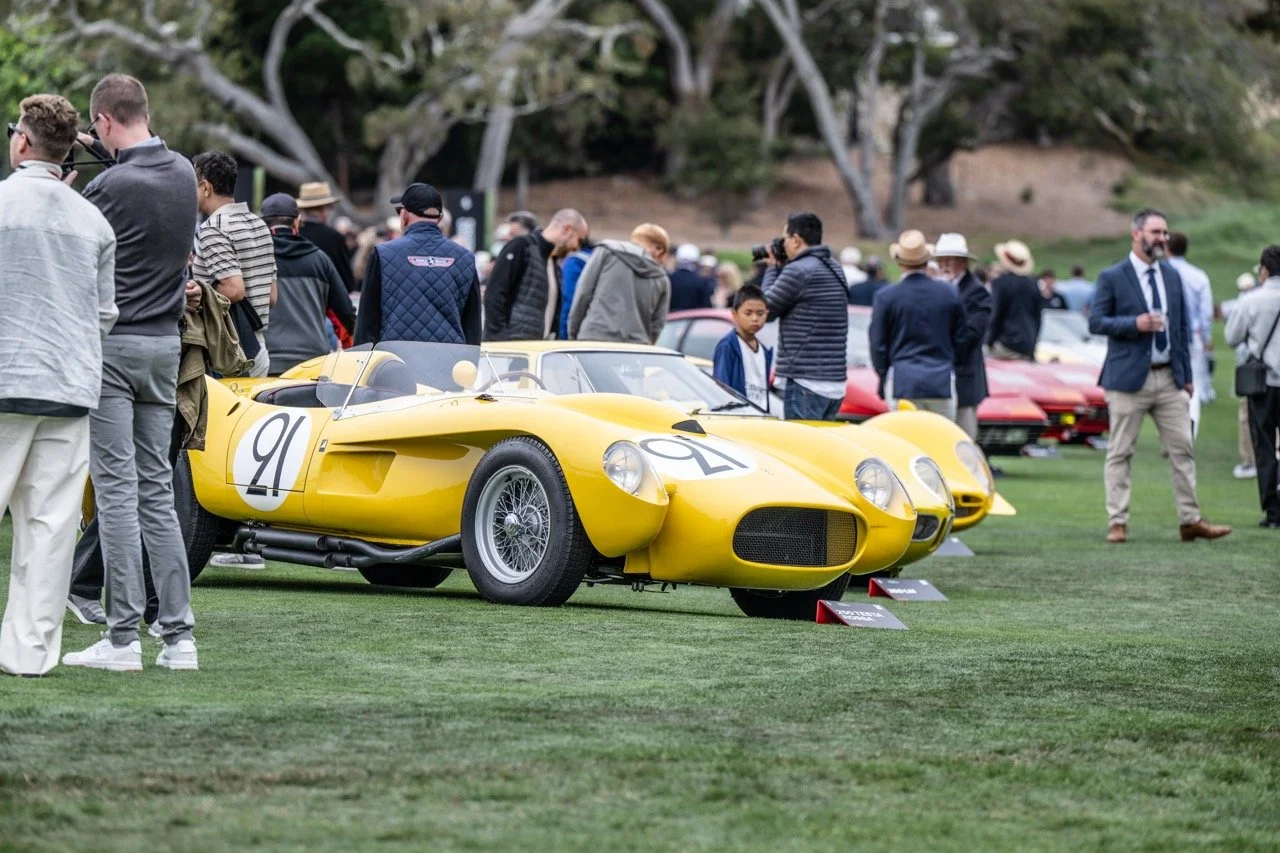
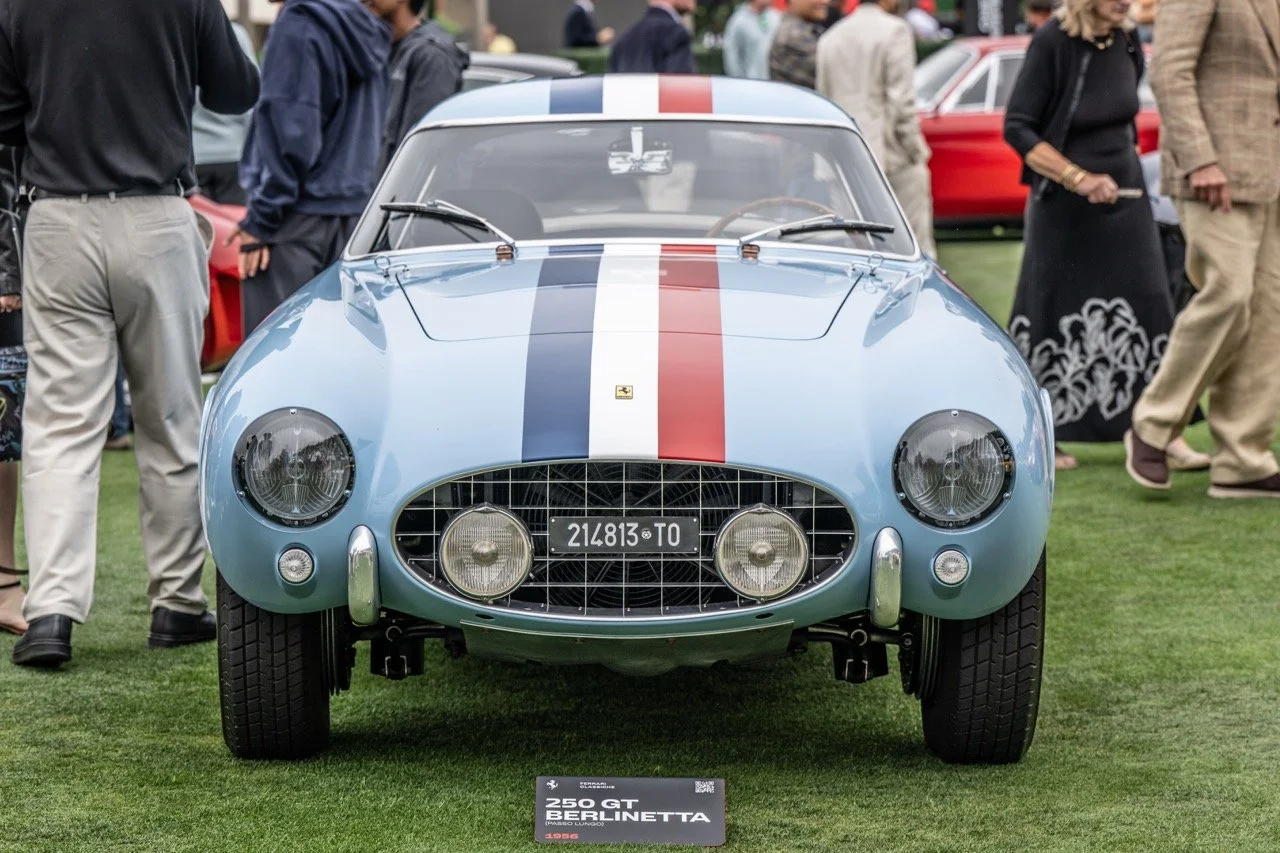
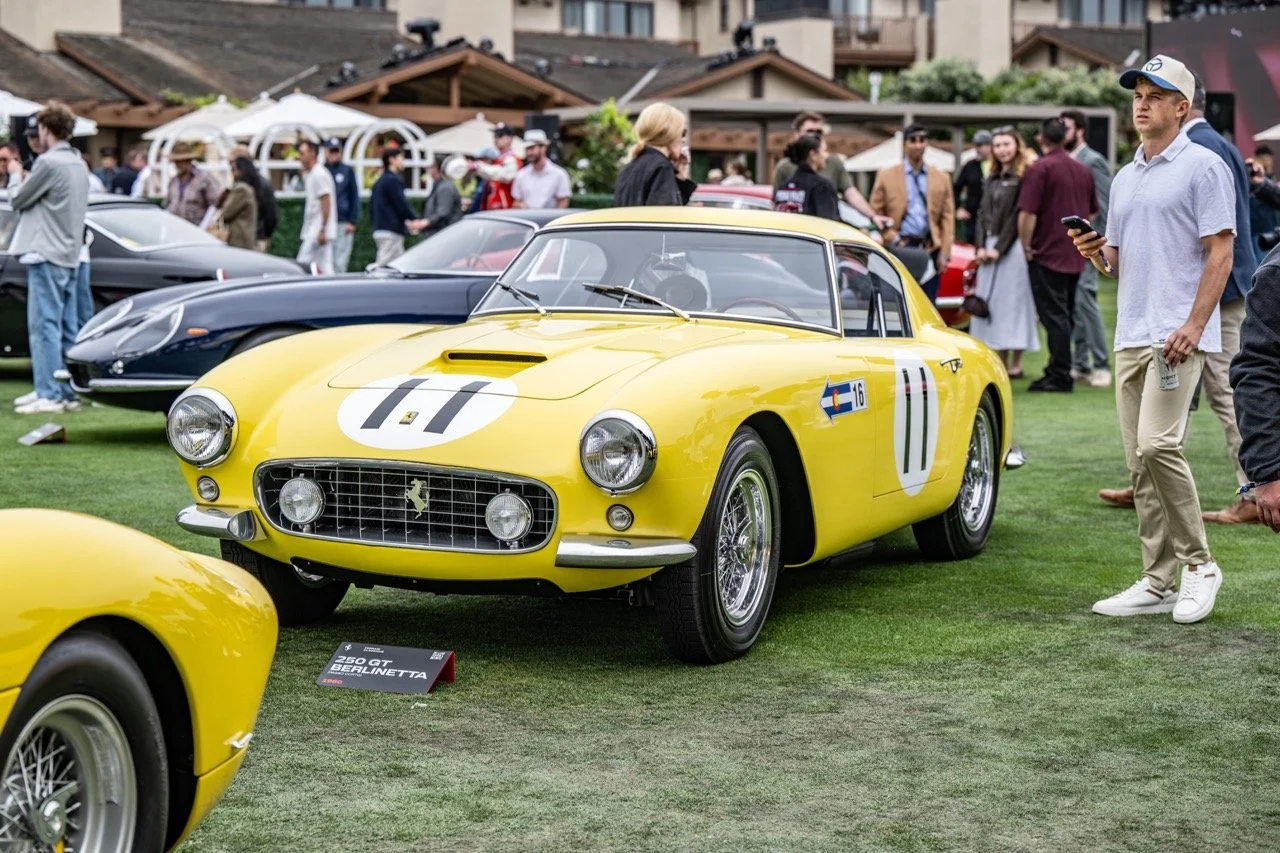
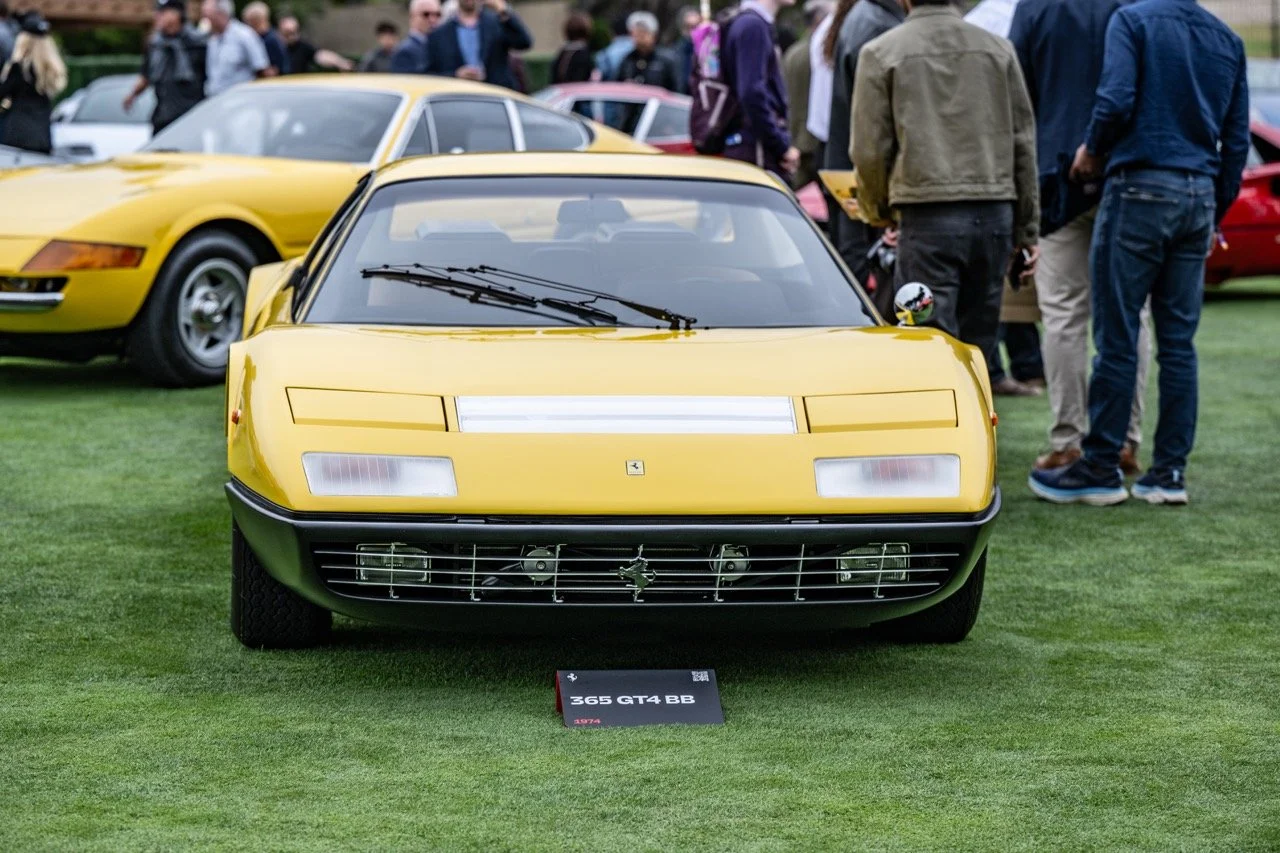
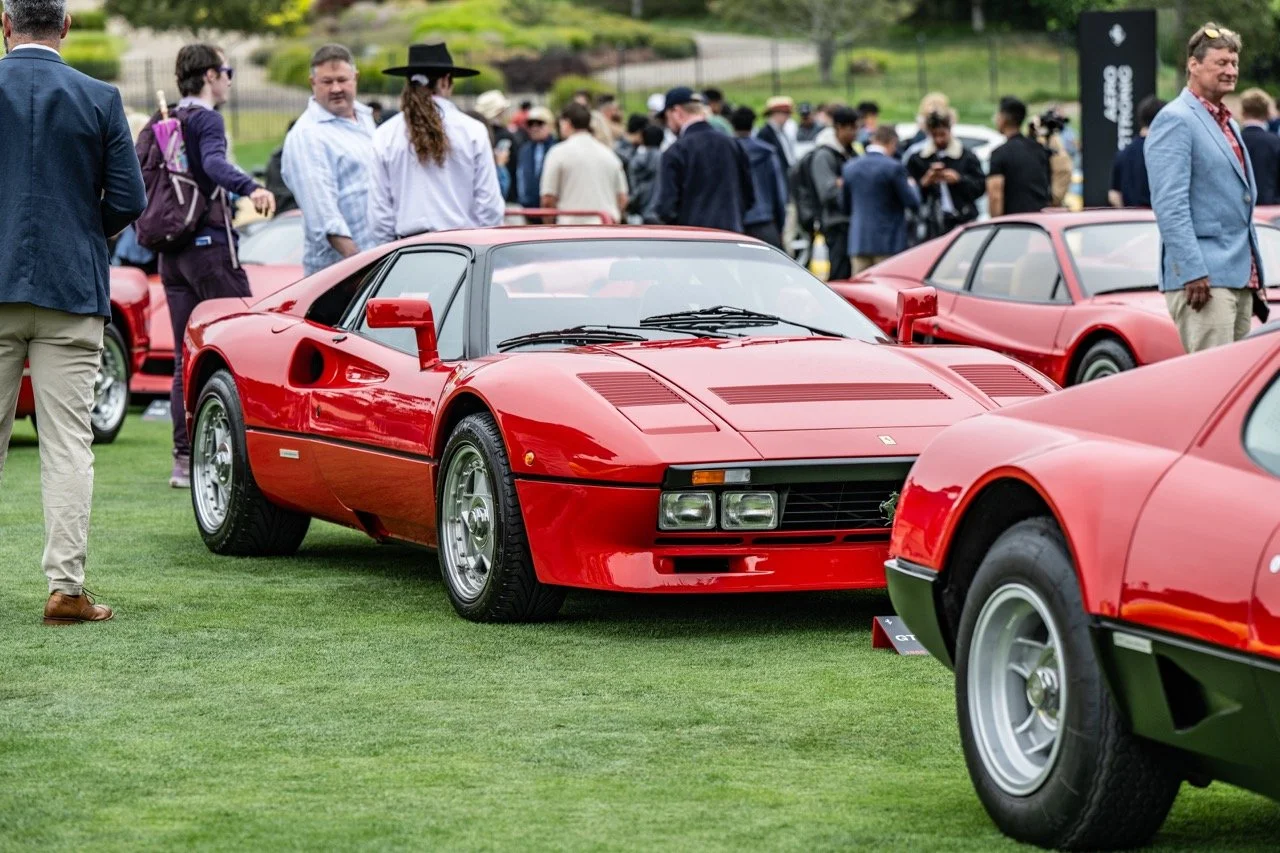
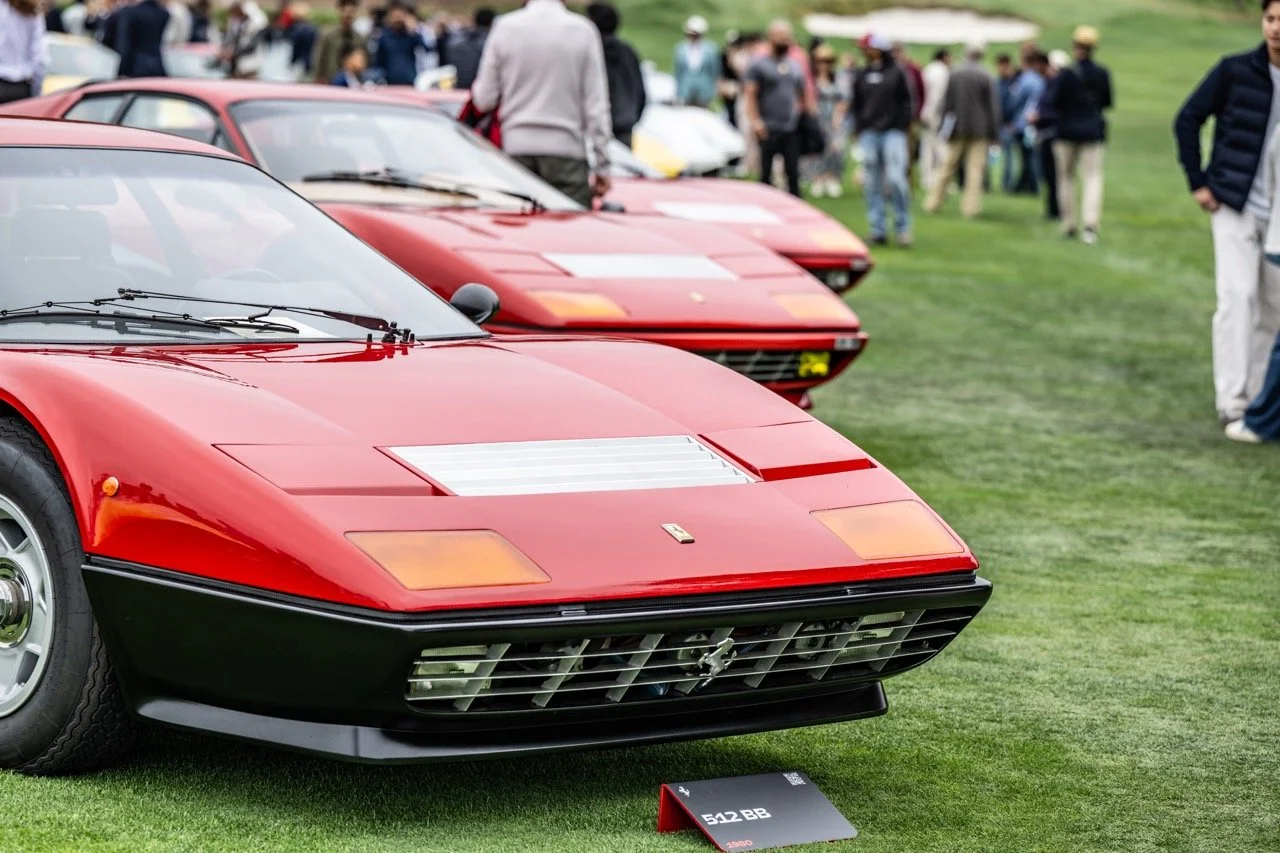
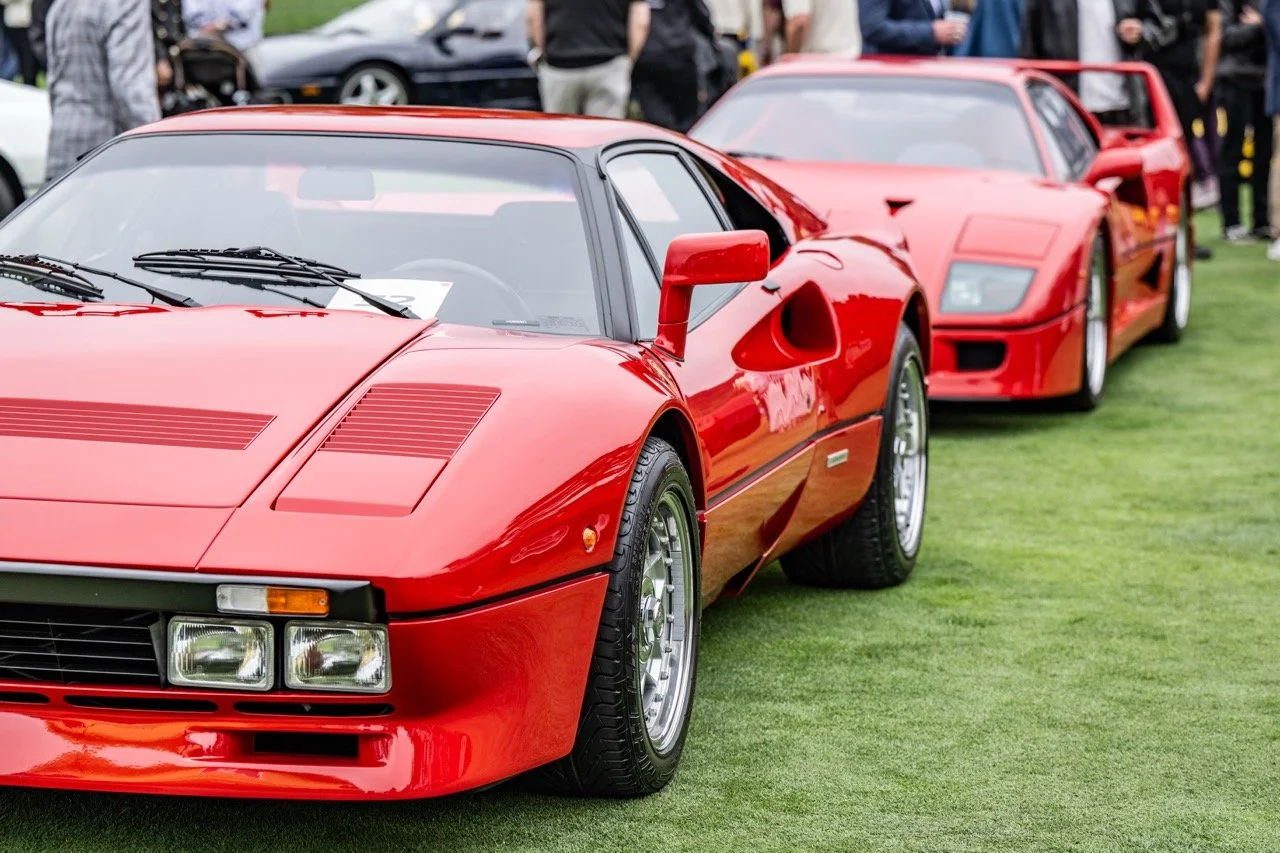
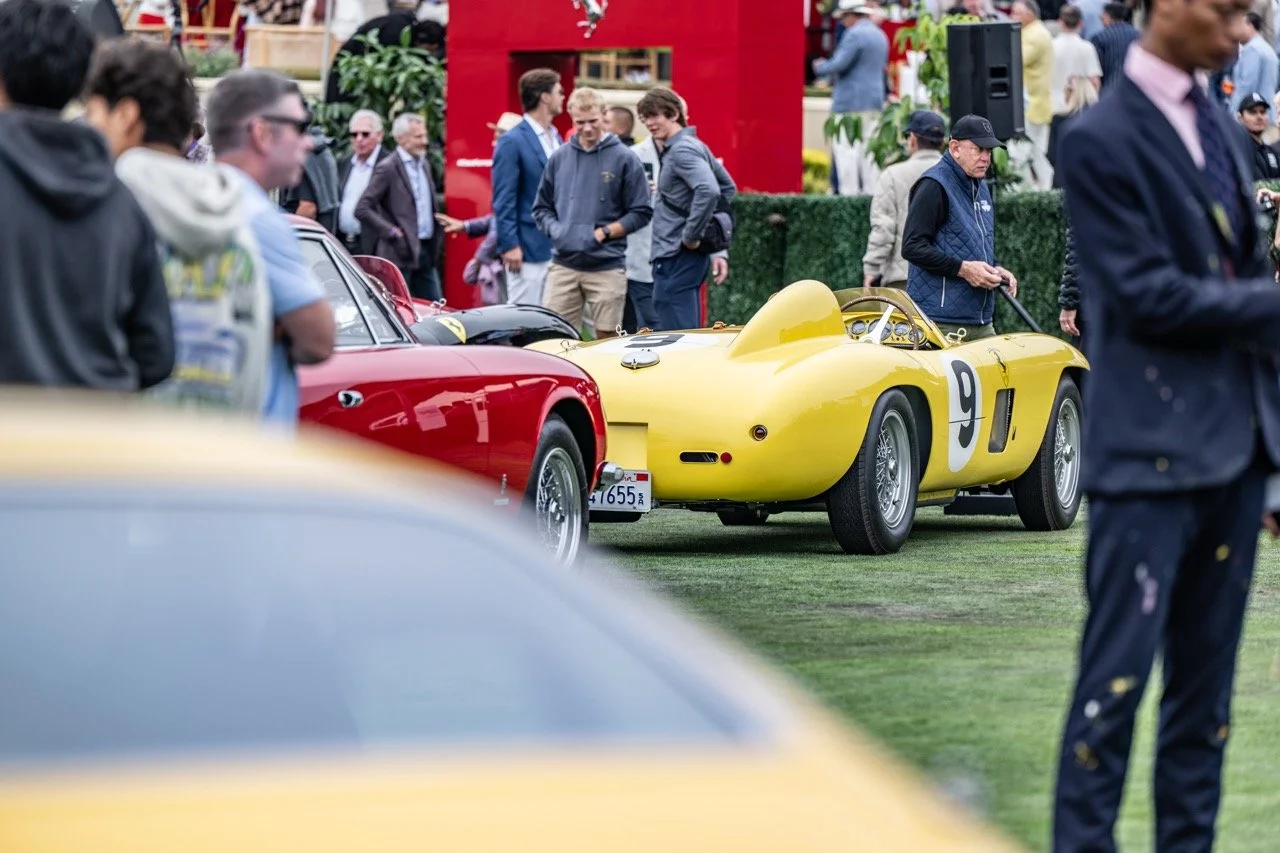
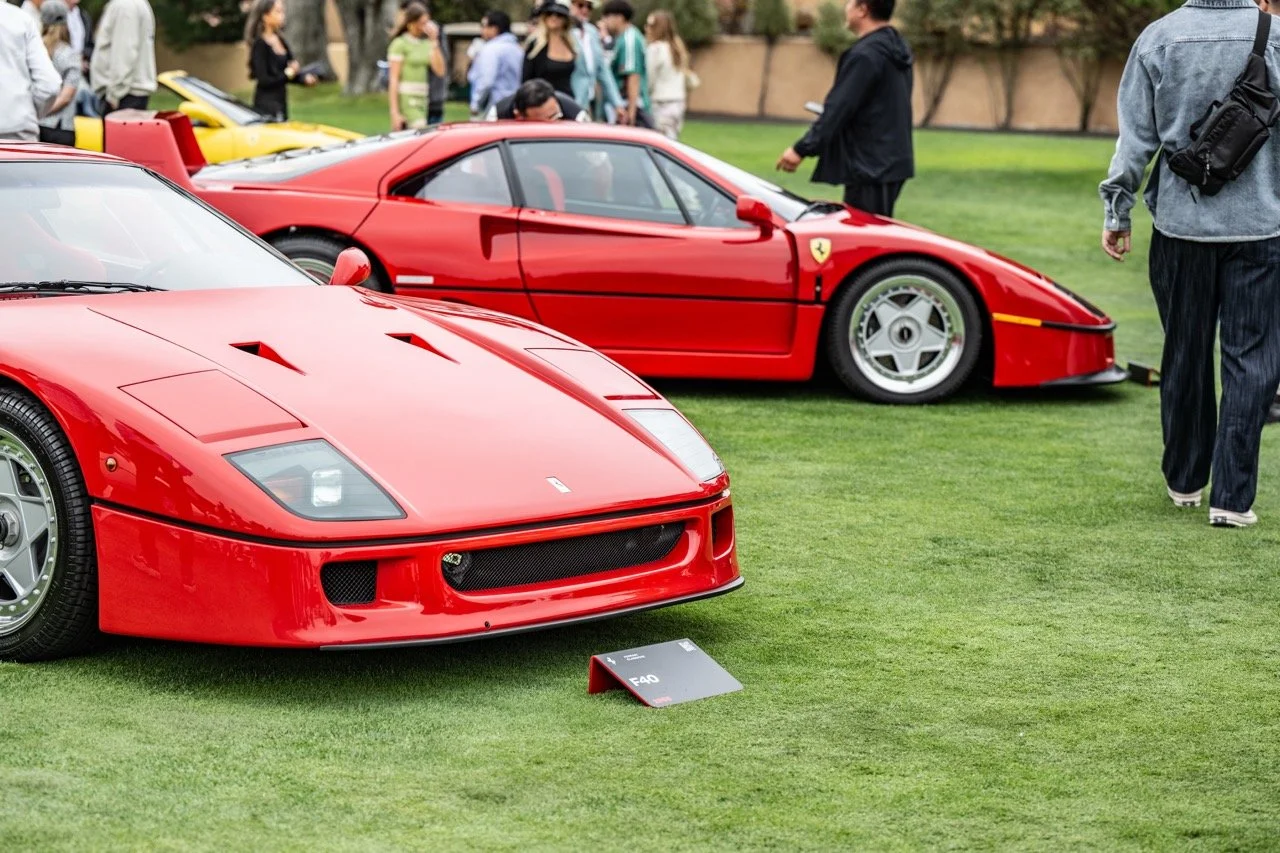
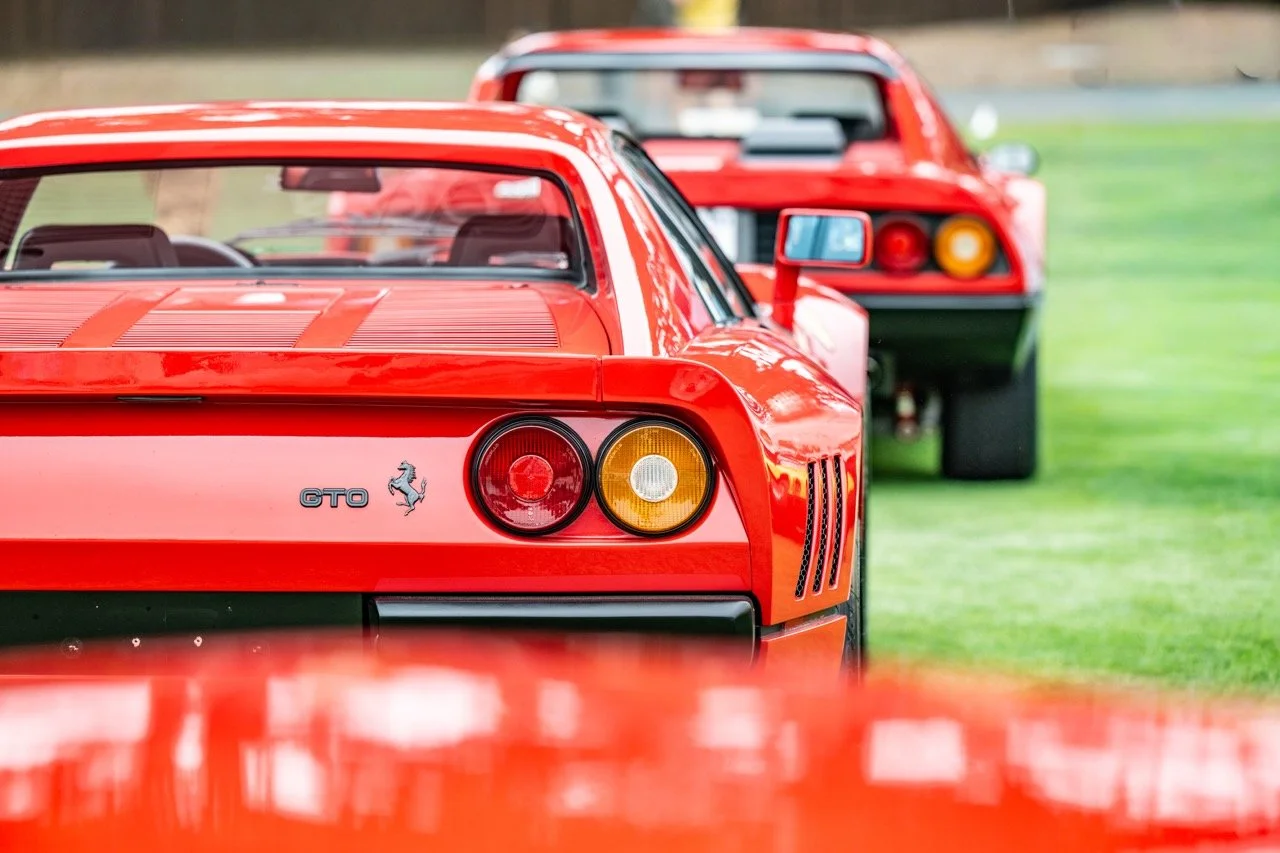
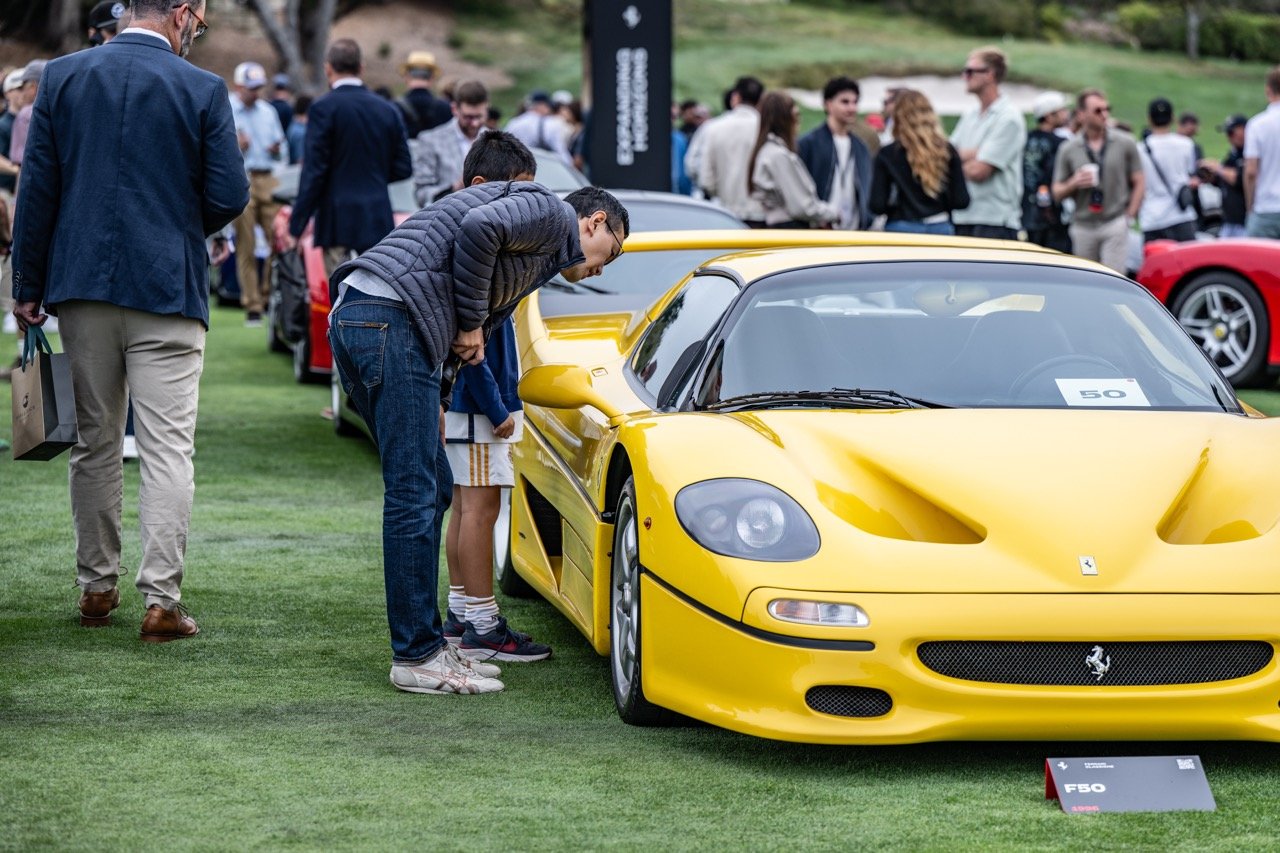
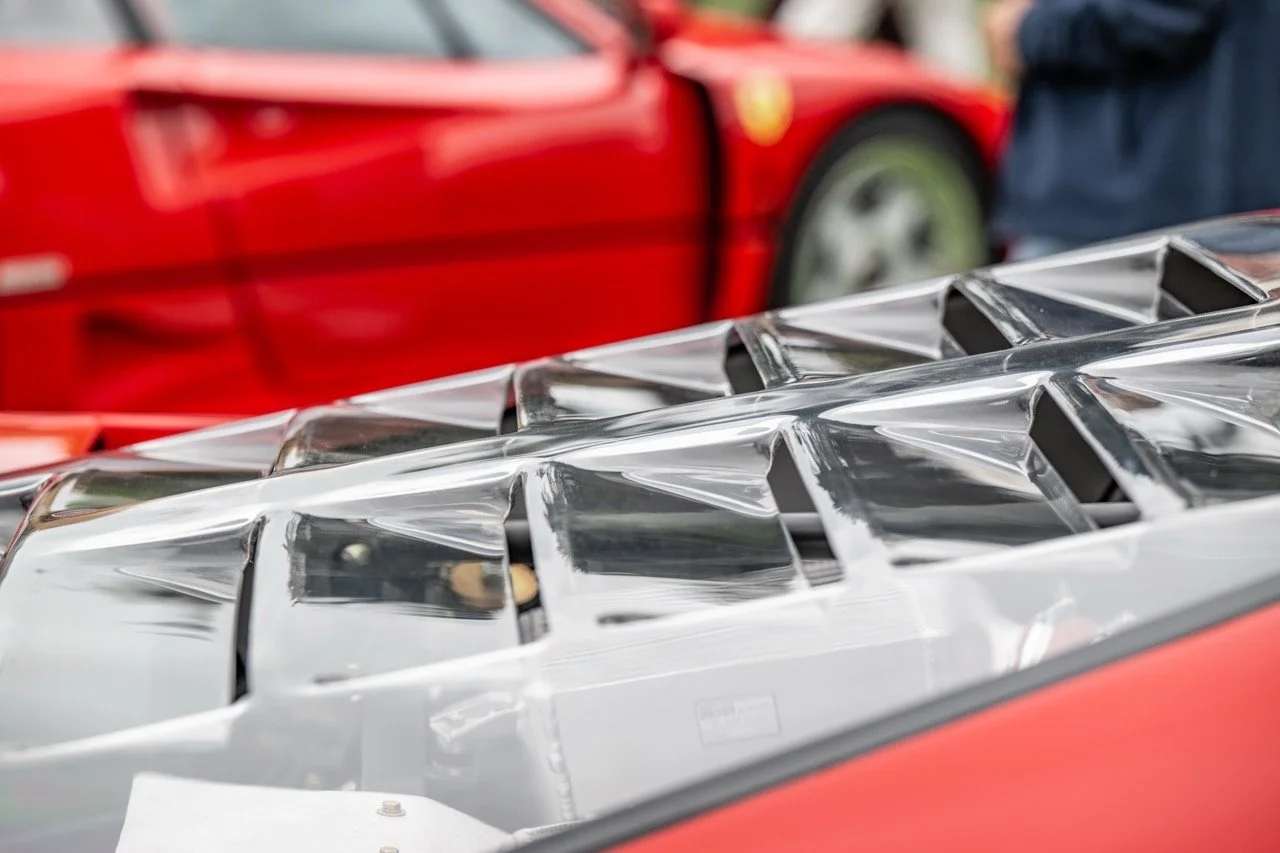
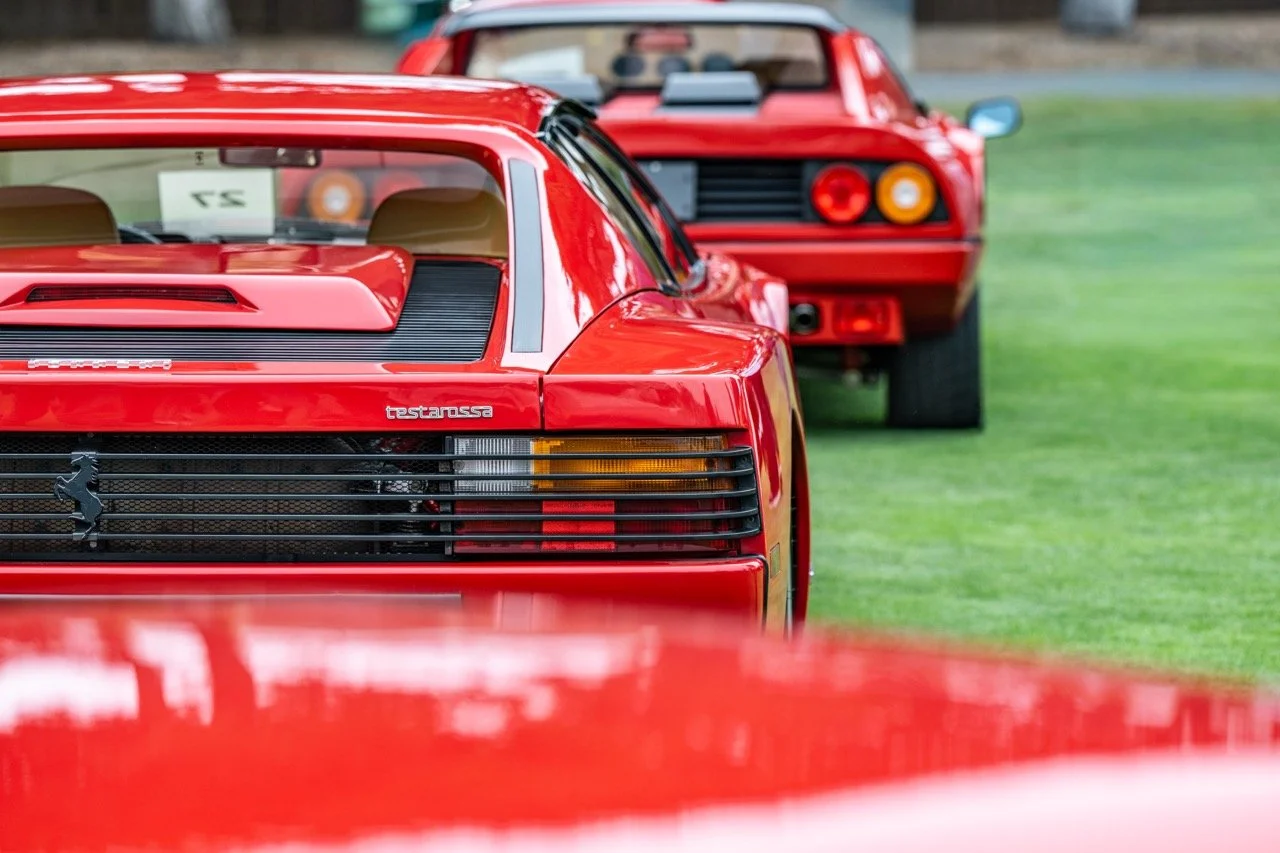
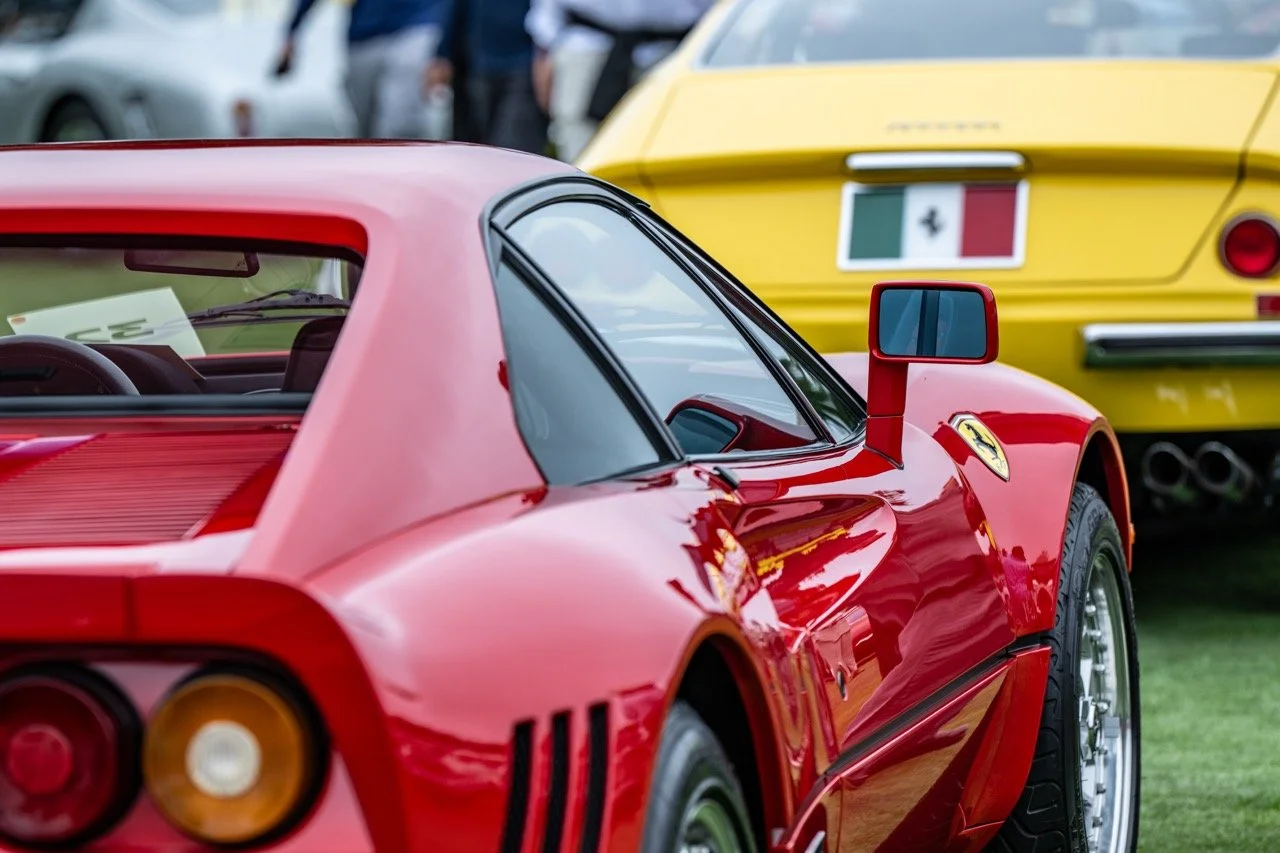
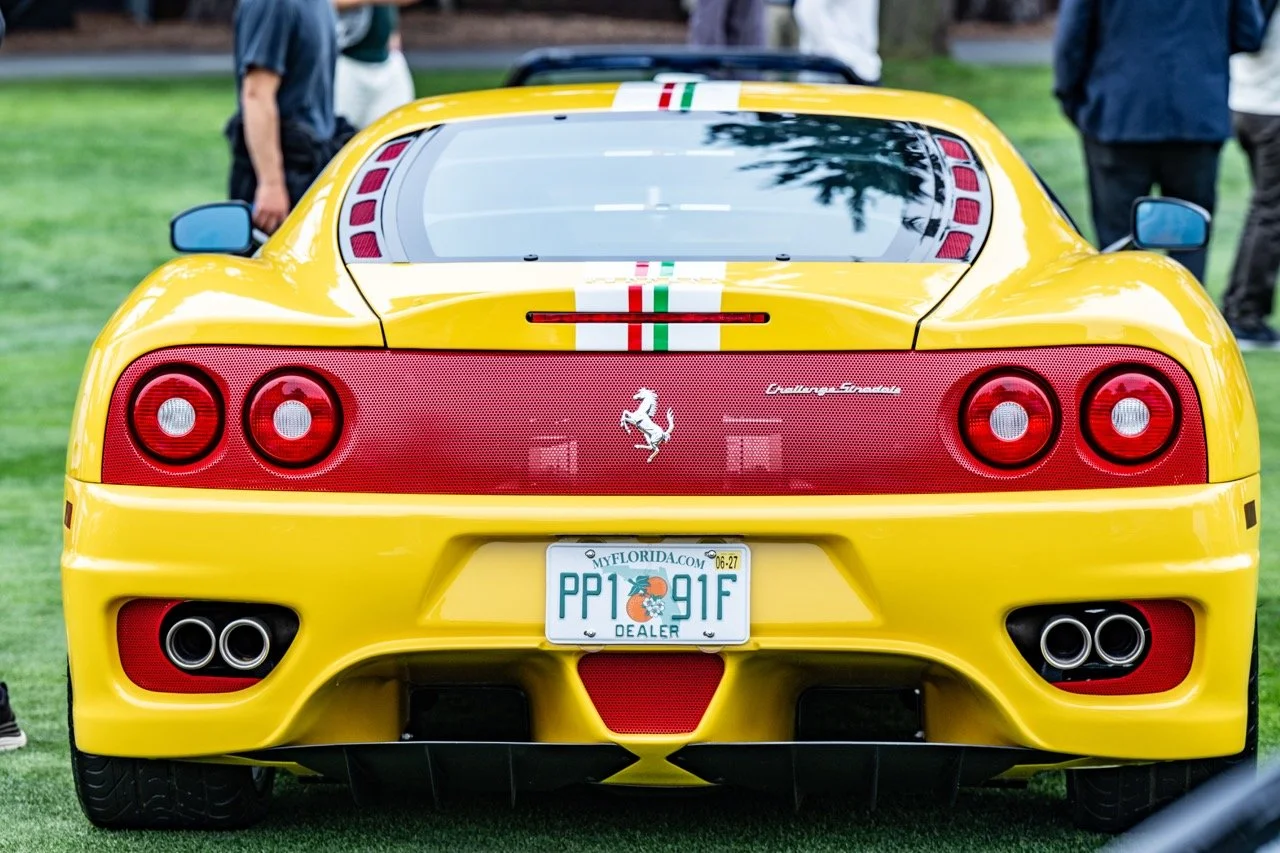
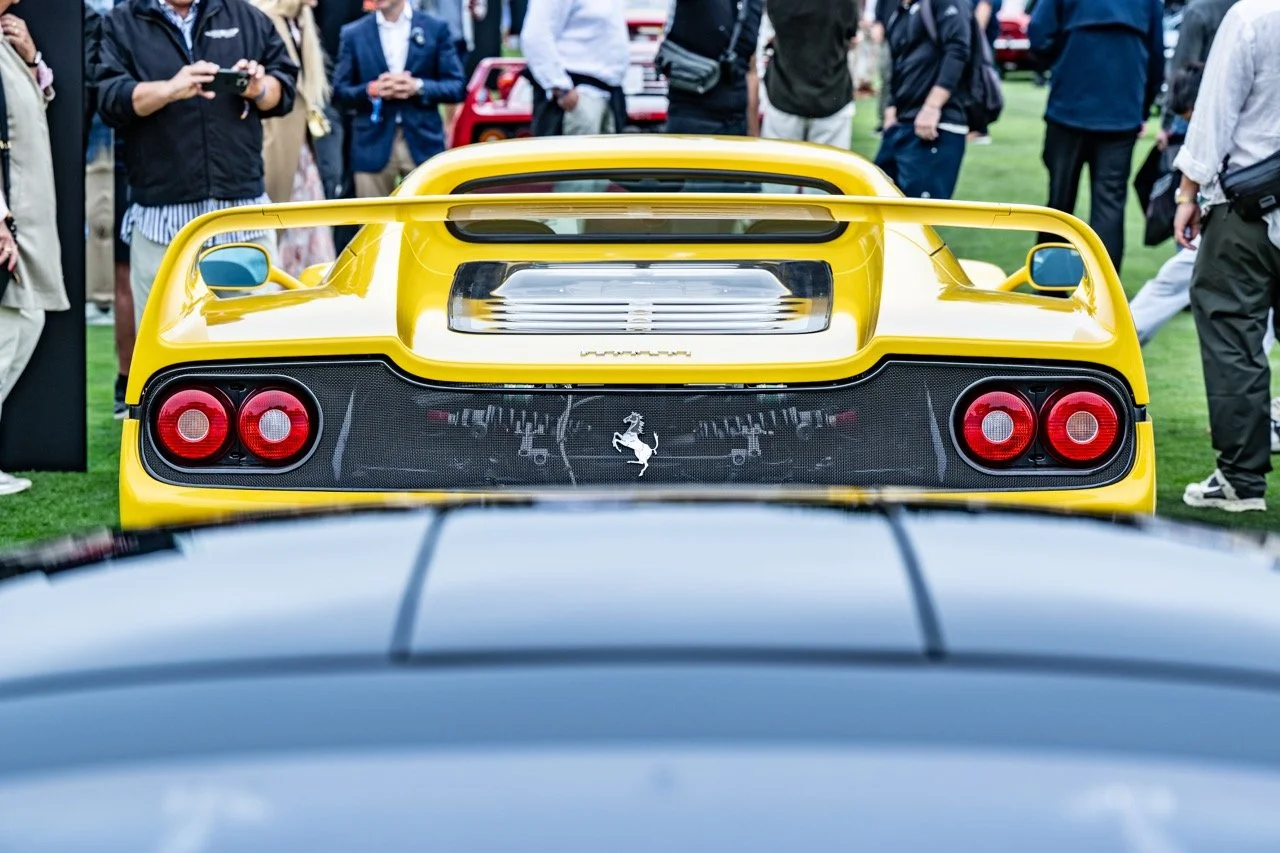
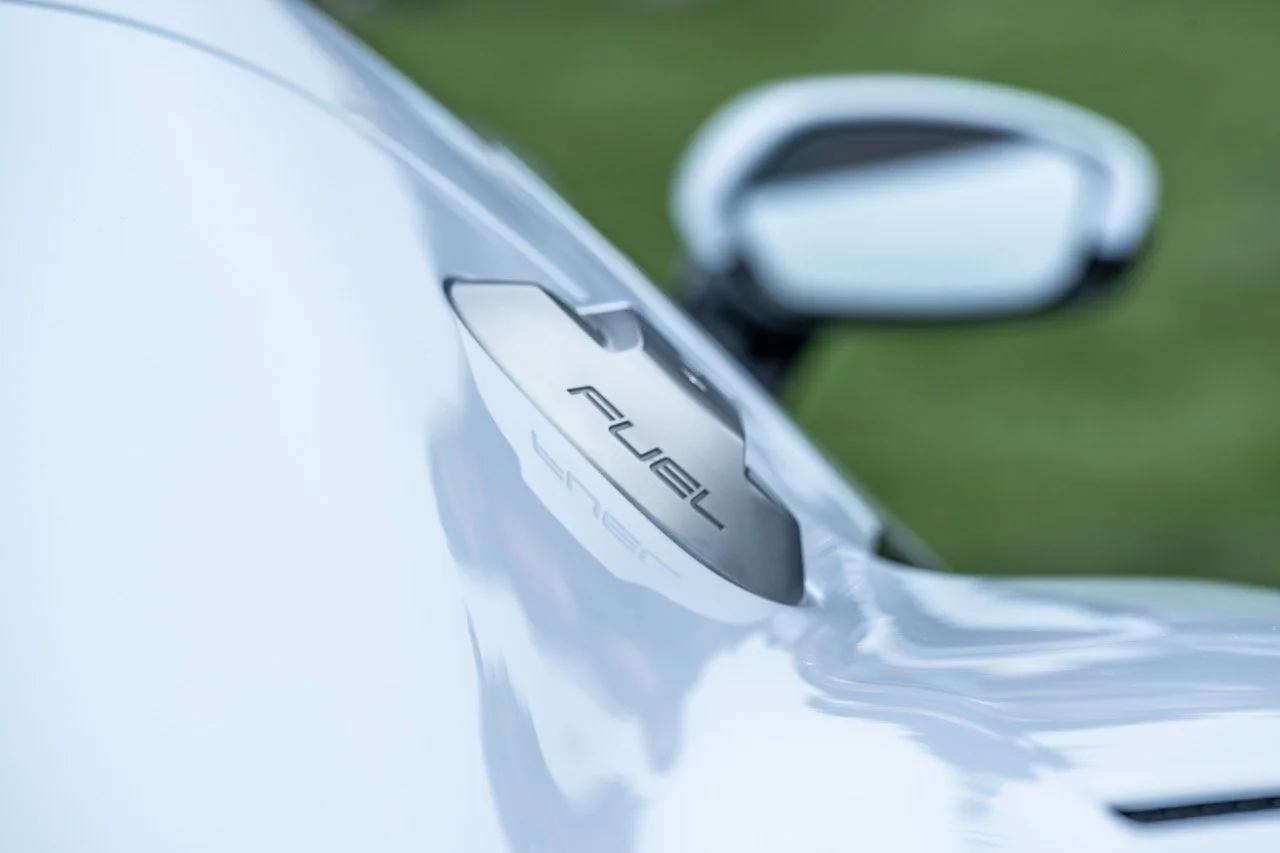
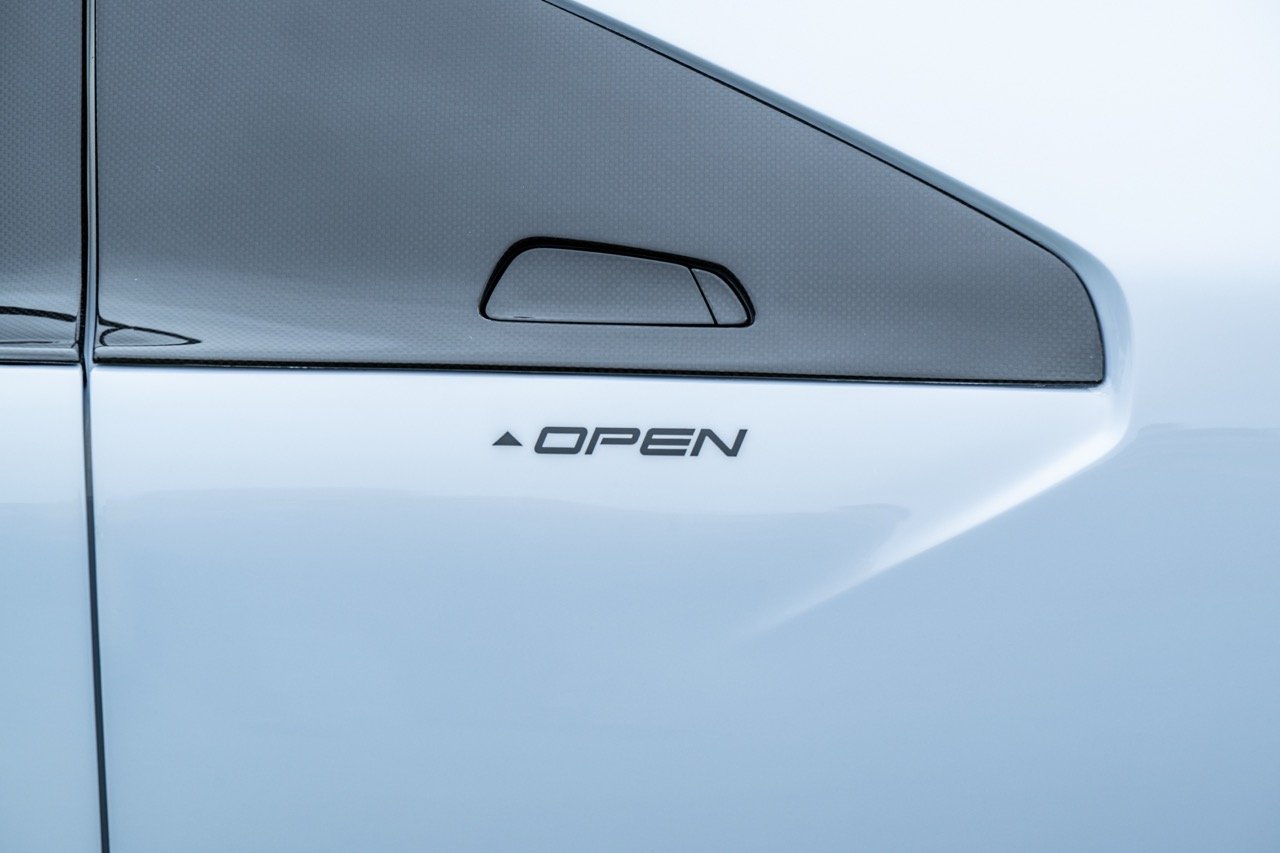
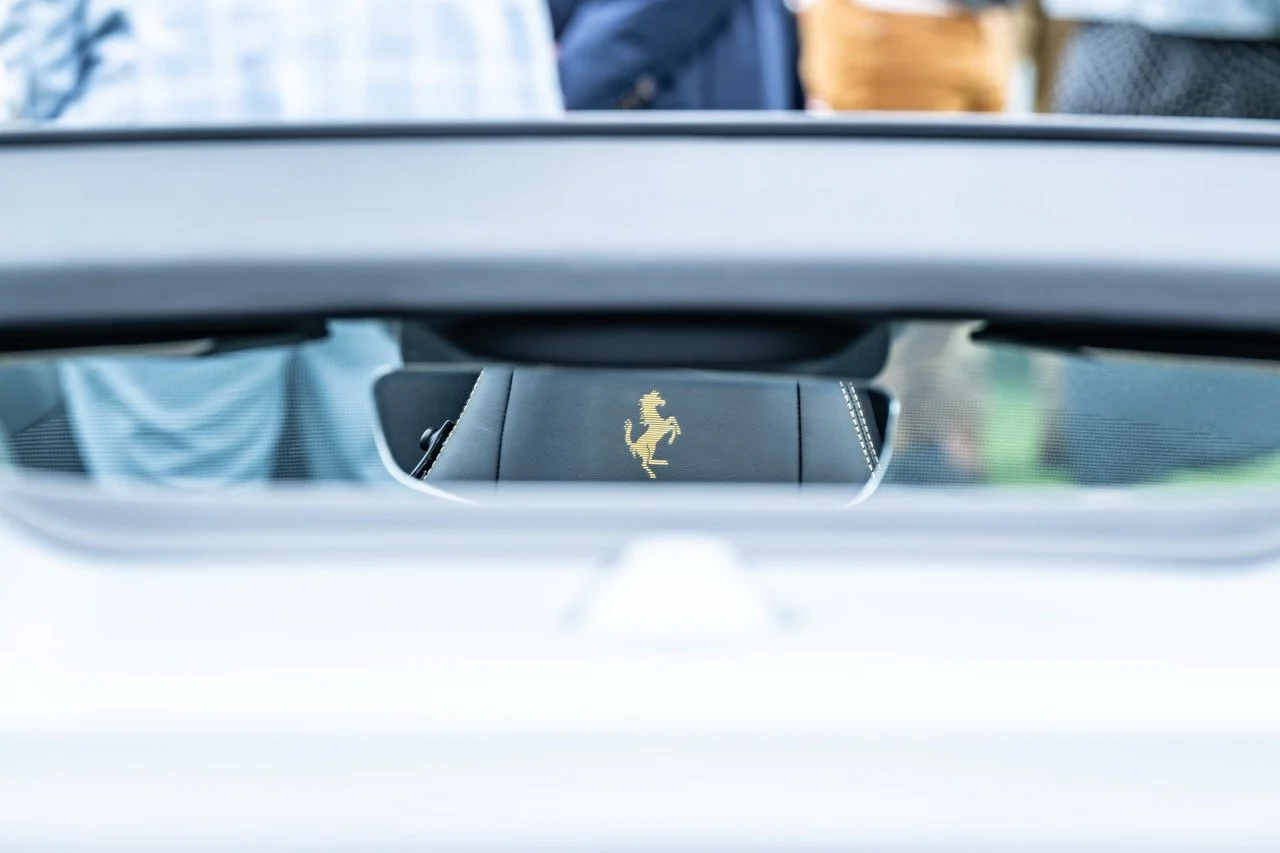
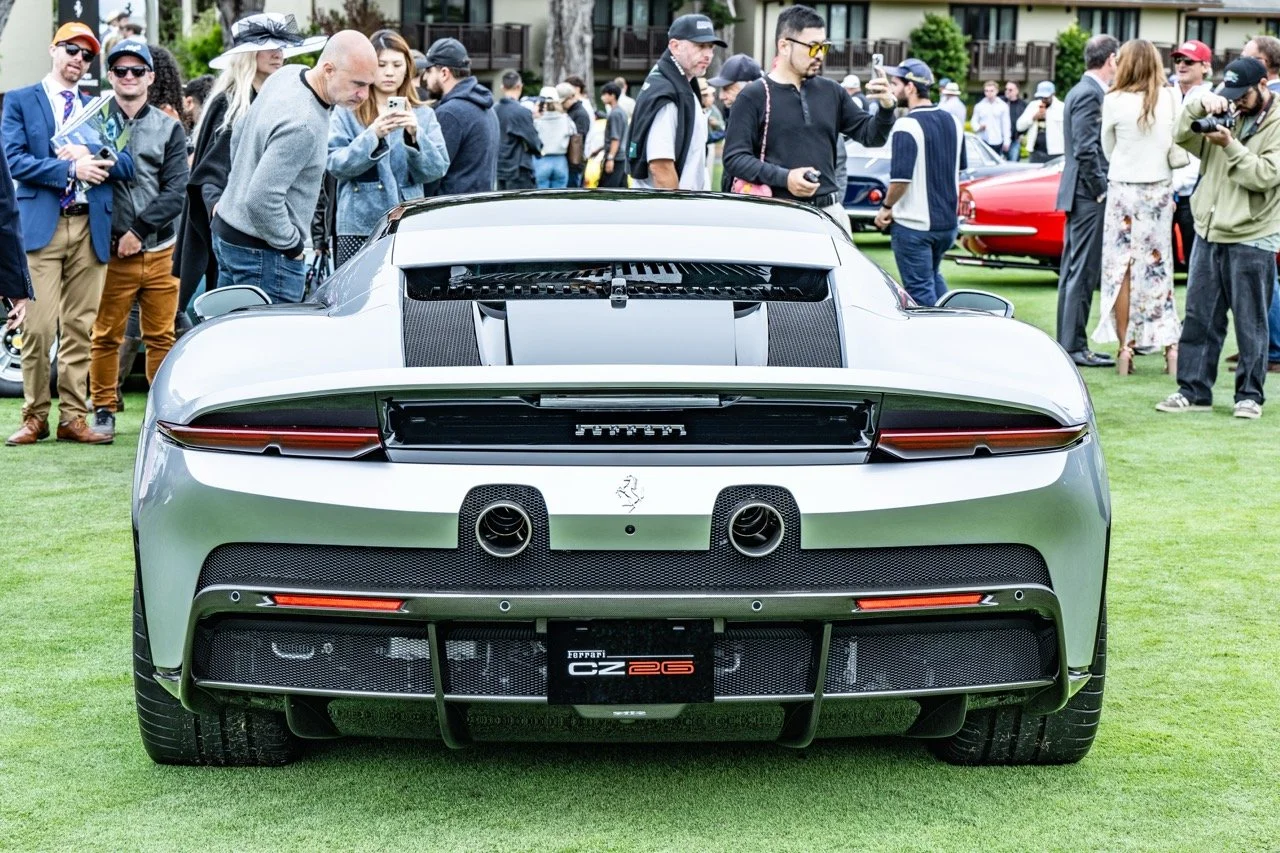
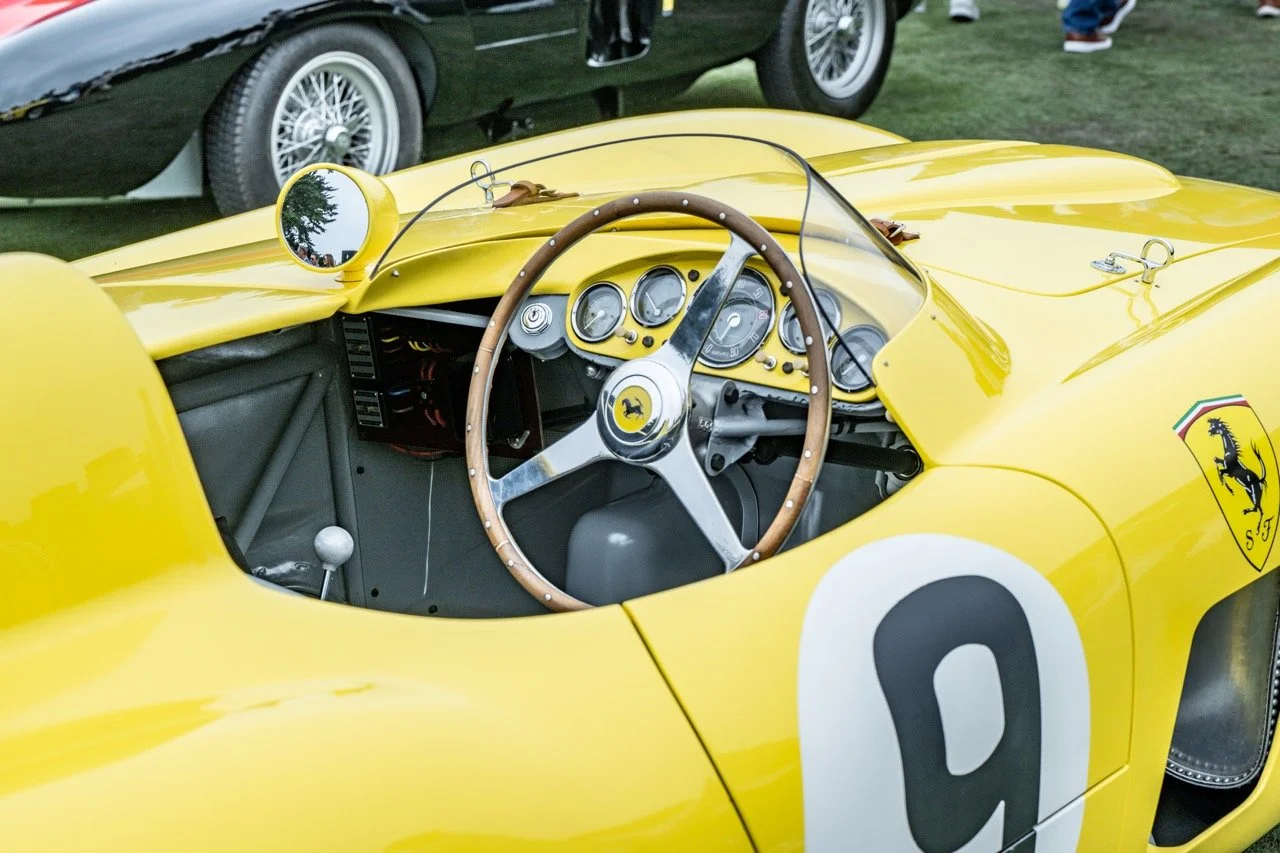
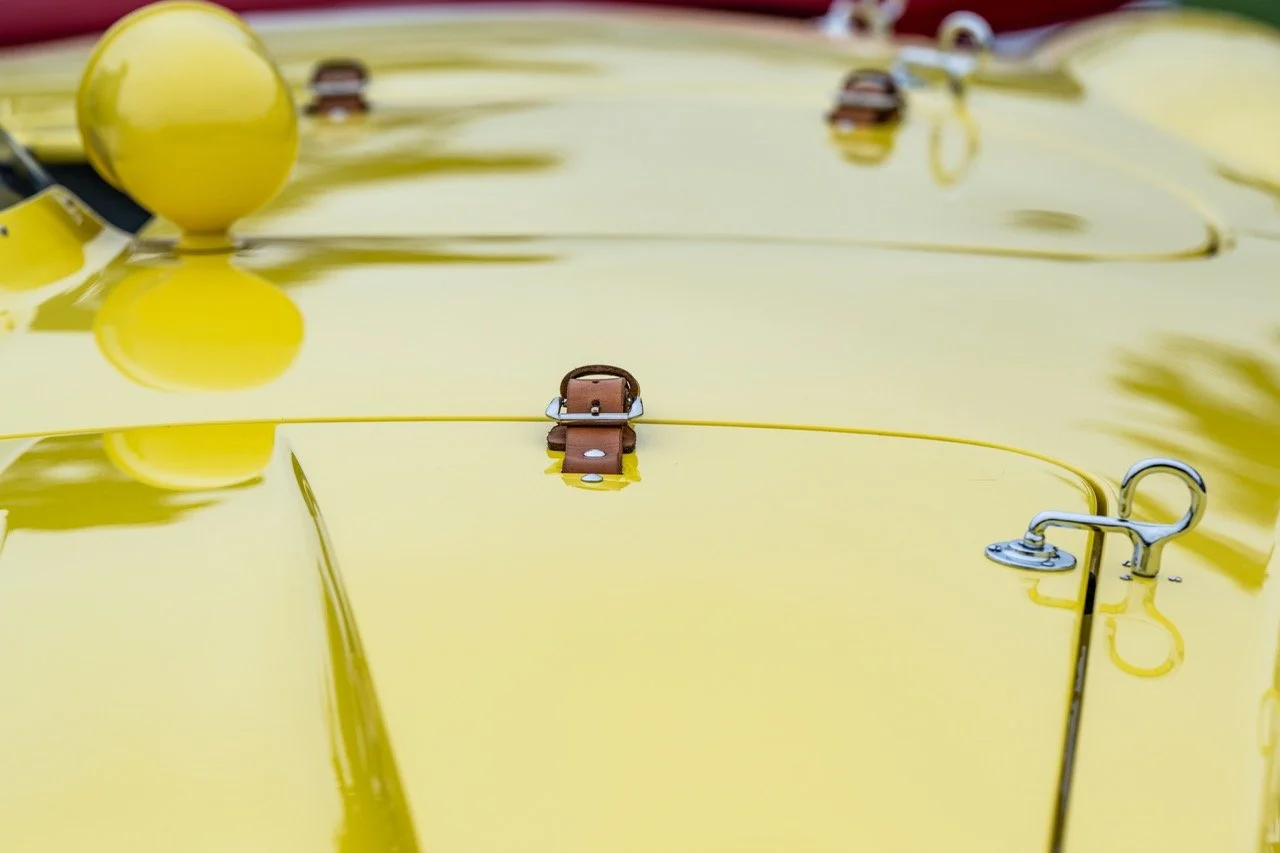
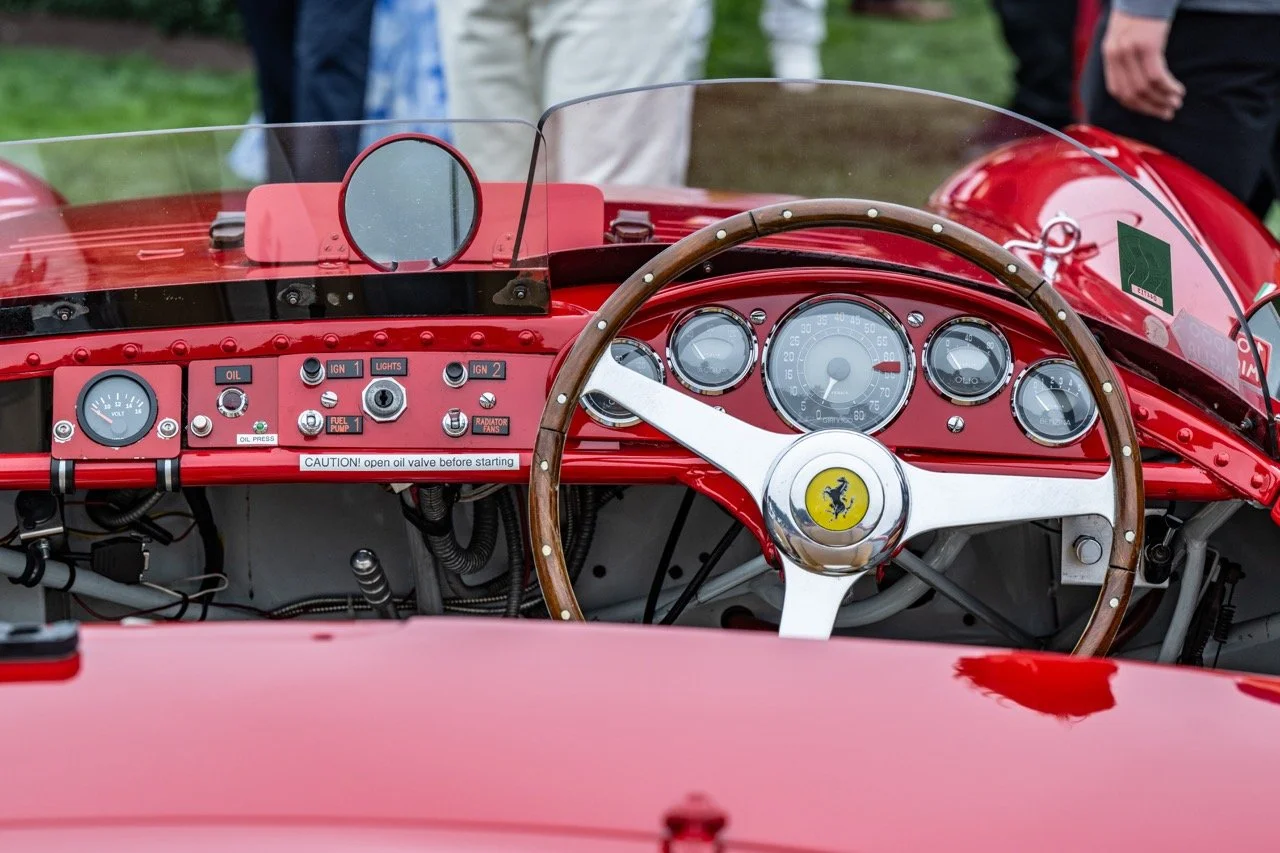
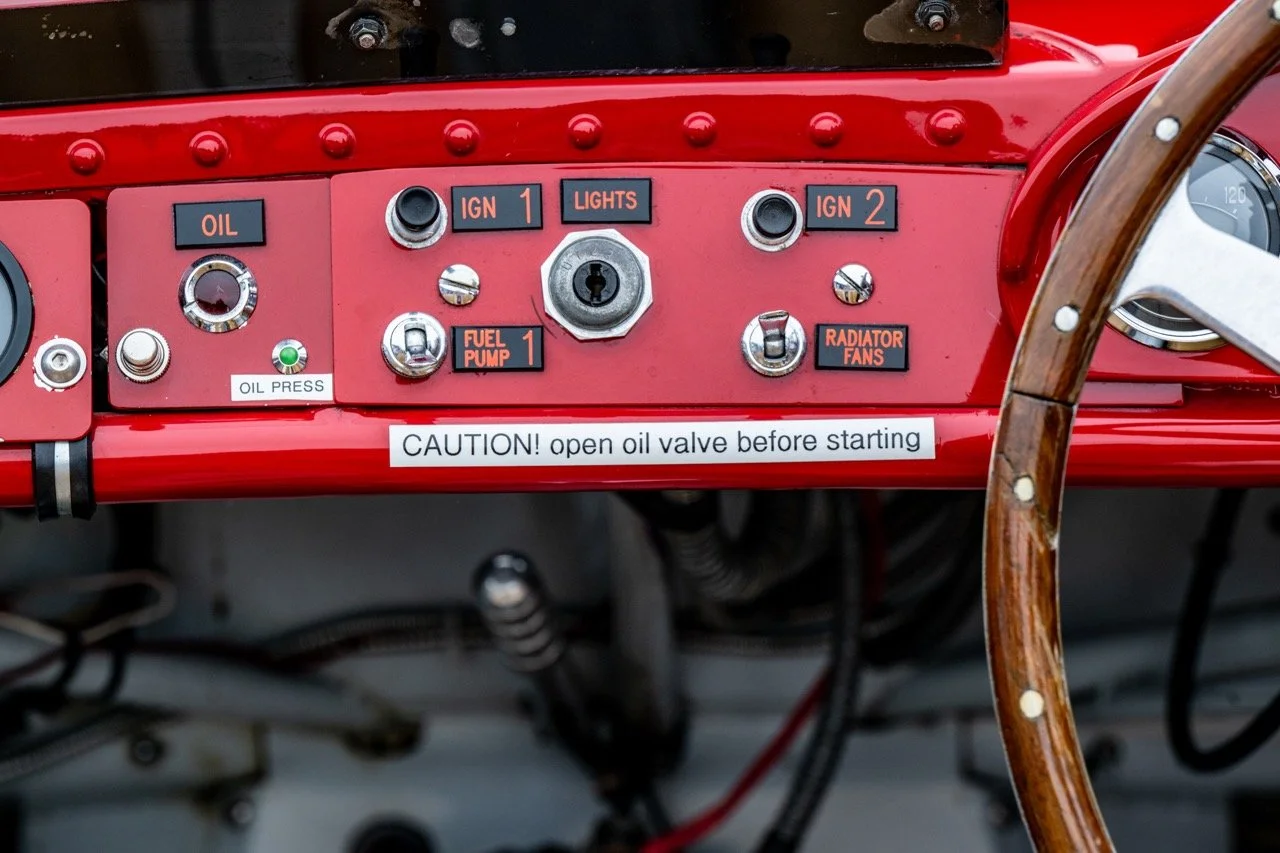
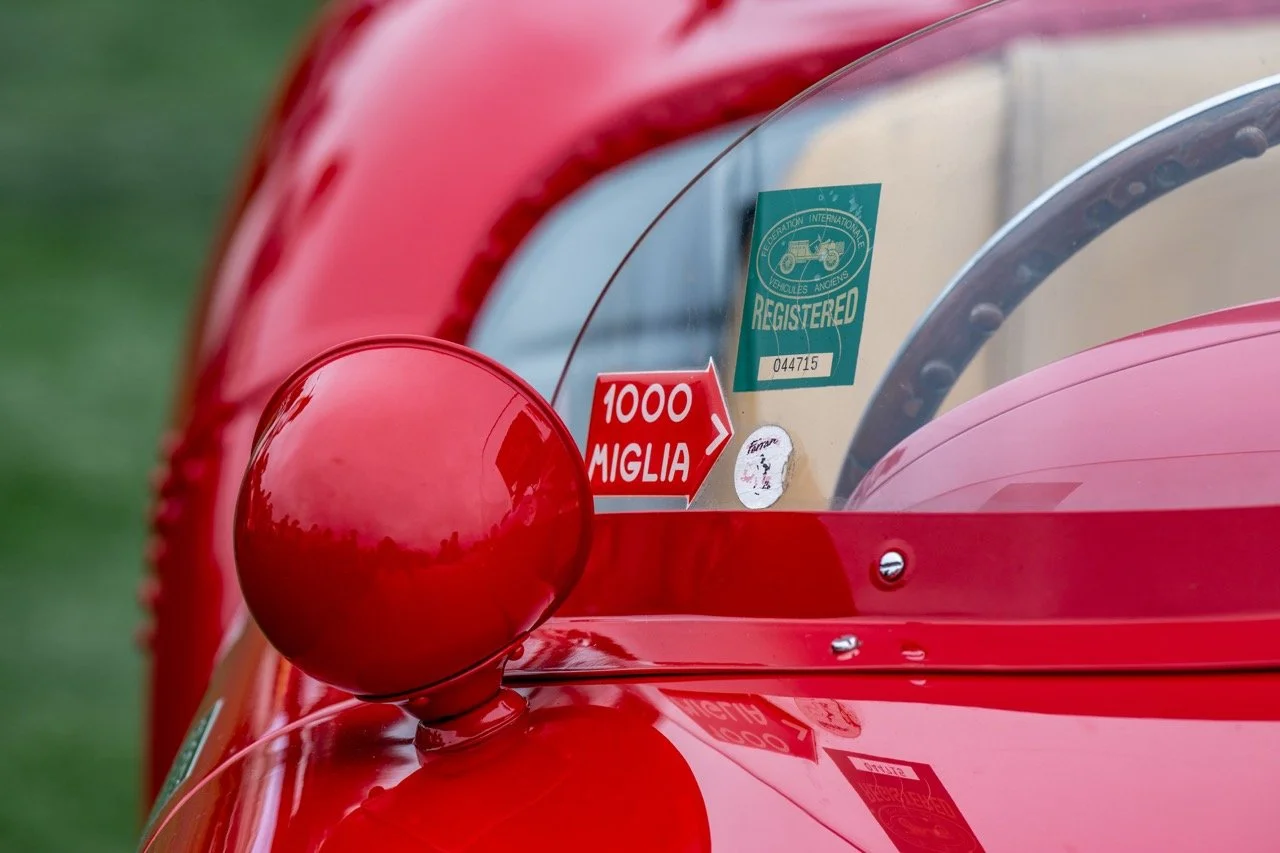
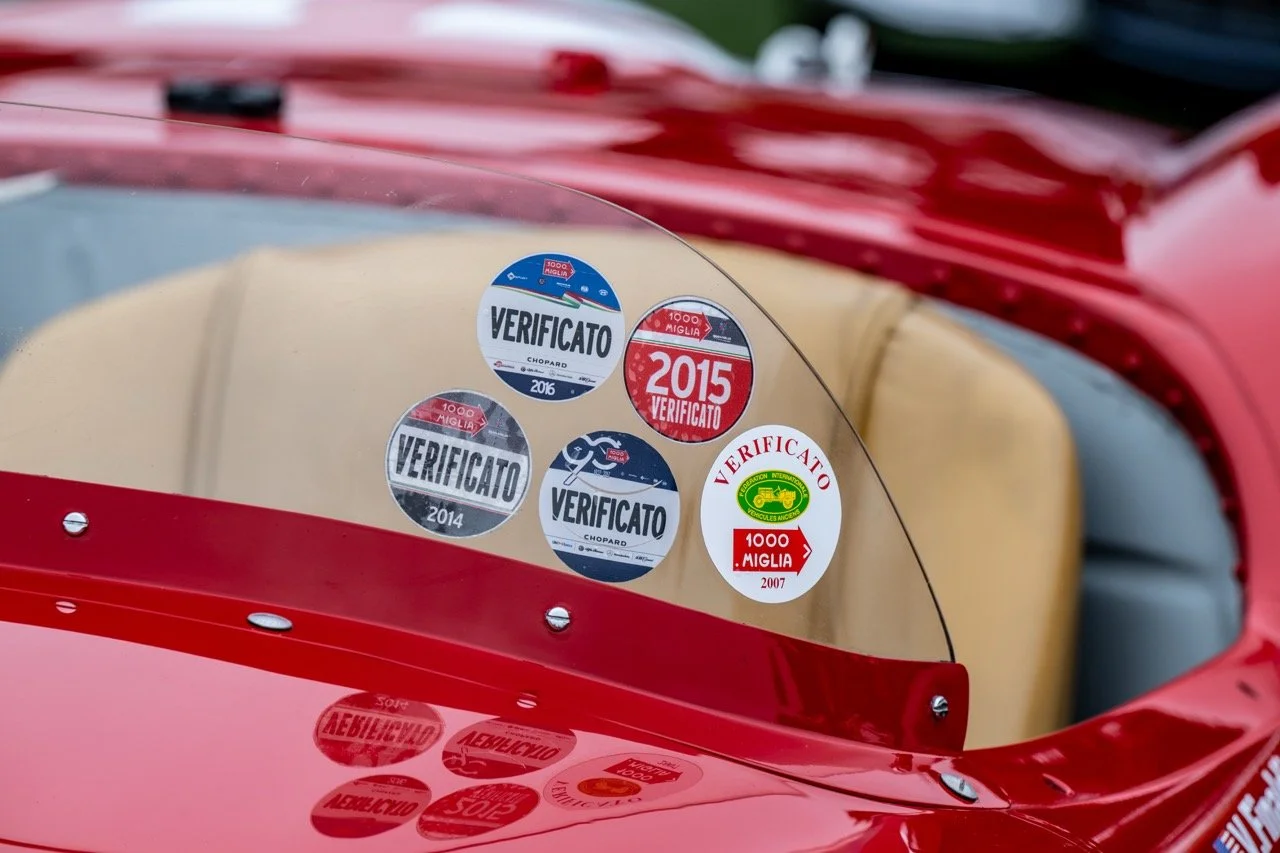
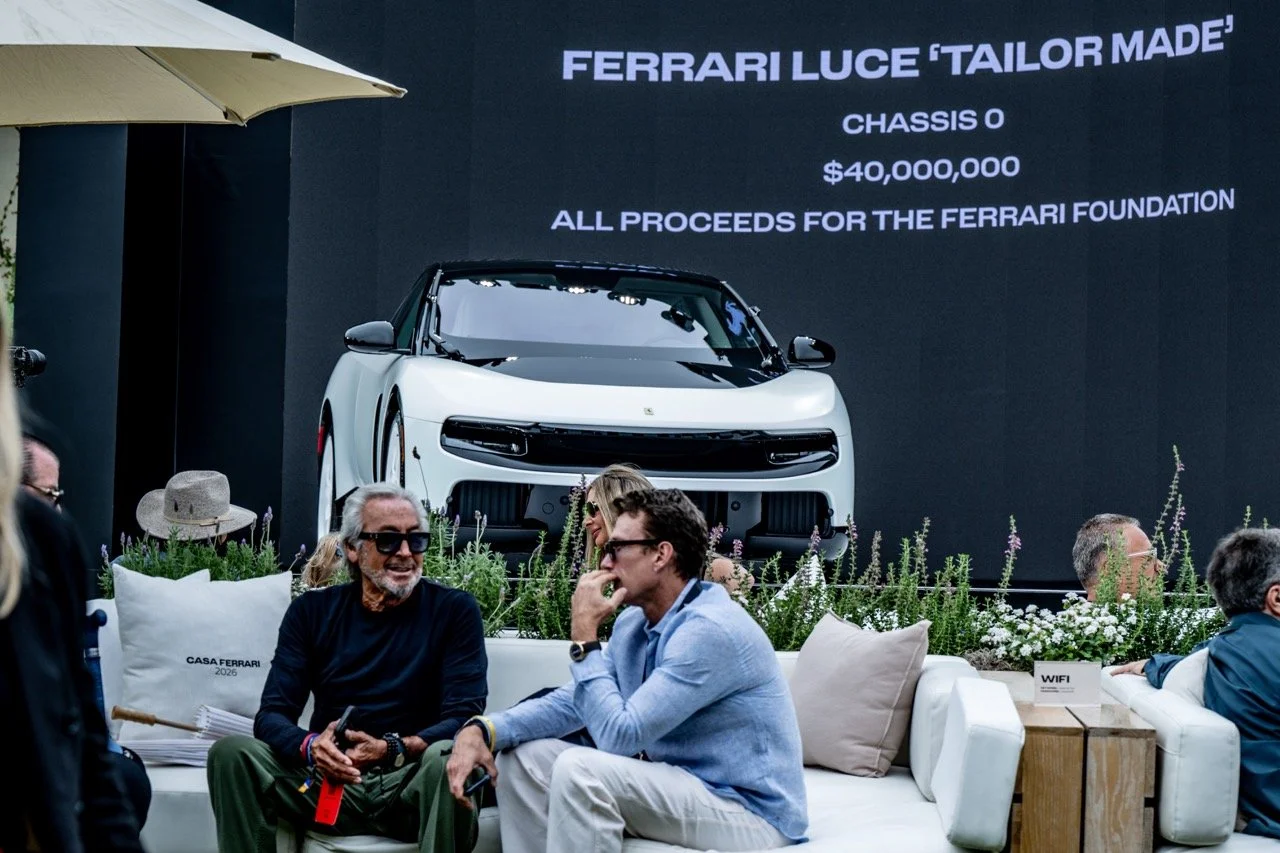
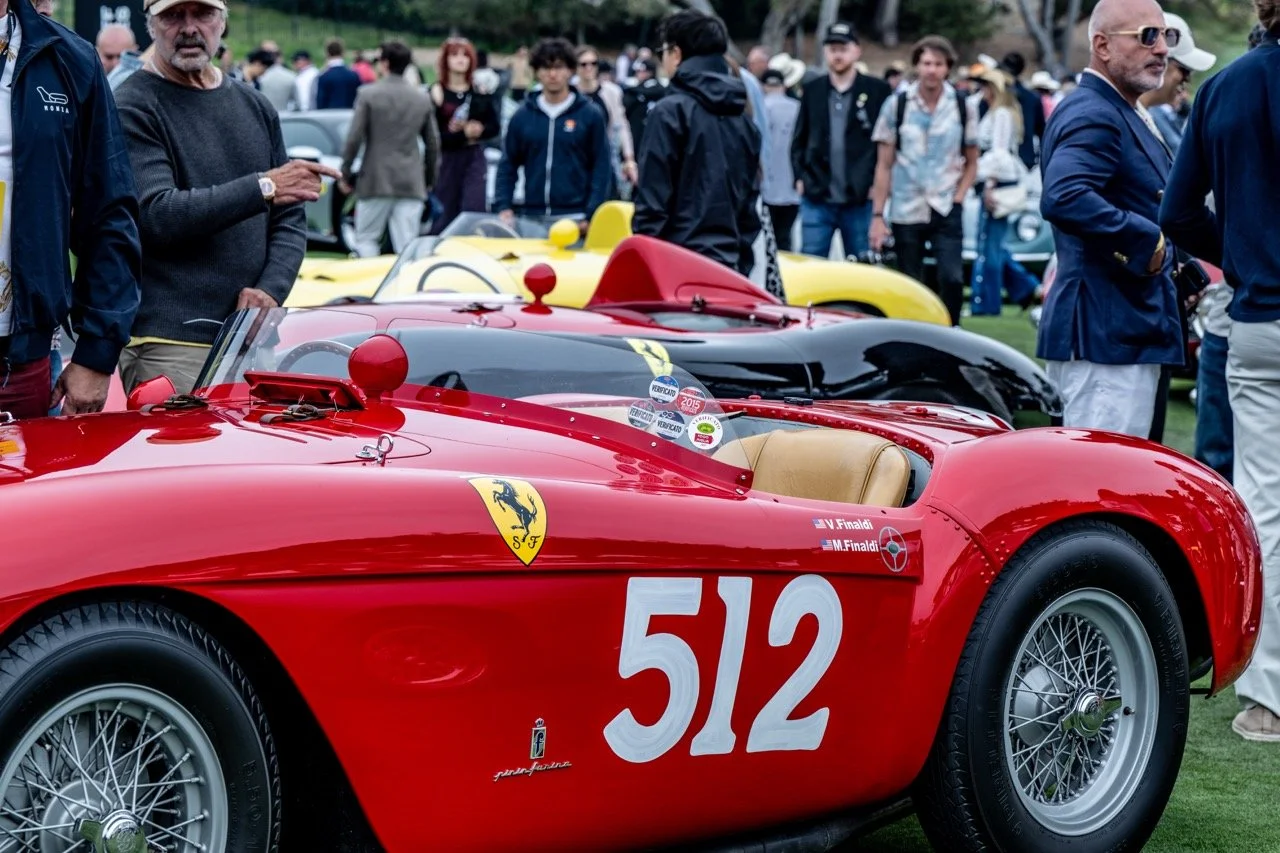
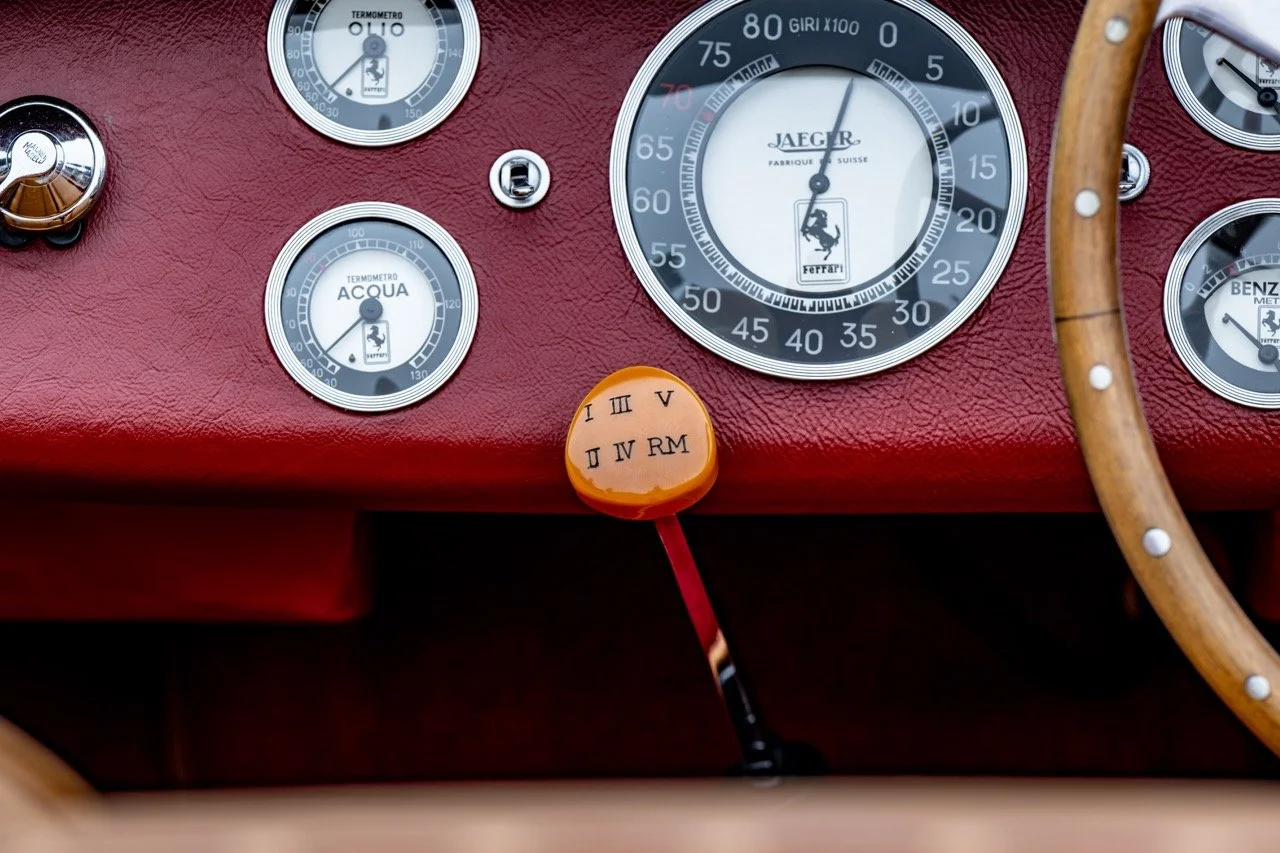
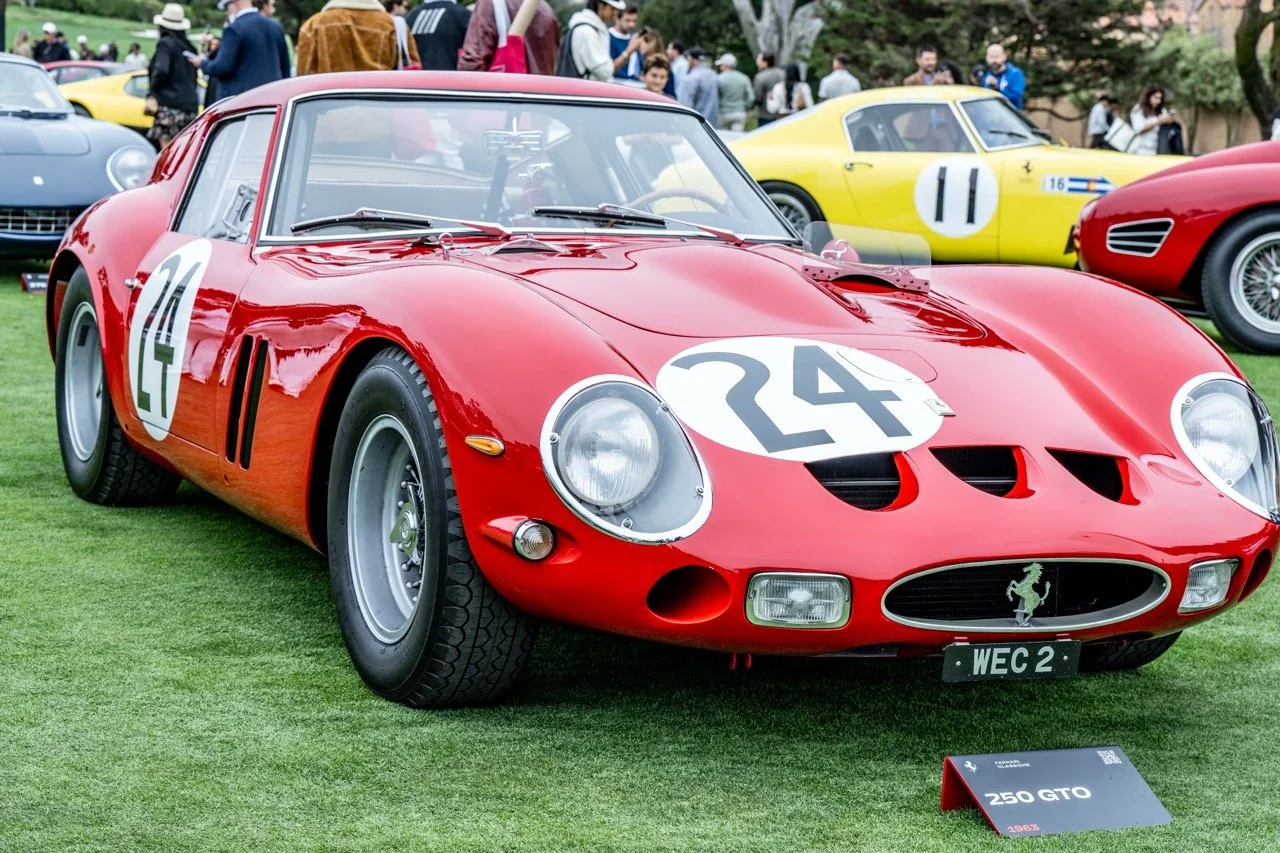
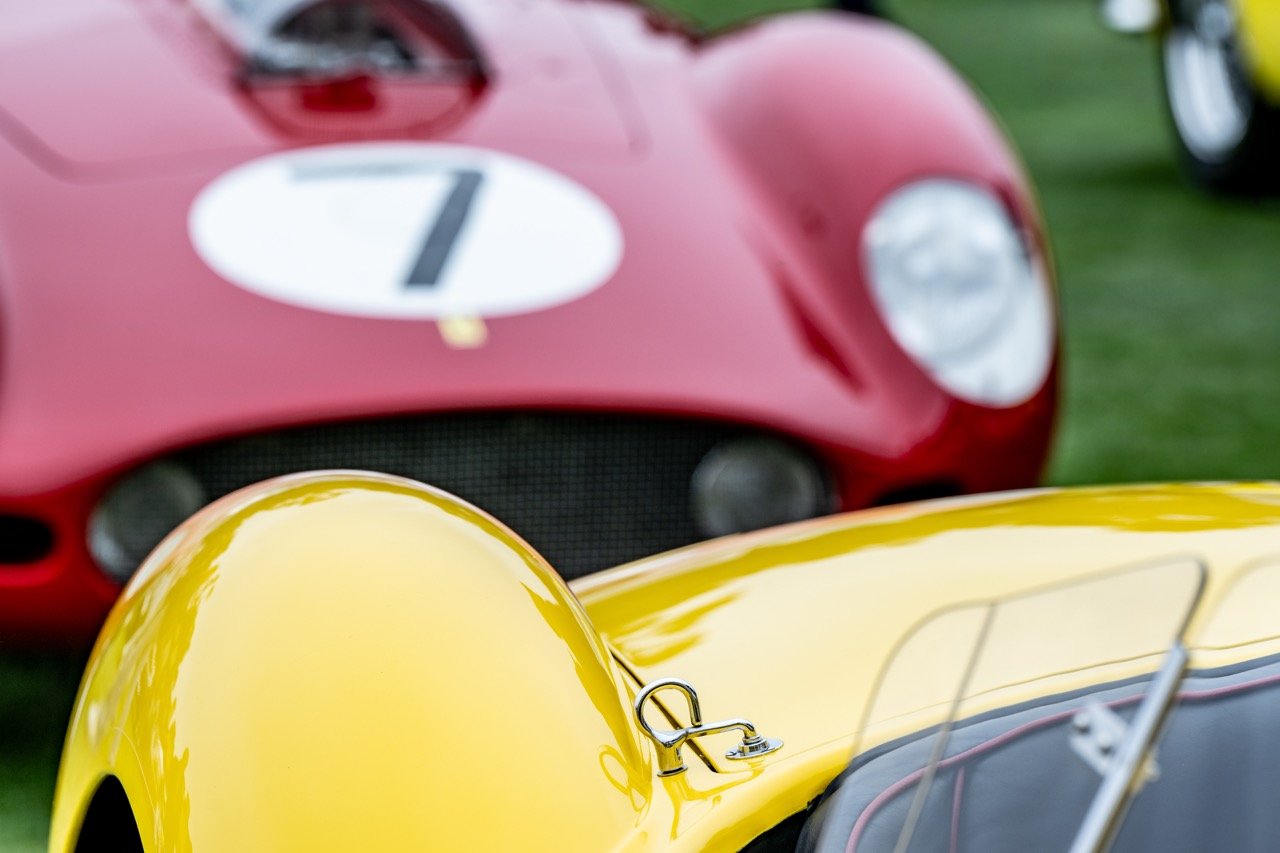
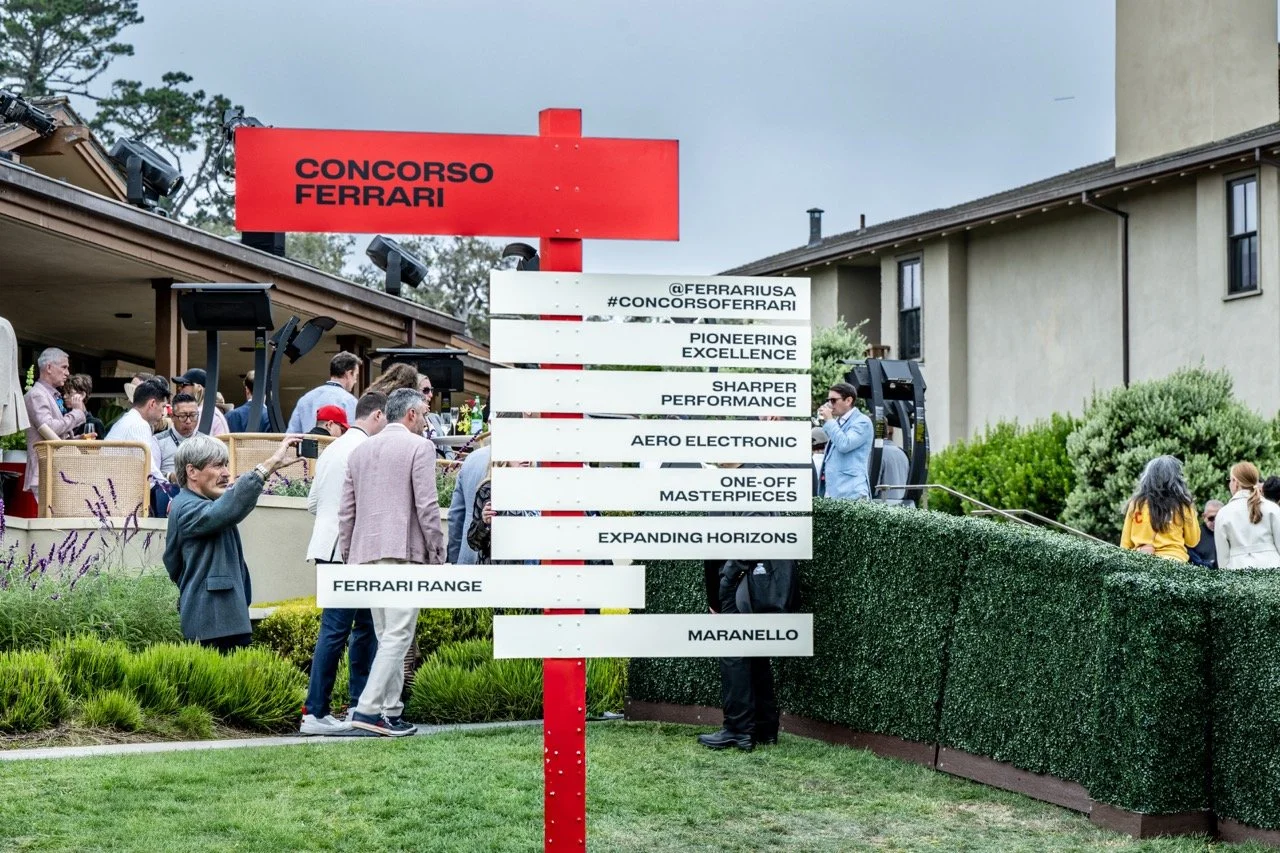
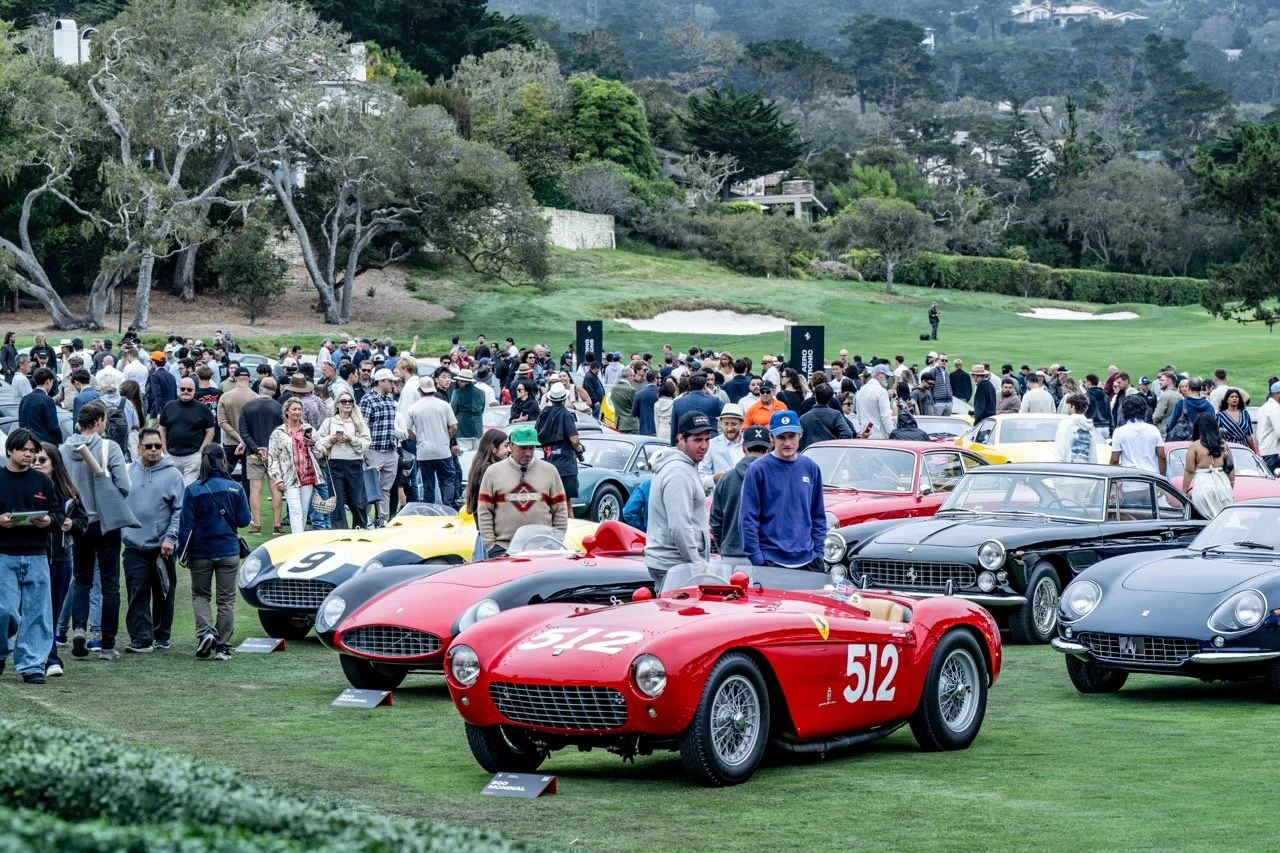
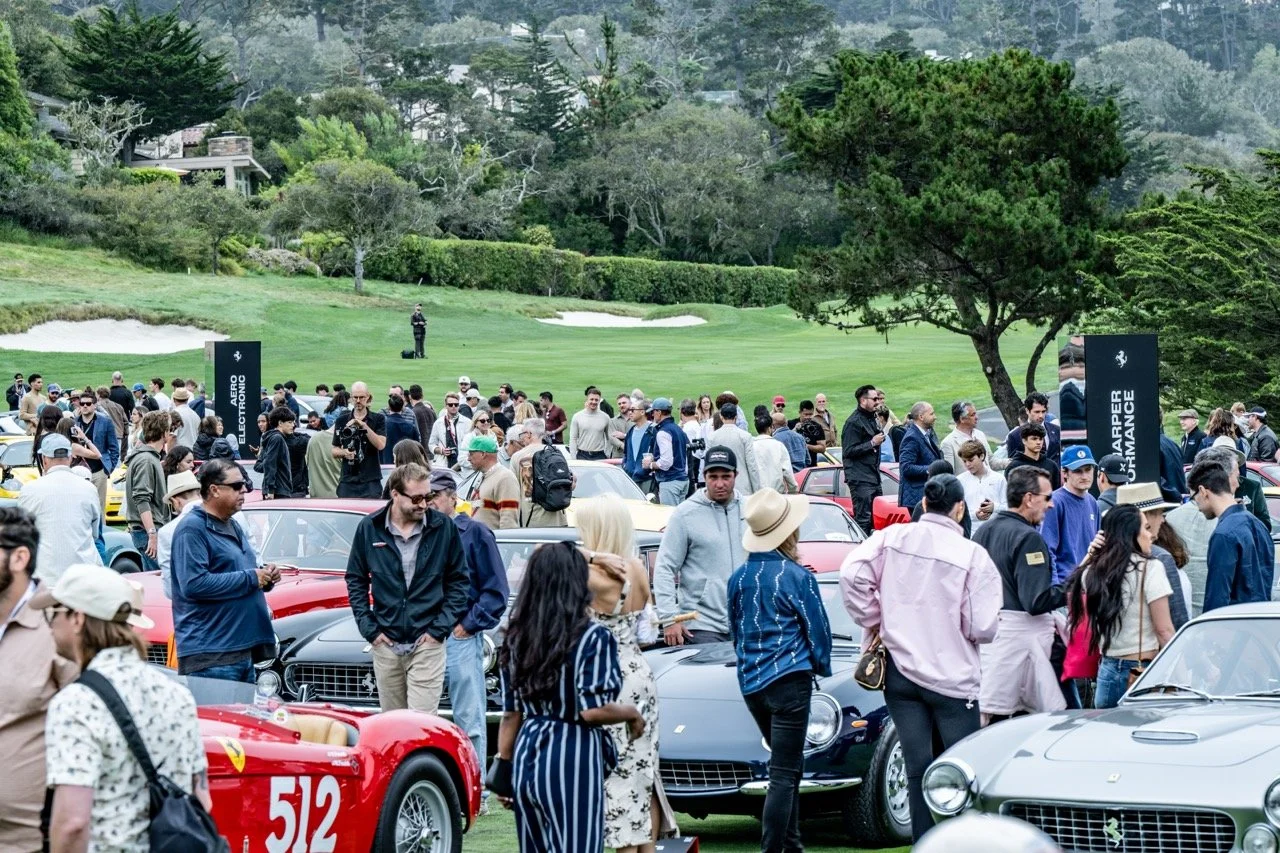
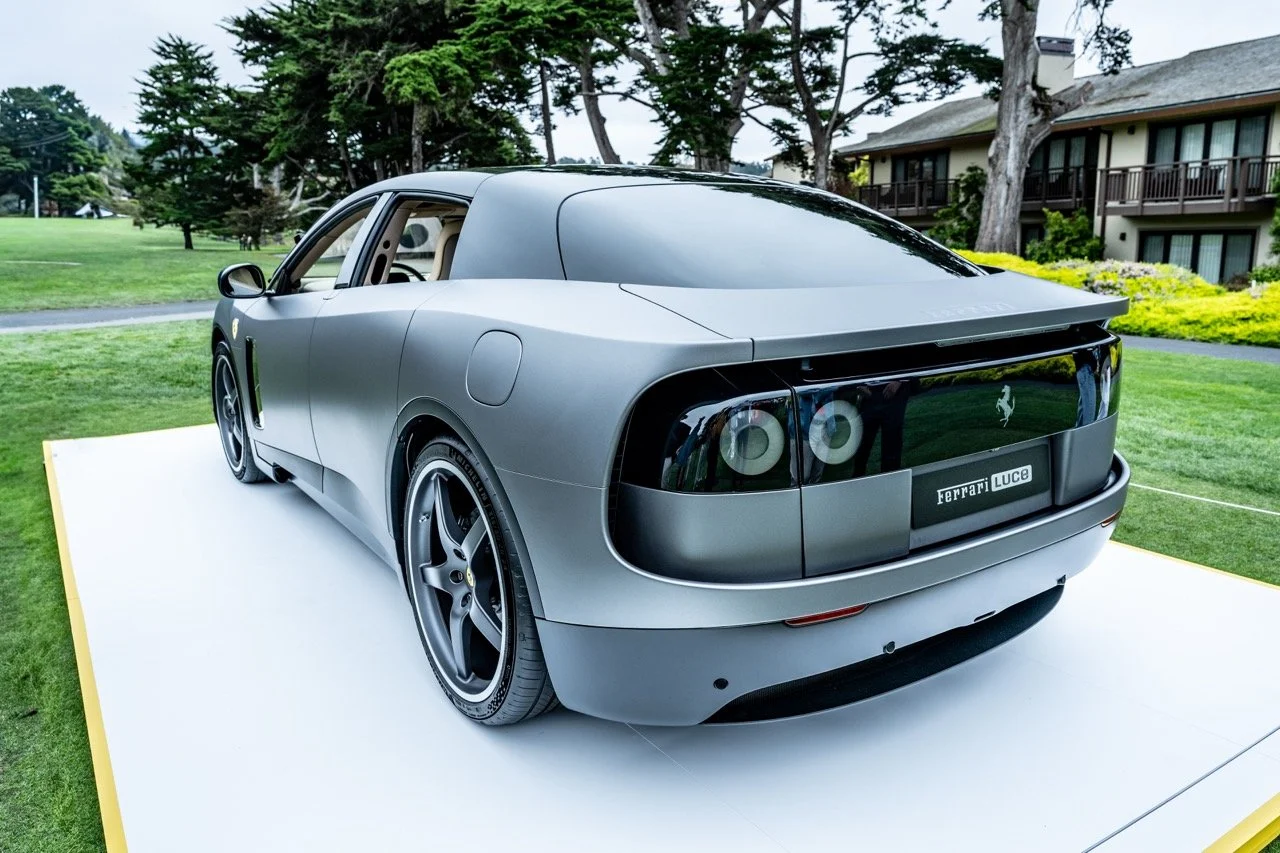
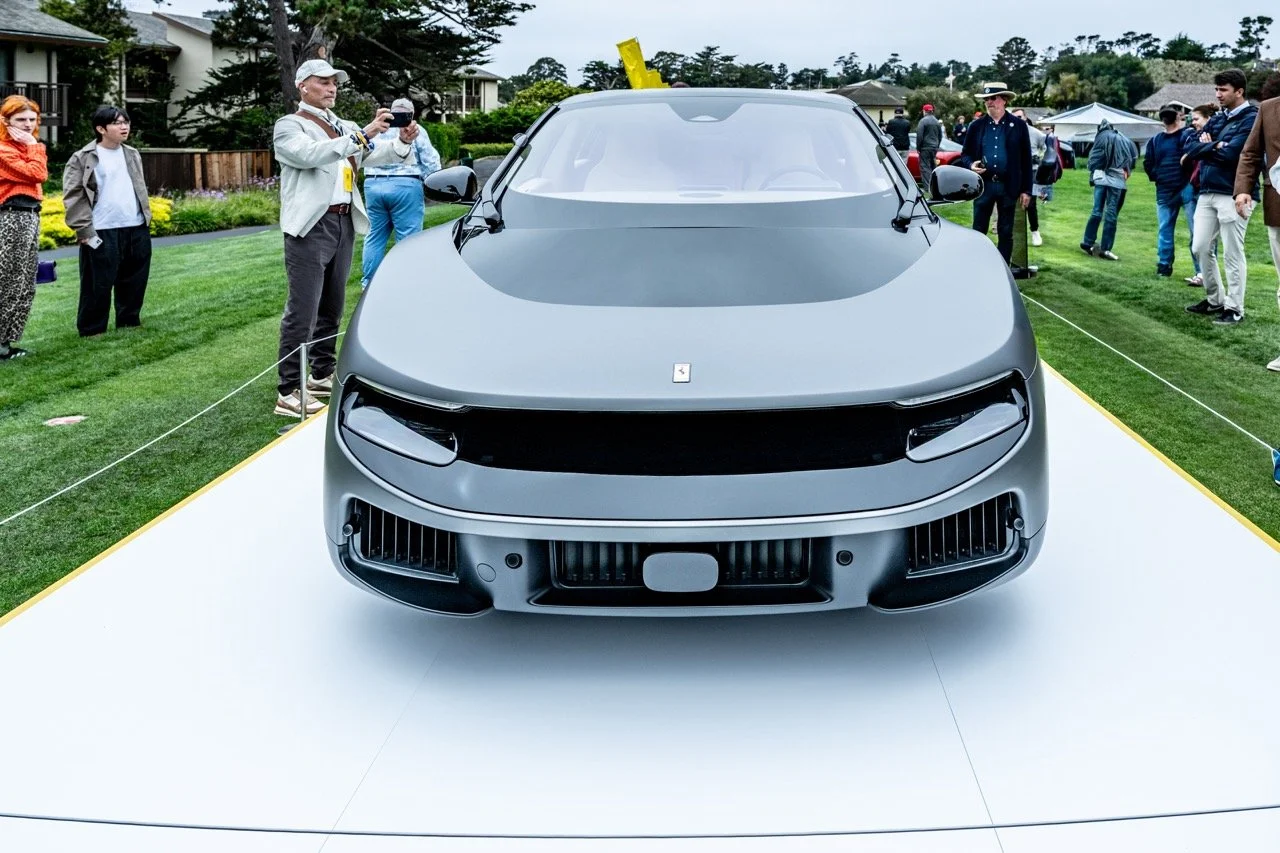
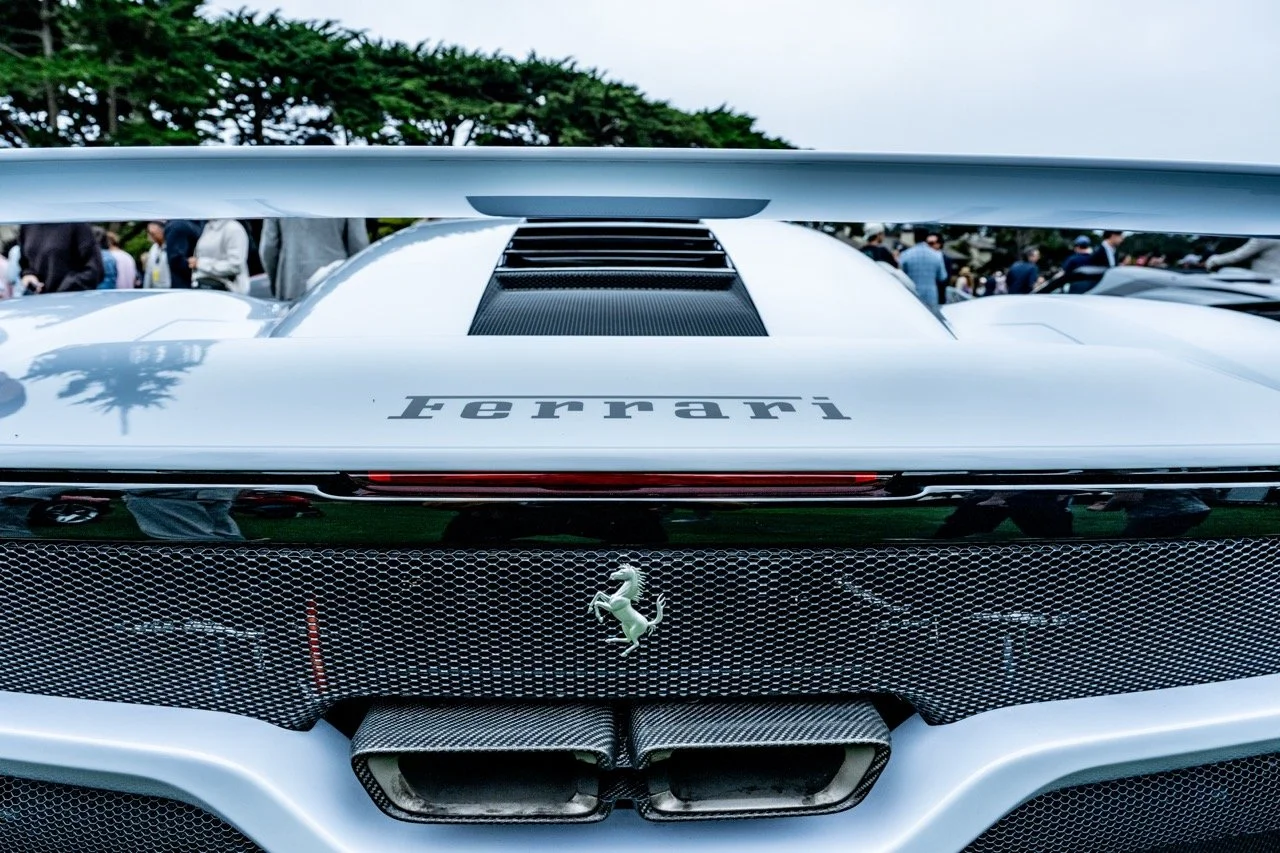
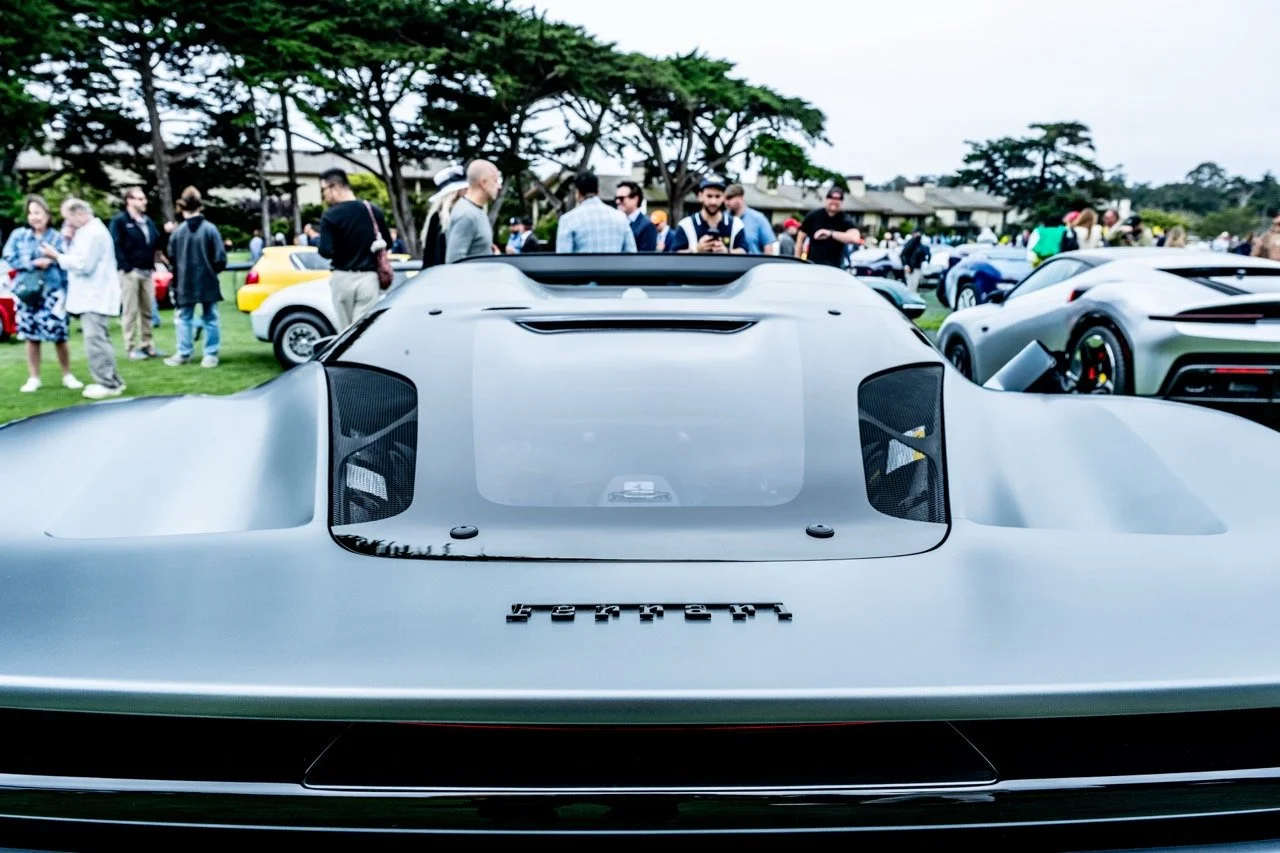
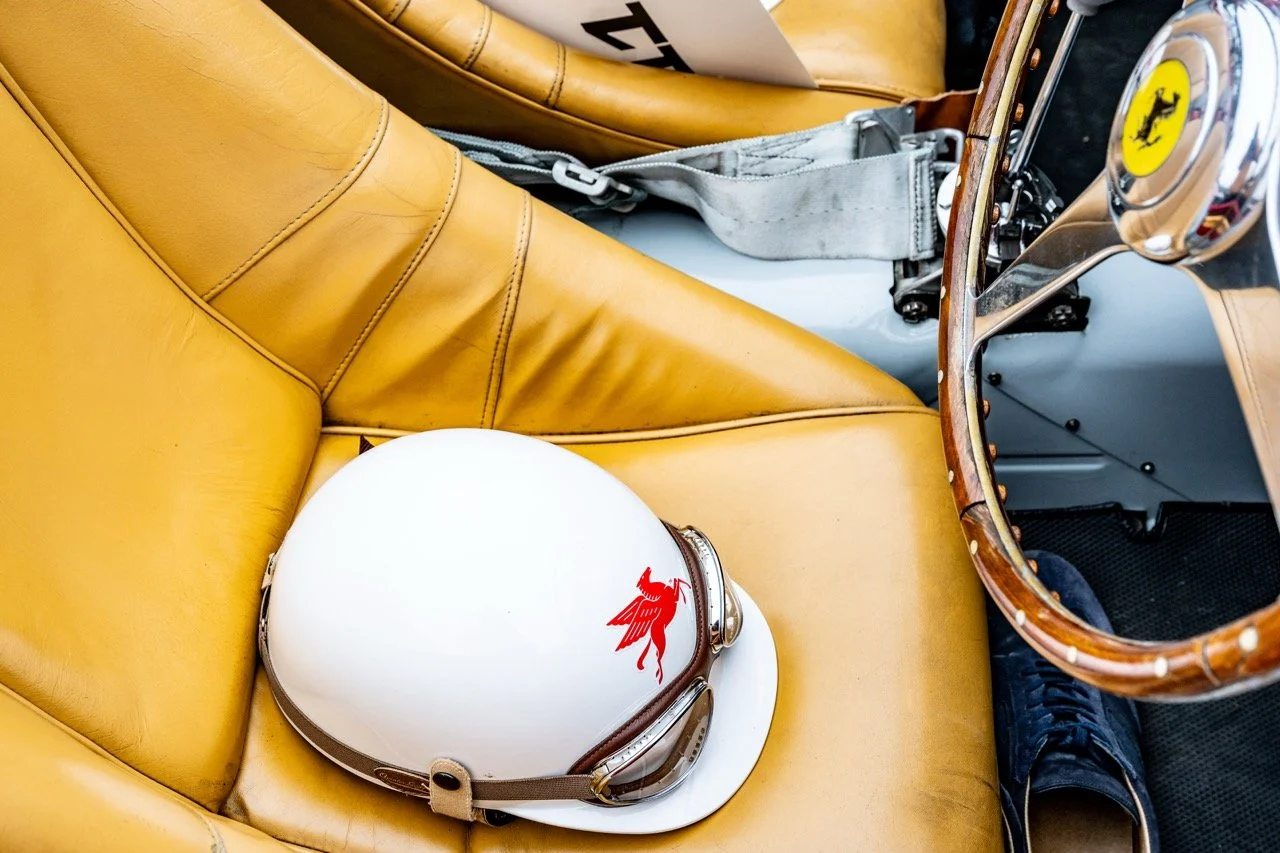
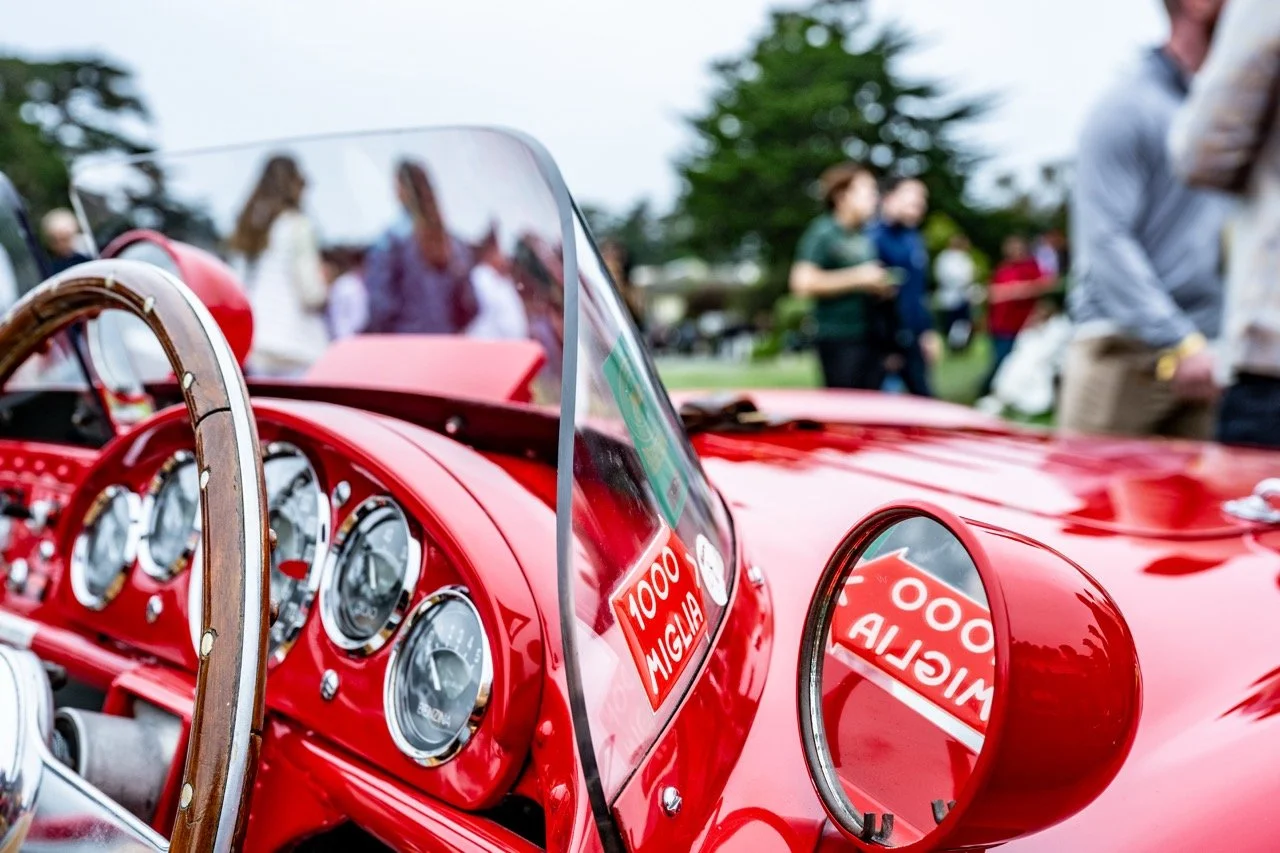
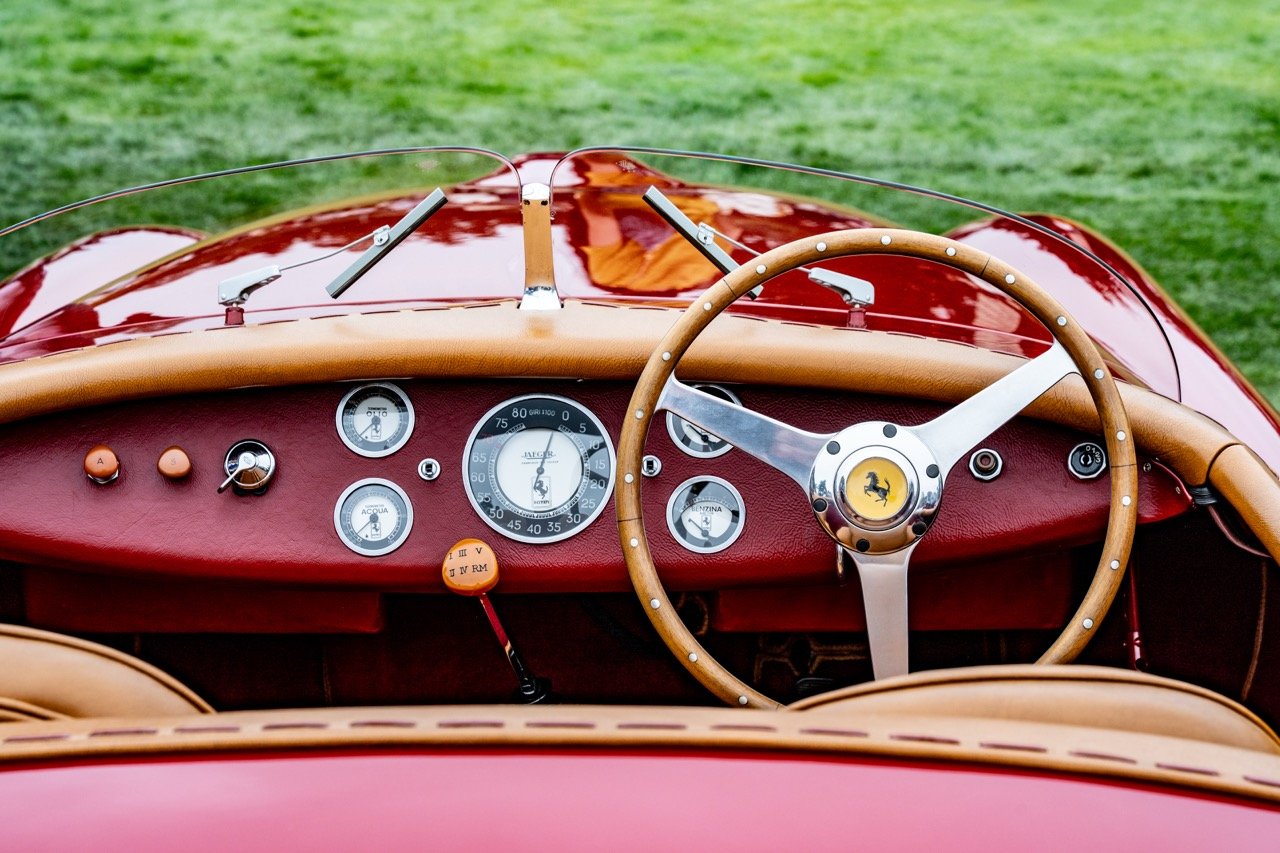
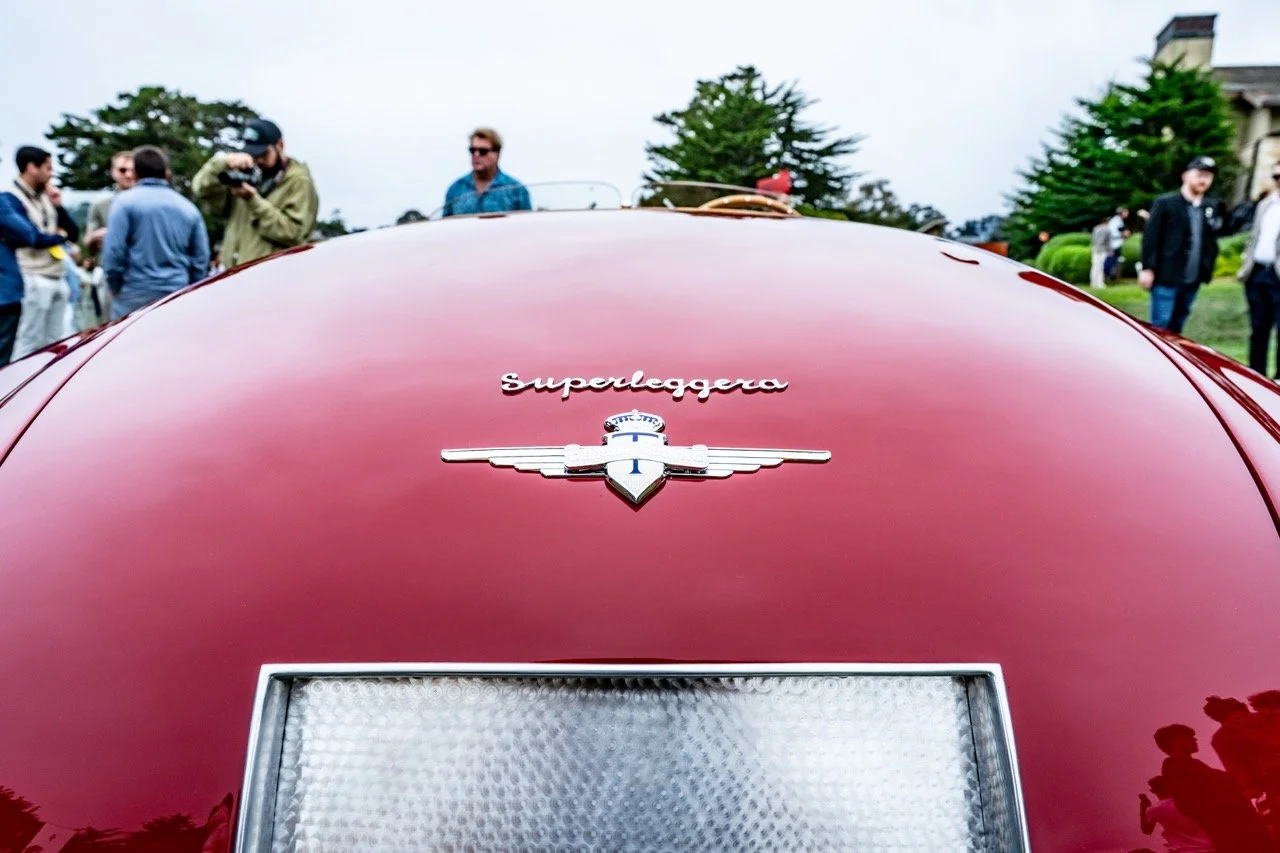
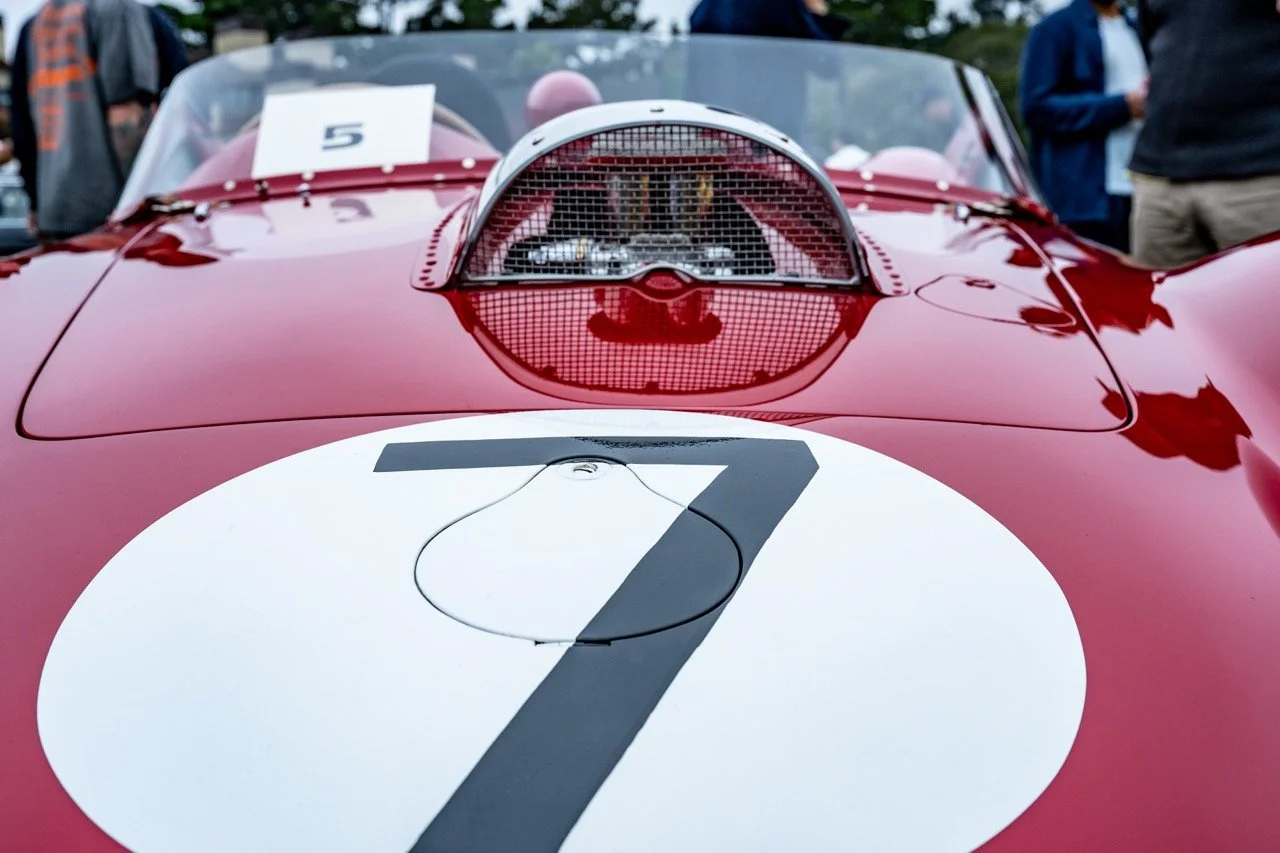
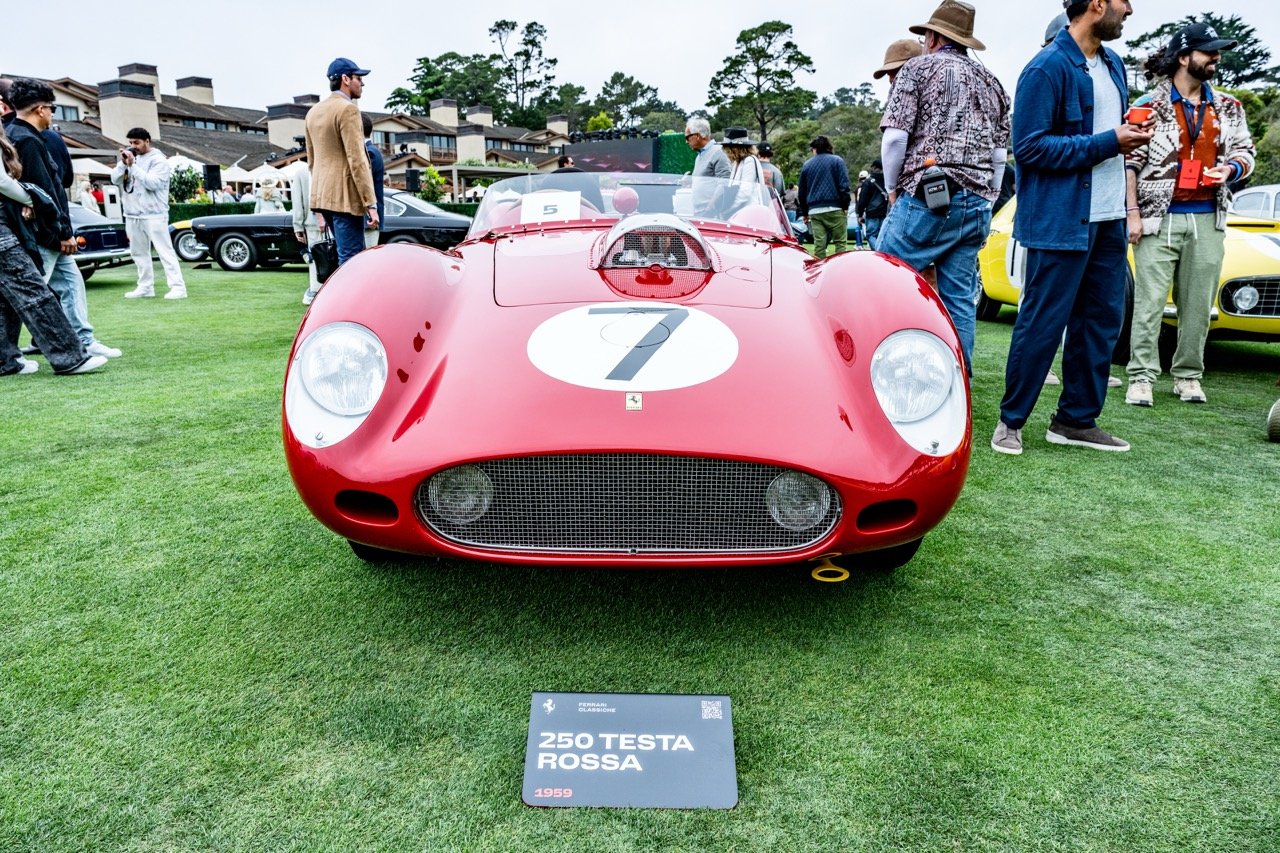
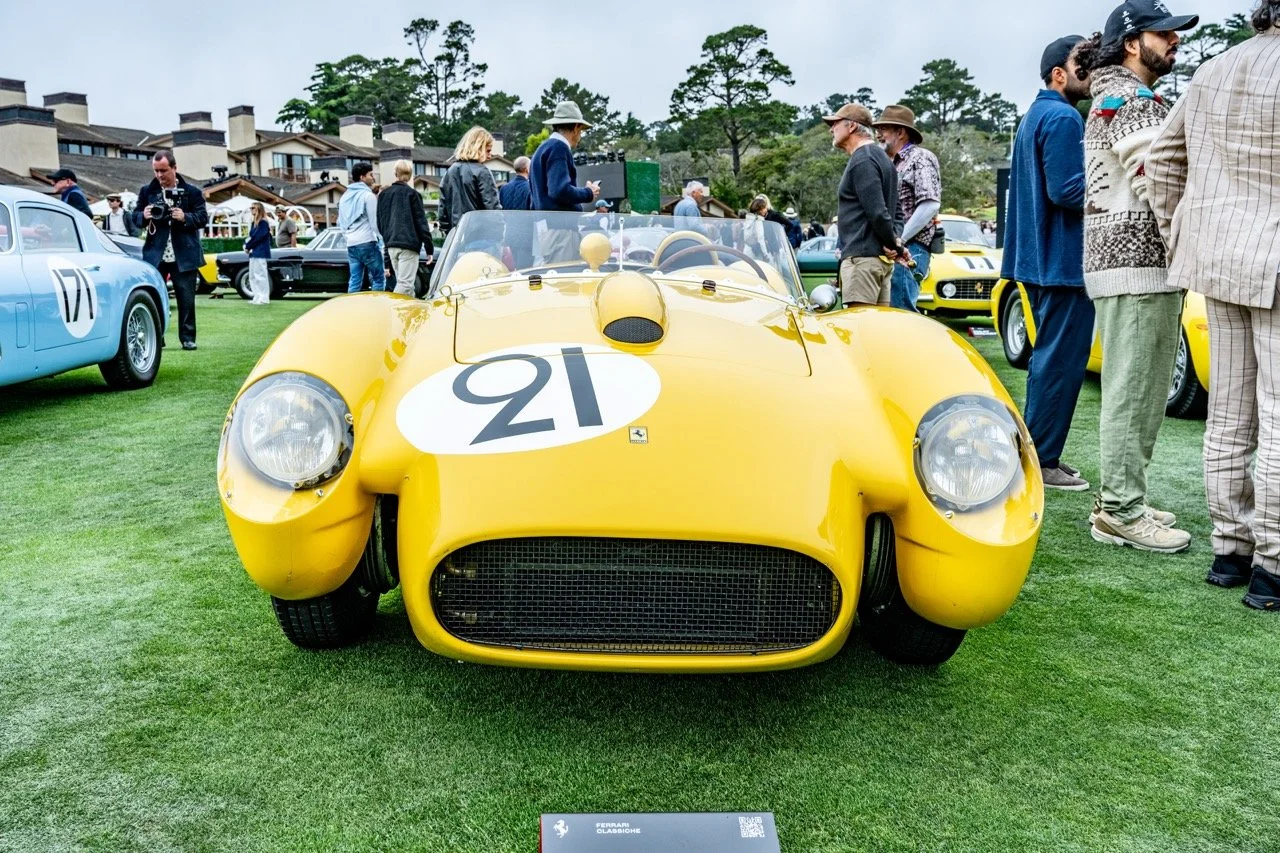
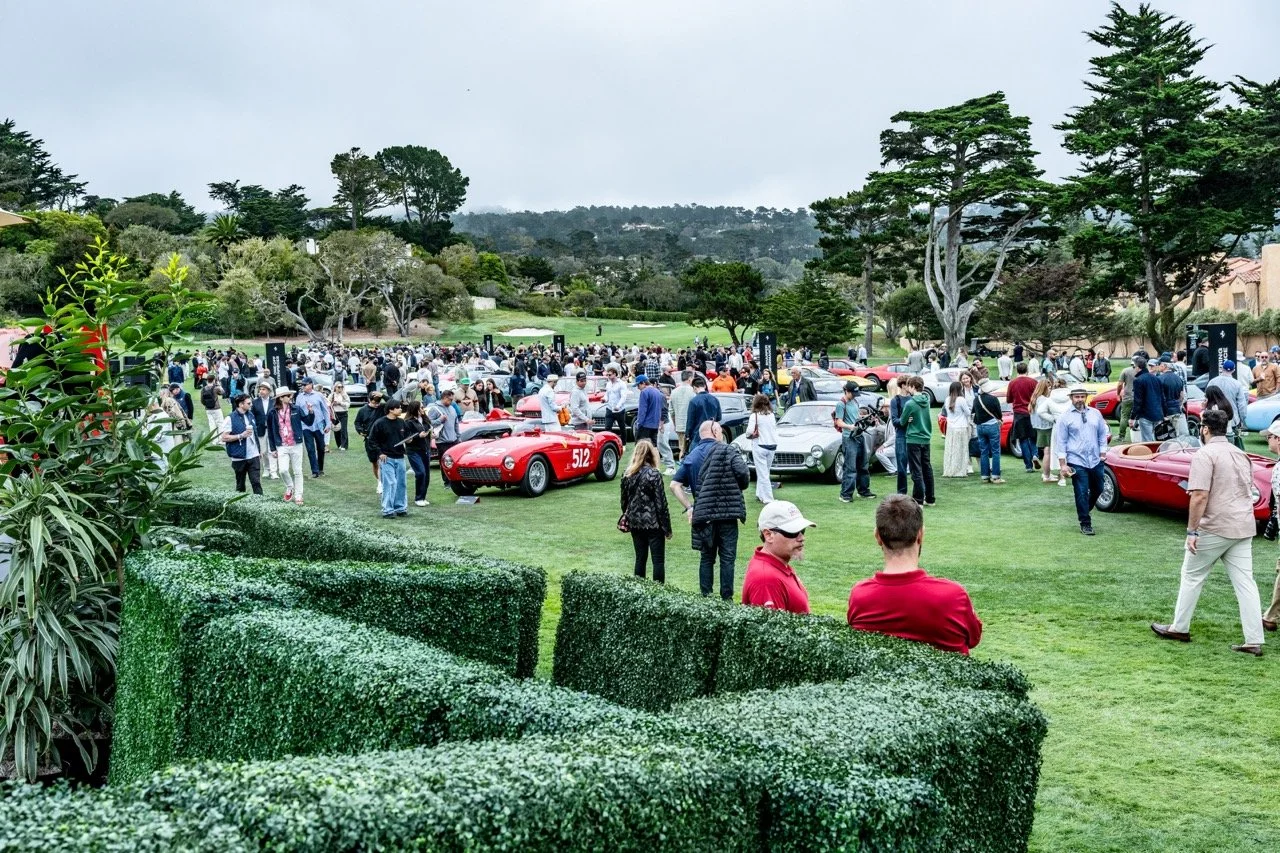
The result is less a car show than a family tree rendered in Rosso Corsa. But this year, the most consequential Ferrari wasn’t necessarily the loudest. The first production chassis of Ferrari’s new electric Luce, specially configured through the Tailor-Made program, was offered by RM Sotheby’s for charity. It sold for $40 million making it the most valuable new automobile ever sold at auction, with proceeds benefiting educational initiatives through the Ferrari Foundation. Forty million dollars. For an EV. Somewhere, Enzo may have raised an eyebrow. Then again, he probably would have appreciated the price.
CARS WORTH LOSING SLEEP OVER
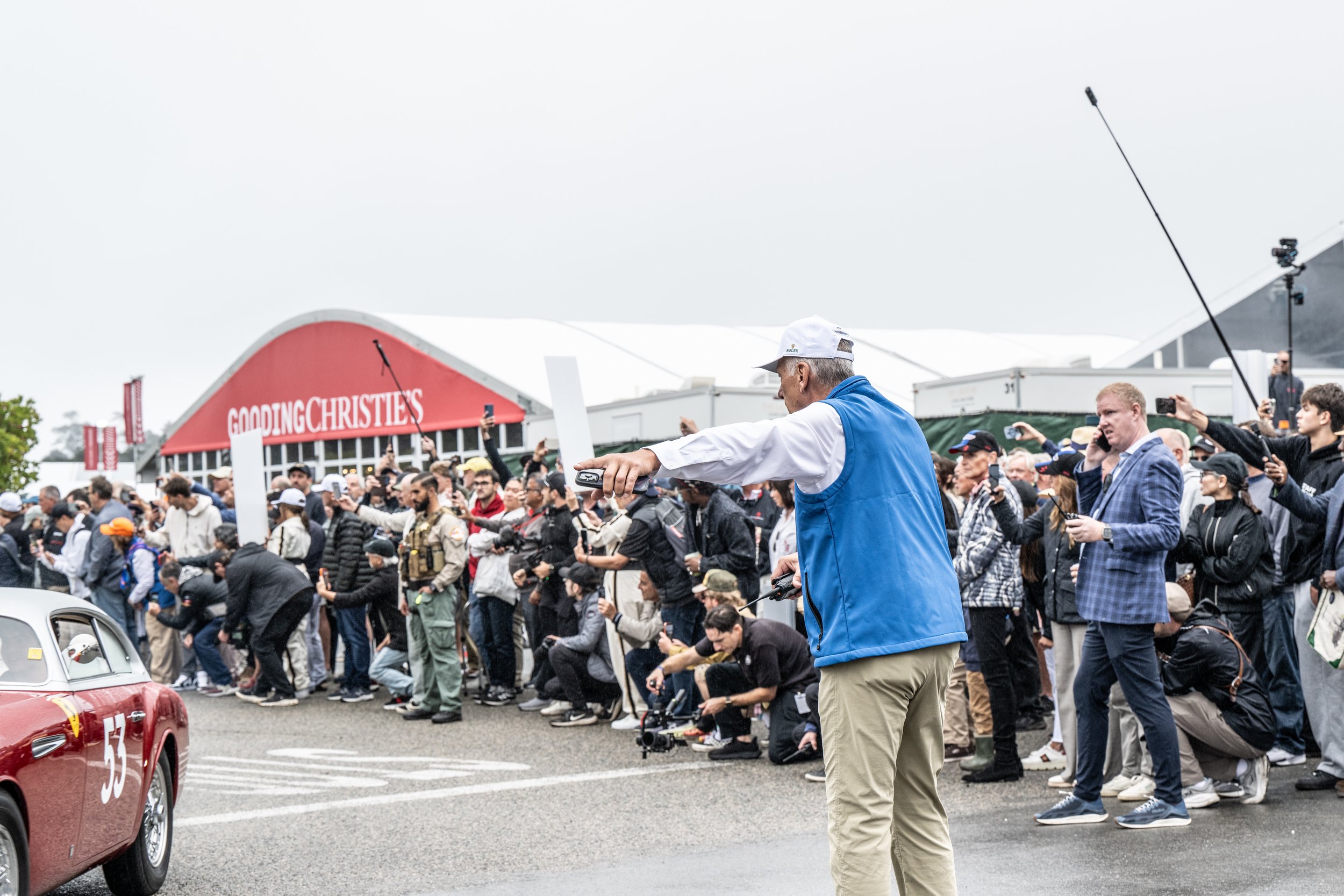
The alarm clock may be offensive, but the experience is worth it. Long before the champagne, judging and crowds, Pebble Beach begins in darkness. Dawn Patrol has become one of the Concours’ great rituals. Enthusiasts gathering before sunrise to watch the entrants drive onto the show field. Most hope to snag a coveted Dawn Patrol hat. Headlights appear through the mist. Engines idle in the darkness. The smell of petrol intoxicating. Volunteers wave cars toward their positions while photographers quietly reconsider every decision they have ever made regarding ISO.
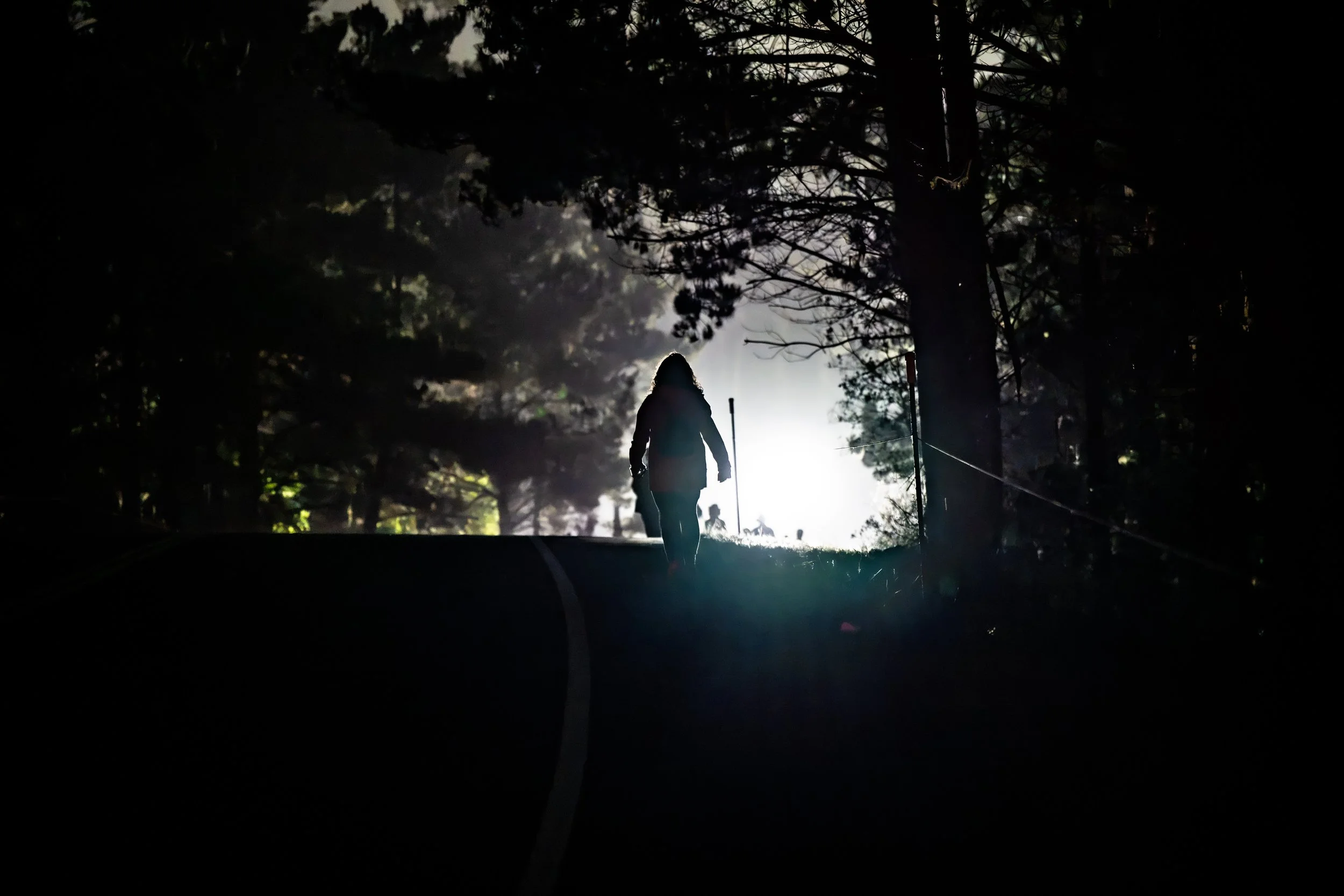
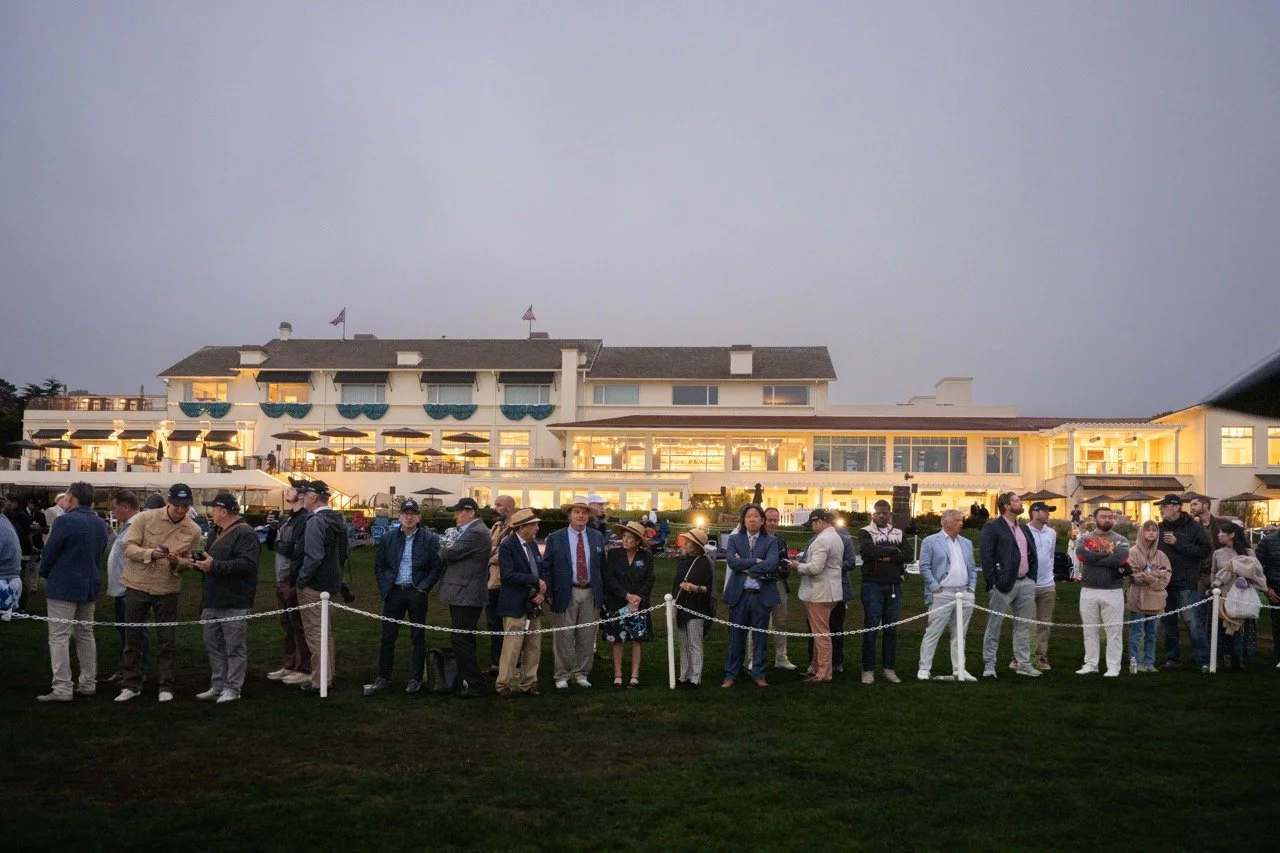
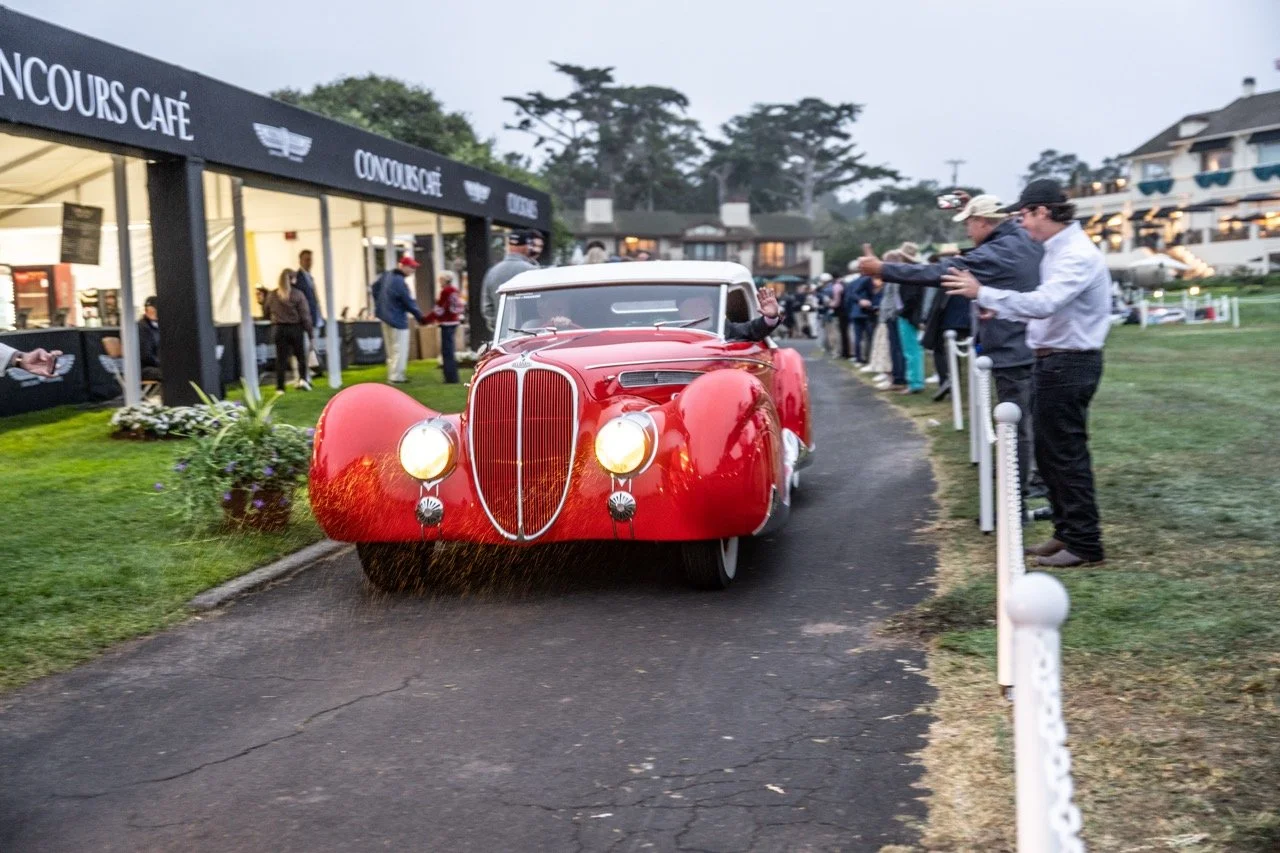
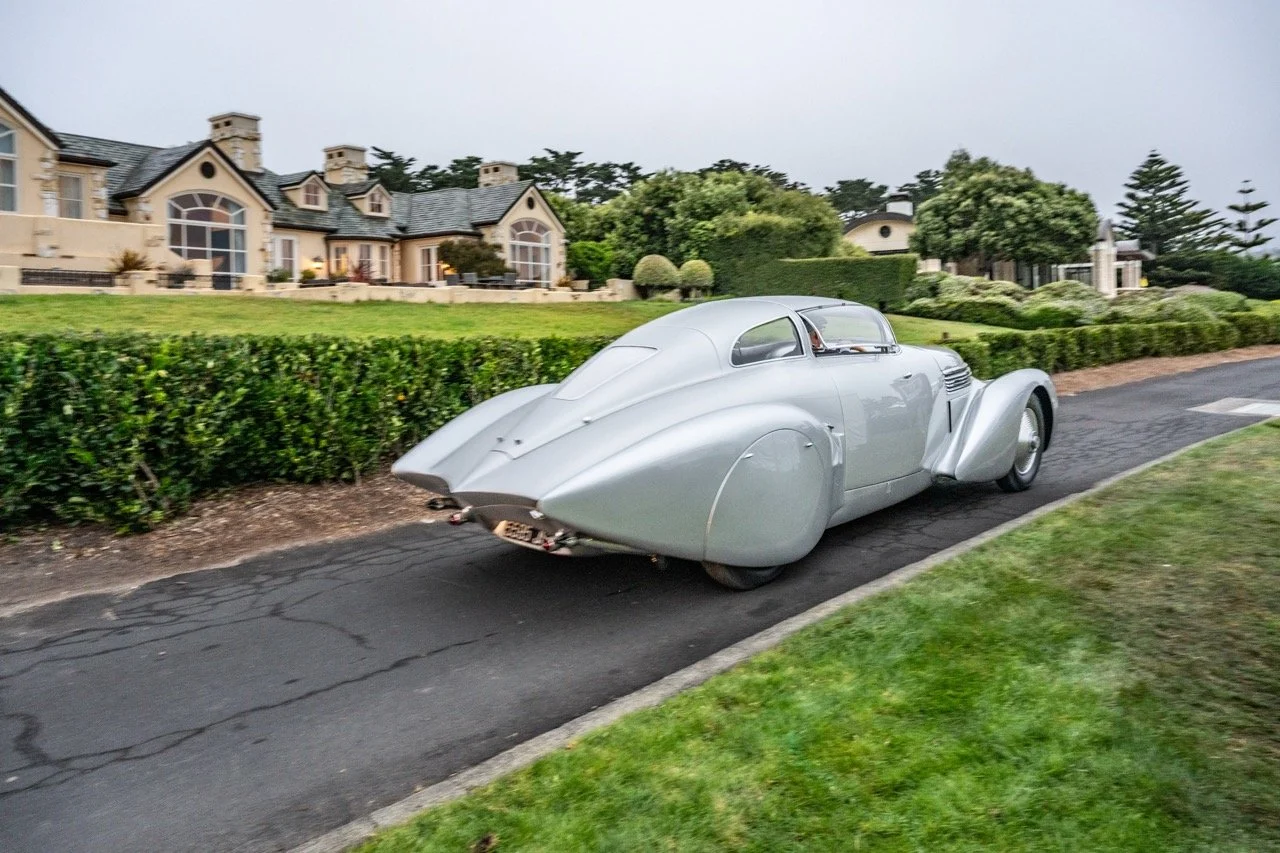
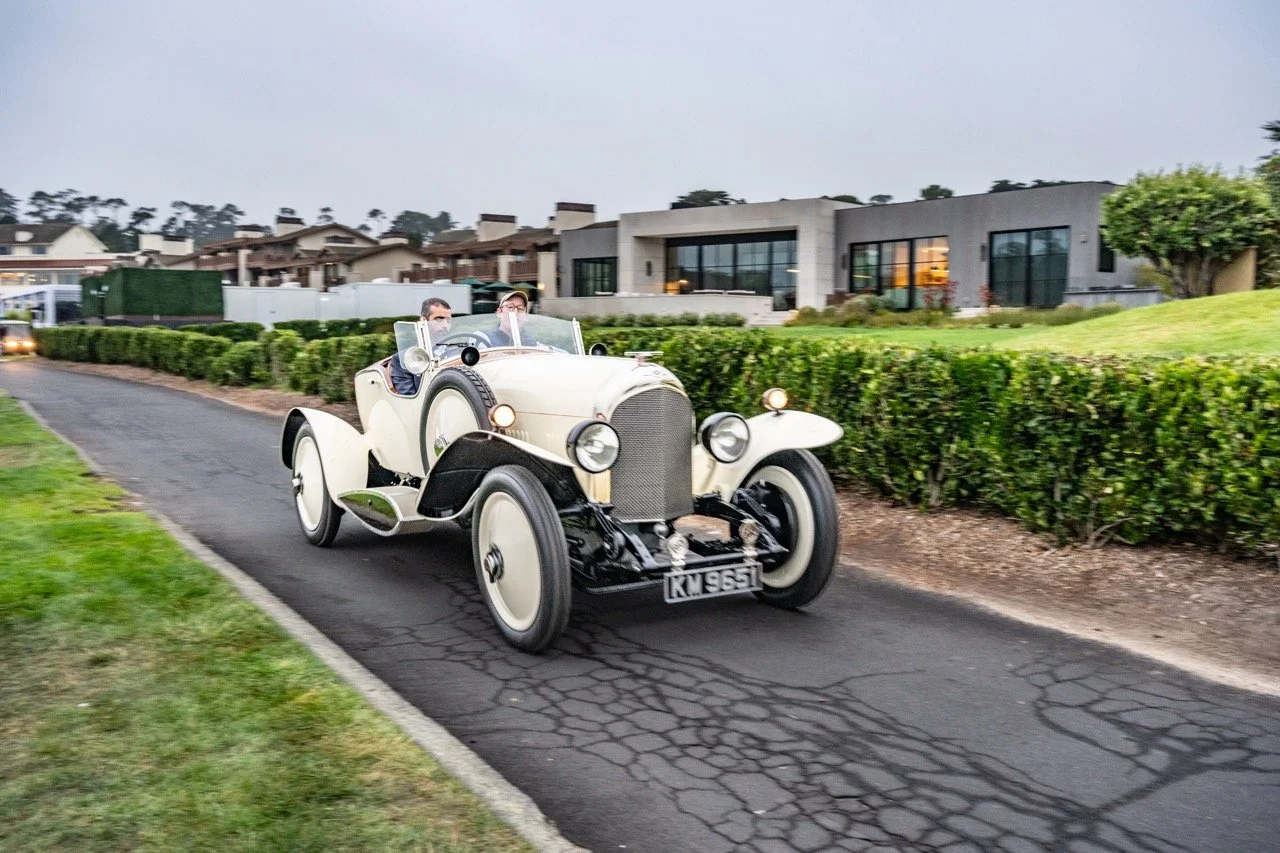
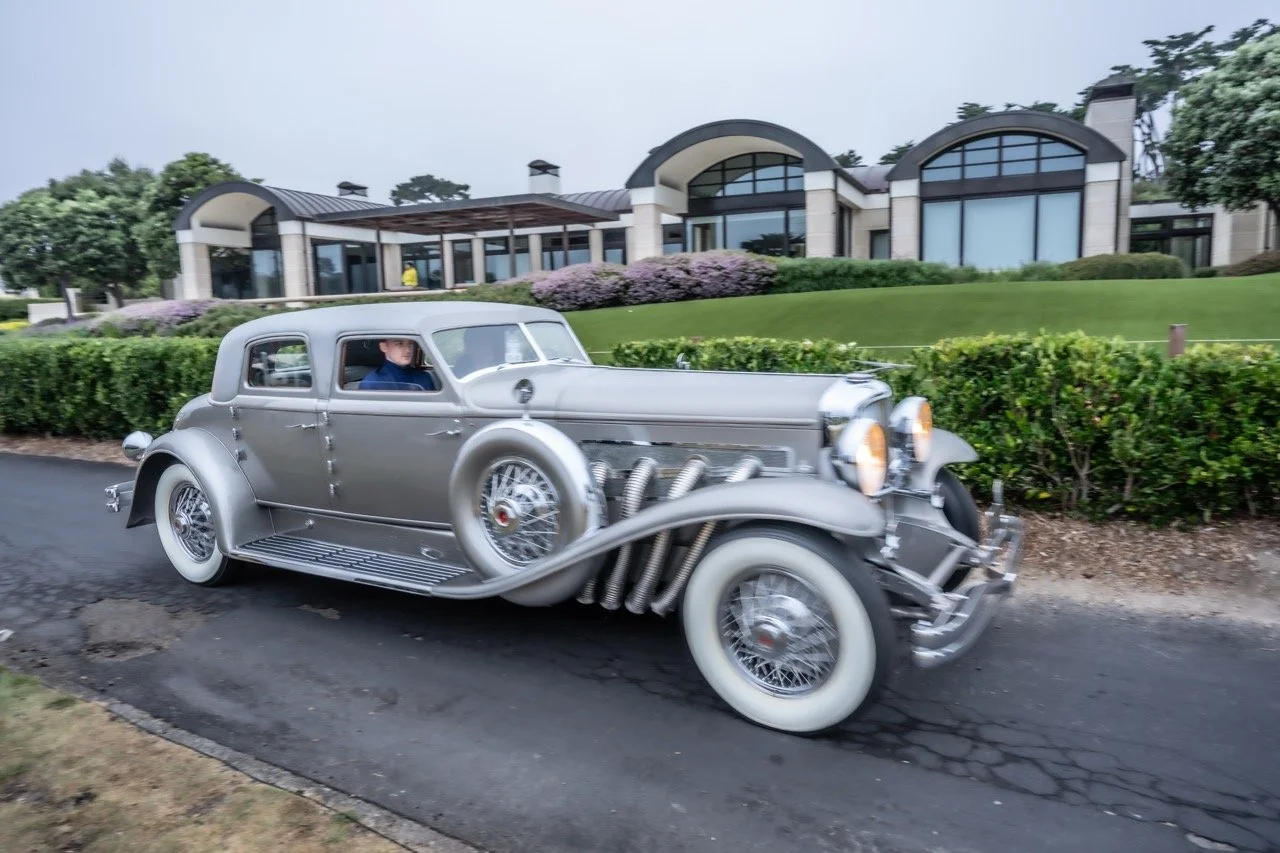
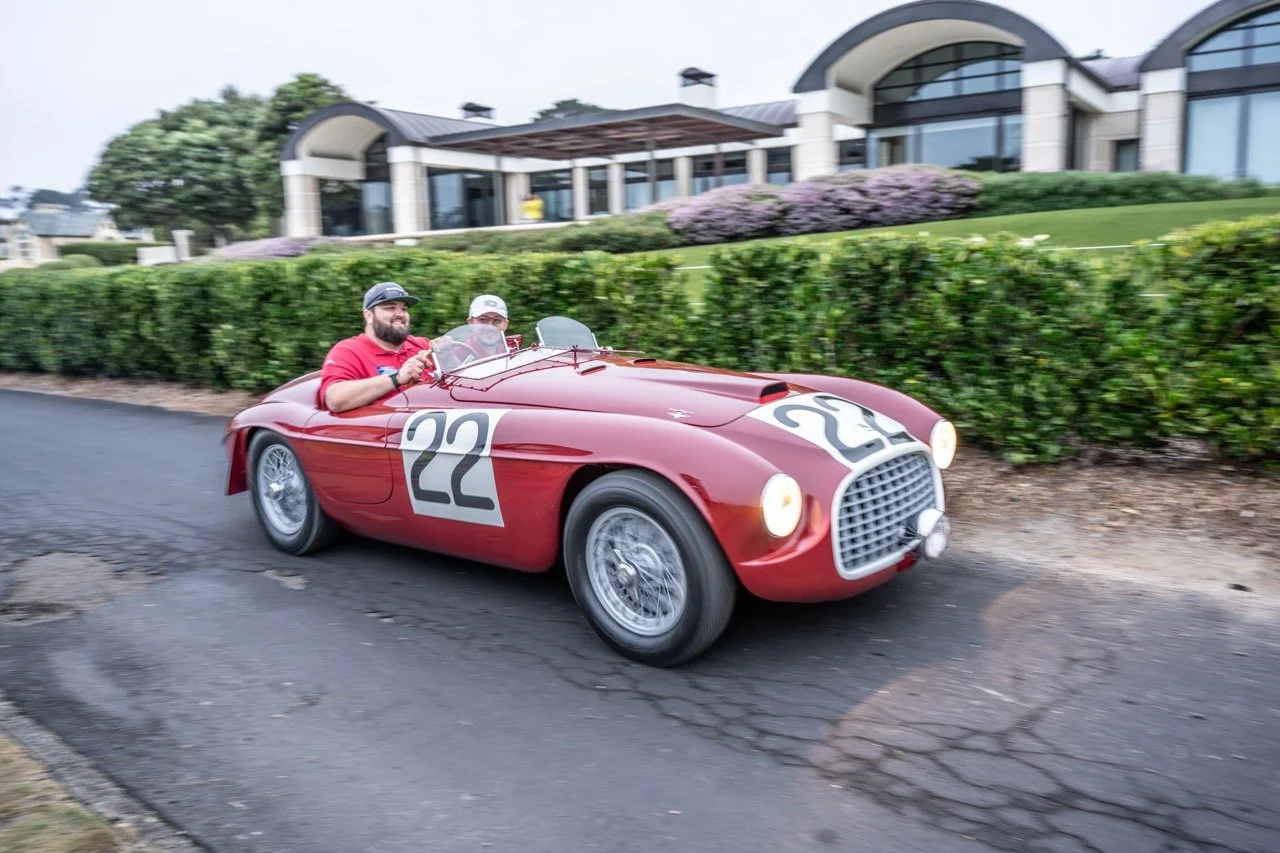
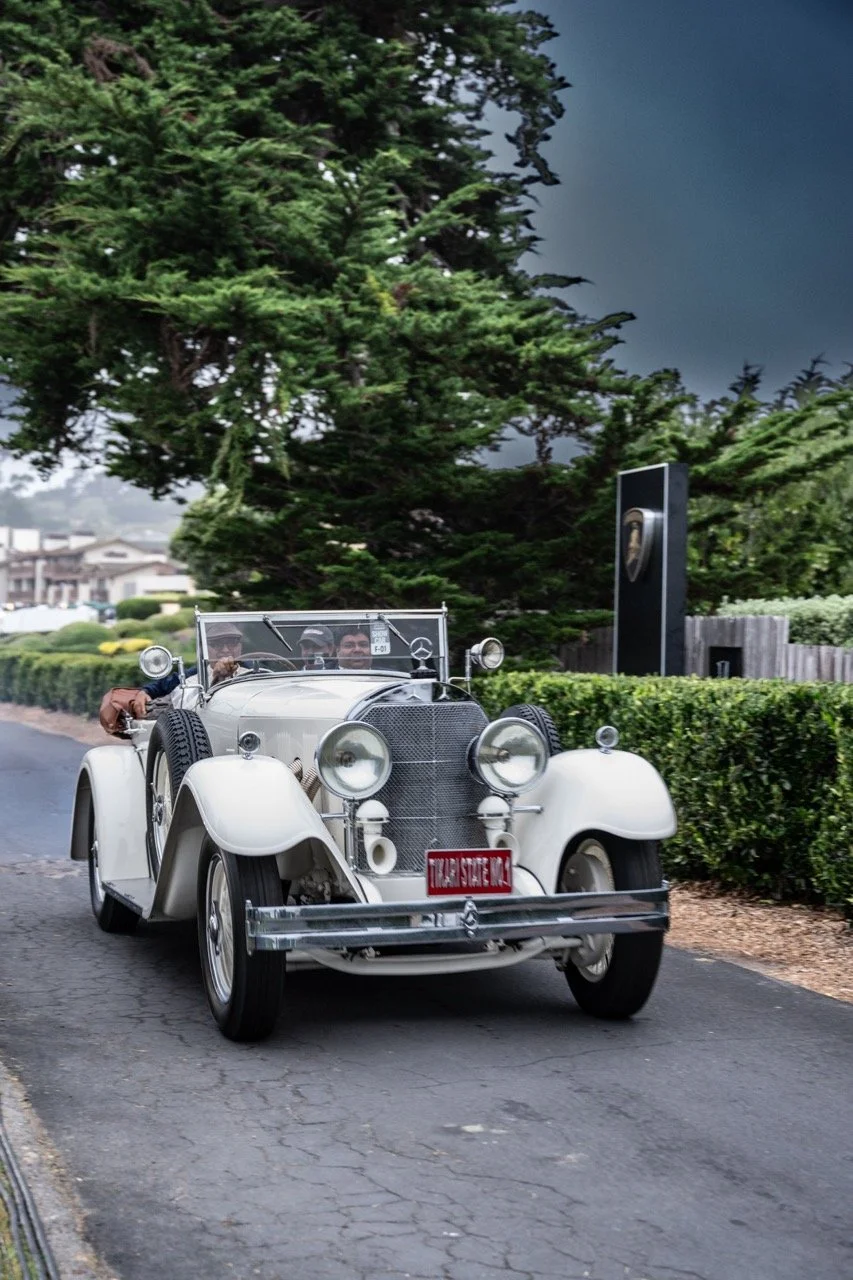
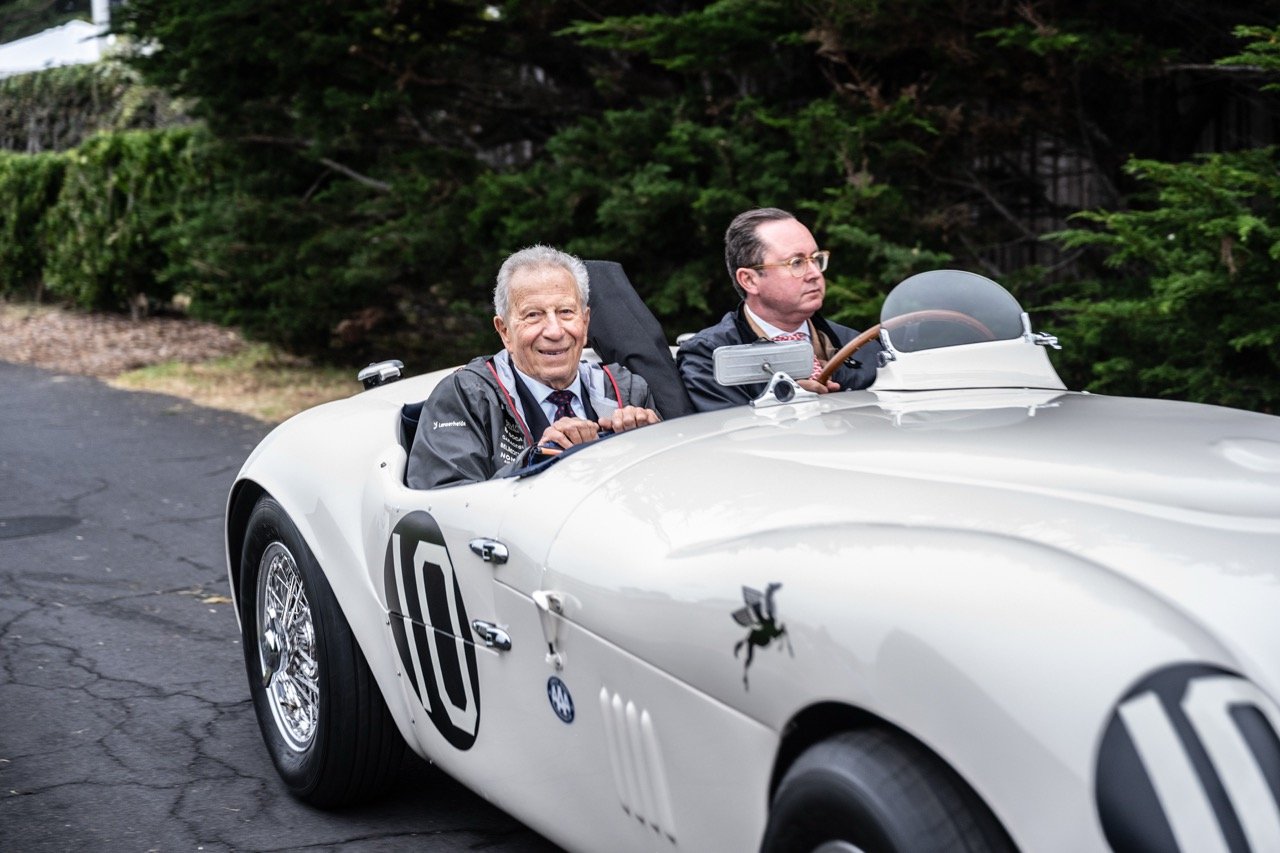
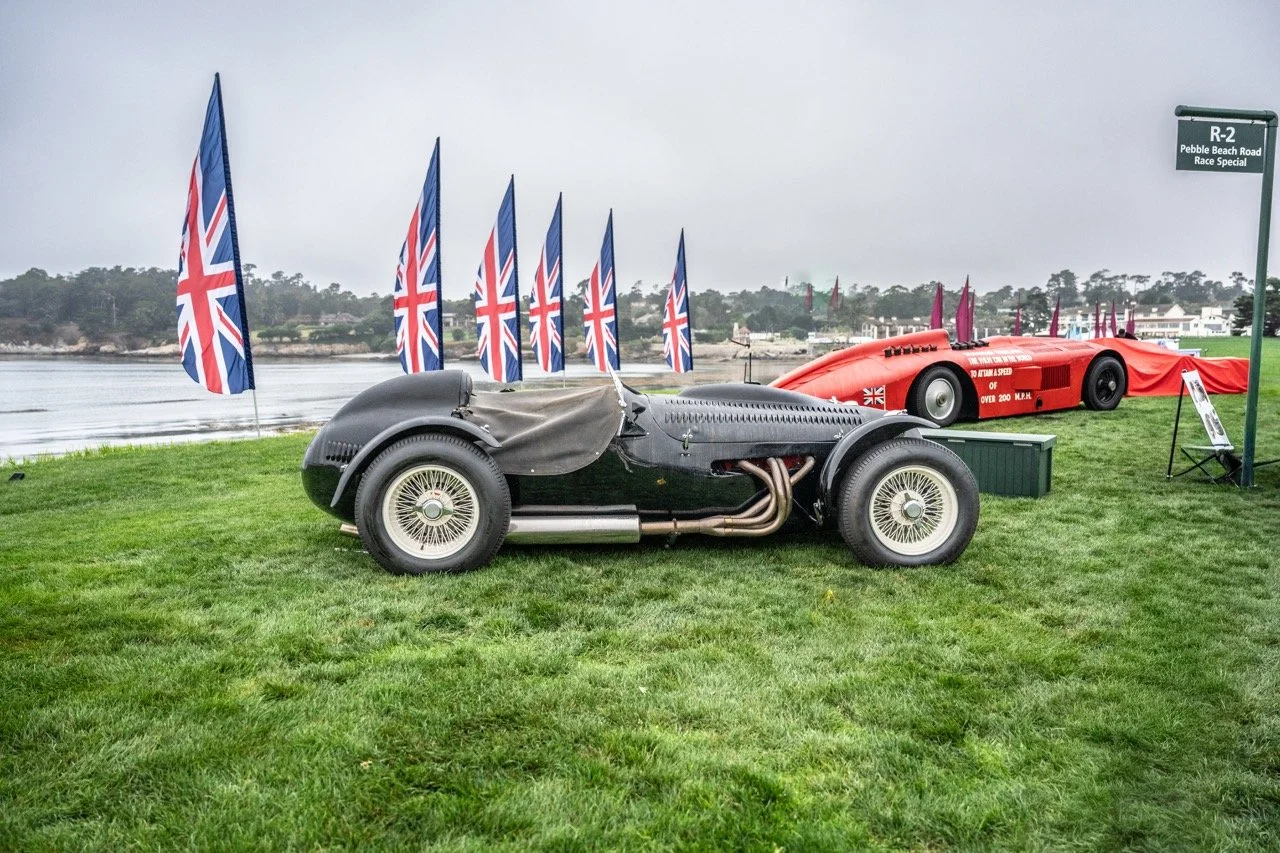
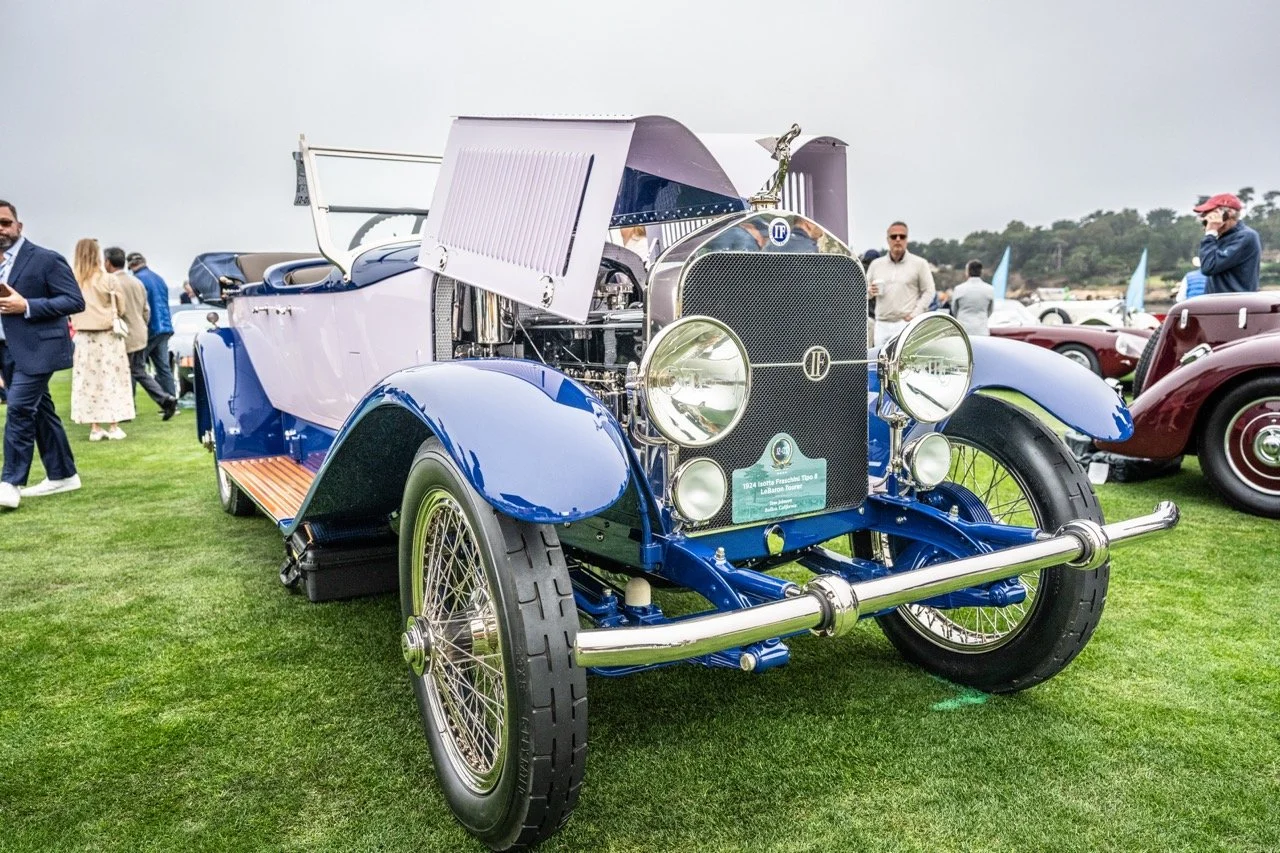
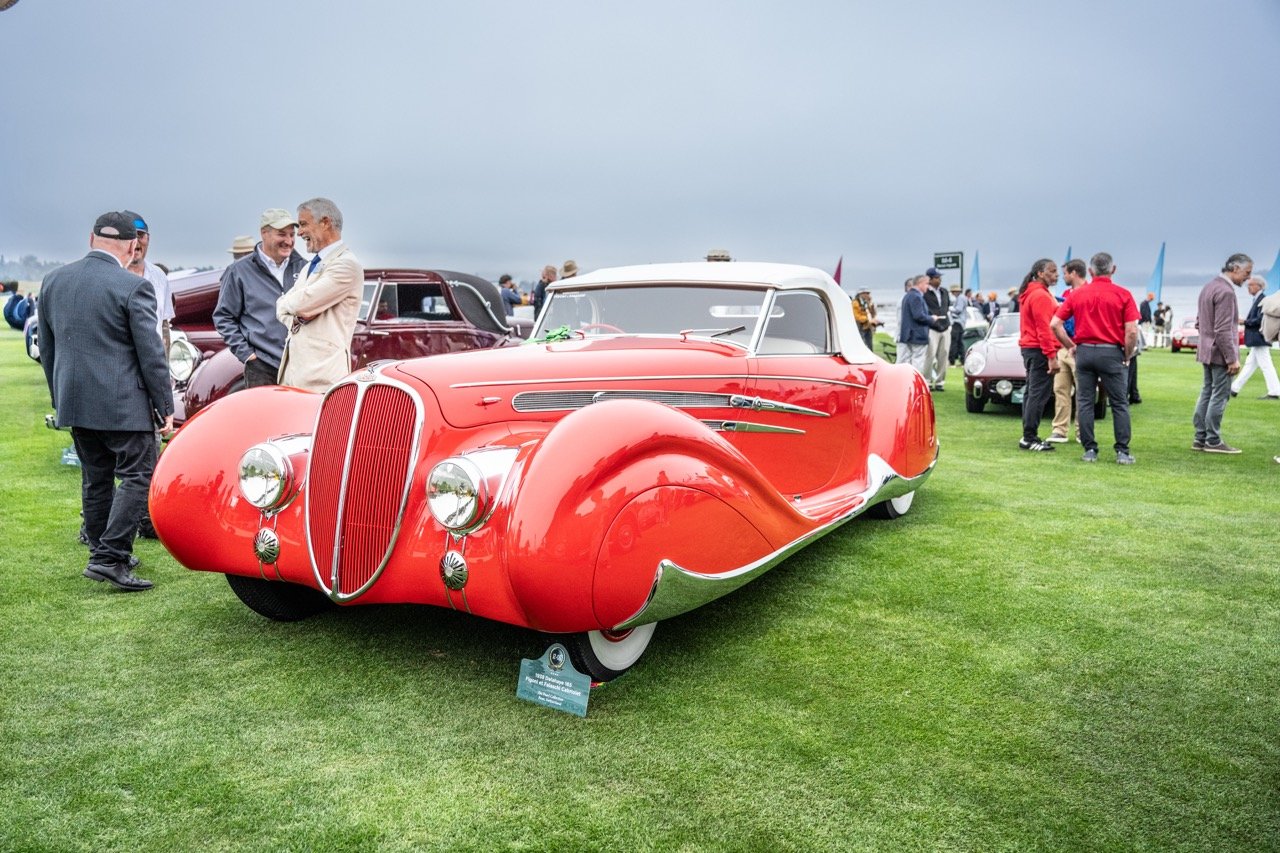
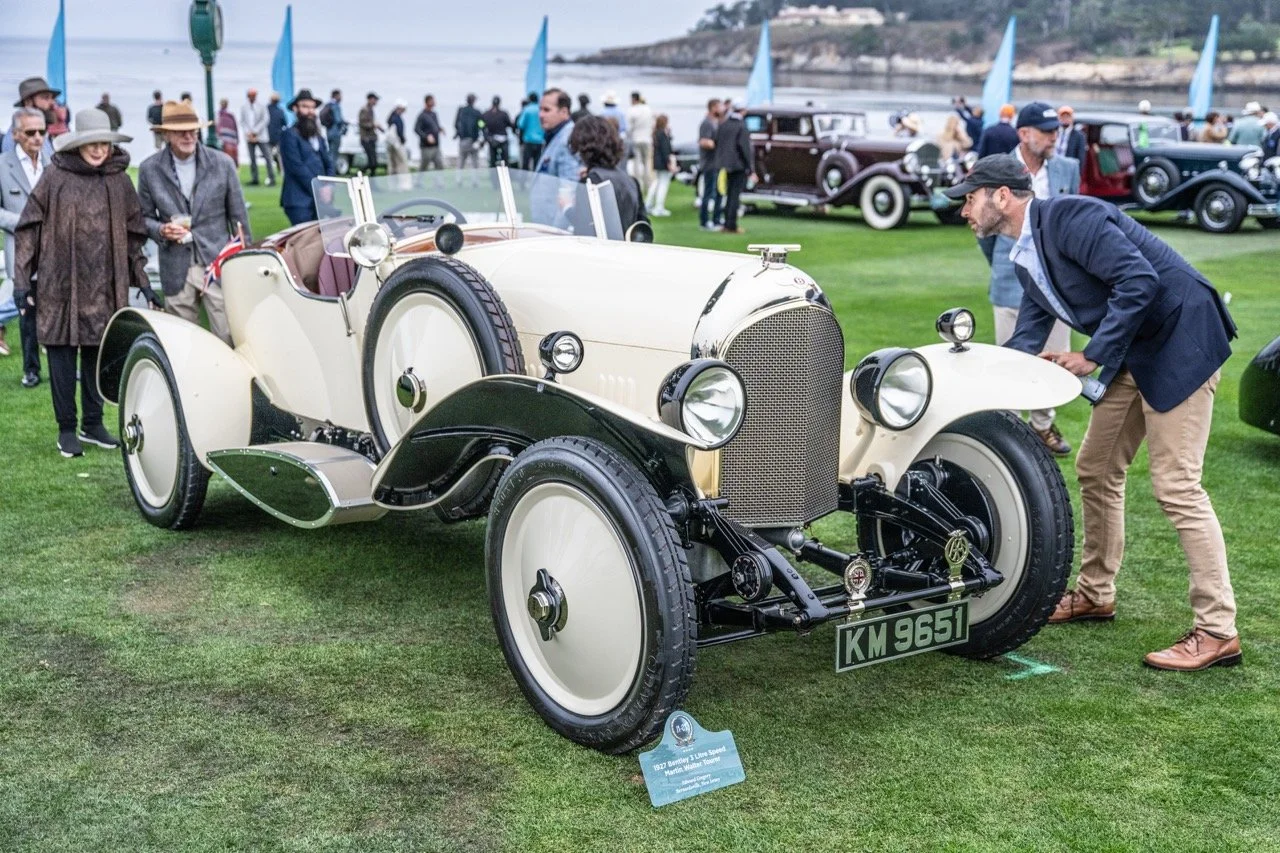
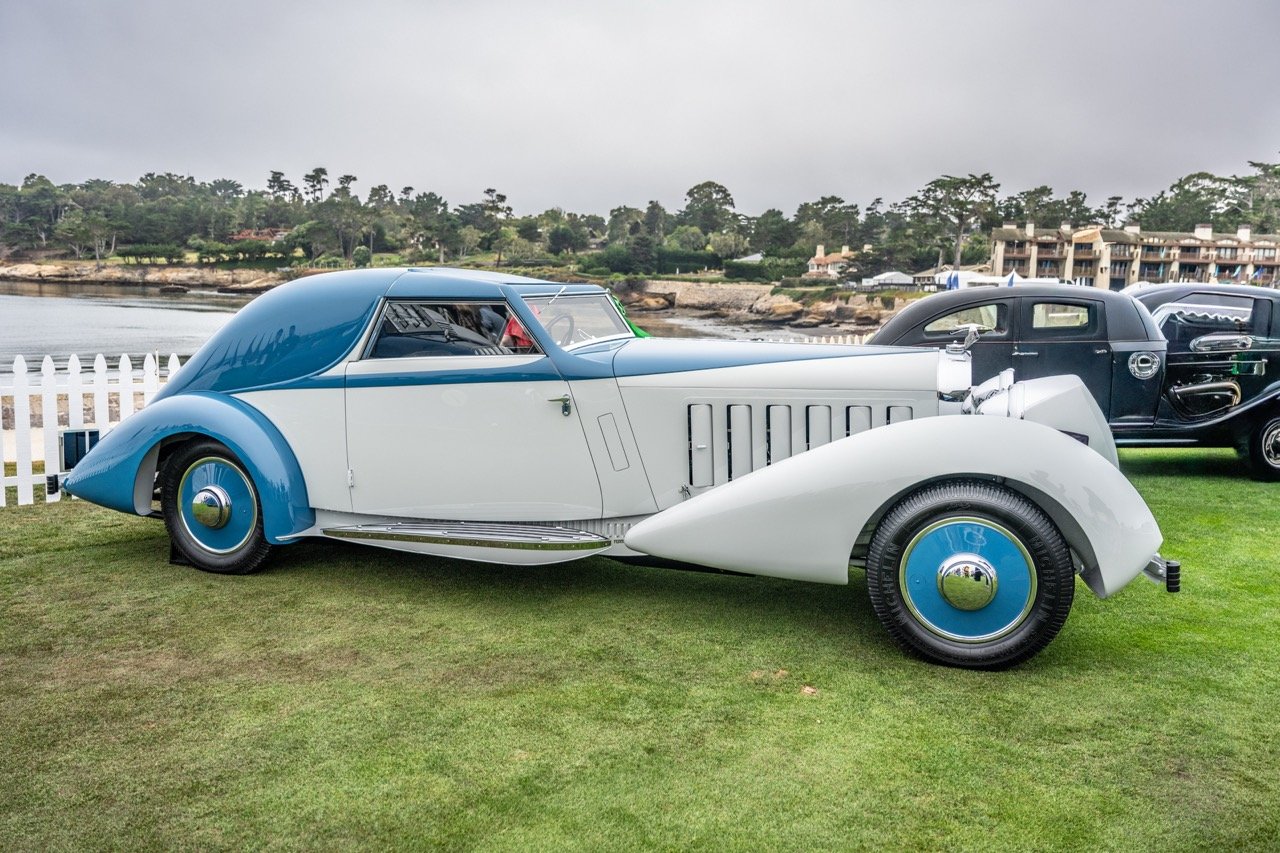
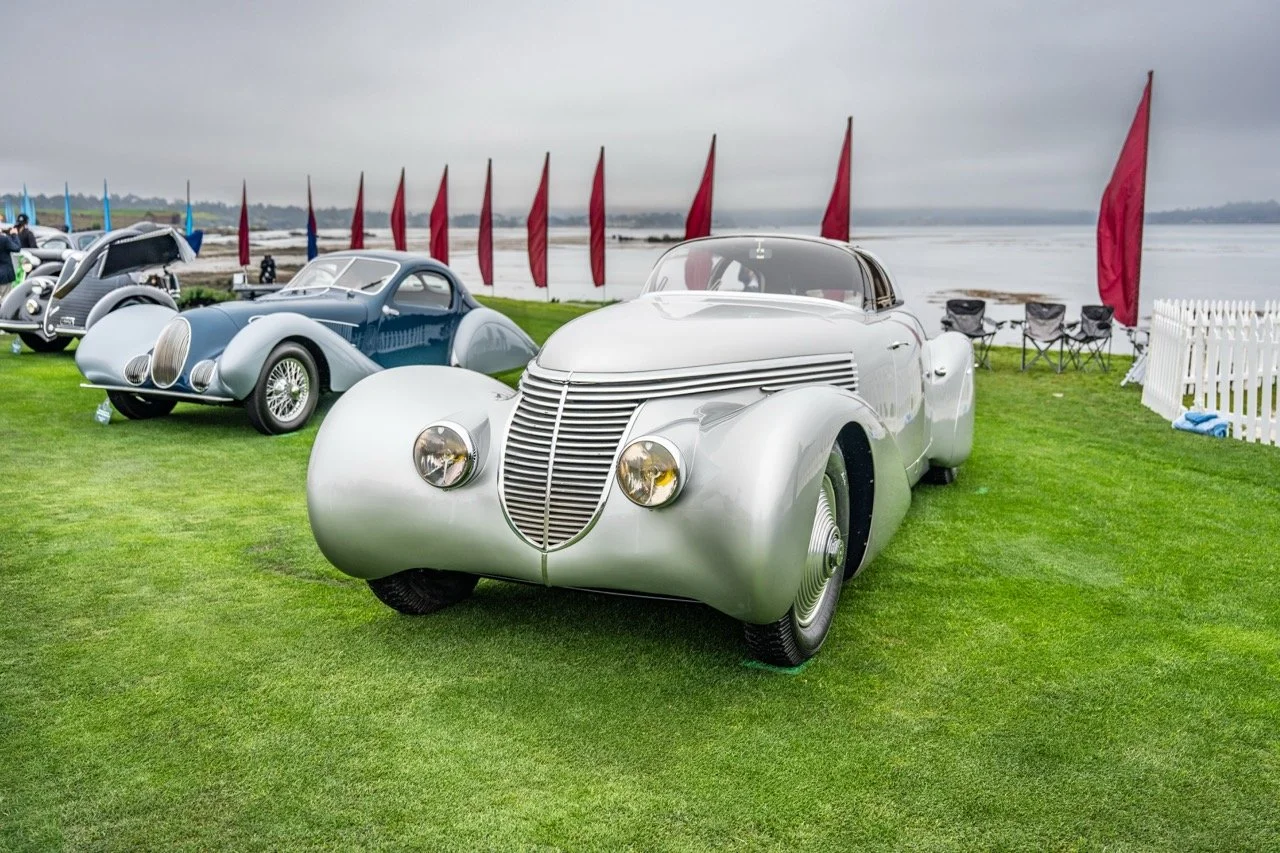
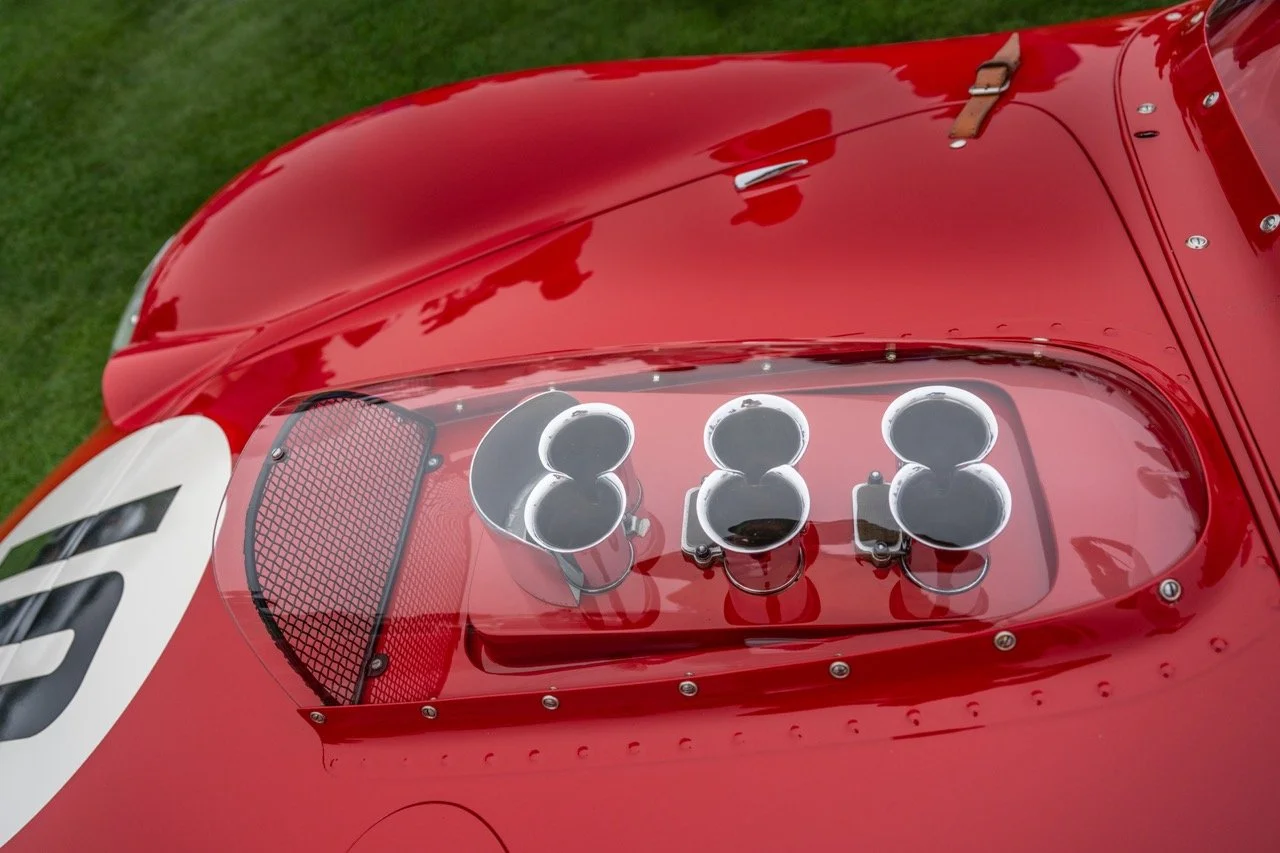
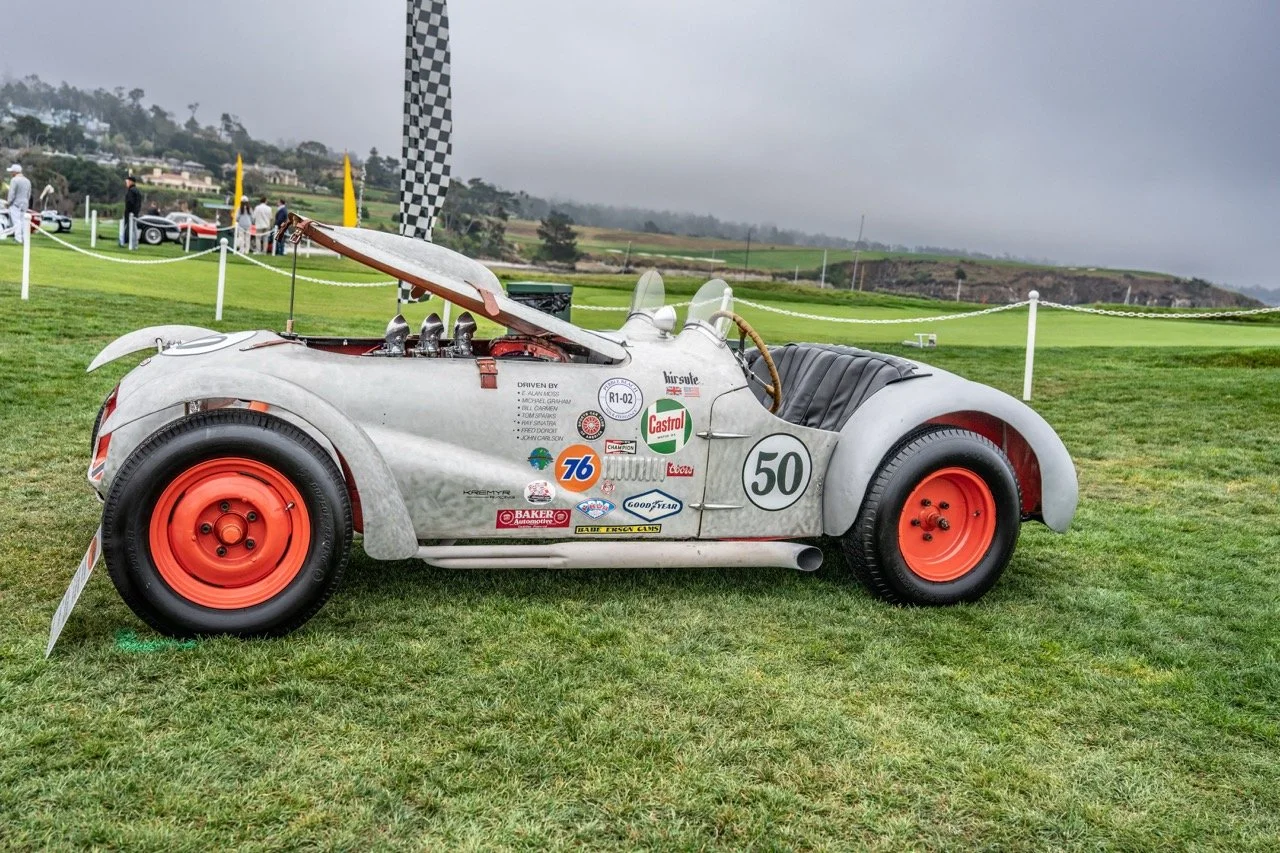
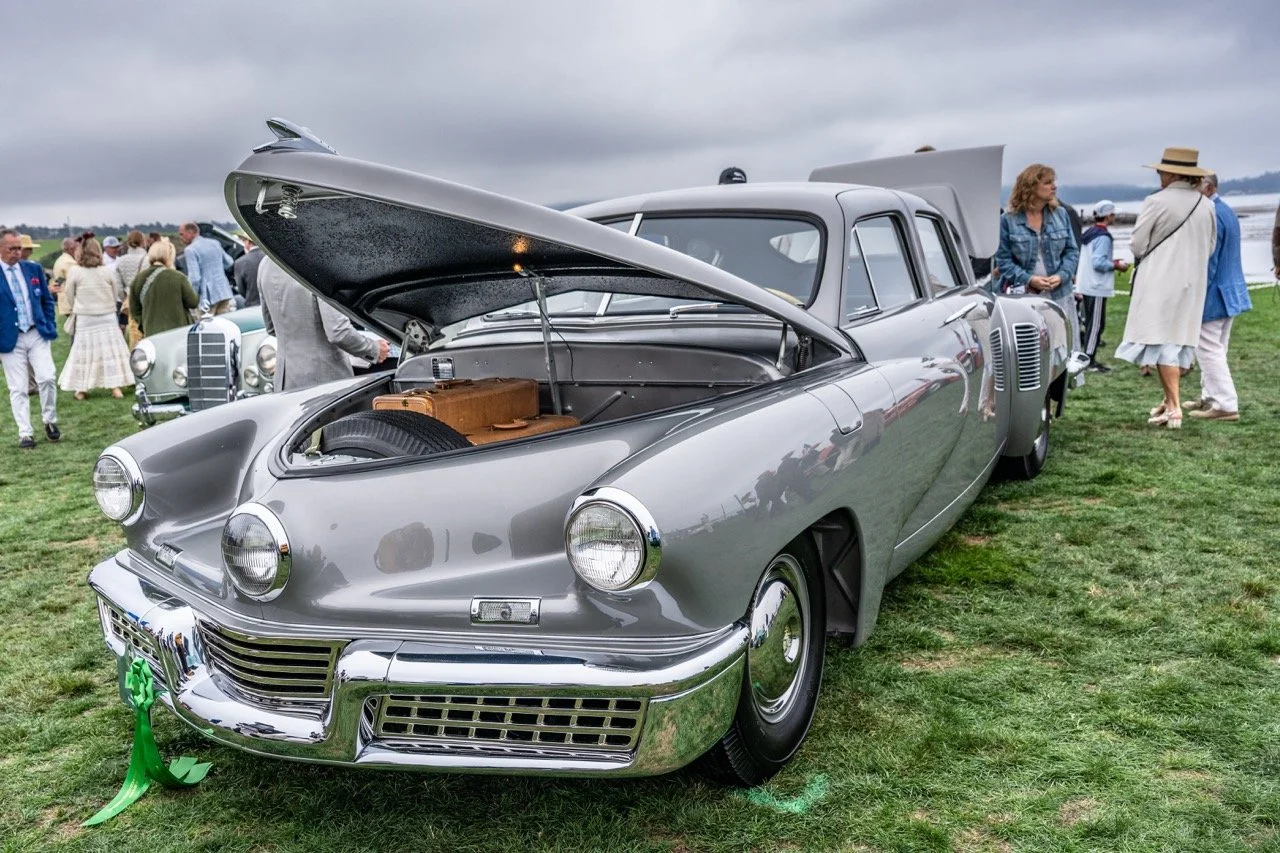
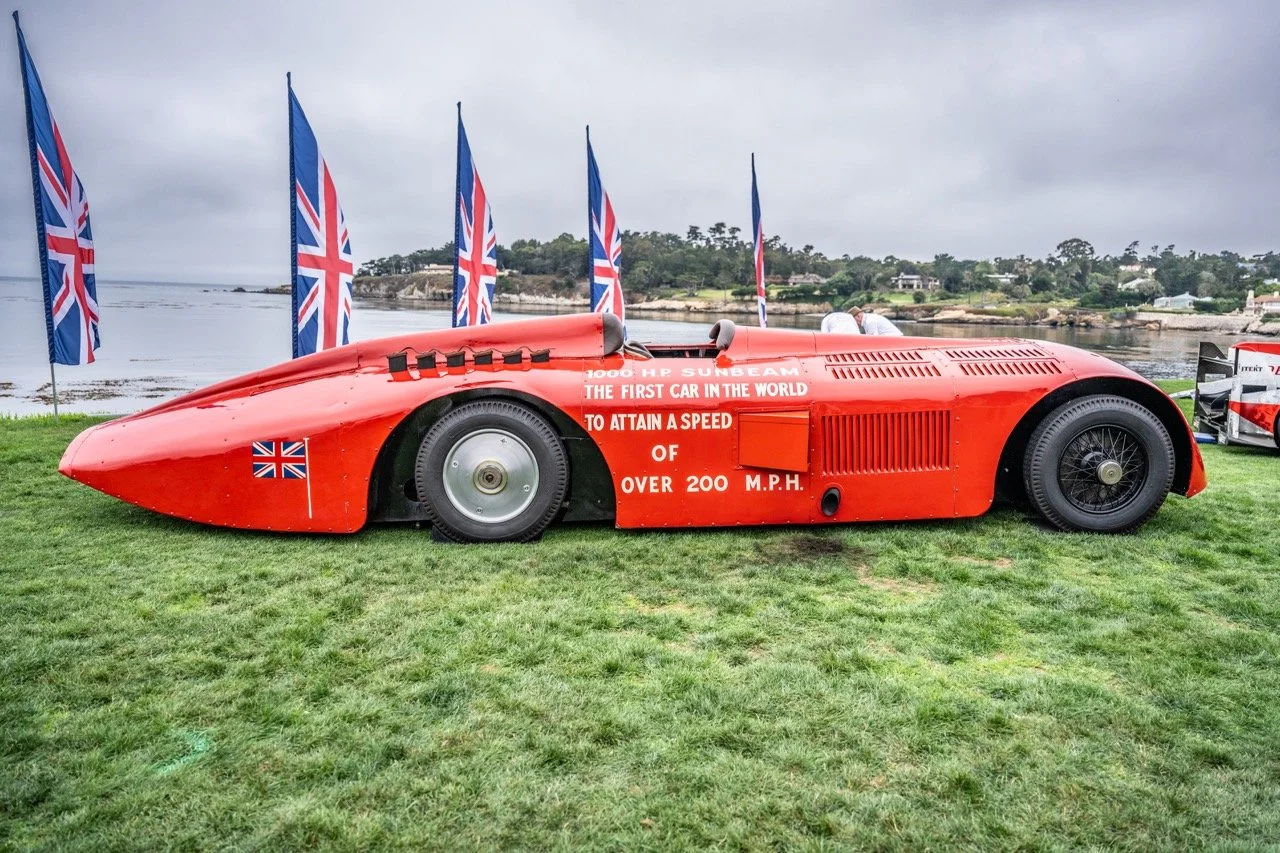
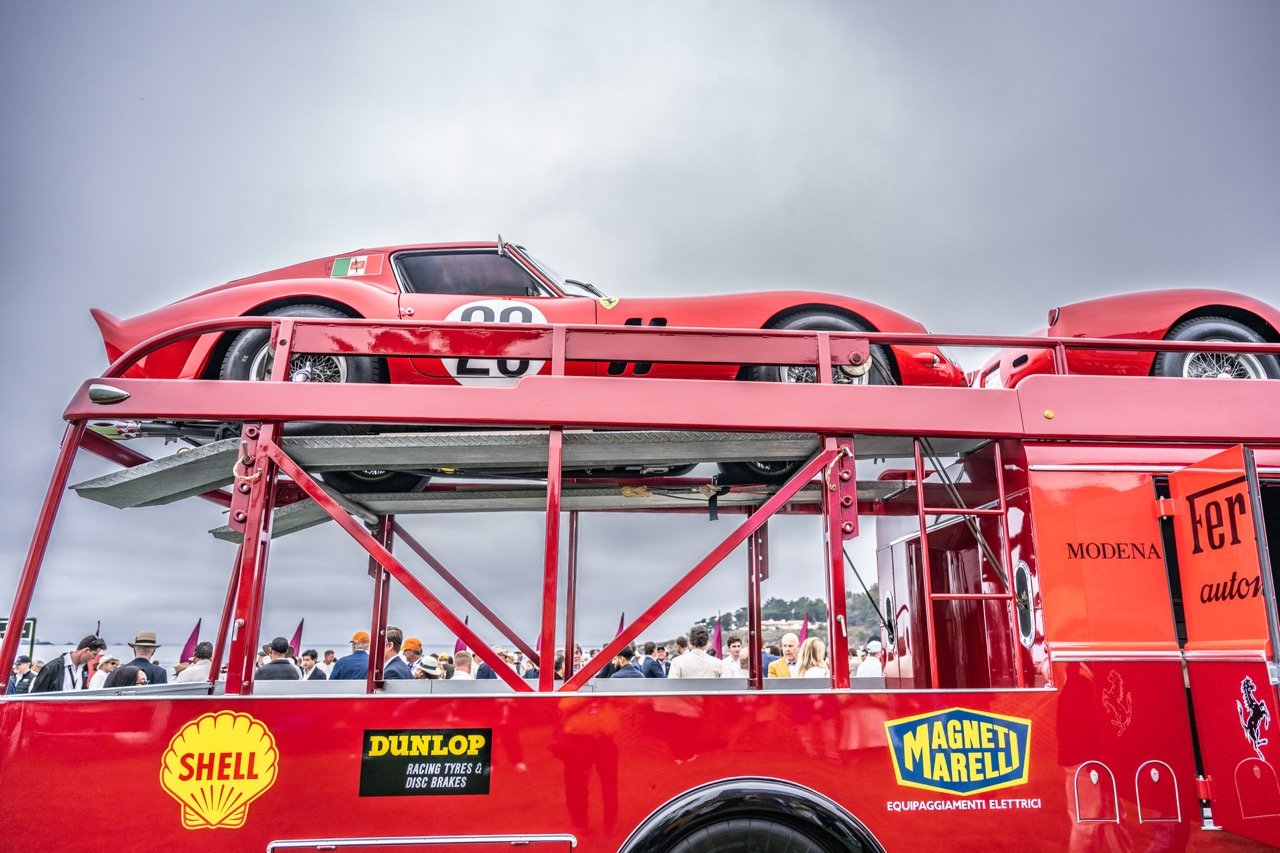
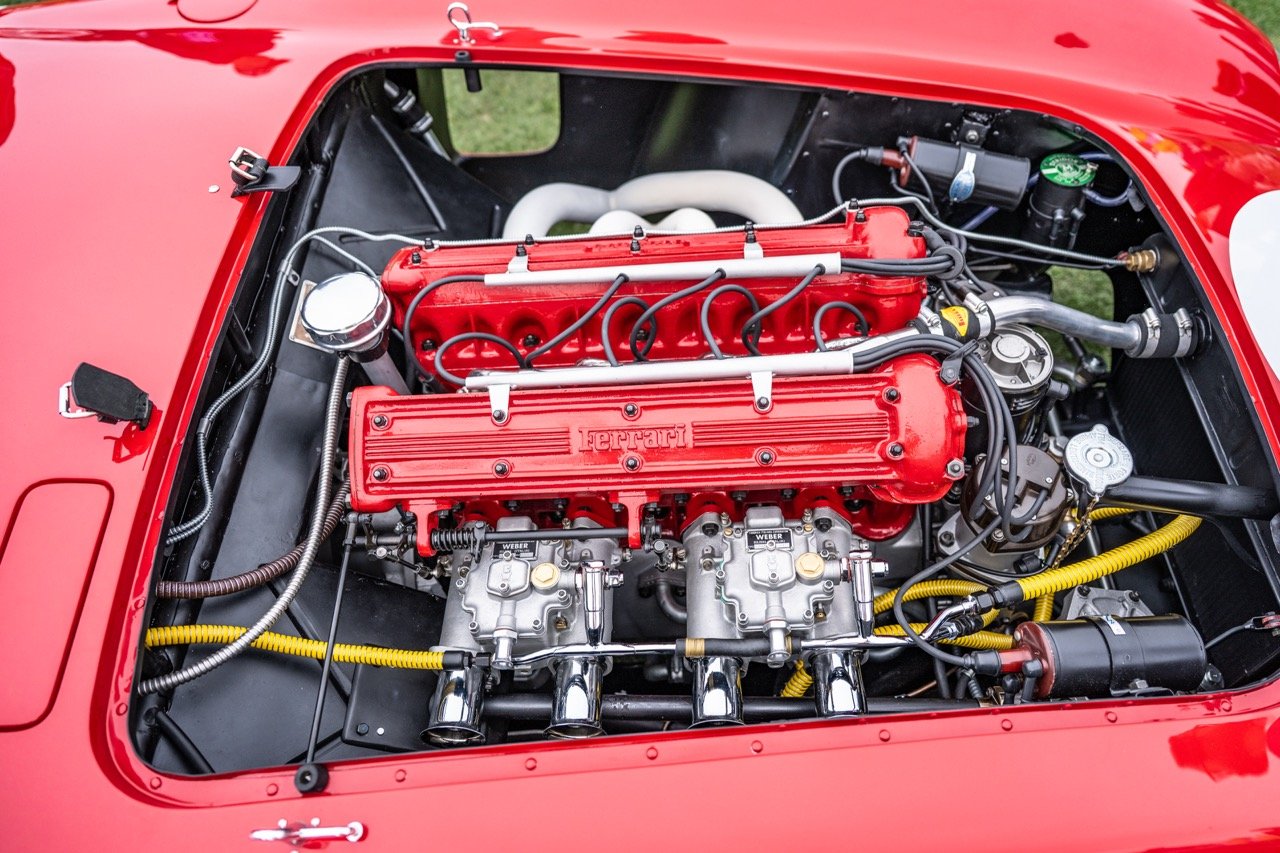
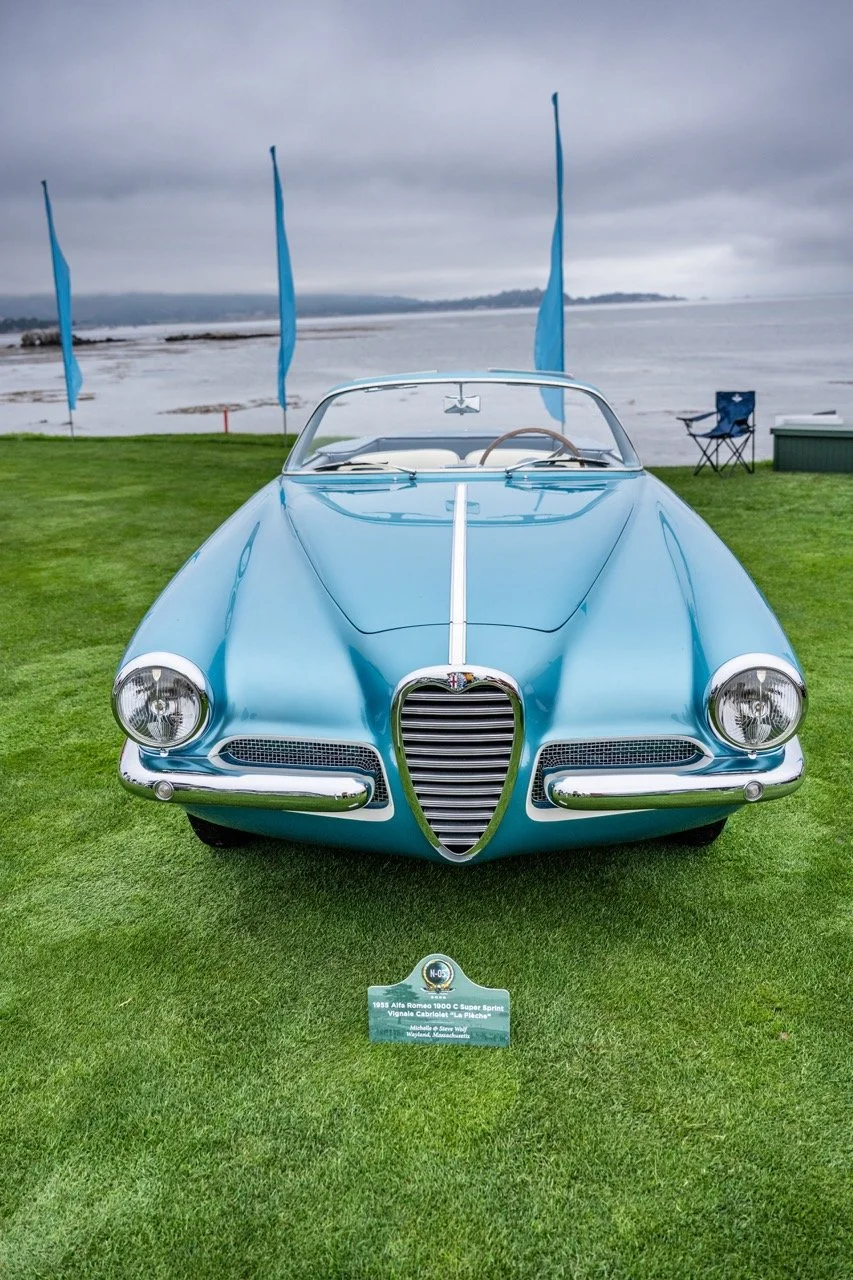
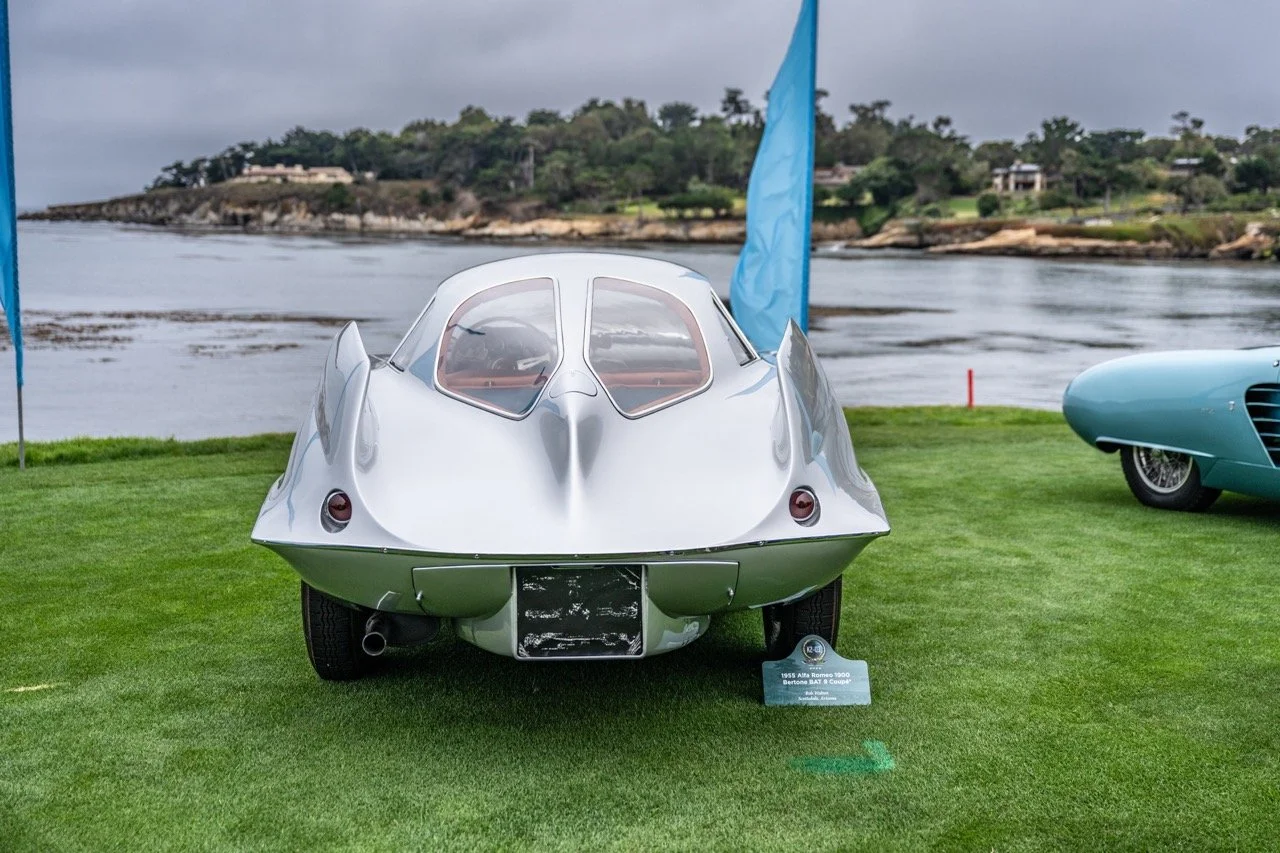
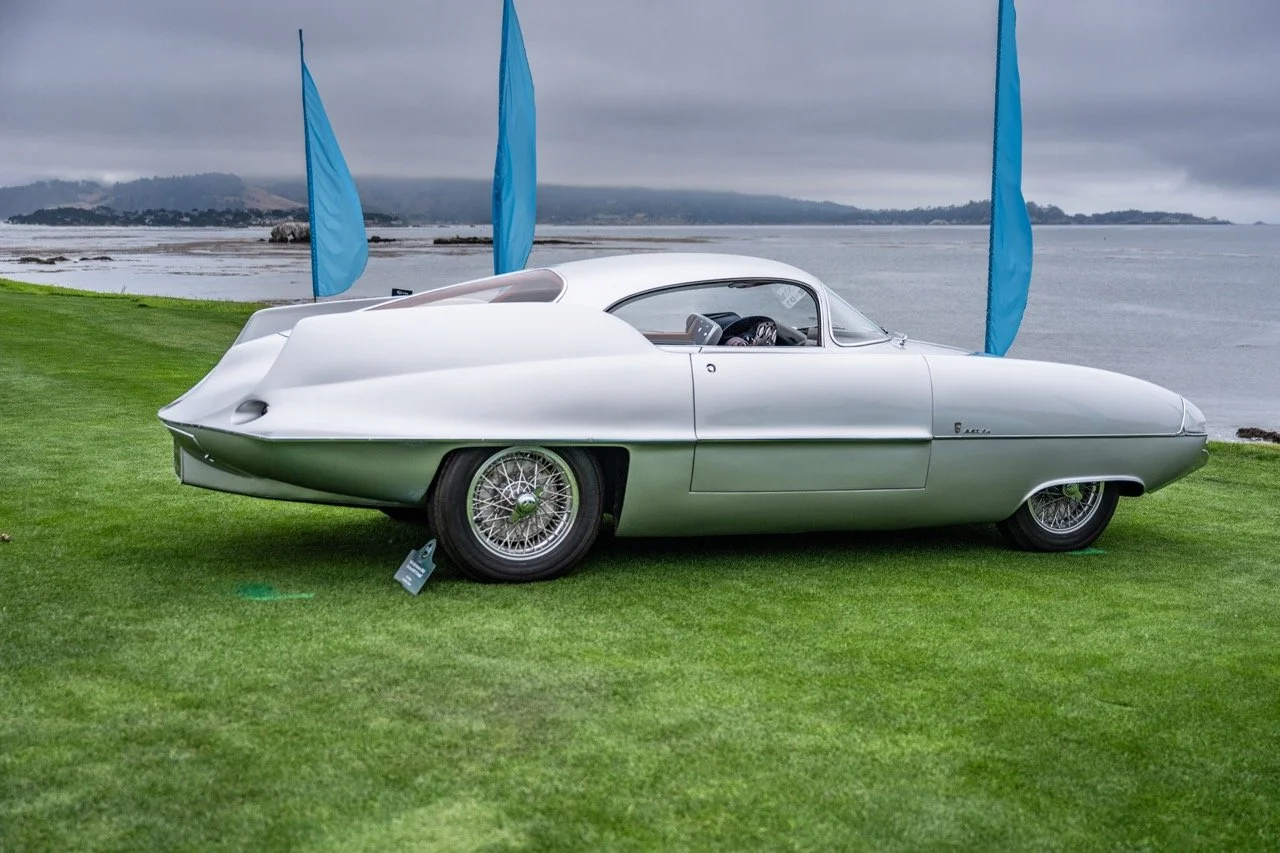
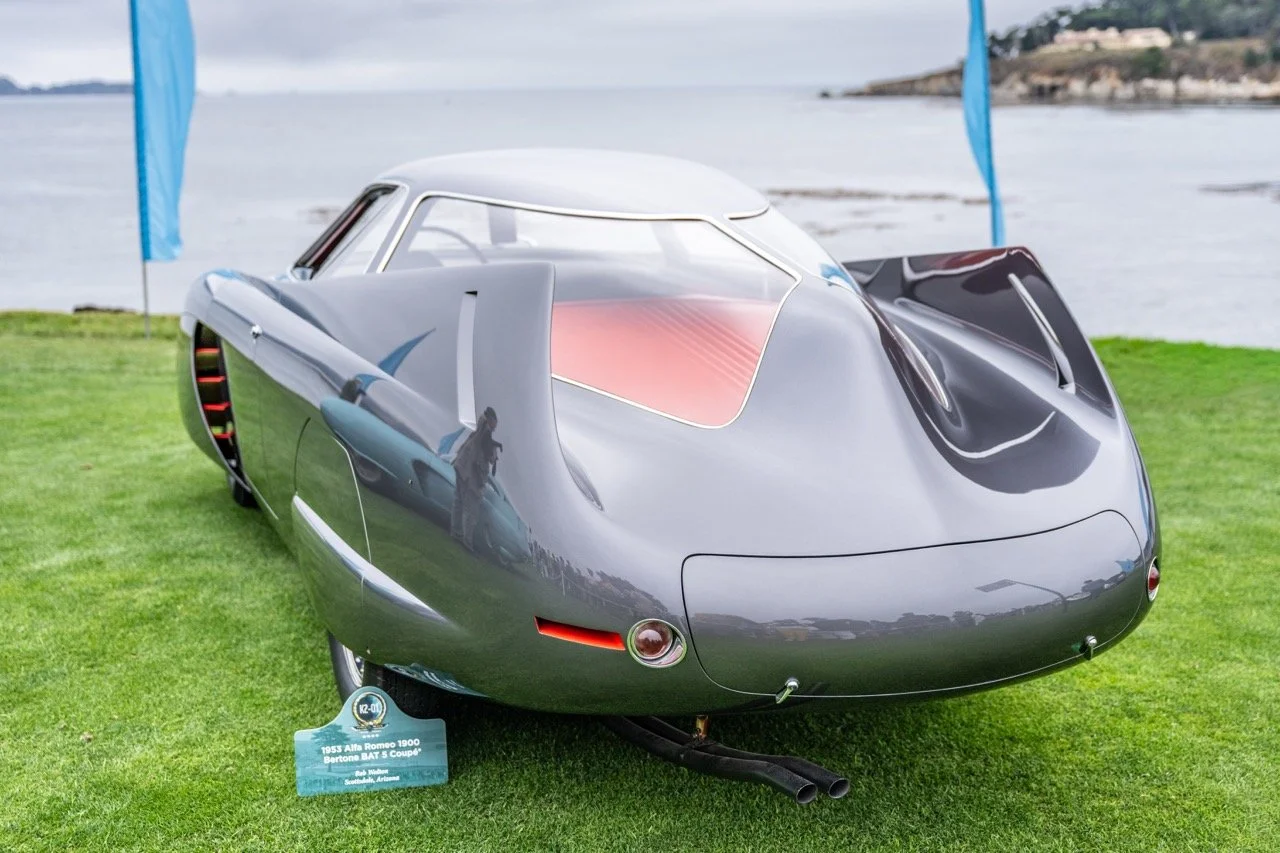
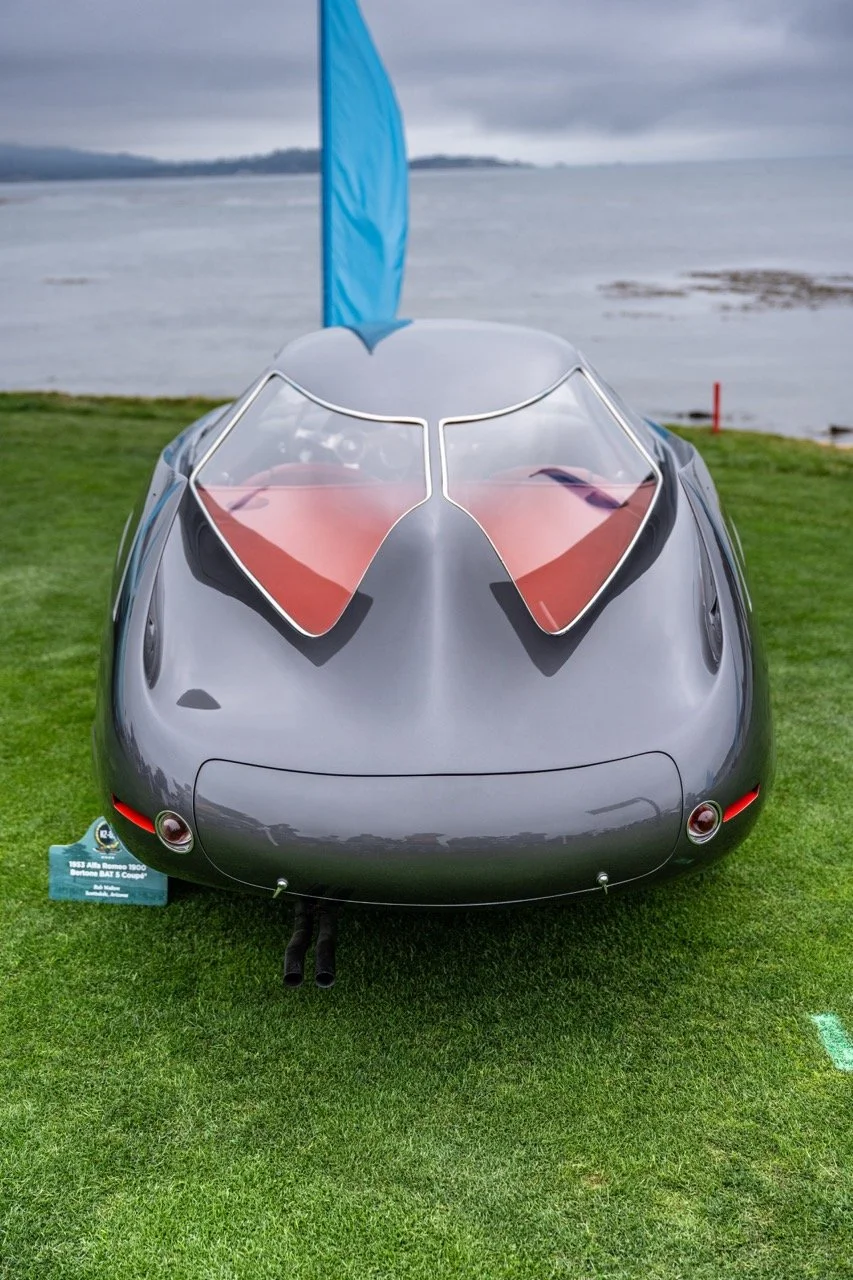
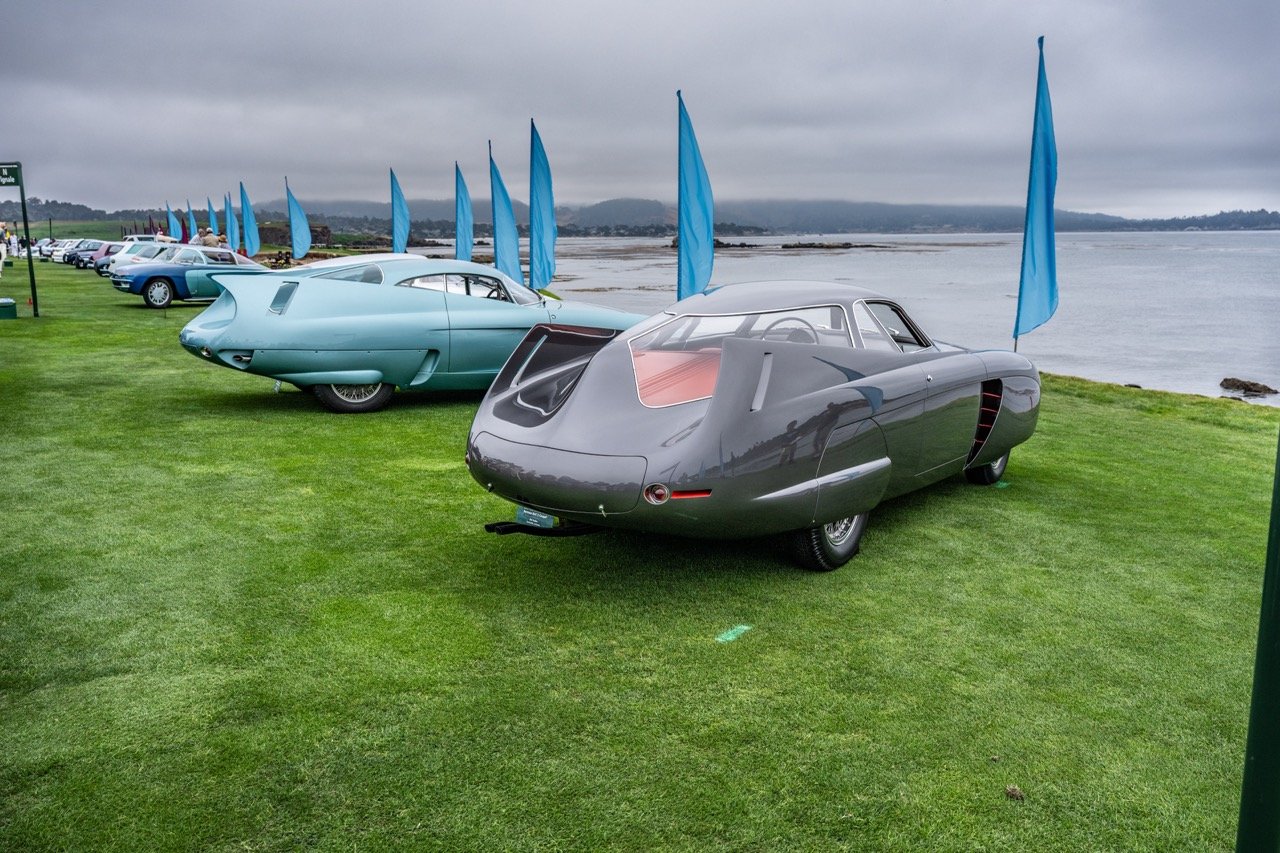
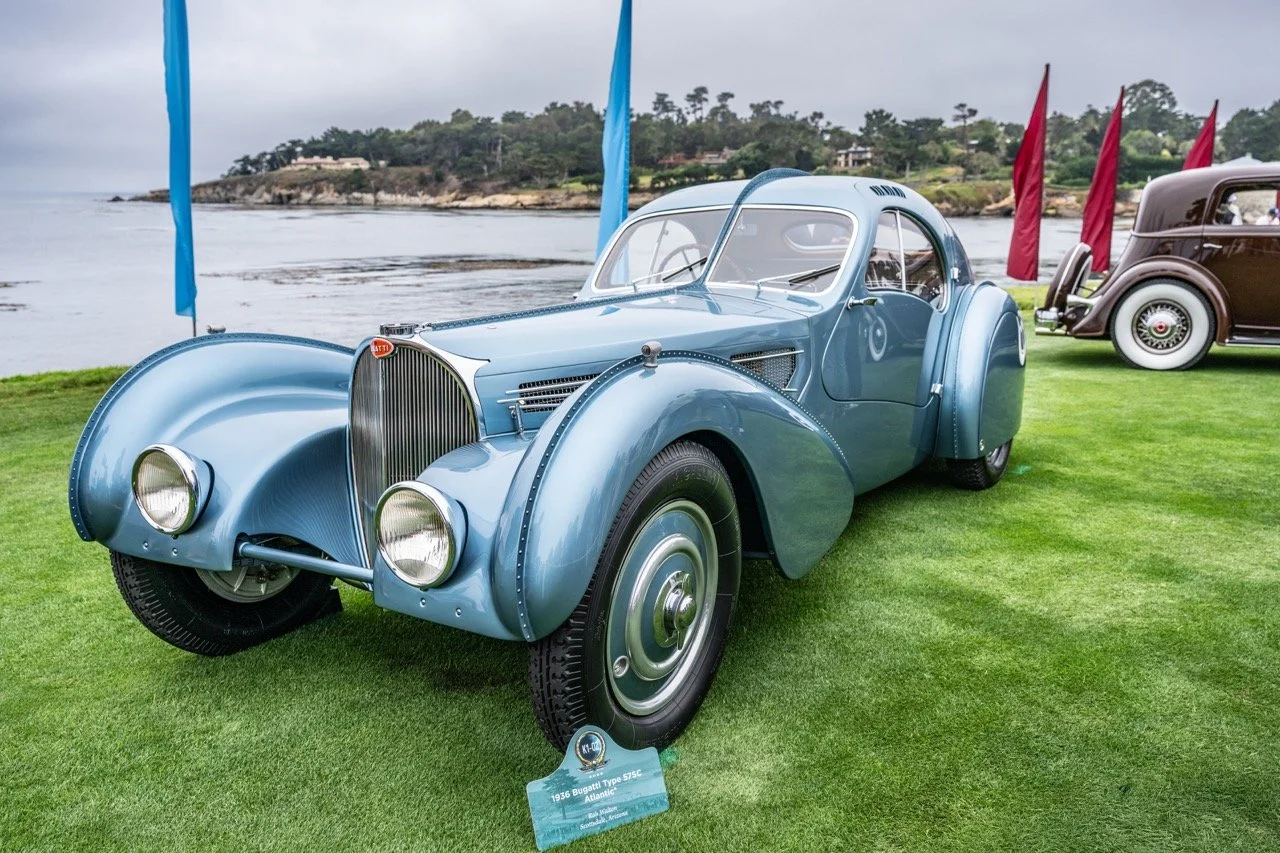
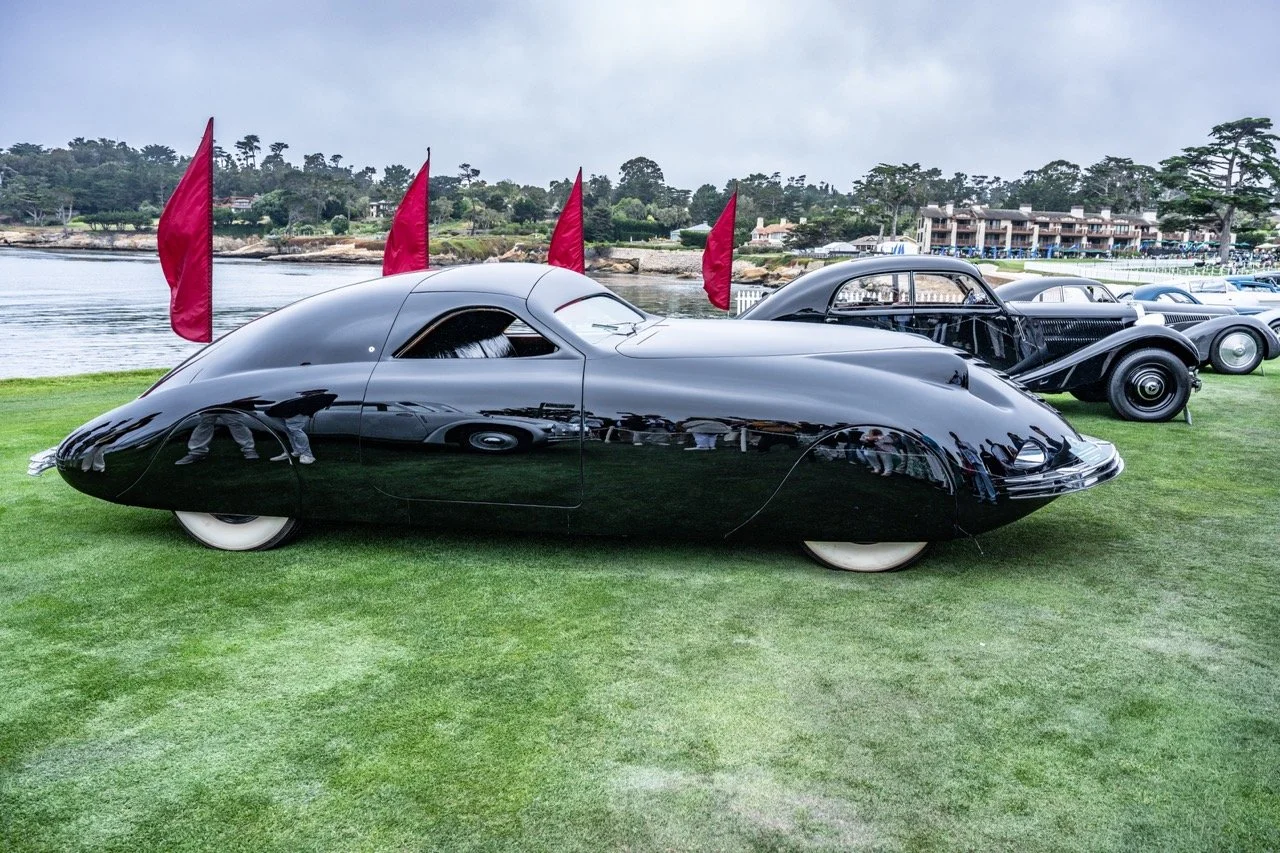
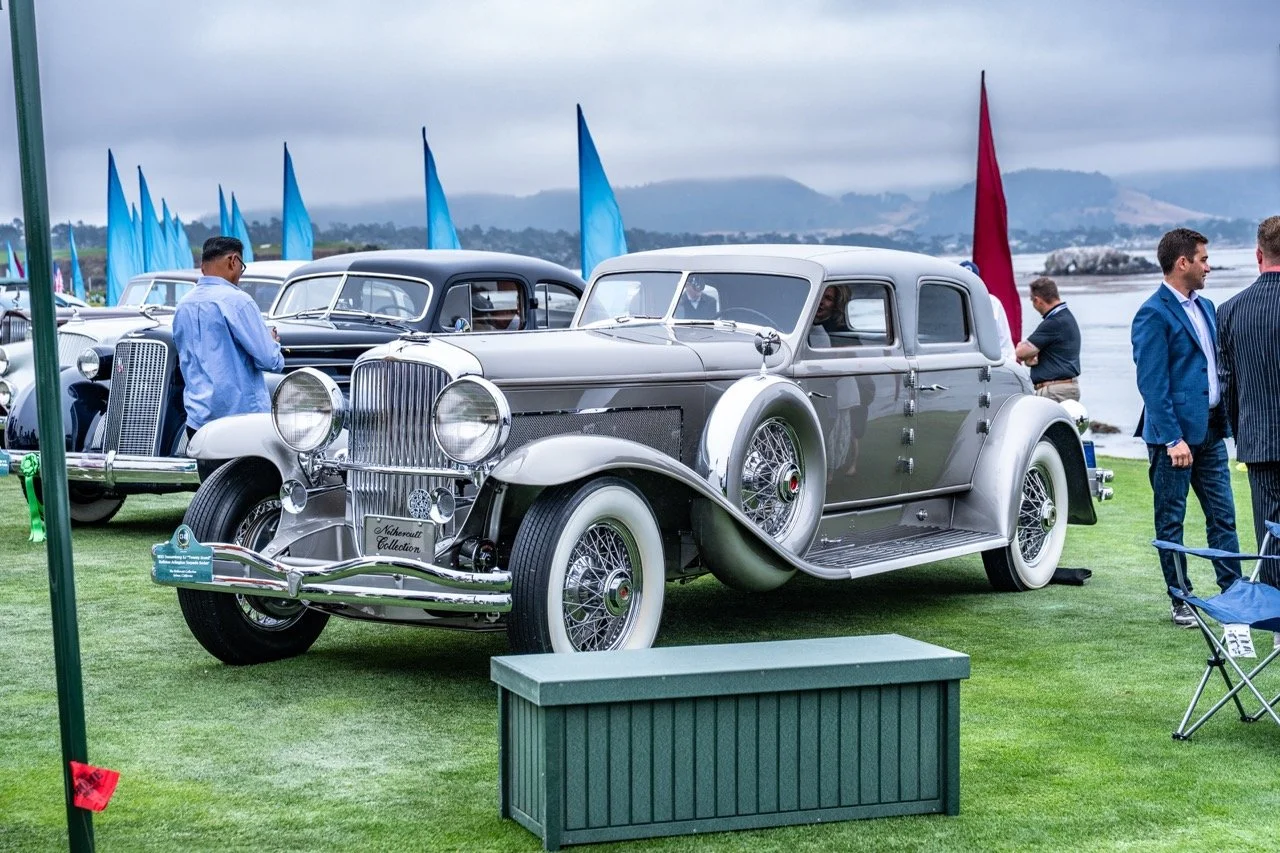
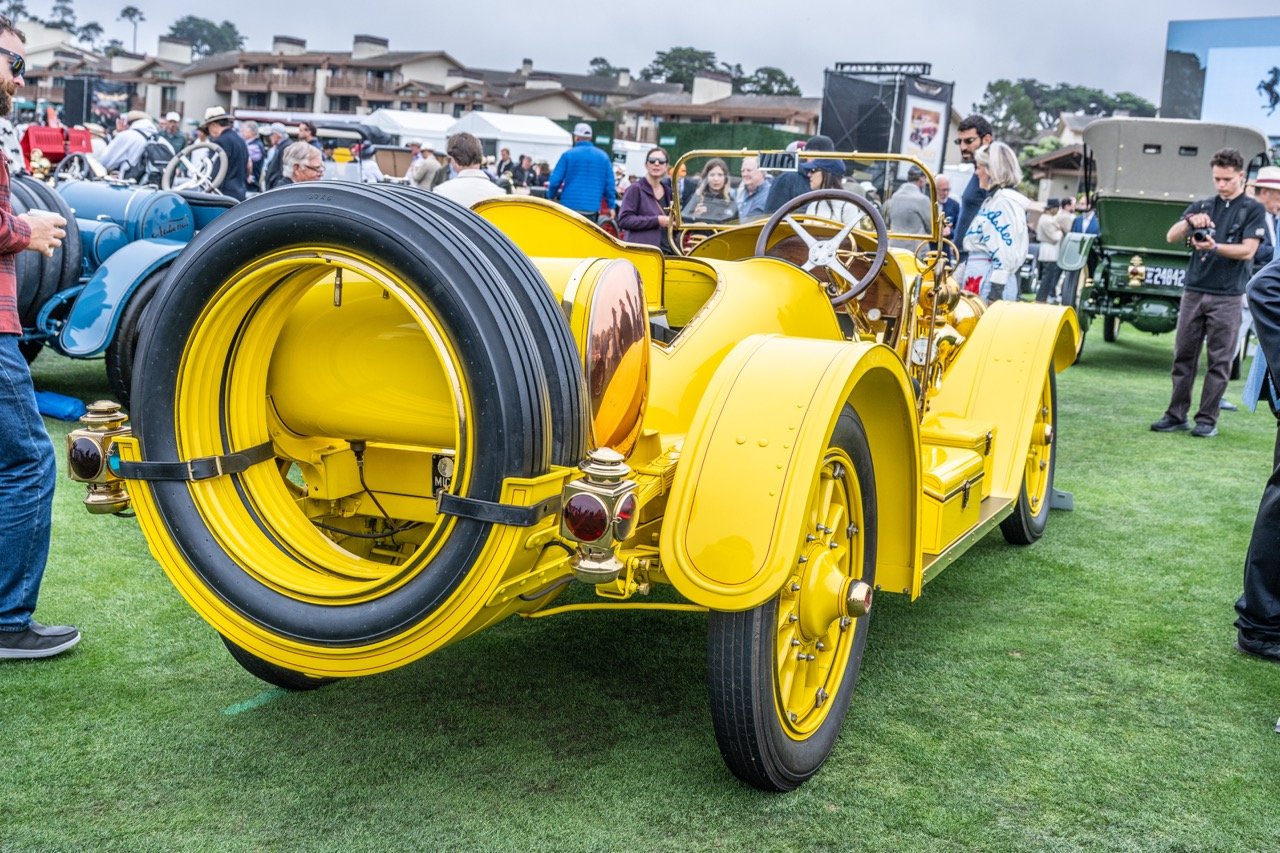
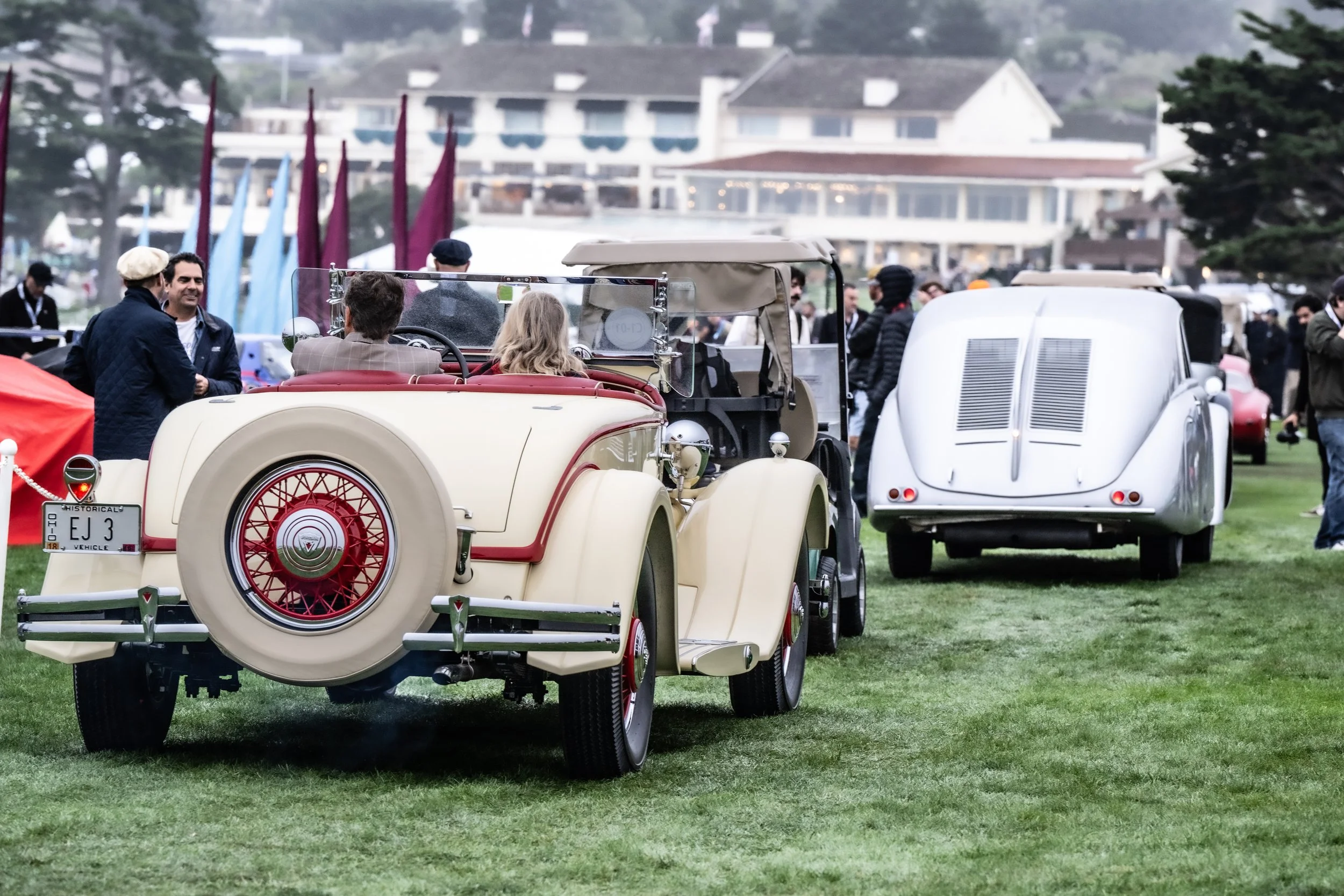
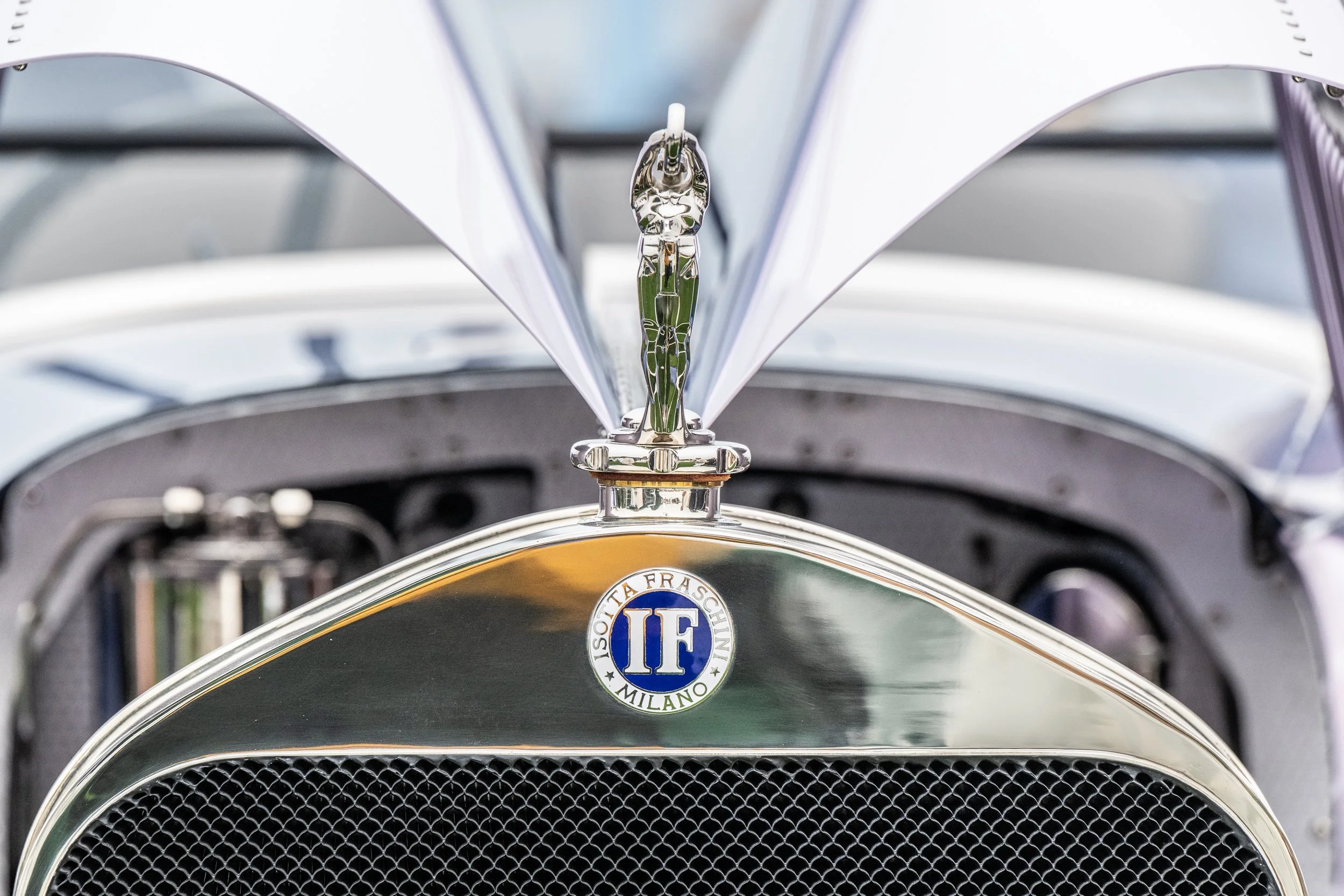
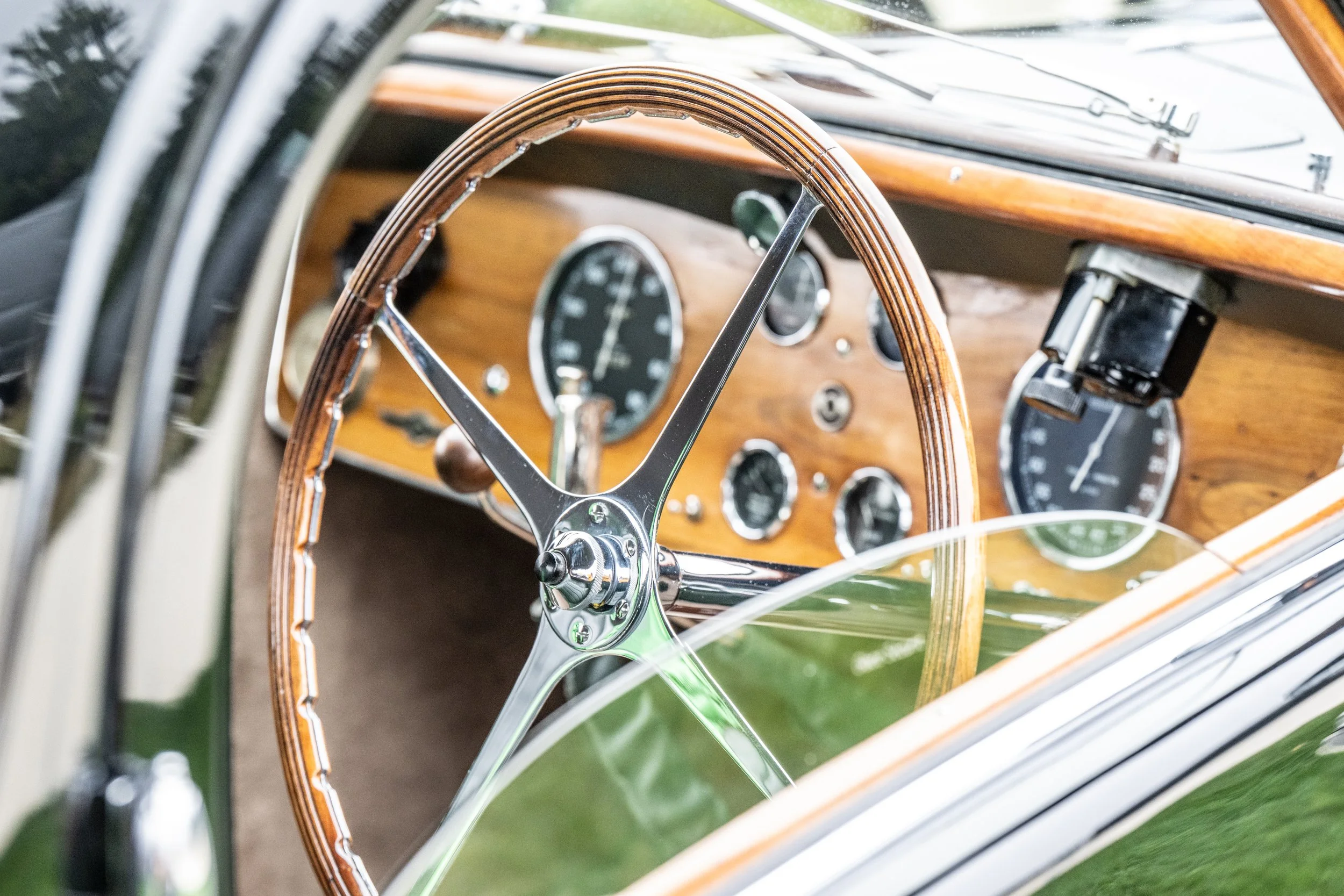
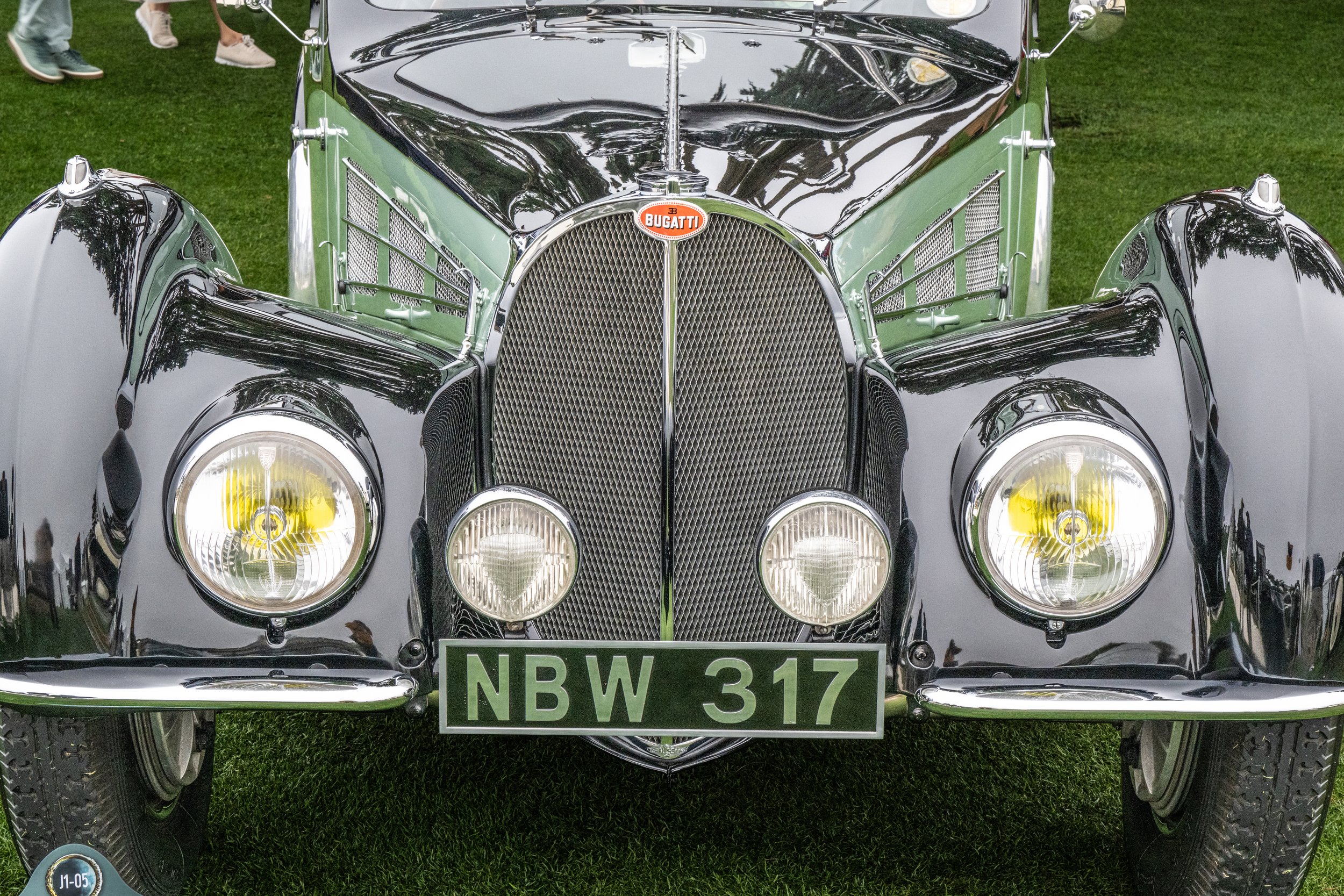
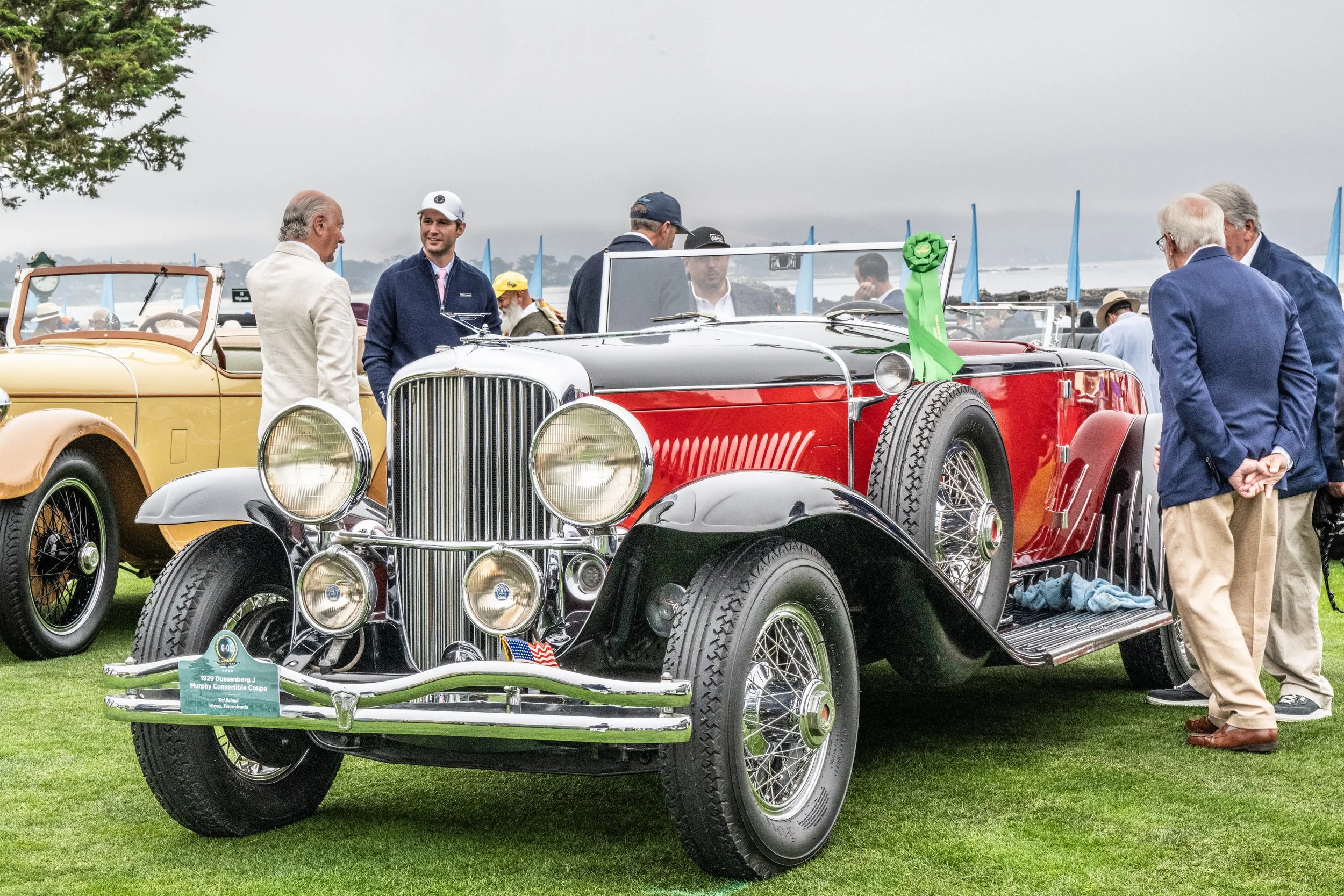
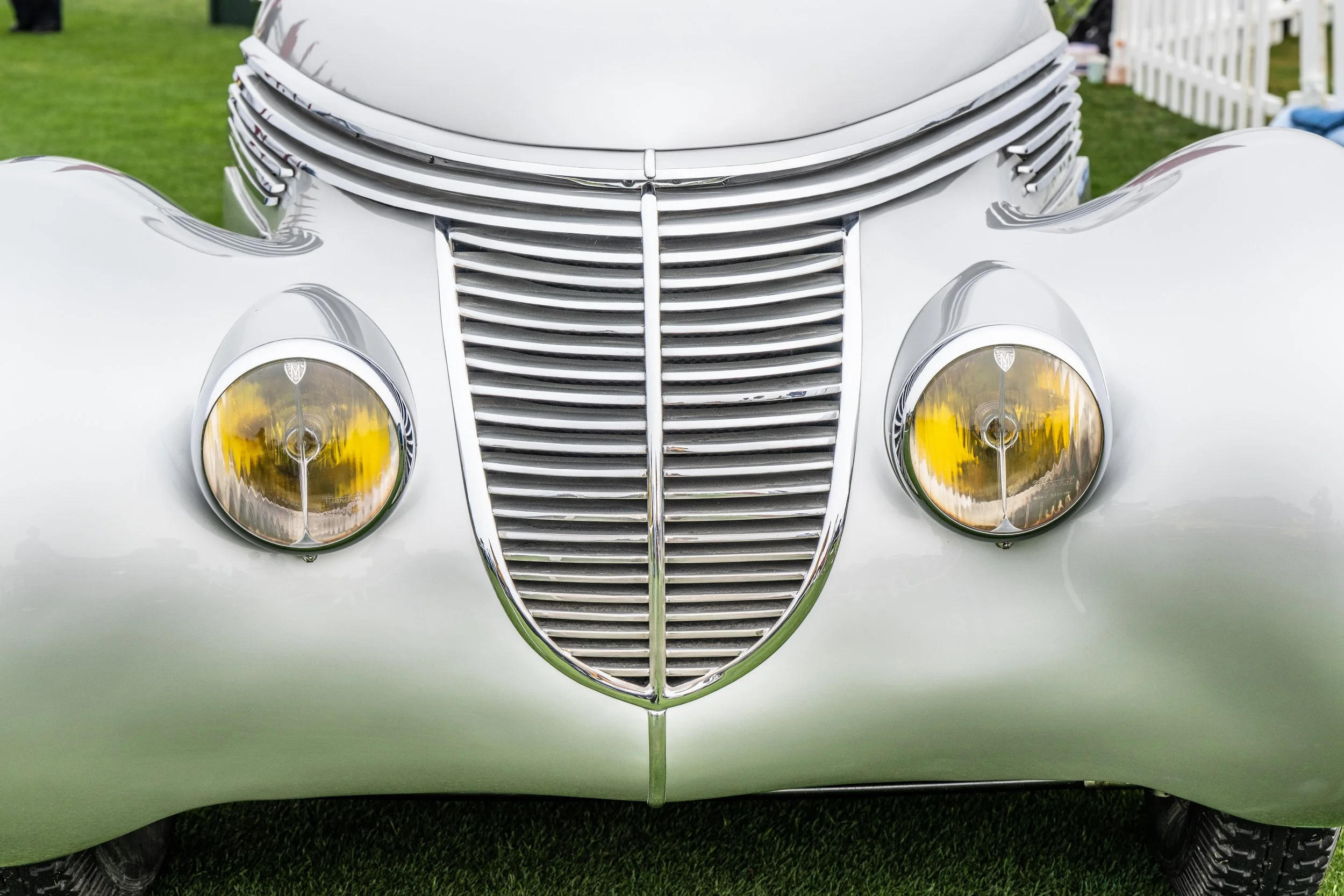
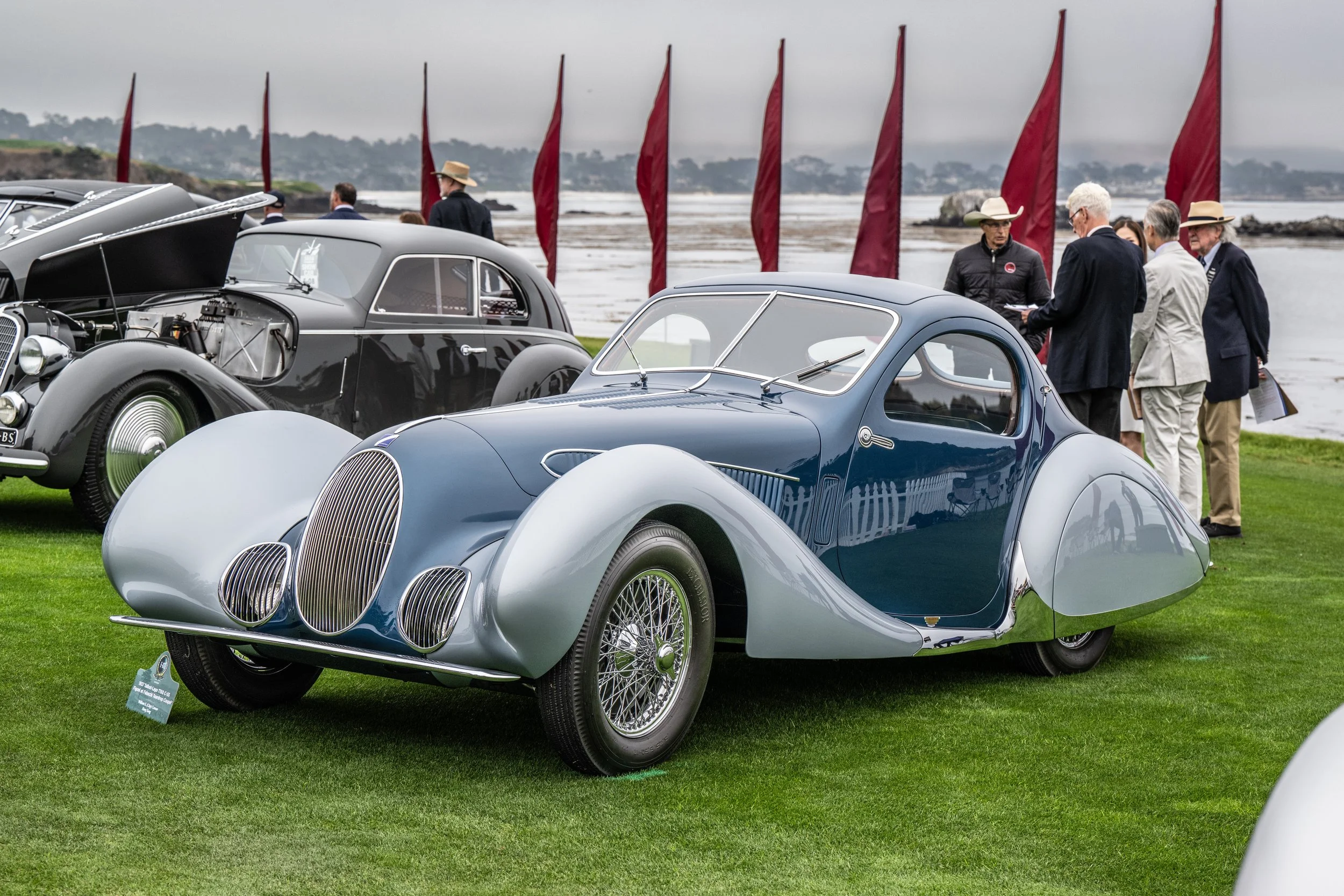
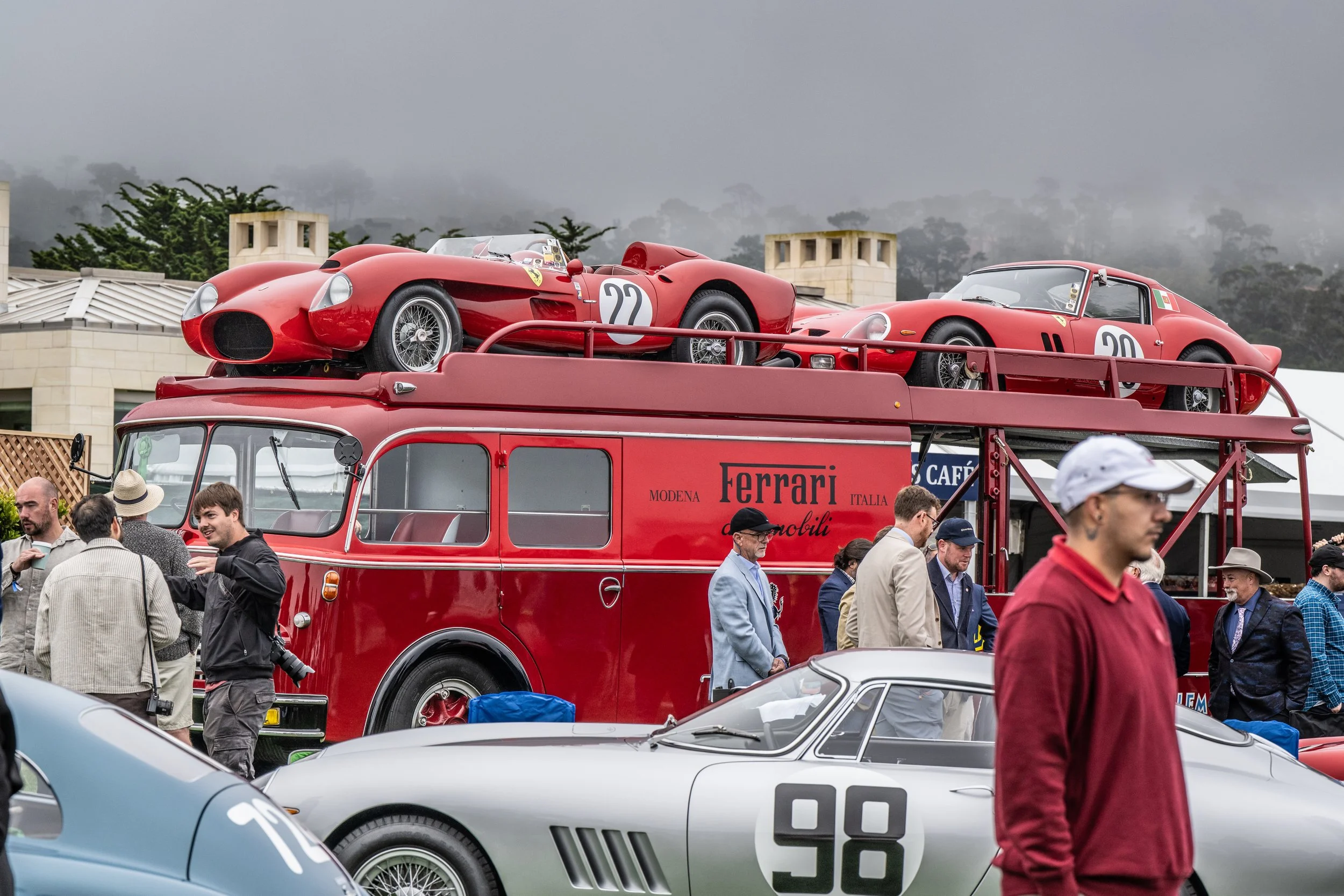
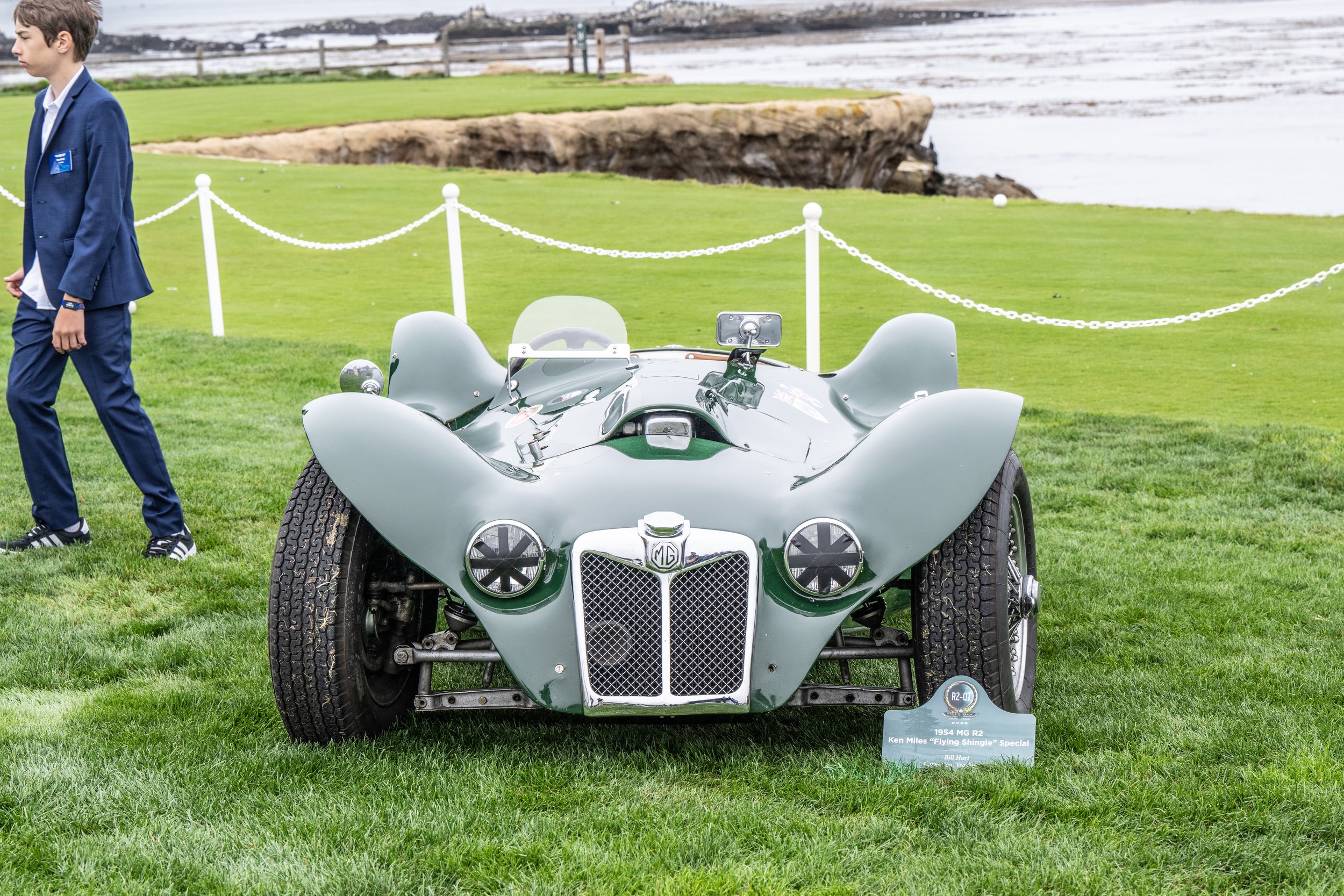
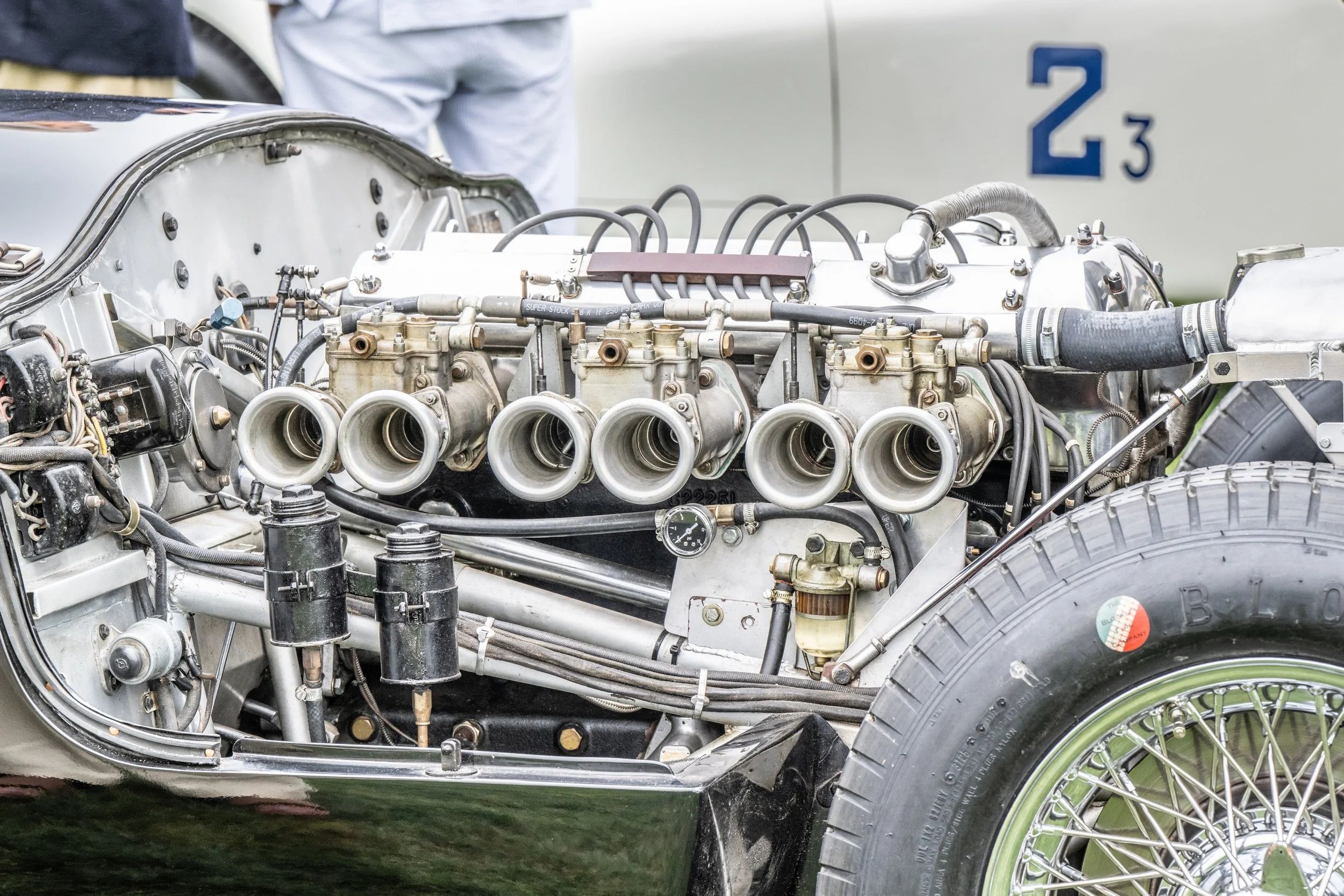
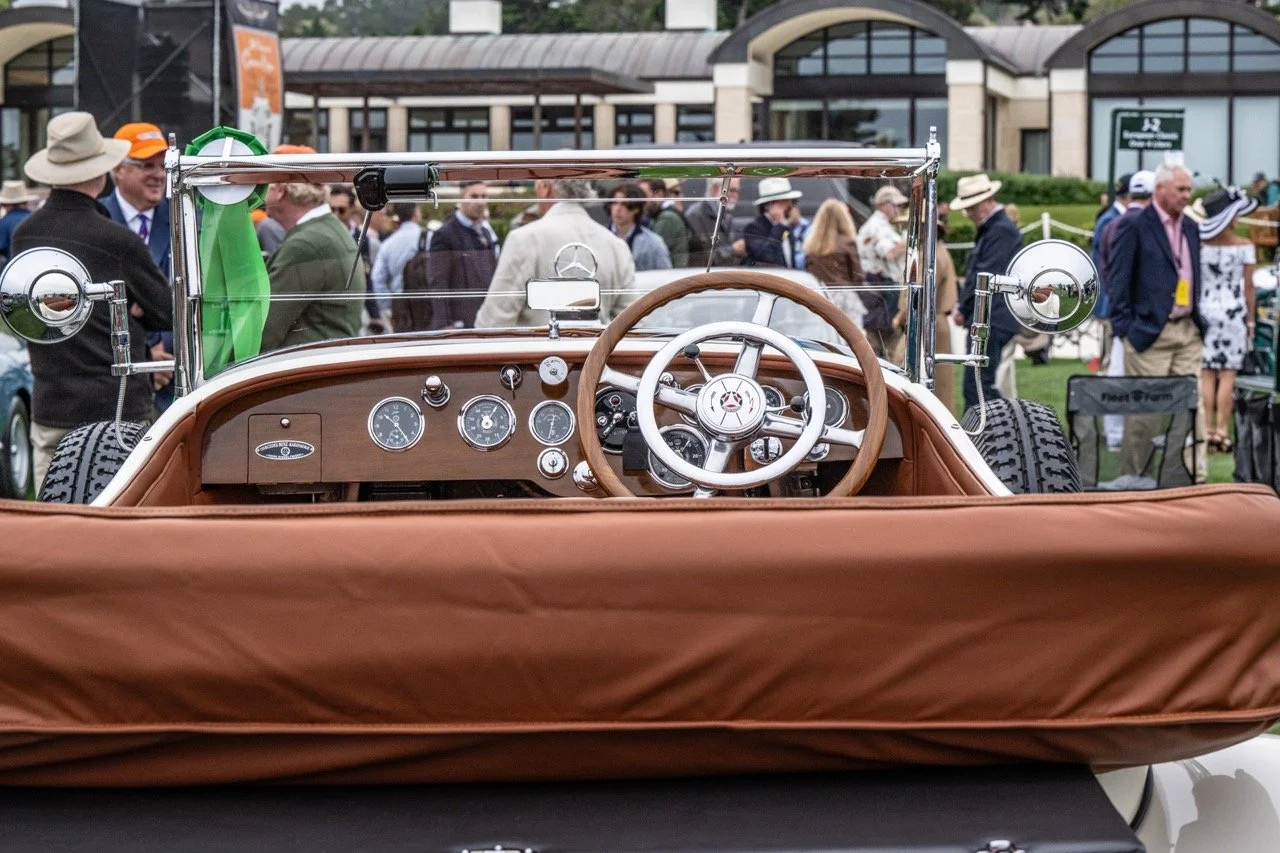
Then the light begins to arrive. Chrome emerges first. Then paint. Then shapes. A prewar Alfa. A Ferrari competition car. A Duesenberg and other prewar cars that are large enough to require their own zip codes.
There is something wonderfully egalitarian about Dawn Patrol. Before the ropes go up and trophies come out, everyone is simply standing in the cold waiting for cars. Coffee helps. So does remembering that somewhere back home, sensible people are still asleep.
PEBBLE PEOPLE AND A PARROT NAMED CLAUDE
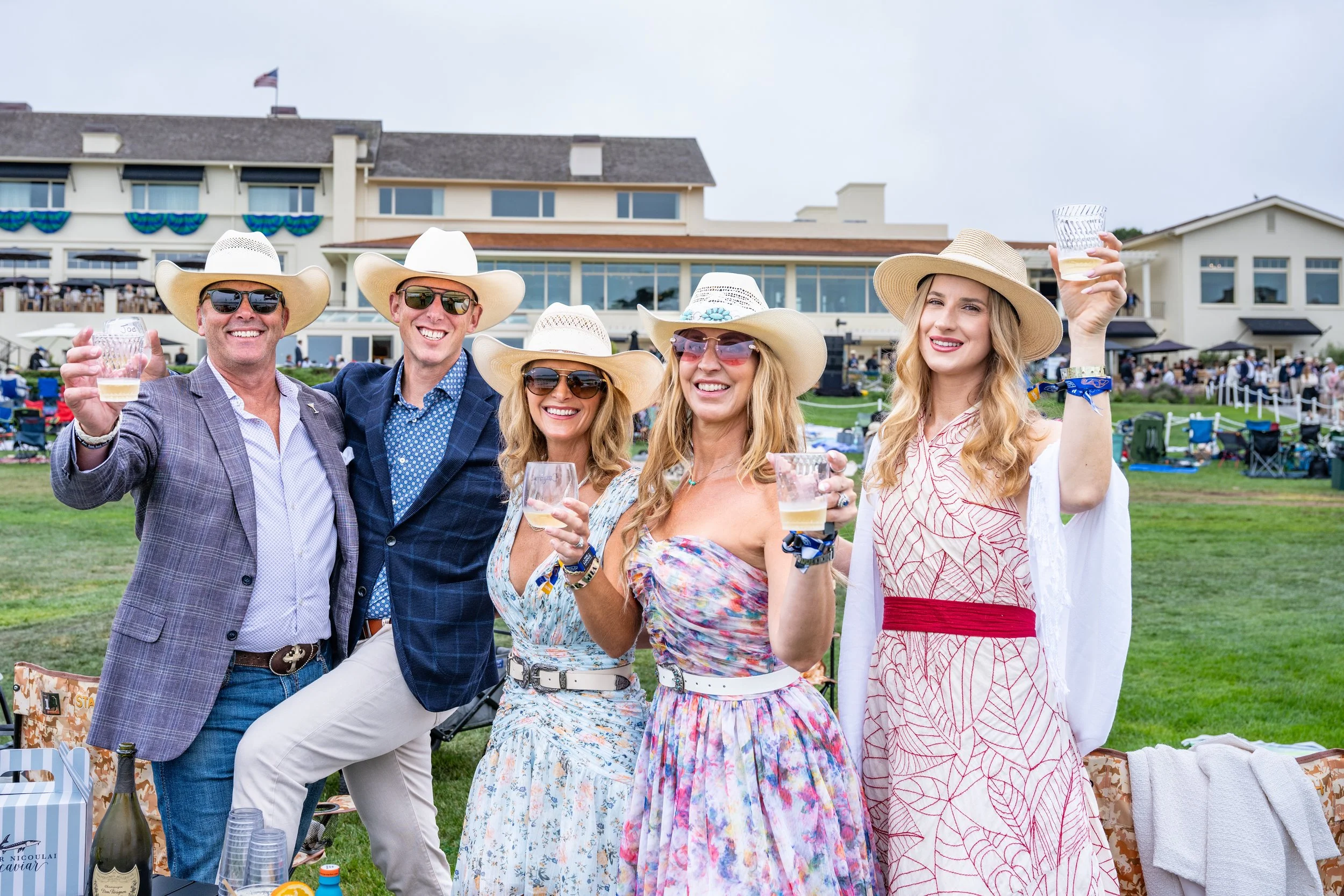
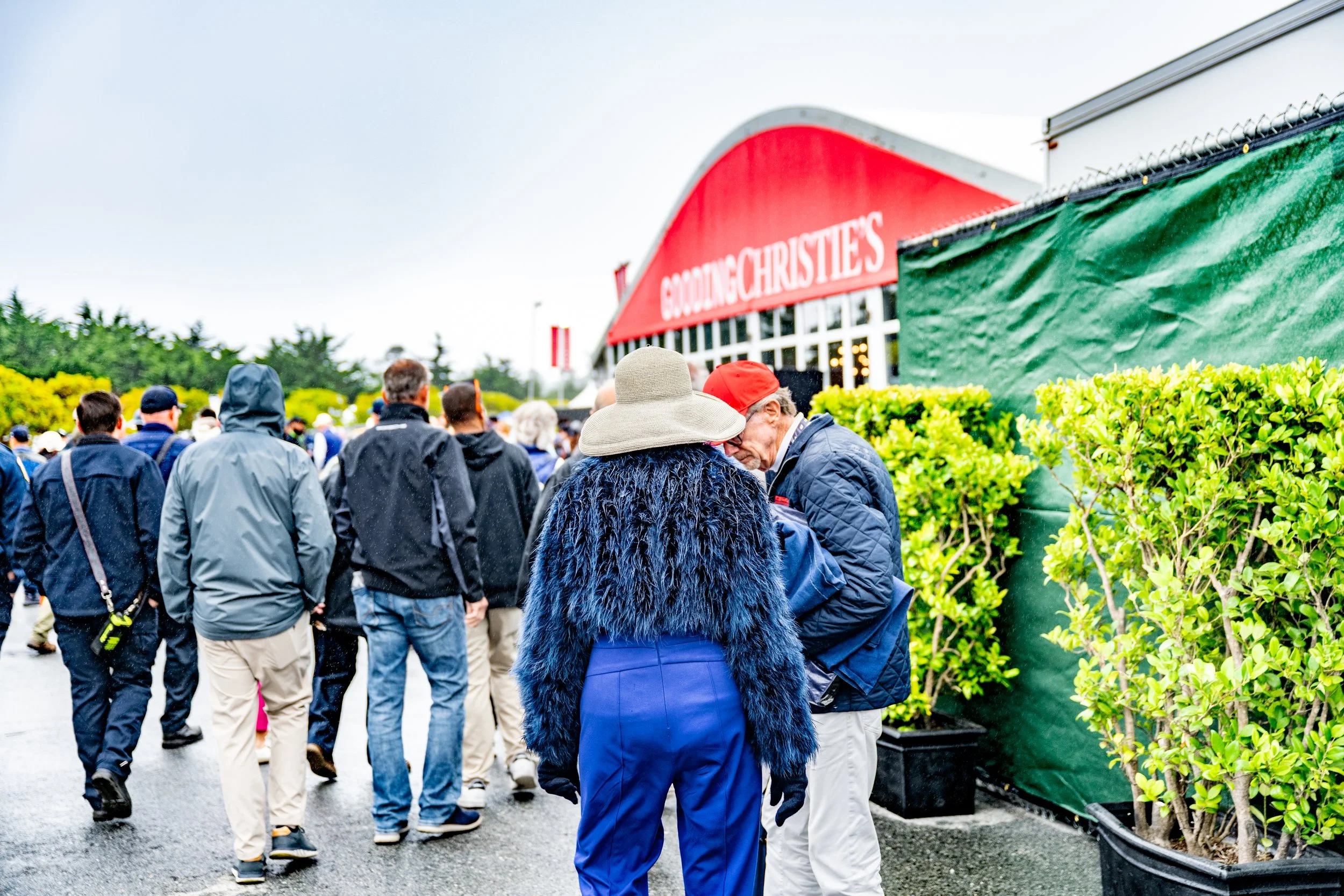
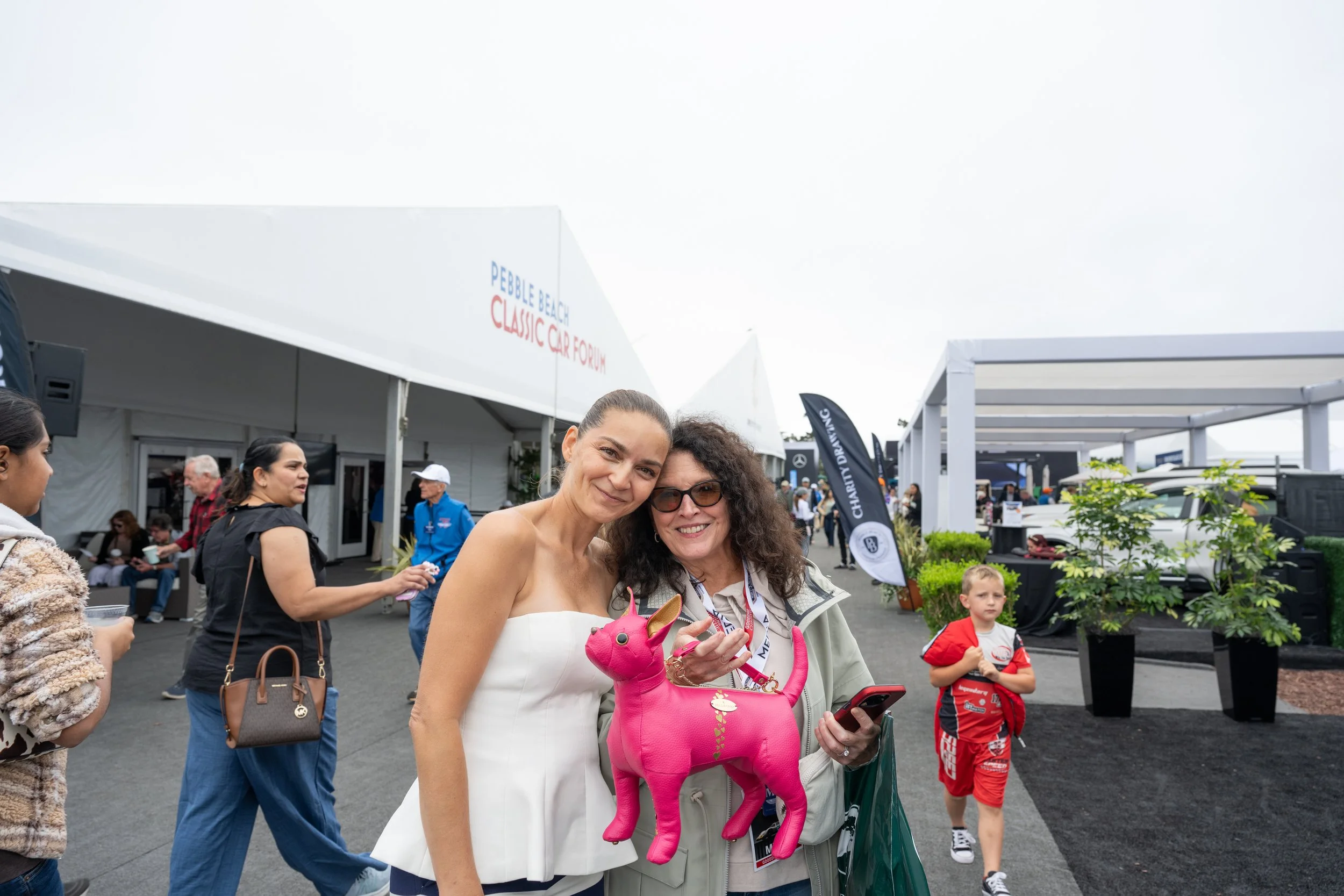
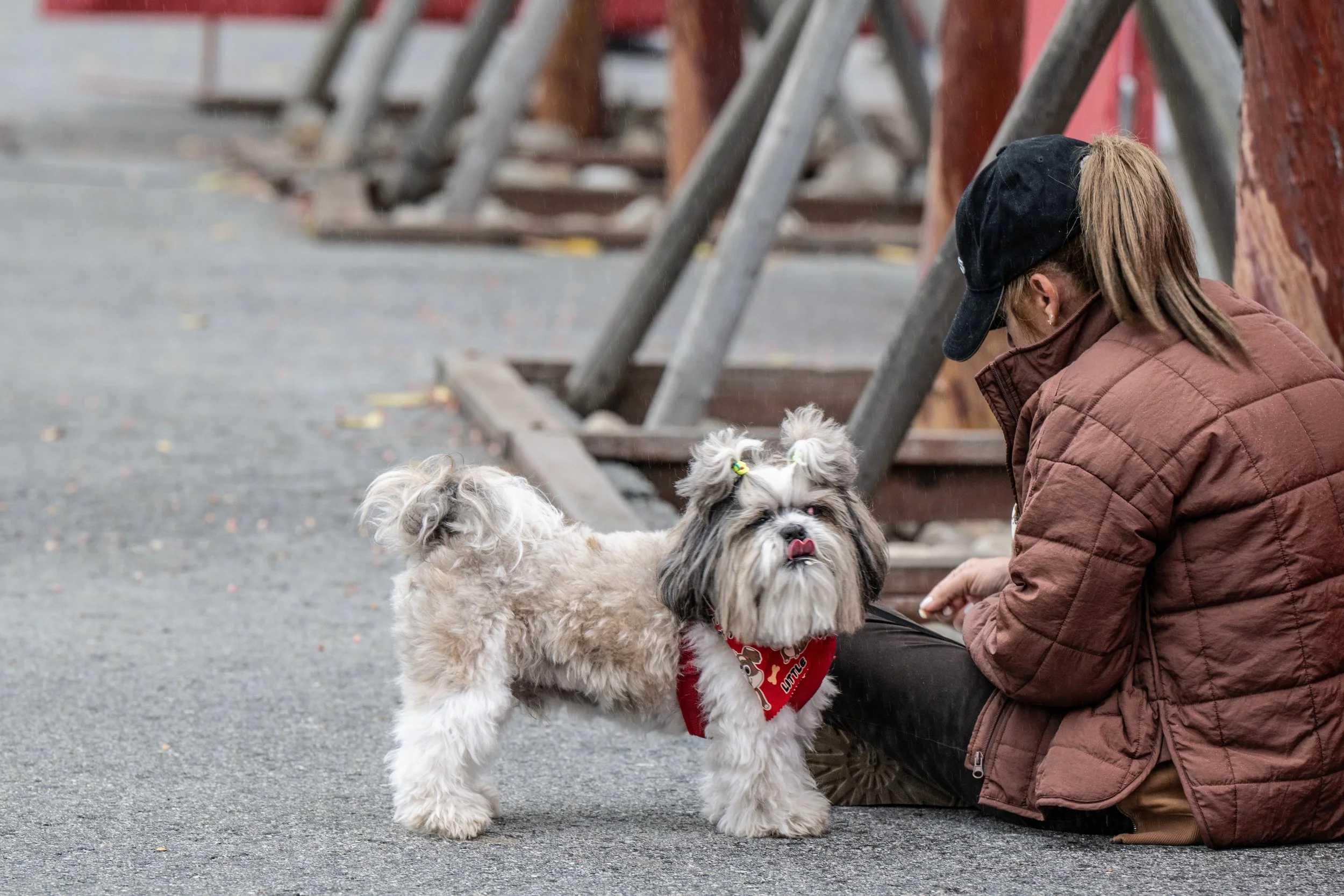
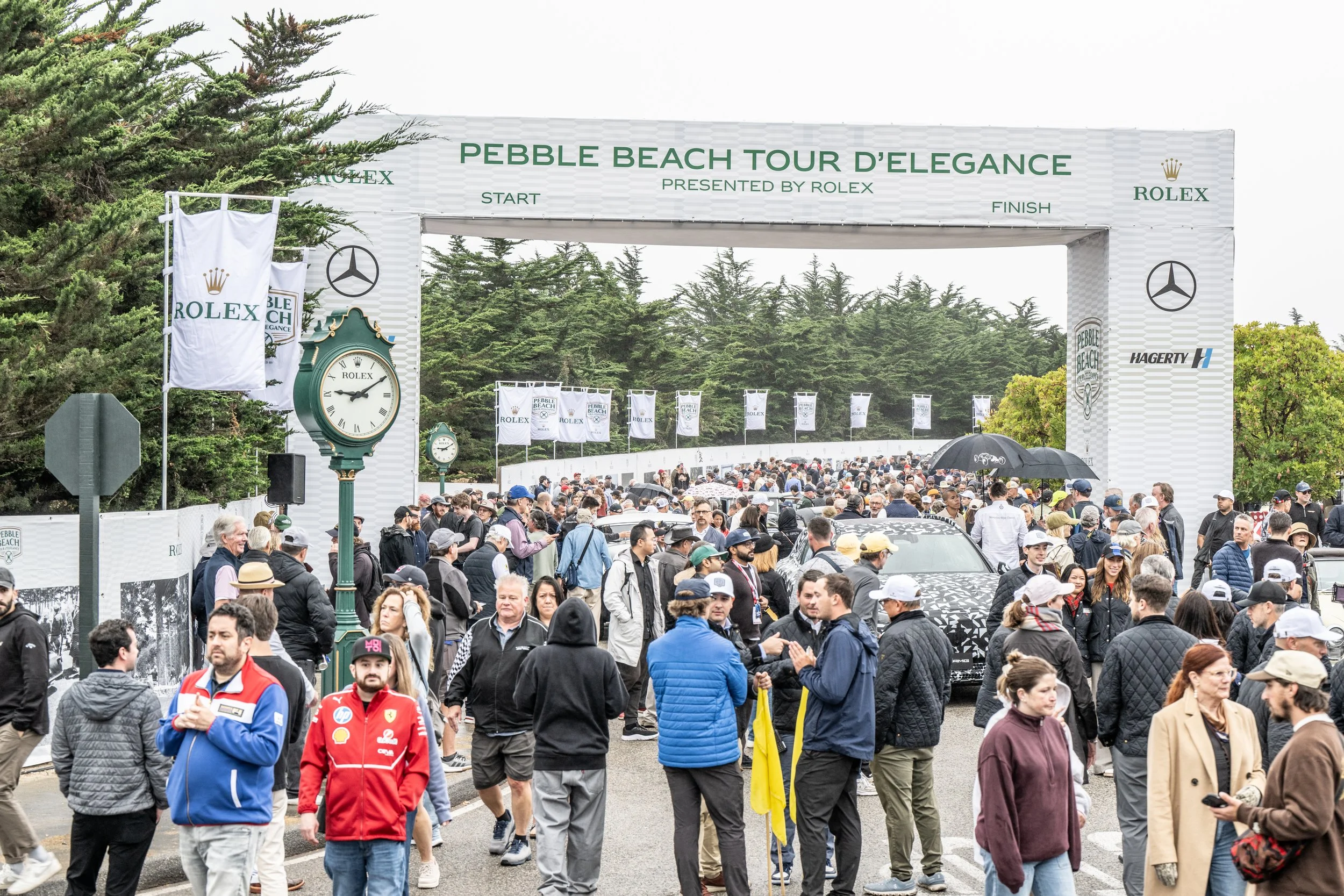
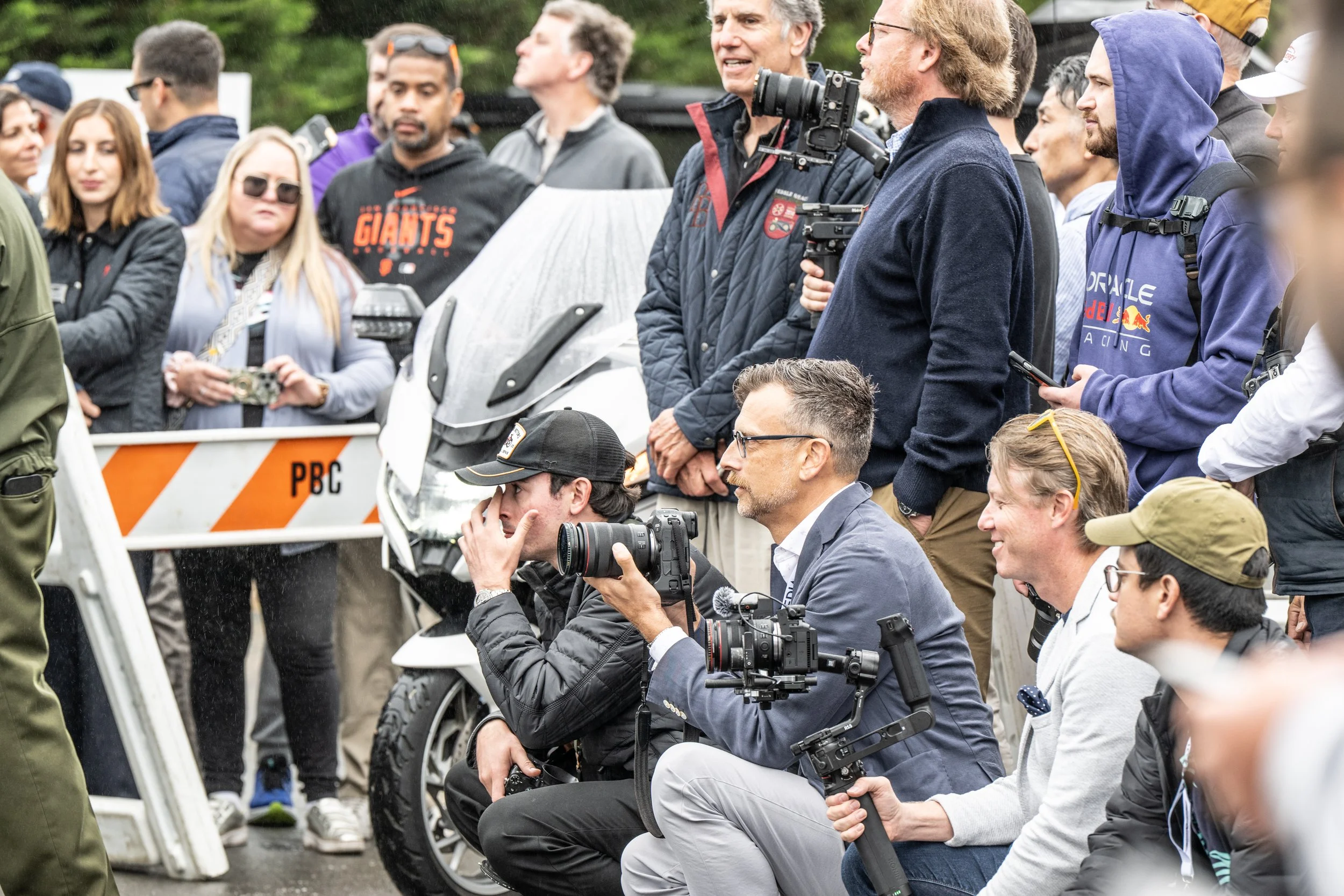
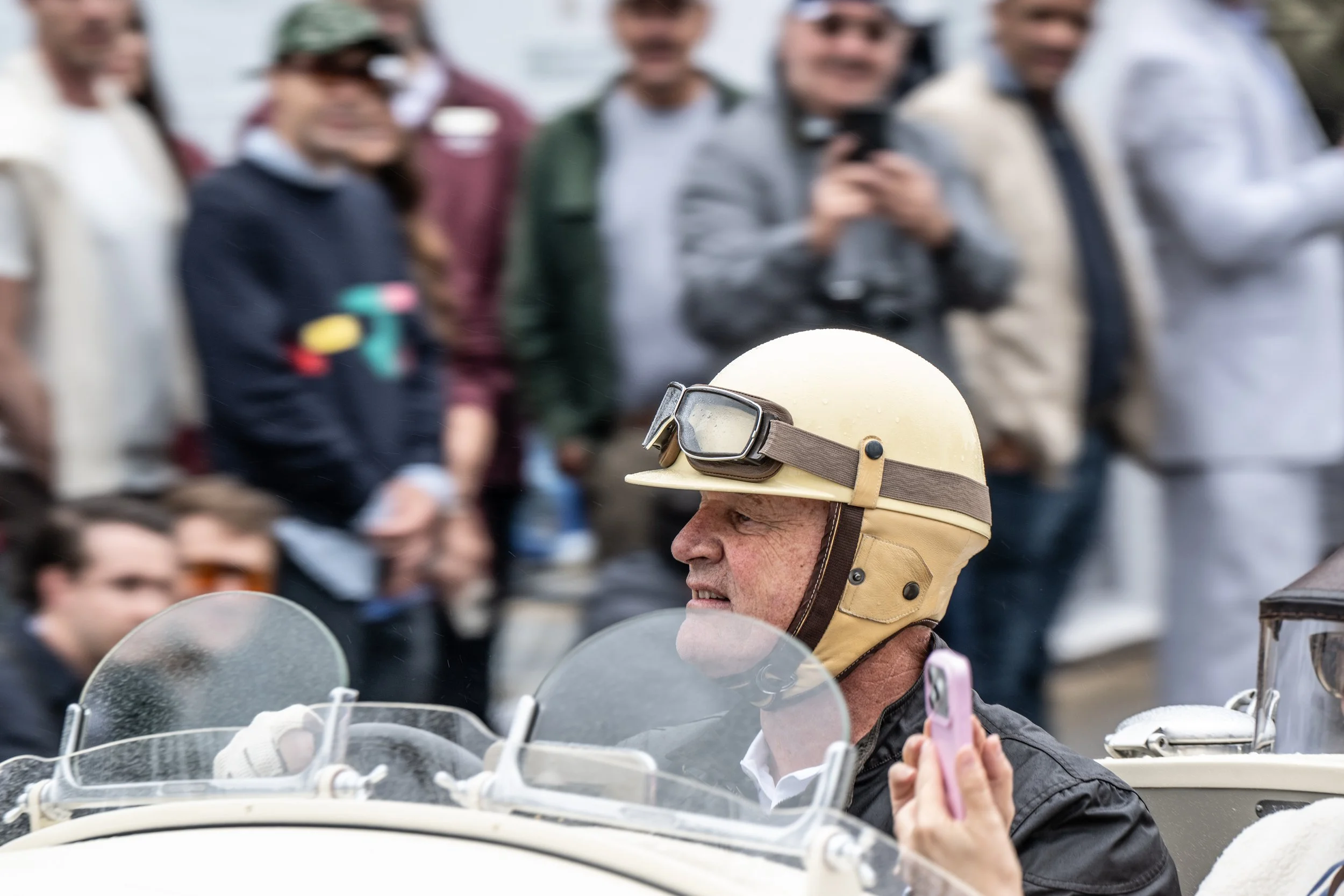
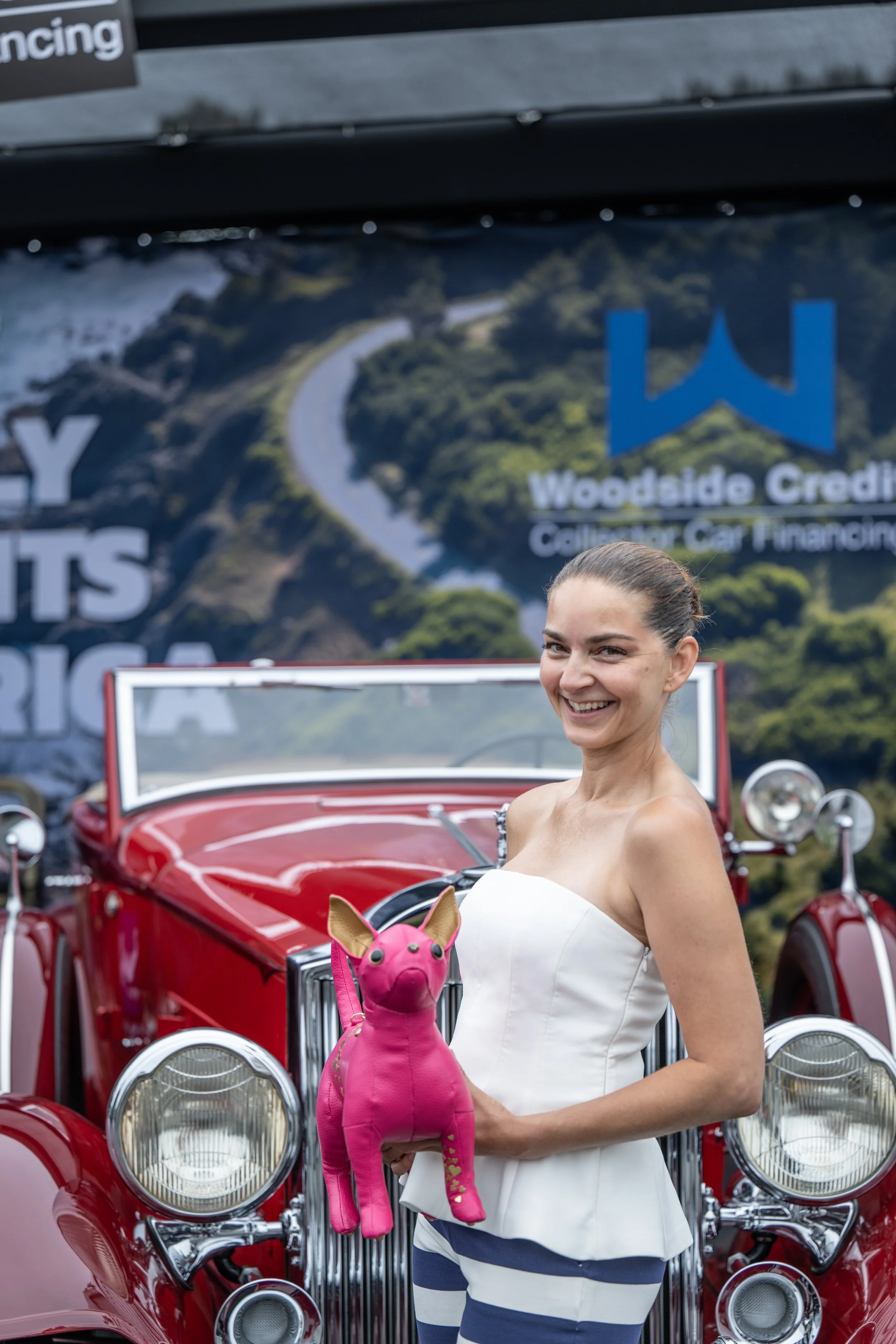
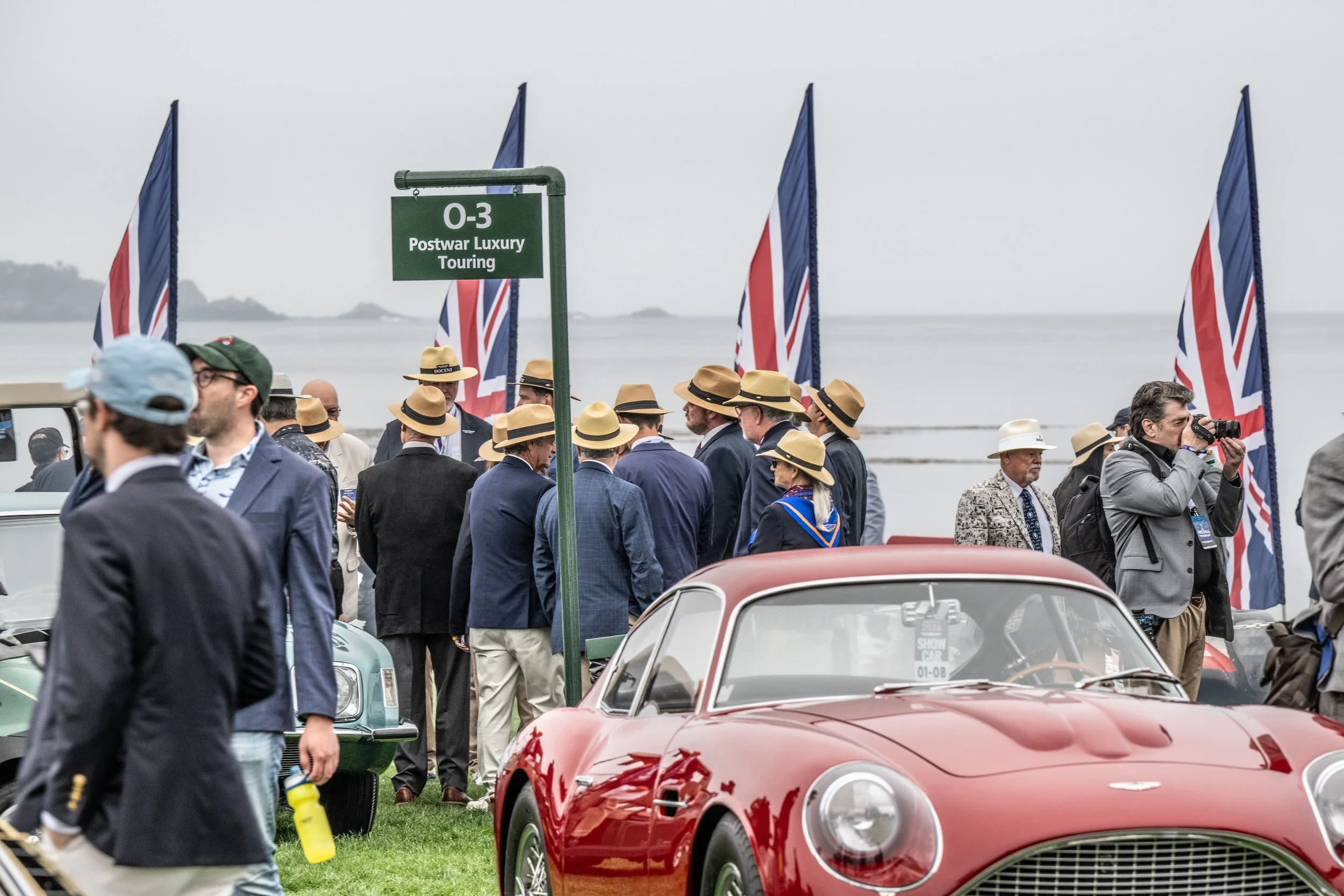
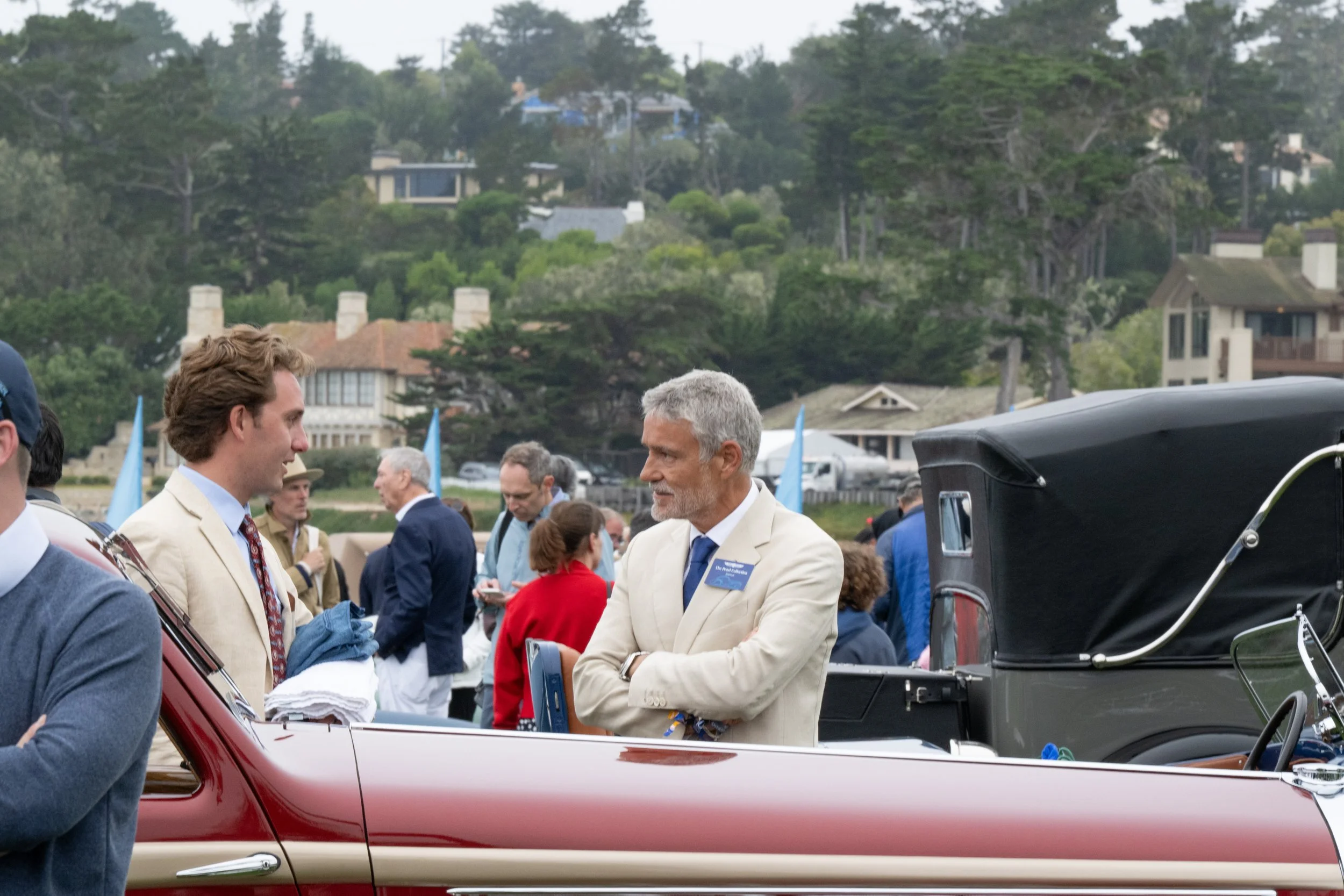
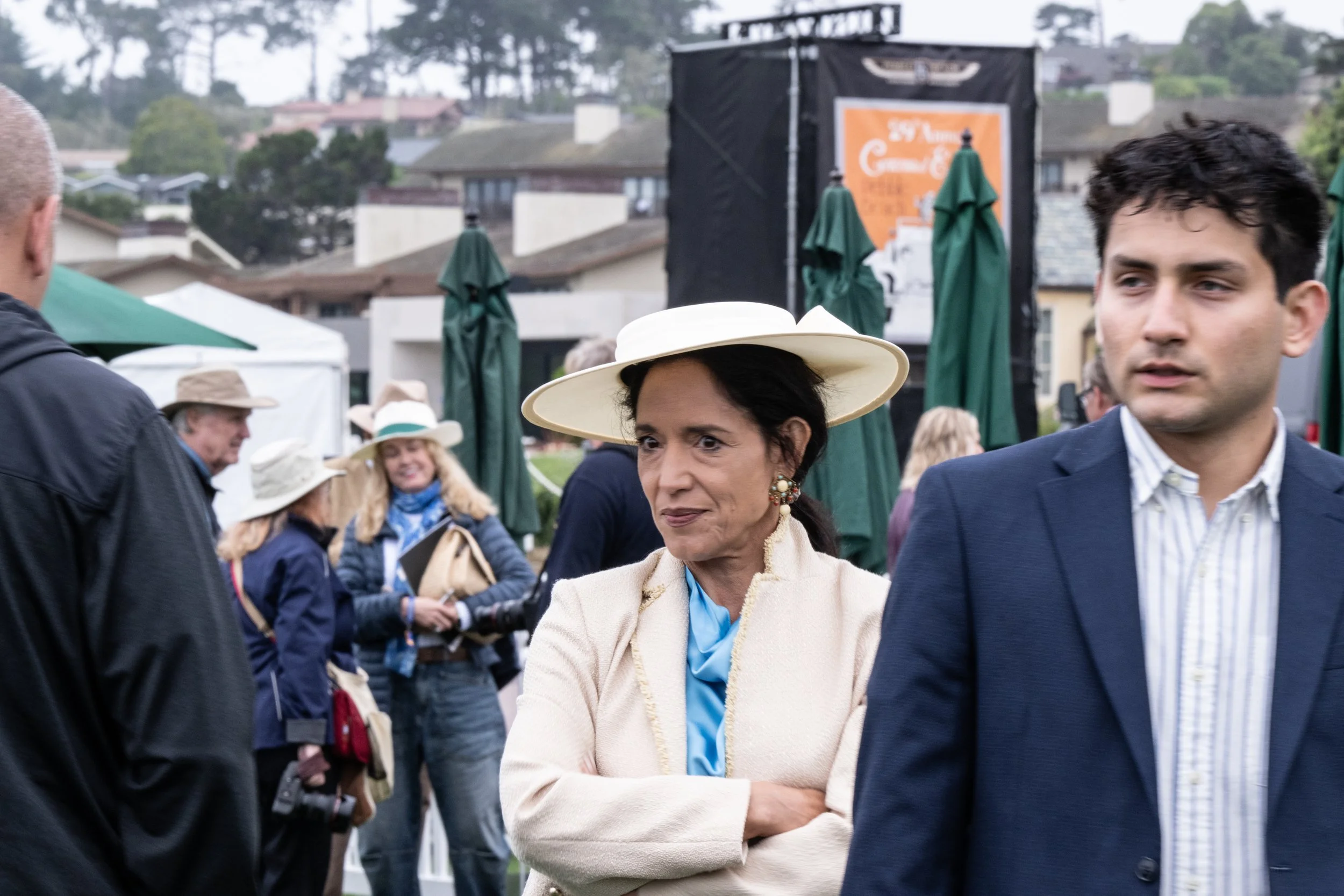
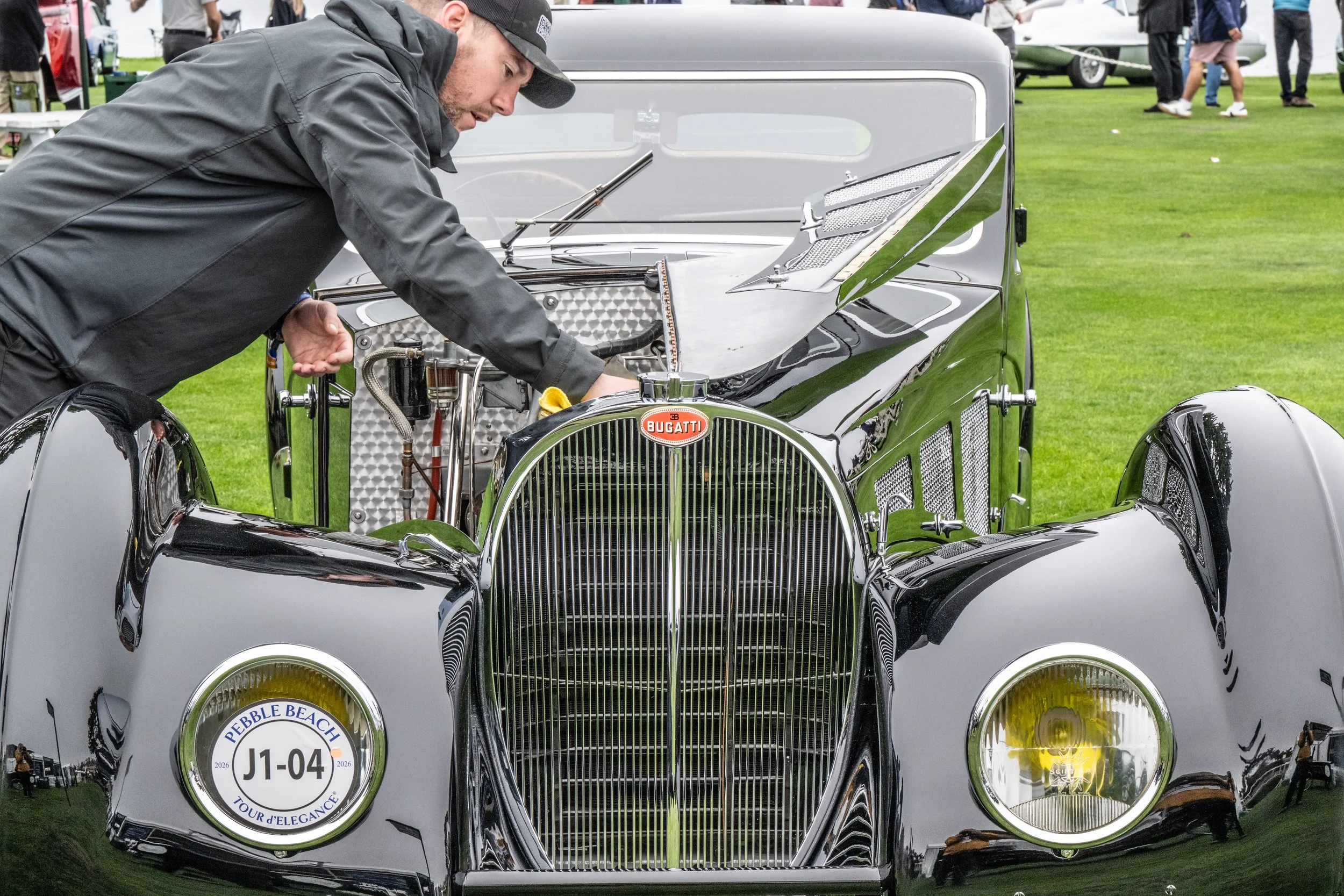
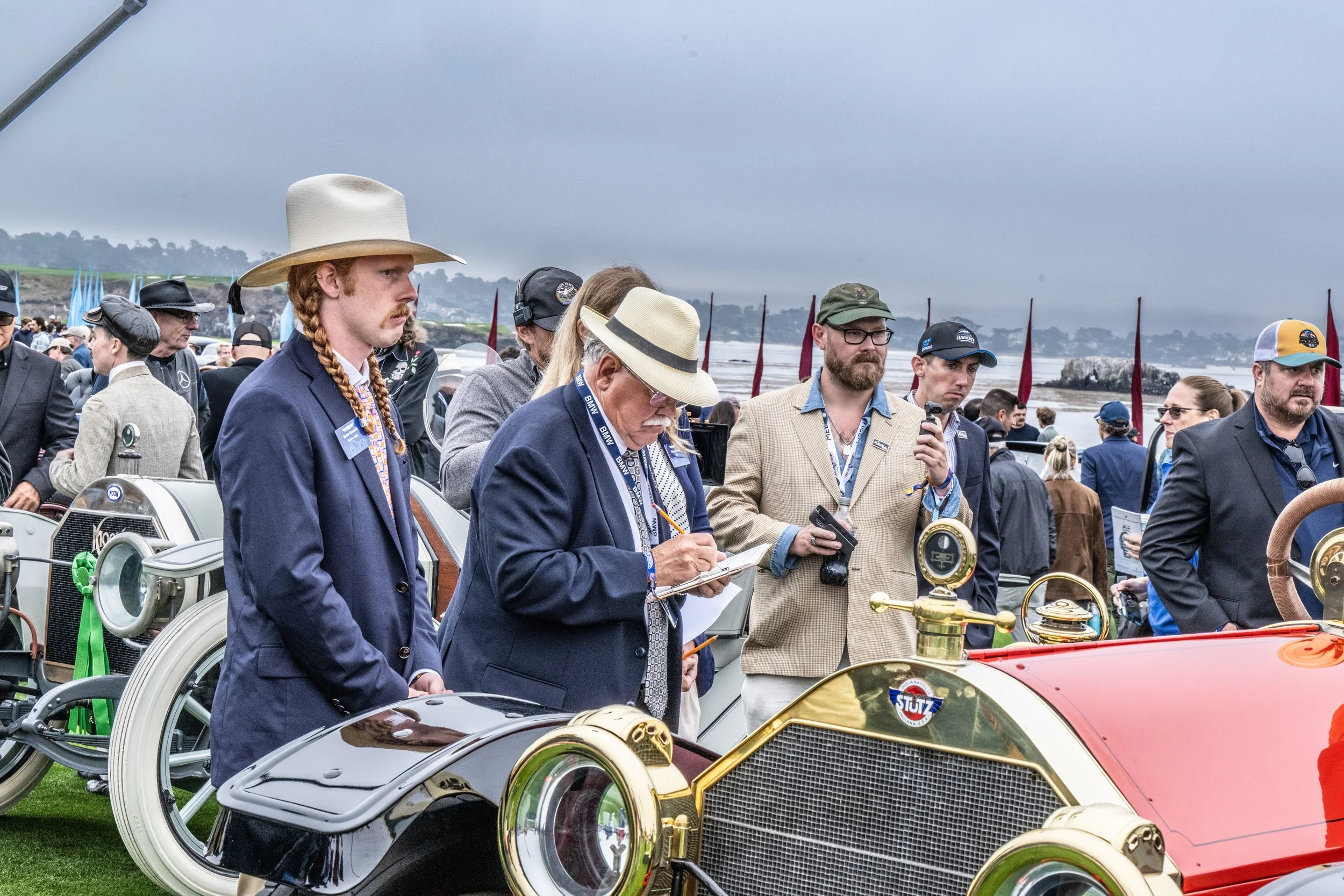
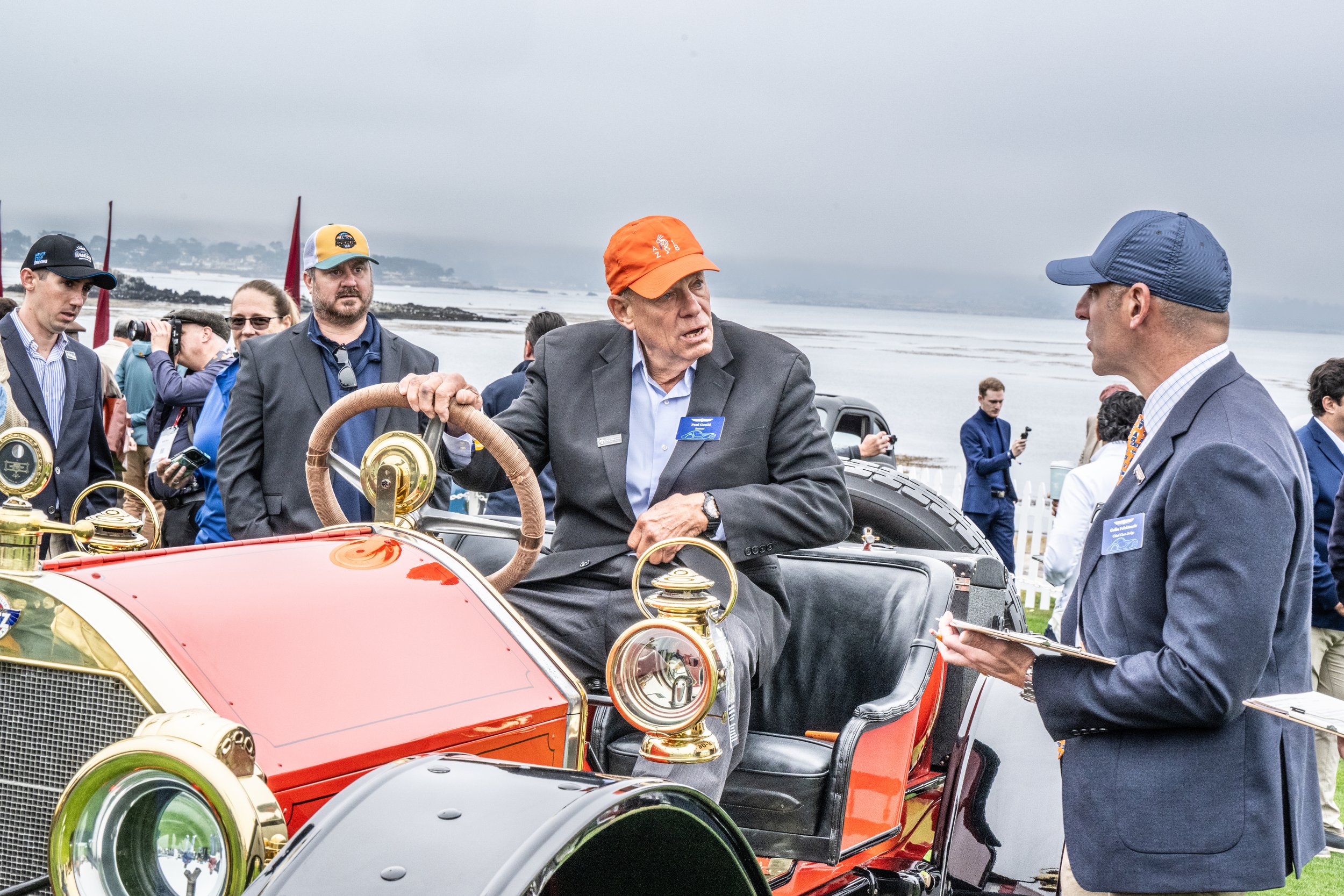
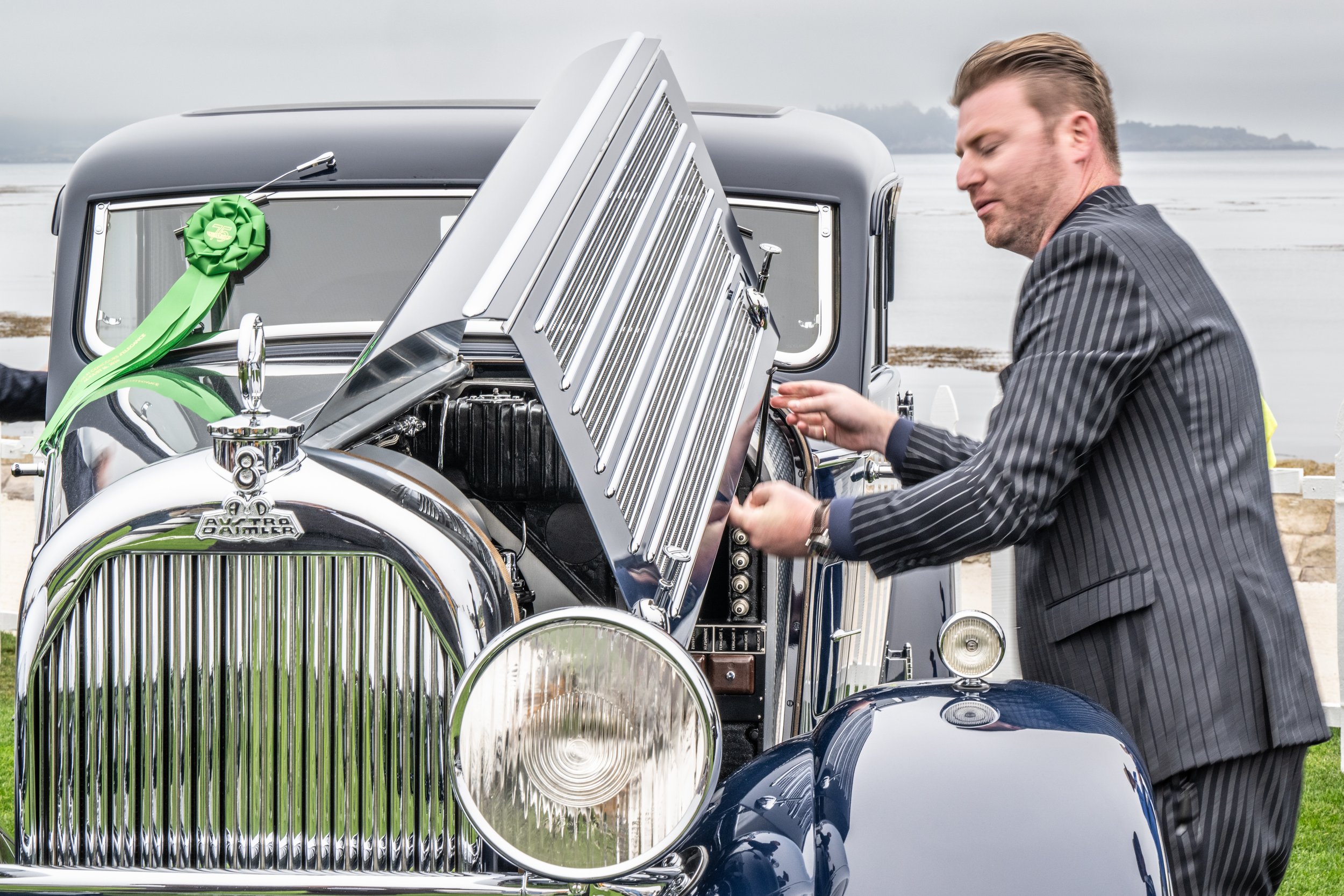
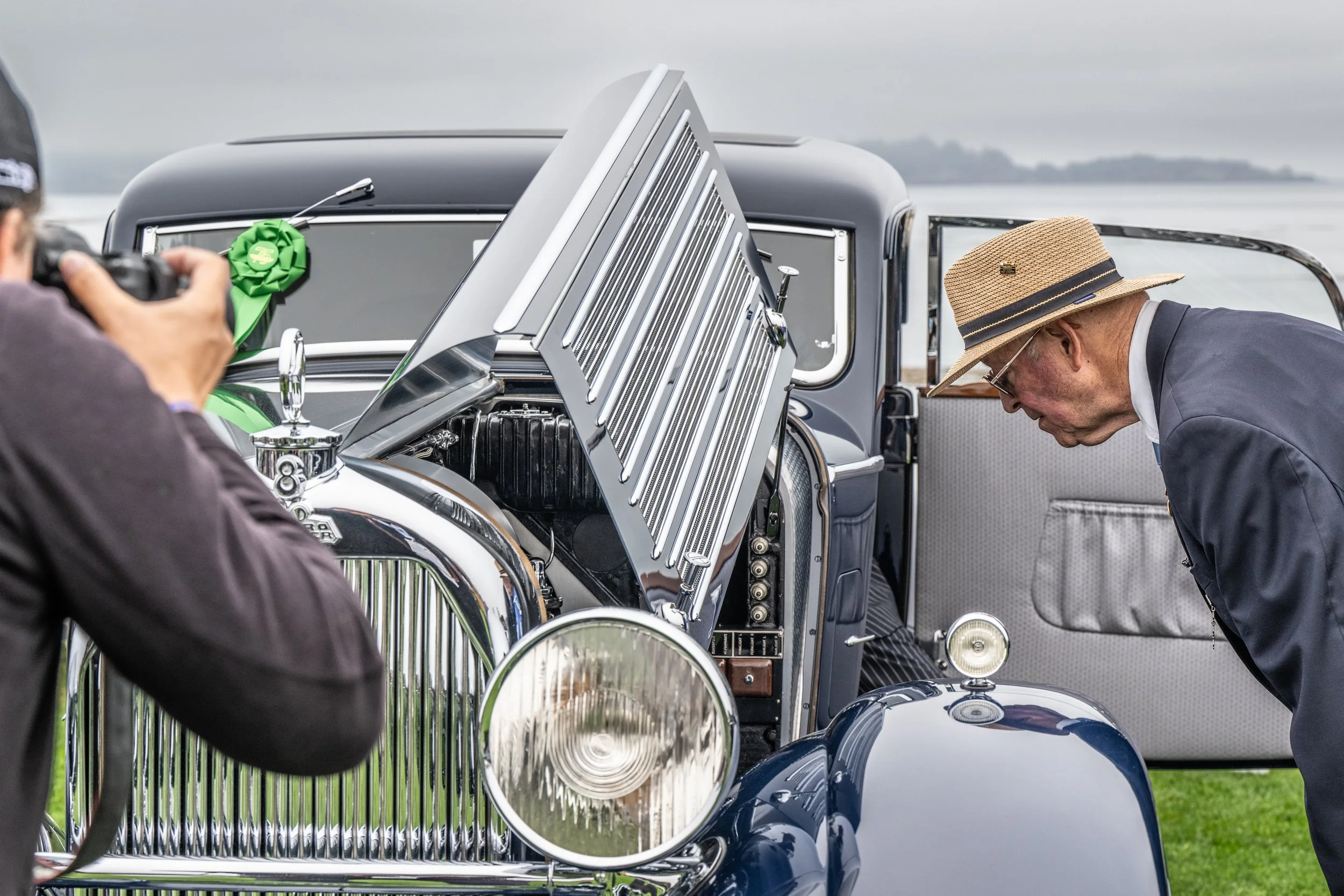
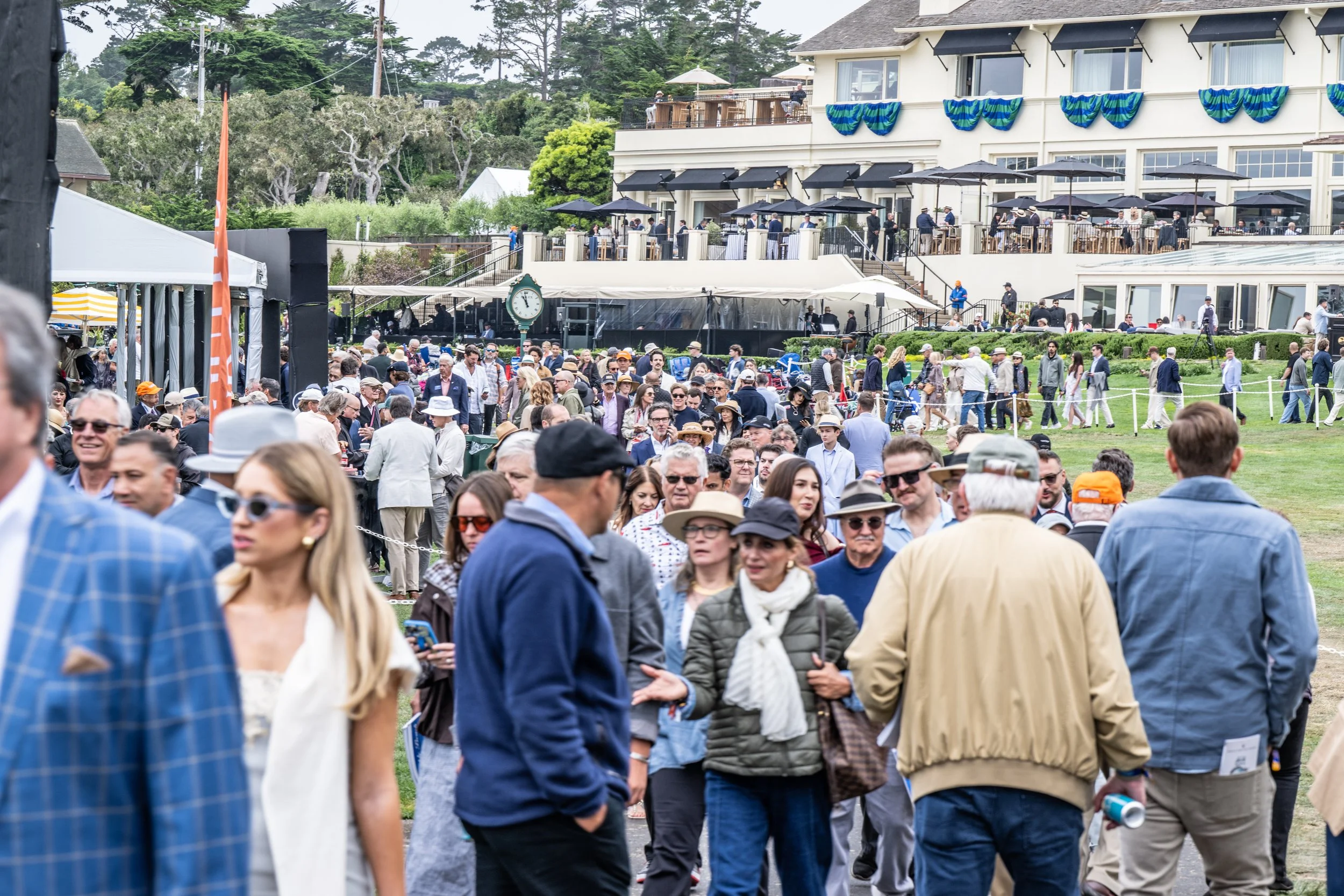
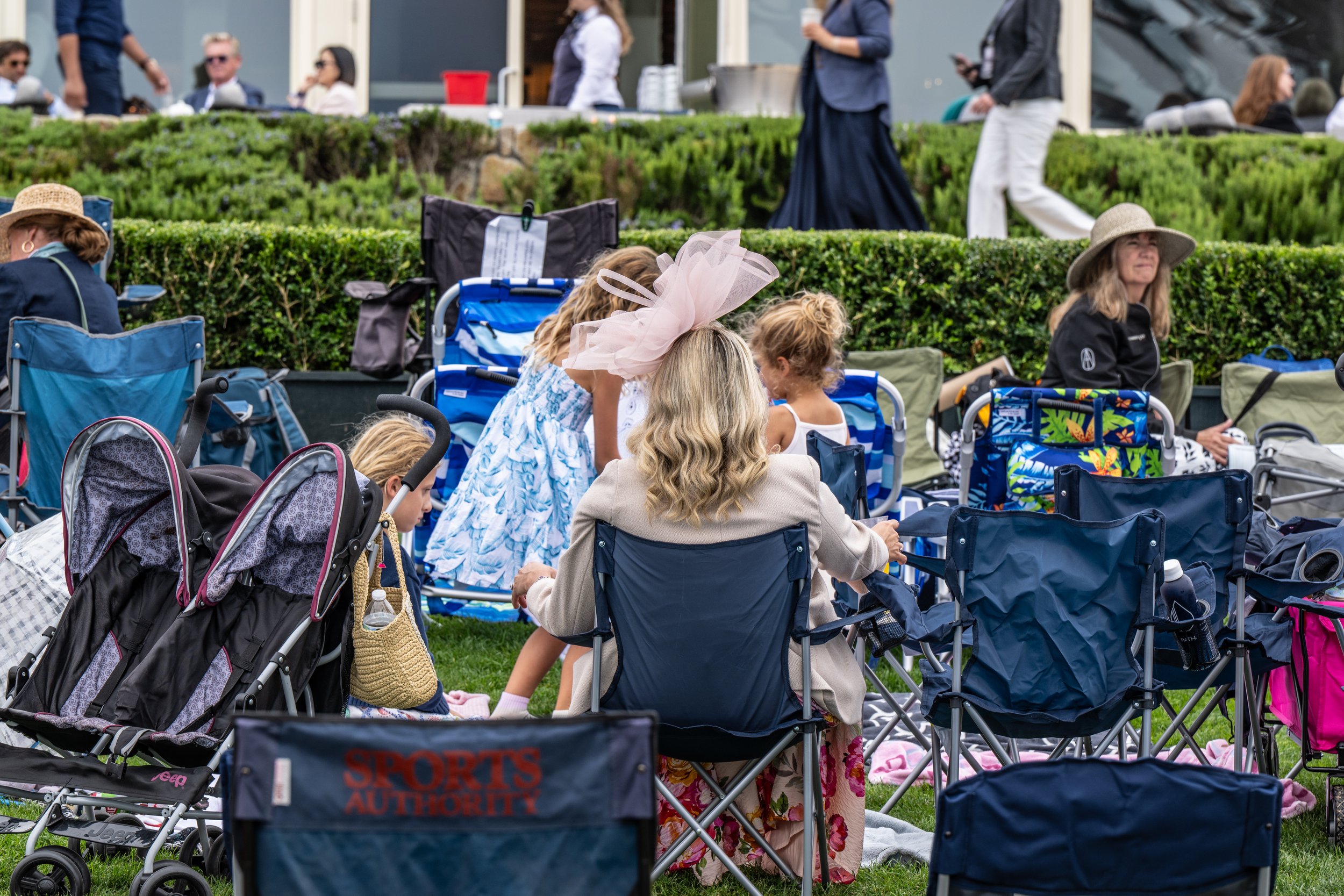
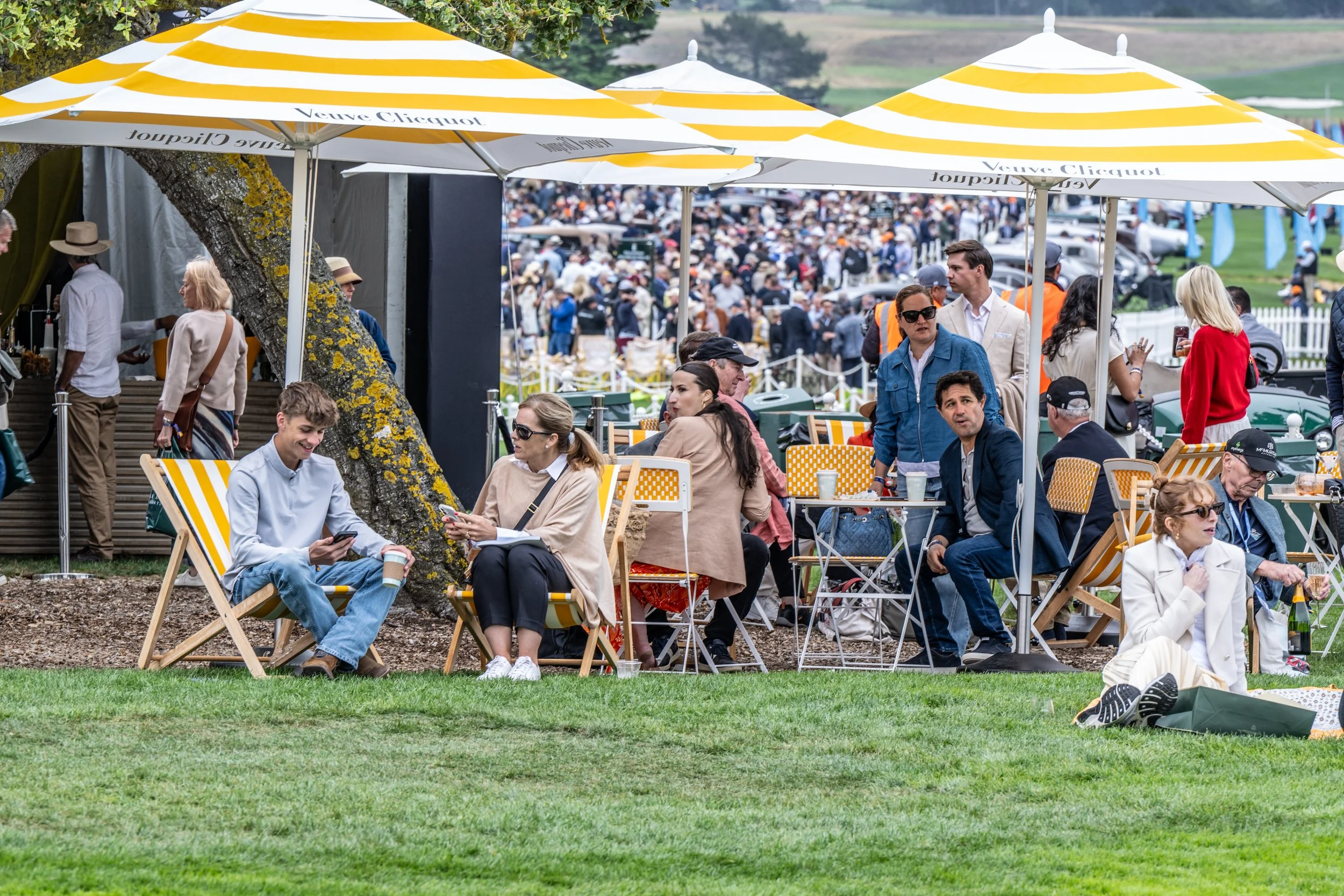
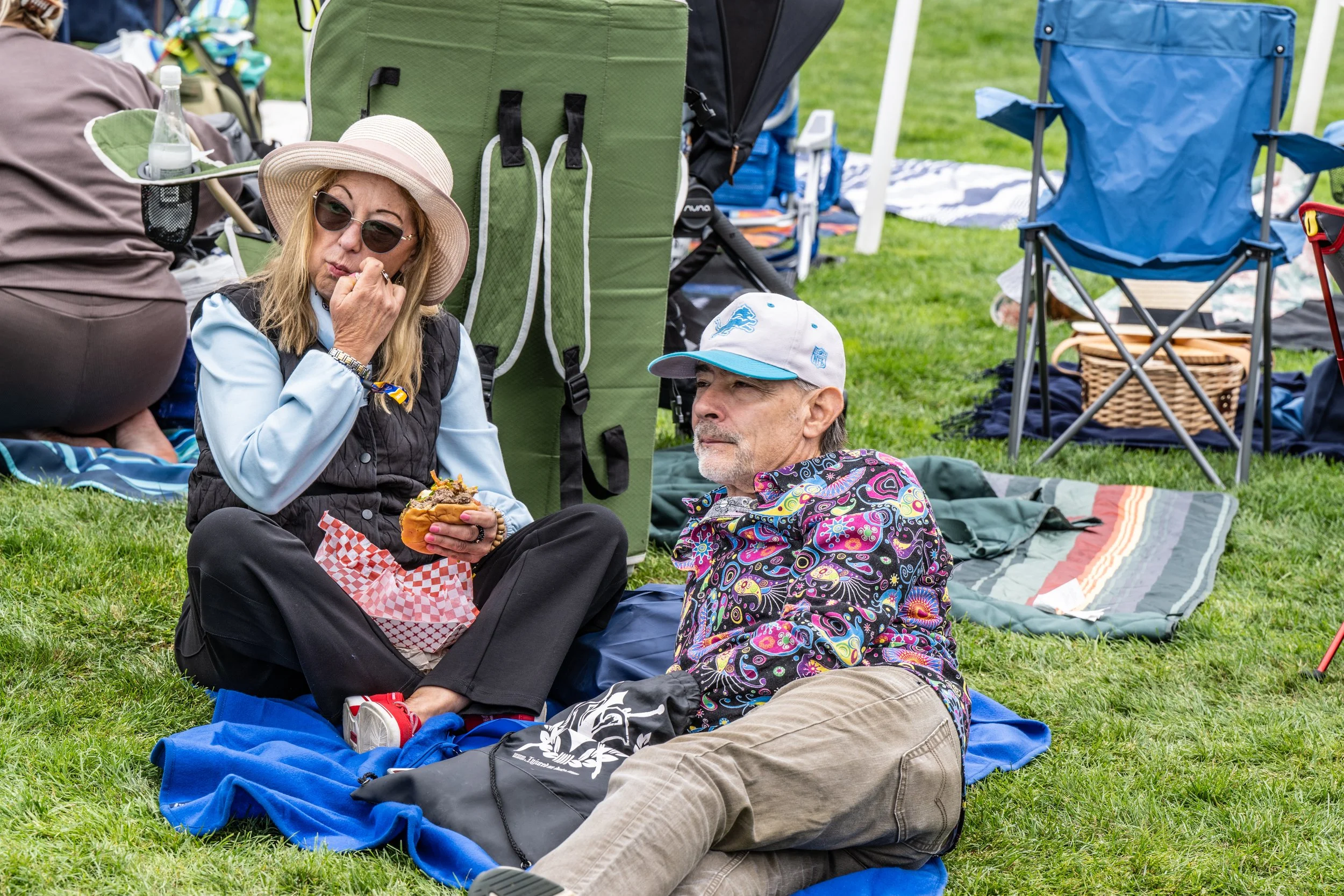
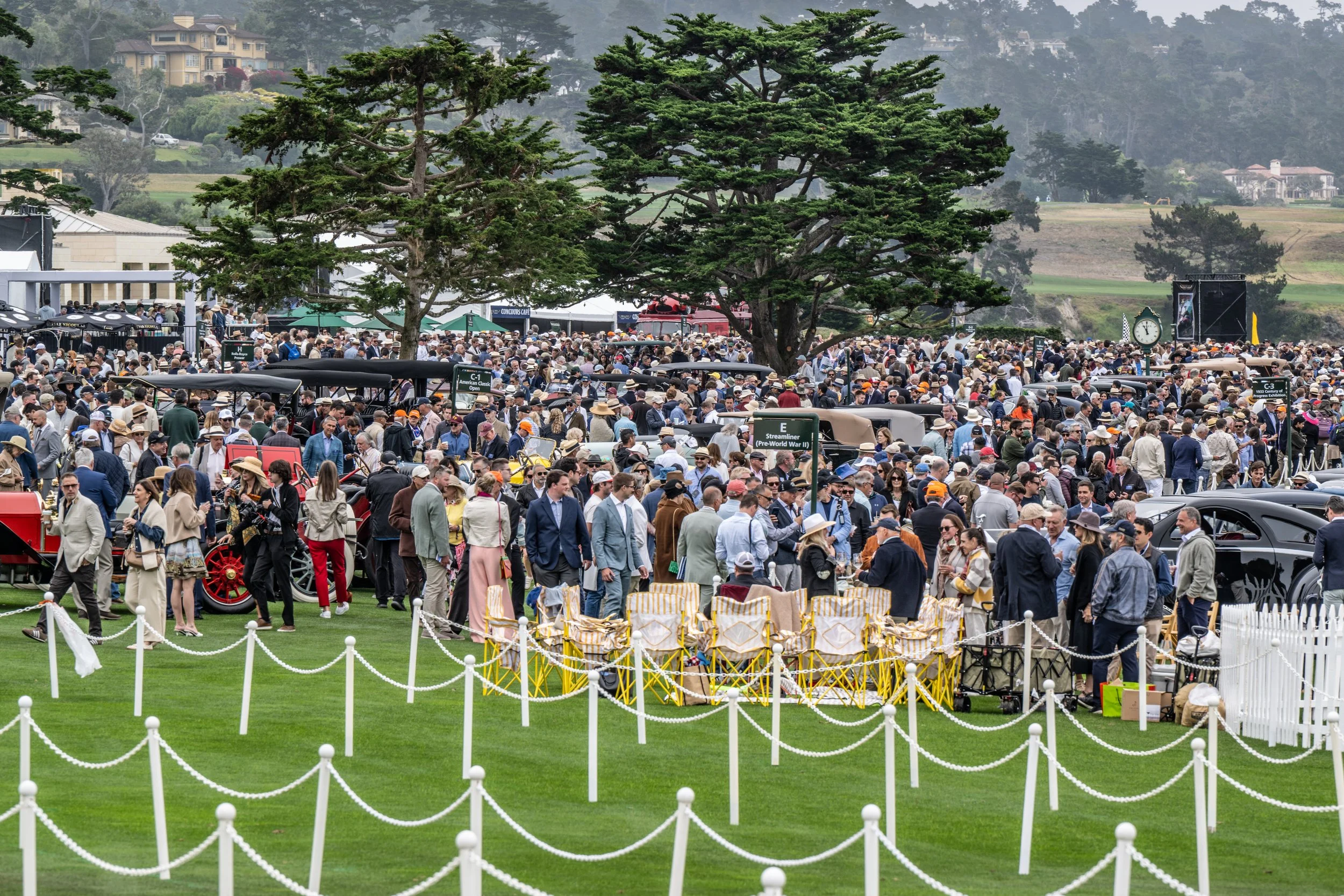
The secret of Pebble Beach is that at some point you stop looking only at the cars. You start watching the people. Collectors inspecting details with the seriousness of surgeons. Judges carrying clipboards. Restorers quietly hovering near cars they have spent years rebuilding. Children staring into engine compartments. Photographers waiting for strangers to move three feet to the left.
There are straw hats, blue blazers, linen, loafers and enough automotive-themed neckwear to supply several decades of Father’s Days. Everyone has a story.
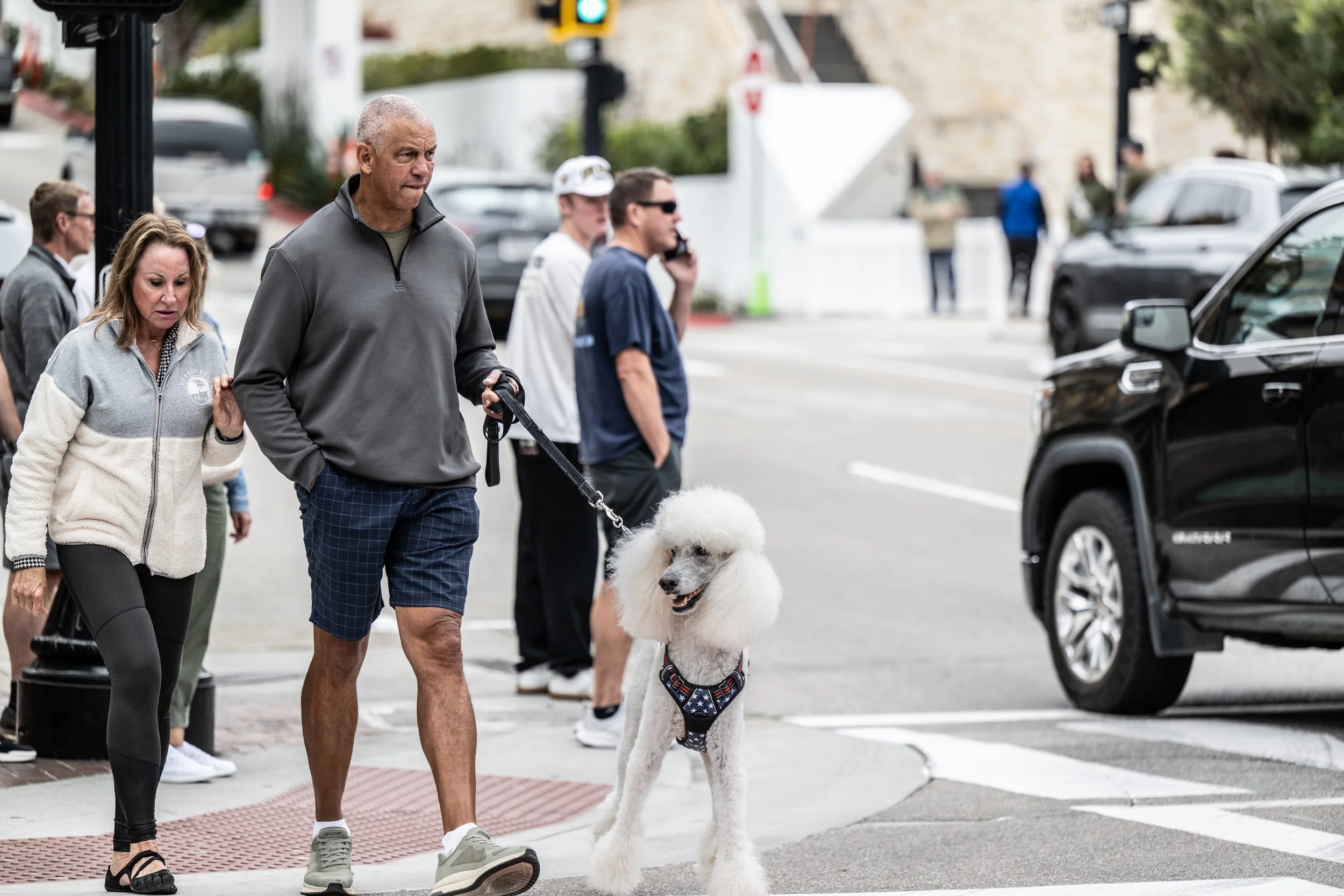
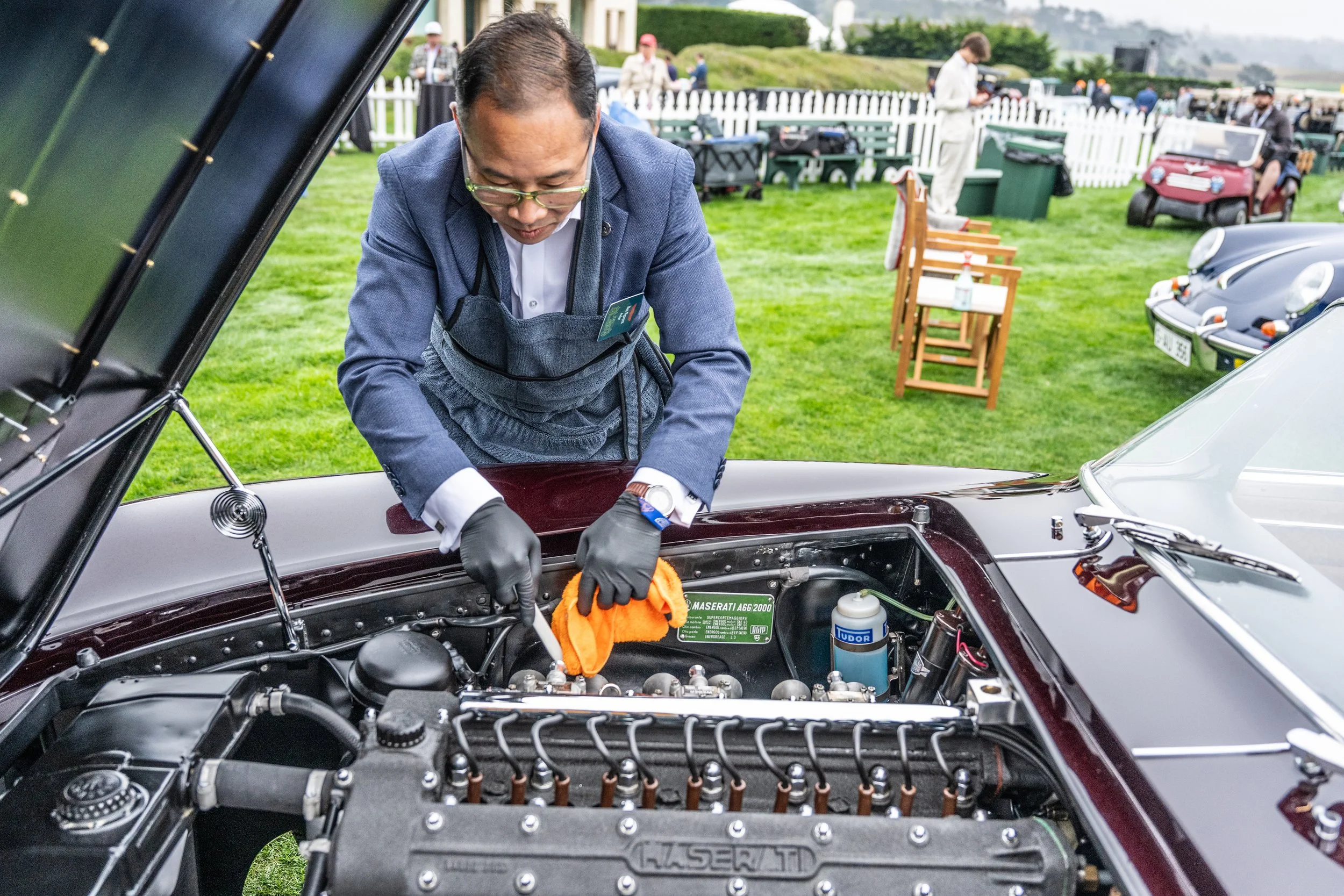
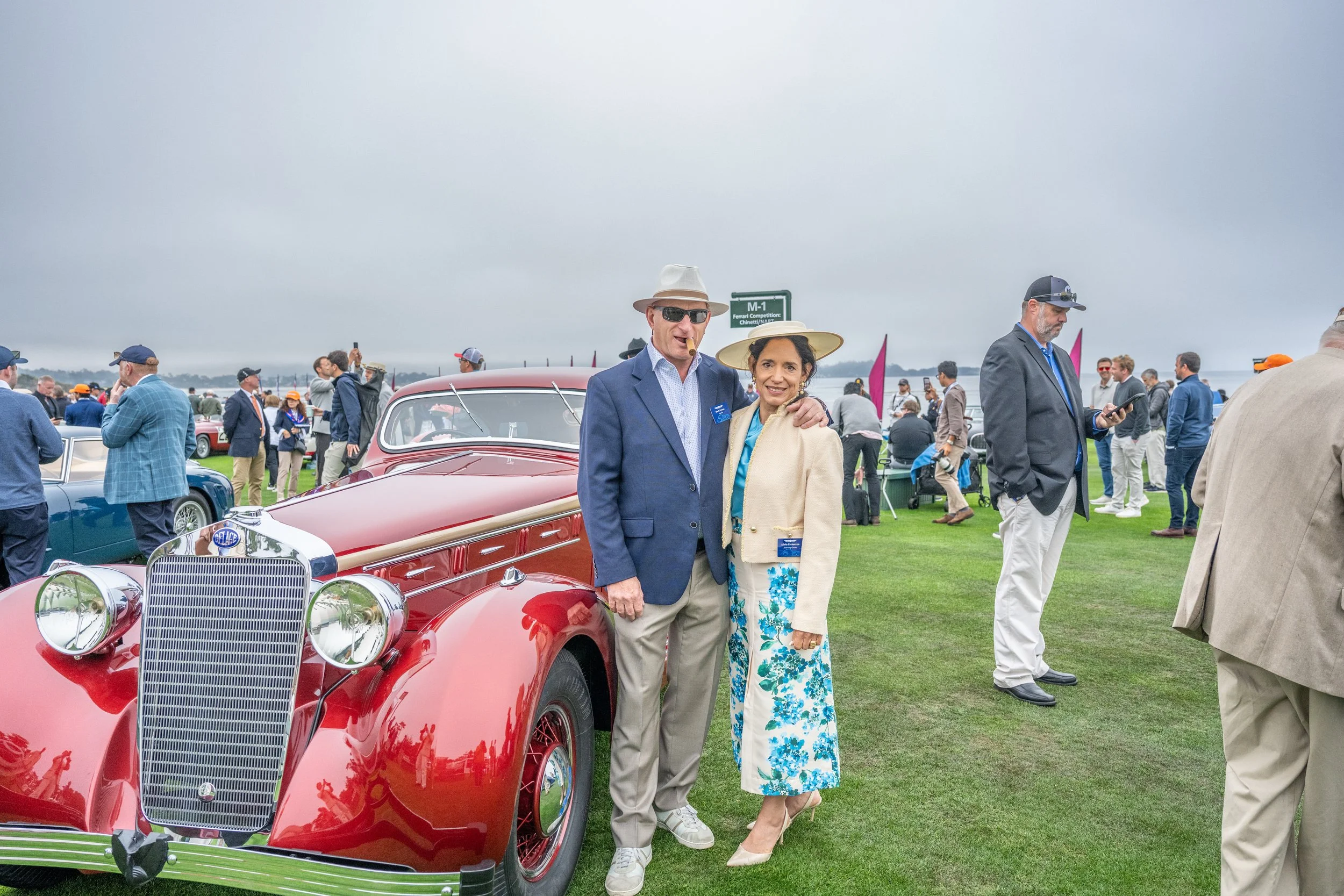
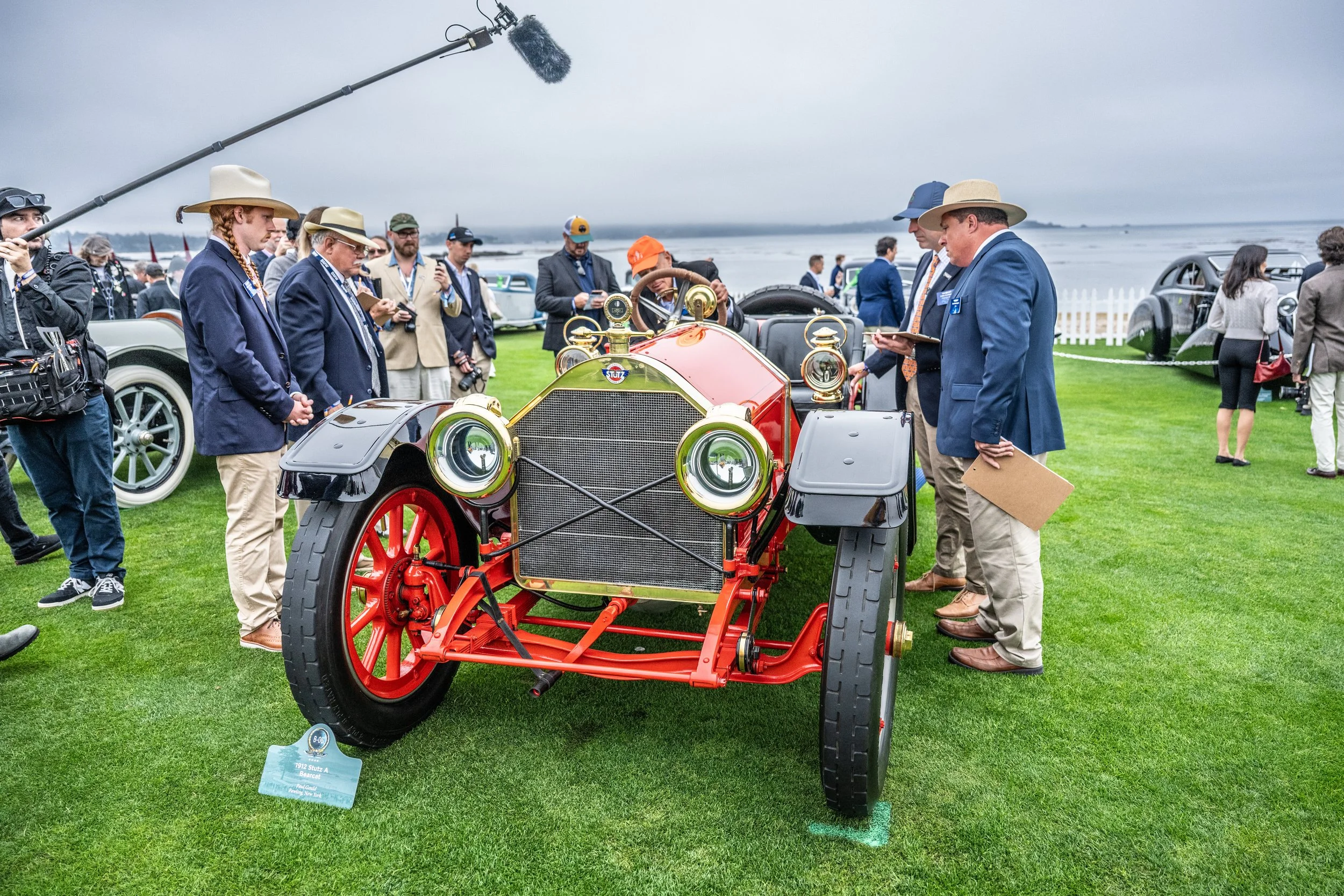
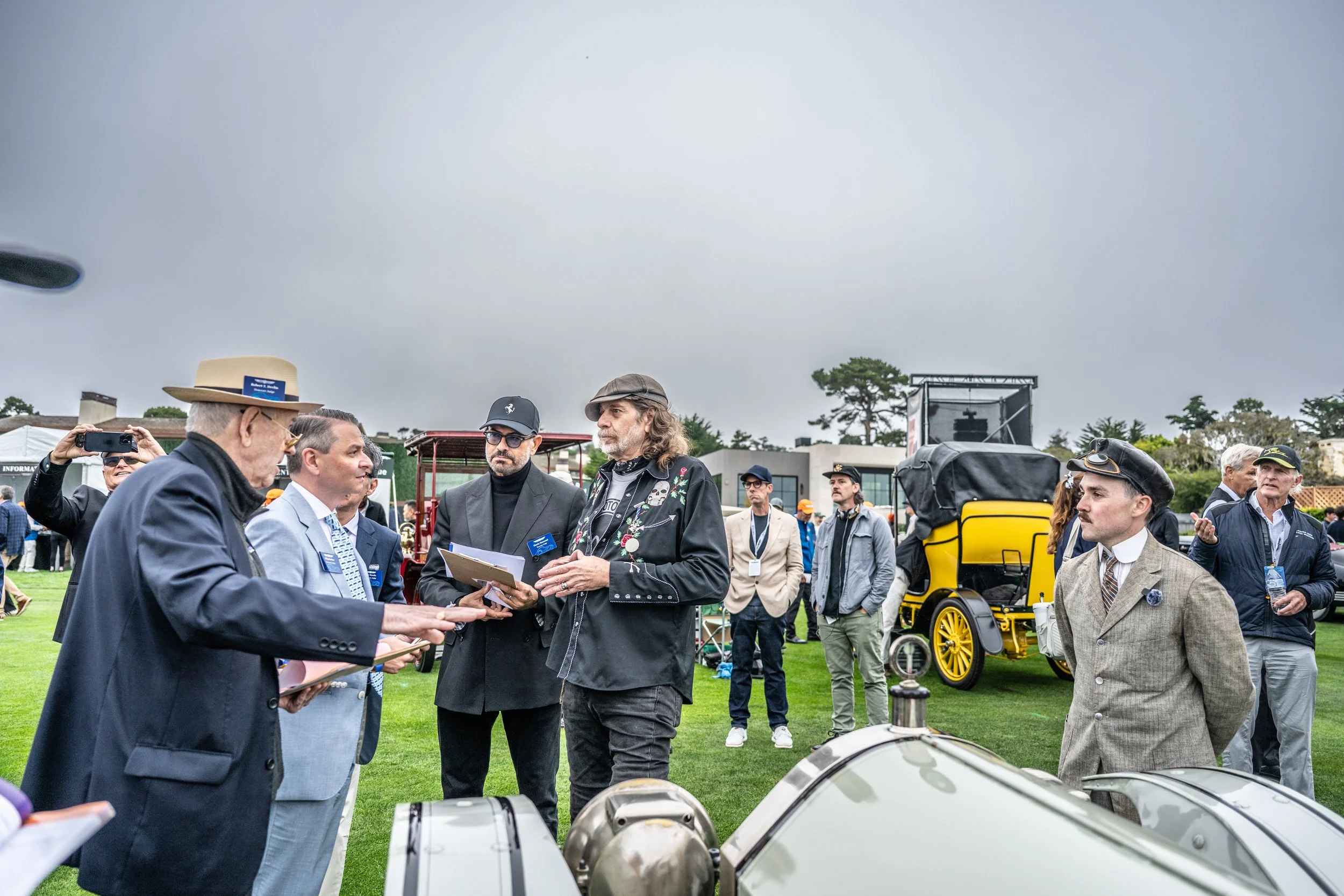
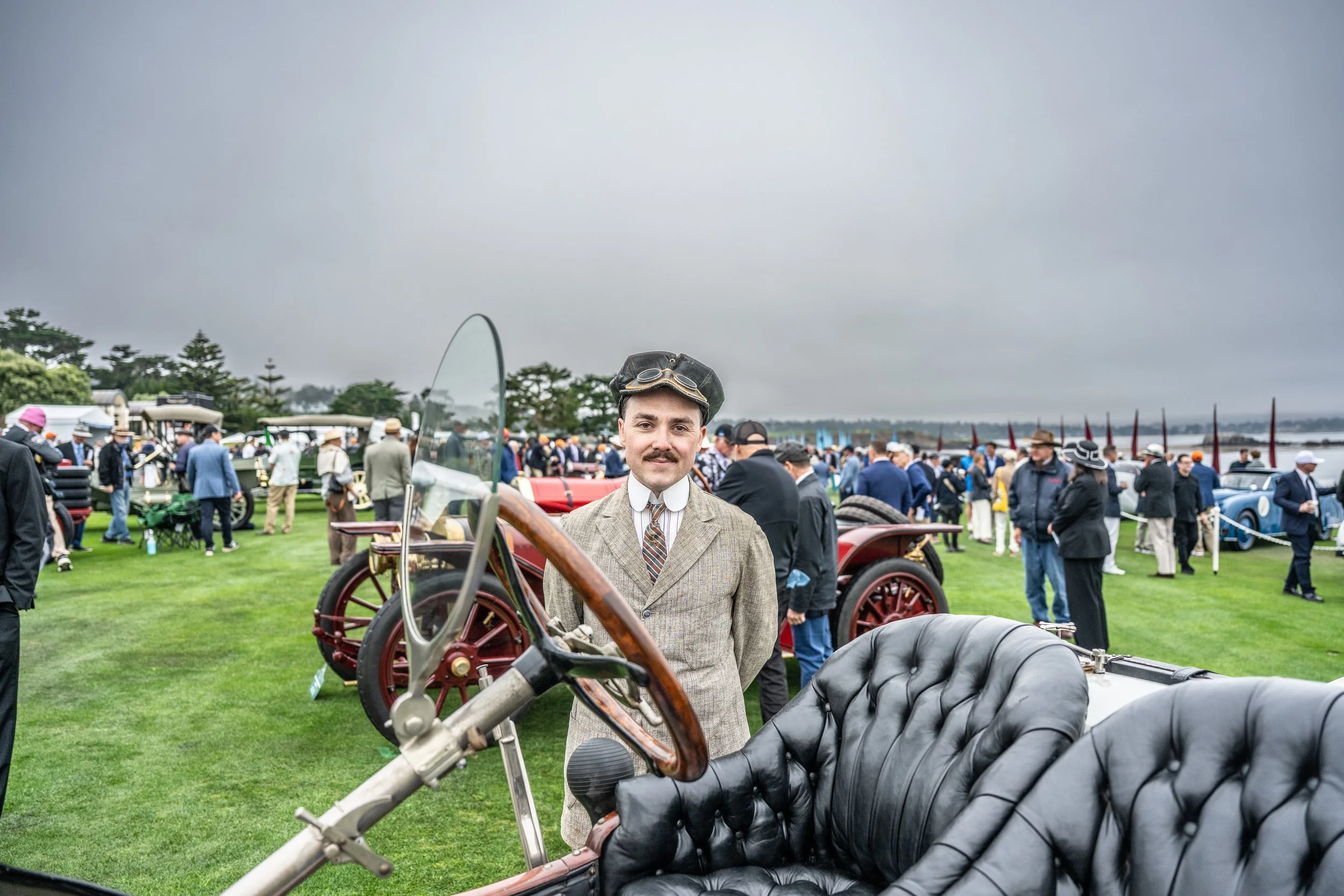
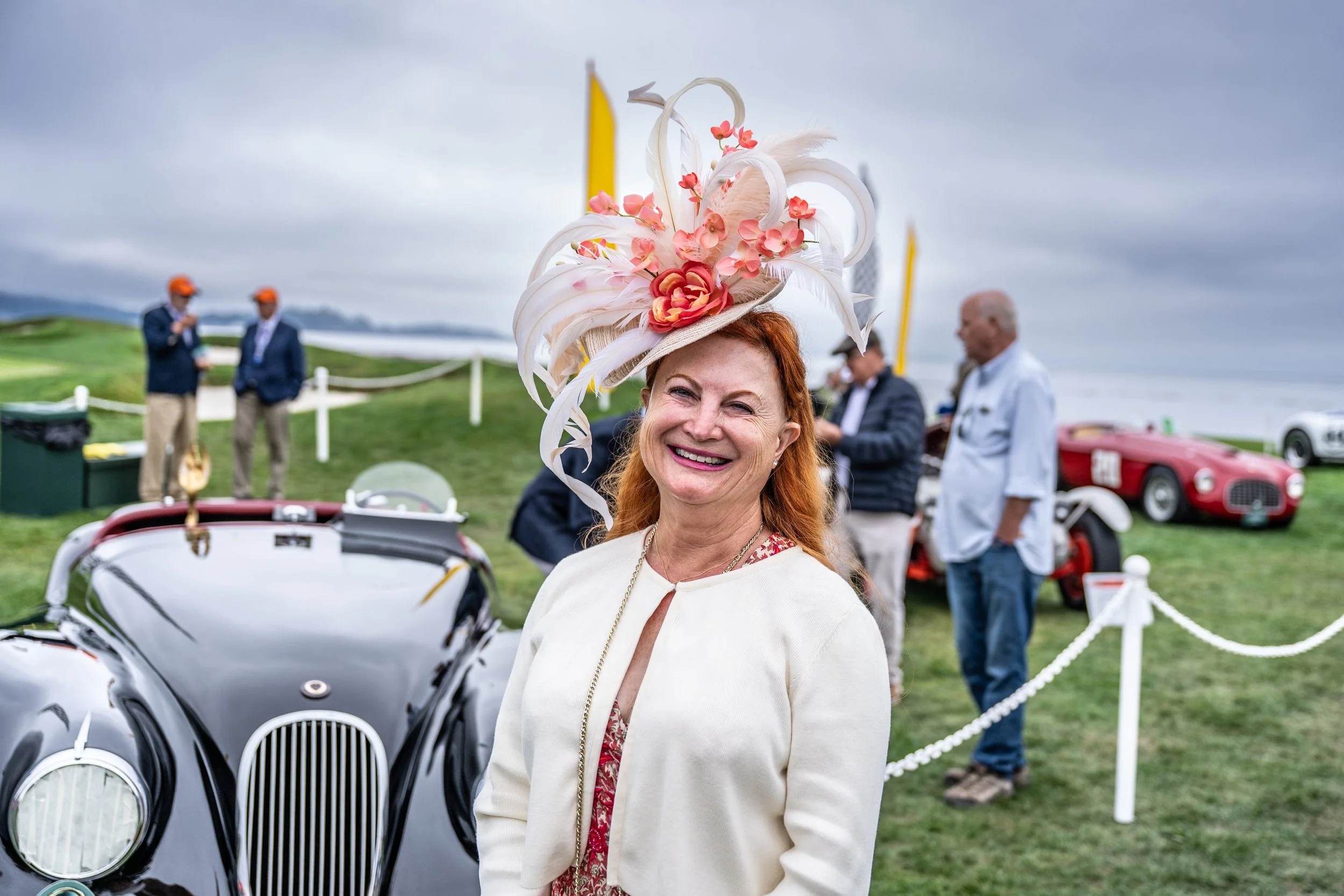
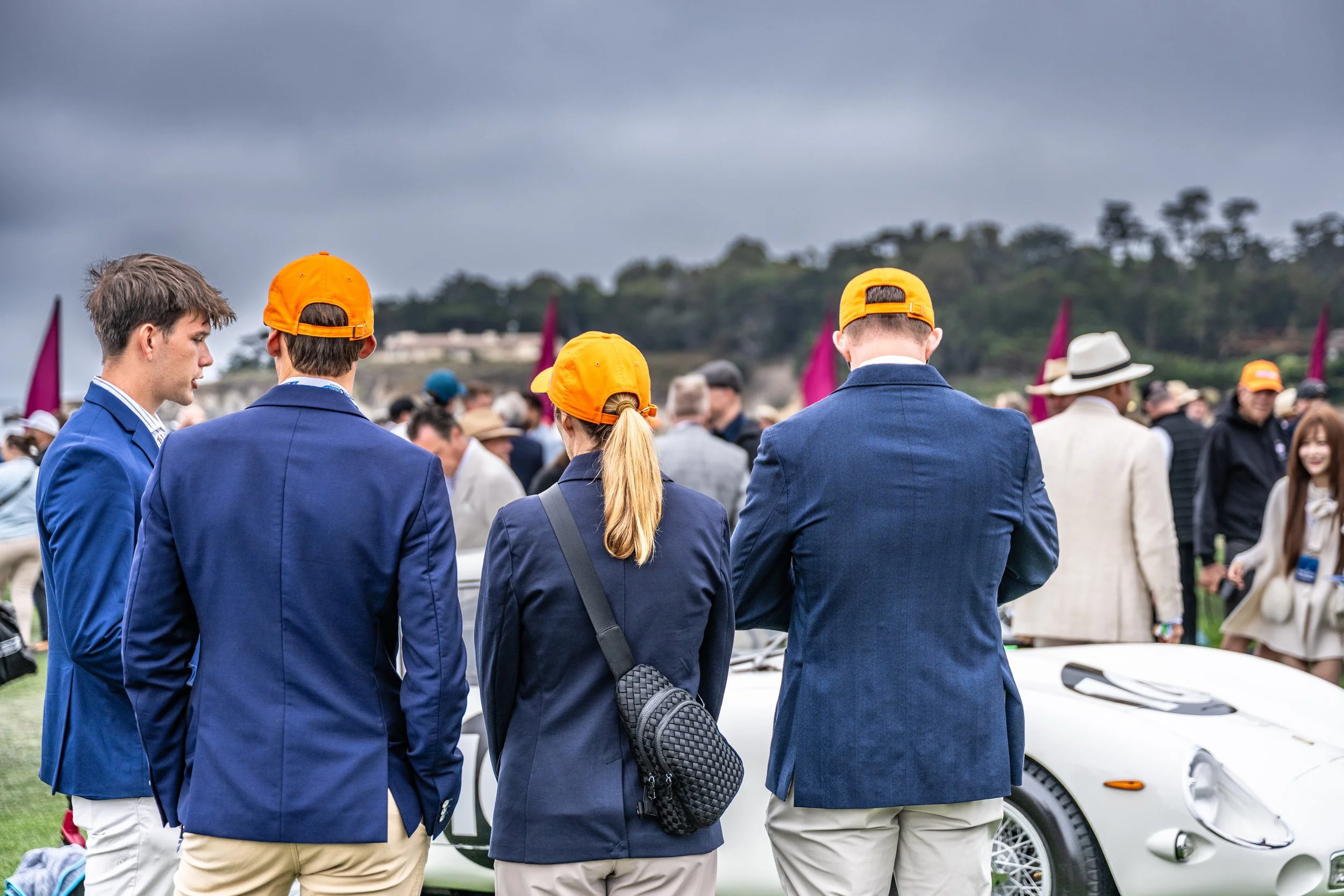
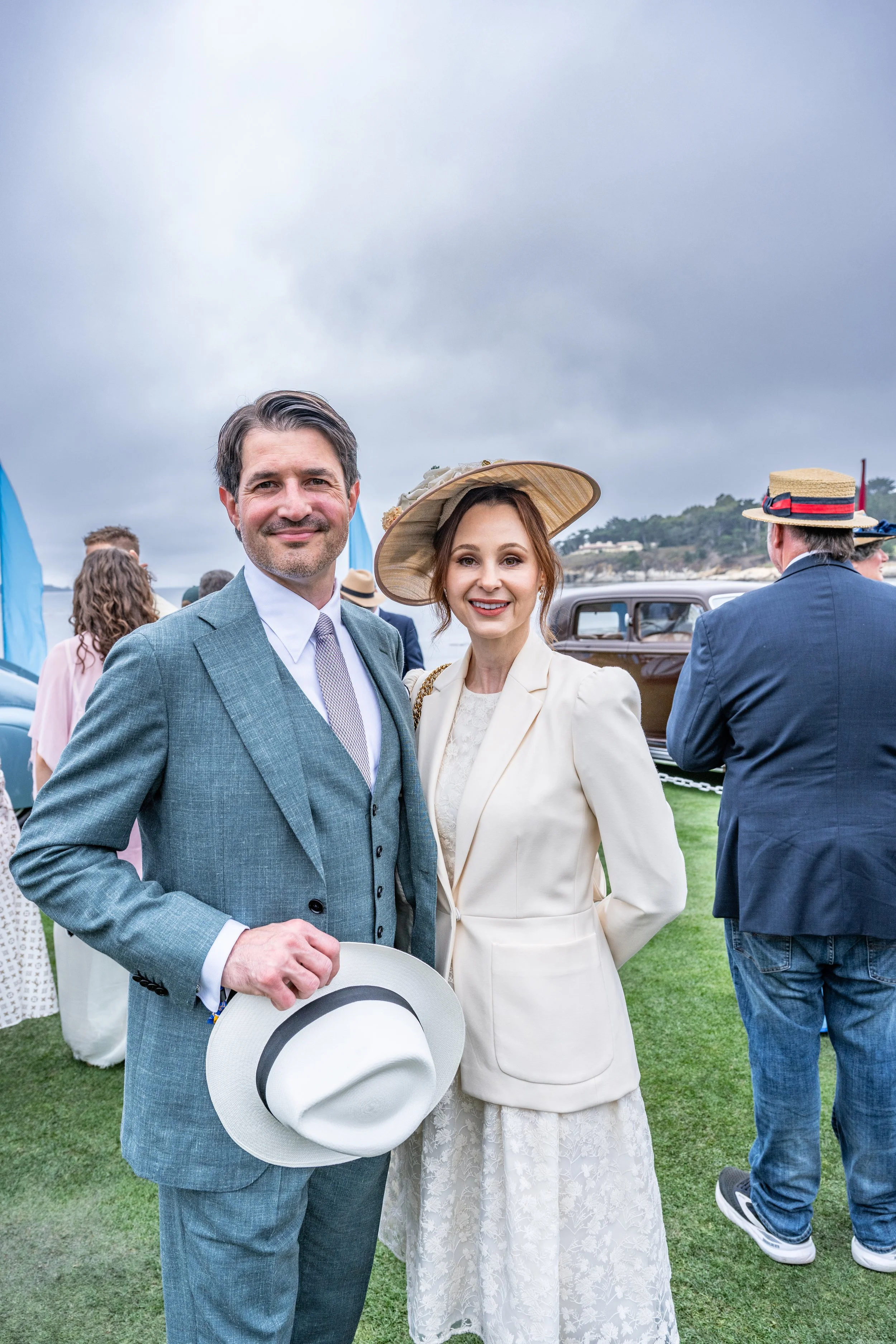
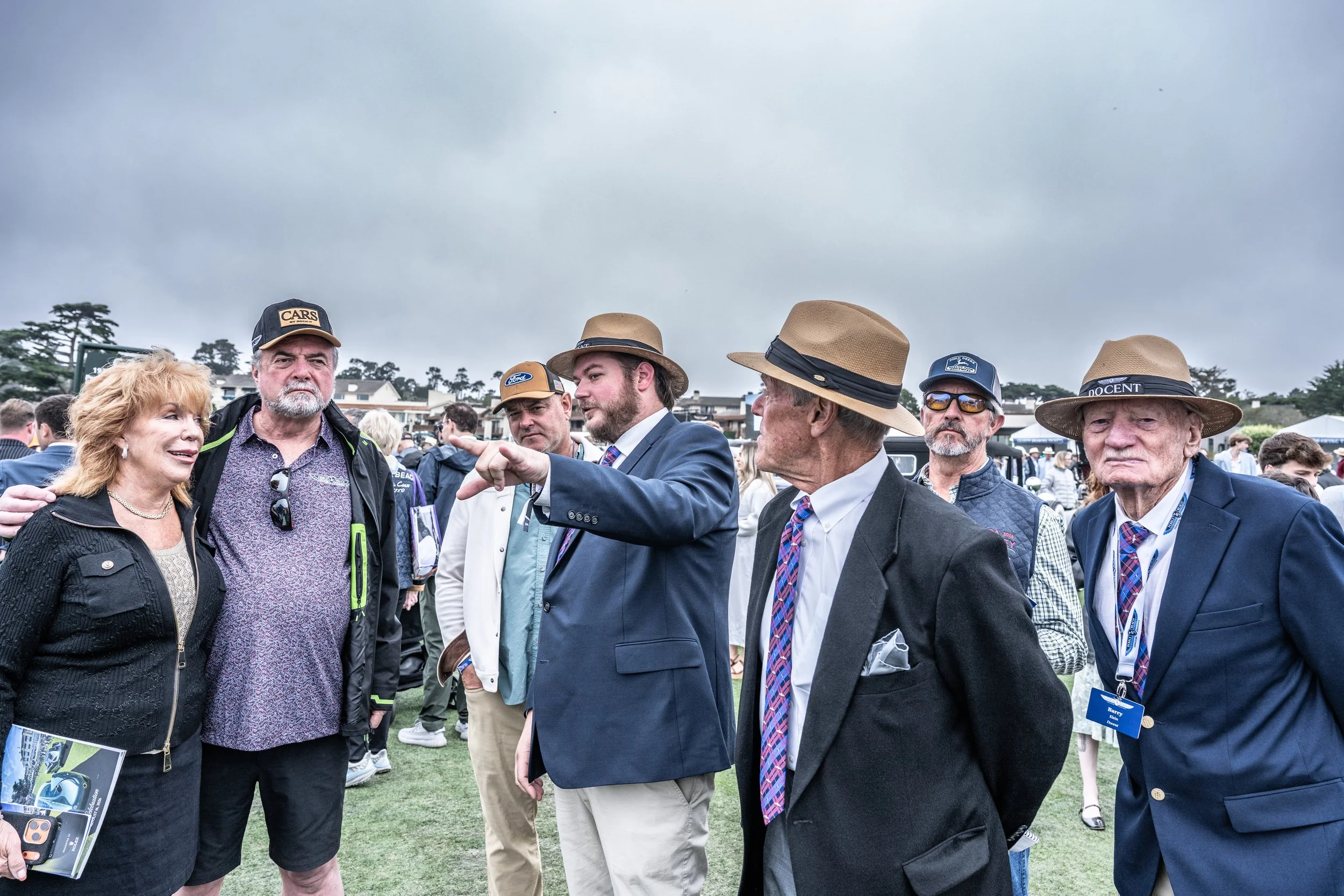
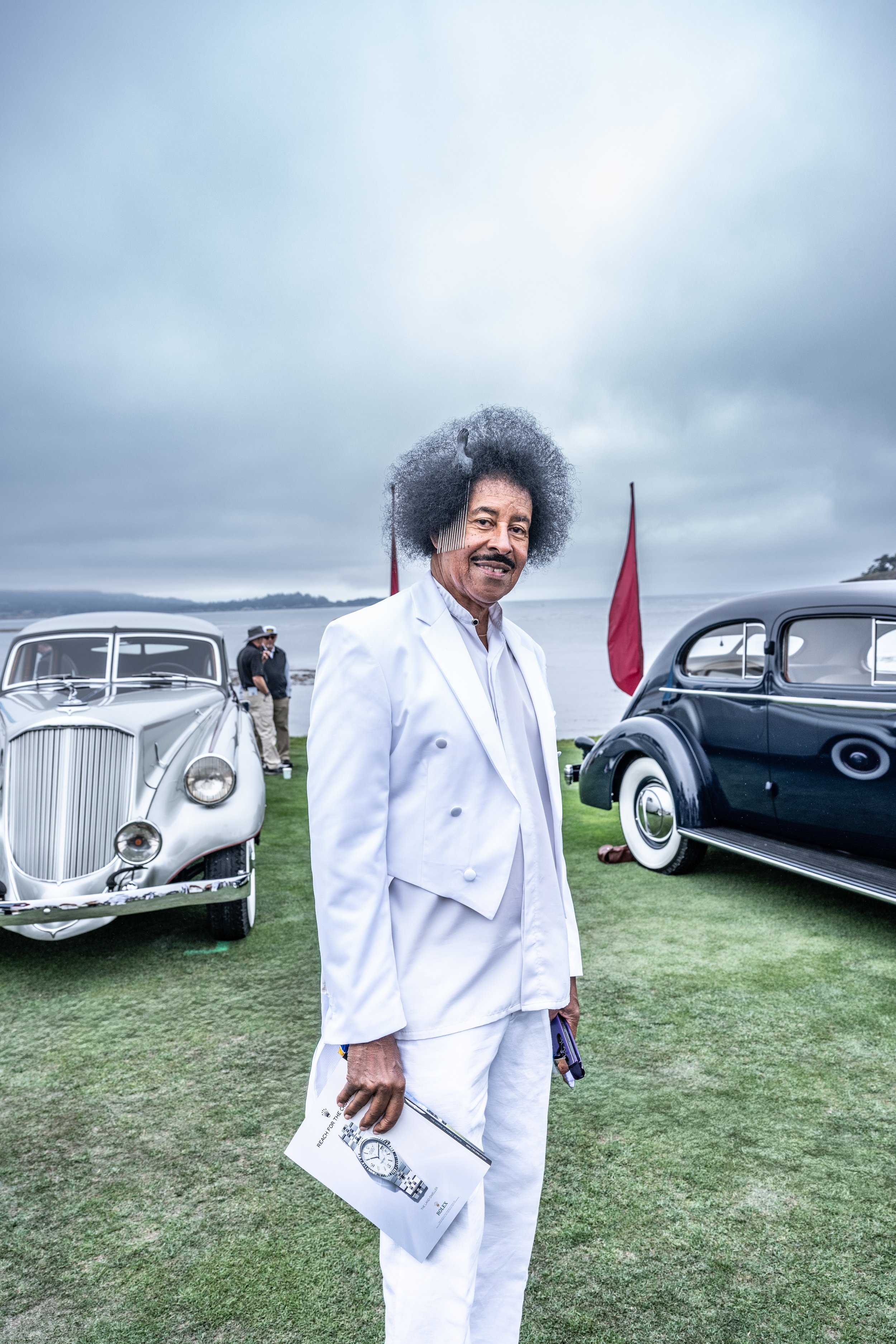
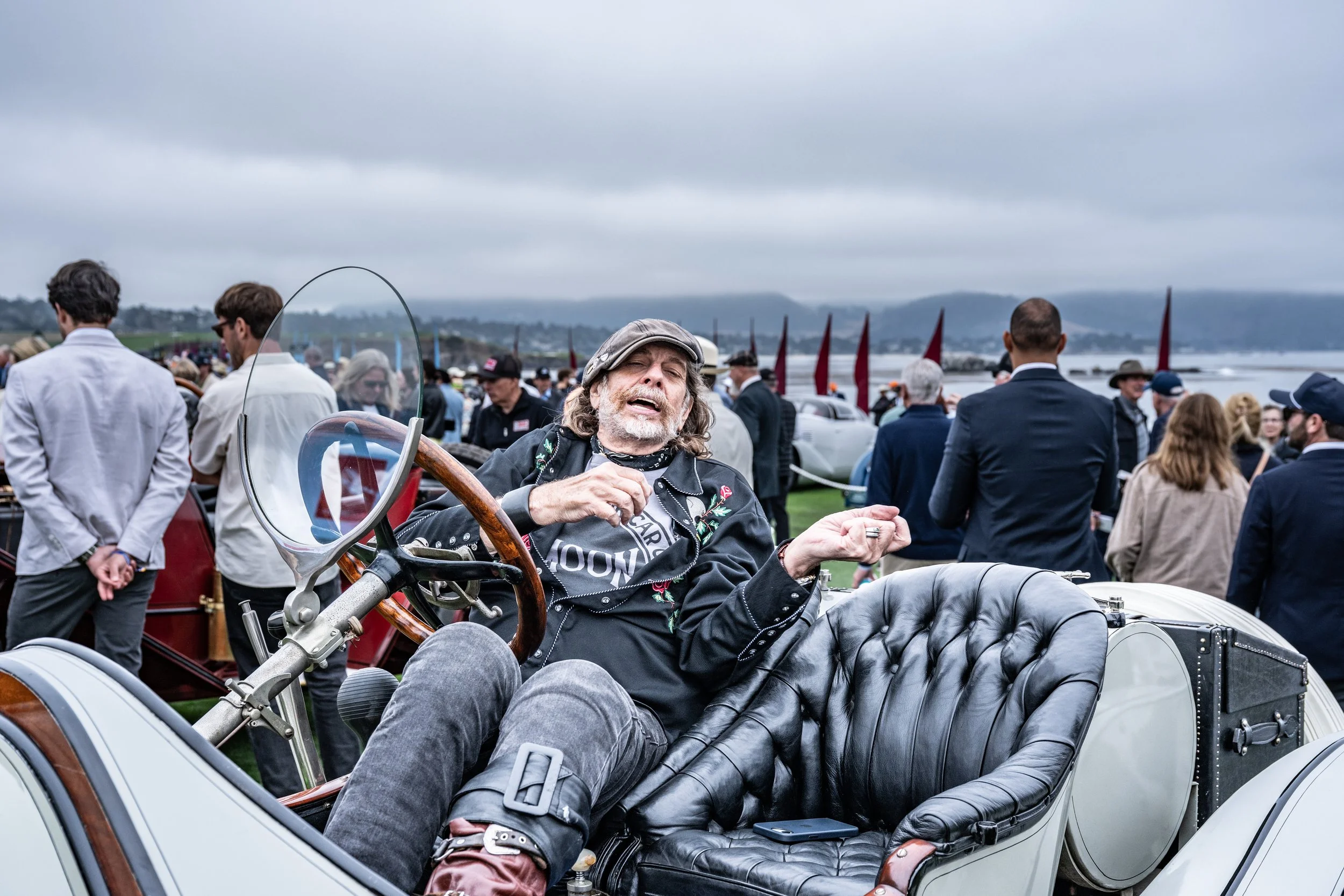
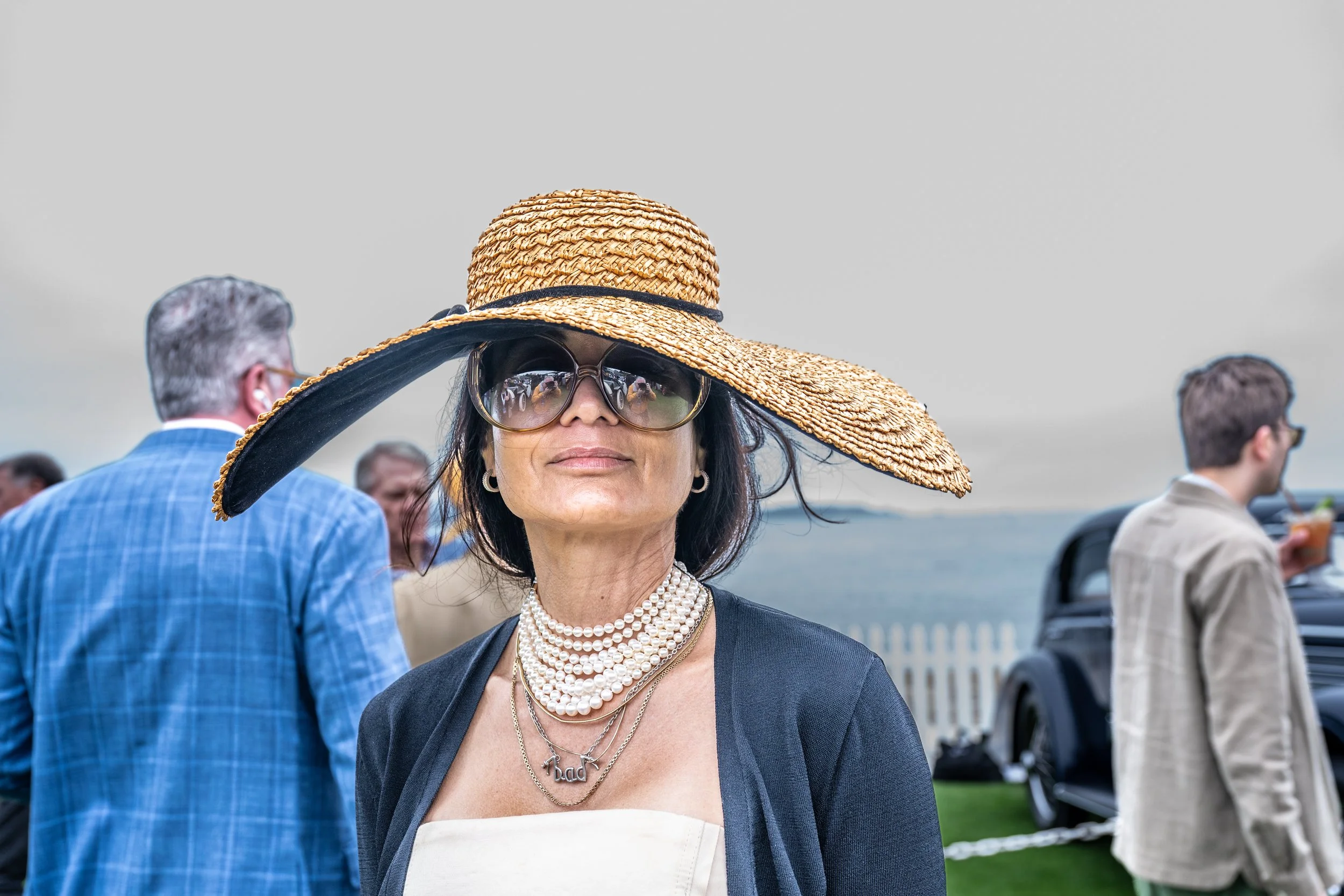
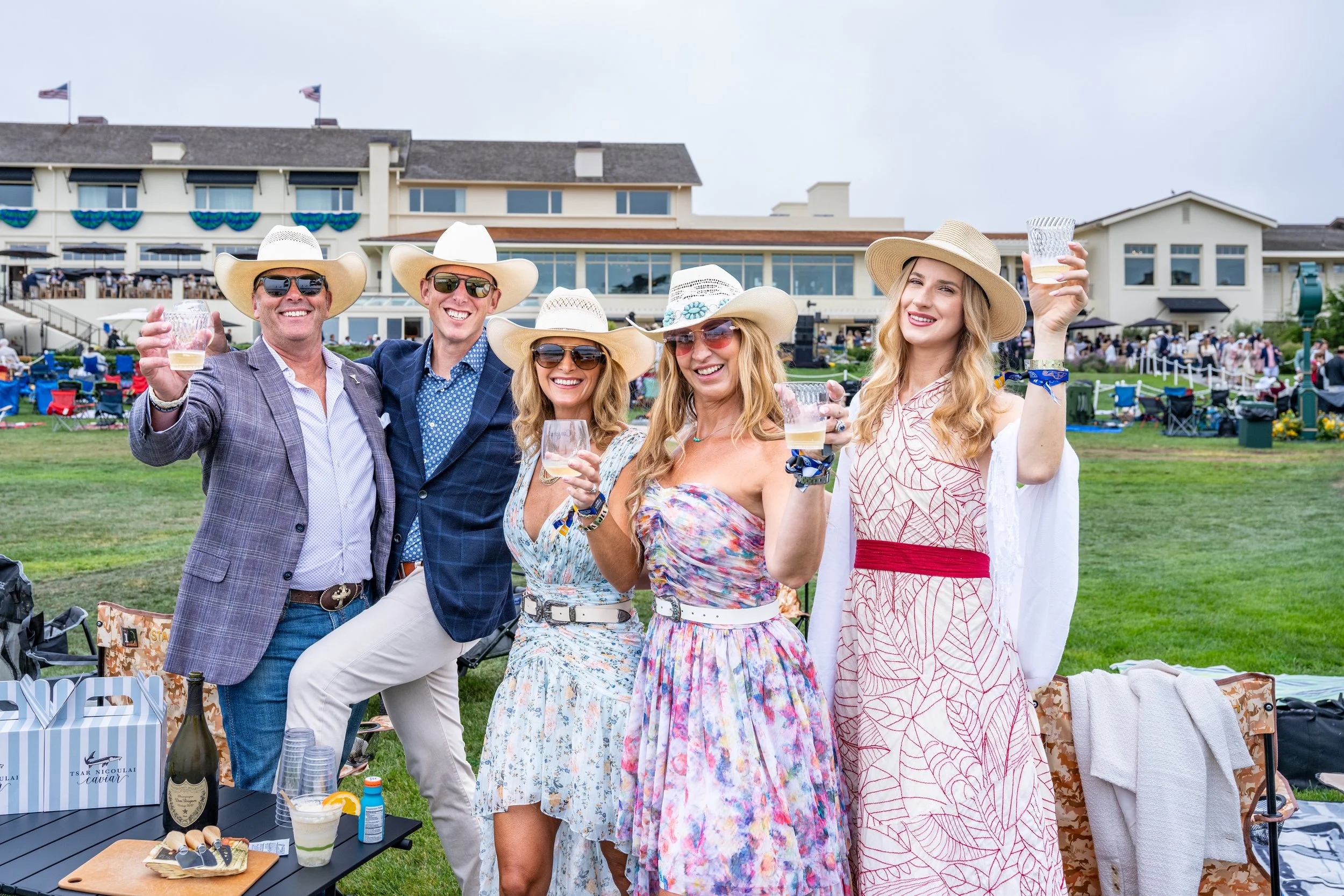
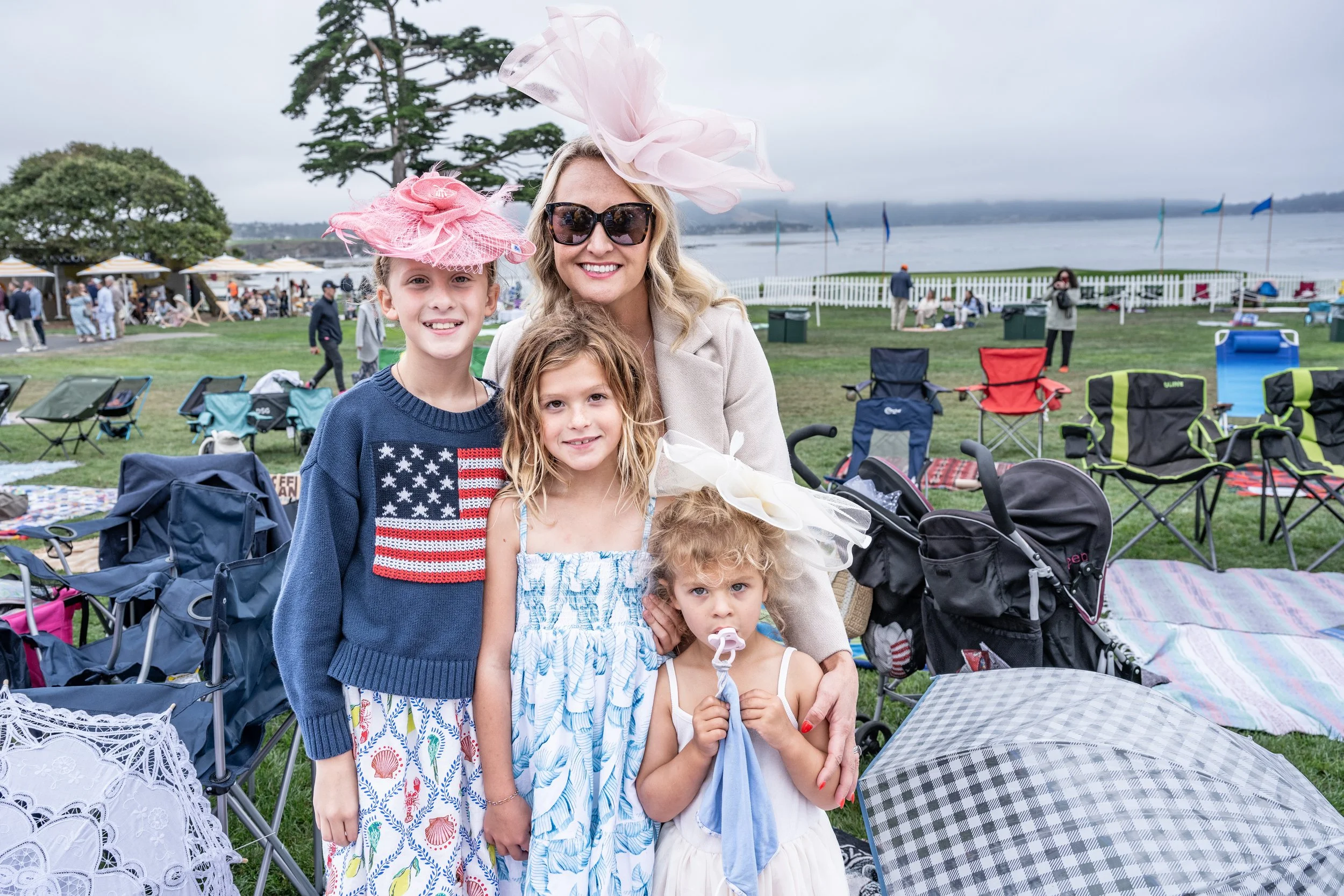
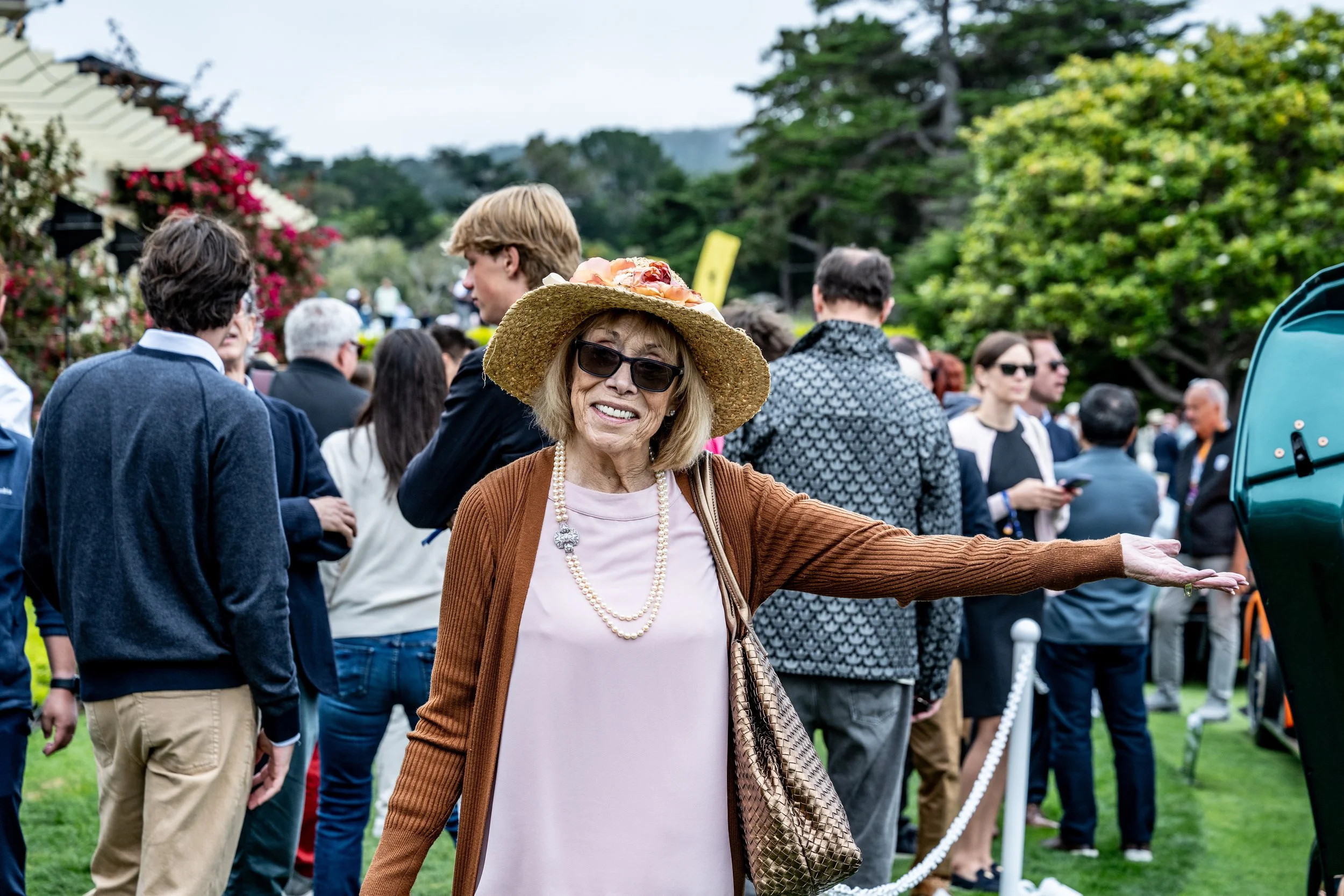
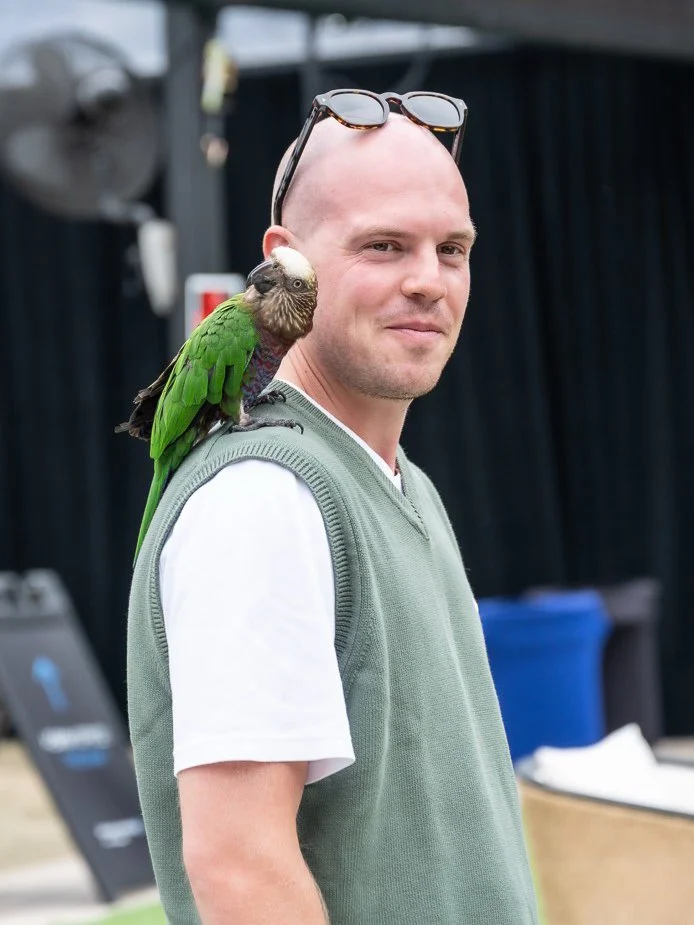
Which brings us to Claude. Claude is a hawk-head parrot. At an event populated by multimillion-dollar automobiles, legendary designers, racing drivers, collectors and celebrities, a parrot should probably not command much attention. Claude apparently missed that memo.
Click on any image to enlarge. Use the Arrow on the right to advance image. Hit ESC or the X to return.
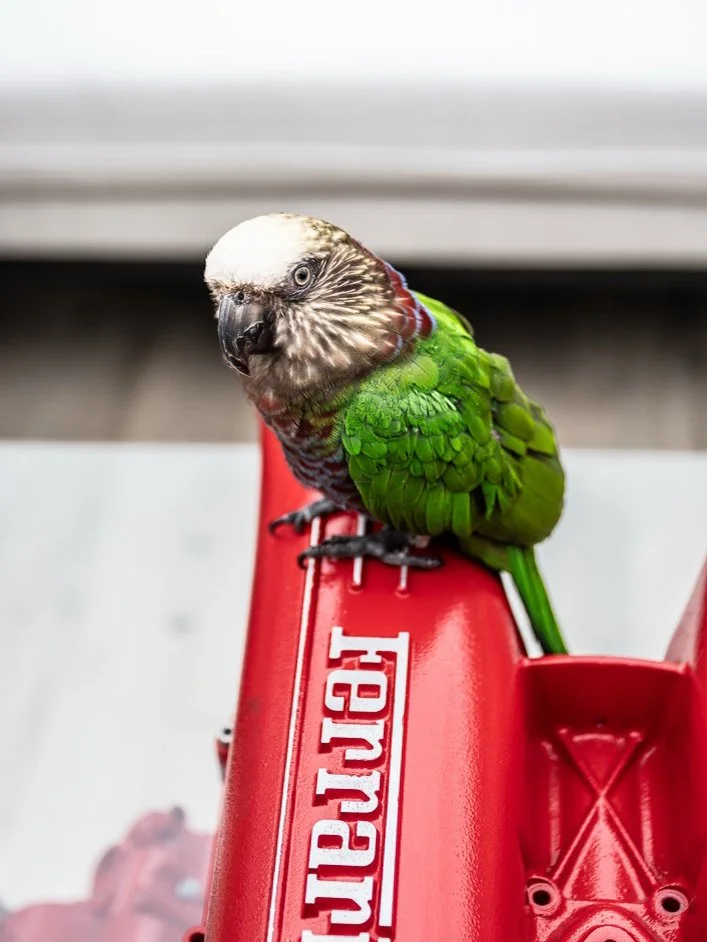
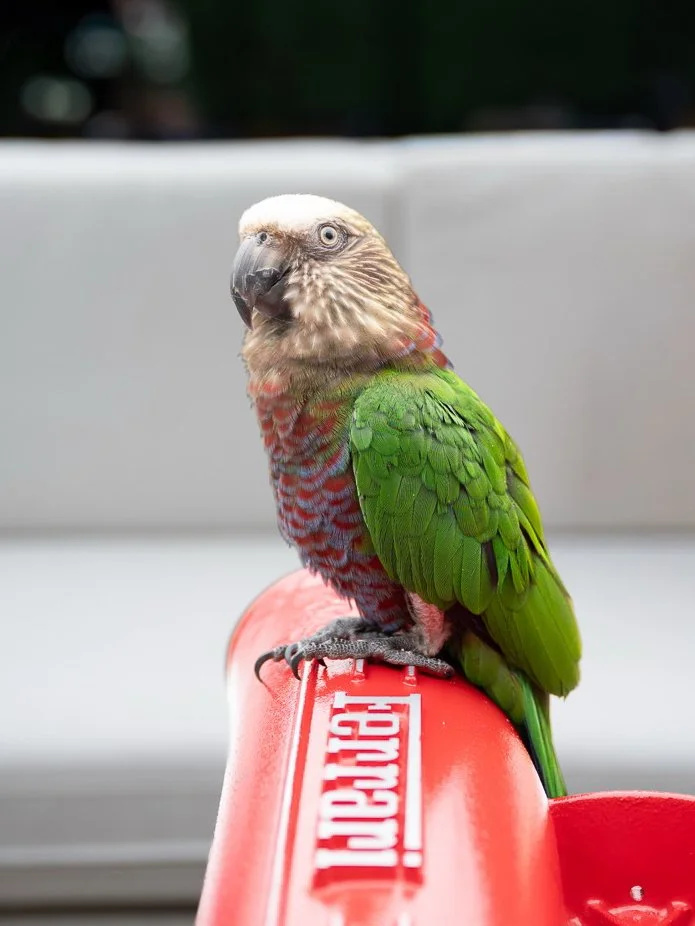
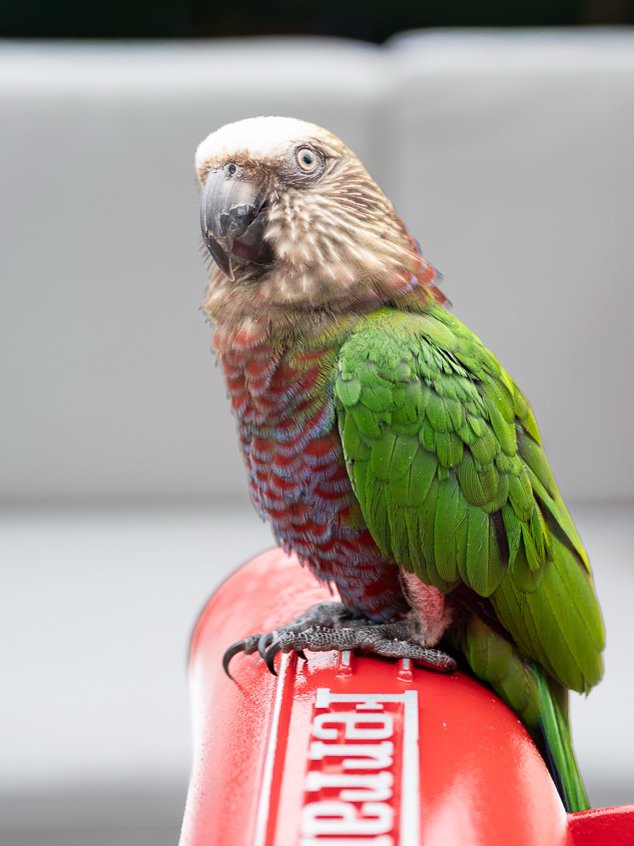
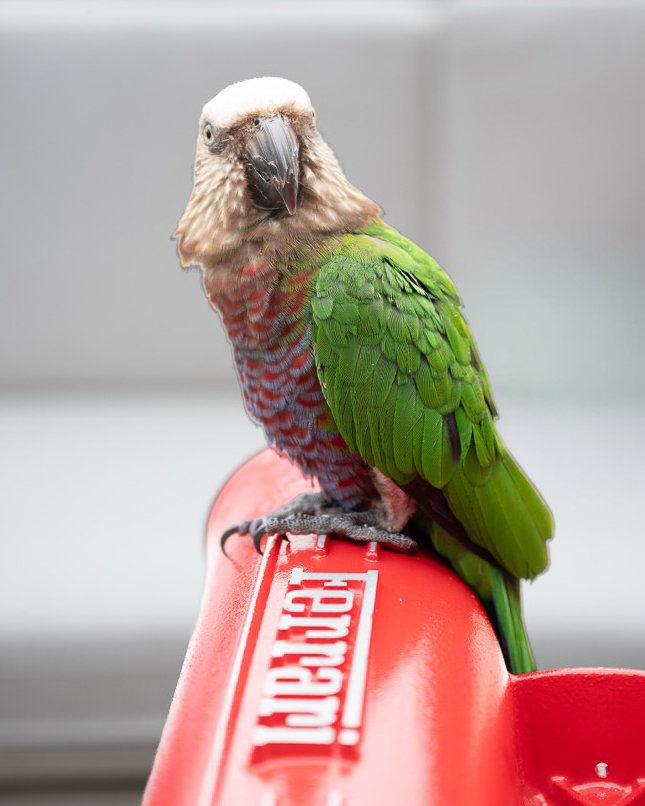
And perhaps that’s the larger point. The cars bring everyone to Pebble Beach. The characters are what make you remember being there.
WHY PEBBLE MATTERS
It would be easy to dismiss Pebble Beach as an extravagant gathering of expensive automobiles and the people fortunate enough to own them, but that completely misses the point.
Pebble Beach is where automotive history, culture, commerce and imagination intersect. The Japanese Motorsport class expands the history we consider important. The auctions establish what the market values. The Concept Lawn asks where design might go next. Ferrari connects competition history to an electric future. Dawn Patrol reminds us that beneath the valuations and provenance, people still get up before sunrise simply because they want to hear an old engine start.
And then there are the people. The collectors. Restorers. Designers. Mechanics. Photographers. Children seeing a 250 GTO for the first time. Even Claude.
Pebble Beach matters because automobiles have never really been only about transportation. They are about design. Engineering. Competition. Ambition. Memory. Occasionally irrational financial decisions.
Mostly, they are about people. For one week every August, those people gather on a small peninsula beside the Pacific to celebrate the machines that brought them together, which may be the best explanation for why, 75 competitions later, we still come back.
For the cars, certainly. But increasingly, for everything around them.
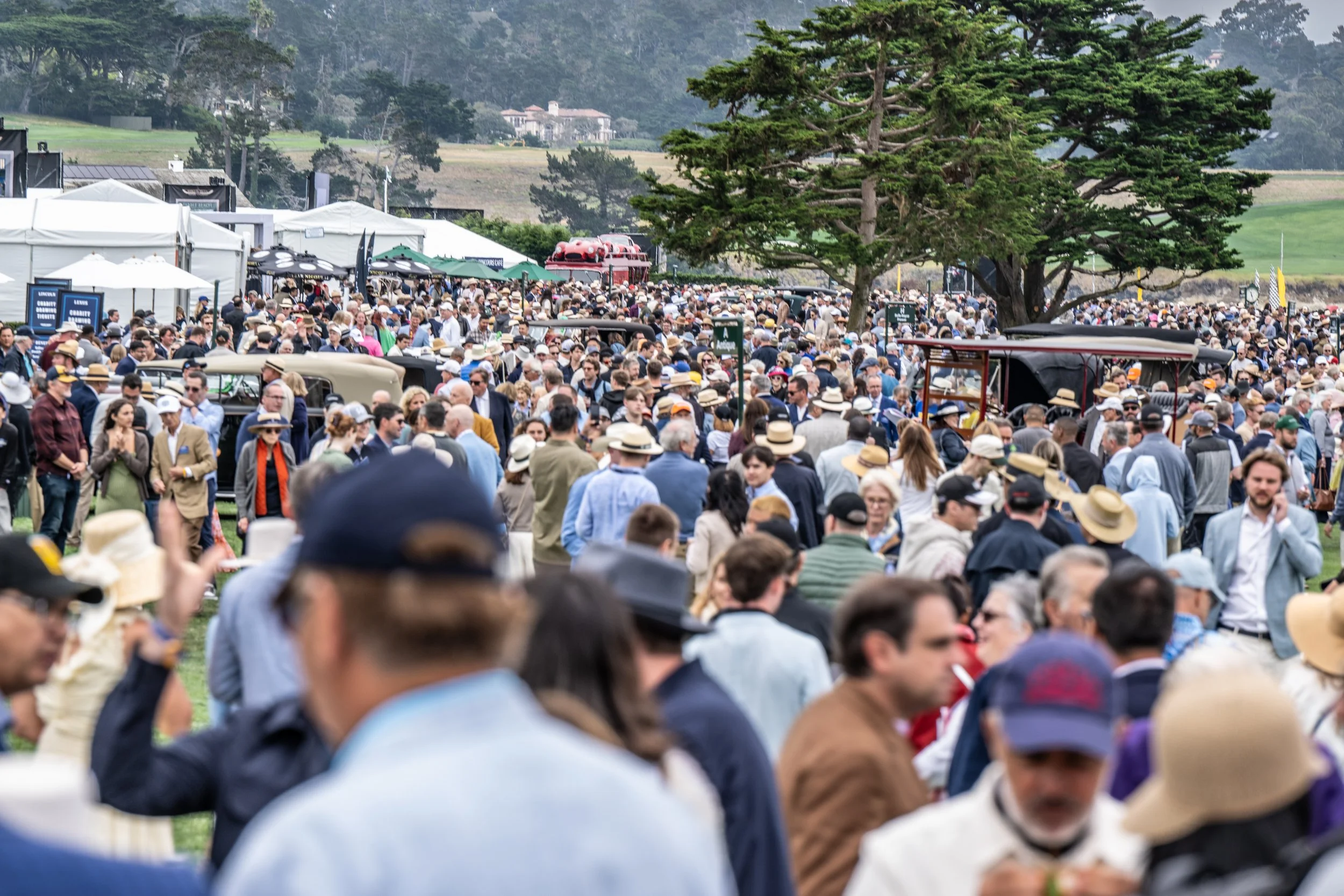
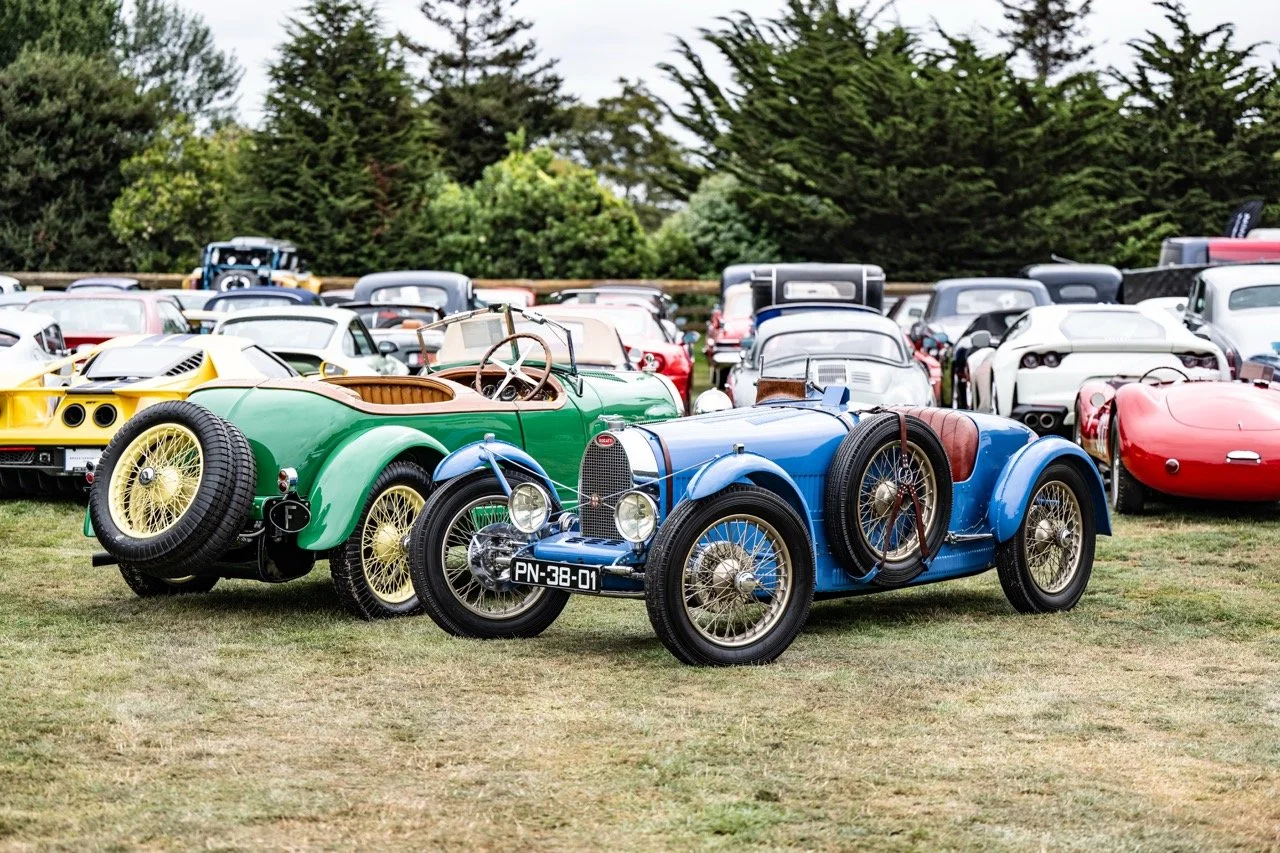
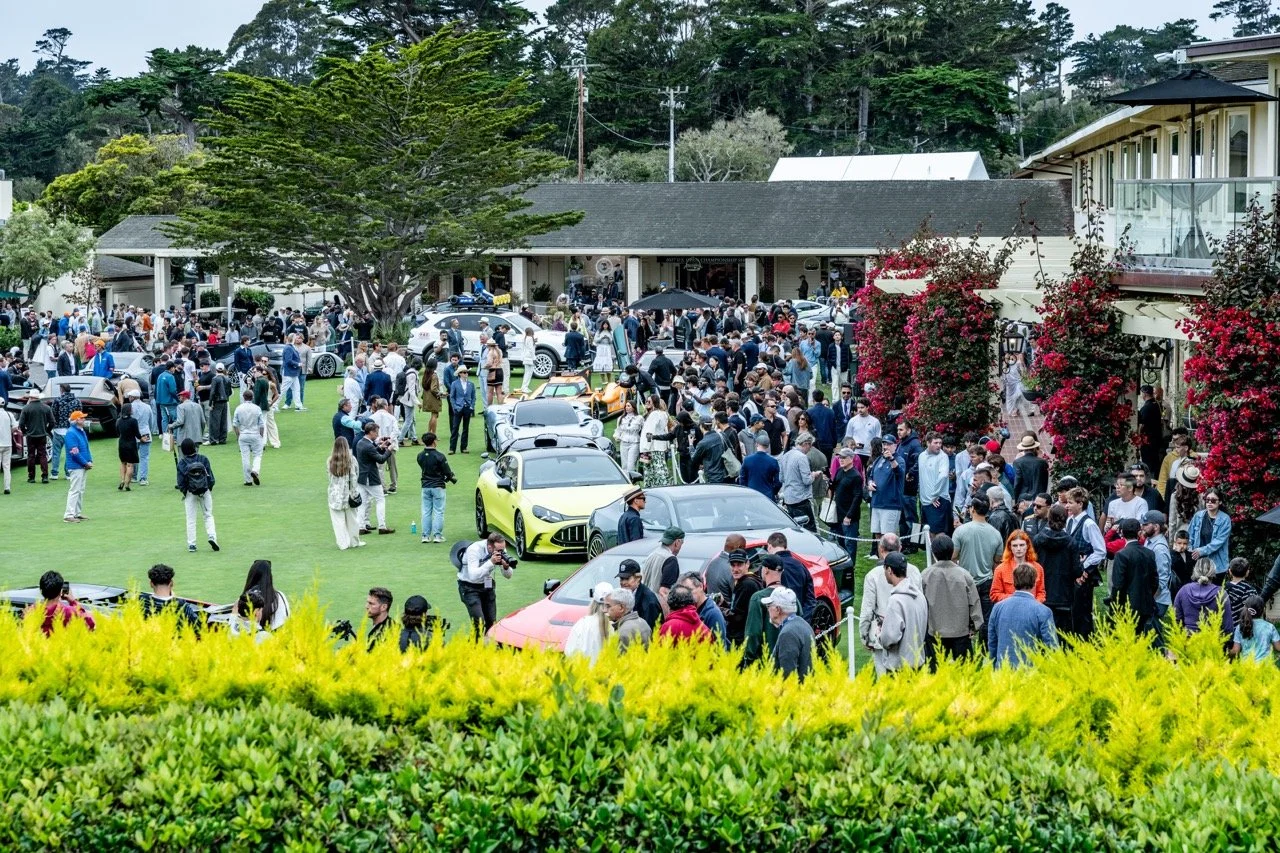
A full show field. Photo by D. Paul Graham/imageGRAHAM, llc